Inquire: Call 0086-755-23203480, or reach out via the form below/your sales contact to discuss our design, manufacturing, and assembly capabilities.
Quote: Email your PCB files to Sales@pcbsync.com (Preferred for large files) or submit online. We will contact you promptly. Please ensure your email is correct.
Notes: For PCB fabrication, we require PCB design file in Gerber RS-274X format (most preferred), *.PCB/DDB (Protel, inform your program version) format or *.BRD (Eagle) format. For PCB assembly, we require PCB design file in above mentioned format, drilling file and BOM. Click to download BOM template To avoid file missing, please include all files into one folder and compress it into .zip or .rar format.
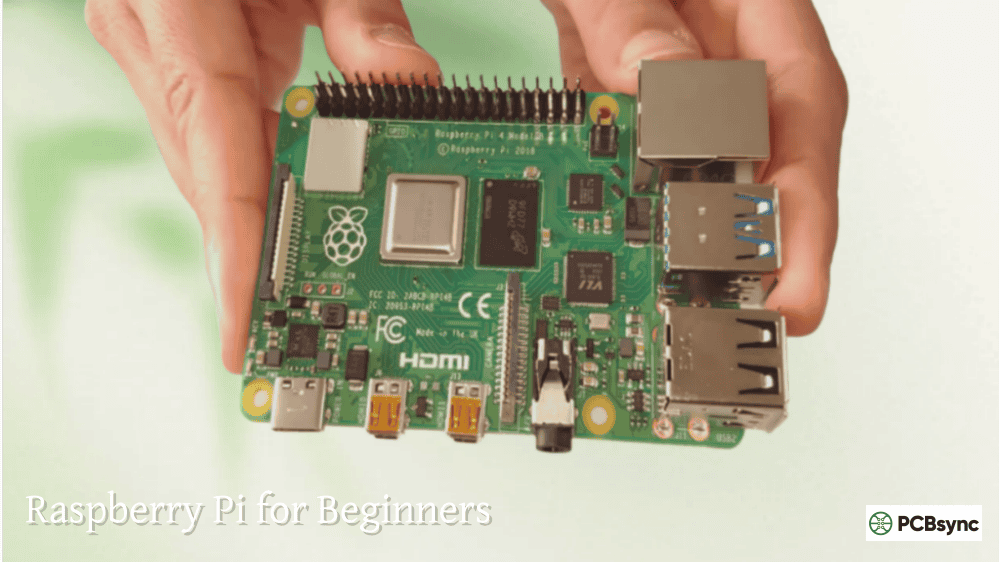
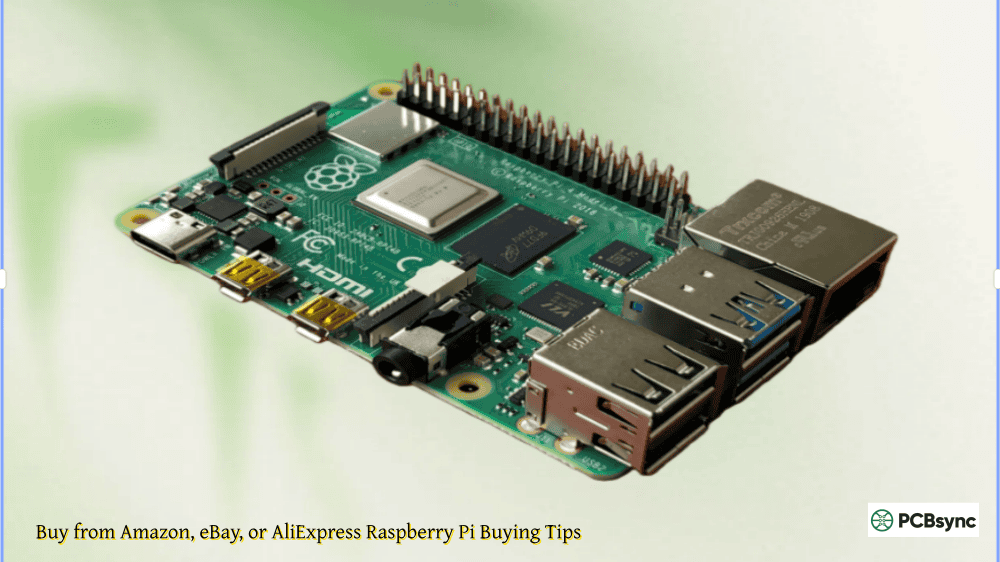
Picking your first Raspberry Pi can feel overwhelming. Walk through Amazon or any electronics retailer and you’ll find dozens of raspberry pi starter kit options at wildly different price points, each claiming to include “everything you need.” After recommending kits to students, hobbyists, and fellow engineers for years, I’ve learned that the right kit depends entirely on what you’re actually trying to accomplish.
This guide breaks down the best raspberry pi kit options available in 2025 and 2026, covering everything from plug-and-play beginner bundles to comprehensive electronics learning kits. Whether you want a simple desktop replacement, a retro gaming machine, or a proper introduction to GPIO programming, there’s a kit here that fits.
Before diving into specific recommendations, let’s establish what separates a genuinely useful raspberry pi starter kit from one that leaves you hunting for additional parts.
Essential Components Every Kit Should Include
A complete starter kit needs these core components at minimum:
Component
Why It’s Essential
Raspberry Pi Board
The computer itself (Pi 5, Pi 4, or Zero)
Power Supply
Must match your Pi model (USB-C for Pi 4/5)
MicroSD Card
Storage for your operating system and files
Case
Protects the board and provides mounting
Cooling Solution
Heatsinks and/or fan (critical for Pi 5)
HDMI Cable
Connects to your monitor (micro-HDMI for Pi 4/5)
Kits missing any of these items force you to source parts separately, which defeats the purpose of buying a kit in the first place. The power supply is particularly important, as generic USB chargers often can’t deliver stable power under load, causing random crashes and undervoltage warnings.
Nice-to-Have Additions
Better kits often include extras that genuinely add value:
Pre-loaded operating system on the SD card (saves setup time)
USB card reader (for reflashing the SD card)
GPIO reference card (invaluable for electronics projects)
Storage bag or case (keeps components organized)
Quick-start guide with project ideas
Best Raspberry Pi 5 Starter Kits for Beginners
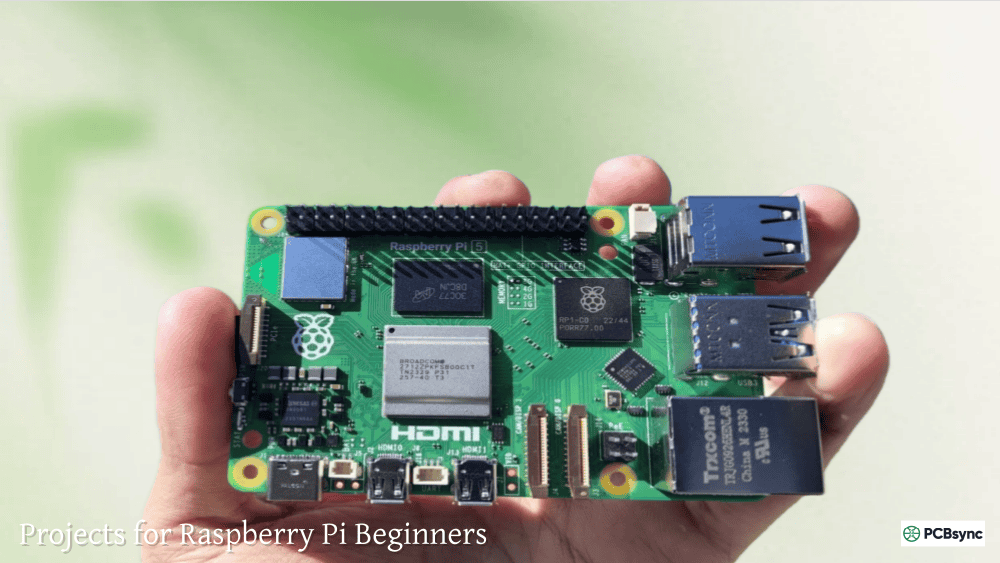
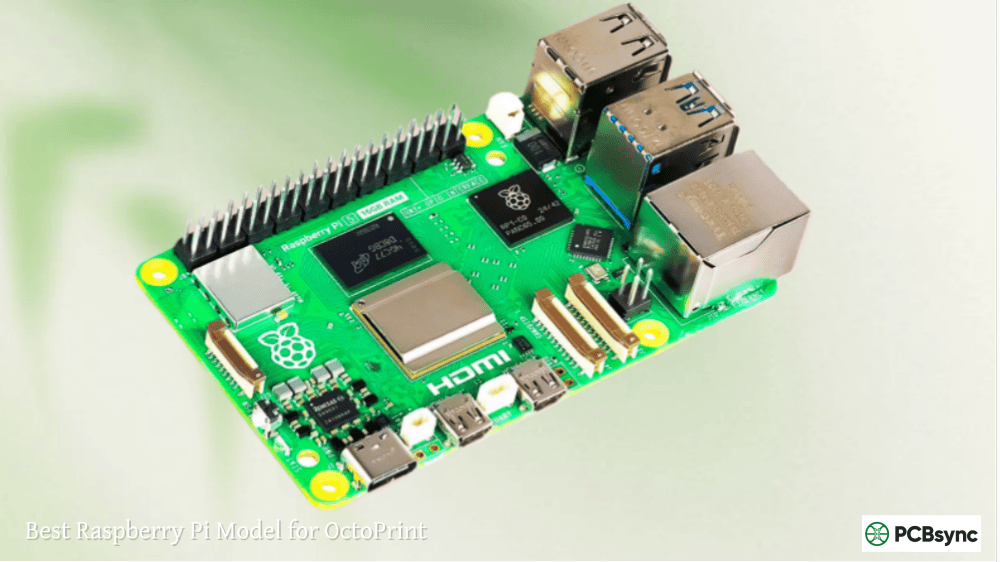
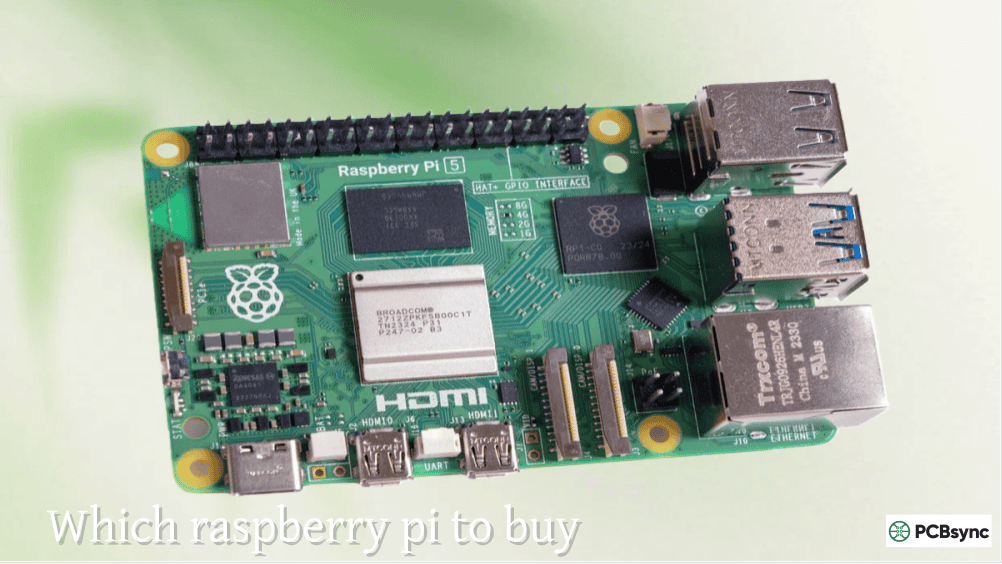
The Raspberry Pi 5 represents a massive leap in performance, delivering 2-3x the processing power of the Pi 4. For most new users in 2025 and 2026, a Pi 5 kit makes the most sense unless you have specific reasons to choose otherwise.
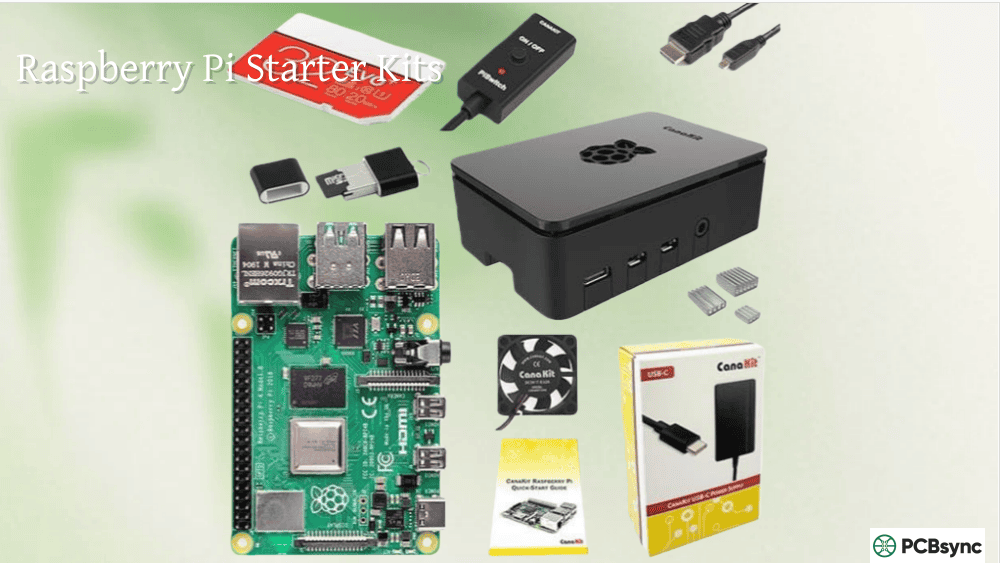
CanaKit Raspberry Pi 5 Starter Kit PRO
CanaKit has been building raspberry pi kit bundles since 2012, and their Pi 5 offerings reflect that experience.
What’s Included:
Raspberry Pi 5 (4GB or 8GB options)
128GB Samsung EVO+ MicroSD with OS pre-loaded
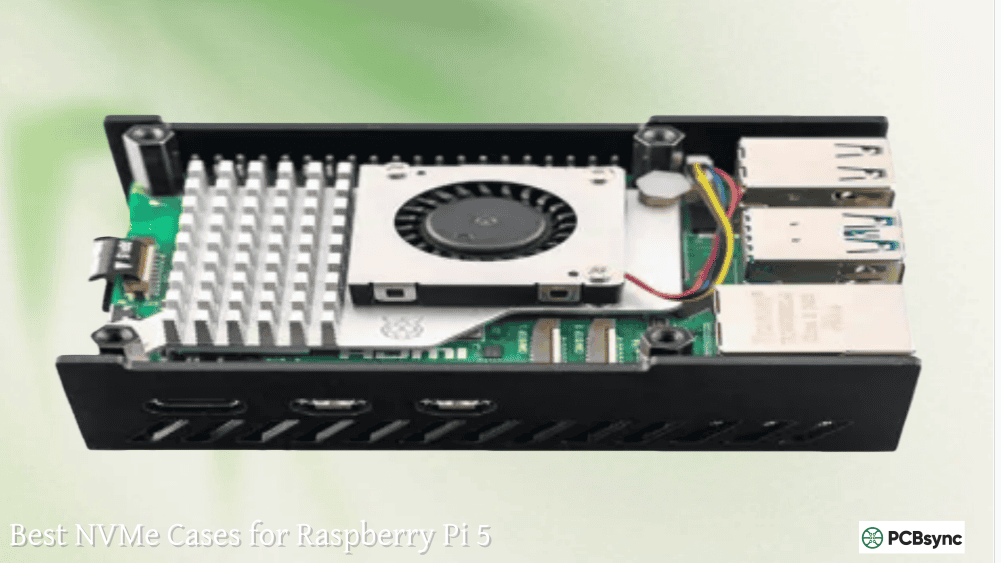
CanaKit Turbine case with 50+ ventilation holes
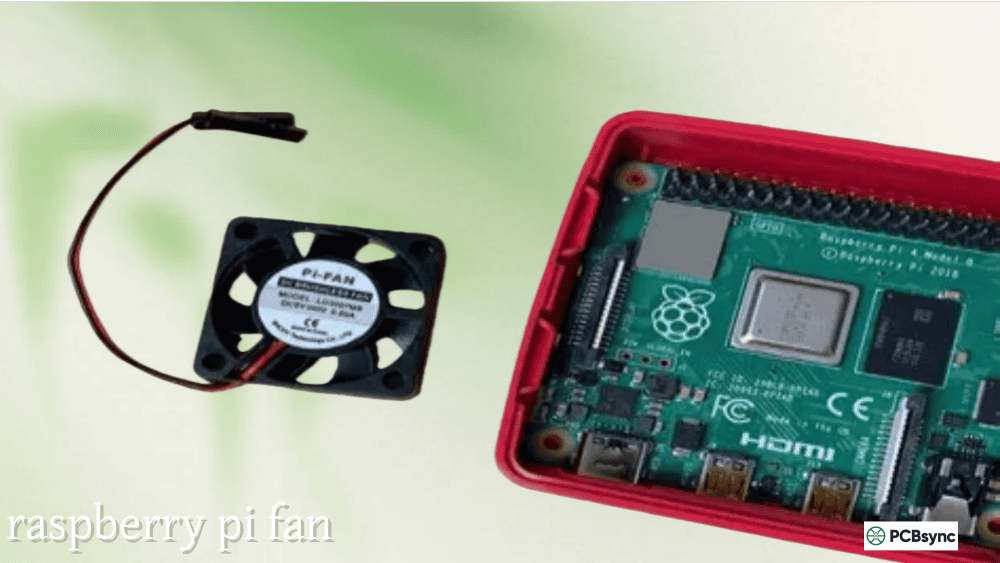
PWM cooling fan (low-noise bearing system)
MEGA heatsink designed specifically for Pi 5
5A USB-C PD power supply (UL Listed)
Two 6-foot micro-HDMI to HDMI cables
USB card reader
Price Range: $120-$160 depending on RAM
The Turbine case design genuinely works well. I’ve tested it under sustained loads and the combination of directed airflow and the oversized heatsink keeps temperatures well under throttling thresholds. The UL-Listed power supply with noise filtering eliminates the stability issues that plague cheaper kits.
The main downside is price. You’re paying a premium for CanaKit’s quality control and brand reputation. For beginners who want zero headaches, that premium is worth it.
Vilros Raspberry Pi 5 Complete Starter Kit
Vilros offers excellent value with more case customization options than CanaKit provides.
Case (multiple styles: aluminum, acrylic, ABS with RGB)
PWM cooling fan
Heatsink set (for non-metal cases)
27W USB-C power supply
Micro-HDMI to HDMI cables
Camera module adapter cable
Neoprene storage bag
Quick-start guide
Price Range: $100-$170 depending on configuration
The standout feature is case selection. During checkout, you can choose between aluminum alloy (passive + active cooling), clear acrylic, ABS plastic with RGB LEDs, or CNC-crafted aluminum. This flexibility isn’t available from most competitors.
Vilros also includes camera adapter cables and storage bags that other kits omit. The documentation isn’t quite as polished as CanaKit’s, but experienced users won’t notice and beginners can find plenty of tutorials online.
Official Raspberry Pi 5 Desktop Kit
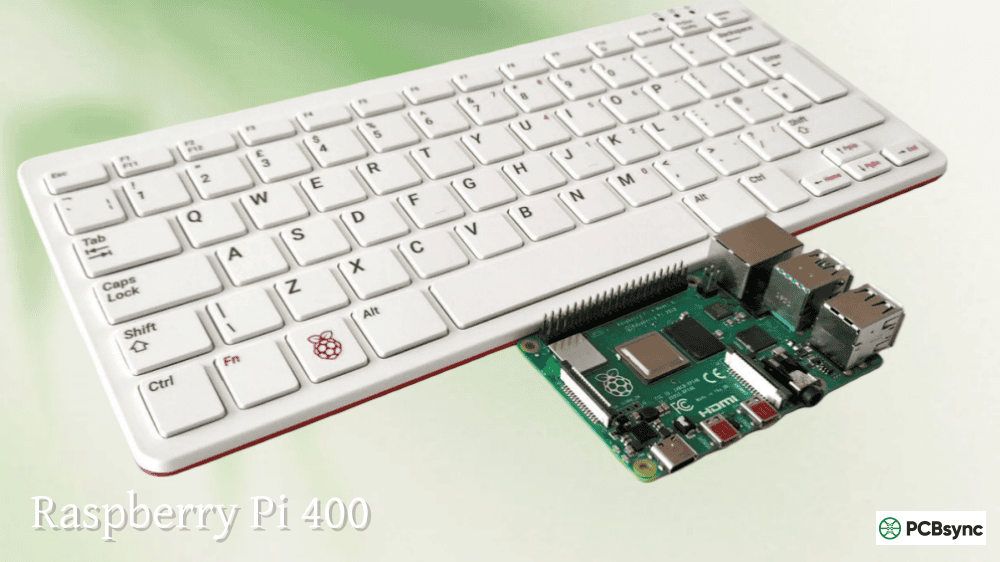
For those who want everything from the source, the official kit from Raspberry Pi includes the branded keyboard and mouse.
What’s Included:
Raspberry Pi 5 (4GB or 8GB)
Official Raspberry Pi case with fan
Official 27W USB-C power supply
Official keyboard and mouse
32GB MicroSD with Raspberry Pi OS
Micro-HDMI to HDMI cable
Beginner’s guide book
Price Range: $150-$180
This kit makes sense if you’re setting up a dedicated Pi desktop and don’t already have USB peripherals. The included keyboard and mouse work well and match the official case aesthetics. The downside is smaller storage (32GB vs 128GB in third-party kits) and slightly higher pricing.
Best Pi 4 Kit Options for Budget-Conscious Beginners
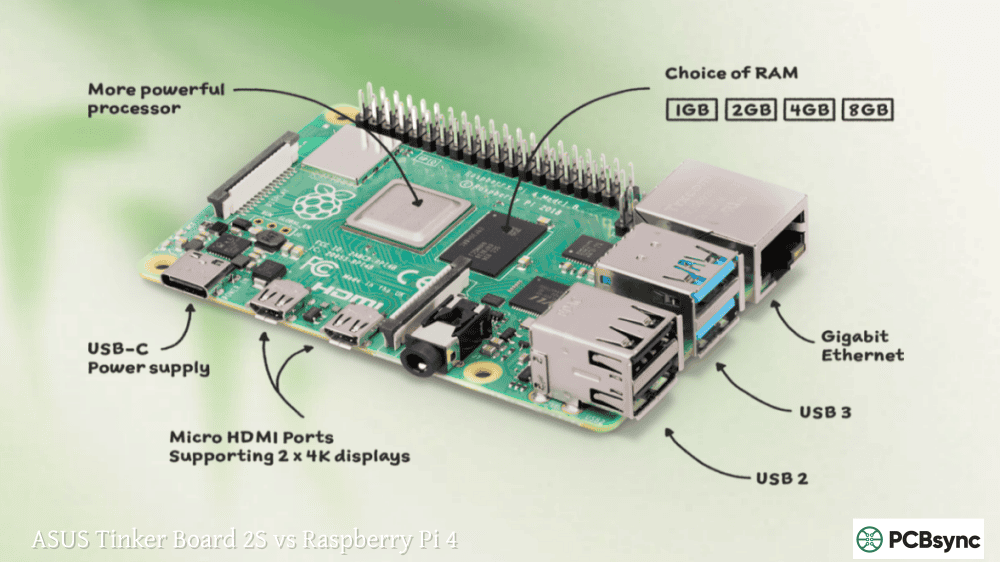
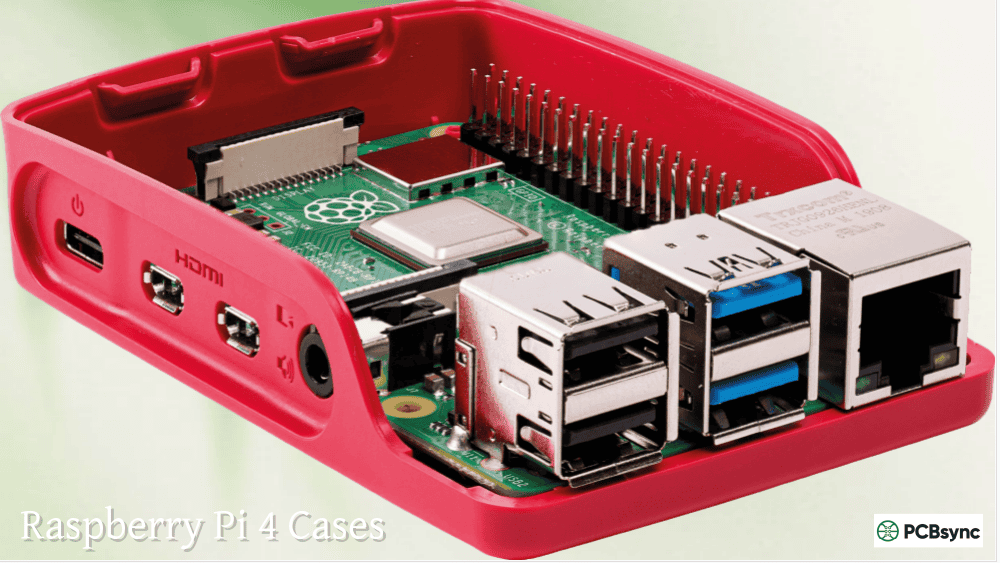
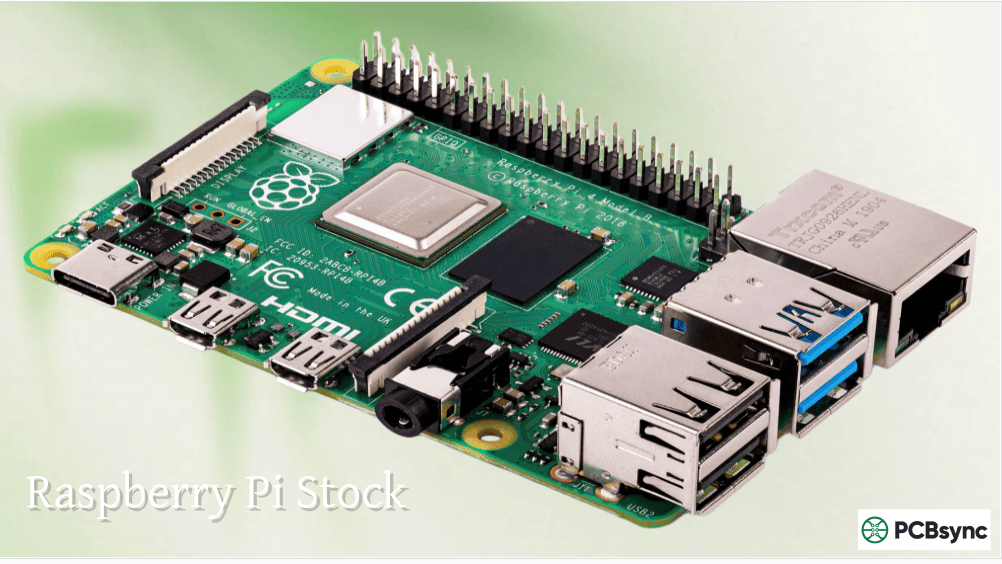
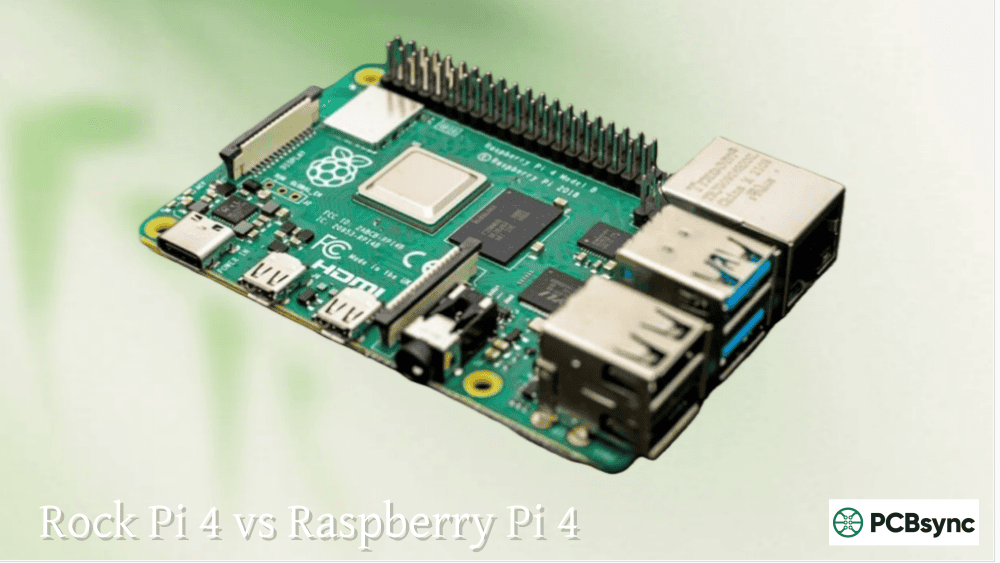
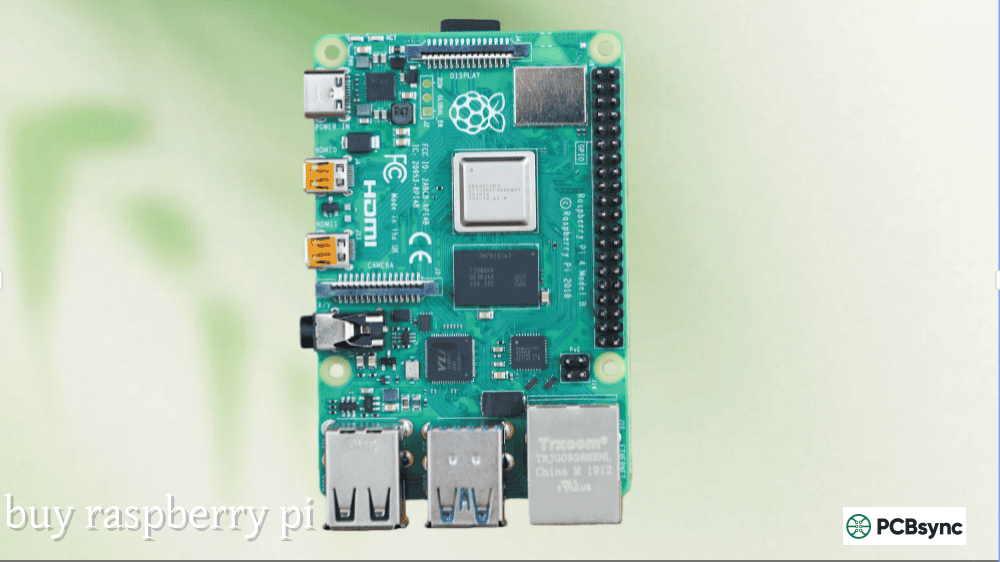
The pi 4 kit category remains relevant for several reasons. Pi 4 boards cost less, consume less power, and run cooler than Pi 5. For projects like retro gaming, home automation, or learning Linux basics, a Pi 4 handles everything admirably.
This remains an excellent entry point. The 4GB variant hits the sweet spot for most beginners since it’s enough RAM for desktop use, media centers, and learning projects without the price premium of 8GB.
Vilros Raspberry Pi 4 Complete Kit
What’s Included:
Raspberry Pi 4 Model B (2GB, 4GB, or 8GB)
64GB MicroSD with Raspberry Pi OS
Fan-cooled case (multiple style options)
15W USB-C power supply with on/off switch
Heatsink set
Micro-HDMI to HDMI cable
Neoprene storage bag
Quick-start guide
Price Range: $70-$120 depending on configuration
The power supply with integrated on/off switch deserves mention. Being able to power cycle your Pi without unplugging cables is surprisingly convenient during development and troubleshooting. Vilros offers more case variety here too, including aluminum passive cooling options.
Labists Raspberry Pi 4 Complete Starter PRO Kit
For maximum value, Labists delivers functional kits at aggressive price points.
What’s Included:
Raspberry Pi 4 Model B (4GB)
32GB SanDisk MicroSD with NOOBS
Black ABS case with cooling fan
Copper heatsinks
USB-C power supply
Micro-HDMI cable
Screwdriver
Basic setup manual
Price Range: $70-$90
The trade-off is component quality. Cases feel thinner, fans run louder, and documentation is minimal. For classroom deployments or budget-constrained hobbyists, these compromises are acceptable. For your primary learning kit, consider spending more.
Raspberry Pi Starter Kit Comparison Table
Kit
Pi Model
RAM Options
Storage
Cooling
Price Range
CanaKit Pi 5 Starter PRO
Pi 5
4GB, 8GB
128GB
Fan + Heatsink
$120-$160
Vilros Pi 5 Complete
Pi 5
4-16GB
64-128GB
Multiple options
$100-$170
Official Pi 5 Desktop
Pi 5
4GB, 8GB
32GB
Official fan
$150-$180
CanaKit Pi 4 Starter
Pi 4
2-8GB
32GB
Fan + Heatsink
$80-$130
Vilros Pi 4 Complete
Pi 4
2-8GB
64GB
Fan or passive
$70-$120
Labists Pi 4 PRO
Pi 4
4GB
32GB
Fan + Heatsink
$70-$90
Best Learning Kits for Electronics and Programming
Standard starter kits get you running but don’t include components for electronics projects. If you want to learn GPIO programming, sensors, and physical computing, consider these expanded kits.
Freenove Ultimate Starter Kit
This isn’t a complete raspberry pi kit since it doesn’t include the Pi board itself, but it’s the most comprehensive electronics learning kit available.
What’s Included:
223 components (sensors, motors, LEDs, displays)
Breadboard and jumper wires
962-page detailed tutorial
128 projects with circuit diagrams
Support for Python, C, Java, Scratch, Processing
Compatible with Pi 5, 4, 3, Zero
Price Range: $50-$60 (Pi board not included)
The tutorial quality sets this apart. Each project includes circuit diagrams, code explanations, and verified working examples. If you already own a Pi or want to pair it with a separate starter kit, this is the best learning resource available.
SunFounder Raphael Kit
Similar to Freenove but with video tutorials and educator-designed curriculum.
What’s Included:
337+ components
161 projects with video tutorials
Support for multiple programming languages
RoHS compliant components
Compatible with Pi 5, 4, 3B+, Zero 2 W
Price Range: $55-$65 (Pi board not included)
The video tutorials created by educator Paul McWhorter make complex concepts accessible. For visual learners or younger users (ages 10+), SunFounder’s approach works better than text-heavy documentation.
SparkFun Raspberry Pi 4 Hardware Starter Kit
SparkFun’s kit includes the Pi board plus prototyping components.
What’s Included:
Raspberry Pi 4 (4GB or 8GB)
64GB MicroSD card
Heatsink case
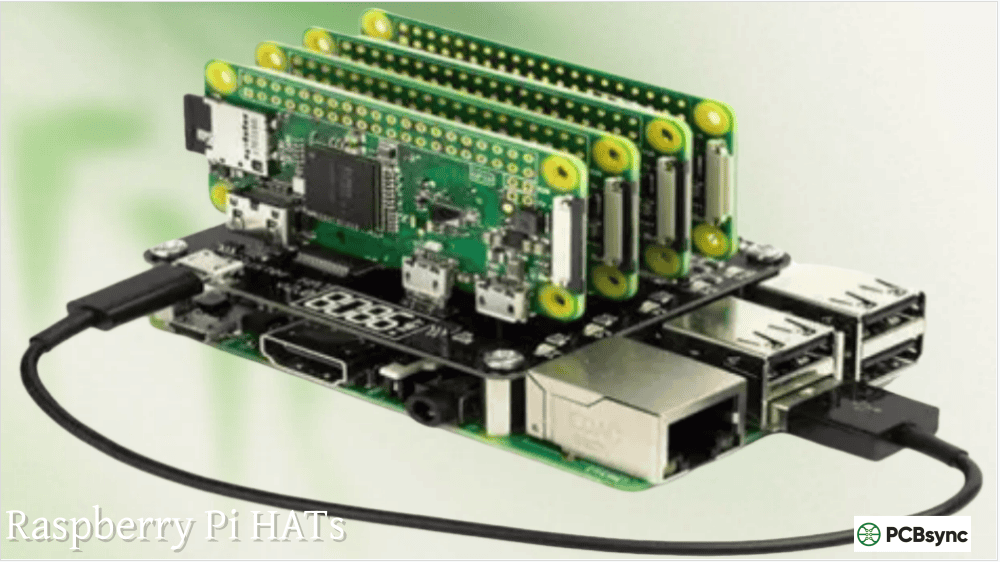
Breadboard and Pi Wedge adapter
LEDs, resistors, buttons
Jumper wires
USB-to-Serial converter
Qwiic connector for I2C boards
Price Range: $150-$180
This is the best option if you want a single purchase that covers both basic usage and electronics projects. The Pi Wedge makes GPIO prototyping much easier than dealing with ribbon cables directly.
How to Choose the Right Raspberry Pi Starter Kit
Consider Your Primary Use Case
Different projects have different requirements:
Use Case
Recommended Kit Type
RAM
Notes
Desktop replacement
Pi 5 Complete Kit
8GB+
Include keyboard/mouse or buy separately
Media center (Kodi/Plex)
Pi 4 or Pi 5 Standard
4GB
Active cooling recommended
Retro gaming
Pi 4 Basic Kit
4GB
Save money, Pi 4 handles emulation well
Home automation
Pi 4 or Pi 5
2-4GB
Lower power consumption matters
Learning programming
Pi 5 + Learning Kit
4GB+
Get both a starter kit and electronics kit
Server/NAS
Pi 5 Kit
8GB
PCIe support for NVMe drives
Classroom/bulk
Labists Budget Kits
4GB
Cost per unit matters most
Pi 5 vs Pi 4: Which Generation?
For most beginners in 2025-2026, the Pi 5 is the better choice despite higher cost:
Choose Pi 5 if:
You want the best performance and future-proofing
You plan to run multiple applications simultaneously
You need PCIe support for NVMe storage
Budget allows for the premium
Choose Pi 4 if:
Budget is the primary constraint
Your project requires low power consumption
You’re buying multiple units
The project doesn’t need maximum performance
The Pi 4 remains in production until at least 2034, so software support isn’t a concern. The Pi 5 simply offers more headroom for demanding tasks.
The 4GB configuration handles most beginner projects comfortably. Unlike desktop PCs, you cannot upgrade Pi RAM later, so consider your future needs when choosing.
Setting Up Your First Raspberry Pi Starter Kit
Once your kit arrives, setup takes about 15-30 minutes:
Assemble the case following included instructions
Apply heatsinks using included thermal adhesive
Install the fan if your case includes one
Insert the MicroSD card (pre-loaded kits are ready to go)
If your MicroSD card isn’t pre-loaded, download Raspberry Pi Imager from the official website. It’s the easiest way to write the operating system to your card.
Useful Resources for Raspberry Pi Beginners
Resource
URL
Description
Raspberry Pi Documentation
raspberrypi.com/documentation
Official technical documentation
Raspberry Pi Imager
raspberrypi.com/software
OS installation tool download
Raspberry Pi Forums
forums.raspberrypi.com
Community support and discussions
The Pi Hut Tutorials
thepihut.com/blogs/raspberry-pi-tutorials
Project guides and how-tos
rpilocator
rpilocator.com
Track Pi and kit availability
GitHub Pi Projects
github.com/topics/raspberry-pi
Open source project code
r/raspberry_pi
reddit.com/r/raspberry_pi
Reddit community for questions
Common Mistakes to Avoid When Buying Your First Kit
Buying based on price alone. The cheapest kits often have inadequate power supplies or missing components that force additional purchases.
Ignoring cooling requirements. The Pi 5 especially needs active cooling for sustained workloads. Passive heatsinks alone won’t prevent throttling under load.
Choosing insufficient storage. A 16GB card fills quickly with the desktop OS and basic applications. 32GB is the practical minimum, 64GB or 128GB is better.
Forgetting peripheral needs. Most kits don’t include keyboard and mouse. Budget for these if you don’t have USB peripherals already.
Overlooking power supply quality. Undervoltage causes random crashes, filesystem corruption, and endless frustration. Use the power supply included in quality kits or buy the official Raspberry Pi supply.
Frequently Asked Questions
What is the best Raspberry Pi starter kit for absolute beginners?
The CanaKit Raspberry Pi 5 Starter Kit PRO offers the best combination of quality components, comprehensive accessories, and reliable documentation for first-time users. Everything works out of the box with no additional purchases required. The pre-loaded MicroSD card means you can boot and start using your Pi within minutes of opening the box.
Is a Pi 4 kit still worth buying in 2025?
Yes, pi 4 kit options remain excellent choices for budget-conscious buyers and specific use cases. The Pi 4 handles retro gaming, home automation, media centers, and learning projects perfectly well. It consumes less power, runs cooler, and costs significantly less than Pi 5 equivalents. For projects that don’t require maximum performance, the Pi 4 delivers great value.
Do I need a separate learning kit or is a starter kit enough?
Standard raspberry pi starter kit bundles include everything for basic computing but lack components for electronics projects. If you want to learn GPIO programming, sensors, and physical computing, purchase a learning kit like Freenove or SunFounder in addition to your starter kit. These electronics kits typically cost $50-65 and dramatically expand your project possibilities.
How much RAM should I choose for my first Raspberry Pi?
For most beginners, 4GB RAM provides the best balance of capability and cost. This handles desktop use, web browsing, media playback, and typical learning projects without bottlenecks. Choose 8GB if you plan to run containers, virtual machines, or development environments. The 2GB option works for single-purpose headless applications but feels cramped for desktop use.
Can I use a generic USB-C charger instead of the included power supply?
Technically yes, but it’s not recommended. Generic chargers often can’t deliver stable current under load, causing undervoltage warnings, random crashes, and potential SD card corruption. Quality raspberry pi kit bundles include power supplies specifically designed and tested for Pi requirements. The few dollars saved using a phone charger isn’t worth the headaches it causes.
Where to Buy Raspberry Pi Starter Kits
Purchasing from authorized resellers ensures you receive genuine Raspberry Pi boards with proper warranty coverage.
Recommended Retailers:
Amazon (CanaKit, Vilros, Labists storefronts)
CanaKit.com (direct from manufacturer)
Vilros.com (direct from manufacturer)
The Pi Hut (UK-based, ships internationally)
Adafruit (great for learning kits and components)
SparkFun (hardware-focused kits)
Micro Center (in-store pickup available in US)
Avoid third-party marketplace sellers charging significant premiums. During stock shortages, scalpers often list kits at 2-3x retail pricing. Use rpilocator.com to track availability and set alerts when your preferred kit returns to stock at normal prices.
Final Recommendations
For most beginners, I recommend the Vilros Raspberry Pi 5 Complete Starter Kit as the best overall value. The case customization options, included extras like camera adapters and storage bags, and competitive pricing make it an excellent choice without sacrificing quality.
If you want absolute peace of mind and premium components, the CanaKit Raspberry Pi 5 Starter Kit PRO justifies its higher price with superior documentation, UL-Listed power supplies, and proven reliability.
For budget-conscious buyers or those who specifically need lower power consumption, the Vilros Raspberry Pi 4 Complete Kit or CanaKit Raspberry Pi 4 Starter Kit deliver excellent experiences at lower price points.
Whatever you choose, the Raspberry Pi platform offers an incredible learning opportunity. These credit-card-sized computers have helped over 60 million people learn computing, programming, and electronics. Your raspberry pi starter kit is just the beginning of what you can build.
Inquire: Call 0086-755-23203480, or reach out via the form below/your sales contact to discuss our design, manufacturing, and assembly capabilities.
Quote: Email your PCB files to Sales@pcbsync.com (Preferred for large files) or submit online. We will contact you promptly. Please ensure your email is correct.
Notes: For PCB fabrication, we require PCB design file in Gerber RS-274X format (most preferred), *.PCB/DDB (Protel, inform your program version) format or *.BRD (Eagle) format. For PCB assembly, we require PCB design file in above mentioned format, drilling file and BOM. Click to download BOM template To avoid file missing, please include all files into one folder and compress it into .zip or .rar format.