Inquire: Call 0086-755-23203480, or reach out via the form below/your sales contact to discuss our design, manufacturing, and assembly capabilities.
Quote: Email your PCB files to Sales@pcbsync.com (Preferred for large files) or submit online. We will contact you promptly. Please ensure your email is correct.
Notes: For PCB fabrication, we require PCB design file in Gerber RS-274X format (most preferred), *.PCB/DDB (Protel, inform your program version) format or *.BRD (Eagle) format. For PCB assembly, we require PCB design file in above mentioned format, drilling file and BOM. Click to download BOM template To avoid file missing, please include all files into one folder and compress it into .zip or .rar format.
Vivado WebPACK vs Standard vs Enterprise: Which Edition Do You Actually Need?
If you’ve ever stared at the AMD (formerly Xilinx) download page trying to figure out which Vivado edition to install, you’re not alone. After spending countless hours working with FPGAs on various projects—from simple LED blinkers to complex PCIe interfaces—I’ve learned that picking the right edition can save you serious headaches down the road.
Let me break down the Xilinx Vivado WebPACK (now called Vivado ML Standard), Standard, and Enterprise editions so you can make an informed decision without wasting time on the wrong toolchain.
Before diving in, let’s clear up the confusion around naming. AMD has rebranded Vivado several times, which trips up a lot of engineers searching for the right download.
Here’s the current naming structure (as of 2024-2025):
Old Name
Current Name
License Required
Vivado HL WebPACK
Vivado ML Standard Edition
No (Free)
Vivado HL Design Edition
Vivado ML Enterprise Edition
Yes
Vivado HL System Edition
Vivado ML Enterprise Edition
Yes
The “ML” stands for Machine Learning, reflecting AMD’s push toward AI-optimized FPGA workflows. For practical purposes, when people search for Xilinx Vivado WebPACK, they’re looking for what’s now called Vivado ML Standard Edition.
Xilinx Vivado Cost Breakdown: What You’ll Actually Pay
Let’s talk money. This is usually the first question engineers ask, and rightfully so—FPGA toolchains have historically been expensive.
Vivado ML Standard Edition (Free)
The Xilinx Vivado price for the Standard edition is exactly $0. You can download it directly from AMD’s website after creating a free account. This isn’t a trial version with an expiration date; it’s a fully functional design suite with some device restrictions.
Vivado ML Enterprise Edition Pricing
The Xilinx Vivado cost for Enterprise licensing starts at $4,395 for a node-locked license. Floating licenses, which allow multiple users to share licenses across a network, cost significantly more and require contacting AMD sales for exact pricing.
Enterprise Edition License Options:
License Type
Approximate Cost
Best For
Node-locked (Single Seat)
Starting at $4,395
Individual professional use
Floating License
Contact AMD Sales
Design teams, companies
Subscription
Contact AMD Sales
Flexible deployment
For most hobbyists, students, and even many professional projects, this cost is unnecessary. The Standard edition handles the vast majority of real-world applications.
Device Support: The Real Difference Between Editions
Here’s where it actually matters. The primary distinction between Vivado editions isn’t features—it’s which FPGA devices you can target.
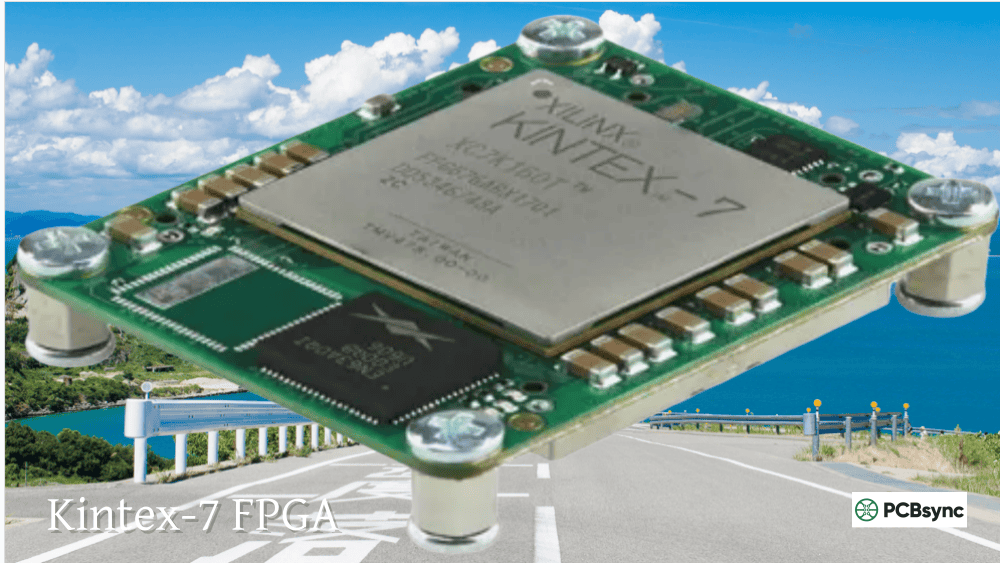
The pattern is clear: Standard Edition covers entry-level and mid-range devices; Enterprise covers everything, including the high-end Virtex family and RFSoCs.
Xilinx Vivado Student Options: Getting Started for Free
If you’re a Xilinx Vivado student user, you’re in luck. The free Vivado ML Standard Edition is more than sufficient for academic work. Here’s what I recommend based on my experience helping university labs set up their FPGA environments.
Student-Friendly Development Boards
These boards work perfectly with the free Vivado Standard Edition:
Board
FPGA Device
Approximate Price
Best For
Basys 3
XC7A35T
$150-200
Intro digital logic courses
Arty A7-35T
XC7A35T
$150-180
Hobbyists, makers
Arty A7-100T
XC7A100T
$250-300
More complex projects
Nexys A7-100T
XC7A100T
$300-350
ECE curriculum, advanced labs
Cora Z7
Zynq-7000
$120-150
Embedded Linux, SoC learning
PYNQ-Z2
Zynq-7020
$200-250
Python + FPGA integration
ZedBoard
Zynq-7020
$400-500
Professional development
AMD University Program
AMD offers an academic program that provides:
Hardware donations for qualifying educational institutions
Subsidized board pricing for students
Free training materials and workshops
Access to teaching resources
If your university participates, you may get access to additional resources beyond what’s publicly available.
Feature Comparison: Standard vs Enterprise
Beyond device support, there are some workflow differences worth noting.
Features Available in Both Editions
Full synthesis and implementation flows
Vivado Simulator (XSIM)
IP Integrator (Block Design)
Tcl scripting and automation
Hardware debugging (ILA, VIO)
Programming and configuration
Timing analysis and reporting
Power analysis
High-Level Synthesis (Vitis HLS integration)
Enterprise-Only Features
Support for larger device families (Virtex, full UltraScale+ lineup)
Partial Reconfiguration (DFX) for supported devices
Advanced IP cores requiring licensing
Priority technical support options
For most designs, you won’t notice a functional difference in the IDE itself. The tools work identically—you’re just limited to which devices appear in the device selection dialog.
When to Choose Each Edition
Choose Vivado ML Standard (Free) If:
You’re learning FPGA development
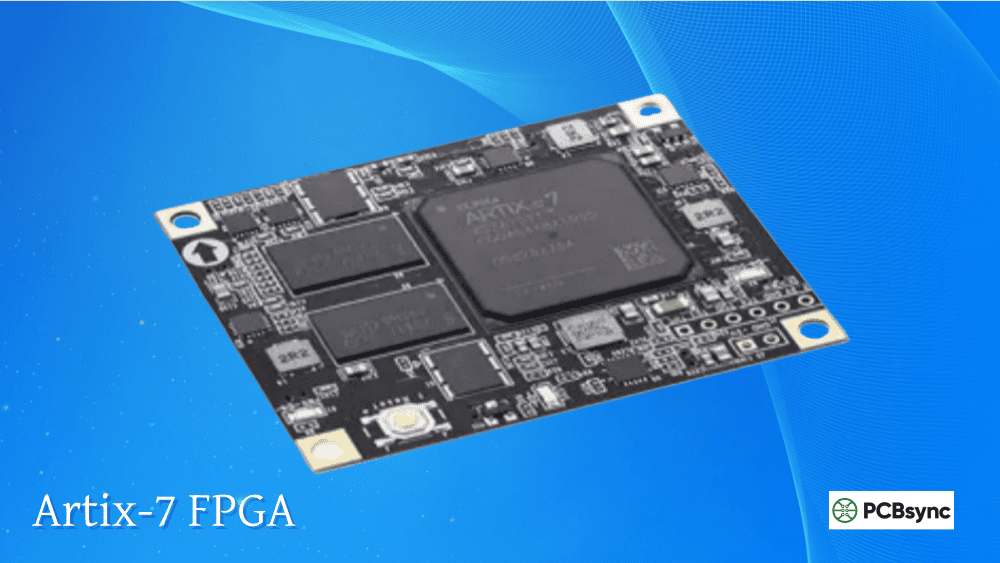
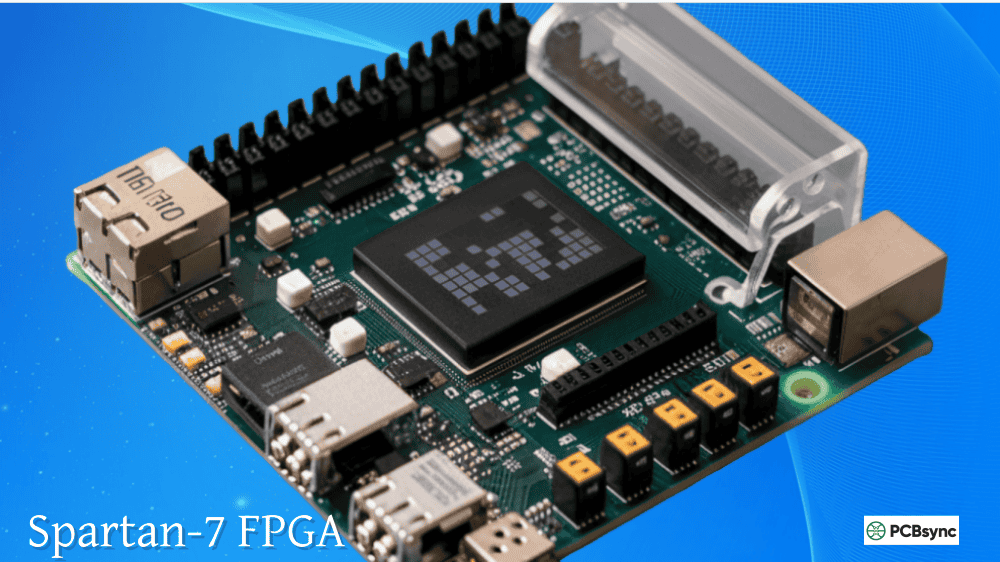
Your target device is in the supported list (Artix-7, Spartan-7, entry Kintex, Zynq-7000)
You’re prototyping before committing to production silicon
Budget constraints are a factor
You’re using popular dev boards like Basys 3, Arty, or Nexys
Choose Vivado ML Enterprise If:
Your design requires Virtex-class FPGAs
You need Zynq UltraScale+ RFSoC for RF applications
Your project demands the largest Kintex or Virtex devices
You need Versal ACAP support
Your company requires priority technical support
Installation Tips from the Trenches
After installing Vivado on dozens of machines over the years, here are some practical tips:
Disk Space: Vivado ML Standard with all device support takes roughly 50-80GB. The full Enterprise installation with all devices can exceed 100GB. Only install the device families you actually need.
Download Method: Use the web installer rather than the full offline installer unless you have multiple machines to set up. The web installer lets you select exactly what you need.
Linux vs Windows: Both work well, but Linux tends to run synthesis and implementation slightly faster in my experience. RHEL, CentOS, and Ubuntu are officially supported.
Memory Requirements: For Artix-7 designs, 8GB RAM is workable. For larger Zynq or UltraScale designs, 16GB minimum is recommended. Complex Virtex designs may need 32GB or more.
Digilent Forums: Great for board-specific questions
AMD Adaptive Support Community: Official support forum
FPGA Developer (fpgadeveloper.com): Maintains list of boards compatible with free edition
GitHub Xilinx Repositories: Reference designs and tutorials
Recommended Documentation
Document
Purpose
UG973
Release Notes, Installation, Licensing
UG910
Getting Started Guide
UG901
Vivado Synthesis
UG904
Vivado Implementation
UG908
Programming and Debugging
UG896
Designing with IP
Making the Decision: A Practical Framework
Here’s my decision tree after years of working with these tools:
Step 1: Identify your target device. If you don’t have one yet, start with an Artix-7 or Zynq-7000 board—both are well-supported in the free edition.
Step 2: Check the device support list in UG973 for your Vivado version. Device support occasionally changes between releases.
Step 3: If your device is supported in Standard Edition, start there. You can always upgrade later if needed.
Step 4: Only consider Enterprise if you specifically need Virtex, full UltraScale+, RFSoC, or Versal support.
Step 5: For companies, factor in support requirements. Enterprise licenses often include better support SLAs.
FAQs About Vivado Editions
Can I upgrade from Vivado Standard to Enterprise later?
Yes. Your designs, IP configurations, and project files remain compatible. You’ll need to purchase an Enterprise license and regenerate your project targeting the new device if you’re switching families.
Does the free Vivado edition expire?
No. Vivado ML Standard Edition is permanently free with no time-limited trial. You can use it indefinitely for commercial or personal projects as long as your target device is supported.
Is Vivado WebPACK the same as Vivado ML Standard?
Yes, they’re the same product with different names. AMD rebranded WebPACK to “ML Standard” around the 2021 release cycle. All references to Vivado WebPACK in older documentation apply to the current Standard Edition.
Can students get Vivado Enterprise for free?
Not directly from AMD for individual use. However, universities participating in the AMD University Program may provide lab access to Enterprise licenses. The Standard Edition handles virtually all academic coursework.
What’s the difference between Vivado and Vitis?
Vivado handles FPGA/SoC hardware design (synthesis, implementation, bitstream generation). Vitis is the software development platform for embedded processors and high-level synthesis. They’re complementary tools, and Vitis uses Vivado under the hood for hardware compilation.
Final Thoughts
The reality is that Vivado ML Standard Edition covers 80% or more of what hobbyists, students, and many professionals need. The devices supported—including Artix-7, Spartan-7, Zynq-7000, and entry-level UltraScale+—are more than capable for learning, prototyping, and even production designs.
Save the Enterprise license budget for when you genuinely need Virtex-class performance or RFSoC capabilities. Until then, the free tools will serve you well.
Start with a board like the Basys 3 or Arty A7, download Vivado ML Standard, and start designing. The FPGA learning curve is steep enough without worrying about licensing on day one.
Meta Description Suggestion:
Confused about Xilinx Vivado WebPACK vs Standard vs Enterprise? This guide breaks down Vivado pricing ($0 to $4,395+), device support, student options, and helps you choose the right edition for your FPGA projects.
Alternative Meta Description (shorter):
Compare Vivado editions: WebPACK (Standard) is free, Enterprise starts at $4,395. Learn which devices each supports, student options, and when to upgrade.
Inquire: Call 0086-755-23203480, or reach out via the form below/your sales contact to discuss our design, manufacturing, and assembly capabilities.
Quote: Email your PCB files to Sales@pcbsync.com (Preferred for large files) or submit online. We will contact you promptly. Please ensure your email is correct.
Notes: For PCB fabrication, we require PCB design file in Gerber RS-274X format (most preferred), *.PCB/DDB (Protel, inform your program version) format or *.BRD (Eagle) format. For PCB assembly, we require PCB design file in above mentioned format, drilling file and BOM. Click to download BOM template To avoid file missing, please include all files into one folder and compress it into .zip or .rar format.