Inquire: Call 0086-755-23203480, or reach out via the form below/your sales contact to discuss our design, manufacturing, and assembly capabilities.
Quote: Email your PCB files to Sales@pcbsync.com (Preferred for large files) or submit online. We will contact you promptly. Please ensure your email is correct.
Notes: For PCB fabrication, we require PCB design file in Gerber RS-274X format (most preferred), *.PCB/DDB (Protel, inform your program version) format or *.BRD (Eagle) format. For PCB assembly, we require PCB design file in above mentioned format, drilling file and BOM. Click to download BOM template To avoid file missing, please include all files into one folder and compress it into .zip or .rar format.
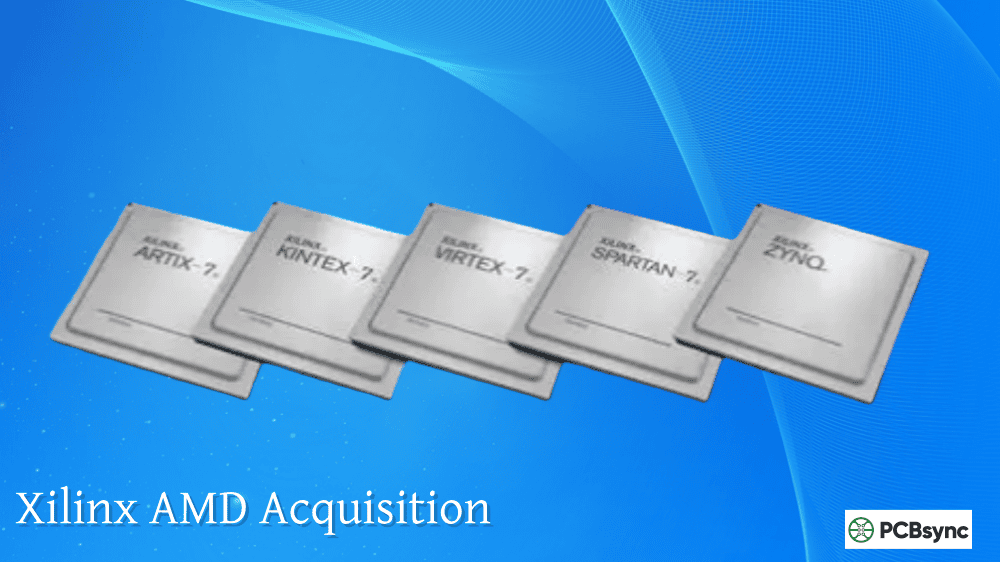
The Xilinx Spartan 3 family served as the workhorse of cost-sensitive FPGA applications for over a decade. With AMD’s End-of-Life announcement effective January 2024, engineers maintaining existing Xilinx Spartan 3 FPGA designs now face critical decisions about long-term support and migration paths. Whether you’re keeping legacy systems running or planning a transition to modern devices, this guide provides the practical information you need.
I’ve worked with Spartan-3 devices since their introduction and have migrated several production designs to newer platforms. This guide reflects real-world experience with the challenges and solutions you’ll encounter.
The Xilinx Spartan 3 generation actually encompasses five distinct sub-families, each optimized for different application requirements. Understanding these differences matters when planning migration or sourcing replacement parts.
The original Xilinx Spartan 3 FPGA devices ranged from 50K to 5M system gates, providing a broad spectrum of capability for their era:
Device
Logic Cells
Block RAM (Kb)
Multipliers
DCMs
Max User I/O
XC3S50
1,728
72
4
2
124
XC3S200
4,320
216
12
4
173
XC3S400
8,064
288
16
4
264
XC3S1000
17,280
432
24
4
391
XC3S1500
29,952
576
32
4
487
XC3S2000
46,080
720
40
4
565
XC3S4000
62,208
1,728
96
4
633
XC3S5000
74,880
1,872
104
4
633
These devices featured 4-input LUTs (compared to 6-input in newer families), dedicated 18×18 multipliers, and Digital Clock Managers (DCMs) for clock synthesis and phase shifting.
AMD End-of-Life Timeline and Impact
AMD declared End-of-Life for the Spartan-3 family (along with Spartan-II, CoolRunner, and XC9500XL CPLDs) effective January 1, 2024. The last order date was June 29, 2024.
What This Means for Existing Designs
Immediate Impacts:
No new orders accepted through authorized distributors
Remaining inventory available through brokers and secondary markets
ISE 14.7 still functions for Xilinx Spartan 3 programming
Existing bitstreams continue working indefinitely
Documentation remains accessible on AMD’s website
Community forums retain historical discussions
Inventory and Sourcing Considerations
If you need to maintain Spartan-3 production, consider these sourcing realities:
Source Type
Availability
Risk Level
Price Premium
Authorized distributors
Depleting
Low
Standard
Broker market
Variable
Medium
20–100%
eBay/AliExpress
Unpredictable
High
Variable
Pull from old boards
Limited
Medium
Labor cost
Counterfeit Warning: The secondary market for obsolete FPGAs carries significant counterfeit risk. Always verify authenticity through package inspection, functional testing, and if possible, decapsulation sampling for high-volume purchases.
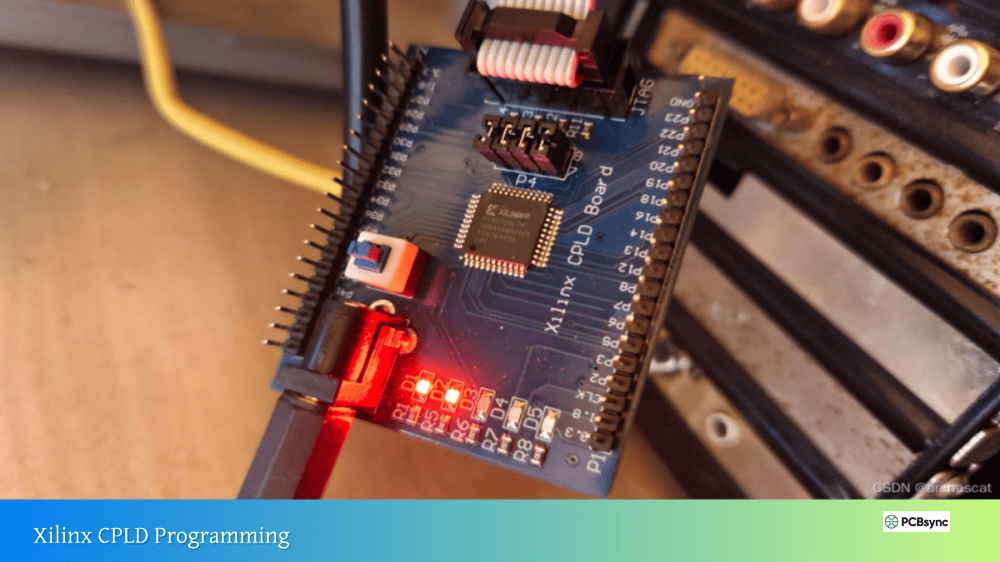
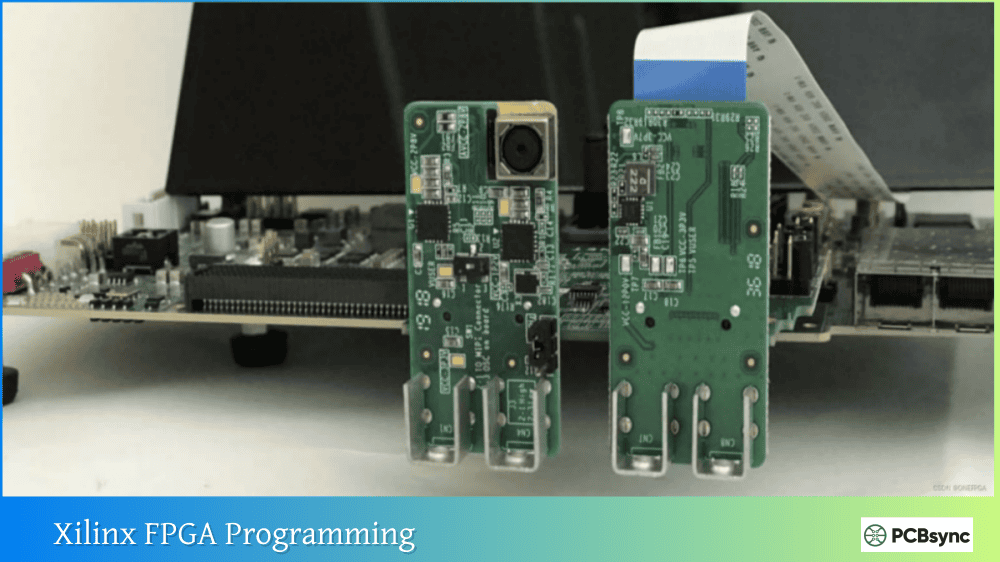
Xilinx Spartan 3 programming requires ISE Design Suite, specifically version 14.7 which represents the final release. Unlike Vivado, ISE supports all Spartan-3 variants.
“FPGA Prototyping by VHDL Examples” by Pong P. Chu
Book
Spartan-3 focused tutorials
Frequently Asked Questions
Can I still buy Xilinx Spartan 3 FPGA devices?
As of 2024, Xilinx Spartan 3 devices are no longer available through authorized distribution channels. Remaining inventory exists in the broker market and through specialty obsolete component suppliers. Prices typically carry a 20–100% premium over original pricing, and counterfeit risk increases as genuine stock depletes. For production requirements, verify supplier authenticity and consider functional testing of incoming parts.
What software do I need for Xilinx Spartan 3 programming?
Xilinx Spartan 3 programming requires ISE Design Suite version 14.7, the final release supporting Spartan-3 devices. Vivado does not support any Spartan-3 family members. ISE 14.7 runs natively on Windows 7 and older Linux distributions. For Windows 10/11, AMD provides a pre-configured virtual machine. The WebPACK license (free) supports most Spartan-3 devices, though larger devices like XC3S4000 and XC3S5000 require a paid license.
How difficult is migrating from Spartan-3 to Spartan-7?
Migration complexity depends on your design’s characteristics. Pure HDL logic typically ports with minimal changes—mainly adjusting for 6-input vs 4-input LUT architecture. The significant effort involves constraint file recreation (UCF to XDC format), IP core updates, and learning Vivado’s different workflow. PCB redesign is mandatory as no pin compatibility exists. Plan for 2–6 months of engineering effort depending on design complexity.
Is there any ongoing support for Spartan-3 from AMD?
AMD provides no active development or updates for Spartan-3. However, existing documentation remains accessible on their website, and ISE 14.7 continues to function. Community forums retain historical discussions that often address common issues. For critical applications, consider engaging FPGA design service companies that maintain legacy expertise.
Should I migrate now or continue with Spartan-3?
The decision depends on production volume, design lifespan, and risk tolerance. If your product lifecycle extends beyond 2026–2028, migration is prudent as component availability will become increasingly problematic. For low-volume or end-of-life products, stockpiling components may be more economical than redesign. New designs should absolutely target current-generation devices—starting with Spartan-3 in 2024 creates unnecessary technical debt.
Conclusion
The Xilinx Spartan 3 FPGA family served the industry well for nearly two decades, enabling countless cost-sensitive applications from consumer electronics to industrial controls. While AMD’s End-of-Life announcement marks the end of an era, the devices themselves continue functioning in existing systems, and migration paths to modern FPGAs are well-established.
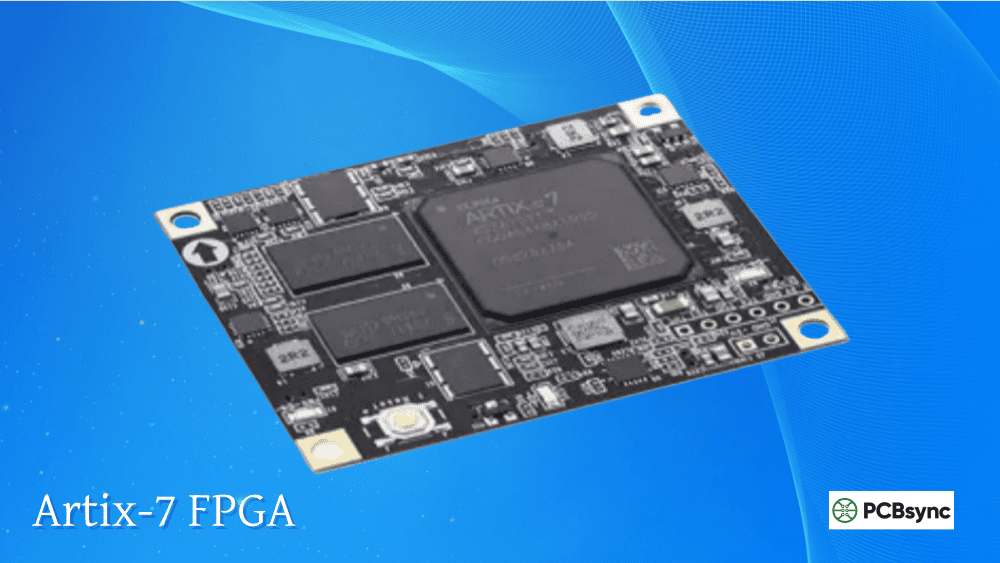
For engineers maintaining legacy systems, the keys to success are component stockpiling, environment preservation, and realistic planning for eventual migration. For those ready to move forward, Spartan-7 and Artix-7 provide natural upgrade paths within the AMD ecosystem, while cross-vendor options offer additional flexibility.
Whatever your situation, understanding your options and planning proactively will ensure your FPGA-based systems continue delivering value for years to come. The Xilinx Spartan 3 programming knowledge and design patterns you’ve developed transfer directly to modern platforms—the fundamental concepts of FPGA design remain constant even as the silicon evolves.
Inquire: Call 0086-755-23203480, or reach out via the form below/your sales contact to discuss our design, manufacturing, and assembly capabilities.
Quote: Email your PCB files to Sales@pcbsync.com (Preferred for large files) or submit online. We will contact you promptly. Please ensure your email is correct.
Notes: For PCB fabrication, we require PCB design file in Gerber RS-274X format (most preferred), *.PCB/DDB (Protel, inform your program version) format or *.BRD (Eagle) format. For PCB assembly, we require PCB design file in above mentioned format, drilling file and BOM. Click to download BOM template To avoid file missing, please include all files into one folder and compress it into .zip or .rar format.