Inquire: Call 0086-755-23203480, or reach out via the form below/your sales contact to discuss our design, manufacturing, and assembly capabilities.
Quote: Email your PCB files to Sales@pcbsync.com (Preferred for large files) or submit online. We will contact you promptly. Please ensure your email is correct.
Notes: For PCB fabrication, we require PCB design file in Gerber RS-274X format (most preferred), *.PCB/DDB (Protel, inform your program version) format or *.BRD (Eagle) format. For PCB assembly, we require PCB design file in above mentioned format, drilling file and BOM. Click to download BOM template To avoid file missing, please include all files into one folder and compress it into .zip or .rar format.
Digilent Nexys A7 Review: Best FPGA Board for Students
If you’re searching for xilinx nexys a7 information, you’re likely a student, educator, or hobbyist trying to decide whether this board deserves its reputation as the gold standard for FPGA education. After using various generations of the Nexys series in both lab environments and personal projects, I can provide a practical assessment of what makes this board special and where it falls short.
The Nexys A7 represents the latest evolution of Digilent’s educational FPGA platform, succeeding the xilinx nexys 4 DDR and the earlier xilinx nexys 3. Understanding this lineage helps contextualize why the current design works so well for learning digital design fundamentals.
Before diving into the Nexys A7 specifically, understanding the progression from xilinx nexys 3 through xilinx nexys 4 to the current generation explains many design decisions.
Nexys Board Generation Comparison
Feature
Nexys 3
Nexys 4/4 DDR
Nexys A7-100T
FPGA Family
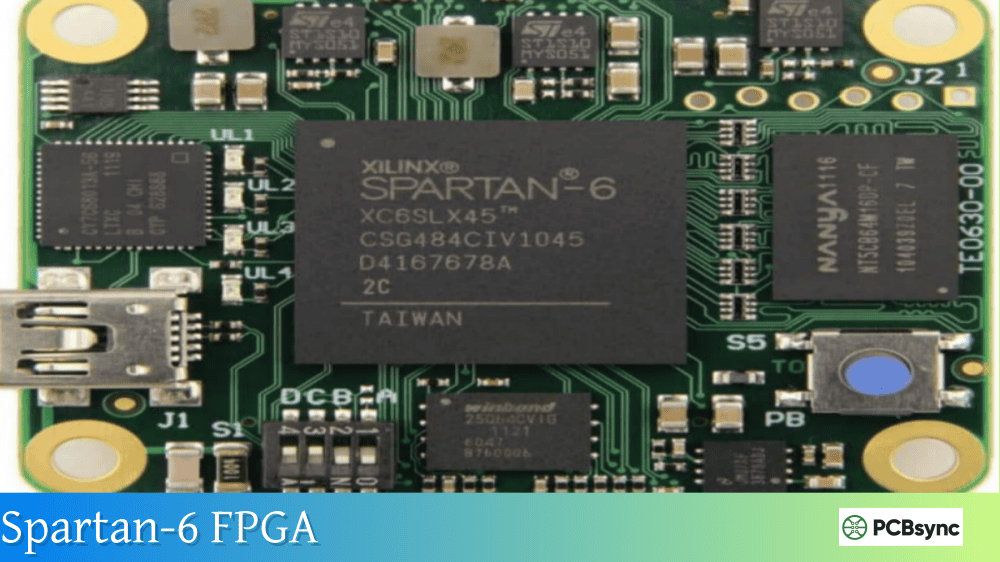
Spartan-6
Artix-7
Artix-7
FPGA Device
XC6SLX16
XC7A100T
XC7A100T
Logic Slices
2,278
15,850
15,850
LUTs
9,112
63,400
63,400
Flip-Flops
18,224
126,800
126,800
Block RAM
576 Kb
4,860 Kb
4,860 Kb
DSP Slices
32
240
240
External Memory
16 MB Cellular RAM
128 MB DDR2
128 MB DDR2
Toolchain
ISE WebPack
Vivado
Vivado
Status
Retired
Retired
Current
The jump from xilinx nexys 3 to the Artix-7 based boards represented a massive capability increase. The Spartan-6 in the Nexys 3 was perfectly adequate for learning combinational and sequential logic, but struggled with more ambitious projects like soft processors with significant peripheral support. The Artix-7 in the xilinx nexys 4 and Nexys A7 provides roughly 7x more logic resources, enabling projects that simply weren’t feasible on older hardware.
Nexys 4 DDR to Nexys A7 Transition
The transition from xilinx nexys 4 DDR to Nexys A7 was primarily a rebranding exercise. The Nexys A7-100T is functionally identical to the Nexys 4 DDR, using the same XC7A100T-1CSG324C FPGA and identical peripheral configuration. Digilent introduced the Nexys A7-50T variant (now discontinued) as a lower-cost option with a smaller FPGA.
For practical purposes, any tutorial, reference design, or constraint file created for the Nexys 4 DDR works on the Nexys A7-100T without modification. The only documented difference is a change to the Pmod JXADC I/O standard from LVDS to LVCMOS33.
Xilinx Nexys A7 Technical Specifications
FPGA Resources
Specification
Nexys A7-100T
FPGA Part Number
XC7A100T-1CSG324C
Logic Slices
15,850
Look-up Tables (LUTs)
63,400
Flip-Flops
126,800
Block RAM
4,860 Kb (135 x 36Kb blocks)
Distributed RAM
1,188 Kb
DSP48E1 Slices
240
Clock Management Tiles
6 (with PLL)
Maximum User I/O
210
Internal Clock Speed
>450 MHz
XADC
Dual 12-bit, 1 MSPS
The XC7A100T provides substantial headroom for educational projects. A basic MicroBlaze soft processor implementation consumes perhaps 15-20% of available resources, leaving plenty of capacity for custom peripherals and accelerators.
Memory Configuration
Memory Type
Capacity
Interface
DDR2 SDRAM
128 MB (1 Gbit)
16-bit, 800 Mb/s/pin
Quad-SPI Flash
128 Mb
SPI/QSPI
microSD Slot
Up to 32 GB
SPI mode
The 128 MB DDR2 memory was a significant upgrade from the Cellular RAM in the original xilinx nexys 4. DDR2 provides much higher bandwidth for applications like frame buffers, large data sets, and operating system execution. The memory controller IP requires some learning, but Vivado’s Memory Interface Generator (MIG) handles most complexity.
Built-In Peripherals
The xilinx nexys a7 stands out for its comprehensive peripheral integration. Students can work on meaningful projects without purchasing additional hardware.
Peripheral
Description
Switches
16 slide switches
Push Buttons
5 momentary buttons (active-high)
LEDs
16 individual LEDs
RGB LEDs
2 tri-color LEDs
7-Segment Display
Two 4-digit displays (8 digits total)
VGA Output
12-bit color (4-bit per channel)
USB-UART
FTDI FT2232HQ bridge
USB HID Host
Keyboard, mouse, memory stick support
Ethernet
10/100 Mbps (LAN8720A PHY)
Accelerometer
Analog Devices ADXL362 (3-axis)
Temperature Sensor
Analog Devices ADT7420
Microphone
MEMS PDM (Knowles SPK0415HM4H)
Audio Output
PWM with Analog Devices SSM2377 amplifier
Expansion Options
Connector Type
Quantity
Signals
Standard Pmod
4 ports
8 signals each
XADC Pmod
1 port
Analog input capable
Total Pmod Signals
40
Digital I/O
The five Pmod ports enable significant expansion. Digilent and third parties offer over 100 Pmod modules covering displays, sensors, motor controllers, communication interfaces, and more. This ecosystem extends the Nexys A7’s capabilities far beyond its built-in peripherals.
The combination of 16 switches, 16 LEDs, and 8 seven-segment digits provides immediate visual feedback for digital design exercises. Students can implement a counter and watch the seven-segment display increment. Build a state machine and trace its progression through LED patterns. This instant gratification maintains motivation during the steep initial learning curve.
Progressive Complexity
The xilinx nexys a7 supports projects spanning the entire educational journey:
Course Level
Example Projects
Introduction to Digital Design
Logic gates, multiplexers, decoders
Sequential Logic
Counters, shift registers, FSMs
Computer Organization
ALU design, simple CPU
Embedded Systems
MicroBlaze with peripherals
Computer Architecture
Pipelined processor, cache design
Advanced Topics
Video processing, networking
A student can use the same board from freshman-year digital logic through senior design projects. The FPGA has enough resources to implement meaningful versions of modern computer architecture concepts.
VGA Output for Visual Projects
The 12-bit VGA output enables compelling visual projects that demonstrate digital design principles. Students can implement:
Project Type
Learning Objectives
VGA timing generator
Understanding video timing, pixel clocks
Pattern generator
ROM-based design, address generation
Text display
Character ROM, frame buffer concepts
Simple games
State machines, real-time processing
Image processing
Memory interfaces, pipelining
Video projects transform abstract concepts into tangible results. Watching a custom-designed VGA controller display patterns provides satisfaction that simulation alone cannot match.
Sensor Integration Projects
The built-in accelerometer, temperature sensor, and microphone enable sensor fusion and signal processing projects without additional hardware:
Sensor
Interface
Example Applications
ADXL362 Accelerometer
SPI
Motion detection, tilt sensing
ADT7420 Temperature
I2C
Environmental monitoring
SPK0415HM4H Microphone
PDM
Audio sampling, voice detection
Learning to interface with these real-world sensors teaches protocol implementation (SPI, I2C, PDM) while producing meaningful outputs.
Practical Considerations
Power Options
Power Source
Voltage
Current
Notes
USB
5V
500 mA
Sufficient for most designs
External Adapter
4.5-5.5V
1A+
Required for demanding designs
Most educational projects run fine on USB power. Designs driving multiple Pmod peripherals or using significant portions of the DDR2 memory at high bandwidth may require external power.
Tool Requirements
Software
Version
License
Vivado Design Suite
2019.1+
WebPACK (free)
Vivado Standard
Any
Included with board
Digilent Adept
Latest
Free
The Nexys A7 works with free Vivado WebPACK for the XC7A100T device. No license cost barriers exist for students. Digilent’s Adept software provides an alternative programming interface if needed.
Known Limitations
No product is perfect. Here are practical limitations I’ve encountered:
Limitation
Impact
Workaround
Ethernet PHY support
Limited in Vivado 2019.2+
Use earlier Vivado or bare-metal
No HDMI
VGA only for video output
Use VGA-to-HDMI adapter
DDR2 (not DDR3)
Lower bandwidth than newer boards
Sufficient for educational use
100T variant only
50T discontinued
100T provides ample resources
The Ethernet limitation deserves mention. AMD reduced software support for the LAN8720A PHY in recent Vivado versions. Students implementing networking projects may need to use Vivado 2019.1 or earlier, or implement bare-metal drivers.
Comparison with Alternative Student FPGA Boards
Nexys A7 vs Basys 3
Feature
Nexys A7-100T
Basys 3
FPGA
XC7A100T
XC7A35T
Logic Slices
15,850
5,200
External Memory
128 MB DDR2
None
VGA
Yes
Yes
Ethernet
Yes
No
USB Host
Yes
No
Sensors
Accelerometer, temp, mic
None
Pmod Ports
5
4
Price
~$329
~$169
The Basys 3 costs half as much and works well for introductory courses. The xilinx nexys a7 justifies its premium for advanced courses requiring DDR memory, networking, or the larger FPGA.
Nexys A7 vs Arty A7
Feature
Nexys A7-100T
Arty A7-100T
FPGA
XC7A100T
XC7A100T
User I/O
16 switches, 16 LEDs
4 switches, 4 LEDs
7-Segment
8 digits
None
VGA
Yes
No
DDR Memory
DDR2
DDR3L
Arduino Headers
No
Yes
Ethernet
10/100
10/100
Price
~$329
~$249
The Arty A7 targets makers and embedded developers. For pure FPGA education, the Nexys A7’s extensive built-in I/O eliminates the need for external components during learning exercises.
What is the difference between Nexys 4 DDR and Nexys A7?
The xilinx nexys 4 DDR and Nexys A7-100T are functionally identical boards. In 2018, Digilent rebranded the Nexys 4 DDR as the Nexys A7 and introduced a smaller 50T variant (now discontinued). Any project, tutorial, or constraint file created for the Nexys 4 DDR works on the Nexys A7-100T without modification. The only technical difference is a minor I/O standard change on the XADC Pmod port.
Can I use Nexys 3 projects on the Nexys A7?
No, xilinx nexys 3 projects require significant modification to run on the Nexys A7. The Nexys 3 used a Spartan-6 FPGA and required ISE design tools, while the Nexys A7 uses an Artix-7 FPGA with Vivado. Beyond the toolchain change, pin assignments differ completely between the boards. You would need to rewrite constraint files and potentially modify HDL code for architectural differences.
Is the Nexys A7 suitable for soft processor projects?
Yes, the xilinx nexys a7 excels for soft processor projects. The XC7A100T has ample resources for MicroBlaze implementations with multiple peripherals, and the 128 MB DDR2 provides enough memory for operating systems like FreeRTOS or even Linux with careful configuration. The board is an official platform for ARM’s DesignStart program and MIPS’s MIPSfpga curriculum.
Should I buy the Nexys A7 or wait for a newer version?
The Nexys A7-100T remains Digilent’s current educational FPGA platform with no announced replacement. Artix-7 continues to be manufactured, and Vivado support remains active. For students starting coursework now, the Nexys A7 provides an excellent platform that will remain relevant throughout a typical undergraduate program. The extensive documentation, community resources, and proven reliability outweigh any theoretical benefits of waiting.
What programming cable do I need for the Nexys A7?
None. The xilinx nexys a7 includes an integrated USB-JTAG programming circuit. A standard micro-USB cable (included with most boards) connects to the Prog/UART port for both programming and serial communication. No separate JTAG programmer like the Xilinx Platform Cable is required, significantly reducing the total cost of getting started.
Verdict: Is the Nexys A7 Worth It?
After working with multiple generations of the Nexys series, from the xilinx nexys 3 through the xilinx nexys 4 to the current xilinx nexys a7, I can confidently recommend this board for educational use. The combination of sufficient FPGA resources, comprehensive built-in peripherals, and excellent documentation creates a platform where students can focus on learning digital design rather than fighting hardware limitations.
The $329 price point feels justified when compared to the alternative of purchasing a cheaper board plus the accessories needed to achieve equivalent functionality. The integrated accelerometer, temperature sensor, microphone, VGA output, and Ethernet eliminate the need for separate peripheral purchases that quickly add up.
For educators, the Nexys A7 offers curriculum continuity. Resources developed for the Nexys 4 DDR remain compatible, and the extensive community of users ensures help is available when students encounter problems. Universities worldwide have standardized on this platform, creating a network effect that benefits everyone.
For hobbyists and self-learners, the Nexys A7 provides a proven path from beginner exercises through advanced projects. The same board that teaches basic logic gates can later implement a pipelined processor with cache hierarchy. That longevity represents genuine value.
The xilinx nexys a7 isn’t the cheapest FPGA board available, nor is it the most powerful. What it delivers is the best balance of capability, documentation, and ecosystem support for learning FPGA development. That balance has made it the standard for FPGA education, a position it continues to deserve.
Inquire: Call 0086-755-23203480, or reach out via the form below/your sales contact to discuss our design, manufacturing, and assembly capabilities.
Quote: Email your PCB files to Sales@pcbsync.com (Preferred for large files) or submit online. We will contact you promptly. Please ensure your email is correct.
Notes: For PCB fabrication, we require PCB design file in Gerber RS-274X format (most preferred), *.PCB/DDB (Protel, inform your program version) format or *.BRD (Eagle) format. For PCB assembly, we require PCB design file in above mentioned format, drilling file and BOM. Click to download BOM template To avoid file missing, please include all files into one folder and compress it into .zip or .rar format.