Inquire: Call 0086-755-23203480, or reach out via the form below/your sales contact to discuss our design, manufacturing, and assembly capabilities.
Quote: Email your PCB files to Sales@pcbsync.com (Preferred for large files) or submit online. We will contact you promptly. Please ensure your email is correct.
Notes: For PCB fabrication, we require PCB design file in Gerber RS-274X format (most preferred), *.PCB/DDB (Protel, inform your program version) format or *.BRD (Eagle) format. For PCB assembly, we require PCB design file in above mentioned format, drilling file and BOM. Click to download BOM template To avoid file missing, please include all files into one folder and compress it into .zip or .rar format.
If you’ve been spec’ing FPGAs for production designs, you know that Xilinx FPGA price can vary wildly depending on where you source parts and how many you’re ordering. After negotiating hundreds of quotes for various projects over my career, I’ve learned that understanding the pricing structure for Artix-7 devices is crucial for accurate BOM costing.
The Xilinx Artix-7 price typically ranges from around $20 for the smallest XC7A12T in volume quantities to over $400 for industrial-grade XC7A200T devices at distributor pricing. That’s a massive spread, and understanding what drives these differences can save your project thousands of dollars.
In this guide, I’ll break down real-world pricing data for each Artix-7 model, explain what factors affect cost, and share strategies for getting better pricing on your next design.
Artix-7 FPGA Family Overview and Price Positioning
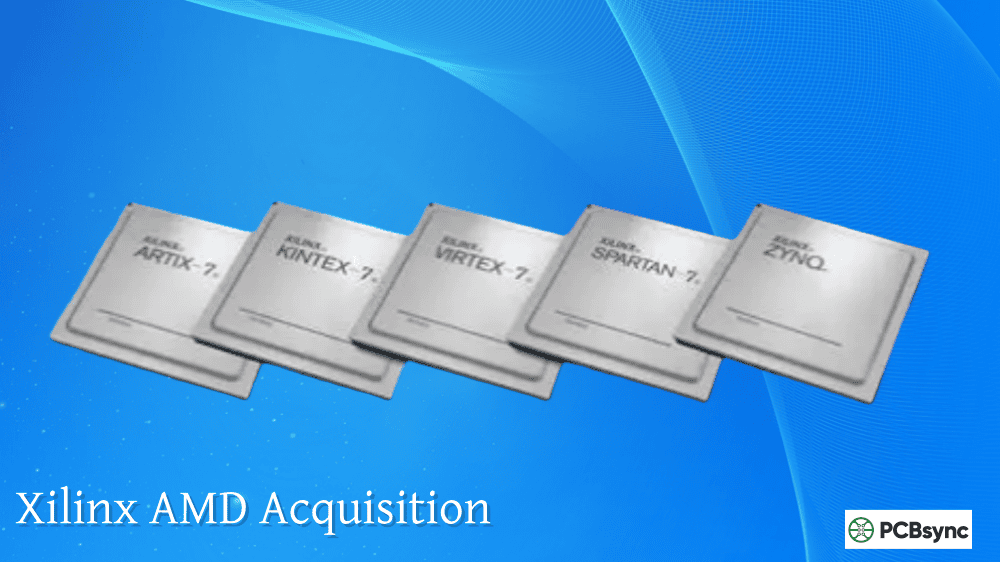
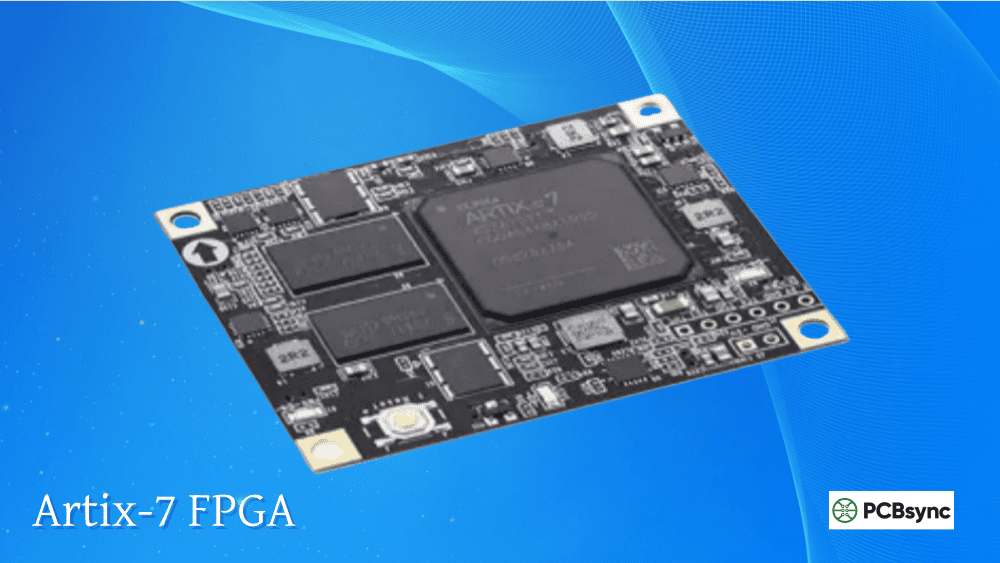
The AMD (formerly Xilinx) Artix-7 family sits in the cost-optimized segment of the 7-series lineup. Built on 28nm HKMG process technology, these devices deliver what AMD calls “best performance-per-watt” at price points that make sense for volume production.
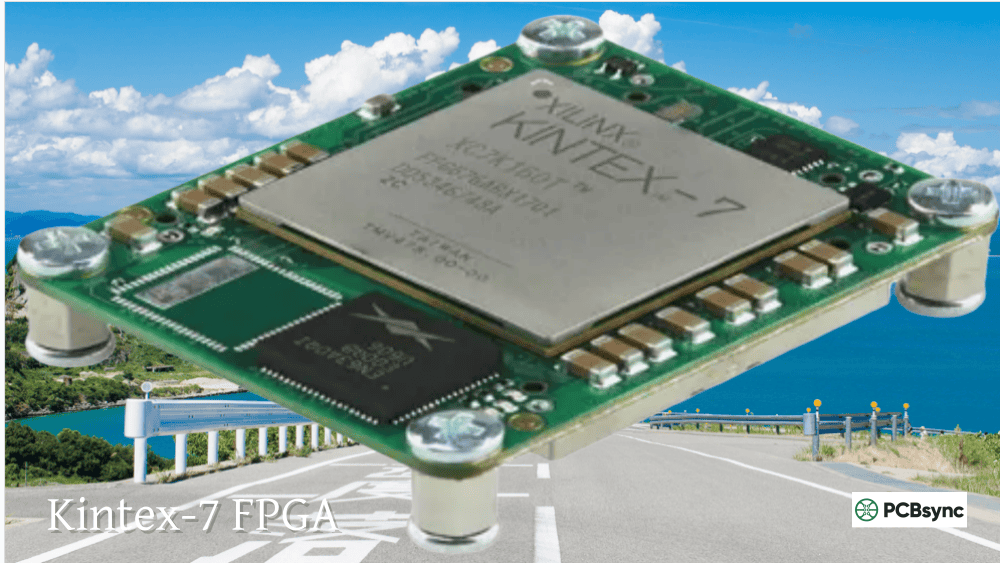
Compared to Spartan-7, Artix-7 devices include high-speed GTP transceivers (up to 6.6 Gbps) and more DSP resources. Compared to Kintex-7, they sacrifice some logic density and transceiver performance but come in at roughly 40-60% lower cost per logic cell.
Key pricing factors for Artix-7 devices:
Logic cell count: Ranges from 12K to 215K cells across the family
Package type: Wire-bond packages cost less than flip-chip BGAs
Speed grade: -1 (slowest/cheapest) to -3 (fastest/most expensive)
Temperature grade: Commercial (C) vs Industrial (I) vs Low-power (L)
Order quantity: Volume pricing can be 50%+ below single-unit prices
Xilinx Artix-7 Price Breakdown by Model
Let’s examine each Artix-7 variant and its typical pricing at authorized distributors. These prices reflect single-unit quantities from major distributors like DigiKey, Mouser, and Newark as of late 2024/early 2025. Volume pricing will be significantly lower.
XC7A12T: Entry-Level Artix-7 Pricing
The XC7A12T is the smallest member of the Artix-7 family with just 12,500 logic cells. It’s ideal for simple protocol bridges, basic motor control, and low-complexity signal processing.
Single-unit price: $20 – $45 (depending on package/speed grade)
100-unit price: $15 – $35
Best value package: CPG238 (0.8mm pitch BGA)
XC7A15T: Budget-Friendly Option
The XC7A15T doubles the logic capacity to 16,640 cells while adding GTP transceivers. This makes it suitable for designs requiring serial connectivity at the lowest possible cost.
Single-unit price: $25 – $55
100-unit price: $18 – $42
Key differentiator: Up to 2 GTP transceivers at 6.6 Gbps
XC7A25T: Mid-Entry Level
With 23,360 logic cells, the XC7A25T provides headroom for more complex designs without jumping to higher price points.
Single-unit price: $35 – $70
100-unit price: $25 – $55
XC7A35T: Popular Sweet Spot for Development
The XC7A35T is probably the most widely used Artix-7 variant, featured in popular development boards like the Arty A7-35T and Basys 3. Its 33,280 logic cells handle most mid-complexity designs.
Single-unit price: $50 – $100
100-unit price: $35 – $75
Development board cost: ~$129 (Arty A7-35T), ~$149 (Basys 3)
XC7A50T: Balanced Performance and Cost
At 52,160 logic cells, the XC7A50T offers 50% more resources than the XC7A35T for designs that need extra headroom.
Single-unit price: $70 – $140
100-unit price: $50 – $110
XC7A75T: Upper Mid-Range Option
The XC7A75T provides 75,520 logic cells and is often selected for designs that narrowly exceed XC7A50T capacity.
Single-unit price: $90 – $180
100-unit price: $65 – $140
XC7A100T: High-Capacity Workhorse
With 101,440 logic cells, the XC7A100T handles demanding applications like video processing, software-defined radio, and complex embedded systems. It’s featured in the Arty A7-100T and Nexys A7 boards.
Single-unit price: $100 – $220
100-unit price: $75 – $170
Development board cost: ~$249 (Arty A7-100T), ~$359 (Nexys A7)
XC7A200T: Maximum Artix-7 Capacity
The flagship XC7A200T packs 215,360 logic cells, 740 DSP slices, and 13Mb of block RAM. It’s the go-to choice for applications that need Artix-7’s power efficiency but Kintex-level resources.
Single-unit price: $300 – $500
100-unit price: $220 – $400
Development board cost: ~$1,554 (AC701 Evaluation Kit)
Over the years, I’ve learned several approaches that consistently reduce FPGA costs for production designs:
Right-Size Your Device Selection
The most common mistake I see is over-specifying FPGA resources “just in case.” If your design uses 60% of an XC7A100T, consider optimizing it to fit an XC7A75T instead. That optimization effort often pays for itself in the first production run.
Consider Speed Grade Carefully
Many designs don’t actually need -2 or -3 speed grades. If your timing closes with margin on a -1 part, don’t pay the premium for faster silicon. The price difference between speed grades can be 20-40%.
Contact AMD/Xilinx Directly for Volume
For quantities above 100 units, distributor pricing rarely represents your best option. Speaking with an AMD sales representative about your annual volume commitment can yield pricing 30-50% below distributor rates. The key is demonstrating a credible volume forecast.
Evaluate Industrial vs Commercial Grade
Industrial-grade (-I suffix) parts cost significantly more than commercial (-C suffix) variants. Unless your application truly requires -40°C to +100°C operation, commercial grade saves substantial cost.
Frequently Asked Questions About Xilinx Artix-7 Pricing
Q1: Why are Xilinx FPGAs more expensive at distributors than development boards suggest?
Development board manufacturers like Digilent purchase FPGAs in large volumes and receive significant discounts. Additionally, boards often use lower-cost commercial-grade parts rather than industrial-grade. The board price reflects wholesale FPGA pricing plus PCB, components, and margin – often making complete boards surprisingly affordable relative to the bare FPGA.
Q2: How much discount can I expect for volume FPGA orders?
Volume discounts vary based on device, annual commitment, and your relationship with AMD. Generally, 100-unit orders see 15-25% reduction from single-unit pricing. 1,000+ unit annual commitments can achieve 40-60% discounts. The key is working directly with AMD sales rather than relying solely on distributor pricing.
Q3: Are there lower-cost alternatives to Artix-7 for new designs?
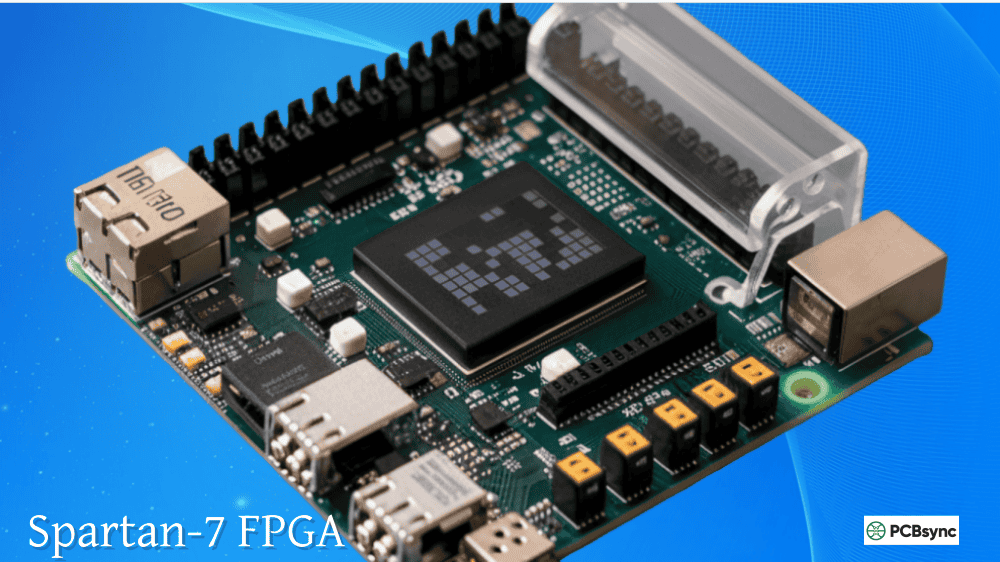
AMD’s Spartan-7 family offers lower-cost options if you don’t need high-speed transceivers. Lattice’s ECP5 and Gowin FPGAs also compete in this space at lower price points, though with different toolchains and ecosystems. For high-volume designs, evaluate all options – the Artix-7’s mature ecosystem and tooling often justify its price premium.
Q4: Do package types significantly affect Xilinx Artix-7 price?
Yes. Wire-bond packages (like CSG and CPG) cost less than flip-chip BGAs (FBG, FFG). For the same FPGA die, smaller packages with fewer I/O also cost less. If your design doesn’t need maximum I/O, selecting a smaller package can reduce cost by 10-20%.
Q5: Is it worth buying from Chinese suppliers to save on Xilinx FPGA price?
Be extremely cautious. Counterfeit FPGAs are a significant problem, and non-authorized channels offer no guarantee of authenticity. For production designs, always source from authorized distributors or directly from AMD. The risk of counterfeit parts causing field failures far exceeds any cost savings. For prototyping only, the risk may be acceptable, but verify parts thoroughly.
Conclusion: Getting the Best Xilinx Artix-7 Price
Understanding Xilinx Artix-7 price structures helps you make informed decisions during device selection and procurement. The key takeaways: right-size your FPGA selection, consider commercial-grade when appropriate, select the minimum viable speed grade, and engage directly with AMD for volume pricing.
For prototyping, development boards often provide better value than custom designs. For production, work with authorized distributors and AMD sales to optimize your Xilinx FPGA price based on your specific volume and requirements.
The Artix-7 family remains one of the best values in the FPGA market for cost-sensitive applications requiring moderate resources. With proper planning and sourcing strategies, you can maximize the value of every dollar spent on programmable logic.
Inquire: Call 0086-755-23203480, or reach out via the form below/your sales contact to discuss our design, manufacturing, and assembly capabilities.
Quote: Email your PCB files to Sales@pcbsync.com (Preferred for large files) or submit online. We will contact you promptly. Please ensure your email is correct.
Notes: For PCB fabrication, we require PCB design file in Gerber RS-274X format (most preferred), *.PCB/DDB (Protel, inform your program version) format or *.BRD (Eagle) format. For PCB assembly, we require PCB design file in above mentioned format, drilling file and BOM. Click to download BOM template To avoid file missing, please include all files into one folder and compress it into .zip or .rar format.