Inquire: Call 0086-755-23203480, or reach out via the form below/your sales contact to discuss our design, manufacturing, and assembly capabilities.
Quote: Email your PCB files to Sales@pcbsync.com (Preferred for large files) or submit online. We will contact you promptly. Please ensure your email is correct.
Notes: For PCB fabrication, we require PCB design file in Gerber RS-274X format (most preferred), *.PCB/DDB (Protel, inform your program version) format or *.BRD (Eagle) format. For PCB assembly, we require PCB design file in above mentioned format, drilling file and BOM. Click to download BOM template To avoid file missing, please include all files into one folder and compress it into .zip or .rar format.
Xilinx AMD Acquisition: What It Means for FPGA Developers
When AMD completed its acquisition of Xilinx in February 2022, those of us working with FPGAs on our benches had plenty of questions. Would our development boards still work? What about Vivado licenses? Would we need to learn entirely new tools? After spending the past couple of years navigating this transition firsthand, I want to share what I’ve learned about the Xilinx to AMD conversion and what it practically means for your next FPGA project.
AMD finalized the purchase of Xilinx on February 14, 2022, in an all-stock transaction valued at approximately $49 billion. This wasn’t just another corporate merger—it created what AMD calls “the industry’s high-performance and adaptive computing leader.” For context, this dwarfed Intel’s $16.7 billion acquisition of Altera back in 2015, essentially splitting the FPGA world into two major camps.
The deal brought together AMD’s EPYC server CPUs and Radeon GPUs with Xilinx’s field-programmable gate arrays, adaptive SoCs, and AI inference engines. Former Xilinx CEO Victor Peng joined AMD to lead the newly formed Adaptive and Embedded Computing Group (AECG), which houses all the former Xilinx products and engineering talent.
Key Acquisition Timeline
Date
Event
October 27, 2020
AMD announces intent to acquire Xilinx
April 7, 2021
Shareholders approve the acquisition
February 14, 2022
AMD completes the $49B acquisition
June 2023
Xilinx brand fully consolidated under AMD branding
June 29, 2024
Last Time Buy deadline for legacy CPLDs and older FPGAs
How AMD Xilinx Branding Has Evolved
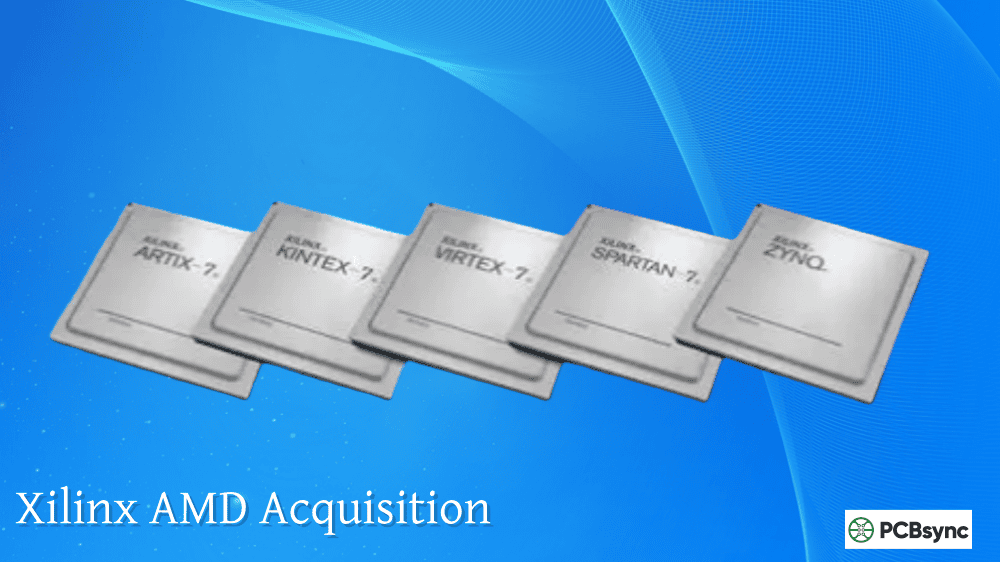
If you’ve been ordering parts recently, you’ve probably noticed the branding changes. Initially, products carried co-branding like “AMD Xilinx,” but starting in June 2023, all Xilinx products have been consolidated under AMD’s umbrella. The familiar product family names remain intact though—Spartan, Artix, Kintex, Virtex, Zynq, and Versal are all still here.
The xilinx.com website still functions but now redirects to AMD’s adaptive computing pages. Your old bookmarks should still work, but you’ll find yourself on amd.com more often than not.
What Actually Changed for FPGA Developers
The Good News First
Here’s what stayed the same after Xilinx was purchased by AMD:
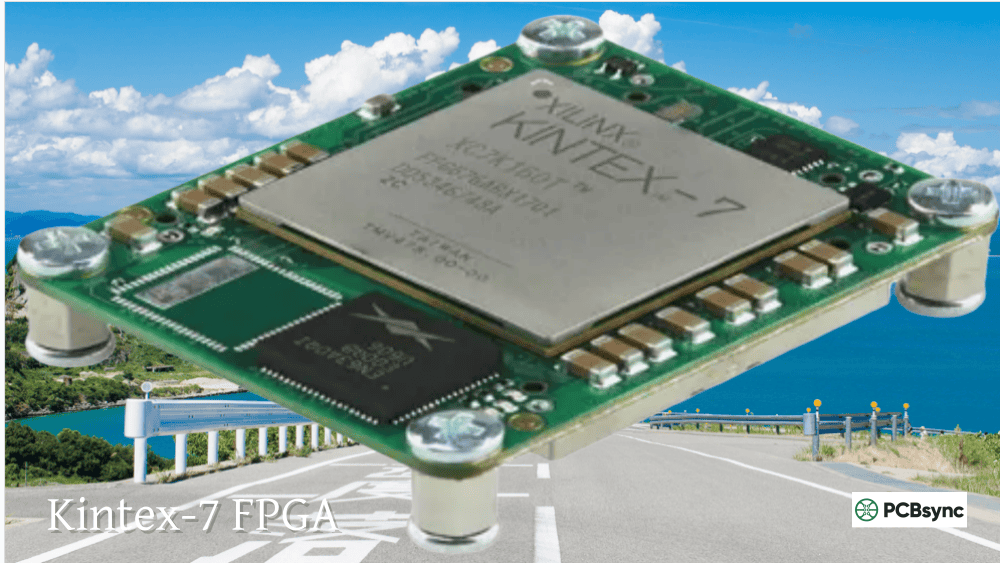
The development tools you know (Vivado, Vitis, Vitis HLS) remain fundamentally unchanged. Your existing Vivado projects load just fine in newer versions. The IP catalog continues to grow. Board support files work as expected. Most importantly, your design skills transfer completely—if you could close timing on a Kintex-7 before the acquisition, you still can.
AMD also committed to maintaining product support through 2040-2045 for existing device families, which matters enormously when you’re designing products with 10-15 year lifecycles. The 7-Series and UltraScale+ families will continue receiving support for years to come.
What Has Changed
The transition hasn’t been entirely seamless though. Here are the real-world impacts I’ve observed:
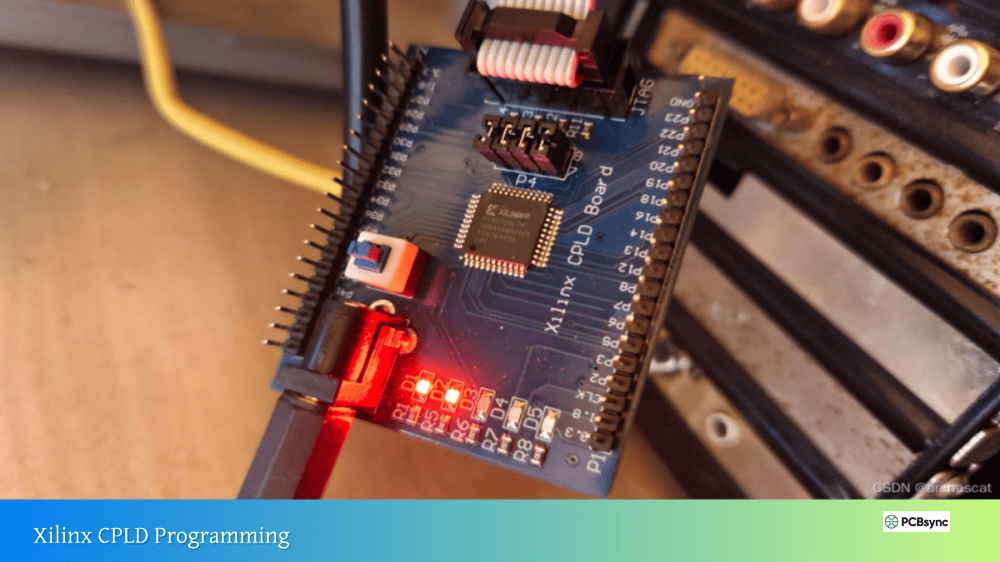
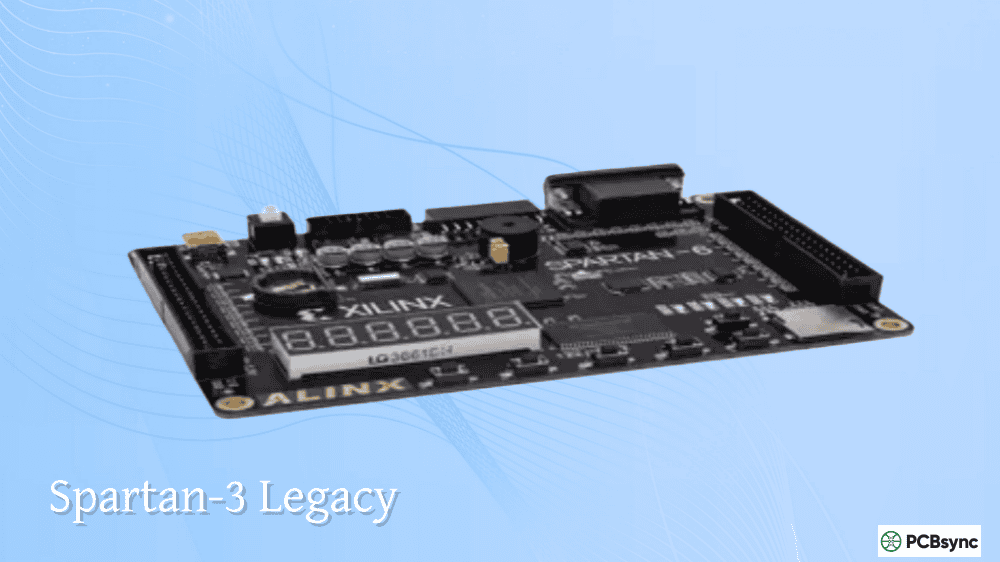
Product Discontinuations: AMD discontinued several legacy products including XC9500XL CPLDs, CoolRunner-II, Spartan-II, and the Spartan-3 family. If you had designs using these parts, you needed to migrate or place last-time-buy orders before June 29, 2024.
Tool Installation: The installer is now called “AMD Unified Installer for FPGAs & Adaptive SoCs.” It’s a combined package that lets you install Vivado, Vitis, and related tools from a single download.
Licensing and Accounts: You may need to create or link your AMD developer account. The licensing infrastructure has migrated, though existing licenses continue to work.
Documentation URLs: Many documentation links have changed. The AMD Technical Documentation portal at docs.amd.com is now the primary source.
Current AMD FPGA and Adaptive SoC Product Lineup
Understanding what’s available helps you make informed decisions for new designs. Here’s how the current portfolio breaks down:
FPGA Families Comparison
Family
Process Node
Target Applications
Status
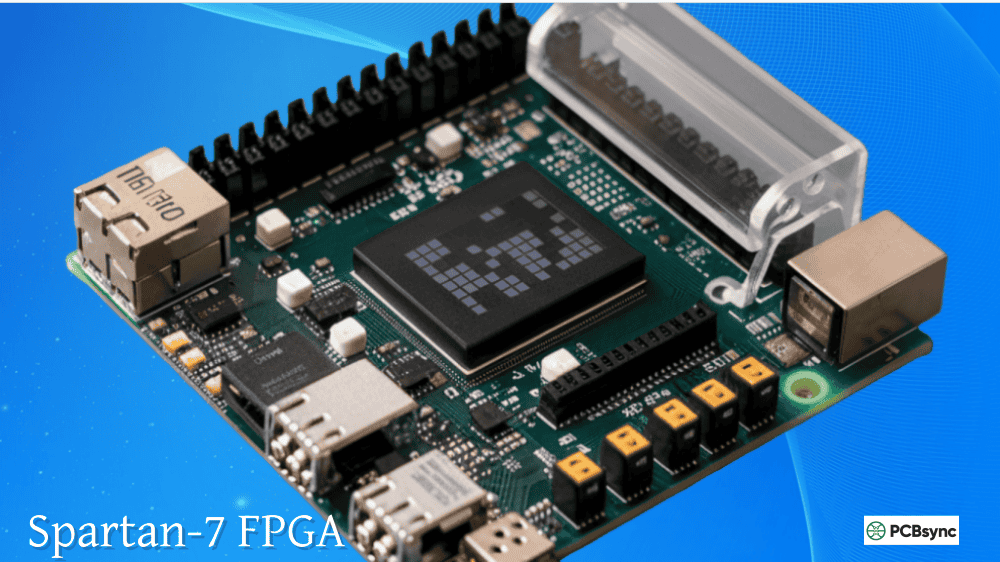
Spartan-7
28nm
Cost-sensitive, general purpose
Active
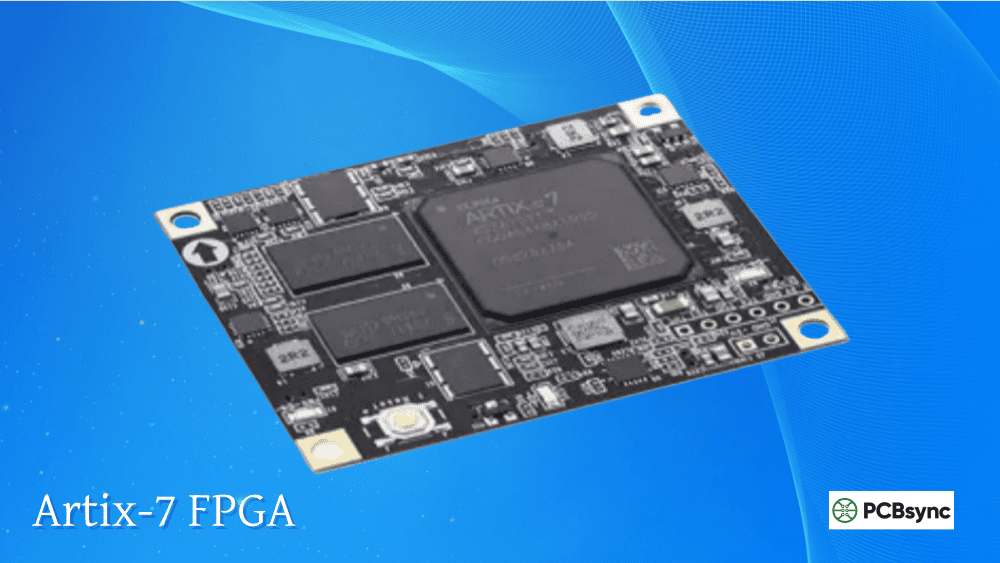
Artix-7
28nm
Low-power, transceiver applications
Active
Kintex-7
28nm
DSP-intensive, mid-range
Active
Virtex-7
28nm
High-performance, high-bandwidth
Active
Spartan UltraScale+
16nm
Next-gen cost-optimized
New (2024)
Artix UltraScale+
16nm
Low-power, small form factor
Active
Kintex UltraScale+
16nm
Signal processing, high-bandwidth
Active
Virtex UltraScale+
16nm
Data center, HPC
Active
Adaptive SoC Families
Family
Features
Primary Use Cases
Zynq-7000
ARM Cortex-A9 + 28nm FPGA
Embedded systems, industrial
Zynq UltraScale+ MPSoC
ARM Cortex-A53 + 16nm FPGA
Advanced embedded, automotive
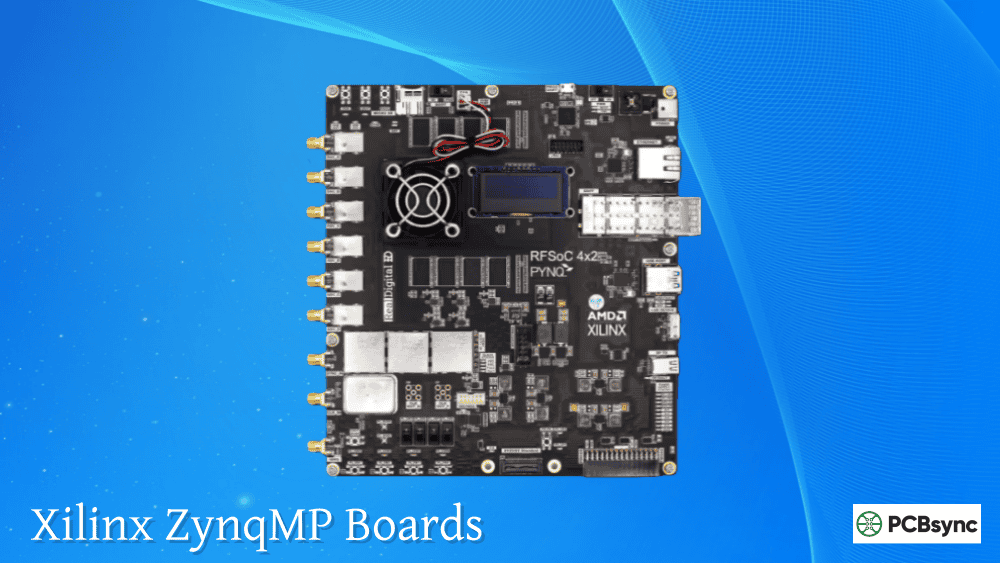
Zynq UltraScale+ RFSoC
RF-ADC/DAC + MPSoC
5G, radar, software-defined radio
Versal AI Core
AI Engines + Arm + PL
Data center AI acceleration
Versal AI Edge
AI-ML Engines + Arm + PL
Edge AI, autonomous systems
Versal Prime
Arm + PL + High-speed I/O
General compute acceleration
Versal Premium
112G PAM4 transceivers
Network infrastructure
The newest addition is the Spartan UltraScale+ family announced in 2024, which brings 16nm FinFET technology to the cost-optimized segment. This offers roughly 50% power reduction compared to the 28nm Spartan-7 while adding features like LPDDR4x/LPDDR5 memory controllers and enhanced security.
Vivado and Vitis Software Changes Under AMD
The design software continues evolving with each release. Here’s what’s significant about recent versions:
Vivado 2024.2 and 2025.2 Highlights
AMD has been pushing machine learning into the place-and-route algorithms, which actually works surprisingly well. The Intelligent Design Runs (IDR) feature analyzes past synthesis results and adapts strategies automatically—I’ve seen 8-13% QoR improvements on complex designs without manual intervention.
Other practical improvements include:
Faster physical optimization compile times
Better automatic handling of SLR crossings in multi-die Versal devices
Improved DFX (Dynamic Function eXchange) visualization
SystemVerilog interface support for simplified AXI connections
MicroBlaze V soft processor (RISC-V based) now generally available
Vitis Platform Evolution
With the 2023.2 release, AMD introduced the “Vitis Unified IDE” and renamed the older interface to “Vitis Classic IDE.” The Classic version ships alongside the new IDE but will likely be phased out eventually. If you’re starting fresh, learn the Unified IDE. If you have established workflows, the Classic IDE still works.
The Vitis AI platform for machine learning inference has matured significantly. It now includes pre-optimized models, quantization tools, and runtime libraries that make deploying neural networks on AMD adaptive SoCs substantially easier than rolling your own.
Migration Considerations for Legacy Designs
If you’re still running Spartan-3, Spartan-6, or other discontinued products in production hardware, here’s how I’d approach migration:
Step 1: Assess Your Actual Requirements
Before panicking, check what you actually need. A Spartan-3 design from 2010 probably doesn’t use all the chip’s resources. You might find that a modern Spartan-7 or Artix-7 device handles the same logic in a smaller package at lower power.
Step 2: Evaluate Drop-In Alternatives
Some migration paths are straightforward:
Legacy Device
Suggested Migration
Notes
Spartan-3
Spartan-7, Artix-7
Pin-compatible options exist for some packages
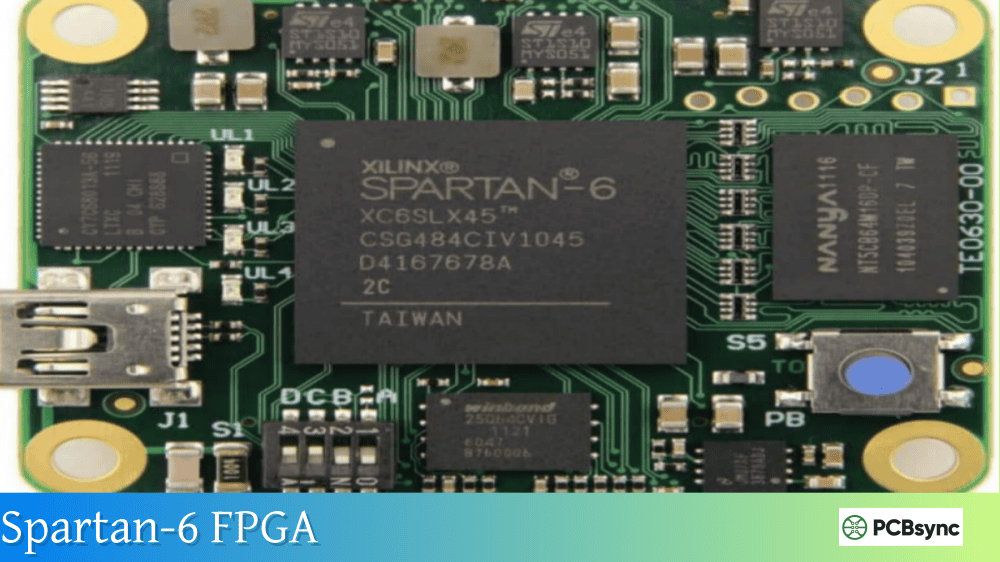
Spartan-6
Spartan-7, Artix-7
Architecture similar, tools different (ISE to Vivado)
CoolRunner-II
Lattice MachXO3, external CPLDs
No direct AMD replacement
Virtex-6
Kintex-7, Kintex UltraScale
Significant performance upgrade
Step 3: Budget for Tool Migration
Moving from ISE (required for Spartan-6 and older) to Vivado takes time. ISE constraint files don’t directly import. Timing constraints need review. Test benches usually work, but the simulator has different behavior in edge cases.
Allow 2-4 weeks for migration and verification of a moderately complex design. Complex designs with extensive IP or custom interfaces take longer.
After working through several Xilinx to AMD conversion projects, here are lessons learned:
Keep Tool Versions Consistent: Don’t mix Vivado versions mid-project without good reason. IP regeneration headaches are real.
Archive Your License Files: Even though licensing has migrated, keep copies of your old license files and installation packages.
Watch the Answer Records: AMD maintains “Answer Records” (AR#) for known issues. The support site search finds these, and they save debugging time.
Test Your Programming Cables: Most third-party JTAG programmers work fine, but verify before your next production run. The official AMD Platform Cable USB II definitely works.
Join the Forums: The AMD Adaptive Support community forums have active participation from AMD engineers. Real questions get real answers.
No. AMD fully acquired Xilinx in February 2022 for approximately $49 billion. Xilinx now operates as the Adaptive and Embedded Computing Group (AECG) within AMD. The Xilinx brand was phased out in June 2023, though the product family names (Spartan, Artix, Kintex, Virtex, Zynq, Versal) continue unchanged.
Can I still buy Xilinx products?
Yes. All former Xilinx products remain available through the same distribution channels—Digi-Key, Mouser, Avnet, Arrow, and others. Part numbers haven’t changed, though some packaging and labeling now shows AMD branding. The only exception is discontinued products like Spartan-3 and CoolRunner-II, which had their last-time-buy in June 2024.
Do I need new licenses for Vivado after the AMD acquisition?
Existing Vivado licenses continue working. If you need new licenses, you’ll obtain them through the AMD licensing portal rather than the old Xilinx portal. The Vivado Standard Edition (formerly WebPACK) remains free and covers smaller devices. Enterprise Edition licenses for larger devices require purchase.
What happened to Xilinx technical support?
Technical support transitioned to AMD Adaptive Support at adaptivesupport.amd.com. If you had an existing Xilinx support contract, it transferred to AMD. Response times and quality have remained consistent in my experience. The knowledge base, forums, and Answer Records are all accessible through the new portal.
Should I switch to Intel Altera instead?
That depends on your specific situation. If you have established Xilinx/AMD toolchains, trained engineers, and working designs, switching vendors has substantial costs. If you’re starting fresh, both AMD and Intel (Altera) offer competitive products. AMD generally leads in software tools and documentation quality; Intel has tight integration with their fab capabilities. For most applications, choose based on device specifications, pricing, and your team’s existing expertise.
Looking Forward: What’s Next for AMD FPGAs
AMD isn’t standing still. The Versal platform represents the future direction—heterogeneous compute combining scalar processors (ARM), adaptable engines (programmable logic), and AI engines on a single device. The recent Versal AI Edge Gen 2 announcement pushes this further with improved machine learning performance.
The integration with AMD’s broader ecosystem opens interesting possibilities. Imagine future platforms where EPYC CPUs, Radeon GPUs, and Versal adaptive SoCs share coherent memory and high-bandwidth interconnects. AMD has the silicon portfolio to build this; the question is execution.
For those of us designing PCBs and writing HDL today, the acquisition has been largely positive. Product support commitments extend decades into the future. The tools keep improving. The device portfolio spans from simple I/O expanders to multi-die AI accelerators. The Xilinx engineering DNA remains intact within AMD.
What matters most is this: the FPGAs still work the way FPGAs should work. The transistors don’t care what logo is on the package. Get your timing constraints right, manage your power rails properly, and your design will synthesize just fine—whether the tools say Xilinx, AMD Xilinx, or just AMD.
Inquire: Call 0086-755-23203480, or reach out via the form below/your sales contact to discuss our design, manufacturing, and assembly capabilities.
Quote: Email your PCB files to Sales@pcbsync.com (Preferred for large files) or submit online. We will contact you promptly. Please ensure your email is correct.
Notes: For PCB fabrication, we require PCB design file in Gerber RS-274X format (most preferred), *.PCB/DDB (Protel, inform your program version) format or *.BRD (Eagle) format. For PCB assembly, we require PCB design file in above mentioned format, drilling file and BOM. Click to download BOM template To avoid file missing, please include all files into one folder and compress it into .zip or .rar format.