Inquire: Call 0086-755-23203480, or reach out via the form below/your sales contact to discuss our design, manufacturing, and assembly capabilities.
Quote: Email your PCB files to Sales@pcbsync.com (Preferred for large files) or submit online. We will contact you promptly. Please ensure your email is correct.
Notes: For PCB fabrication, we require PCB design file in Gerber RS-274X format (most preferred), *.PCB/DDB (Protel, inform your program version) format or *.BRD (Eagle) format. For PCB assembly, we require PCB design file in above mentioned format, drilling file and BOM. Click to download BOM template To avoid file missing, please include all files into one folder and compress it into .zip or .rar format.
After spending over a decade working with FPGAs in production environments, I’ve tested nearly every Xilinx Artix-7 development board on the market. Whether you’re prototyping a new design, teaching digital logic courses, or building a commercial product, choosing the right Artix-7 development board can make or break your project timeline.
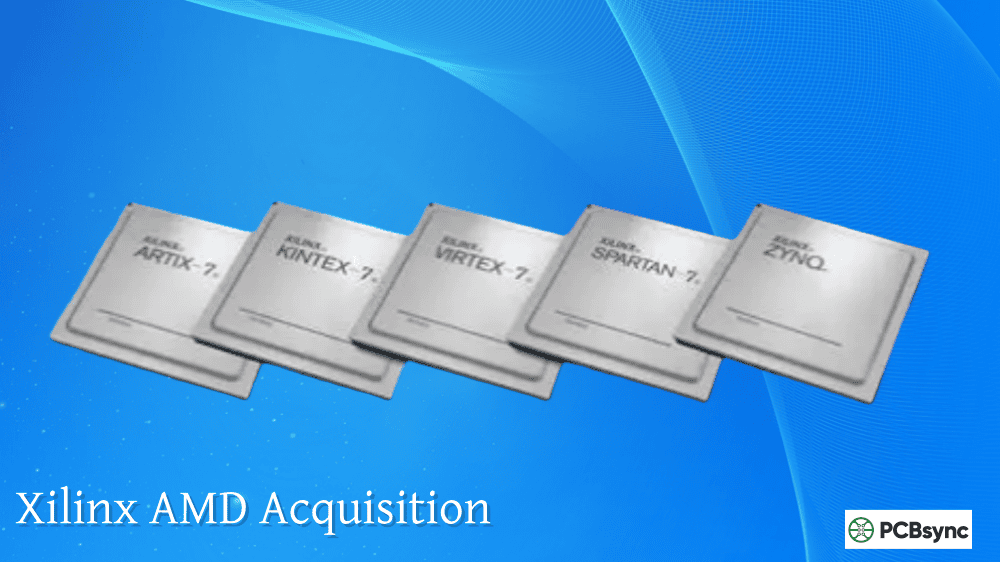
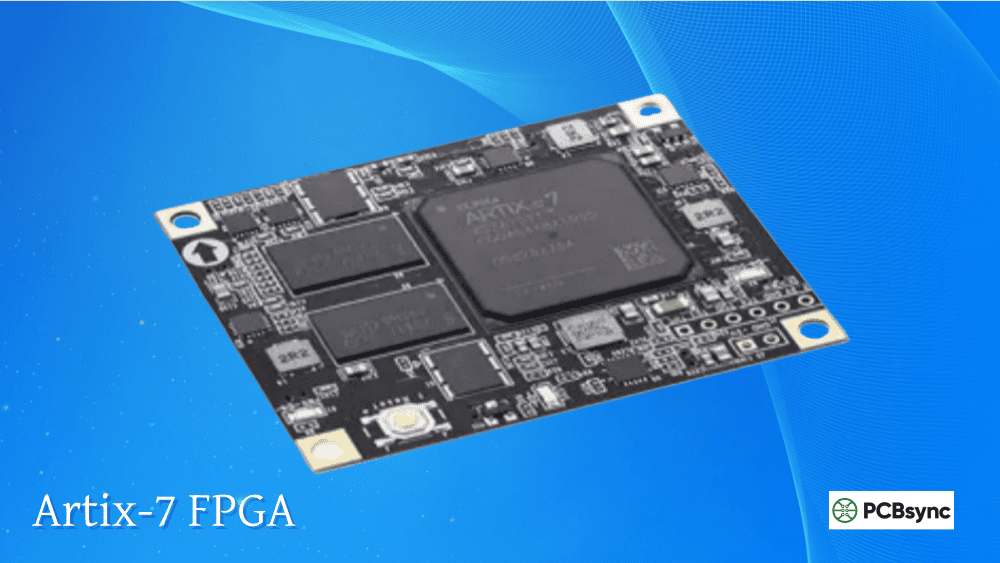
The AMD (formerly Xilinx) Artix-7 family sits in a sweet spot for most designers. Built on 28nm process technology, these FPGAs deliver excellent performance-per-watt while keeping costs reasonable. The flagship XC7A200T packs 215,360 logic cells, 740 DSP slices, and 13Mb of block RAM – enough horsepower for serious signal processing, video applications, and embedded systems.
In this guide, I’ll break down the most popular Artix-7 boards including the Arty A7, Basys 3, Nexys A7, and several alternatives. My goal is to give you the practical insights you need to pick the right board for your specific application – not just marketing specs from datasheets.
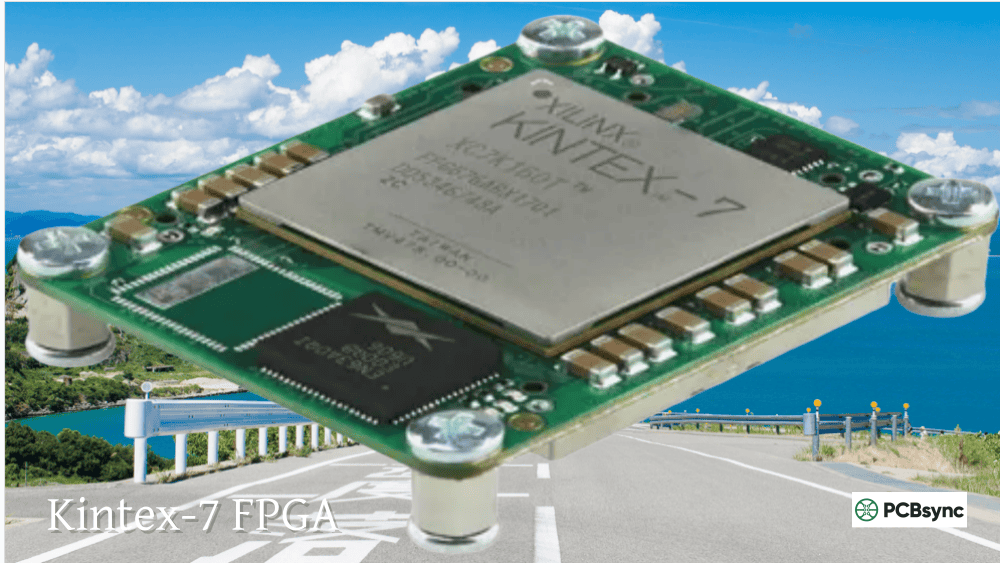
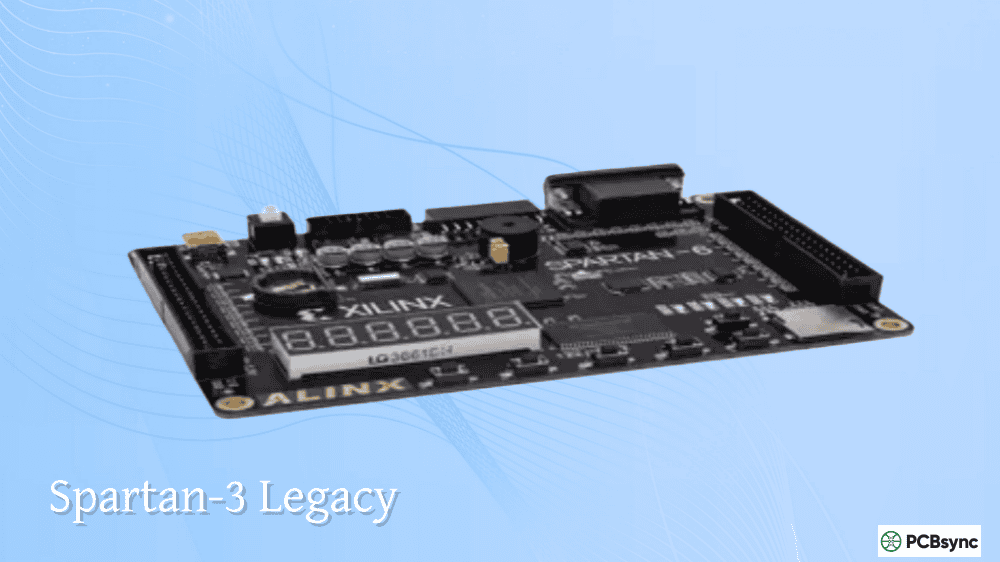
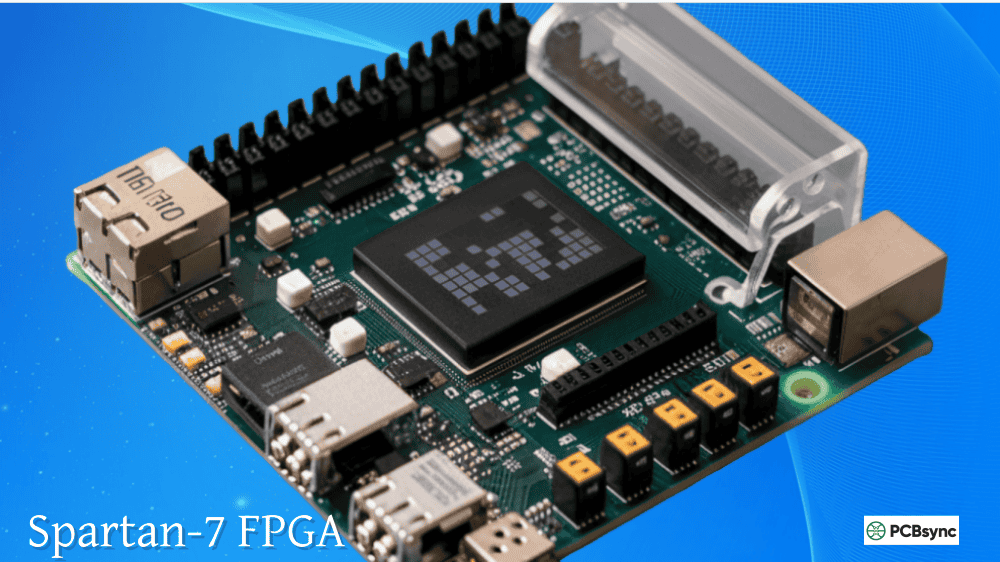
The Artix-7 series represents AMD’s cost-optimized FPGA line, targeting applications where Spartan-7 falls short on resources but Kintex-7 would be overkill. Here’s why so many engineers gravitate toward the Artix-7 family:
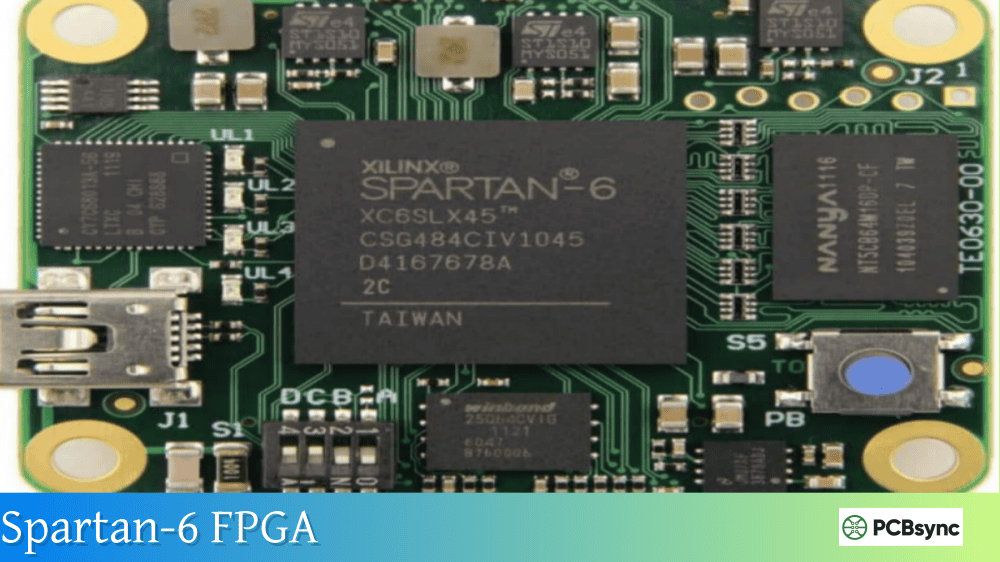
50% lower power consumption compared to the previous 45nm generation (Spartan-6)
35% cost reduction versus equivalent Spartan-6 designs
Up to 6.6 Gbps transceivers for high-speed serial interfaces
MicroBlaze soft processor support with 1,066 Mb/s DDR3 capability
Unified architecture across all 7-series devices for easy design migration
From a PCB design standpoint, the Artix-7 devices come in compact BGA packages that work well in space-constrained applications. The XC7A35T starts at 236 balls, while the larger XC7A200T is available in packages up to 1156 balls depending on your I/O requirements.
Understanding Artix-7 FPGA Variants: XC7A35T vs XC7A100T vs XC7A200T
Before diving into specific boards, it’s worth understanding what you get with each Artix-7 device. Most development boards use one of three main variants:
Specification
XC7A35T
XC7A100T
XC7A200T
Logic Cells
33,280
101,440
215,360
Block RAM
1,800 Kb
4,860 Kb
13,140 Kb
DSP Slices
90
240
740
Max User I/O
250
300
500
GTP Transceivers
0-4
0-8
4-16
Typical Price Range
$50-$100
$100-$200
$200-$400
Table 1: Artix-7 FPGA Variant Comparison
Basys 3 Artix-7 FPGA Trainer Board: Best for Learning
The Basys 3 FPGA board from Digilent remains the gold standard for FPGA education. Built around the XC7A35T-1CPG236C, this Basys 3 Artix-7 trainer packs everything beginners need without overwhelming complexity.
From my experience using the Basys 3 in lab environments, the abundant built-in peripherals eliminate the need for external hardware during early learning stages. Students can immediately implement VGA drivers, state machines with switch inputs, and multiplexed display controllers without wiring anything up.
The main limitation? No external DDR memory. This restricts more advanced applications like video frame buffering or running larger MicroBlaze applications. If you’re planning to move beyond basic digital logic into embedded systems, you’ll eventually outgrow this board.
Arty A7: The Maker’s Choice for Artix-7 Development
The Arty A7 represents Digilent’s answer to makers and hobbyists who want more capability than educational boards provide. Available in two variants (A7-35T and A7-100T), this board bridges the gap between learning tools and production-ready development platforms.
User I/O: 4 switches, 4 buttons, 4 RGB LEDs, 4 green LEDs
Price: ~$129 (35T) / ~$249 (100T)
Arty A7 vs Basys 3: Engineering Considerations
The 256MB DDR3L on the Arty A7 changes everything. You can now run substantial MicroBlaze or RISC-V soft processor designs with real application memory. The Ethernet port opens doors for networked embedded systems that simply aren’t possible on the Basys 3.
However, the Arty A7 sacrifices on-board switches and displays. If you’re teaching basic digital design concepts, the Basys 3’s abundant user I/O is more pedagogically useful. The Arty A7 shines when you’re building actual projects where you’ll eventually connect external interfaces anyway.
Nexys A7: Full-Featured Academic Development Platform
The Nexys A7 (formerly Nexys 4 DDR) combines the best of both worlds – abundant on-board peripherals like the Basys 3, plus DDR memory and Ethernet like the Arty A7. It’s positioned as the premium academic platform for serious ECE curriculum.
Sensors: Temperature sensor, accelerometer, MEMS microphone
Audio: PWM audio output, speaker amplifier
Price: ~$359 (academic pricing available)
The integrated sensors make the Nexys A7 particularly attractive for embedded systems courses where students need to work with real-world inputs. The accelerometer and microphone enable projects in motion detection and audio processing without purchasing separate Pmod modules.
Complete Artix-7 Development Board Comparison Table
Feature
Basys 3
Arty A7-100T
Nexys A7
AC701
FPGA
XC7A35T
XC7A100T
XC7A100T
XC7A200T
Logic Cells
33,280
101,440
101,440
215,360
DDR Memory
None
256MB DDR3
128MB DDR2
1GB DDR3
Ethernet
No
10/100
10/100
Gigabit
PCIe
No
No
No
x4 Gen2
User LEDs
16
4 + 4 RGB
16
8
Price (USD)
~$149
~$249
~$359
~$1,554
Best For
Beginners
Makers
Education
Professional
Table 2: Artix-7 Development Board Feature Comparison
Alternative Artix-7 Development Boards Worth Considering
AC701 Evaluation Kit (XC7A200T)
AMD’s official AC701 kit features the flagship XC7A200T FPGA with full PCIe Gen2 x4 support, Gigabit Ethernet, SFP+ connectivity, and 1GB DDR3. At ~$1,554, it targets professional development rather than hobbyist use. The PCIe interface makes it particularly attractive for accelerator card development or high-speed data acquisition systems.
ALINX AX7A200B
ALINX offers a compelling XC7A200T-based development board at a lower price point than AMD’s official kit. It includes DDR3 SDRAM, PCIe, SFP+, HDMI, and Gigabit Ethernet. The modular SoM (System-on-Module) plus baseboard design allows reusing the core FPGA module in production designs.
Alchitry Au+
SparkFun’s Alchitry Au+ packs the XC7A100T with 256MB DDR3 in a compact form factor with USB-C. The Lucid language support and accompanying IDE make it beginner-friendly, while the I2C Qwiic connector simplifies sensor integration. It’s a solid choice for makers who want something more capable than the basic Alchitry Au.
EDGE Artix-7 Board
The EDGE board from Invent Logics offers remarkable value with WiFi, Bluetooth, HDMI, SD card, and various sensors included on-board. Available with XC7A35T or XC7A100T options, it ships from India with comprehensive documentation and sample projects in VHDL.
After testing dozens of boards over the years, here’s my decision framework:
Choose Basys 3 If:
You’re learning FPGA fundamentals and digital design
Your projects don’t require external memory
You want abundant switches/LEDs for debugging
Budget is a primary concern
Choose Arty A7 If:
You’re building embedded systems with MicroBlaze or RISC-V
Network connectivity is important (Ethernet)
You need Arduino shield compatibility
Rapid prototyping with external modules is your workflow
Choose Nexys A7 If:
You’re teaching or taking a university course
You need both abundant I/O and external memory
Integrated sensors are useful for your applications
Budget allows for the premium price
Choose AC701 or XC7A200T Boards If:
You need maximum logic resources (200K+ cells)
PCIe or high-speed serial interfaces are required
You’re developing a commercial product prototype
Video processing or heavy DSP is your application
Getting Started with Your Artix-7 Development Board
Regardless of which board you choose, the setup process follows a similar pattern:
Install Vivado Design Suite: Download the AMD Vivado Standard Edition (free) from AMD’s website. The installer is large (~60GB full install), so plan accordingly.
Install Board Files: Digilent provides board definition files that simplify project setup. These aren’t included with Vivado by default.
Connect via USB: All modern Artix-7 boards use integrated USB-JTAG circuitry. A single USB cable handles programming and UART communication.
Run a Blinky Test: Start with a simple LED blink design to verify your toolchain and board are working correctly.
Explore Example Designs: Each manufacturer provides reference designs demonstrating key features.
Frequently Asked Questions About Artix-7 Development Boards
Q1: What’s the difference between Artix-7 and Spartan-7 FPGAs?
The main differences are resource count and high-speed transceiver availability. Artix-7 offers more logic cells (up to 215K vs 102K), more block RAM, and includes GTP transceivers for high-speed serial interfaces. Spartan-7 is designed for cost-sensitive applications where these features aren’t needed. For most learning and development purposes, Artix-7 provides more headroom.
Q2: Can I use the free Vivado edition with all Artix-7 boards?
Yes, the Vivado Standard Edition (formerly WebPACK) supports all Artix-7 devices at no cost. This includes full synthesis, implementation, simulation, and debug capabilities. The paid Enterprise Edition is only needed for UltraScale+ devices or specific advanced features.
Q3: Is the Basys 3 good enough for learning MicroBlaze?
You can run basic MicroBlaze designs on the Basys 3, but the lack of external DDR memory severely limits practical applications. The on-chip block RAM provides only about 90KB for both code and data. For serious embedded development, the Arty A7 or Nexys A7 with external RAM is a much better choice.
Q4: What programming languages work with Artix-7 boards?
VHDL and Verilog are the primary hardware description languages supported by Vivado. SystemVerilog is also supported for both design and verification. For embedded software development with MicroBlaze or RISC-V, you’ll use C/C++ through the Vitis development environment. High-level synthesis (HLS) allows C++ to be compiled directly to RTL.
Q5: How long does it take to compile an Artix-7 design?
Compile times vary dramatically based on design complexity and your computer specs. A simple LED blinker might take 2-3 minutes. A full MicroBlaze system with peripherals can take 15-30 minutes. Large XC7A200T designs approaching full utilization may take an hour or more. SSDs and multiple CPU cores significantly improve synthesis and implementation times.
Conclusion: Making Your Artix-7 Board Decision
The Artix-7 FPGA family remains one of the most accessible entry points into serious FPGA development. Whether you’re a student learning digital design, a maker building custom hardware, or an engineer prototyping a commercial product, there’s an Artix-7 development board that fits your needs.
For pure beginners, the Basys 3 FPGA offers the most straightforward learning experience with its abundant on-board I/O. When you’re ready to build real embedded systems, the Arty A7 provides the DDR memory and connectivity you need. And for maximum capability without breaking the bank, the Nexys A7 or third-party XC7A200T boards deliver professional-grade resources.
Whatever you choose, the important thing is to start building. The best development board is the one you’ll actually use to complete projects. Good luck with your FPGA journey!
Inquire: Call 0086-755-23203480, or reach out via the form below/your sales contact to discuss our design, manufacturing, and assembly capabilities.
Quote: Email your PCB files to Sales@pcbsync.com (Preferred for large files) or submit online. We will contact you promptly. Please ensure your email is correct.
Notes: For PCB fabrication, we require PCB design file in Gerber RS-274X format (most preferred), *.PCB/DDB (Protel, inform your program version) format or *.BRD (Eagle) format. For PCB assembly, we require PCB design file in above mentioned format, drilling file and BOM. Click to download BOM template To avoid file missing, please include all files into one folder and compress it into .zip or .rar format.