Inquire: Call 0086-755-23203480, or reach out via the form below/your sales contact to discuss our design, manufacturing, and assembly capabilities.
Quote: Email your PCB files to Sales@pcbsync.com (Preferred for large files) or submit online. We will contact you promptly. Please ensure your email is correct.
Notes: For PCB fabrication, we require PCB design file in Gerber RS-274X format (most preferred), *.PCB/DDB (Protel, inform your program version) format or *.BRD (Eagle) format. For PCB assembly, we require PCB design file in above mentioned format, drilling file and BOM. Click to download BOM template To avoid file missing, please include all files into one folder and compress it into .zip or .rar format.
Building embedded Linux for Xilinx devices has always been one of those tasks that looks straightforward until you actually attempt it. I’ve spent more hours than I’d like to admit wrestling with device trees, kernel configurations, and boot sequence issues on Zynq projects. Whether you’re using Xilinx Yocto layers directly or working through PetaLinux, understanding how these tools fit together will save you significant debugging time.
This guide covers the practical aspects of Yocto Xilinx development, from choosing the right approach for your project to building custom Linux images for Yocto Zynq systems.
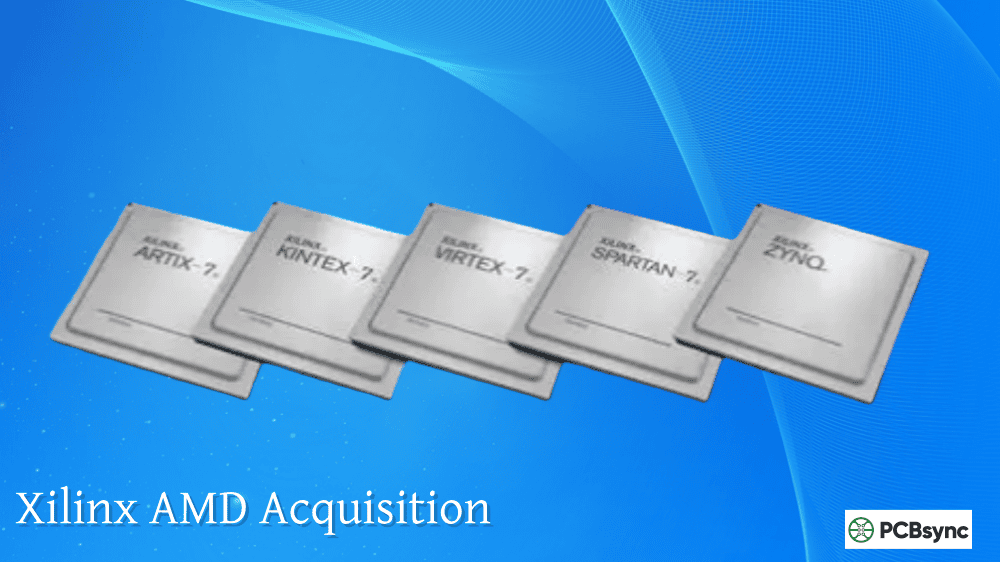
The Xilinx embedded Linux ecosystem has evolved significantly, especially since AMD’s acquisition. Before diving into specifics, let’s clarify how the major components relate to each other.
PetaLinux vs Pure Yocto: What’s the Difference?
PetaLinux is essentially a wrapper around Yocto that simplifies embedded Linux development for Xilinx devices. It uses Yocto as its build engine but adds Xilinx-specific tools, pre-configured BSPs, and simplified commands for common tasks.
The key distinction: PetaLinux provides a managed experience where Xilinx handles the layer integration and testing. Pure Xilinx Yocto development gives you more flexibility but requires deeper understanding of how Yocto works.
Aspect
PetaLinux
Pure Yocto
Learning Curve
Moderate
Steep
Flexibility
Limited to Xilinx
Any hardware
BSP Availability
Pre-built for eval boards
Requires layer configuration
Build Time
Faster with caching
Similar, depends on setup
Disk Space
100+ GB
50-100+ GB
Vendor Lock-in
High
Low
Community Support
Xilinx forums
Broader Yocto community
For quick prototyping on Xilinx evaluation boards, PetaLinux gets you running faster. For production systems or custom boards, understanding Xilinx Yocto layers directly pays dividends.
The Transition to AMD EDF
AMD announced that PetaLinux is being superseded by the AMD Embedded Development Framework (EDF), a pure Yocto Project-based solution. Starting with Vivado 2025.1, EDF provides the official path forward for embedded Linux development on AMD/Xilinx devices.
This transition matters for new projects. While existing PetaLinux releases remain available, AMD recommends EDF for all new development. The good news: if you learn Xilinx Yocto workflows now, you’re already prepared for EDF.
Setting Up Your Xilinx Yocto Development Environment
A proper development environment prevents most frustrating build failures. The requirements for Yocto Zynq development are substantial.
Host System Requirements
Yocto builds are resource-intensive. Plan for these minimums:
Resource
Minimum
Recommended
CPU Cores
4
8+
RAM
8 GB
16-32 GB
Disk Space
100 GB
250+ GB (SSD)
OS
Ubuntu 20.04/22.04
Ubuntu 22.04 LTS
Python
3.8+
3.10+
The disk space requirement catches many developers off guard. Yocto downloads sources, builds intermediate objects, and maintains caches that consume significant storage. An SSD dramatically improves build times.
Installing Dependencies for Ubuntu
Before any Yocto Xilinx build, install the required packages:
For PetaLinux specifically, additional packages are required depending on your Ubuntu version. Check the PetaLinux release notes for the exact list, as it changes between versions.
Working with Meta-Xilinx Yocto Layers
The meta-xilinx layer collection provides Yocto support for all AMD/Xilinx devices. Understanding its structure helps you customize builds effectively.
Meta-Xilinx Layer Architecture
The meta-xilinx repository contains several sub-layers, each serving a specific purpose:
Layer
Purpose
meta-xilinx-core
Core support for Zynq, ZynqMP, Versal devices
meta-xilinx-bsp
Evaluation board configurations
meta-xilinx-standalone
Baremetal and standalone toolchains
meta-xilinx-vendor
Third-party board configurations
meta-xilinx-contrib
Community-contributed board support
meta-xilinx-multimedia
GStreamer and multimedia packages
For a Yocto Zynq build targeting custom hardware, you’ll primarily work with meta-xilinx-core and possibly create your own machine configuration based on meta-xilinx-bsp examples.
Essential Supporting Layers
Beyond meta-xilinx, several layers are typically required:
The meta-xilinx-tools layer deserves special attention. It processes Vivado hardware exports (.xsa files) and generates device trees matching your programmable logic design.
The –template option accepts zynq for Zynq-7000, zynqMP for Zynq UltraScale+, versal for Versal devices, and microblaze for MicroBlaze soft processors.
Configuring the Build
PetaLinux provides menu-based configuration for major components:
# System configuration (boot, rootfs type, networking)
petalinux-config
# Kernel configuration
petalinux-config -c kernel
# Root filesystem package selection
petalinux-config -c rootfs
Key settings in the main configuration include the root filesystem type (initramfs vs ext4), boot device (SD card, QSPI, NAND), and network configuration. For development, SD card boot with ext4 rootfs provides the most flexibility.
Build times vary dramatically based on your hardware and what’s being built. Initial builds can take 2-4 hours; incremental builds are much faster.
Device Tree Customization for Yocto Zynq Builds
Device trees describe hardware to the Linux kernel. For Xilinx devices with programmable logic, device tree management becomes critical.
How Device Trees Are Generated
PetaLinux and meta-xilinx-tools use the Device Tree Generator (DTG) to create device trees from your Vivado hardware description. The DTG parses the .xsa file and generates nodes for:
Processing system configuration (clocks, peripherals, memory), programmable logic IP blocks connected to the PS, and interrupt routing between PL and PS.
Adding Custom Device Tree Entries
Custom device tree modifications go in system-user.dtsi. For PetaLinux projects:
For pure Yocto builds, create a bbappend file extending the device-tree recipe:
FILESEXTRAPATHS:prepend := “${THISDIR}/files:”
SRC_URI:append = ” file://system-user.dtsi”
Common customizations include fixing clock frequencies for custom IP, adding peripheral configurations not captured by the hardware export, and enabling or disabling specific kernel features.
Boot Sequence and Boot Image Generation
Understanding the Zynq boot sequence helps troubleshoot startup issues, which are frustratingly common during board bring-up.
Zynq UltraScale+ Boot Components
The boot sequence for Zynq UltraScale+ involves multiple stages:
Stage
Component
Purpose
0
BootROM
Initial hardware setup, loads FSBL
1
FSBL
Platform setup, loads PMU FW, ATF, bitstream
2
PMU Firmware
Power management, system monitoring
3
TF-A (ATF)
Secure monitor, EL3 services
4
U-Boot
Bootloader, loads kernel/DTB
5
Linux Kernel
Operating system
Each component must match the hardware design. A mismatch between the device tree and actual hardware configuration typically causes hangs during boot.
Creating BOOT.BIN
The BOOT.BIN file packages multiple boot components for SD card or flash boot:
With PetaLinux reaching end-of-life, migration planning becomes important for long-term projects.
Key Differences in Workflow
The AMD EDF approach aligns more closely with standard Yocto practices:
PetaLinux
EDF/Yocto Equivalent
petalinux-create
git clone + bitbake-layers
petalinux-config
bitbake -c menuconfig
petalinux-build
bitbake <image-target>
petalinux-package –boot
Automated through wic images
BSP files (.bsp)
Machine configs + layers
EDF provides gen-machine-conf tools that generate Yocto machine configurations from Vivado hardware exports, bridging the gap for users accustomed to PetaLinux workflows.
Migration Considerations
Before migrating, audit your PetaLinux customizations. Common items to port include kernel configuration fragments, device tree modifications, custom recipes in meta-user, and rootfs package selections. The meta-user layer from PetaLinux can often be adapted for pure Yocto use with minimal changes.
Kernel Configuration for Yocto Zynq Systems
Kernel configuration significantly impacts system behavior and boot time. Understanding Xilinx-specific kernel options helps optimize your embedded Linux system.
Key Xilinx Kernel Options
The Xilinx kernel fork includes drivers not yet mainlined. Critical options include:
FPGA Manager support for runtime bitstream loading, Xilinx DMA engines (AXI DMA, MCDMA, VDMA) for PL data movement, Display and video pipeline drivers for multimedia applications, and Xilinx-specific ethernet drivers for ARM GEM controllers.
For minimal boot times, disable unnecessary drivers and filesystems. A stripped-down Yocto Zynq kernel can boot in under 2 seconds; a full-featured configuration might take 10-15 seconds.
Applying Kernel Patches
Custom kernel patches use the kernel-yocto bbappend mechanism:
# In your layer’s recipes-kernel/linux/
SRC_URI:append = ” file://custom-driver.patch”
SRC_URI:append = ” file://performance.cfg”
Configuration fragments (.cfg files) are cleaner than patching defconfig directly. They clearly document your customizations and survive kernel version upgrades better.
Troubleshooting Common Issues
After debugging countless Yocto Zynq builds, certain issues appear repeatedly.
Build Failures
Missing host dependencies cause cryptic errors that waste debugging time. Always verify your environment matches the documented requirements before investigating build logs in detail.
Fetcher failures often indicate network issues or removed upstream sources. Yocto’s shared state cache (sstate-cache) helps significantly by reusing previous build artifacts, and maintaining a persistent downloads directory across projects prevents redundant fetching.
Boot Problems
The board hangs at FSBL: Usually indicates DDR configuration mismatch or clock settings. Verify your .xsa file matches the actual board hardware.
U-Boot starts but kernel doesn’t: Check device tree loading and kernel image format. The bootm or booti command in U-Boot must match the kernel image type.
Kernel panics with rootfs errors: Verify rootfs type matches kernel configuration and boot parameters. Common for SD card boots when the partition isn’t correctly formatted or labeled.
Useful Resources for Xilinx Yocto Development
These resources provide authoritative information for Xilinx Yocto development:
Frequently Asked Questions About Xilinx Yocto Development
Should I use PetaLinux or pure Yocto for a new project?
For new projects in 2025 and beyond, lean toward pure Yocto or AMD EDF. PetaLinux is heading toward retirement, and investing time in Yocto skills provides broader applicability. However, if you need to ship quickly and Xilinx provides a BSP for your evaluation board, PetaLinux still offers faster initial bring-up. Just plan for eventual migration.
How much disk space do I really need for Yocto Zynq builds?
Plan for 200-300 GB if you’re doing active development. A single build might use 50-100 GB, but the download directory and shared state cache grow over time. You can reclaim space by cleaning old builds, but having headroom prevents frustrating mid-build failures. SSDs are strongly recommended; build times on spinning disks are painful.
Can I use the same Yocto layers for Zynq-7000 and Zynq UltraScale+?
Yes, meta-xilinx supports both architectures. The key differences are in machine selection (zynq vs zynqmp) and the resulting boot sequence. Zynq UltraScale+ requires additional components like PMU firmware and ARM Trusted Firmware that Zynq-7000 doesn’t need. Your recipes and most customizations transfer between platforms, but boot image packaging differs.
Why does my first Yocto build take so long?
Initial builds download all sources and compile everything from scratch. Subsequent builds leverage the shared state cache (sstate-cache) to skip unchanged components. Build times drop dramatically after the first run. You can further improve rebuild times by using a separate download directory that persists across projects and configuring adequate parallel build threads.
How do I add custom kernel modules to my Yocto Zynq image?
Create a recipe that inherits from the module class, pointing to your kernel module source code. Add the recipe to your layer and include it in IMAGE_INSTALL. For out-of-tree modules, ensure KERNEL_SRC points to the built kernel headers. Test module loading manually with modprobe before integrating into the rootfs to catch dependency issues and missing symbols early in the development cycle.
Conclusion
Xilinx Yocto and PetaLinux development requires understanding both the Yocto build system and Xilinx-specific hardware considerations. The transition from PetaLinux to AMD EDF makes learning core Yocto concepts increasingly valuable for engineers working on embedded projects.
Whether you’re building for a Zynq-7000 development board or a custom Zynq UltraScale+ design, the workflows covered here provide a solid foundation for embedded Linux development on AMD/Xilinx platforms. Start with PetaLinux if you need quick results on evaluation hardware, but invest time in understanding the underlying Xilinx Yocto layers for long-term maintainability and production deployment.
The embedded Linux landscape continues evolving rapidly, but the fundamental concepts of layer management, device tree customization, boot sequence understanding, and kernel configuration remain constant across tool generations. Mastering these skills now positions you well for future Xilinx projects regardless of which specific tools AMD provides.
Inquire: Call 0086-755-23203480, or reach out via the form below/your sales contact to discuss our design, manufacturing, and assembly capabilities.
Quote: Email your PCB files to Sales@pcbsync.com (Preferred for large files) or submit online. We will contact you promptly. Please ensure your email is correct.
Notes: For PCB fabrication, we require PCB design file in Gerber RS-274X format (most preferred), *.PCB/DDB (Protel, inform your program version) format or *.BRD (Eagle) format. For PCB assembly, we require PCB design file in above mentioned format, drilling file and BOM. Click to download BOM template To avoid file missing, please include all files into one folder and compress it into .zip or .rar format.