Contact Sales & After-Sales Service

Contact & Quotation

  • Inquire: Call 0086-755-23203480, or reach out via the form below/your sales contact to discuss our design, manufacturing, and assembly capabilities.
  • Quote: Email your PCB files to Sales@pcbsync.com (Preferred for large files) or submit online. We will contact you promptly. Please ensure your email is correct.
Drag & Drop Files, Choose Files to Upload You can upload up to 3 files.

Notes:
For PCB fabrication, we require PCB design file in Gerber RS-274X format (most preferred), *.PCB/DDB (Protel, inform your program version) format or *.BRD (Eagle) format. For PCB assembly, we require PCB design file in above mentioned format, drilling file and BOM. Click to download BOM template To avoid file missing, please include all files into one folder and compress it into .zip or .rar format.


Xilinx DDR Memory Controllers: DDR3, DDR4 & DDR5 IP Guide

Designing high-speed memory interfaces for AMD (Xilinx) FPGAs requires understanding the Memory Interface Generator (MIG) IP and the architectural differences across device families. Whether you’re implementing xilinx ddr3 on a 7 Series device or pushing xilinx ddr5 speeds on Versal, this guide covers the practical knowledge needed to get your memory interface running reliably.

Having spent considerable time debugging calibration failures and timing violations on DDR interfaces, I’ve learned that success depends heavily on understanding both the IP configuration and the PCB design constraints. This guide consolidates that experience with AMD’s official documentation to help you avoid common pitfalls.

Understanding Xilinx Memory Controller Architecture

AMD provides memory interface solutions through two primary mechanisms: the Memory Interface Generator (MIG) for programmable logic implementations, and hardened controllers integrated into certain device families. The choice between these depends on your target platform and performance requirements.

Memory Controller Options by FPGA Family

FPGA FamilyDDR3DDR4LPDDR4DDR5Controller Type
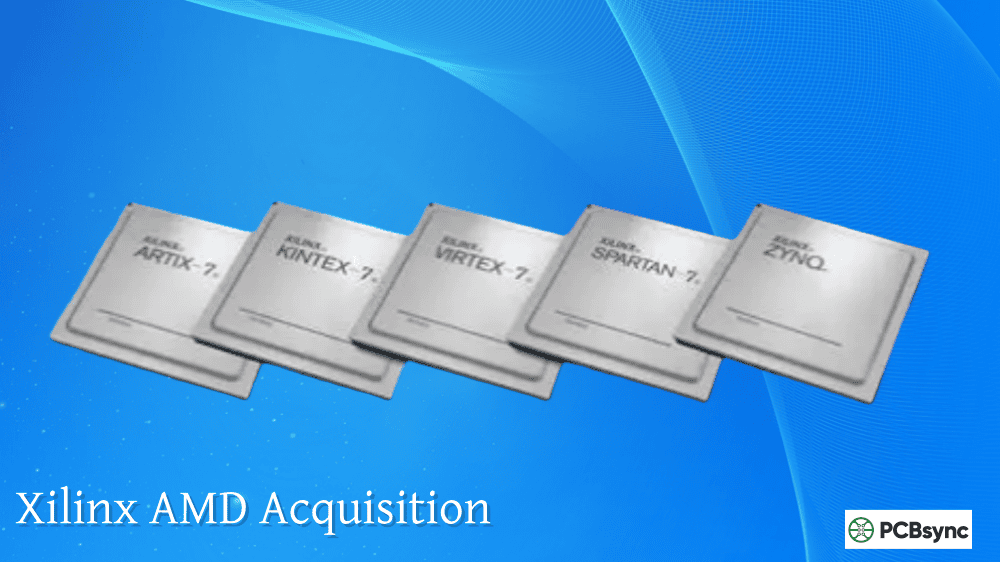
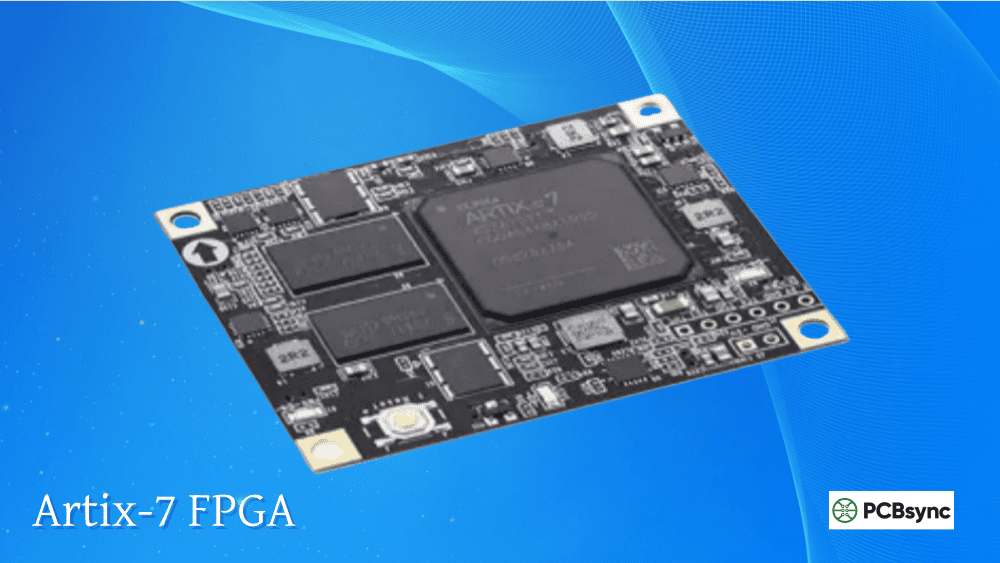
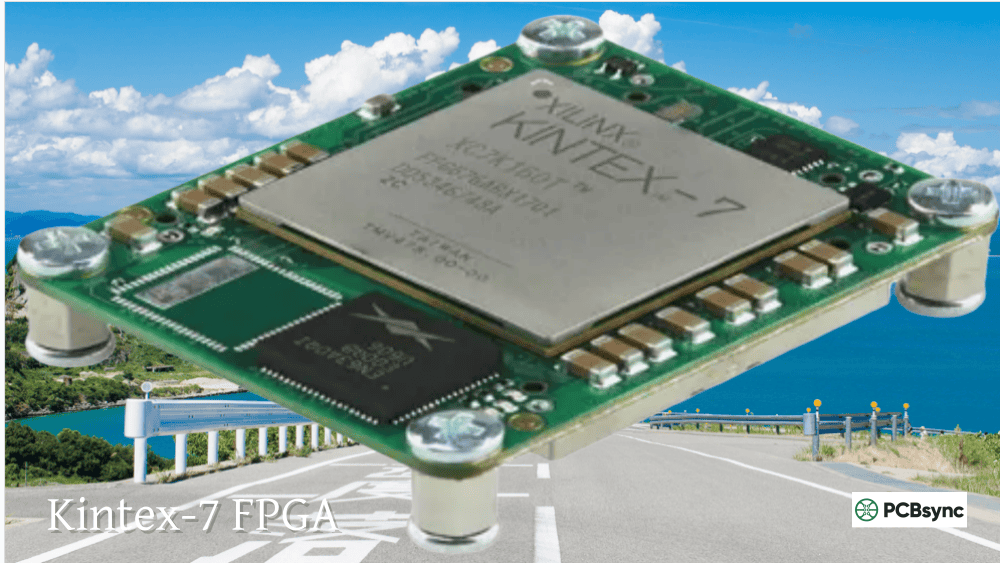
7 Series (Artix, Kintex, Virtex)YesNoNoNoMIG (Soft)
UltraScaleYesYesNoNoMIG (Hard PHY)
UltraScale+YesYesYes*NoMIG (Hard PHY)
Zynq-7000 PSYesNoNoNoHardened
Zynq UltraScale+ PSYesYesYesNoHardened
VersalYesYesYesYes**Integrated DDRMC

*LPDDR4 available on PS side only for Zynq UltraScale+

**DDR5 support limited to specific Versal devices (VM2152)

MIG Architecture Components

The Memory Interface Generator creates two fundamental blocks that work together:

ComponentFunctionImplementation
Memory ControllerCommand scheduling, bank management, refreshSoft logic
Physical Layer (PHY)Signal timing, calibration, I/O interfaceHard blocks + soft calibration

The PHY layer in UltraScale and newer architectures uses dedicated hard blocks (XIPHY) for signal timing, with soft logic handling calibration algorithms. This hybrid approach achieves higher data rates than pure soft implementations while maintaining flexibility.

Xilinx DDR3 Memory Interface Implementation

DDR3 Support Across Platforms

The xilinx ddr3 interface remains widely used, particularly on 7 Series devices where DDR4 isn’t supported. Understanding the configuration options helps maximize performance within platform constraints.

Parameter7 SeriesUltraScaleUltraScale+
Maximum Data Rate1,866 Mb/s2,133 Mb/s2,400 Mb/s
Data Width8-72 bits8-80 bits8-80 bits
Ranks Supported1-41-41-4
ECC SupportYesYesYes
Memory TypesComponent, UDIMM, SODIMM, RDIMMAll + LRDIMMAll

DDR3 MIG Configuration Steps

Configuring MIG for xilinx ddr3 involves several critical decisions:

Configuration OptionRecommendationRationale
Clock PeriodMatch memory specDDR3-1600 = 1250 ps
PHY to Controller Ratio4:1 typicalBalances logic speed with interface rate
Memory PartSelect exact partTiming parameters are part-specific
Data WidthMatch PCB routing16, 32, or 64-bit common
Address MirroringEnable for DIMMsRequired for rank 1 on mirrored DIMMs
OrderingNormalEnables command reordering for efficiency

DDR3 Calibration Sequence

The MIG calibration process for DDR3 includes multiple stages that must complete successfully:

Calibration StagePurposeCommon Failure Causes
IDELAYCTRL CalibrationReference delay initializationMissing 200 MHz reference clock
Write LevelingDQS-to-CK alignmentPoor signal integrity, stub lengths
Read LevelingDQS gate timingExcessive skew, routing mismatch
Read DQS CenteringCapture window optimizationInsufficient timing margin
Write DQ/DQS CenteringOutput timing optimizationDriver strength mismatch

Read more Xilinx FPGA Series:

Xilinx DDR4 Memory Interface Implementation

DDR4 Advantages Over DDR3

The transition to xilinx ddr4 provides meaningful improvements for bandwidth-demanding applications:

SpecificationDDR3DDR4Improvement
Maximum Data Rate2,133 Mb/s3,200 Mb/s50% higher
Operating Voltage1.5V / 1.35V1.2V20% power reduction
Bank GroupsNoYesImproved access patterns
Burst LengthBL8BL8, on-the-fly BL4Flexibility
CRCNoYes (optional)Data integrity
CA ParityNoYesCommand integrity

DDR4 MIG Configuration for UltraScale+

Configuring xilinx ddr4 on UltraScale+ requires attention to several parameters:

ParameterTypical SettingsNotes
Memory Speed2400-2667 Mb/sDevice and package dependent
Data Width16, 32, 64, 72 bits72-bit for ECC
Burst LengthBL8Standard for most applications
CAS LatencyCL17-CL19Speed grade dependent
tRCD, tRPSpeed bin dependentMatch memory datasheet
Address MappingBank-Row-Column typicalOptimize for access patterns

DDR4 Controller Performance Considerations

The xilinx ddr4 controller includes optimizations for maximizing throughput:

FeatureDescriptionImpact
Command ReorderingScheduler reorders to minimize latency10-20% efficiency gain
Bank InterleavingDistributes accesses across banksReduces conflicts
Auto-PrechargeCloses rows automaticallySaves explicit commands
Refresh ManagementDistributed vs. BurstApplication dependent
ECCSECDED (72-bit width)Corrects single-bit errors

DDR4 Timing Closure Strategies

Meeting timing on high-speed xilinx ddr4 interfaces requires careful attention:

StrategyImplementationEffect
I/O PlacementUse dedicated memory banksMinimizes routing delay
Reference ClockUse MMCM for clean clockingReduces jitter
Pblock ConstraintsConstrain MIG placementConsistent results
Implementation StrategiesExplore design runsFind best placement

Xilinx LPDDR4 Memory Interface

LPDDR4 for Mobile and Embedded Applications

The xilinx lpddr4 interface targets power-sensitive applications, available primarily through the Zynq UltraScale+ PS:

SpecificationLPDDR4DDR4 Comparison
Voltage1.1V core, 0.6V I/OLower than DDR4 1.2V
Data RateUp to 4266 Mb/sHigher than DDR4 3200
Channel Width16-bit per channelDual 16-bit = 32-bit
Power ModesDeep power-downEnhanced sleep states
PackageBGA onlyCompact footprint

Zynq UltraScale+ LPDDR4 Configuration

The xilinx lpddr4 implementation on Zynq UltraScale+ uses the hardened PS controller:

ConfigurationOptionsNotes
Channels1 or 2Two 16-bit channels
Data RateUp to 2400 Mb/sPS side limitation
ECCOptionalRequires additional width
InterleavingEnabled/DisabledPerformance vs. power
Low Power ModesDPD, SRApplication dependent

LPDDR4 PCB Design Considerations

The xilinx lpddr4 interface demands careful PCB design due to tight timing margins:

RequirementSpecificationRationale
Trace Length Matching±2.5 mm within byteTiming alignment
Differential Impedance80-100 ohmsDQS pairs
Single-Ended Impedance40-50 ohmsDQ signals
Layer Count8+ recommendedControlled impedance
Via CountMinimizeReduce discontinuities

Xilinx DDR5 Memory Interface (Versal)

DDR5 on Versal Architecture

The newest xilinx ddr5 support appears in Versal devices, specifically the VM2152:

SpecificationDDR5DDR4 Comparison
Maximum Data Rate5600 Mb/s75% faster than DDR4-3200
Voltage1.1V8% lower than DDR4
Channel Architecture2 x 32-bit sub-channelsIndependent channels
On-Die ECCMandatoryBuilt into DRAM
System ECCOptionalAdditional protection
Burst LengthBL16Double DDR4 BL8

Versal Integrated DDR Memory Controller

The xilinx ddr5 implementation in Versal uses an integrated memory controller connected through the Network on Chip (NoC):

FeatureCapabilityBenefit
NoC IntegrationDirect connectionReduced latency
QoS SupportTraffic prioritizationDeterministic access
Multiple PortsUp to 4 NoC portsParallel access
InterleavingAcross controllersBandwidth aggregation

DDR5 vs DDR4 Feature Comparison

FeatureDDR4DDR5
Prefetch8n16n
Bank Groups48
Banks per Group44
Refresh1x, 2x, 4xPer-bank refresh
Decision Feedback EQNoYes
TrainingHost-initiatedDRAM-assisted

Read more Xilinx Products:

Memory Controller User Interface Options

AXI vs Native Interface

Both xilinx ddr3 and xilinx ddr4 controllers offer multiple user interfaces:

InterfaceCharacteristicsBest For
Native (app_*)Low latency, fine-grained controlCustom controllers
AXI4Standard protocol, burst supportSoC integration
AXI4-LiteSimple register accessConfiguration

AXI Interface Signals

Signal GroupPurposeWidth
AW*Write address channelVariable
W*Write data channelData width
B*Write response channelFixed
AR*Read address channelVariable
R*Read data channelData width

Native Interface Signals

SignalDirectionFunction
app_addrInputMemory address
app_cmdInputRead (1) or Write (0)
app_enInputCommand valid
app_rdyOutputController ready
app_wdf_dataInputWrite data
app_wdf_wrenInputWrite data valid
app_rd_dataOutputRead data
app_rd_data_validOutputRead data valid

Debugging Memory Interface Issues

Common Calibration Failures

SymptomProbable CauseSolution
init_calib_complete never assertsClock or reset issueVerify sys_clk, sys_rst timing
Write leveling failsDQS routing mismatchCheck PCB routing, termination
Read leveling failsDQ/DQS skewReduce routing length variance
Data errors after calibrationMarginal timingDerate speed, check SI
Intermittent failuresTemperature sensitivityVT tracking, derating

Vivado Hardware Manager Debug

Debug FeatureInformation ProvidedUsage
Calibration StatusPass/fail per stageIdentify failure point
Window MarginsTiming margin per bitFind weak signals
VT TrackingDrift compensationMonitor stability
Traffic GeneratorPattern testingStress testing

MIG Debug Signals

SignalIndicates
init_calib_completeCalibration successful
dbg_rd_data_cmpRead data comparison result
dbg_cal_stageCurrent calibration stage
dbg_rd_data_offsetRead timing offset

PCB Design Guidelines

Signal Routing Requirements

Signal TypeImpedanceLength Matching
CK/CK#100Ω differentialTo within ±5 ps of DQS
DQS/DQS#100Ω differentialReference for byte
DQ50Ω single-ended±10 ps within byte
Address/Command50Ω single-ended±25 ps within group

Termination Strategies

Memory TypeOn-Die TerminationBoard Termination
DDR340Ω, 60Ω, 120ΩRarely needed
DDR434Ω, 40Ω, 48Ω, 60Ω, 80Ω, 120Ω, 240ΩApplication dependent
LPDDR4Internal onlyNot applicable

Resources and Downloads

Official AMD Documentation

DocumentDescriptionPart Number
7 Series MIG Product GuideDDR3/DDR2 for 7 SeriesUG586
UltraScale MIS Product GuideDDR3/DDR4 for UltraScalePG150
Versal NoC/DDRMC Product GuideDDR4/DDR5 for VersalPG313
Memory Interface Design ChecklistImplementation rulesXTP359
PCB Design Guide UltraScaleLayout guidelinesUG583

Design Tools and Utilities

ToolPurposeAccess
Memory Interface Planning ToolVersal device selectionVivado
Memory Performance UtilityRate determinationXilinx.com
Max Interface Capacities UtilityInterface count planningXilinx.com
IBIS Model GeneratorBoard simulationVivado

Online Resources

ResourceURL
Memory IP Landing Pagehttps://www.xilinx.com/products/intellectual-property/mig.html
MIG Solution Centerhttps://www.xilinx.com/support/answers/34242.html
Memory Design Hubhttps://www.xilinx.com/support/documentation-navigation/design-hubs.html
AMD Wiki – DDR Settingshttps://xilinx-wiki.atlassian.net

Frequently Asked Questions

What is the difference between MIG and the integrated memory controller on Zynq?

MIG (Memory Interface Generator) creates a memory controller in programmable logic (PL), while the Zynq processing system (PS) includes a hardened controller. The PS controller on Zynq UltraScale+ supports xilinx ddr4 and xilinx lpddr4 with fixed configuration options but lower latency. PL-based MIG offers more flexibility in data width, addressing, and interface count but consumes logic resources. For Zynq designs, you can use either or both, depending on bandwidth and latency requirements.

Can I use DDR4 memory with a 7 Series FPGA?

No, 7 Series FPGAs (Artix-7, Kintex-7, Virtex-7) only support xilinx ddr3 and earlier memory types. The I/O architecture and MIG IP for 7 Series don’t include DDR4 support. If you need DDR4, you must upgrade to UltraScale or newer devices. Some designs work around this by using DDR3L at 1.35V, which provides a partial power reduction while remaining compatible with 7 Series.

Why does my DDR calibration fail intermittently across temperature?

DDR calibration is sensitive to voltage and temperature (VT) variations. The MIG includes VT tracking that periodically recalibrates timing during operation, but marginal designs may still fail at temperature extremes. Common causes include insufficient timing margin in PCB routing, inadequate power supply decoupling, or operation near the maximum supported data rate. Solutions include derating the interface speed by 10-15%, improving PCB signal integrity, and ensuring the memory operates within its specified temperature range with adequate airflow.

How do I add a custom memory part not listed in MIG?

MIG includes a database of common memory parts, but custom or newer devices often require manual entry. You can create a CSV file with timing parameters from the memory datasheet and import it as a “Custom Parts File” in the MIG configuration wizard. Required parameters include tRCD, tRP, tRAS, tRC, CL, CWL, and others specific to xilinx ddr3 or xilinx ddr4. Several community repositories on GitHub maintain custom part files for popular memory devices not in the standard MIG database.

What data width should I use for my DDR interface?

Data width selection balances bandwidth requirements against pin count and PCB complexity. For xilinx ddr4 at 2667 Mb/s, a 64-bit interface provides approximately 21 GB/s theoretical bandwidth. Consider: Does your application require ECC? (Add 8 bits for 72-bit total.) Can your FPGA package support the required pins? Is your PCB layer count sufficient for routing? For many applications, 32-bit or 64-bit widths offer the best trade-off between bandwidth and implementation complexity.

Making the Right Memory Choice

Selecting between xilinx ddr3, xilinx ddr4, xilinx lpddr4, or xilinx ddr5 depends on your specific requirements:

PriorityRecommended Memory
Legacy 7 Series supportDDR3
High bandwidth, mainstreamDDR4
Power efficiency, embeddedLPDDR4
Maximum performanceDDR5 (Versal)
Cost optimizationDDR3 or DDR4 components

The memory interface often determines system performance more than any other single design decision. Invest time in understanding the MIG configuration options, follow PCB design guidelines carefully, and use the debugging tools available in Vivado to ensure robust operation across all operating conditions. A well-designed DDR interface provides years of reliable service; a marginal one creates ongoing headaches that are difficult to resolve after board fabrication.

Leave a Reply

Your email address will not be published. Required fields are marked *

Contact Sales & After-Sales Service

Contact & Quotation

  • Inquire: Call 0086-755-23203480, or reach out via the form below/your sales contact to discuss our design, manufacturing, and assembly capabilities.

  • Quote: Email your PCB files to Sales@pcbsync.com (Preferred for large files) or submit online. We will contact you promptly. Please ensure your email is correct.

Drag & Drop Files, Choose Files to Upload You can upload up to 3 files.

Notes:
For PCB fabrication, we require PCB design file in Gerber RS-274X format (most preferred), *.PCB/DDB (Protel, inform your program version) format or *.BRD (Eagle) format. For PCB assembly, we require PCB design file in above mentioned format, drilling file and BOM. Click to download BOM template To avoid file missing, please include all files into one folder and compress it into .zip or .rar format.