Inquire: Call 0086-755-23203480, or reach out via the form below/your sales contact to discuss our design, manufacturing, and assembly capabilities.
Quote: Email your PCB files to Sales@pcbsync.com (Preferred for large files) or submit online. We will contact you promptly. Please ensure your email is correct.
Notes: For PCB fabrication, we require PCB design file in Gerber RS-274X format (most preferred), *.PCB/DDB (Protel, inform your program version) format or *.BRD (Eagle) format. For PCB assembly, we require PCB design file in above mentioned format, drilling file and BOM. Click to download BOM template To avoid file missing, please include all files into one folder and compress it into .zip or .rar format.
Choosing the right xilinx development board can make or break your project timeline. I’ve spent countless hours debugging timing issues, waiting for synthesis to complete, and swapping boards because the original choice didn’t quite fit the requirements. This guide distills that experience into practical recommendations for every skill level and application.
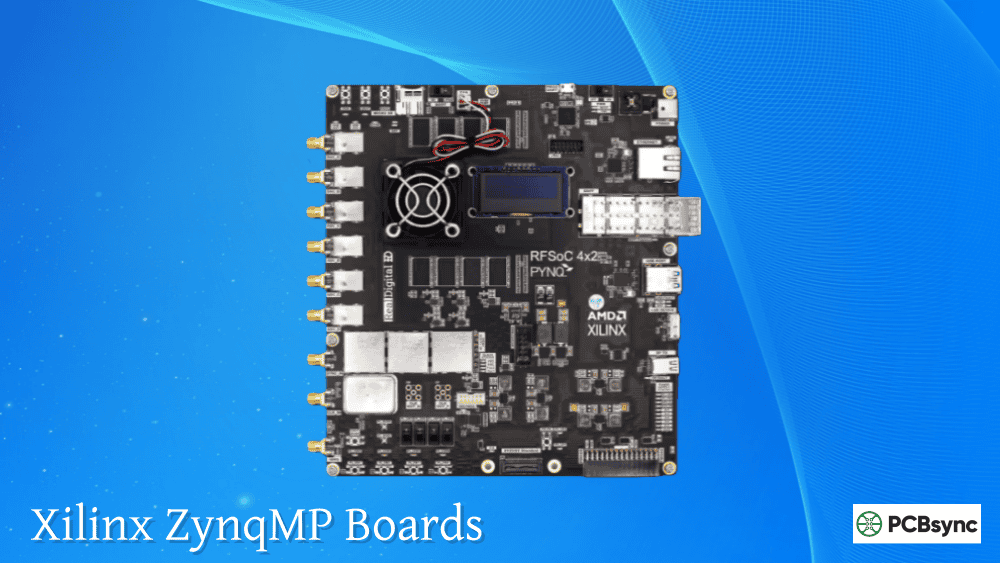
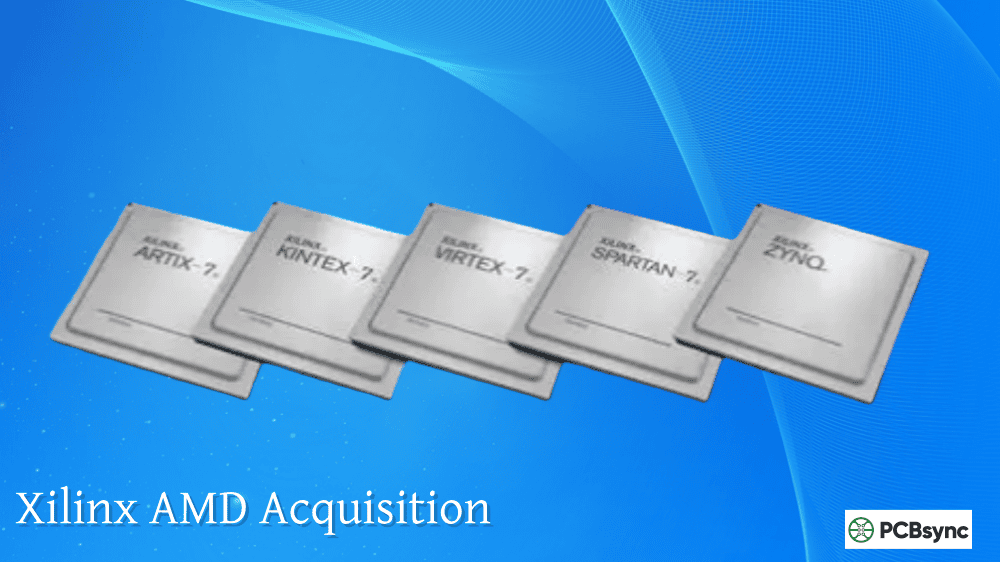
The xilinx fpga board landscape has evolved significantly since AMD acquired Xilinx in 2022. Today’s portfolio spans from $99 educational boards to $10,000+ enterprise evaluation kits. Understanding where your project falls in this spectrum saves both money and frustration.
Before diving into specific xilinx boards, it’s worth understanding how AMD organizes their development platform offerings. The portfolio breaks down into several distinct categories based on target application and user expertise.
The key decision point is whether you need pure FPGA fabric or an integrated processor. Pure FPGA boards (Artix, Kintex, Virtex families) require external processors for software tasks, while Zynq and Versal platforms include ARM cores that run Linux alongside the programmable logic.
Best Xilinx FPGA Development Boards for Beginners
Starting with FPGA development requires a board that balances capability with approachability. The goal is learning digital design fundamentals without getting overwhelmed by complex peripherals or toolchain issues.
Digilent Basys 3: The Classic Learning Platform
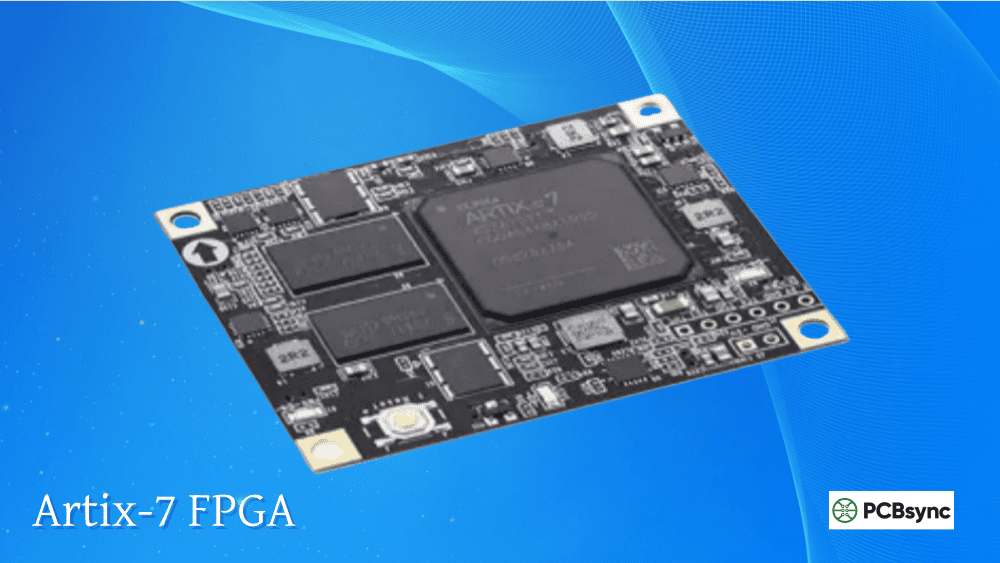
The Basys 3 remains the most recommended xilinx fpga development board for students and hobbyists. Built around the Artix-7 XC7A35T FPGA, it provides everything needed to learn HDL programming without external components.
What makes the Basys 3 effective for learning is the immediate visual feedback. You can implement a counter and watch LEDs increment. Build a state machine and trace its behavior through the 7-segment display. This instant gratification keeps motivation high during the steep initial learning curve.
The board works exclusively with Vivado Design Suite, and the free WebPACK edition fully supports the XC7A35T device. No license costs, no artificial limitations on synthesis or implementation.
Digilent Arty A7: Arduino-Compatible FPGA Board
For makers coming from the Arduino ecosystem, the Arty A7 provides a familiar form factor with xilinx fpga board capabilities. The Arduino-compatible headers allow reuse of existing shields while exploring programmable logic.
The inclusion of DDR3 memory opens possibilities beyond basic logic exercises. You can implement soft processors like MicroBlaze, build frame buffers for video applications, or create data acquisition systems that buffer samples before transfer.
Digilent Nexys A7: The Complete Learning Platform
When budget permits, the Nexys A7 provides the most comprehensive learning experience. It adds peripherals that enable real-world interfacing projects.
Specification
Nexys A7-100T
FPGA Device
XC7A100T-1CSG324C
Logic Cells
101,440
Memory
128 MB DDR2
Display
VGA output
Audio
PWM mono output
Storage
microSD slot
Sensors
Temperature sensor
Expansion
4 Pmod connectors
Price
~$329 (academic)
The VGA output is particularly valuable for teaching. Students can implement video timing generators, learn about pixel clocks, and create visual projects that demonstrate digital design concepts in an engaging way.
Best Xilinx Dev Boards for Embedded Systems
When your project requires both hardware acceleration and software control, Zynq-based xilinx development boards combine ARM processors with FPGA fabric in a single device.
Digilent Arty Z7: Affordable ARM+FPGA Development
The Arty Z7 brings Zynq SoC capabilities to the sub-$300 price point, making ARM+FPGA development accessible to smaller budgets.
Both variants support PetaLinux, enabling embedded Linux development alongside custom hardware accelerators. The HDMI interfaces make it suitable for video processing applications where you need to capture, process, and output video streams.
Digilent Zybo Z7: Enhanced Embedded Platform
The Zybo Z7 builds on the Arty Z7 foundation with additional peripherals targeting more demanding embedded applications.
The integrated audio codec and Pcam camera interface make the Zybo Z7 particularly attractive for multimedia applications. You can build complete audio processing pipelines or computer vision systems without external hardware.
ZedBoard: The Industry Standard
For years, the ZedBoard has been the reference platform for Zynq-7000 development. While newer boards offer more features, the ZedBoard’s extensive documentation and community support make it a safe choice.
Specification
ZedBoard
SoC Device
XC7Z020-CLG484
ARM Cores
Dual Cortex-A9 @ 667 MHz
Logic Cells
85,000
Memory
512 MB DDR3
Display
OLED, VGA, HDMI
Audio
Line in/out, headphone, mic
Expansion
5 Pmod, FMC LPC
Price
~$495
The FMC connector differentiates the ZedBoard from lower-cost alternatives. FMC (FPGA Mezzanine Card) is an industry standard that enables connection to professional-grade daughter cards for high-speed ADCs, DACs, RF frontends, and other specialized peripherals.
What makes the KV260 compelling is the software-first development model. AMD provides pre-built accelerated applications through the Kria App Store that run without requiring Vivado or FPGA design knowledge. Developers can evaluate face detection, license plate recognition, and other vision AI applications in under an hour.
For engineers who do want to customize the hardware, the same board supports traditional Vivado/Vitis flows for building custom accelerators.
Kria KR260 Robotics Starter Kit
The KR260 targets industrial automation and robotics with enhanced I/O for motor control and multi-sensor fusion.
Specification
KR260
SoC Device
Zynq UltraScale+ XCK26
Networking
4x Gigabit Ethernet (TSN capable)
Motor Control
Industrial I/O headers
ROS Support
Native ROS 2 integration
Camera
SLVS-EC support
Real-time
Dual Cortex-R5 for deterministic control
Price
~$399
The Time-Sensitive Networking (TSN) support is critical for industrial applications where deterministic communication matters. Combined with native ROS 2 support, the KR260 bridges the gap between robotics software development and hardware acceleration.
Ultra96-V2: Compact Zynq UltraScale+ Platform
For space-constrained applications, the Ultra96-V2 packs Zynq UltraScale+ capabilities into a 85mm x 54mm form factor.
Specification
Ultra96-V2
SoC Device
XCZU3EG
ARM Cores
Quad Cortex-A53, Dual Cortex-R5
GPU
Mali-400 MP2
Memory
2 GB LPDDR4
Wireless
802.11b/g/n, Bluetooth 4.2
Expansion
2x low-speed, 1x high-speed
Price
~$249
The integrated WiFi and Bluetooth make the Ultra96-V2 suitable for IoT edge applications where wired connectivity isn’t practical.
Professional Xilinx FPGA Development Boards
Enterprise and research applications demand evaluation kits that fully exercise the capabilities of high-end FPGAs.
Zynq UltraScale+ MPSoC ZCU102
The ZCU102 is the flagship evaluation platform for Zynq UltraScale+ MPSoC development.
Specification
ZCU102
SoC Device
XCZU9EG-2FFVB1156
ARM Cores
Quad Cortex-A53 @ 1.5 GHz
Real-time Cores
Dual Cortex-R5F
GPU
Mali-400 MP2
Logic Cells
600,000
Memory
4 GB DDR4 (PS), 512 MB DDR4 (PL)
Transceivers
16x GTH @ 16.3 Gb/s
Expansion
2x FMC HPC
Price
~$3,570
The dual FMC HPC connectors and 16 GTH transceivers enable high-bandwidth applications like software-defined radio, high-speed networking, and multi-channel data acquisition.
Zynq UltraScale+ MPSoC ZCU104
The ZCU104 targets embedded vision applications with a more accessible price point than the ZCU102.
Specification
ZCU104
SoC Device
XCZU7EV-2FFVC1156
Video Codec
H.264/H.265 @ 4Kp60
Memory
2 GB DDR4
Display
DisplayPort
Camera
MIPI CSI-2, FMC HPC
Price
~$1,899
The integrated video codec is a significant differentiator. Applications requiring video encoding or decoding can leverage dedicated hardware rather than consuming FPGA fabric for these functions.
Versal VCK190 Evaluation Kit
For next-generation AI and signal processing applications, the VCK190 showcases Versal ACAP technology.
Specification
VCK190
Device
XCVC1902-2MSEVSVA2197
AI Engines
400 AI Engine tiles
ARM Cores
Dual Cortex-A72, Dual Cortex-R5F
DSP Engines
1,968
Memory
8 GB DDR4 (PS), 8 GB DDR4 (PL)
Transceivers
GTY @ 32.75 Gb/s
AI Performance
133 INT8 TOPS
Price
~$8,995
The AI Engine array provides 100x the compute density of traditional FPGA DSP slices for machine learning inference. This makes Versal platforms attractive for applications that previously required discrete GPUs or custom ASICs.
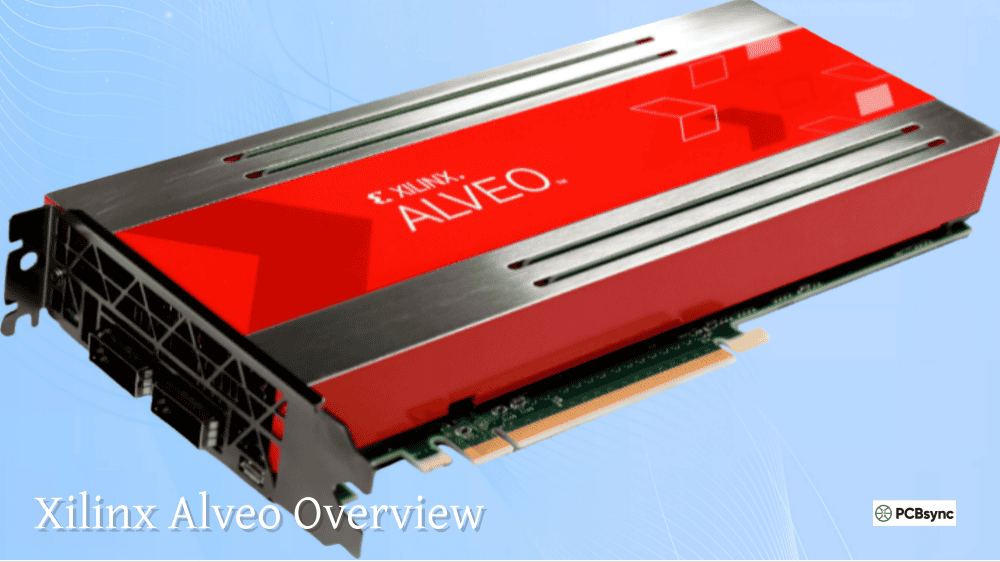
The Alveo U50’s HBM2 memory provides exceptional bandwidth for applications like financial trading where latency matters more than capacity. The U250 and U280 offer more logic and memory for complex workloads like genomics and video transcoding.
Spartan-7 Xilinx FPGA Boards for Cost-Sensitive Applications
When budget constraints are paramount, the Spartan-7 family offers compelling xilinx fpga board options for volume production and cost-sensitive prototyping.
Arty S7: Spartan-7 Development Platform
The Arty S7 provides Spartan-7 capabilities in the familiar Arty form factor.
Specification
Arty S7-25
Arty S7-50
FPGA Device
XC7S25-CSGA324
XC7S50-CSGA324
Logic Cells
23,360
52,160
Block RAM
1,620 Kb
2,700 Kb
DSP Slices
80
120
Memory
256 MB DDR3L
256 MB DDR3L
Clock
100 MHz oscillator
100 MHz oscillator
Price
~$99
~$149
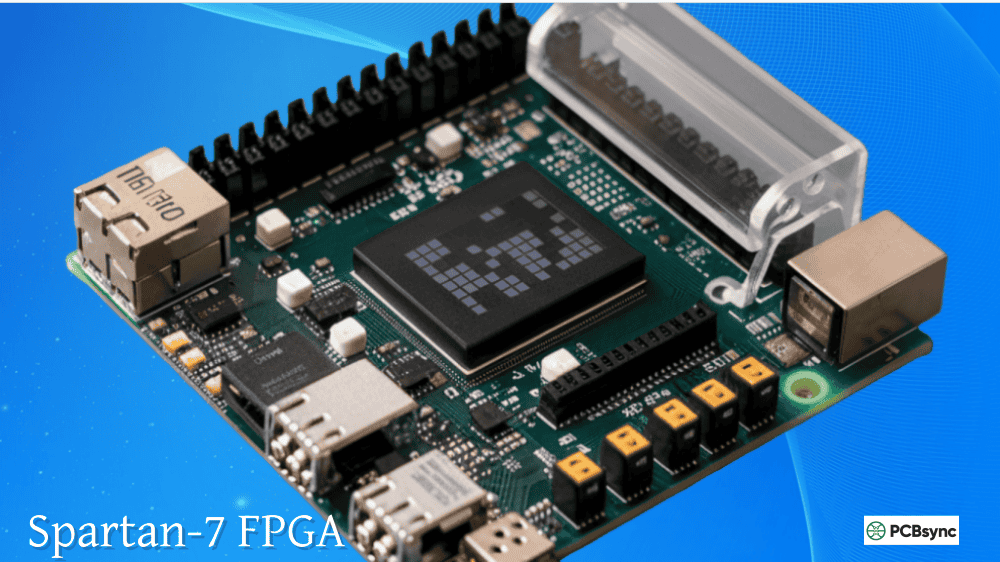
The Spartan-7 family prioritizes power efficiency and cost over raw performance. Applications like industrial control, motor drives, and IoT edge devices often don’t need the capabilities of larger devices but benefit from the lower power consumption and BOM cost.
SP701 Evaluation Kit: Professional Spartan-7 Development
For engineers evaluating Spartan-7 for production designs, AMD’s SP701 provides comprehensive feature access.
Specification
SP701
FPGA Device
XC7S100-2FGGA676
Logic Cells
102,400
Memory
512 MB DDR3
Expansion
FMC LPC connector
Interfaces
SFP+, HDMI, USB
Price
~$695
The FMC connector enables high-speed I/O daughter card integration, making the SP701 suitable for evaluating production-grade designs before committing to custom hardware.
Development Tools and Licensing Considerations
Choosing the right xilinx development board also means understanding the software ecosystem and associated costs.
Vivado Edition Comparison
Feature
WebPACK (Free)
Standard
Enterprise
Artix-7
Full support
Full support
Full support
Spartan-7
Full support
Full support
Full support
Kintex-7
Limited
Full support
Full support
Kintex UltraScale+
Not supported
Full support
Full support
Virtex UltraScale+
Not supported
Full support
Full support
Zynq-7000
Full support
Full support
Full support
Zynq UltraScale+
Not supported
Full support
Full support
Simulation
Vivado Simulator
Vivado Simulator
Third-party support
Debug
Basic ILA
Full ILA/VIO
Full debug suite
For hobbyists and students, the free WebPACK edition covers most entry-level boards. Professional development on high-end devices requires Standard or Enterprise licenses, which can cost several thousand dollars annually.
Vitis Unified Software Platform
AMD’s Vitis platform provides software-centric development flows for acceleration applications. Unlike traditional FPGA design where engineers write HDL, Vitis enables C/C++/OpenCL development with automated hardware generation.
The platform particularly benefits teams with strong software skills but limited hardware design experience. Kria starter kits exemplify this approach, allowing developers to deploy AI applications without ever opening Vivado.
How to Choose the Right Xilinx Development Board
Selecting from dozens of xilinx fpga development board options requires matching your requirements to available platforms.
Decision Matrix by Application
Application
Recommended Board
Why
Learning HDL
Basys 3
Built-in I/O, extensive tutorials
University course
Nexys A7
VGA output for visual projects
Embedded Linux
Arty Z7-20
Affordable Zynq with HDMI
Computer vision
KV260
Pre-built AI applications
Robotics
KR260
ROS 2 support, TSN networking
Video processing
ZCU104
Hardware video codec
High-speed I/O
ZCU102
FMC connectors, GTH transceivers
Data center AI
VCK190
AI Engine array
Cloud deployment
Alveo U50
PCIe form factor, HBM2
Budget Guidelines
Budget Range
Best Options
Under $200
Basys 3, Arty A7-35T, Arty Z7-10
$200-$500
Arty A7-100T, Arty Z7-20, KV260, Ultra96-V2
$500-$2,000
ZedBoard, KR260, ZCU104
$2,000-$5,000
ZCU102, Alveo U50
Over $5,000
VCK190, Alveo U250/U280
Key Considerations
When evaluating xilinx boards for your project:
Memory requirements matter more than logic cells for most applications. A design that synthesizes easily might fail to run because there’s no space for data buffers.
Consider the toolchain. Older 7-series devices work with both ISE and Vivado, but UltraScale and newer devices require Vivado. Make sure your organization’s licenses cover the devices you’re evaluating.
FMC connectors add flexibility but also cost. If you need high-speed ADCs or specialized interfaces, the upfront investment in an FMC-equipped board pays off compared to custom hardware development.
Power supply matters for portable applications. Boards with USB power are convenient for development but may not provide enough current for high-performance designs.
Which Xilinx FPGA board is best for absolute beginners?
The Digilent Basys 3 remains the top recommendation for beginners. Its built-in switches, LEDs, and 7-segment displays provide immediate visual feedback without requiring external hardware. The XC7A35T FPGA is fully supported by the free Vivado WebPACK edition, eliminating licensing concerns. Extensive tutorials from both Digilent and AMD cover basic digital design concepts through advanced projects.
Should I buy a pure FPGA board or a Zynq SoC board?
Choose a Zynq-based xilinx development board if your application requires running software alongside hardware acceleration. Examples include embedded Linux systems, applications with complex control algorithms, or projects that benefit from ARM ecosystem libraries. Pure FPGA boards work better for learning digital design fundamentals, implementing timing-critical logic, or applications where every microsecond of latency matters.
What’s the difference between Xilinx evaluation kits and Digilent boards?
AMD’s own evaluation kits (ZCU102, VCK190) target professional developers and include comprehensive peripherals, FMC expansion, and full device utilization licenses. They cost more but provide complete platforms for production development. Digilent boards (Basys 3, Arty, Nexys) are cost-optimized for education and prototyping, with simpler peripherals and lower price points. Both use the same FPGA devices and development tools.
Can I run Linux on Xilinx FPGA development boards?
Only Zynq-based and Versal-based xilinx fpga boards can run Linux, as they include ARM processor cores. The Arty Z7, Zybo Z7, ZedBoard, Ultra96-V2, KV260, KR260, ZCU102, ZCU104, and Versal evaluation kits all support PetaLinux and Ubuntu. Pure FPGA boards (Basys 3, Arty A7, Nexys A7) can only run soft processors like MicroBlaze, which support limited real-time operating systems but not full Linux distributions.
How do I choose between different logic cell counts?
Start by estimating your design’s resource requirements using synthesis reports from similar projects. A simple LED controller might use 1% of an Artix-7 35T, while a complete video processing pipeline could fill an UltraScale+ device. As a rule of thumb, target 50-70% utilization for production designs to leave headroom for timing closure. For learning, smaller devices are preferable because faster synthesis times accelerate the debug cycle.
Conclusion
The xilinx development board landscape offers options for every application and budget level. For beginners, the Basys 3 and Arty A7 provide affordable entry points with excellent documentation. Embedded developers should consider the Arty Z7 or KV260 depending on whether traditional development or AI-focused workflows better match their needs. Professional applications demand the comprehensive capabilities of the ZCU102 or Versal VCK190.
Whatever your choice, remember that the board is just the starting point. Success with xilinx fpga development boards comes from understanding the underlying architecture, mastering the toolchain, and building incrementally from simple designs to complex systems. Start with a board that matches your current skill level, and upgrade when your projects genuinely require more capability.
The investment in learning FPGA development pays dividends across hardware acceleration, embedded systems, and custom computing applications. Choose your first xilinx fpga board wisely, commit to the learning process, and you’ll have capabilities that few engineers possess.
Inquire: Call 0086-755-23203480, or reach out via the form below/your sales contact to discuss our design, manufacturing, and assembly capabilities.
Quote: Email your PCB files to Sales@pcbsync.com (Preferred for large files) or submit online. We will contact you promptly. Please ensure your email is correct.
Notes: For PCB fabrication, we require PCB design file in Gerber RS-274X format (most preferred), *.PCB/DDB (Protel, inform your program version) format or *.BRD (Eagle) format. For PCB assembly, we require PCB design file in above mentioned format, drilling file and BOM. Click to download BOM template To avoid file missing, please include all files into one folder and compress it into .zip or .rar format.