Inquire: Call 0086-755-23203480, or reach out via the form below/your sales contact to discuss our design, manufacturing, and assembly capabilities.
Quote: Email your PCB files to Sales@pcbsync.com (Preferred for large files) or submit online. We will contact you promptly. Please ensure your email is correct.
Notes: For PCB fabrication, we require PCB design file in Gerber RS-274X format (most preferred), *.PCB/DDB (Protel, inform your program version) format or *.BRD (Eagle) format. For PCB assembly, we require PCB design file in above mentioned format, drilling file and BOM. Click to download BOM template To avoid file missing, please include all files into one folder and compress it into .zip or .rar format.
ZoneMinder on Raspberry Pi: Professional NVR on a Budget
When a commercial NVR box failed at my workshop last year, replacing it with another $400+ unit felt wasteful. The cameras were fine. The recording hardware wasn’t doing anything special. A zoneminder raspberry pi setup now handles five IP cameras, costs under $100 total, and gives me more control than the proprietary system ever did.
ZoneMinder is enterprise-grade, open-source video surveillance software that transforms any Raspberry Pi into a capable Network Video Recorder. Unlike consumer cloud cameras that require monthly subscriptions and send your footage to third-party servers, ZoneMinder keeps everything local while delivering features that rival commercial systems costing thousands.
ZoneMinder started in 2002 as one of the first open-source CCTV solutions and has matured into a full-featured surveillance platform. It handles video capture, motion detection, event recording, and remote viewing through a web-based interface accessible from any device.
ZoneMinder Key Features
Feature
Description
Multi-camera Support
Manage dozens of cameras from one interface
Motion Detection
Configurable zones with adjustable sensitivity
Continuous Recording
24/7 recording with customizable retention
Event-based Recording
Record only when motion detected
Web Interface
Access from any browser, mobile-responsive
API Access
Integration with home automation systems
PTZ Control
Pan/Tilt/Zoom camera control
User Management
Multiple users with different permission levels
Email/SMS Alerts
Notifications on motion events
Timeline View
Scrub through footage by time
ZoneMinder vs Other Surveillance Software
Feature
ZoneMinder
MotionEye
Frigate
Shinobi
Multi-camera Hub
Excellent
Good
Excellent
Excellent
Motion Detection
Advanced zones
Basic
AI-powered
Advanced
Recording Options
Extensive
Basic
NVR-focused
Extensive
Resource Usage
Moderate-High
Low
High
Moderate
Learning Curve
Steep
Easy
Moderate
Moderate
Maturity
20+ years
10+ years
Newer
5+ years
Pi Compatibility
Good
Excellent
Limited
Good
ZoneMinder’s strength lies in its maturity and feature depth. The tradeoff is higher resource requirements and a steeper learning curve compared to simpler alternatives like MotionEye.
Hardware Requirements for ZoneMinder Raspberry Pi
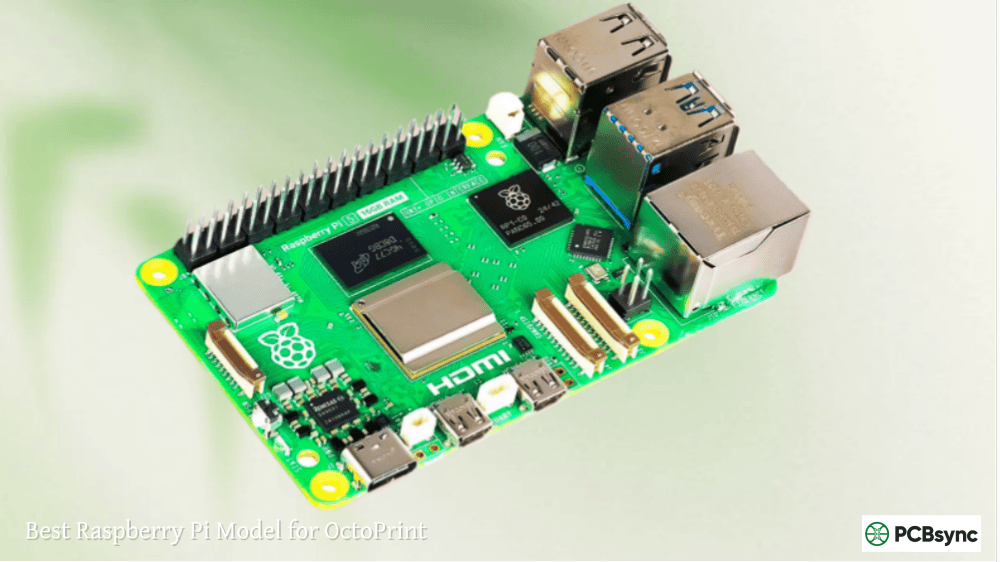
Recommended Raspberry Pi Models
Model
Cameras Supported
Performance Notes
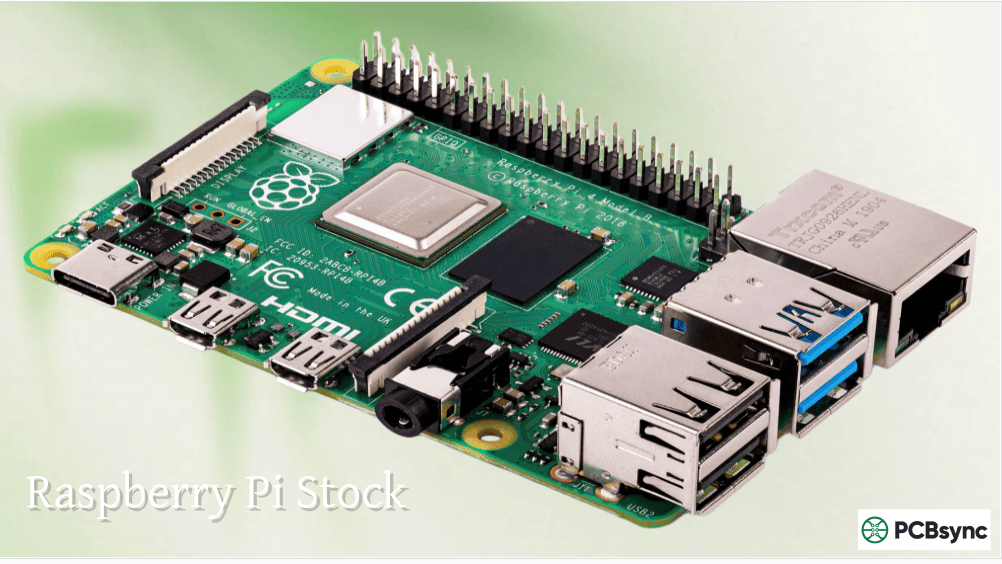
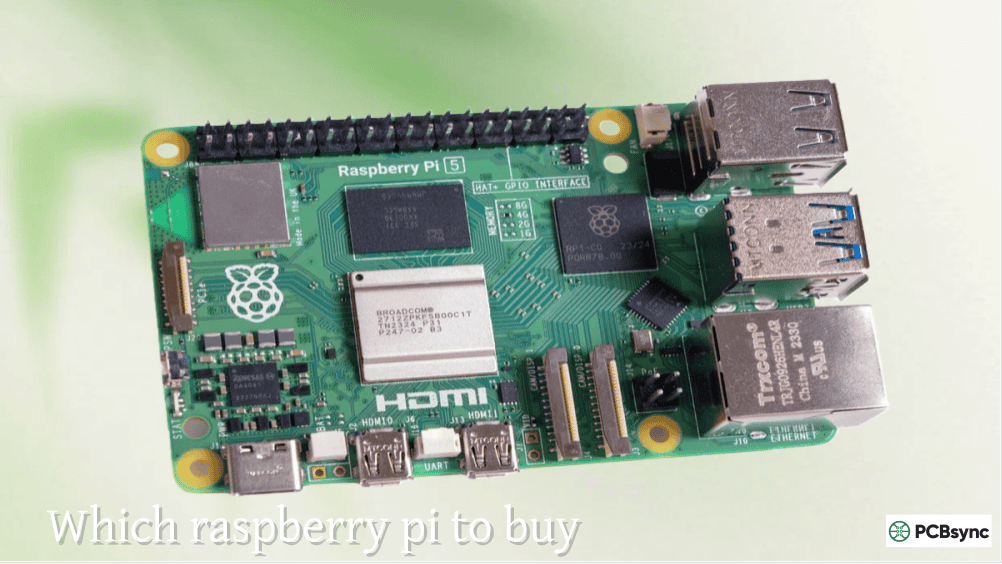
Raspberry Pi 5 (8GB)
6-8 cameras
Best performance, recommended for serious deployments
Raspberry Pi 5 (4GB)
4-6 cameras
Excellent performance
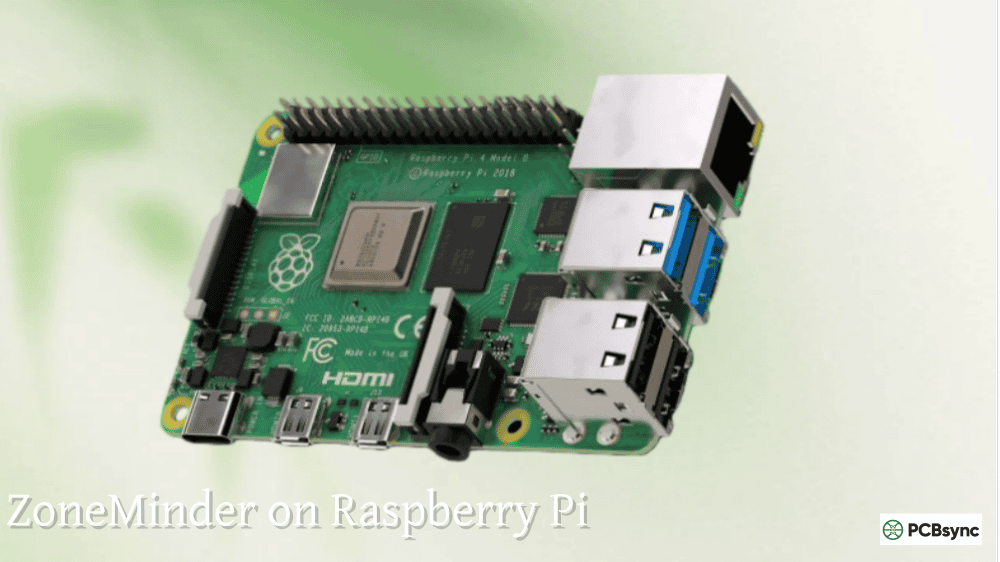
Raspberry Pi 4 (8GB)
4-6 cameras
Very good, proven platform
Raspberry Pi 4 (4GB)
3-4 cameras
Good for small installations
Raspberry Pi 4 (2GB)
1-2 cameras
Minimum recommended
Raspberry Pi 3B+
1 camera
Marginal performance
The Raspberry Pi 4 with 4GB RAM represents the sweet spot for most zoneminder raspberry pi installations. Users report stable operation with 5 cameras at moderate resolution using the 8GB model with proper configuration.
Performance Benchmarks (Raspberry Pi 4)
Resolution
Frame Rate
CPU Load
Status
640×480
10 fps
~1.5
Stable
1280×720
4 fps
~2.1
Stable
1280×720
6 fps
~3.5
Unstable
1920×1080
2-3 fps
~3.0
Marginal
These benchmarks assume motion detection enabled (Modect mode). Disabling analysis or using H.264 passthrough significantly reduces CPU load.
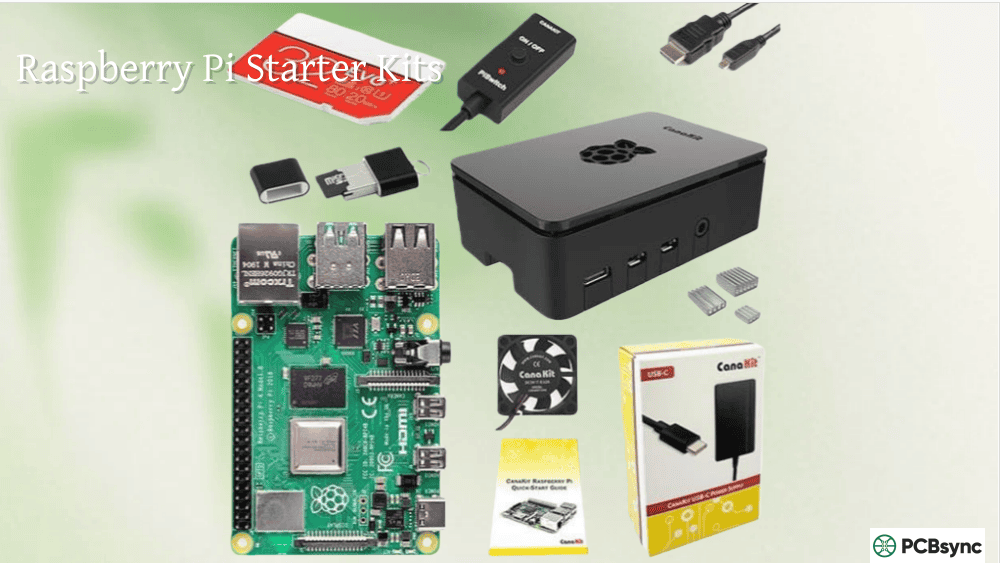
Essential Additional Hardware
Component
Recommendation
Purpose
Storage
USB SSD (256GB+)
Recording storage, SD card longevity
Power Supply
Official 5V/3A (Pi 4) or 5V/5A (Pi 5)
Stable operation
Cooling
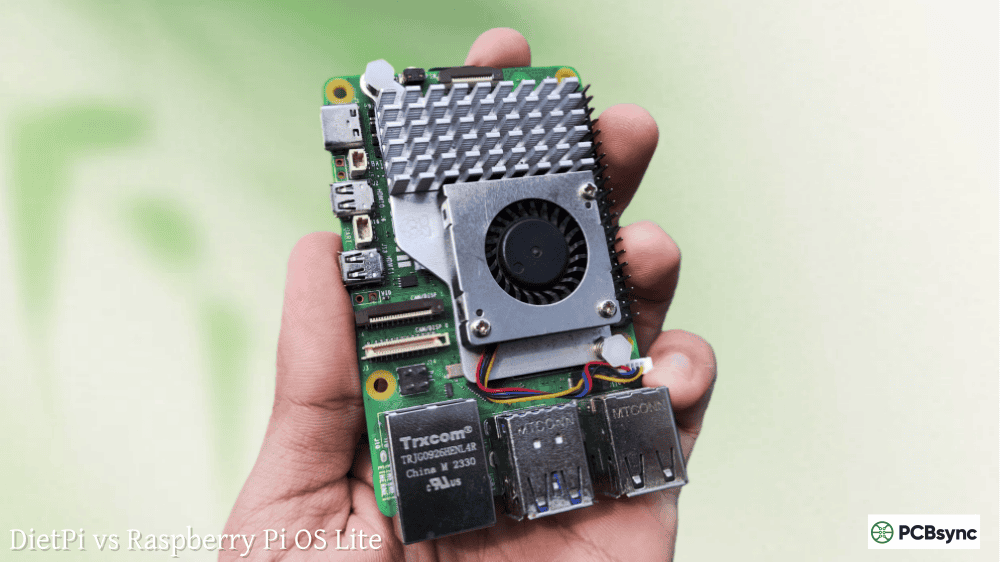
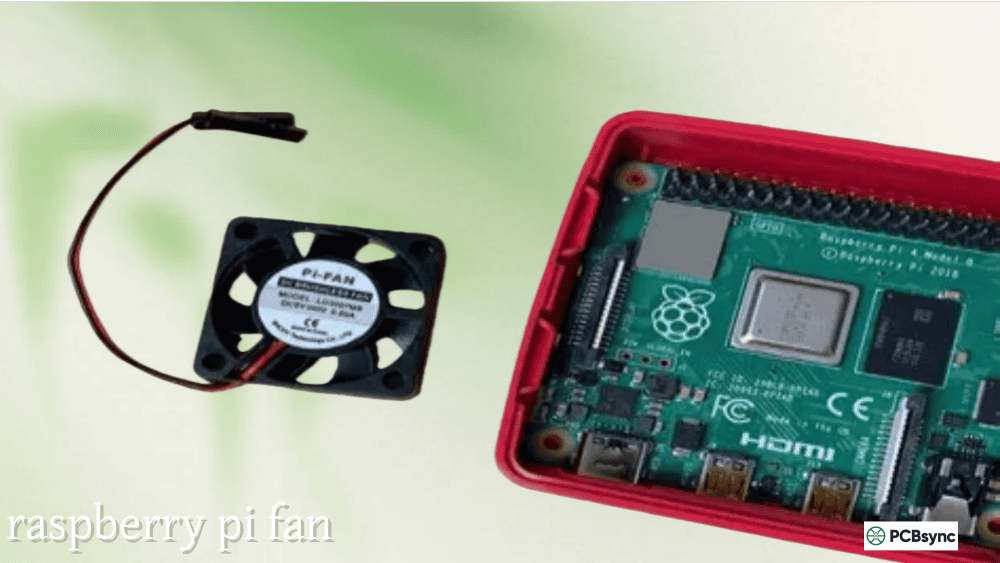
Active cooling (heatsink + fan)
Sustained performance
Network
Gigabit Ethernet
Reliable camera streams
UPS
Small UPS or battery backup
Continuity during outages
Never store ZoneMinder recordings on the SD card. The constant write operations will destroy it within months. Use an external USB SSD or network storage.
Installing ZoneMinder on Raspberry Pi OS
This installation uses the official ZoneMinder repository for the latest stable version.
This technique dramatically reduces Raspberry Pi CPU load while maintaining high-quality recordings.
Concept: Use low-resolution stream for motion detection, trigger high-resolution recording when motion detected.
Step 1: Add Sub-stream Monitor
Setting
Value
Name
Camera1-Sub
Source Type
FFmpeg
Function
Modect
Resolution
640×480 or 704×480
Frame Rate
5-10 fps
Step 2: Add Main-stream Monitor
Setting
Value
Name
Camera1-Main
Source Type
FFmpeg
Function
Nodect
Linked Monitors
Camera1-Sub
Resolution
1920×1080 or higher
Video Writer
H.264 Passthrough
The sub-stream handles CPU-intensive motion analysis at low resolution. When motion triggers, the linked main-stream records full-quality footage. This approach supports 4K cameras on Raspberry Pi hardware.
Performance Optimization
Critical Settings for Raspberry Pi
Setting
Location
Recommended Value
GPU Memory
/boot/config.txt
gpu_mem=256
Swap Size
/etc/dphys-swapfile
1024-2048
Frame Buffers
Monitor settings
10-20
Video Writer
Storage tab
H.264 Passthrough
Analysis FPS
Monitor settings
2-5 fps
GPU Memory Allocation
Edit /boot/config.txt:
gpu_mem=256
Reboot after changes. This allocates more memory to the GPU for video processing.
Increase Swap Space
sudo nano /etc/dphys-swapfile
Change:
CONF_SWAPSIZE=1024
Restart swap:
sudo dphys-swapfile setup
sudo dphys-swapfile swapon
External Storage Configuration
Mount USB SSD for recordings:
sudo mkdir /var/cache/zoneminder/events_usb
sudo mount /dev/sda1 /var/cache/zoneminder/events_usb
How many cameras can a Raspberry Pi handle with ZoneMinder?
A Raspberry Pi 4 (4GB) reliably handles 3-4 cameras at 720p with motion detection enabled. The 8GB model supports 5-6 cameras. Using dual-stream configuration (low-res for detection, high-res for recording with H.264 passthrough), you can manage more cameras at higher resolutions. The Raspberry Pi 5 improves these numbers by roughly 30-50% due to faster CPU and memory bandwidth.
Can ZoneMinder use the Raspberry Pi Camera Module?
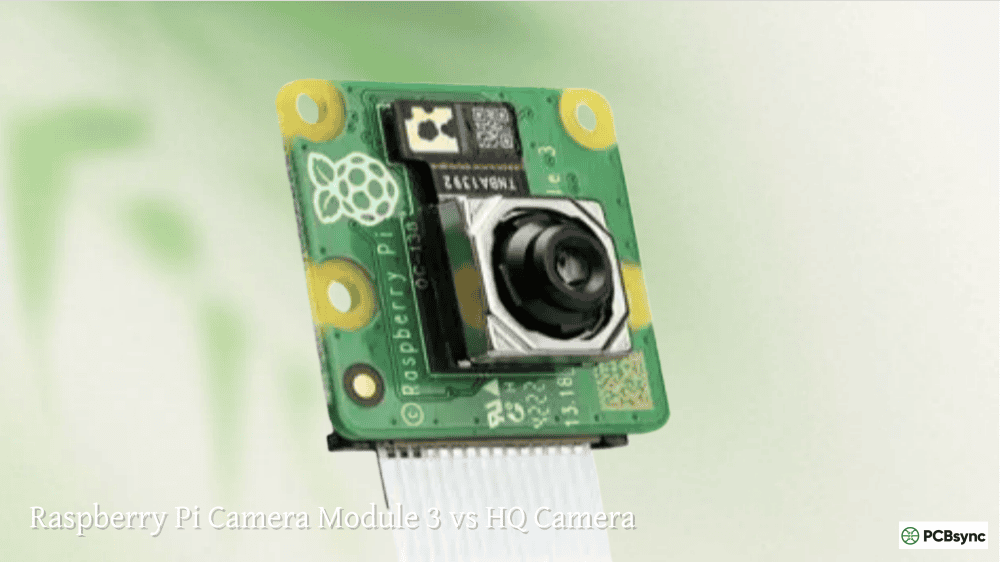
Yes, but it requires additional configuration. The Pi Camera Module doesn’t appear as a standard video device. You need to stream it via v4l2rtspserver or similar tools, then add it to ZoneMinder as a network camera. Most users find USB webcams or dedicated IP cameras easier to configure. For direct camera module use, MotionEye offers simpler integration.
What’s the difference between ZoneMinder and MotionEye?
ZoneMinder is a full-featured NVR with advanced motion detection zones, multiple recording modes, user management, and extensive API support. MotionEye is simpler to set up with a cleaner interface but fewer features. Choose ZoneMinder for serious surveillance deployments requiring fine-grained control. Choose MotionEye for quick single-camera setups where simplicity matters more than features.
How do I access ZoneMinder remotely?
Never expose ZoneMinder directly to the internet. Use a VPN (Tailscale or WireGuard) to securely access your home network, then connect to ZoneMinder through the VPN. Alternatively, configure a reverse proxy with HTTPS and strong authentication. ZoneMinder also has mobile apps (zmNinja) that work through the API, but these still require secure network access.
Why is my Raspberry Pi running hot with ZoneMinder?
Video processing is CPU-intensive. ZoneMinder analyzing multiple camera streams generates significant heat. Solutions include: using active cooling (fan + heatsink), reducing camera resolution or frame rate, enabling H.264 passthrough instead of software decoding, using dual-stream configuration to limit analysis to low-resolution streams, and ensuring adequate ventilation around the Pi. Sustained temperatures above 80°C cause thermal throttling that degrades performance.
Integrating ZoneMinder with Home Automation
ZoneMinder’s API enables powerful integrations with home automation platforms.
Home Assistant Integration
Integration Method
Complexity
Features
Native Component
Easy
View cameras, basic status
MQTT Events
Moderate
Motion triggers, automation
REST API
Advanced
Full control
Basic Home Assistant configuration:
camera:
– platform: zoneminder
zoneminder:
– host: 192.168.1.100
username: admin
password: your_password
Motion Event Automation
Configure ZoneMinder to trigger external events:
Options → Servers → Add new server
Set webhook URL for motion events
Configure filters to trigger on specific cameras
Use cases include: turning on lights when motion detected, sending push notifications, triggering sirens, or recording from additional cameras.
zmNinja Mobile App
The zmNinja app provides mobile access to your zoneminder raspberry pi system with features including live view, event browsing, push notifications, and PTZ control. The app requires the ZoneMinder API to be properly configured with authentication.
Security Considerations
Securing Your ZoneMinder Installation
Security Measure
Implementation
Change default credentials
Options → Users
Enable authentication
Options → System → OPT_USE_AUTH
Use HTTPS
Configure Apache SSL
Firewall rules
Block external access to port 80/443
VPN access
Tailscale or WireGuard
Regular updates
apt update && apt upgrade
Network Segmentation
For enhanced security, place cameras on a separate VLAN from your main network. The Raspberry Pi running ZoneMinder bridges both networks, preventing cameras from accessing internet or other devices while still capturing footage.
Backup Strategy
Regular backups protect against SD card failure and accidental configuration loss:
# Backup ZoneMinder configuration
mysqldump -u zmuser -p zm > zm_backup.sql
# Backup config files
tar -czvf zm_config.tar.gz /etc/zm /etc/apache2/conf-available/zoneminder.conf
Store backups on separate storage from the ZoneMinder system.
Building Your Professional NVR
A zoneminder raspberry pi system delivers capabilities that commercial NVRs charge premium prices for. The initial setup takes more effort than a plug-and-play solution, but you gain complete control over your surveillance footage, no subscription fees, and a system that integrates with home automation platforms.
Start with one or two cameras to learn the interface. Master dual-stream configuration early to maximize your Pi’s capabilities. Add external storage before you need it, not after your SD card fails.
The combination of open-source software and affordable Raspberry Pi hardware creates a surveillance solution that scales from a single doorbell camera to a multi-camera property system. Your footage stays on your hardware, your privacy remains intact, and your monthly cost is exactly zero.
Suggested Meta Descriptions:
Option 1 (155 characters): Install ZoneMinder on Raspberry Pi for professional video surveillance without subscription fees. Complete setup guide with performance optimization and camera configuration.
Option 2 (153 characters): Build a zoneminder raspberry pi NVR system on a budget. Step-by-step installation, multi-camera setup, motion detection configuration, and troubleshooting tips.
Option 3 (149 characters): ZoneMinder Raspberry Pi guide for DIY home security. Learn installation, IP camera configuration, dual-stream setup, and performance optimization tricks.
Inquire: Call 0086-755-23203480, or reach out via the form below/your sales contact to discuss our design, manufacturing, and assembly capabilities.
Quote: Email your PCB files to Sales@pcbsync.com (Preferred for large files) or submit online. We will contact you promptly. Please ensure your email is correct.
Notes: For PCB fabrication, we require PCB design file in Gerber RS-274X format (most preferred), *.PCB/DDB (Protel, inform your program version) format or *.BRD (Eagle) format. For PCB assembly, we require PCB design file in above mentioned format, drilling file and BOM. Click to download BOM template To avoid file missing, please include all files into one folder and compress it into .zip or .rar format.