Inquire: Call 0086-755-23203480, or reach out via the form below/your sales contact to discuss our design, manufacturing, and assembly capabilities.
Quote: Email your PCB files to Sales@pcbsync.com (Preferred for large files) or submit online. We will contact you promptly. Please ensure your email is correct.
Notes: For PCB fabrication, we require PCB design file in Gerber RS-274X format (most preferred), *.PCB/DDB (Protel, inform your program version) format or *.BRD (Eagle) format. For PCB assembly, we require PCB design file in above mentioned format, drilling file and BOM. Click to download BOM template To avoid file missing, please include all files into one folder and compress it into .zip or .rar format.
White PCB: Complete Guide to White Solder Mask Boards
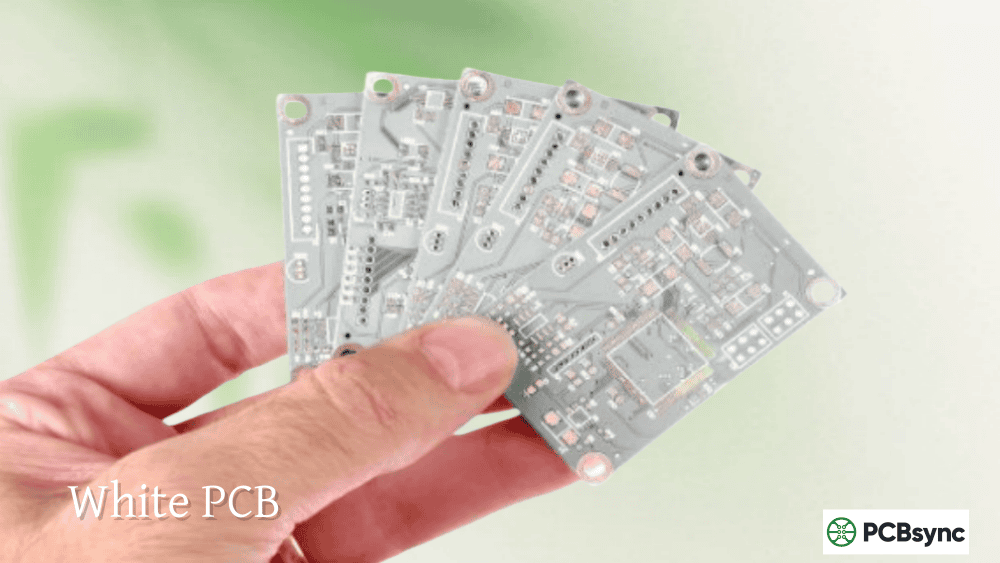
Strip down an LED light bulb, open a high-end gaming PC, or peek inside premium consumer electronics, and you’ll increasingly find white circuit boards. The white PCB has carved out a specialized niche in electronics manufacturing—not just for looks, but for genuine functional advantages in lighting and optical applications.
A white PCB uses a white-pigmented solder mask instead of the traditional green. While the underlying structure remains identical to any other PCB—copper traces, FR-4 substrate, pads, and vias—the white solder mask transforms both the appearance and optical performance of the board. Understanding when white makes sense helps you specify the right color for your application.
The white color comes entirely from the solder mask layer—the thin polymer coating that protects copper traces from oxidation and prevents solder bridges during assembly.
White PCB Structure and Composition
Component
Description
Substrate
Standard FR-4 (or aluminum for MCPCB)
Copper layers
Same as any PCB
Solder mask
White-pigmented LPI epoxy
Silkscreen
Typically black (for contrast)
Surface finish
HASL, ENIG, OSP (same options)
The white solder mask contains titanium dioxide or similar white pigments that provide high opacity and reflectivity. These specialized formulations cost more than standard green and require careful processing to achieve consistent results.
White Solder Mask Specifications
Property
Typical Specification
Reflectivity
80-90%+ (vs 30-40% for green)
Diffuse reflectance
>85% for LED-grade materials
Thickness
0.8-1.2 mil (20-30 μm)
Temperature rating
Up to 260°C (reflow compatible)
UV resistance
Varies by formulation
Yellowing resistance
Critical specification for LED use
Key Benefits of White PCB
The white PCB offers specific advantages that make it the preferred choice for certain applications.
Superior Light Reflectivity
Solder Mask Color
Reflectivity
Best For
White
80-90%
LED lighting, displays
Yellow
50-60%
Visual identification
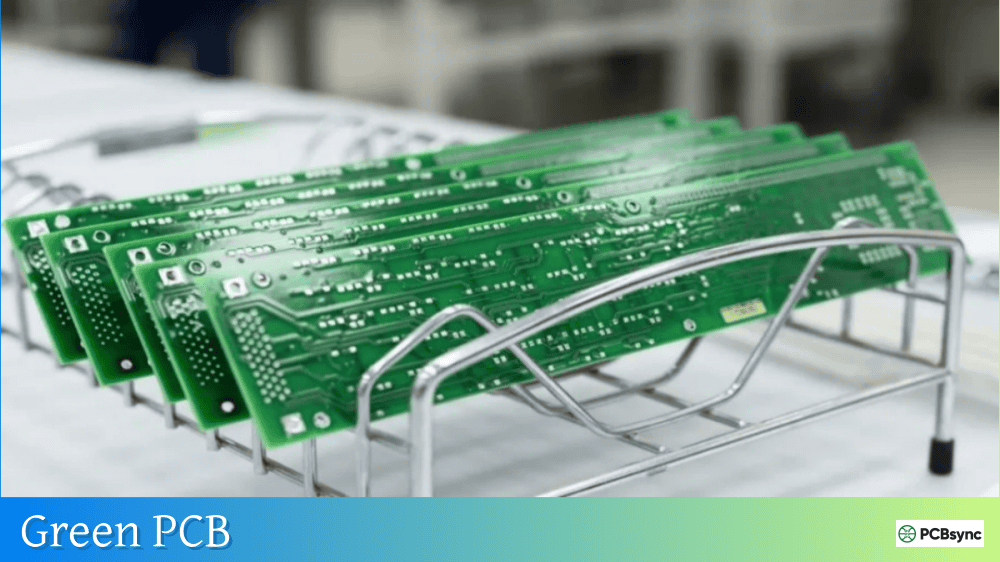
Green
30-40%
General purpose
Red
25-35%
Aesthetics, prototypes
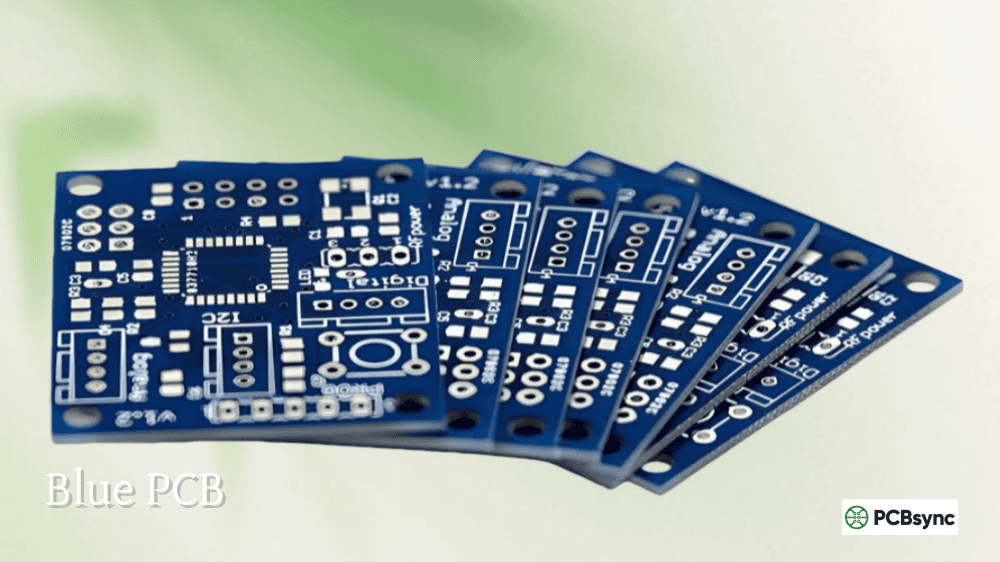
Blue
20-30%
Arduino, displays
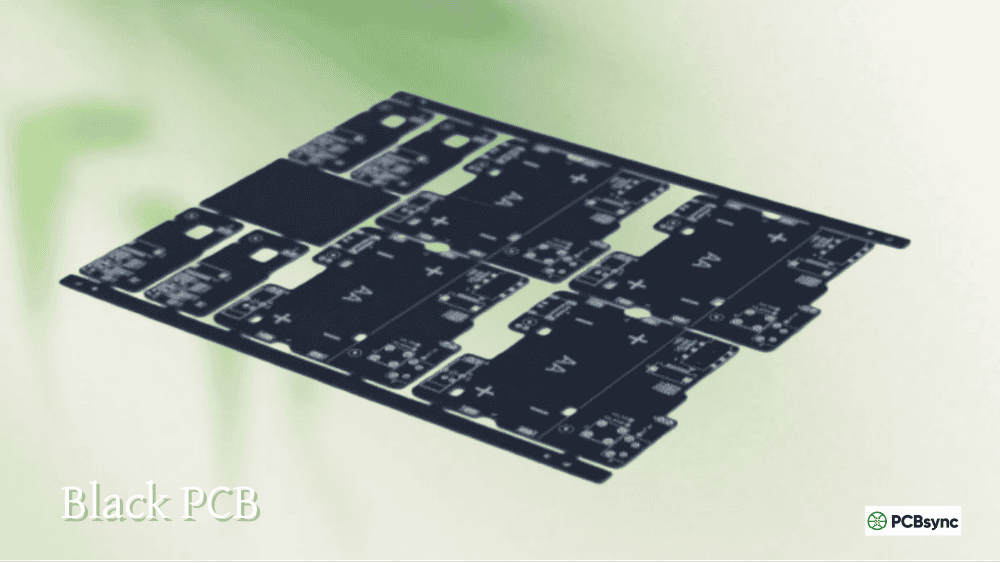
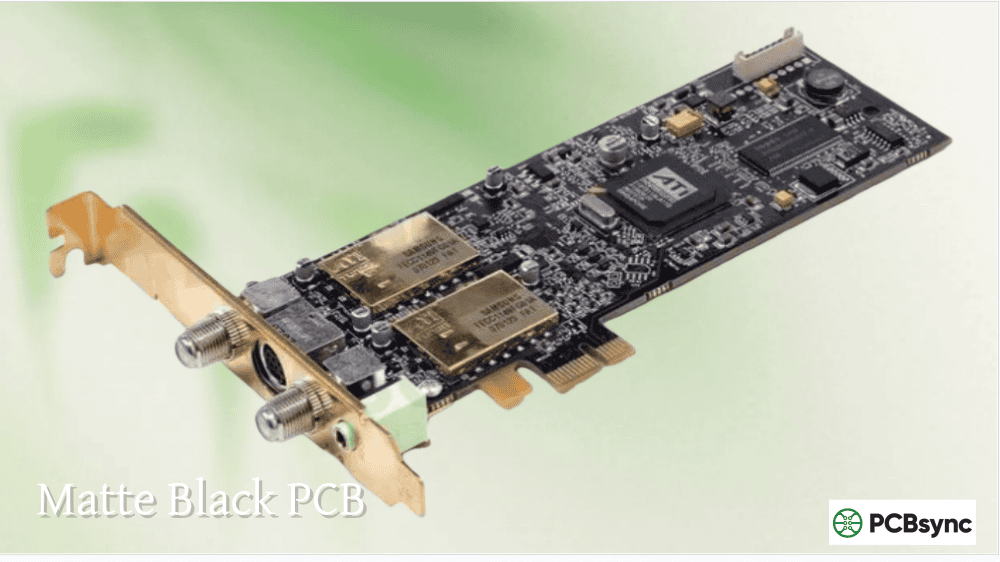
Black
5-10%
Light absorption
The standout advantage of white PCB is its exceptional light reflectivity. White surfaces bounce back 80-90% of incident light compared to just 30-40% for green. In LED applications, this translates to measurable improvements in brightness and efficiency.
Enhanced LED Performance
LED Benefit
White PCB Advantage
Brightness
10-15% improvement possible
Light efficiency
More lumens per watt
Color accuracy
Neutral reflection preserves color
Heat from light absorption
Reduced vs darker colors
Uniform light distribution
Better diffusion
For LED lighting products, the white PCB reflects light that would otherwise be absorbed by the board surface. This light adds to the total output, improving overall luminous efficacy without increasing power consumption.
Color Rendering Performance
Application
Why White Matters
RGB LED modules
Neutral reflection doesn’t tint colors
Tunable white luminaires
Accurate color temperature
Display backlighting
Pure white output
Photography lighting
Color accuracy critical
Medical lighting
True color rendering required
White solder mask reflects all wavelengths equally without adding any color tint. Darker or colored masks absorb certain wavelengths more than others, potentially skewing the chromaticity of mixed light output—a significant problem for applications requiring accurate color rendering.
Premium Aesthetic Appeal
Application
Visual Benefit
Gaming PCs
Clean, modern look
Consumer electronics
Premium perception
Transparent enclosures
Attractive visible boards
Medical devices
Clinical, professional appearance
Smart home products
Matches white device housings
Beyond functional benefits, white PCB delivers a clean, modern aesthetic that appeals to consumers. Products with visible circuit boards—gaming PCs with transparent cases, high-end audio equipment, smart home devices—benefit from white’s sophisticated appearance.
Excellent Silkscreen Contrast
Silkscreen Color
Contrast on White
Readability
Black
Excellent
Best choice
Dark blue
Very good
Good alternative
Dark green
Good
Acceptable
Red
Good
Acceptable
Black silkscreen on white PCB creates outstanding contrast for component labels, reference designators, and assembly markings. This high contrast aids both automated vision systems and manual assembly operations.
Drawbacks and Challenges of White PCB
The benefits come with significant tradeoffs that require careful consideration.
Yellowing Over Time
Yellowing Factor
Impact
UV exposure
Accelerates yellowing
High temperatures
Causes discoloration
Assembly heat cycles
Can trigger yellowing
Operating environment
Cumulative effect
Material quality
Lower-grade masks yellow faster
The most significant concern with white PCB is yellowing. Some white solder mask formulations discolor from bright white to dingy yellow when exposed to UV light, high temperatures, or repeated thermal cycles. This degradation reduces reflectivity and can affect the appearance of products where the board is visible.
Prevention Strategy
Implementation
Specify UV-resistant materials
Call out in fab notes
Use LED-grade solder mask
Taiyo WT or LEW series
Control assembly temperatures
Optimize reflow profile
Avoid outdoor UV exposure
Shield from direct sunlight
Test before production
Verify yellowing resistance
Poor Trace Visibility
Inspection Element
White PCB Visibility
Green PCB Visibility
Copper traces
Poor
Excellent
Empty spaces
Poor
Excellent
Filled vias
Very poor
Good
Solder joints
Moderate
Good
Manufacturing defects
Difficult to spot
Easy to spot
White solder mask hides copper traces almost completely, making visual inspection challenging. Defects that would be immediately obvious on green boards can go unnoticed on white, increasing quality control difficulty.
Higher Manufacturing Cost
Cost Factor
White vs Green Premium
Solder mask material
+20-30%
Processing complexity
Higher
Yield rates
Lower (more rejects)
Inspection overhead
Increased
Total board cost
+20-30% typical
The specialized white pigments, tighter process controls, and lower yields make white PCB significantly more expensive than green. For high-volume production, this premium can substantially impact overall costs.
Manufacturing Challenges
Challenge
Cause
Coverage consistency
High pigment loading increases viscosity
Pinholes and voids
Thick mask difficult to apply evenly
Color matching
Batch-to-batch variation
Adhesion issues
Some formulations bond poorly
ENIG interaction
Electrolytic process can tint mask pink
White solder masks are inherently more difficult to apply than green. The high pigment loading needed for opacity makes the material more viscous, which can cause uneven coverage, pinholes, or voids that compromise insulation resistance.
Contamination Visibility
Contamination Type
Visibility on White
Flux residue
Very visible
Fingerprints
Visible
Dust and debris
Visible
Scratches
Very visible
Assembly marks
Visible
While white hides copper traces, it readily shows contamination and handling marks. Boards must be handled carefully during assembly and may require additional cleaning to meet cosmetic standards.
White and black serve opposite optical purposes. White PCB maximizes light reflection; black minimizes it. Choose white for LED lighting and displays; choose black for camera modules and optical sensors where stray light causes problems.
Best Applications for White PCB
Given the tradeoffs, white PCB excels in specific applications where its benefits deliver real value.
Ideal White PCB Applications
Application
Primary Benefit
LED light bulbs
Maximum brightness, efficiency
LED strip lighting
Uniform light output
Automotive LED lighting
High performance, aesthetics
Street and industrial lighting
Improved luminous efficacy
Display backlighting
Pure white illumination
Architectural lighting
Color accuracy
Gaming PC motherboards
Visual appeal through cases
Premium consumer electronics
Brand differentiation
Medical device displays
Clinical appearance
Smart home devices
Matches white housings
LED Lighting Material Recommendations
Brand
Product
Key Feature
Taiyo
WT series
High reflectivity for LED
Taiyo
LEW series
LED-optimized
Electra Polymers
EMP110 series
High-quality white options
When specifying white PCB for LED applications, call out LED-grade solder mask materials with documented reflectivity and yellowing resistance. Generic white masks may not deliver the optical performance your design requires.
When to Avoid White PCB
Scenario
Why Avoid White
Prototyping and debugging
Poor trace visibility
Cost-sensitive production
20-30% premium
Outdoor/UV exposure
Yellowing risk
High-reliability inspection
Difficult defect detection
Frequent handling
Shows contamination
High-temperature operation
May discolor
Design Considerations for White PCB
If white PCB is right for your project, these practices ensure success.
Design Guidelines
Consideration
Recommendation
Silkscreen color
Black strongly recommended
Silkscreen text size
Minimum 0.8mm for legibility
Test points
Clearly labeled (harder to probe)
Fiducials
High contrast markers
Via treatment
Consider visual inspection difficulty
Fabrication Notes for White PCB
Specification
Example Note
Solder mask color
“White LPI solder mask, both sides”
Material grade
“LED-grade white solder mask with >85% reflectivity”
Yellowing resistance
“UV-resistant formulation required”
Silkscreen
“Black epoxy silkscreen”
IPC class
Specify Class 2 or Class 3
Surface finish
Note if ENIG (verify compatibility)
Tools and Resources
Industry Standards
Standard
Relevance to White PCB
IPC-SM-840
Solder mask qualification and performance
IPC-A-600
PCB acceptability criteria
UL recognized materials
Safety certification for solder masks
IPC-6012
Rigid board qualification
Material Suppliers
Supplier
White Solder Mask Products
Taiyo Ink
WT series, LEW series
Electra Polymers
EMP110 series
Sun Chemical
Various white formulations
Peters
LED-optimized options
Design Resources
Resource
Description
IPC standards
shop.ipc.org
Manufacturer DFM guides
Fabricator-specific design rules
LED application notes
Component manufacturer guidance
MCPCB design guides
Metal-core PCB for LED thermal management
Frequently Asked Questions About White PCB
Why are white PCBs used for LED lighting?
White PCBs reflect 80-90% of light compared to just 30-40% for green boards. In LED applications, this higher reflectivity means more light reaches the intended output rather than being absorbed by the board surface. The result is improved brightness (10-15% in some designs) and better luminous efficacy without increasing power consumption. White also provides neutral color reflection, which is critical for maintaining accurate color temperatures in RGB and tunable white fixtures.
Do white PCBs turn yellow over time?
Some white solder mask formulations do yellow when exposed to UV light, high temperatures, or repeated thermal cycles. This is a significant concern for LED applications where the board may be exposed to the light output continuously. However, high-quality LED-grade solder masks (like Taiyo WT or LEW series) are specifically formulated to resist yellowing. Always specify UV-resistant, LED-grade materials for lighting applications and verify yellowing resistance through testing before production.
How much more expensive are white PCBs than green?
White PCBs typically cost 20-30% more than equivalent green boards. This premium comes from several factors: specialized white pigments cost more than green formulations, the manufacturing process requires tighter controls, yield rates tend to be lower due to coverage and consistency challenges, and inspection is more difficult. For prototype quantities, the absolute dollar difference is manageable. For high-volume LED production, evaluate whether the performance benefits justify the cost premium.
Can I inspect and repair white PCBs as easily as green?
No, white PCBs are more difficult to inspect and troubleshoot than green. The white solder mask hides copper traces almost completely, making it hard to visually trace connections or identify defects. Filled vias are particularly difficult to assess on white boards. For debugging prototypes or applications requiring field service, green is a better choice. For sealed LED products where the board is never serviced after assembly, the inspection limitation is less critical.
What silkscreen color works best on white PCB?
Black silkscreen provides the best contrast on white PCB. The combination creates excellent readability for component labels, reference designators, polarity markings, and assembly instructions. Dark blue or dark green can work as alternatives. Avoid white or light-colored silkscreens, which would be invisible against the white solder mask. Always verify silkscreen contrast in your design review before ordering boards.
Choosing the Right Color for Your Application
White PCB delivers genuine advantages for LED lighting and optical applications where high reflectivity improves performance. The premium appearance also makes white attractive for visible consumer electronics. However, the higher cost, inspection challenges, and yellowing concerns mean green remains the better choice for general-purpose boards, prototyping, and cost-sensitive production.
Choose white when light reflection directly impacts your product’s performance or when premium aesthetics justify the manufacturing tradeoffs. Specify LED-grade materials with documented yellowing resistance for lighting applications, and plan for the inspection challenges during quality control. With proper material selection and design consideration, white PCB delivers both functional and visual benefits that no other color can match.
Inquire: Call 0086-755-23203480, or reach out via the form below/your sales contact to discuss our design, manufacturing, and assembly capabilities.
Quote: Email your PCB files to Sales@pcbsync.com (Preferred for large files) or submit online. We will contact you promptly. Please ensure your email is correct.
Notes: For PCB fabrication, we require PCB design file in Gerber RS-274X format (most preferred), *.PCB/DDB (Protel, inform your program version) format or *.BRD (Eagle) format. For PCB assembly, we require PCB design file in above mentioned format, drilling file and BOM. Click to download BOM template To avoid file missing, please include all files into one folder and compress it into .zip or .rar format.