Inquire: Call 0086-755-23203480, or reach out via the form below/your sales contact to discuss our design, manufacturing, and assembly capabilities.
Quote: Email your PCB files to Sales@pcbsync.com (Preferred for large files) or submit online. We will contact you promptly. Please ensure your email is correct.
Notes: For PCB fabrication, we require PCB design file in Gerber RS-274X format (most preferred), *.PCB/DDB (Protel, inform your program version) format or *.BRD (Eagle) format. For PCB assembly, we require PCB design file in above mentioned format, drilling file and BOM. Click to download BOM template To avoid file missing, please include all files into one folder and compress it into .zip or .rar format.
If you’ve spent any time managing PCB production, you know the headaches that come with juggling multiple vendors. One company fabricates your boards, another sources components, a third handles assembly, and someone else does testing. Each handoff creates delays, miscommunication, and unexpected costs. After fifteen years in electronics manufacturing, I’ve watched countless OEMs struggle with this fragmented approach—and I’ve seen the transformation when they switch to turnkey PCB assembly.
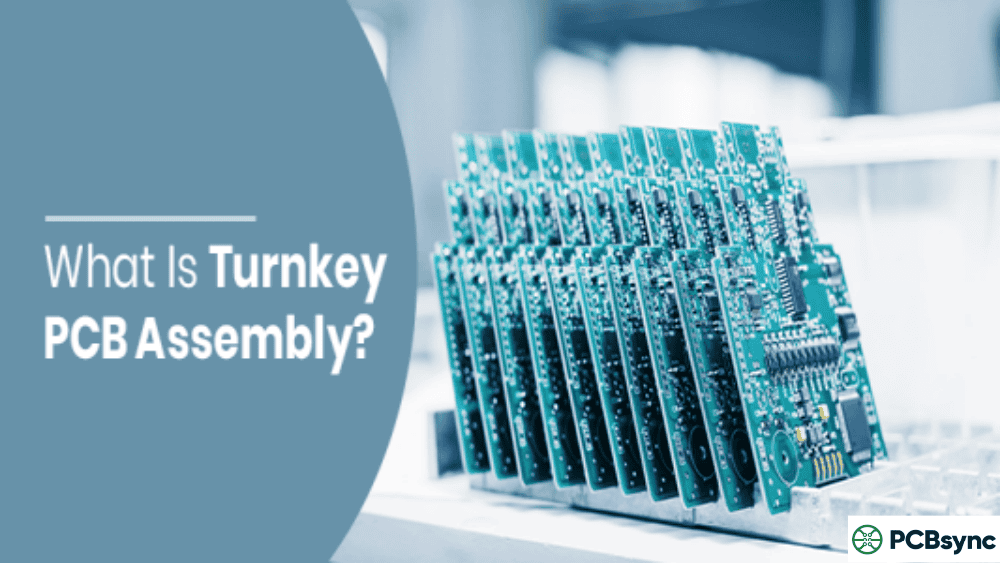
Turnkey PCB assembly is a comprehensive manufacturing service where a single provider handles everything from PCB fabrication and component procurement to assembly, testing, and final delivery. The term “turnkey” means you receive a ready-to-use product—you simply “turn the key” and it works. For OEMs looking to streamline operations, reduce costs, and accelerate time-to-market, this approach has become the gold standard in electronics manufacturing.
In this guide, I’ll break down exactly how turnkey PCB assembly saves both time and money, share practical insights from real manufacturing scenarios, and help you determine if this approach is right for your production needs.
Turnkey PCB assembly is an end-to-end manufacturing solution where your assembly partner manages the entire production process under one roof. Instead of coordinating with separate vendors for PCB fabrication, component sourcing, assembly, and testing, you hand over your design files and receive finished, tested circuit boards ready for integration into your products.
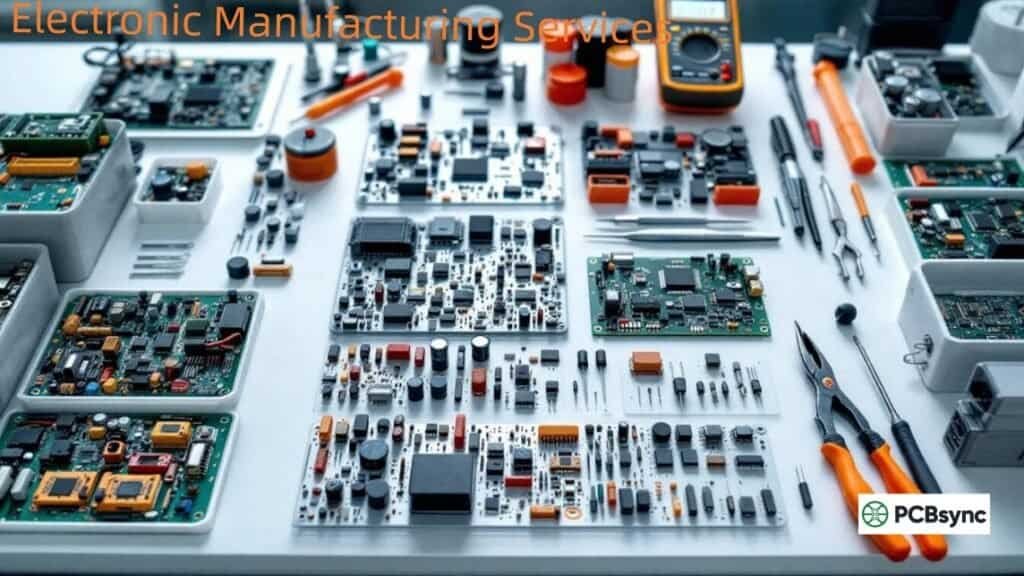
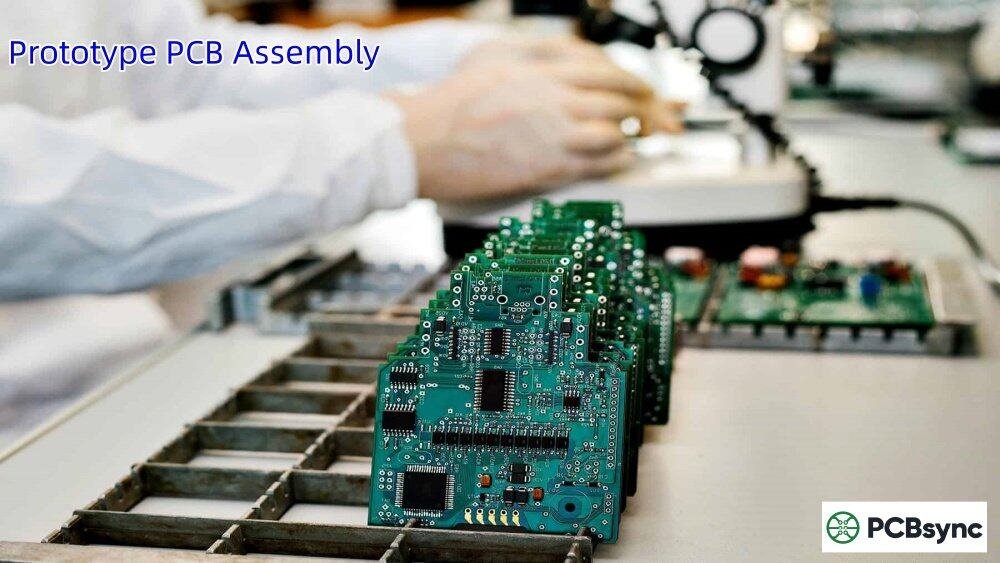
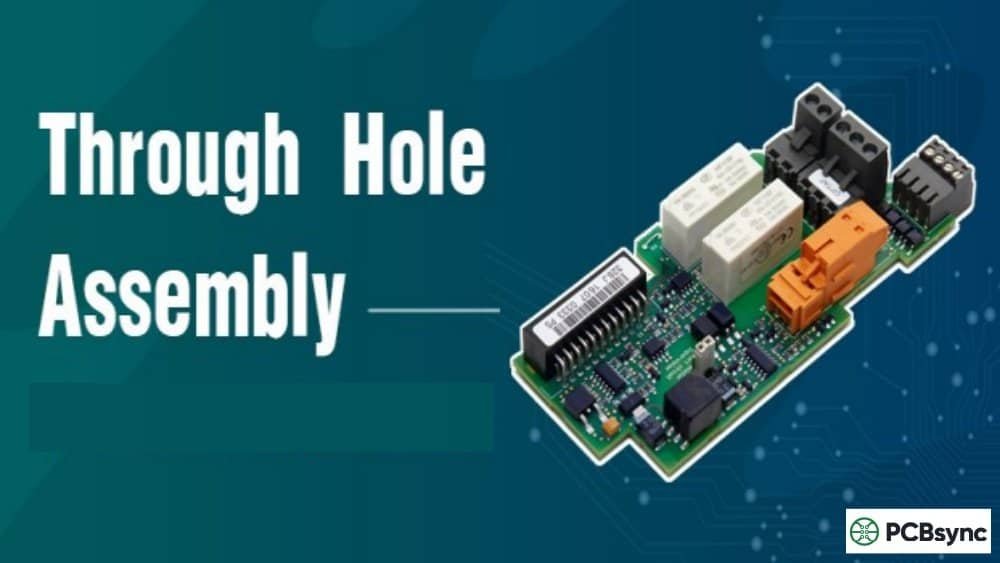
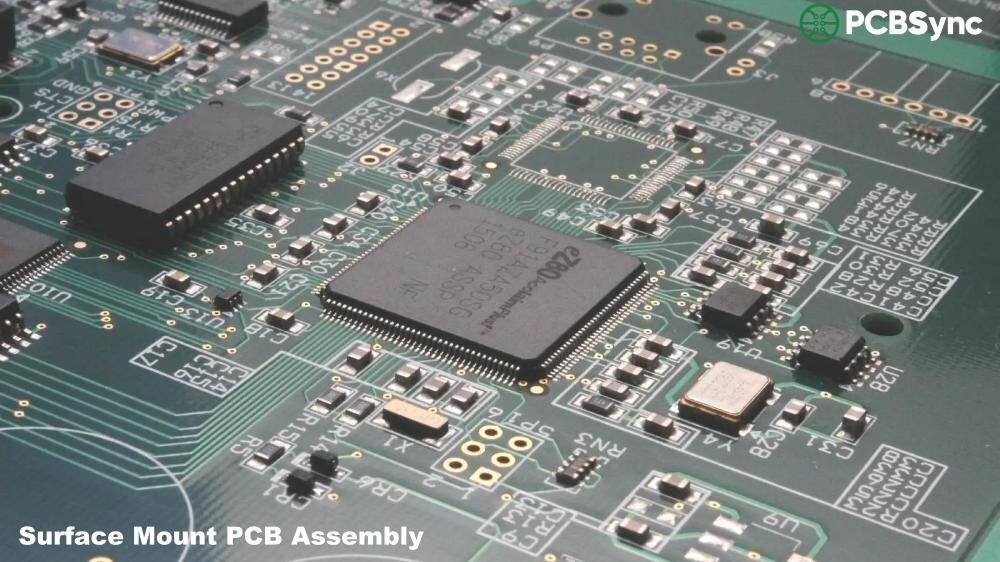
The service typically encompasses several key phases. First, Design for Manufacturability (DFM) review ensures your design is optimized for production. Then comes PCB fabrication, followed by component procurement from authorized distributors. The assembly phase includes surface mount technology (SMT) and through-hole technology (THT) processes. Finally, comprehensive testing and quality inspection ensure every board meets specifications before shipping.
Full Turnkey vs. Partial Turnkey: Understanding Your Options
Not all turnkey services are created equal. Understanding the distinction between full and partial turnkey helps you choose the right approach for your specific situation.
Full Turnkey PCB Assembly represents the complete outsourcing model. The manufacturer handles everything—PCB fabrication, 100% of component procurement, assembly, testing, and even packaging. You provide design files (Gerbers, BOM, pick-and-place data), and they deliver finished products. This option works best when you want minimal involvement in production logistics or lack internal procurement resources.
Partial Turnkey PCB Assembly (sometimes called consignment assembly) gives you more control. You supply certain components—perhaps specialty ICs you’ve negotiated pricing on, or customer-furnished parts that must come from specific sources—while the manufacturer procures the rest. This hybrid approach suits OEMs with existing component inventory or established supplier relationships for critical parts.
Quick Comparison: Full Turnkey vs. Partial Turnkey
Factor
Full Turnkey
Partial Turnkey
Component Sourcing
100% handled by manufacturer
Shared responsibility
OEM Involvement
Minimal (design files only)
Moderate (supply some parts)
Best For
Startups, small teams, fast prototyping
OEMs with existing inventory
Cost Structure
Single invoice, transparent pricing
Mixed costs, potential savings
Lead Time
Generally faster
Depends on supplied parts timing
How Turnkey PCB Assembly Saves Time
Time-to-market can make or break a product launch. In competitive industries like consumer electronics, automotive, and medical devices, delays measured in weeks can mean lost market share or missed regulatory windows. Here’s how turnkey PCB assembly compresses your production timeline.
Eliminates Multi-Vendor Coordination Bottlenecks
Traditional PCB production requires coordinating multiple vendors—and that coordination eats time. You’re chasing a fabricator for delivery updates while simultaneously negotiating with a component distributor and scheduling assembly slots with a third party. Each vendor operates on their own timeline, and misalignment at any stage cascades through the entire project.
With turnkey assembly, a single project manager oversees all stages from design validation through shipping. There’s no waiting for boards to ship from one facility to another, no reconciling conflicting schedules, and no finger-pointing when issues arise. This streamlined approach typically delivers 30-40% faster lead times compared to managing separate vendors.
Accelerates Prototyping and Iteration Cycles
Prototyping is where time savings compound. A full turnkey provider can deliver assembled prototypes in as little as 5-10 days, compared to 2-3 weeks when coordinating multiple vendors. More importantly, when design changes are needed (and they always are), the same team that built your prototype already understands your design and can implement revisions faster.
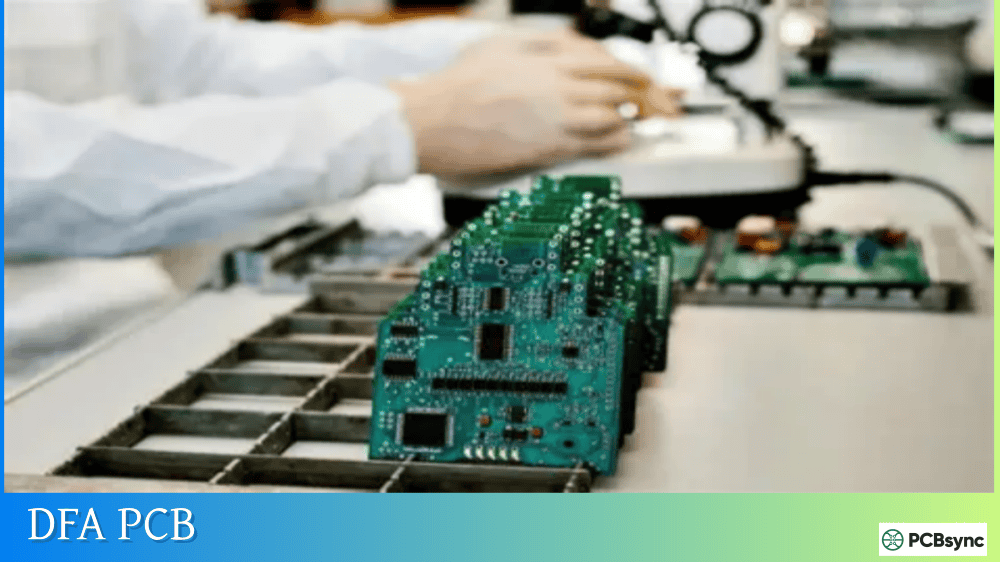
The Design for Manufacturability (DFM) and Design for Assembly (DFA) reviews that quality turnkey providers perform upfront catch potential issues before production begins. I’ve seen this single step save weeks of rework by identifying problems like insufficient solder mask clearances, tombstoning risks, or BGA pad design errors before a single board is fabricated.
Streamlined Communication and Single Point of Contact
Dealing with multiple vendors means managing multiple communication channels, time zones, and technical contacts. Questions about a fabrication issue need to go through your board house; component availability questions go to your distributor; assembly questions go elsewhere. Each context switch costs time and increases the risk of miscommunication.
Turnkey assembly consolidates all communication to a single point of contact. Your dedicated account manager understands your complete project context and can coordinate internal resources to resolve issues quickly.
Typical Lead Time Comparison
Production Stage
Multi-Vendor
Turnkey Assembly
Prototype (5-10 boards)
2-3 weeks
5-10 days
Low Volume (100-1,000)
4-6 weeks
2-3 weeks
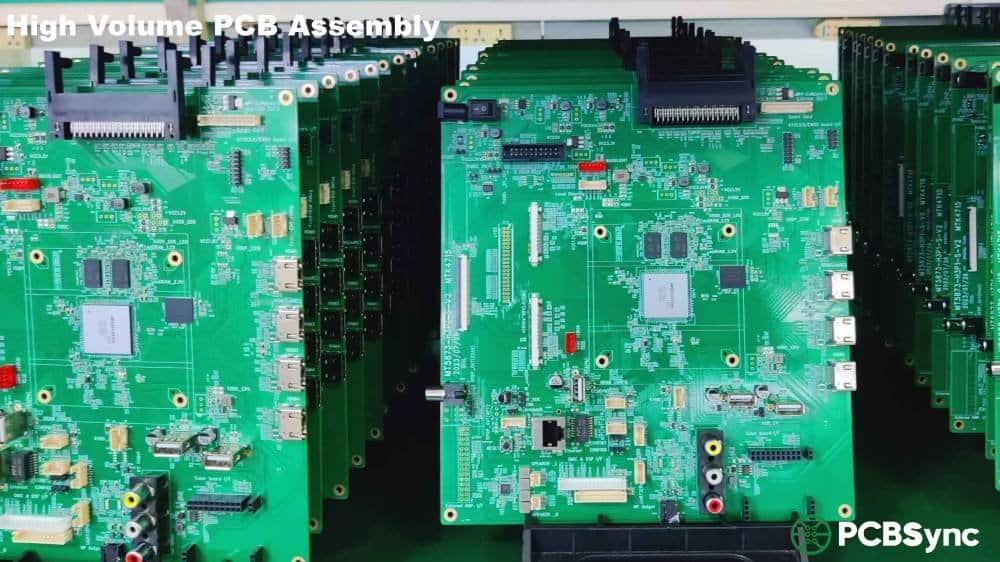
High Volume (10,000+)
6-10 weeks
3-6 weeks
Note: Lead times vary based on component availability, design complexity, and production capacity.
Beyond time savings, turnkey PCB assembly delivers measurable cost reductions across multiple areas. Industry data suggests OEMs can achieve 15-25% lower total production costs compared to managing separate vendors. Here’s where those savings come from.
Component Procurement Advantages
Component costs typically represent 60-70% of total PCB assembly expenses. Turnkey providers leverage bulk purchasing power across thousands of customer projects to negotiate better pricing than individual OEMs can achieve. Established relationships with authorized distributors like Digi-Key, Mouser, and Arrow mean access to competitive pricing and priority allocation during shortages.
Eliminated Hidden Logistics and Overhead Costs
The multi-vendor approach carries hidden costs that often don’t appear on any single invoice:
Internal staff time managing multiple purchase orders, schedules, and communications
Inventory carrying costs for buffer stock at multiple locations
Damage and loss risk during repeated handling and transport
Duplicate testing and inspection at each stage
With turnkey assembly, boards, components, and finished assemblies never leave the facility until final shipment. This consolidation eliminates intermediate shipping costs (typically $0.50-$2 per unit), reduces handling damage, and streamlines inventory management.
Minimized Rework and Defect-Related Expenses
Quality issues are expensive. Rework costs in traditional multi-vendor setups typically run $2-$5 per unit, while turnkey providers with integrated quality systems achieve rework costs of $0.50-$1 per unit. The difference comes from process consistency—when all operations happen under one quality management system, defect rates drop significantly.
Avoided Capital Investment and Resource Allocation
Building in-house assembly capability requires substantial capital investment—SMT pick-and-place equipment alone can cost $200,000-$2,000,000 depending on capability. Add reflow ovens, inspection equipment, trained technicians, and facility space, and you’re looking at millions in investment before producing a single board.
Cost Savings Breakdown by Volume
Volume
Typical Savings
Primary Source
Prototype (1-25)
$50-$200/project
Eliminated duplicate setup costs
Low (100-1K)
15-20% per unit
Bulk component pricing, reduced logistics
Mid (1K-10K)
20-25% per unit
Economies of scale, process optimization
High (10K+)
25-30% per unit
Full supply chain optimization
The Supply Chain Advantage in Today’s Market
Recent years have made one thing abundantly clear: supply chain resilience is no longer optional. Component shortages, extended lead times, and pricing volatility have become persistent challenges. Turnkey PCB assembly providers offer significant advantages in navigating this environment.
Navigating Component Shortages and Allocation
The semiconductor supply chain continues facing constraints in 2025, particularly for specialized components. Lead times for certain ICs remain extended, and geopolitical tensions add uncertainty to sourcing from specific regions. OEMs managing their own procurement often lack the relationships and alternatives to navigate these challenges efficiently.
Counterfeit Component Prevention
Counterfeit components represent a serious risk—and one that intensifies during shortages when buyers turn to unfamiliar sources. Quality turnkey providers implement rigorous incoming inspection including visual examination, electrical verification, and X-ray analysis for critical components. Full traceability back to original manufacturers protects against the quality and reliability issues counterfeit parts introduce.
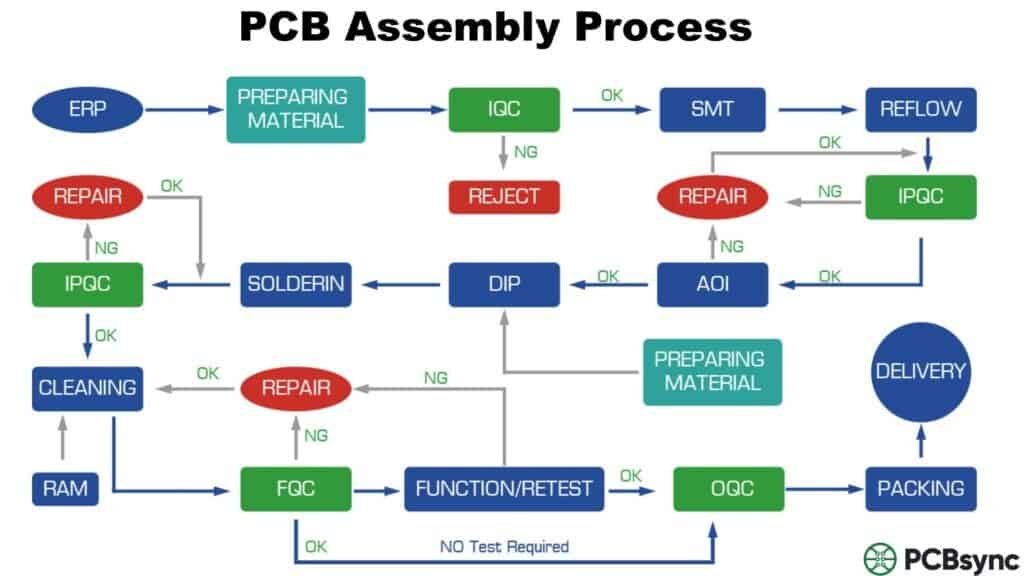
The Turnkey PCB Assembly Process: Step by Step
Understanding the typical turnkey workflow helps set appropriate expectations and prepare your design data for smooth production.
Quote and Design Review: Submit your Gerber files, BOM, and assembly drawings. The provider reviews for manufacturability and provides pricing.
DFM/DFA Analysis: Engineers analyze your design for potential manufacturing issues, suggesting optimizations for higher yields.
PCB Fabrication: Raw boards are manufactured according to your specifications—layer count, material, surface finish.
Component Procurement: Parts are sourced from authorized distributors and verified for authenticity and quality.
Assembly: Surface mount and through-hole components are placed and soldered using automated equipment.
Inspection and Testing: AOI, X-ray (for BGAs), in-circuit testing, and functional testing verify quality.
Packaging and Delivery: Finished assemblies are ESD-packaged and shipped to your facility or directly to customers.
How to Choose a Turnkey PCB Assembly Partner
Not all turnkey providers deliver equal value. Here are the key factors to evaluate when selecting a manufacturing partner.
Certifications and Quality Standards
Look for providers certified to relevant industry standards:
ISO 9001:2015 – Quality management system certification
ISO 13485 – Medical device quality management (if applicable)
IATF 16949 – Automotive quality standard (if applicable)
IPC-A-610 Class 2 or Class 3 – Acceptability of electronic assemblies
IPC J-STD-001 – Soldering requirements for electrical and electronic assemblies
Medical Devices: Regulatory requirements (FDA, ISO 13485) demand comprehensive documentation and traceability. Turnkey providers with medical device experience maintain the quality systems and documentation practices these applications require.
Automotive Electronics: IATF 16949 certification and automotive-grade reliability requirements make specialized turnkey partners essential.
Industrial and IoT: High-mix, low-volume production with diverse product requirements suits turnkey assembly’s flexibility.
Consumer Electronics: Aggressive time-to-market requirements and cost pressures make turnkey efficiency essential.
Digi-Key (digikey.com) – Authorized distributor with extensive parametric search
Mouser Electronics (mouser.com) – Authorized distributor with broad inventory
Ultra Librarian (ultralibrarian.com) – Free PCB CAD library and footprints
Design Standards and References
IPC Standards (ipc.org) – Industry standards for PCB design, fabrication, and assembly
IPC-2221 – Generic Standard on Printed Board Design
IPC-A-610 – Acceptability of Electronic Assemblies
Supply Chain Intelligence
Sourcengine (sourcengine.com) – Real-time component availability and lead time data
SiliconExpert (siliconexpert.com) – Component lifecycle and risk management data
Z2Data (z2data.com) – Supply chain risk analytics and component intelligence
Frequently Asked Questions About Turnkey PCB Assembly
What files do I need to provide for turnkey PCB assembly?
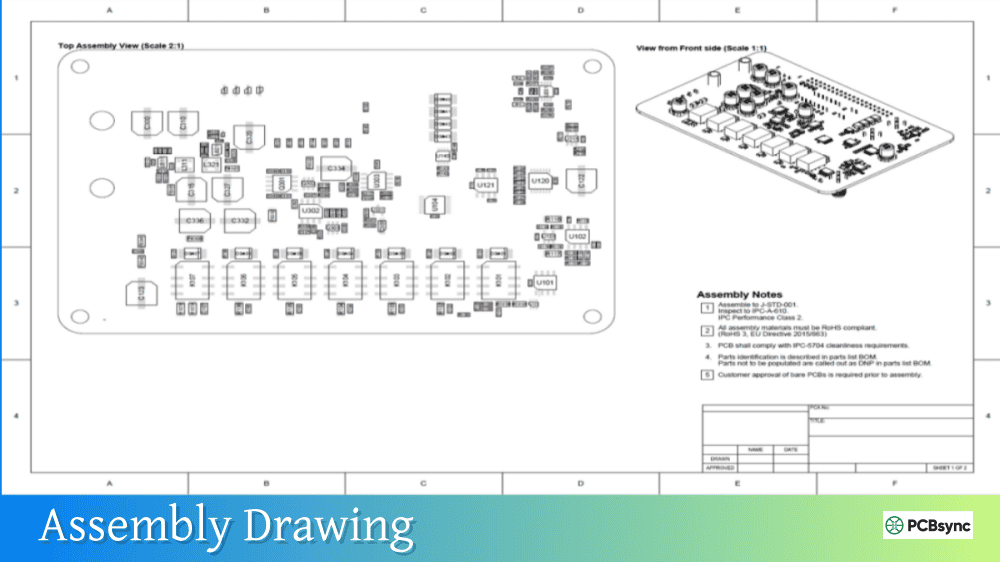
You’ll need to provide Gerber files (RS-274X format) for PCB fabrication, a complete Bill of Materials (BOM) with manufacturer part numbers, reference designators, and quantities, plus a centroid/pick-and-place file with component X-Y coordinates and rotation data. Assembly drawings showing component orientation and any special instructions are also helpful.
How long does turnkey PCB assembly typically take?
Lead times vary based on complexity and component availability. Quick-turn prototypes (5-25 boards) typically ship in 5-10 business days. Low-volume production (100-1,000 units) usually takes 2-3 weeks. High-volume runs (10,000+ units) require 3-6 weeks depending on capacity and component lead times.
Is turnkey assembly cost-effective for low volumes?
Absolutely. Low-volume production is actually where turnkey assembly often provides the greatest value. You avoid capital investment in equipment, eliminate the overhead of managing procurement and assembly staff, and benefit from the provider’s existing infrastructure. Many turnkey providers specialize in prototype and low-volume work with no minimum order quantities.
Can I supply my own components for turnkey assembly?
Yes, this is called partial turnkey or consignment assembly. You provide specific components—perhaps specialty ICs or customer-furnished parts—while the manufacturer sources the remaining BOM. This approach works well when you have favorable pricing agreements with certain suppliers or must use specific qualified sources.
How do turnkey providers ensure component authenticity?
Reputable turnkey providers source primarily from authorized distributors (Digi-Key, Mouser, Arrow, Avnet) who purchase directly from manufacturers. For components sourced through other channels, they perform incoming inspection including visual examination under magnification, electrical testing, and X-ray analysis for high-risk parts. Full lot traceability documentation connects each component to its original source.
Making the Turnkey Decision
Turnkey PCB assembly isn’t just a manufacturing service—it’s a strategic decision that affects your entire product development process. By consolidating fabrication, procurement, assembly, and testing under one partner, OEMs gain significant advantages in time-to-market, cost structure, and operational simplicity.
The efficiency gains are measurable: 30-40% faster lead times, 15-25% lower total production costs, and substantially reduced management overhead. In today’s competitive landscape where supply chain disruptions have become the norm rather than the exception, having a capable turnkey partner provides both operational efficiency and strategic resilience.
Whether you’re a startup bringing your first product to market or an established OEM looking to optimize manufacturing operations, turnkey PCB assembly deserves serious consideration. The right partner becomes an extension of your team—one with the specialized expertise, equipment, and supply chain relationships that would be impractical to build in-house.
Start by evaluating providers against your specific technical requirements, quality standards, and volume expectations. Request quotes from multiple providers, ask detailed questions about their processes, and don’t hesitate to request facility tours or customer references. The time invested in selecting the right partner pays dividends throughout your product’s lifecycle.
Inquire: Call 0086-755-23203480, or reach out via the form below/your sales contact to discuss our design, manufacturing, and assembly capabilities.
Quote: Email your PCB files to Sales@pcbsync.com (Preferred for large files) or submit online. We will contact you promptly. Please ensure your email is correct.
Notes: For PCB fabrication, we require PCB design file in Gerber RS-274X format (most preferred), *.PCB/DDB (Protel, inform your program version) format or *.BRD (Eagle) format. For PCB assembly, we require PCB design file in above mentioned format, drilling file and BOM. Click to download BOM template To avoid file missing, please include all files into one folder and compress it into .zip or .rar format.