Inquire: Call 0086-755-23203480, or reach out via the form below/your sales contact to discuss our design, manufacturing, and assembly capabilities.
Quote: Email your PCB files to Sales@pcbsync.com (Preferred for large files) or submit online. We will contact you promptly. Please ensure your email is correct.
Notes: For PCB fabrication, we require PCB design file in Gerber RS-274X format (most preferred), *.PCB/DDB (Protel, inform your program version) format or *.BRD (Eagle) format. For PCB assembly, we require PCB design file in above mentioned format, drilling file and BOM. Click to download BOM template To avoid file missing, please include all files into one folder and compress it into .zip or .rar format.
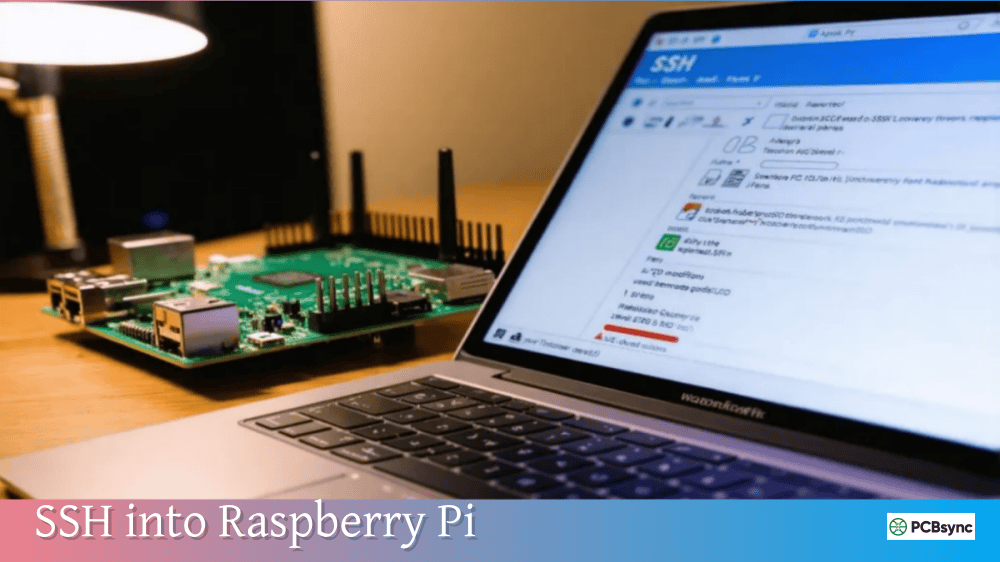
After spending years working with embedded systems and PCB designs, I can tell you that the ssh raspberry pi setup is one of those fundamental skills that pays dividends across countless projects. Whether you’re building a home automation system, setting up a print server, or deploying a weather station, knowing how to securely connect to your Pi remotely changes everything about your workflow.
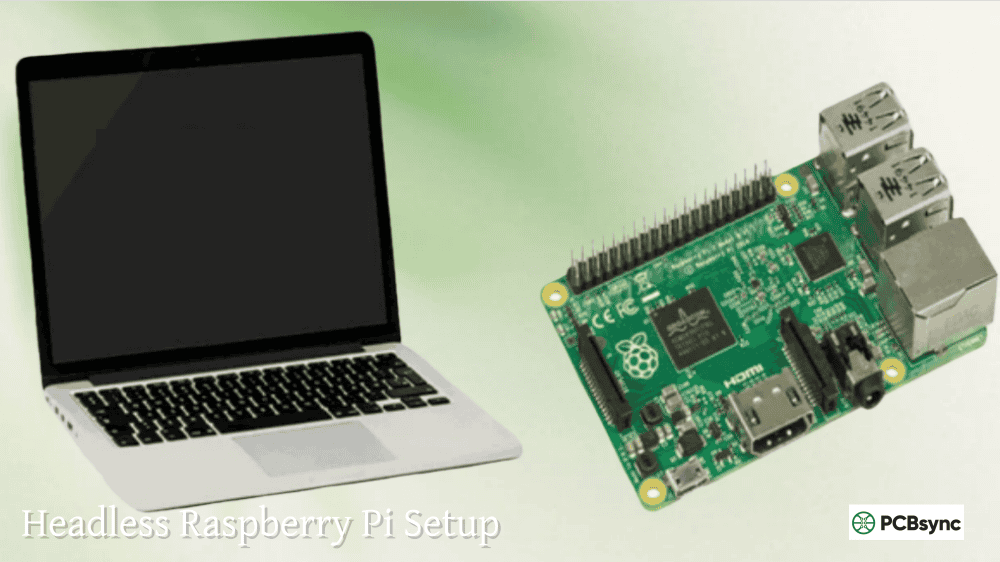
I remember my first raspberry pi headless setup back in 2015. I was building a sensor array for a factory floor monitoring system, and the thought of running cables to a monitor for every deployment seemed absurd. SSH became my lifeline, and honestly, I’ve never looked back.
SSH (Secure Shell) provides encrypted communication between your computer and your Raspberry Pi. Think of it as a secure tunnel that lets you type commands on your laptop while they execute on your Pi across the room—or across the world.
For embedded projects, this matters enormously. During a recent InSAR monitoring deployment, I needed to adjust sensor parameters on 12 different Pis scattered across a test site. Walking to each one wasn’t practical. SSH made configuration changes take minutes instead of hours.
Key Benefits of SSH for Raspberry Pi Projects
Benefit
Practical Application
No monitor required
Perfect for embedded deployments in enclosures
Remote file transfer
Upload scripts and download data logs remotely
Secure communication
All data encrypted, safe for network transmission
Multi-device management
Control multiple Pis from one workstation
Automation friendly
Script deployments and updates across your fleet
Prerequisites Before You SSH Raspberry Pi
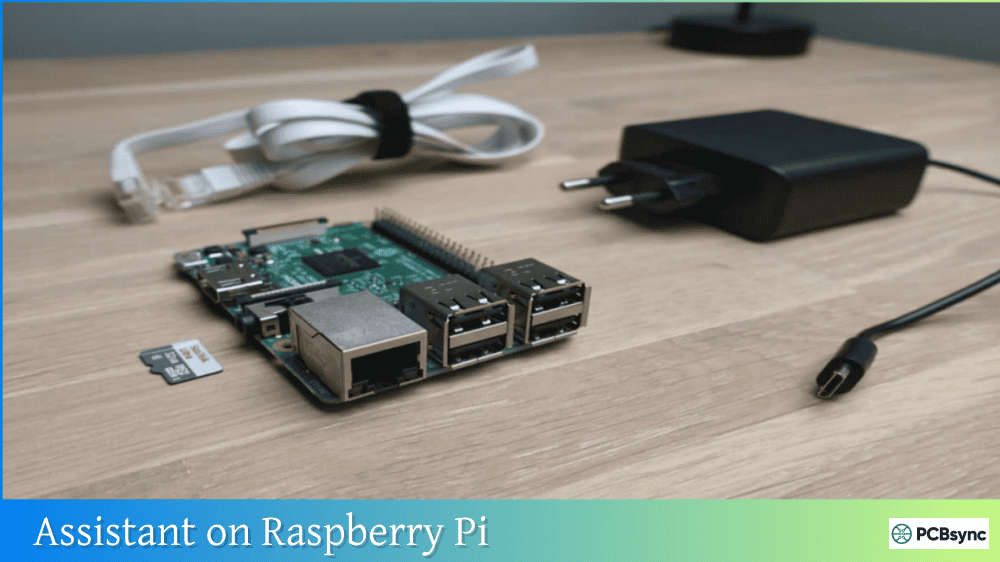
Before diving into the setup, gather these essentials:
Item
Purpose
Notes
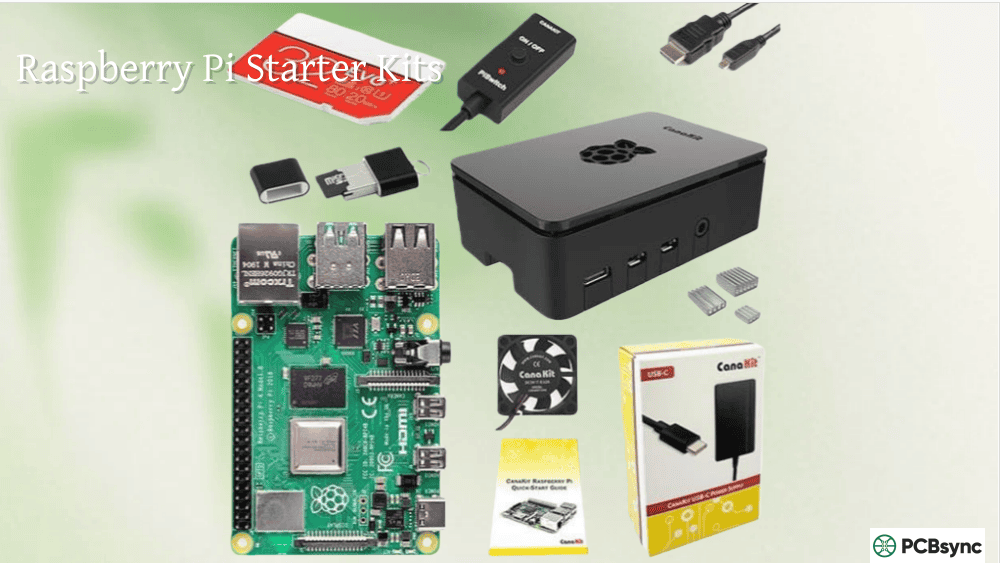
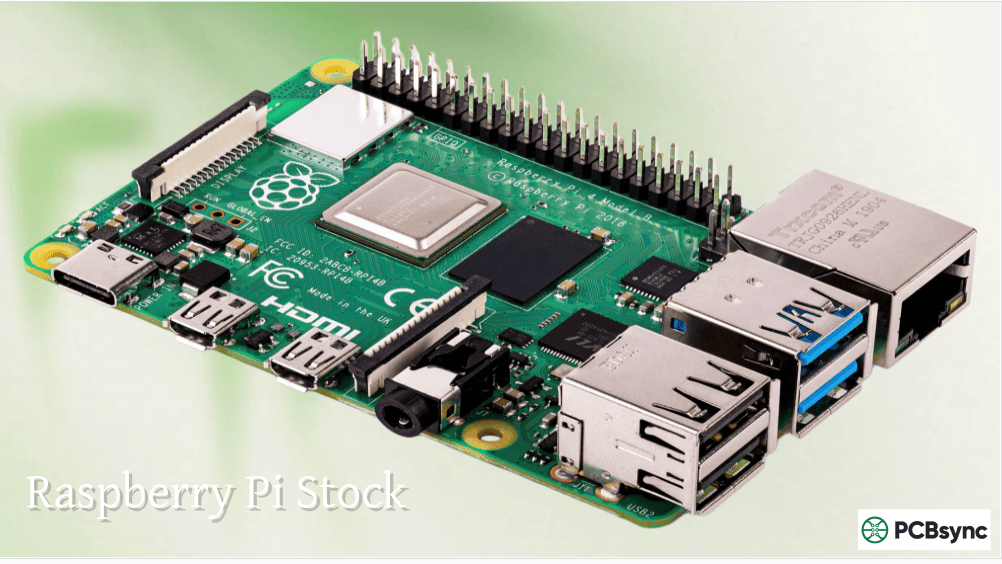
Raspberry Pi (any model)
Your target device
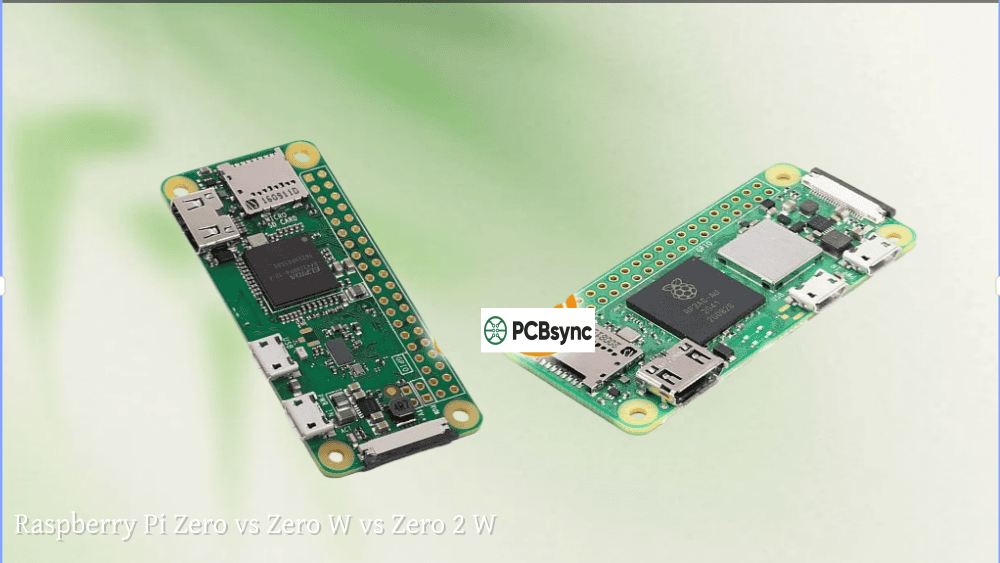
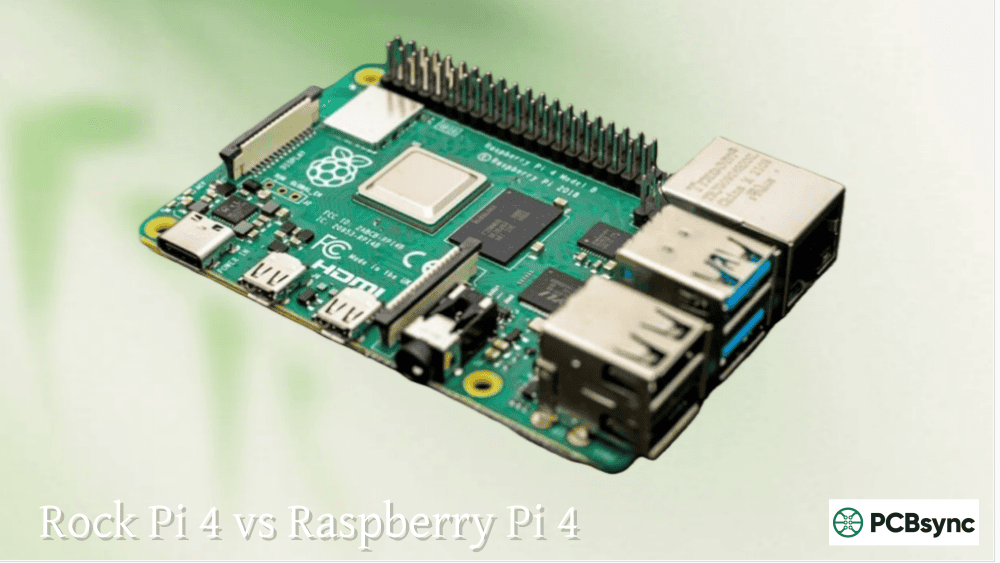
Pi 3, 4, 5, or Zero W all work
MicroSD card (8GB+)
Operating system storage
Class 10 recommended for speed
Power supply
Powers your Pi
Match to your Pi model (USB-C for Pi 4/5)
Network connection
Enables remote access
Ethernet or WiFi
Computer with SD card reader
Flashes the OS
Windows, Mac, or Linux
SSH client
Connects to your Pi
Built into most systems
Method 1: Enable SSH Raspberry Pi Using Raspberry Pi Imager (Recommended)
The Raspberry Pi Imager has become my go-to tool for deploying new Pis. It handles the raspberry pi headless configuration elegantly during the flashing process.
Step-by-Step SSH Configuration with Imager
Step 1: Download Raspberry Pi Imager from the official Raspberry Pi website and install it on your computer.
Step 2: Insert your microSD card and launch the Imager. Select your Raspberry Pi model, choose your preferred OS (Raspberry Pi OS Lite works great for headless servers), and select your storage device.
Step 3: Click the gear icon or “Edit Settings” button. This opens the OS customization menu—the key to proper headless configuration.
Step 4: In the settings panel, configure these options:
Setting
What to Enter
Set hostname
Choose something memorable (e.g., pi-workshop)
Enable SSH
Toggle this ON
Set username and password
Create strong credentials
Configure wireless LAN
Enter your WiFi SSID and password
Set locale settings
Match your timezone and keyboard layout
Step 5: Save your settings and click “Write” to flash the card. The Imager will automatically configure SSH and network settings.
Step 6: Insert the card into your Pi, connect power, and wait about 90 seconds for the first boot to complete.
Method 2: Enable SSH Manually for Raspberry Pi Headless Setup
Sometimes you inherit an SD card or need to enable SSH on an existing installation without reflashing. Here’s how to do it manually.
Creating the SSH File on the Boot Partition
Insert your SD card into your computer. The boot partition (labeled “bootfs” or “boot”) will mount as a readable drive.
On Windows: Open the boot partition in File Explorer. Right-click, select New → Text Document. Name it exactly ssh (remove the .txt extension). You may need to enable “File name extensions” in View settings to see and remove the extension.
On Mac/Linux: Open Terminal and navigate to the boot partition:
cd /Volumes/bootfs
touch ssh
The presence of this empty file tells the Pi to enable SSH on first boot.
Adding WiFi Credentials for Wireless Headless Setup
For WiFi-only setups, you’ll also need to create a file called wpa_supplicant.conf in the same boot partition:
Replace the country code, SSID, and password with your actual values. The Pi will automatically move this file to the correct location and connect to your network.
Creating User Credentials (Required for Recent Raspberry Pi OS)
Since 2022, Raspberry Pi OS no longer includes a default user. For headless setups, create a file called userconf.txt or userconf in the boot partition containing:
username:encrypted_password
Generate an encrypted password using OpenSSL on your computer:
echo ‘yourpassword’ | openssl passwd -6 -stdin
Copy the output (starts with $6$) and create the file:
pi:$6$randomsalt$hashedpasswordstring
Finding Your Raspberry Pi IP Address
You can’t ssh raspberry pi without knowing where to connect. Here are reliable methods to find your Pi’s IP address.
Method A: Check Your Router
Log into your router’s admin panel (usually 192.168.1.1 or 192.168.0.1). Look for connected devices—your Pi will appear as “raspberrypi” or your custom hostname.
Method B: Use Network Scanning
On Windows (with PowerShell):
arp -a
On Mac/Linux:
ping raspberrypi.local
Using dedicated tools: Apps like Advanced IP Scanner (Windows) or Fing (mobile) scan your network and identify all devices.
Method C: Direct Connection with Ethernet
If you connect your Pi directly to your computer with an Ethernet cable, you can often reach it at raspberrypi.local without knowing the exact IP.
Connecting to Your Raspberry Pi via SSH
With SSH enabled and the IP address in hand, you’re ready to connect.
SSH from Windows 10/11
Windows 10 (October 2018 update and later) includes a native SSH client. Open PowerShell or Command Prompt and type:
ssh username@192.168.1.XXX
Replace username with your configured username (or pi for older installations) and substitute your actual IP address.
Alternatively, use PuTTY if you prefer a graphical interface:
PuTTY Field
Value
Host Name
Your Pi’s IP address
Port
22
Connection type
SSH
SSH from Mac and Linux
Open Terminal and connect directly:
ssh pi@192.168.1.XXX
On first connection, you’ll see a warning about the server’s authenticity. Type “yes” to continue and add the Pi to your known hosts.
Using Hostname Instead of IP Address
If your network supports mDNS (most home networks do), connect using the hostname:
After setting up keys, you can connect without entering a password.
Troubleshooting Common SSH Raspberry Pi Problems
Even experienced engineers hit snags. Here’s my troubleshooting checklist from years of deployments.
Connection Refused Errors
Symptom
Likely Cause
Solution
“Connection refused”
SSH not enabled
Create ssh file in boot partition
“Connection refused”
Wrong IP address
Verify with network scan
“Connection refused”
SSH service stopped
Check if sshd is running
“No route to host”
Pi not connected to network
Check WiFi credentials and Ethernet cable
“Permission denied”
Wrong username or password
Verify credentials or regenerate userconf file
Network Discovery Issues
If your Pi doesn’t appear on the network, try these steps:
Connect a monitor temporarily to check boot messages. Watch for IP address assignment during boot. If the Pi shows a 169.254.x.x address, it couldn’t reach your DHCP server—check your network connection.
For WiFi issues, verify your wpa_supplicant.conf has the correct SSID, password, and country code. The country code matters for regulatory compliance and affects which WiFi channels your Pi can use.
Timeout Problems
Long connection times or timeouts often indicate DNS issues. Try connecting with the IP address directly instead of the hostname. If that works, your network’s DNS or mDNS isn’t resolving properly.
Advanced SSH Configuration for Raspberry Pi
Changing the Default SSH Port
For security-conscious deployments, change the default SSH port:
sudo nano /etc/ssh/sshd_config
Find the line #Port 22 and change it to something like Port 2222. Remember to update your firewall rules and connection commands accordingly.
Enabling SSH on Raspberry Pi Using raspi-config
If you have physical access to a running Pi, enable SSH through the configuration tool:
sudo raspi-config
Navigate to Interface Options → SSH → Enable.
Useful Resources for Raspberry Pi SSH Setup
Resource
URL
Description
Official Documentation
raspberrypi.com/documentation
Complete reference for all Pi models
Raspberry Pi Imager
raspberrypi.com/software
Official imaging tool download
PuTTY Download
putty.org
Windows SSH client
Pi OS Downloads
raspberrypi.com/software/operating-systems
All OS images
SSH Raspberry Pi FAQs
Is SSH enabled by default on Raspberry Pi?
No. Since November 2016, Raspberry Pi OS ships with SSH disabled for security reasons. You must explicitly enable it through Raspberry Pi Imager settings, by creating an empty ssh file in the boot partition, or through raspi-config after connecting a monitor and keyboard.
Can I SSH into Raspberry Pi from outside my home network?
Yes, but it requires additional configuration. You’ll need to set up port forwarding on your router to direct external SSH traffic to your Pi’s internal IP address. For better security, consider using a VPN solution like WireGuard or Tailscale instead of exposing SSH directly to the internet.
What do I do if I forgot my Raspberry Pi SSH password?
You have two options. If you have physical access, connect a monitor and keyboard, then change the password using the passwd command or through raspi-config. For headless setups without physical access, you’ll need to remove the SD card, mount it on another computer, and either edit the shadow file or recreate the userconf file with a new encrypted password.
Why does SSH say “connection refused” even after enabling it?
This usually means either SSH isn’t actually enabled, you’re connecting to the wrong IP address, or the SSH service hasn’t started yet. Double-check that your ssh file in the boot partition has no extension (not ssh.txt). Verify the IP address using a network scanner. Give the Pi at least 90 seconds after power-on for the first boot to complete.
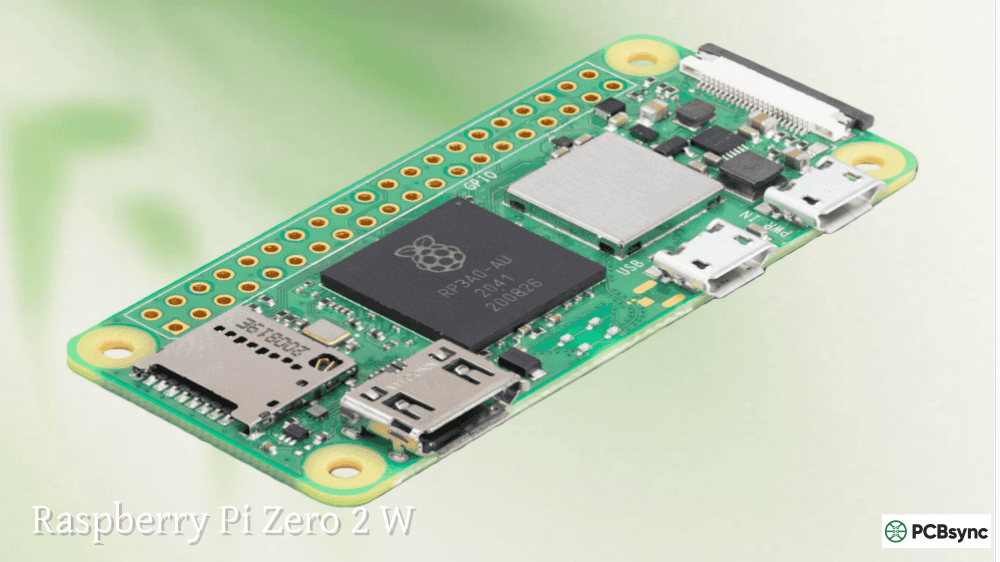
Can I use SSH over WiFi on a Raspberry Pi Zero W?
Absolutely. The Pi Zero W has built-in WiFi. For headless setup, you’ll need both the ssh file and wpa_supplicant.conf file in the boot partition before first boot. The Zero W is popular for compact embedded projects where Ethernet isn’t practical.
Wrapping Up Your SSH Raspberry Pi Journey
Getting ssh raspberry pi working smoothly transforms how you interact with your Pi projects. No more crawling behind desks to plug in monitors, no more dedicated keyboards gathering dust. Just clean, efficient remote access from wherever you’re working.
The raspberry pi headless setup might feel like extra work initially, but it pays off exponentially as your projects scale. That first successful SSH connection opens doors to automated deployments, remote monitoring, and the kind of professional-grade embedded systems that would be impractical with physical access requirements.
Start with the basics covered here, then explore advanced topics like SSH tunneling, multiplexing connections, and integrating SSH into your CI/CD pipelines. Your future self—and your embedded projects—will thank you.
Meta Description Suggestion:
Learn how to SSH into Raspberry Pi with this complete beginner’s guide. Covers headless setup, enabling SSH via Imager or manually, troubleshooting connection issues, and key authentication. Perfect for remote Pi access.
(155 characters – optimal for search display)
Alternative (focus keyword first):
SSH Raspberry Pi: Complete guide to headless setup, enabling SSH, finding IP addresses, and troubleshooting connection issues. Step-by-step with tables and FAQs.
Inquire: Call 0086-755-23203480, or reach out via the form below/your sales contact to discuss our design, manufacturing, and assembly capabilities.
Quote: Email your PCB files to Sales@pcbsync.com (Preferred for large files) or submit online. We will contact you promptly. Please ensure your email is correct.
Notes: For PCB fabrication, we require PCB design file in Gerber RS-274X format (most preferred), *.PCB/DDB (Protel, inform your program version) format or *.BRD (Eagle) format. For PCB assembly, we require PCB design file in above mentioned format, drilling file and BOM. Click to download BOM template To avoid file missing, please include all files into one folder and compress it into .zip or .rar format.