Inquire: Call 0086-755-23203480, or reach out via the form below/your sales contact to discuss our design, manufacturing, and assembly capabilities.
Quote: Email your PCB files to Sales@pcbsync.com (Preferred for large files) or submit online. We will contact you promptly. Please ensure your email is correct.
Notes: For PCB fabrication, we require PCB design file in Gerber RS-274X format (most preferred), *.PCB/DDB (Protel, inform your program version) format or *.BRD (Eagle) format. For PCB assembly, we require PCB design file in above mentioned format, drilling file and BOM. Click to download BOM template To avoid file missing, please include all files into one folder and compress it into .zip or .rar format.
If you’ve been working with antenna designs for 5G base stations, RFID systems, or IoT devices, chances are you’ve encountered the material selection dilemma. Do you go with traditional PTFE laminates that offer excellent electrical performance but come with processing headaches and higher costs? Or do you settle for standard FR-4 that’s easy to work with but falls short at higher frequencies?
Rogers Corporation developed the RO4700 PCB series specifically to bridge this gap. These antenna-grade laminates deliver the electrical performance you need for high-frequency applications while maintaining compatibility with standard FR-4 processing methods. For engineers designing the next generation of wireless infrastructure, understanding what RO4700 brings to the table can make the difference between a successful project and months of debugging signal integrity issues.
RO4700 PCB refers to a family of antenna-grade laminates manufactured by Rogers Corporation as part of their broader RO4000 series. Unlike conventional microwave materials, RO4700 laminates use a thermoset resin system combined with a unique hollow microsphere filler. This composition gives the material its characteristic low density and excellent high-frequency performance.
The hollow microsphere technology is central to what makes RO4700 PCB materials special. These microscopic spheres, distributed throughout the resin matrix, lower the overall dielectric constant while maintaining structural integrity. This approach differs from traditional PTFE materials that rely on the inherent properties of polytetrafluoroethylene itself. The thermoset resin system provides processing advantages that PTFE cannot match, while the filler engineering achieves the desired electrical properties.
The RO4700 series sits within Rogers’ portfolio of Rogers PCB materials, positioned specifically for antenna applications. What makes these laminates stand out is their ability to match the dielectric properties of traditional PTFE antenna materials while eliminating many of the manufacturing complications associated with PTFE processing.
Rogers designed these materials with a specific goal in mind: provide antenna designers with a laminate that offers the electrical characteristics needed for optimal radiation efficiency, minimal insertion loss, and excellent passive intermodulation performance, all without requiring specialized fabrication processes. The result is a material family that serves the demanding requirements of wireless infrastructure while keeping manufacturing costs manageable.
Key Features of RO4700 Antenna-Grade Laminates
The RO4700 series brings several technical advantages that make it attractive for modern antenna designs.
Dielectric Properties
The series offers two primary dielectric constant options. RO4725JXR provides a Dk of 2.55, while RO4730JXR and RO4730G3 offer a Dk of 3.0. Both values are measured at 2.5 GHz using LoPro reverse-treated EDC foil. This range gives designers flexibility in matching impedance requirements for different antenna configurations.
The loss tangent (Df) measures 0.0022 at 2.5 GHz for both variants, which translates to minimal signal loss at operating frequencies. For comparison, standard FR-4 typically shows loss tangent values around 0.02 or higher at similar frequencies, meaning significantly more signal energy gets dissipated as heat.
Thermal Stability
One of the standout characteristics of RO4700 PCB materials is their thermal performance. The glass transition temperature exceeds 280°C (536°F), substantially higher than standard FR-4’s typical Tg of 130-180°C. This elevated Tg translates to several practical benefits.
First, it enables compatibility with high-temperature lead-free soldering processes without material degradation. Second, it results in a lower Z-axis coefficient of thermal expansion, which directly improves plated through-hole reliability during thermal cycling. The Z-axis CTE measures only 30.3 ppm/°C across the temperature range from -55°C to +288°C.
Passive Intermodulation Performance
For base station antenna applications, passive intermodulation is often a critical specification. Poor PIM performance can create interference that degrades system capacity and coverage. RO4700 laminates demonstrate PIM values better than -160 dBc when tested with a 43 dBm input signal at 1,900 MHz.
This level of PIM performance becomes particularly important in modern cellular networks where multiple carriers share the same antenna systems. The LoPro copper foil options available with RO4700 contribute significantly to achieving these low PIM levels.
Weight Advantage
The hollow microsphere filler used in RO4700 materials results in laminates that weigh approximately 30% less than equivalent PTFE-based materials. This weight reduction matters for antenna arrays mounted on towers or poles, where wind loading and structural requirements factor into system design. It also benefits portable or vehicle-mounted antenna systems where overall weight impacts power consumption and handling.
RO4700 Series Variants Compared
Rogers offers several variants within the RO4700 family, each optimized for specific application requirements. Understanding the differences helps in selecting the right material for your project.
RO4700 PCB Material Specifications Comparison
Parameter
RO4725JXR
RO4730JXR
RO4730G3
Dielectric Constant (Dk) @ 10 GHz
2.55 ± 0.05
3.0 ± 0.05
3.0 ± 0.05
Dissipation Factor (Df) @ 2.5 GHz
0.0022
0.0022
0.0029
Glass Transition Temperature (Tg)
>280°C
>280°C
>280°C
Z-axis CTE (-55 to +288°C)
<30 ppm/°C
<30 ppm/°C
30.3 ppm/°C
Thermal Conductivity
0.36 W/m/K
0.36 W/m/K
0.36 W/m/K
PIM Performance
<-153 dBc
<-160 dBc
<-160 dBc
Flame Rating
Not UL rated
Not UL rated
UL 94 V-0
Primary Application
Low Dk antennas
Standard antennas
Flame-rated antennas
RO4725JXR
This variant offers the lowest dielectric constant in the series at 2.55. The lower Dk enables wider trace geometries for a given impedance, which can simplify manufacturing and improve yield rates. It’s particularly suited for applications where maximum bandwidth or specific radiation pattern characteristics require a lower dielectric constant substrate.
RO4730JXR
With a Dk of 3.0, RO4730JXR represents the standard choice for most base station and RFID antenna applications. The dielectric constant matches many existing PTFE-based antenna designs, making it straightforward to substitute in new production without redesigning the antenna geometry. This variant offers slightly better PIM performance than RO4725JXR.
RO4730G3
Rogers developed RO4730G3 specifically to address applications requiring UL 94 V-0 flame retardancy. The addition of flame-retardant fillers slightly increases the loss tangent to 0.0029 at 2.5 GHz. At 3.5 GHz with a 30.7 mil thickness, this translates to approximately 0.0009 dB/cm higher loss compared to RO4730JXR.
For most antenna applications, this small increase in loss is acceptable when weighed against the flame retardancy requirement. Active antenna arrays and small cell deployments often specify UL 94 V-0 compliance, making RO4730G3 the default choice for these applications.
The comparison between RO4700 and traditional PTFE antenna materials reveals several important distinctions that impact both design and manufacturing decisions.
Processing Advantages
PTFE-based laminates require specialized surface preparation before metallization. The sodium etch or plasma treatment processes needed to achieve adequate copper adhesion add cost, time, and potential inconsistency to the manufacturing process. RO4700 PCB materials eliminate this requirement entirely.
Standard oxide treatment processes used for FR-4 innerlayers work perfectly with RO4700. This compatibility means existing production lines can process RO4700 boards without equipment modifications or new process development.
Plated through-hole preparation provides another area where RO4700 simplifies manufacturing. PTFE’s chemical inertness requires aggressive hole preparation to achieve reliable plating. RO4700’s thermoset resin system accepts standard desmear and plating processes, reducing processing steps and improving yield.
Key Differences: RO4700 vs PTFE Laminates
Characteristic
RO4700 PCB
PTFE Laminates
Through-hole Preparation
Standard process
Special treatment required
Copper Adhesion Treatment
Standard oxide
Sodium etch or plasma
Lamination Temperature
175°C
260-290°C
Processing Compatibility
FR-4 compatible
Specialized equipment
Material Weight
30% lighter
Standard weight
Dimensional Stability
Higher
Lower
Cost
Lower
Higher
Lead-free Process
Fully compatible
May require process adjustment
Electrical Performance Trade-offs
In terms of pure electrical performance at the highest frequencies, PTFE materials still hold an edge. The lowest loss PTFE formulations can achieve dissipation factors below 0.001, roughly half that of RO4700. For applications operating well into the millimeter-wave range or requiring the absolute minimum insertion loss, PTFE remains the preferred choice.
However, for the majority of antenna applications operating below 10 GHz, RO4700’s electrical performance is more than adequate. The practical difference in system performance between a Df of 0.0022 and 0.0010 often gets lost in other sources of loss within the complete antenna system.
Cost Considerations
RO4700 typically costs less than equivalent PTFE materials, but the processing advantages often deliver even greater savings. Eliminating special surface treatments, reducing process steps, and improving yields all contribute to lower total manufacturing cost. For high-volume production of base station antennas, these savings compound significantly.
Applications of RO4700 PCB Material
RO4700 PCB materials find use across a range of antenna and high-frequency applications. The specific variant and thickness selection depends on the operating frequency, size constraints, and environmental requirements of each application.
4G and 5G Base Station Antennas
Base station antenna panels represent the largest volume application for RO4700 materials. The combination of low PIM performance, consistent dielectric properties, and FR-4-compatible processing makes these laminates ideal for the large panel antennas used in cellular networks.
Modern massive MIMO antenna arrays for 5G networks contain dozens to hundreds of individual antenna elements. The cost and manufacturing efficiency advantages of RO4700 become particularly important at this scale. Network operators deploying 5G infrastructure benefit from both the performance characteristics and the economics these materials enable.
The transition to 5G has introduced new frequency bands including the sub-6 GHz bands (3.5 GHz, 4.9 GHz) and millimeter-wave frequencies (28 GHz, 39 GHz). RO4700 materials work exceptionally well for sub-6 GHz deployments, which represent the majority of current 5G installations globally. The material’s low loss tangent and consistent Dk ensure that antenna arrays maintain their designed radiation patterns and efficiency across production lots.
For millimeter-wave applications above 24 GHz, designers should evaluate whether RO4700’s loss characteristics meet system requirements. While the material can function at these frequencies, the higher loss compared to premium PTFE options may impact link budgets in applications where every fraction of a dB matters.
Active Antenna Units
The integration of radio electronics with antenna arrays in active antenna units creates additional requirements beyond basic antenna performance. Thermal management, mechanical stability, and signal integrity for the feeding networks all factor into material selection.
RO4700’s thermal stability and CTE matching to copper help ensure long-term reliability when antenna PCBs connect to active electronics generating heat. The UL 94 V-0 rated RO4730G3 addresses safety requirements for these integrated systems.
The high Tg of RO4700 PCB materials provides excellent dimensional stability during the thermal cycling that occurs in outdoor base station installations. Temperature swings from -40°C to +85°C are common in many deployment environments. Materials with lower thermal stability can experience warpage, delamination, or changes in electrical properties under these conditions. RO4700’s robust thermal performance helps ensure consistent antenna behavior throughout the product lifecycle.
RFID Antennas
Radio frequency identification systems operating in UHF bands benefit from RO4700’s balance of performance and processability. Both reader antennas and high-performance tag antennas can utilize these materials.
The low density of RO4700 provides advantages in tag applications where minimizing the total tag thickness matters. Reader antennas benefit from the excellent PIM performance when multiple tags respond simultaneously.
Small Cells and IoT Devices
The proliferation of small cell deployments and IoT connectivity drives demand for compact, cost-effective antenna solutions. RO4700 materials enable manufacturers to produce these antennas using standard PCB fabrication processes, keeping costs aligned with the price points these markets demand.
IoT devices often operate in challenging RF environments where antenna efficiency directly impacts battery life and communication range. The low loss characteristics of RO4700 help maximize radiated power while minimizing wasted energy.
Design Considerations for RO4700 PCB
Successfully designing with RO4700 PCB materials requires attention to several factors that influence both electrical performance and manufacturing success.
Stack-up Design
For multilayer constructions, Rogers recommends using RO4400 series bondply materials at 175°C lamination temperature. The RO4450F bondply offers improved lateral flow characteristics for designs with challenging fill requirements. Using matched bondply materials ensures consistent dielectric properties throughout the stack-up.
Mixed constructions combining RO4700 with standard FR-4 layers are possible and often economical for designs where only certain layers require high-frequency performance. The key is ensuring compatible lamination parameters and understanding how the different materials interact thermally.
Copper Foil Selection
Rogers offers RO4700 with several copper foil options, and this choice significantly impacts both electrical performance and manufacturing cost. The LoPro (Low Profile) reverse-treated EDC foil delivers the best PIM performance and is recommended for base station antenna applications where intermodulation products must be minimized. This foil type features a smoother surface that reduces conductor loss at high frequencies while maintaining excellent adhesion to the laminate.
Standard electrodeposited copper works well for less demanding applications where PIM is not a primary concern. This option provides cost savings for high-volume production when the application does not require the enhanced performance of LoPro foil.
Copper thickness selection follows normal high-frequency design practices. Common options include 0.5 oz (17.5 μm), 1 oz (35 μm), and 2 oz (70 μm) copper. Thinner copper reduces conductor loss at higher frequencies due to improved current distribution but may impact current handling capability for fed network designs. The skin effect at microwave frequencies means that most current flows near the conductor surface, making surface roughness more important than bulk copper thickness for loss considerations.
Impedance Control
Achieving tight impedance control on RO4700 PCB designs requires proper specification of dielectric thickness and conductor width tolerances. The material’s consistent Dk helps, but fabricators need clear guidance on target impedances and acceptable variation.
For microstrip antenna feed lines, specifying ±5% impedance tolerance is typical. Achieving tighter tolerances requires additional manufacturing controls and may increase cost. Stripline configurations used in some multilayer antenna designs can achieve better impedance consistency due to the controlled dielectric environment on both sides of the conductor.
Working with fabricators early in the design process to understand their standard capabilities helps set realistic expectations. Most experienced high-frequency board shops can achieve 50Ω ±5% on RO4700 materials using their standard processes.
Manufacturing Tolerances
RO4700 PCB materials maintain tighter Dk tolerance than most alternative materials at ±0.05 across the panel. This consistency helps ensure that antenna arrays maintain uniform performance across all elements without individual tuning.
Working with experienced fabricators familiar with Rogers materials is important. While RO4700 processes similarly to FR-4, subtle differences in drilling parameters, lamination cycles, and handling can affect yield and reliability.
Design Tips for RO4700 PCB Projects
Design Aspect
Recommendation
Rationale
Bondply Selection
RO4450F at 175°C
Matched thermal expansion, good flow characteristics
Copper Foil
LoPro for base stations
Optimizes PIM performance
Innerlayer Treatment
Standard oxide process
Compatible with FR-4 processing
Drill Parameters
Standard carbide tooling
No special requirements
PTH Plating
Direct metallization capable
Eliminates electroless copper step
Solder Mask
Standard LPI processes
Full compatibility
Fabrication Guidelines for RO4700 PCB
Understanding the fabrication process helps designers specify appropriate requirements and communicate effectively with manufacturing partners.
Drilling
Standard carbide drill tooling works well with RO4700 materials. The thermoset resin system machines cleanly without the gummy residue sometimes experienced with PTFE. Entry and backup materials should follow standard high-frequency board practices.
For high aspect ratio holes or very fine pitch drilling, consultation with the fabricator regarding specific parameters is advisable. The material’s thermal properties during drilling can affect hole quality if feed rates and spindle speeds are not optimized.
Lamination
Multilayer lamination uses standard vacuum-assisted press cycles at 175°C. The RO4400 bondply materials cure completely at this temperature, forming a homogeneous dielectric structure. Sequential lamination for complex build-ups is possible thanks to the high post-cure Tg of the bondply materials.
Innerlayer preparation uses standard oxide or oxide alternative treatments. No special surface activation is required. Baking innerlayers at 115-125°C for 15-30 minutes before lamination removes absorbed moisture and improves bond quality.
Plating
Both electroless copper and direct metallization processes work with RO4700. The material’s surface accepts standard desmear cycles without the aggressive treatments required for PTFE. This simplifies the process flow and improves consistency.
Final finish options include all standard choices including ENIG, immersion silver, immersion tin, OSP, and HASL. Selection depends on the assembly requirements and environmental exposure expected in the final application.
Lead-Free Assembly Compatibility
RO4700 PCB materials fully support lead-free soldering processes with peak reflow temperatures up to 260°C. The high Tg ensures dimensional stability through multiple reflow cycles. This compatibility is essential for modern electronics manufacturing that has largely transitioned away from leaded solder.
The material’s low moisture absorption helps prevent issues during reflow. Absorbed moisture can vaporize during soldering, causing delamination or measling. RO4700’s hydrocarbon resin system absorbs less moisture than many alternatives, reducing the need for extended baking cycles before assembly.
For antenna assemblies requiring wire bonding or other interconnect methods, the material’s surface properties accommodate standard processes. Surface preparation using plasma cleaning can improve bond strength when needed for critical connections.
Quality Control Considerations
Incoming inspection of RO4700 materials should verify dielectric thickness and copper weight against specifications. While Rogers maintains tight manufacturing controls, confirming that received material matches design requirements prevents issues during fabrication.
Electrical testing of finished RO4700 PCB assemblies often includes impedance measurements on test coupons. For antenna applications, radiation pattern testing verifies that the antenna performs as designed. PIM testing is standard for base station antenna products, typically using the test setup specified by the antenna OEM.
X-ray inspection can verify via quality and copper distribution without destructive testing. Cross-sectioning of test coupons provides detailed information about layer registration, plating quality, and dielectric integrity when required for qualification programs.
Where to Find RO4700 PCB Resources
Engineers working with RO4700 materials can access several resources to support their design and manufacturing activities.
Official Documentation
Rogers Corporation provides comprehensive technical resources through their website at rogerscorp.com. The RO4725JXR and RO4730G3 datasheet contains detailed specifications, typical properties, and design guidelines. Processing notes and fabrication guidelines are available as separate documents.
Datasheet and Technical Resources
Resource
Description
Access
RO4725JXR/RO4730G3 Datasheet
Complete material specifications
rogerscorp.com
Fabrication Guidelines
Processing recommendations
rogerscorp.com
Laminate Properties Tool
Online material comparison
rogerscorp.com
RO4400 Bondply Datasheet
Multilayer construction materials
rogerscorp.com
Technical Support
Application engineering assistance
Contact Rogers directly
Sample Requests
Rogers offers material samples for evaluation through their online request system. Working with actual material during the design phase helps verify assumptions about processing compatibility and electrical performance before committing to production quantities.
PCB Manufacturers
Not all PCB fabricators stock or have experience with Rogers materials. Identifying qualified manufacturers early in the design process avoids delays during production. Rogers maintains a network of qualified fabricators who regularly process their materials.
Frequently Asked Questions About RO4700 PCB
What is the dielectric constant of RO4700 PCB material?
The dielectric constant depends on which variant you select. RO4725JXR has a Dk of 2.55, while RO4730JXR and RO4730G3 both have a Dk of 3.0. These values are specified at 10 GHz with a tolerance of ±0.05. The tight tolerance helps ensure consistent impedance across production lots, which is particularly important for phased array antennas where element-to-element consistency affects beam forming performance.
Is RO4700 compatible with standard FR-4 processing?
Yes, this is one of the primary advantages of RO4700 PCB materials. Unlike PTFE laminates that require specialized surface preparation, sodium etching, and modified plating processes, RO4700 processes using standard epoxy-glass fabrication methods. Standard oxide treatments, desmear processes, and plating chemistries all work correctly. This compatibility significantly reduces manufacturing complexity and cost compared to traditional high-frequency materials.
What is the difference between RO4730JXR and RO4730G3?
Both share the same dielectric constant of 3.0, but RO4730G3 includes flame-retardant additives that provide UL 94 V-0 certification. The trade-off is a slightly higher dissipation factor of 0.0029 versus 0.0022 for RO4730JXR. At 3.5 GHz, this translates to roughly 0.0009 dB/cm additional loss for a 30.7 mil thick board. Applications requiring flame retardancy for safety certification should use RO4730G3, while those without this requirement can benefit from the marginally lower loss of RO4730JXR.
How does RO4700 PCB compare to RO4350B for antenna applications?
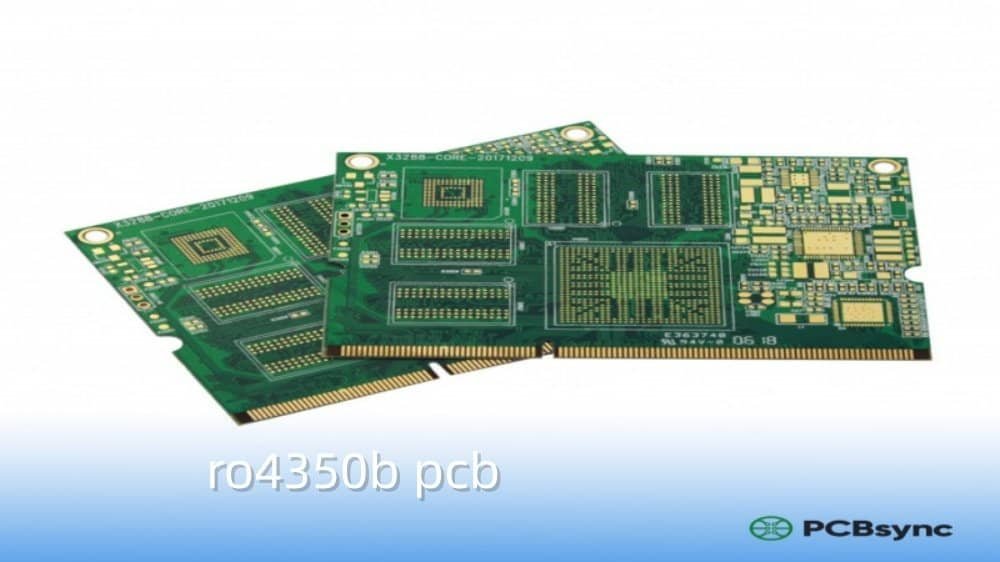
Both are Rogers high-frequency materials, but they target different applications. RO4350B has a higher Dk of 3.48 and is optimized for general microwave circuit applications. RO4700 materials specifically target antenna applications with their lower Dk options (2.55 and 3.0) and optimized PIM performance. For antenna designs, RO4700 typically provides better matched performance characteristics. For feed networks, amplifiers, or other microwave circuits, RO4350B might be more appropriate.
What frequencies can RO4700 PCB support?
RO4700 materials perform well through the typical base station frequency range from sub-GHz through 6 GHz and into the millimeter-wave region. The practical upper frequency limit depends on the specific application requirements for loss and dispersion. For most antenna applications in the 700 MHz to 6 GHz range that encompasses current 4G and sub-6 GHz 5G deployments, RO4700 delivers excellent performance. Applications above 10 GHz may benefit from evaluating both RO4700 and lower-loss PTFE alternatives to determine the best fit.
Final Thoughts
RO4700 PCB materials occupy an important position in the high-frequency laminate landscape. For antenna designers working on 4G, 5G, and IoT applications, these materials offer a practical combination of electrical performance, manufacturing simplicity, and cost effectiveness that PTFE alternatives struggle to match.
The key is understanding where RO4700 excels and where other materials might serve better. For base station antennas, RFID systems, small cells, and similar applications operating primarily below 10 GHz, RO4700 deserves serious consideration. The FR-4-compatible processing, excellent PIM performance, and thermal stability address the real-world requirements of modern wireless infrastructure.
Working successfully with RO4700 PCB materials requires attention to proper stack-up design, appropriate copper foil selection, and manufacturing partnerships with experienced fabricators. The technical resources available from Rogers and the broader industry knowledge base provide the foundation for successful implementations.
As wireless networks continue evolving toward higher frequencies and more complex antenna architectures, materials like RO4700 will play an increasingly important role in enabling the performance and economics that network operators require.
Inquire: Call 0086-755-23203480, or reach out via the form below/your sales contact to discuss our design, manufacturing, and assembly capabilities.
Quote: Email your PCB files to Sales@pcbsync.com (Preferred for large files) or submit online. We will contact you promptly. Please ensure your email is correct.
Notes: For PCB fabrication, we require PCB design file in Gerber RS-274X format (most preferred), *.PCB/DDB (Protel, inform your program version) format or *.BRD (Eagle) format. For PCB assembly, we require PCB design file in above mentioned format, drilling file and BOM. Click to download BOM template To avoid file missing, please include all files into one folder and compress it into .zip or .rar format.