Inquire: Call 0086-755-23203480, or reach out via the form below/your sales contact to discuss our design, manufacturing, and assembly capabilities.
Quote: Email your PCB files to Sales@pcbsync.com (Preferred for large files) or submit online. We will contact you promptly. Please ensure your email is correct.
Notes: For PCB fabrication, we require PCB design file in Gerber RS-274X format (most preferred), *.PCB/DDB (Protel, inform your program version) format or *.BRD (Eagle) format. For PCB assembly, we require PCB design file in above mentioned format, drilling file and BOM. Click to download BOM template To avoid file missing, please include all files into one folder and compress it into .zip or .rar format.
RetroPie vs Recalbox vs Lakka: Which Retro Gaming OS Is Best?
Building a retro gaming console was one of the first projects I tackled when I got my hands on a Raspberry Pi. What started as a weekend project turned into weeks of testing different operating systems, tweaking settings, and comparing performance across dozens of classic games. If you’re trying to decide between RetroPie, Recalbox, and Lakka Raspberry Pi setups, I’ve done the homework so you don’t have to.
The truth is, all three platforms can turn your Pi into a capable retro gaming machine. But they take fundamentally different approaches to the task, and the “best” choice depends entirely on what you want from your gaming experience. Let me break down everything I’ve learned after spending far too many hours playing Super Mario Bros and Street Fighter II in the name of research.
Before diving into comparisons, let’s establish what each operating system actually is and what philosophy drives its development.
What is RetroPie?
RetroPie is the grandfather of Raspberry Pi retro gaming. Built on top of Raspberry Pi OS, it uses EmulationStation as its frontend and provides access to a massive library of emulators through both RetroArch cores and standalone emulators.
What sets RetroPie apart is its foundation on a full Linux distribution. This means you can install additional software, access a desktop environment, and even run Kodi as a media center alongside your gaming setup. The trade-off is complexity. RetroPie offers incredible depth but requires more configuration to get everything running optimally.
What is Recalbox?
Recalbox emerged as a response to RetroPie’s complexity. The developers wanted an experience closer to a traditional gaming console: plug it in, turn it on, and start playing. Like RetroPie, it uses EmulationStation for the frontend, but with a more polished, user-friendly configuration.
Recalbox includes Kodi pre-installed and handles controller configuration automatically for most popular gamepads. It’s designed for users who want to spend more time playing games than configuring settings.
What is Lakka?
Lakka Raspberry Pi takes a completely different approach. Rather than building on a general-purpose Linux distribution, Lakka is built on LibreELEC, a minimal Linux distribution designed specifically for media center applications. It uses RetroArch directly as both its frontend and backend.
The interface mimics the PlayStation 3’s XrossMediaBar (XMB), giving Lakka a distinctly console-like feel. It’s the most lightweight of the three options and focuses purely on gaming without extra features.
Head-to-Head Comparison: The Key Metrics
Let’s examine how these three platforms stack up across the factors that matter most.
Ease of Installation and Setup
Platform
Installation Difficulty
Initial Setup Time
Out-of-Box Playability
RetroPie
Moderate
30-60 minutes
Requires configuration
Recalbox
Easy
15-20 minutes
Nearly plug-and-play
Lakka
Easy
15-20 minutes
Ready to play immediately
Recalbox and Lakka Raspberry Pi installations are remarkably similar. Download the image, flash it to an SD card using Raspberry Pi Imager or Balena Etcher, and boot your Pi. Both are now included in the official Raspberry Pi Imager’s OS selection, making the process even simpler.
RetroPie offers two installation paths: a standalone image or installation on top of existing Raspberry Pi OS. The standalone image is straightforward, but getting optimal performance often requires digging into configuration files and adjusting emulator settings.
User Interface Comparison
The interface shapes your daily interaction with the system, so it deserves careful consideration.
Platform
Frontend
UI Style
Customization
RetroPie
EmulationStation
Game-focused grid
Highly customizable themes
Recalbox
EmulationStation
Polished game grid
Good theme selection
Lakka
RetroArch (XMB/RGUI)
PS3-style horizontal menu
Limited but clean
RetroPie and Recalbox both use EmulationStation, presenting your games in an attractive grid organized by console. You can scrape metadata and box art, creating a visually impressive game library. The community has created hundreds of themes for both platforms.
Lakka Raspberry Pi uses RetroArch’s XMB interface, which resembles the PlayStation 3’s menu system. It’s clean and functional but less visually exciting than EmulationStation. The trade-off is consistency. Every emulator in Lakka uses the same interface and control scheme, eliminating the jarring transitions between different emulator frontends.
Emulator Support and Game Compatibility
This is where the rubber meets the road for most users.
Console/System
RetroPie
Recalbox
Lakka
NES/Famicom
Excellent
Excellent
Excellent
SNES
Excellent
Excellent
Excellent
Sega Genesis/Mega Drive
Excellent
Excellent
Excellent
Game Boy/Color/Advance
Excellent
Excellent
Excellent
PlayStation 1
Excellent
Excellent
Excellent
Nintendo 64
Good
Good
Good
Dreamcast
Moderate
Moderate
Moderate
PSP
Moderate
Moderate
Moderate
Arcade (MAME)
Excellent
Good
Good
DOS Games
Excellent
Good
Good
All three platforms handle the 8-bit and 16-bit eras flawlessly on any Raspberry Pi 3 or newer. The differences become apparent with more demanding systems.
RetroPie has a slight edge in emulator variety because it supports both RetroArch cores and standalone emulators. For example, you can use the lr-mupen64plus core for Nintendo 64 games or switch to the standalone Mupen64Plus if you encounter issues.
Recalbox curates its emulator selection more carefully, prioritizing stability over bleeding-edge options. This means fewer choices but generally better out-of-box performance.
Lakka Raspberry Pi is limited to RetroArch cores only. While this covers most gaming needs, you won’t find standalone emulators if a particular core doesn’t work well for your games.
Performance and Resource Usage
Running on the same hardware, these operating systems deliver noticeably different performance characteristics.
Metric
RetroPie
Recalbox
Lakka
Boot Time (Pi 4)
35-45 seconds
25-35 seconds
20-30 seconds
RAM Usage (Idle)
150-200MB
120-160MB
80-120MB
SD Card Space (Fresh)
2.5-3GB
2-2.5GB
500MB-1GB
CPU Overhead
Higher
Moderate
Lowest
Lakka Raspberry Pi wins the efficiency contest decisively. Its minimal footprint means more system resources are available for actual emulation, which can matter for demanding games on older Pi models.
RetroPie’s larger footprint comes from running on a full Raspberry Pi OS installation. The overhead rarely impacts gameplay on a Pi 4, but users with older hardware might notice the difference.
Controller Support: Getting Your Gamepad Working
Nothing kills the retro gaming mood faster than fighting with controller configuration.
RetroPie Controller Configuration
RetroPie uses a combination of EmulationStation’s input configuration and RetroArch’s own controller settings. When you first boot, EmulationStation prompts you to configure your controller button by button. This configuration applies to navigation but may need adjustment for specific emulators.
The system supports virtually any controller, but some require manual configuration file editing. USB controllers generally work better than Bluetooth options out of the box.
Recalbox Controller Configuration
Recalbox shines here with excellent automatic controller detection. Most popular controllers including Xbox One, PlayStation 4/5, and 8BitDo gamepads work immediately upon connection. The system maintains a database of controller configurations that it applies automatically.
For unsupported controllers, Recalbox provides a straightforward mapping interface through its settings menu.
Lakka Controller Configuration
Lakka Raspberry Pi implements RetroArch’s automatic joypad configuration system. When you connect a recognized controller, a yellow message appears confirming detection. The system supports hundreds of controllers out of the box, including most Xbox, PlayStation, and third-party gamepads.
What makes Lakka special is controller consistency across all emulators. Configure once, play everywhere. The controls work identically whether you’re playing NES, SNES, or PlayStation games.
Controller
RetroPie
Recalbox
Lakka
Xbox One/Series
Good (may need setup)
Excellent
Excellent
PS4 DualShock 4
Good (Bluetooth tricky)
Excellent
Excellent
PS5 DualSense
Moderate
Good
Good
8BitDo Controllers
Excellent
Excellent
Excellent
Generic USB Gamepads
Good
Good
Excellent
Keyboard
Excellent
Good
Good
Advanced Features Worth Considering
Beyond basic gameplay, each platform offers unique capabilities.
RetroPie Exclusive Features
RetroPie provides the most expandability of the three options:
Full Raspberry Pi OS access for additional software
Kodi media center integration
ScummVM for classic adventure games
DOSBox for MS-DOS games
Runcommand system for per-game settings
Extensive theming options with thousands of community themes
SSH and Samba file sharing built-in
Recalbox Exclusive Features
Recalbox focuses on polish and convenience:
Pre-configured Kodi media center
Built-in game scraper with metadata
Netplay for online multiplayer
Achievement support through RetroAchievements
Web-based configuration interface
Automatic controller configuration
Multiple language support out of the box
Lakka Exclusive Features
Lakka Raspberry Pi emphasizes performance and consistency:
Fastest boot time of the three platforms
Unified settings across all emulators
Rewind feature (go back in time during gameplay)
Sophisticated shader support for CRT effects
Save states with thumbnails
Extensive video and audio tweaking options
Cross-platform compatibility (same interface on any supported hardware)
Not all retro gaming platforms support all Pi models equally.
Pi Model
RetroPie
Recalbox
Lakka
Raspberry Pi 5
Unofficial (compile required)
Supported
Supported
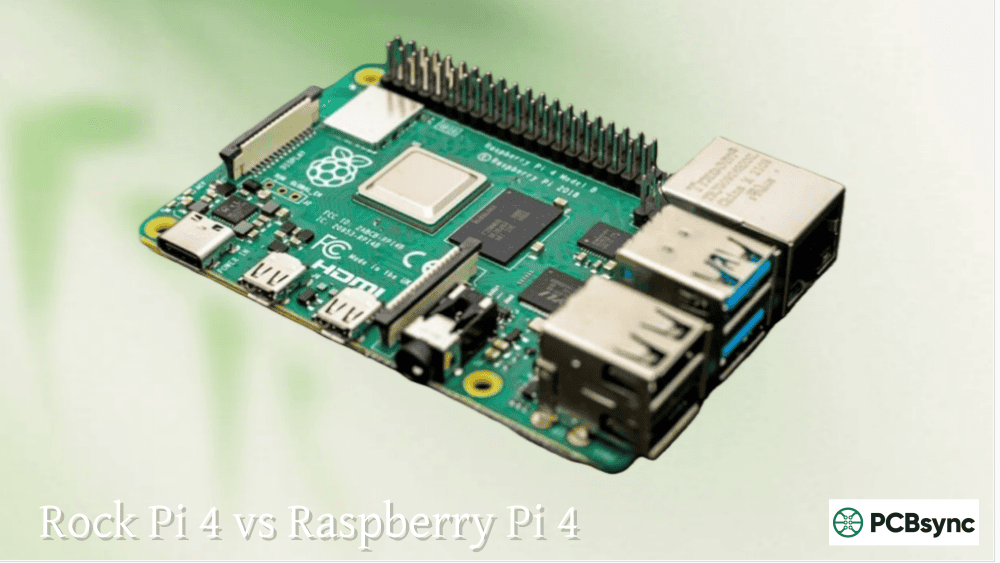
Raspberry Pi 4
Official
Official
Official
Raspberry Pi 3B+
Official
Official
Official
Raspberry Pi 3
Official
Official
Official
Raspberry Pi 2
Official
Official
Official
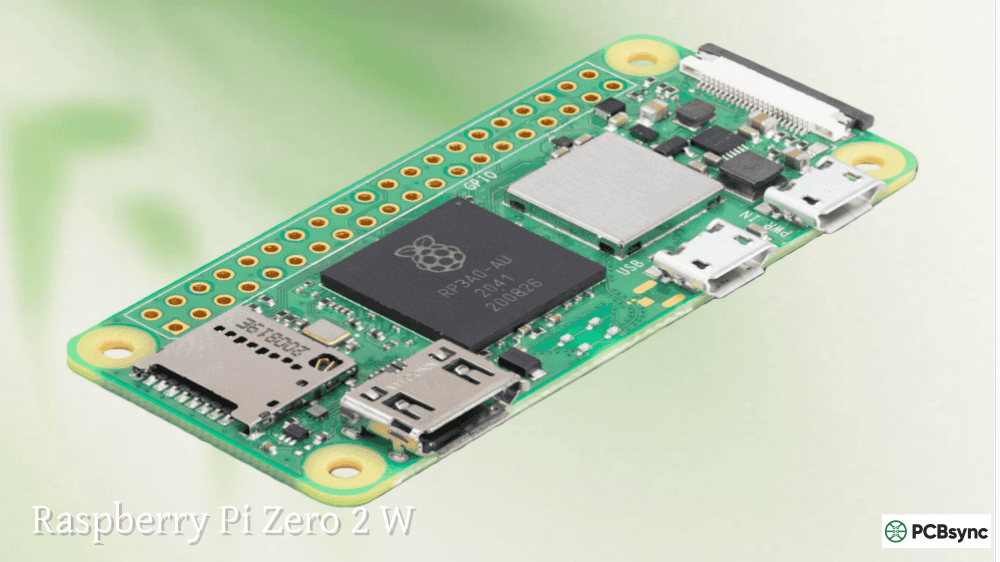
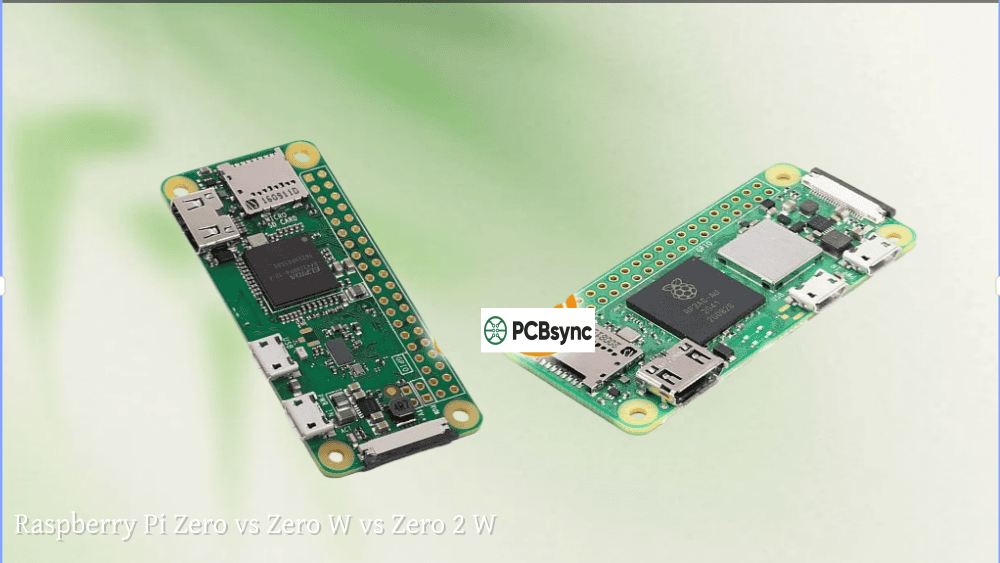
Raspberry Pi Zero 2 W
Official
Official
Official
Raspberry Pi Zero W
Official
Official
Official
Raspberry Pi 1
Official
Official
Official
Lakka Raspberry Pi and Recalbox have been faster to support new Pi models, including the Raspberry Pi 5. RetroPie development has slowed somewhat, with the team late to release official Pi 5 support. You can compile RetroPie manually for the Pi 5, but it requires technical knowledge and patience.
Which Platform Should You Choose?
After extensive testing, here are my recommendations based on different user profiles.
Choose RetroPie If:
You want maximum control and customization. RetroPie is ideal for tinkerers who enjoy optimizing every aspect of their system. The extensive documentation and massive community mean you’ll find answers to virtually any question.
RetroPie also makes sense if you plan to use your Pi for more than gaming. Want a media center, file server, and retro gaming console in one device? RetroPie’s Raspberry Pi OS foundation makes this possible.
Choose Recalbox If:
You want the console experience without the complexity. Recalbox gets you playing games faster with less configuration. It’s the best choice for building a system for family members who don’t want to navigate technical menus.
The built-in Kodi integration and automatic controller setup make Recalbox feel like a commercial product rather than a DIY project.
Choose Lakka If:
You prioritize performance and consistency above all else. Lakka Raspberry Pi is the lightest and fastest option, making it ideal for older Pi models or users who want the snappiest experience possible.
Lakka also excels for users who want their retro gaming experience to feel like a dedicated console. The unified interface and consistent controls across all emulators create a polished, professional feel.
Useful Resources for Retro Gaming
Here are essential resources for getting started with any of these platforms:
Resource
URL
Description
RetroPie Downloads
retropie.org.uk
Official images and documentation
RetroPie Wiki
github.com/RetroPie/RetroPie-Setup/wiki
Comprehensive setup guides
Recalbox Downloads
recalbox.com
Official images for all platforms
Recalbox Wiki
wiki.recalbox.com
Installation and configuration guides
Lakka Downloads
lakka.tv
Images for all supported hardware
Lakka Documentation
lakka.tv/doc
Setup and troubleshooting guides
RetroAchievements
retroachievements.org
Achievement support for retro games
Libretro
libretro.com
RetroArch cores and documentation
EmuParadise
Alternative ROM sites
Game acquisition (research legal options)
Frequently Asked Questions
Can I switch between RetroPie, Recalbox, and Lakka without losing my games?
Yes, but you’ll need separate SD cards for each system. Your ROM files can be stored on an external USB drive and shared between systems. However, save states and configuration files are not compatible between platforms.
Which platform performs best on the Raspberry Pi 5?
Lakka Raspberry Pi and Recalbox currently offer the best Pi 5 support with official images. Both handle demanding emulators like Dreamcast, PSP, and Nintendo 64 smoothly. RetroPie requires manual compilation for Pi 5, which may introduce stability issues.
Do I need to configure each emulator separately?
In RetroPie, some emulators benefit from individual configuration. Recalbox handles most configuration automatically. Lakka uses unified settings across all emulators, requiring the least per-game adjustment.
Can I play multiplayer games on these platforms?
Yes, all three platforms support local multiplayer with multiple controllers. Recalbox and Lakka offer netplay functionality for online multiplayer through RetroArch’s networking features. RetroPie also supports netplay for compatible emulators.
Which platform has the best community support?
RetroPie has the largest and most active community, with extensive forums, documentation, and YouTube tutorials. Recalbox has a growing community with good official documentation. Lakka’s community is smaller but benefits from the broader RetroArch community resources.
The Verdict: My Personal Recommendation
After years of using all three platforms across multiple projects, I’ve settled on different choices for different situations.
For my living room gaming setup connected to a TV, I run Recalbox. The polish, automatic controller detection, and integrated Kodi make it perfect for casual gaming sessions with friends and family.
For my dedicated retro gaming portable build, I use Lakka Raspberry Pi. The lightweight footprint maximizes battery life, and the consistent interface works perfectly with a single controller.
For my workshop Pi that doubles as a development machine and occasional gaming platform, RetroPie makes the most sense. The full Raspberry Pi OS underneath lets me run other software when I’m not gaming.
The beauty of the Raspberry Pi ecosystem is that switching costs nothing but time. Flash a different SD card, and you have a completely different gaming experience. Try all three, spend a weekend with each, and let your gaming habits guide your final choice.
Now stop reading and go play some games. Those childhood classics aren’t going to speedrun themselves.
Suggested Meta Descriptions:
Option 1 (155 characters): RetroPie vs Recalbox vs Lakka compared for Raspberry Pi retro gaming. Performance, features, controller support, and expert recommendations for each platform.
Option 2 (152 characters): Which retro gaming OS is best? Complete RetroPie, Recalbox, and Lakka Raspberry Pi comparison with setup guides, emulator support, and performance benchmarks.
Option 3 (148 characters): Build the ultimate retro gaming console with RetroPie, Recalbox, or Lakka. Detailed comparison of features, ease of use, and Raspberry Pi compatibility.
Inquire: Call 0086-755-23203480, or reach out via the form below/your sales contact to discuss our design, manufacturing, and assembly capabilities.
Quote: Email your PCB files to Sales@pcbsync.com (Preferred for large files) or submit online. We will contact you promptly. Please ensure your email is correct.
Notes: For PCB fabrication, we require PCB design file in Gerber RS-274X format (most preferred), *.PCB/DDB (Protel, inform your program version) format or *.BRD (Eagle) format. For PCB assembly, we require PCB design file in above mentioned format, drilling file and BOM. Click to download BOM template To avoid file missing, please include all files into one folder and compress it into .zip or .rar format.