Inquire: Call 0086-755-23203480, or reach out via the form below/your sales contact to discuss our design, manufacturing, and assembly capabilities.
Quote: Email your PCB files to Sales@pcbsync.com (Preferred for large files) or submit online. We will contact you promptly. Please ensure your email is correct.
Notes: For PCB fabrication, we require PCB design file in Gerber RS-274X format (most preferred), *.PCB/DDB (Protel, inform your program version) format or *.BRD (Eagle) format. For PCB assembly, we require PCB design file in above mentioned format, drilling file and BOM. Click to download BOM template To avoid file missing, please include all files into one folder and compress it into .zip or .rar format.
RetroPie Setup Guide 2026: From Zero to Retro Gaming Hero
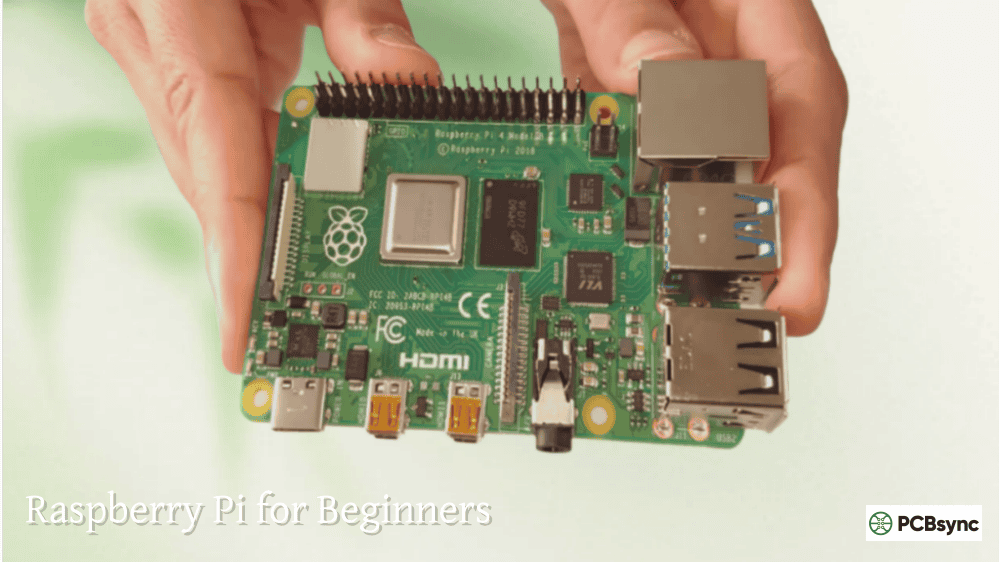
There’s something magical about firing up classic games from your childhood on a tiny computer that fits in your palm. I’ve built more retropie raspberry pi systems than I can count—arcade cabinets, handheld consoles, living room setups—and the process never gets old. This comprehensive retropie tutorial takes you from complete beginner to fully operational retro gaming station.
Whether you’re chasing high scores on Pac-Man, speedrunning Super Mario Bros., or rediscovering PlayStation classics, this retropie setup guide covers everything you need to transform your Raspberry Pi into the ultimate gaming machine.
Before diving into the retropie setup process, let’s understand what we’re working with.
RetroPie is a free software package that transforms your Raspberry Pi into a retro gaming console. It combines several powerful open-source projects into one cohesive system:
Component
Function
EmulationStation
The visual front-end (menu system)
RetroArch
Multi-system emulator framework
Individual Emulators
System-specific emulation (MAME, Mupen64, etc.)
RetroPie Setup Script
Configuration and management tool
When you boot a RetroPie system, you see EmulationStation—the attractive game browser interface. When you launch a game, RetroArch or a standalone emulator takes over to run the actual game.
Key Terminology for Beginners
Term
Definition
Emulator
Software that mimics another system’s hardware
ROM
Digital copy of a game cartridge or disc
BIOS
System files some emulators need to run
Core
RetroArch’s name for individual emulator modules
Scraper
Tool that downloads game artwork and descriptions
Frontend
The visual menu system (EmulationStation)
Choosing the Right Hardware
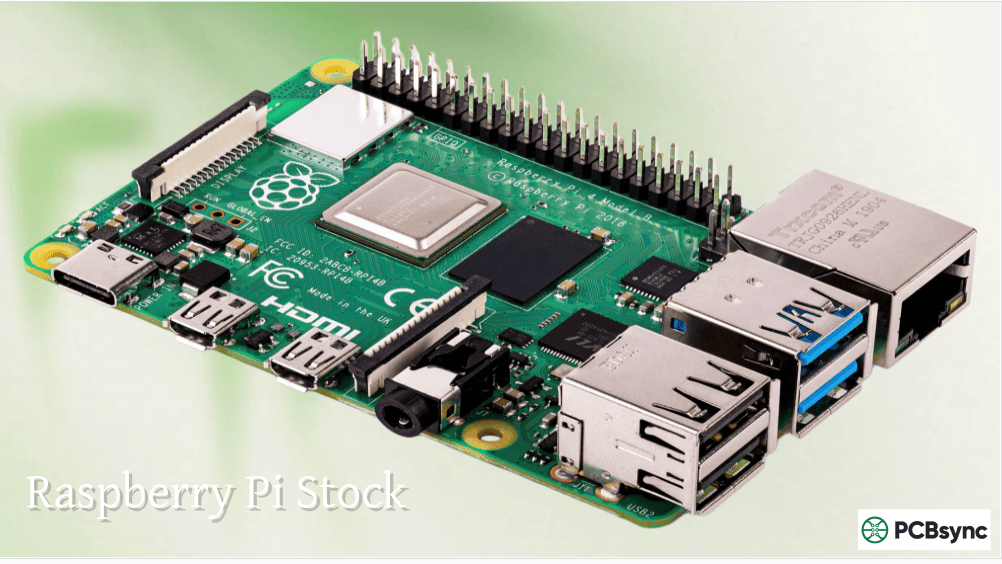
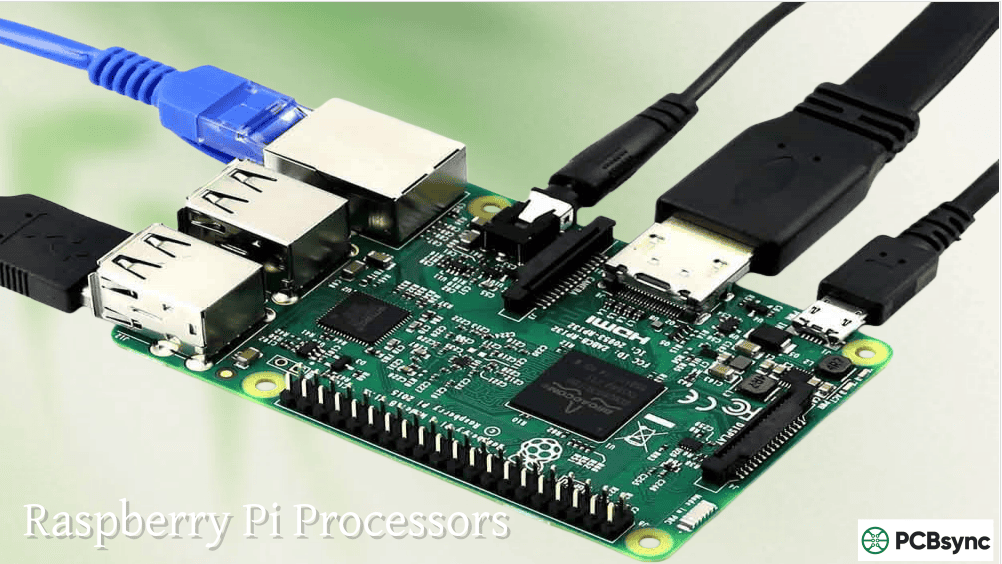
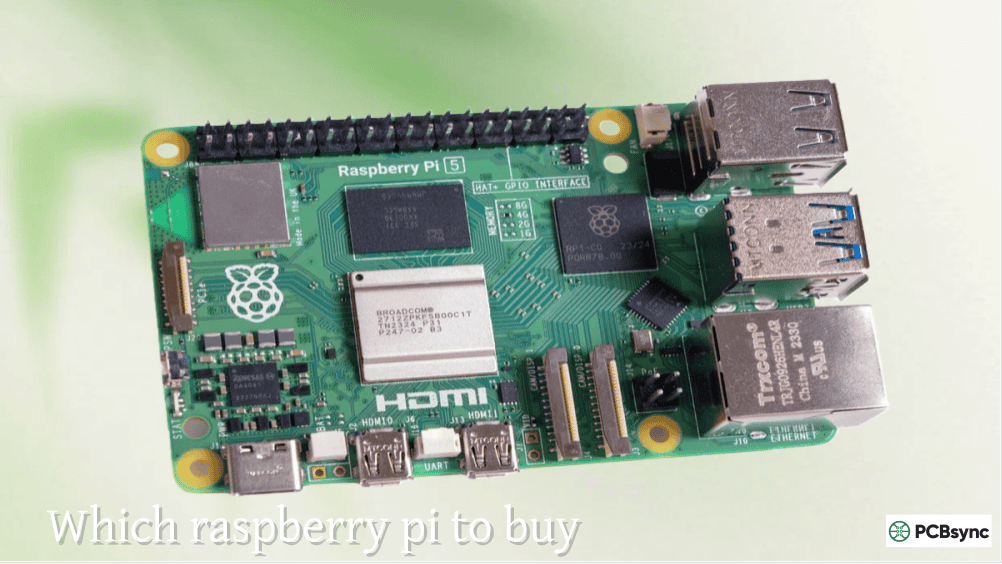
The Raspberry Pi model you choose significantly impacts which systems you can emulate smoothly.
Raspberry Pi Model Comparison for RetroPie
Pi Model
Best For
Max Emulation
Notes
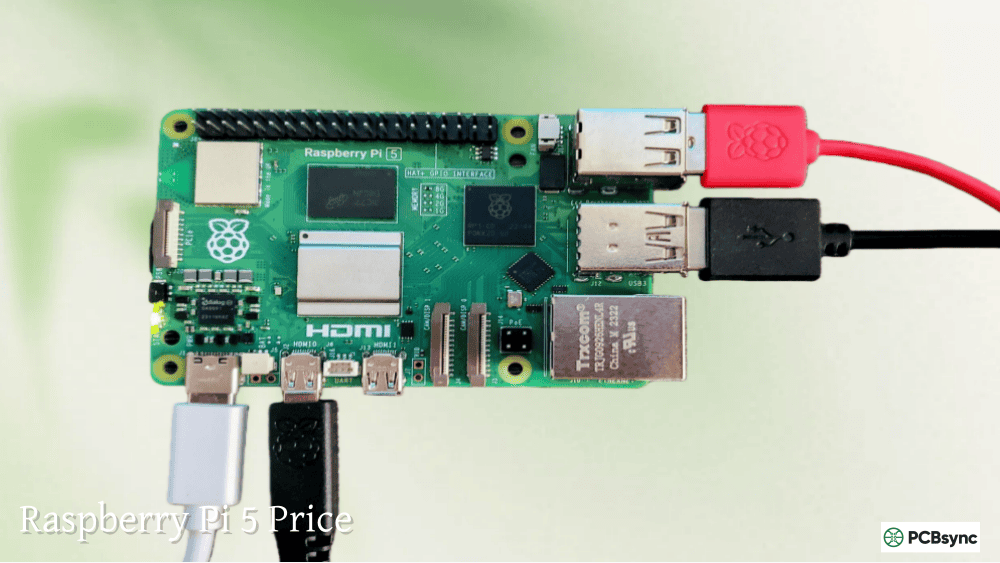
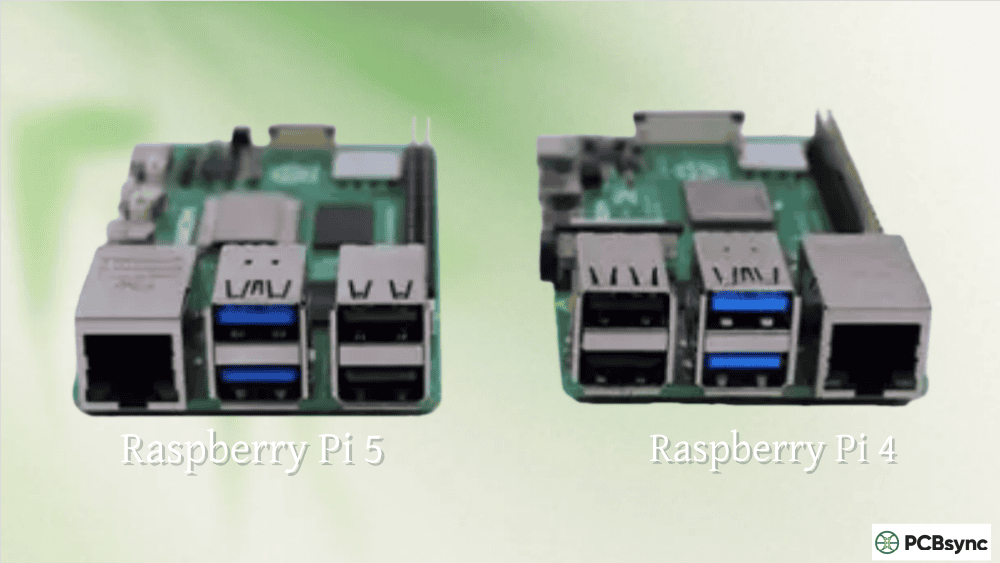
Pi 5 (4GB/8GB)
Power users
PS2/GameCube (limited)
Manual install required
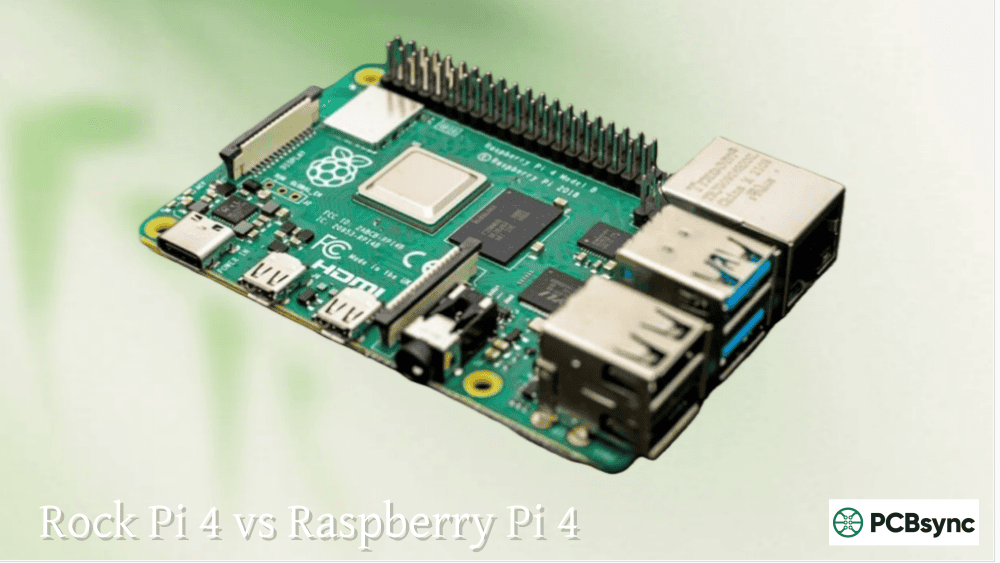
Pi 4 (4GB)
Most users
Dreamcast/PSP
Sweet spot for price/performance
Pi 4 (2GB)
Budget builds
N64/PS1
Sufficient for most retro gaming
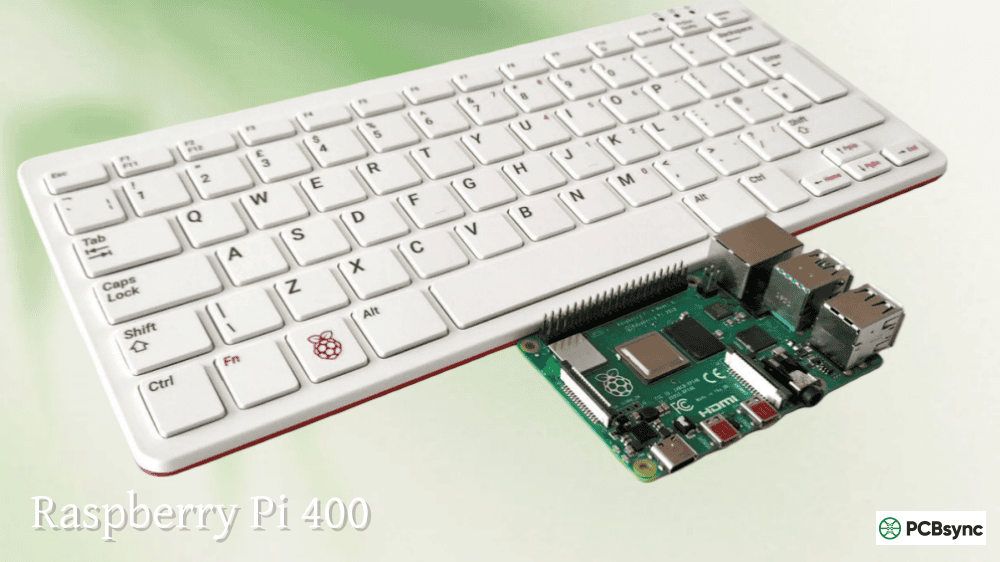
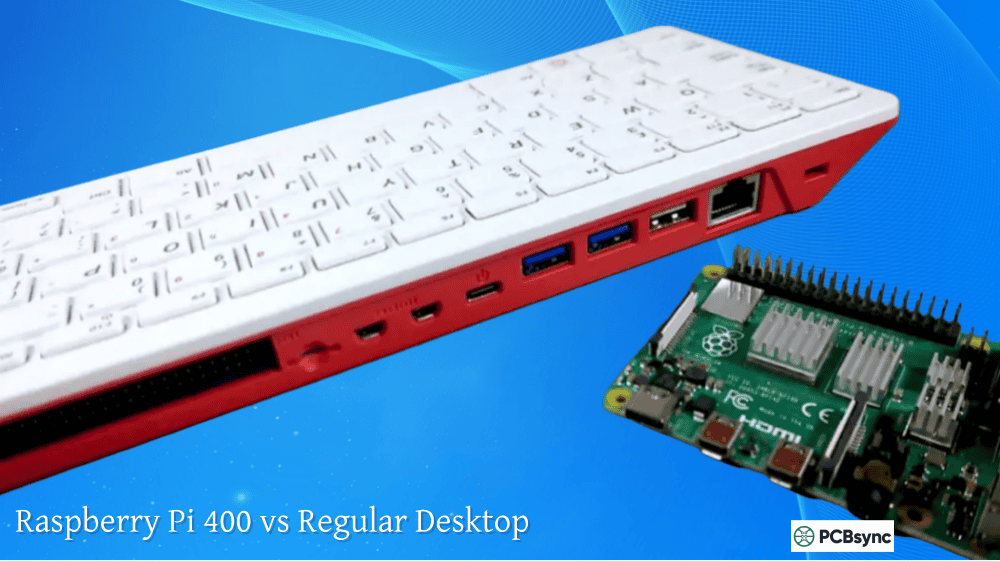
Pi 400
Desktop setups
Same as Pi 4
Built-in keyboard
Pi 3 B+
Basic retro
PS1 (some games)
8/16-bit consoles perfect
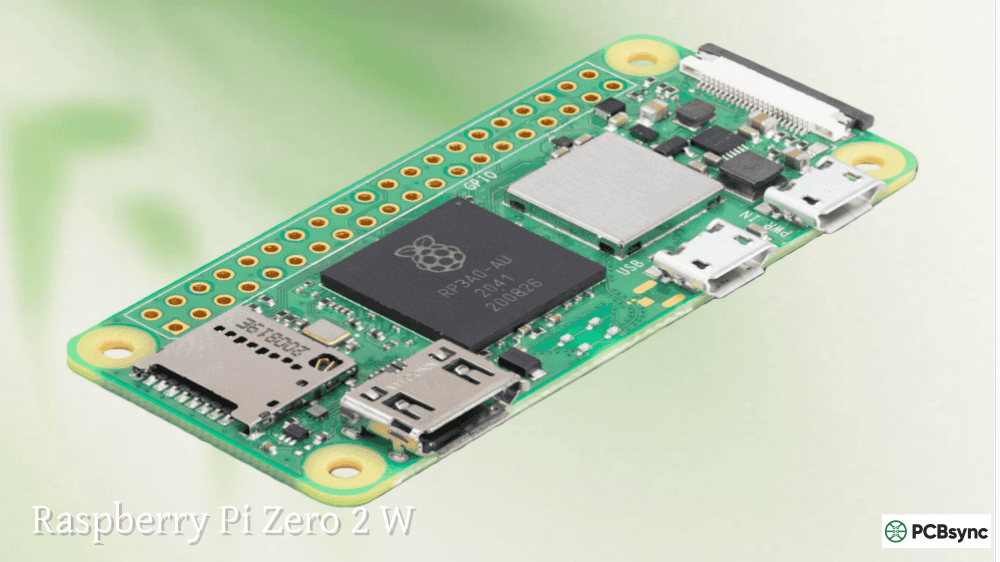
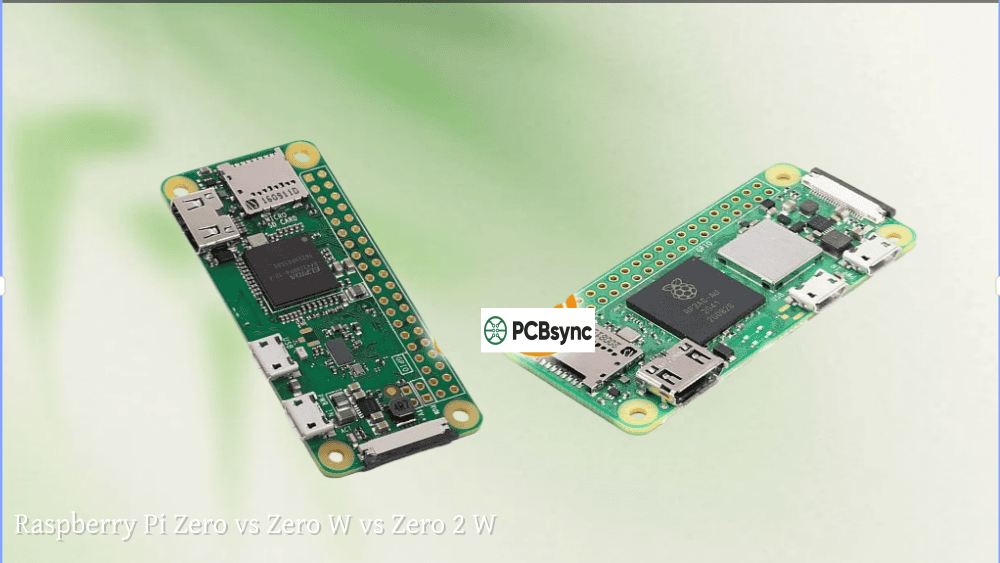
Pi Zero 2 W
Portable builds
SNES/Genesis
Low power, compact
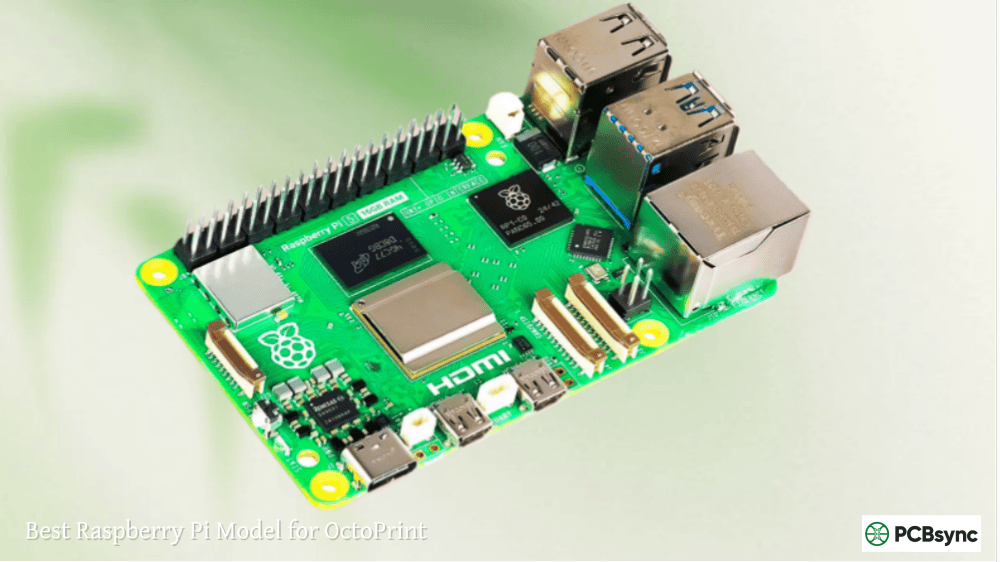
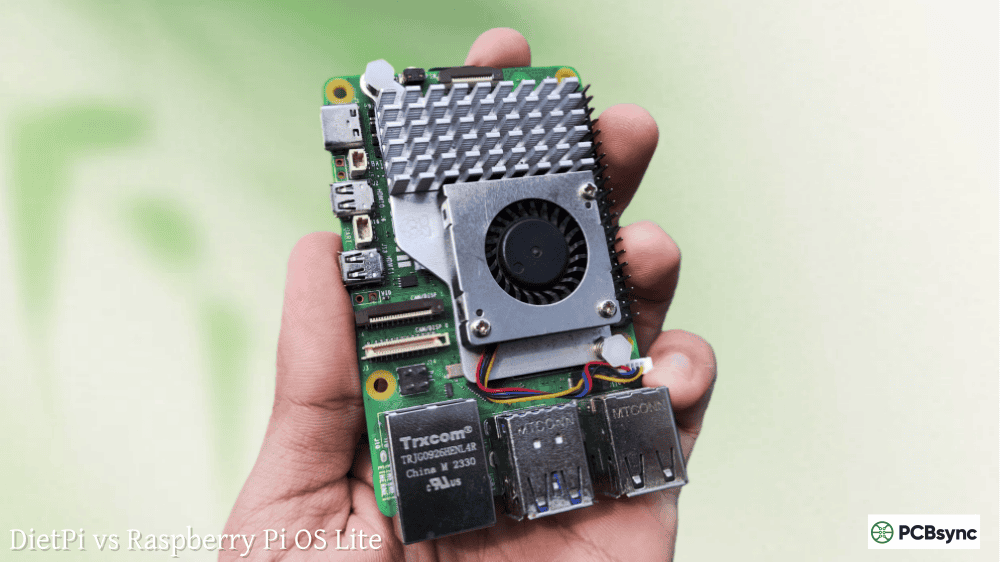
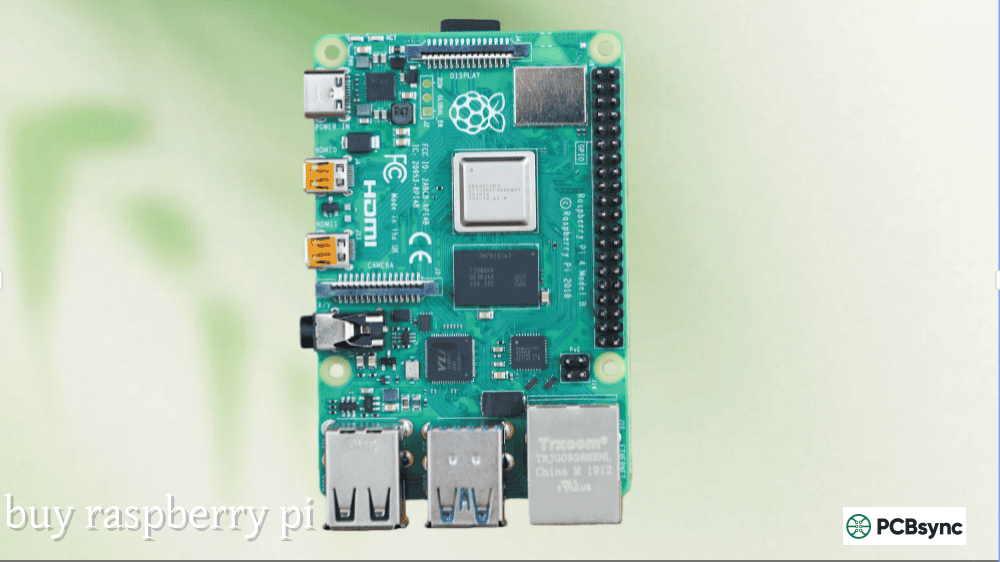
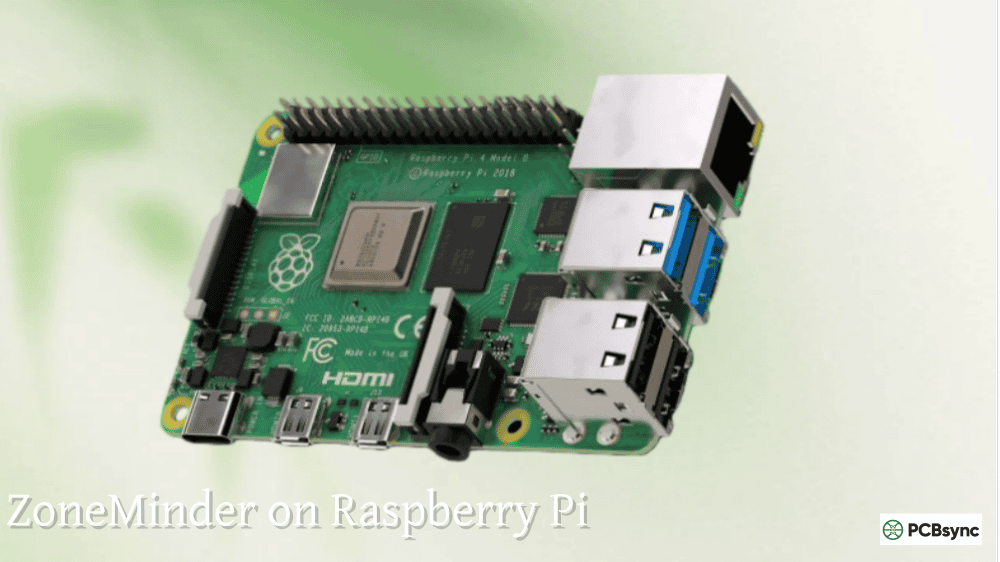
My recommendation: The Raspberry Pi 4 with 4GB RAM offers the best balance. It handles everything through PlayStation 1 flawlessly, runs most N64 and Dreamcast titles, and costs around $55.
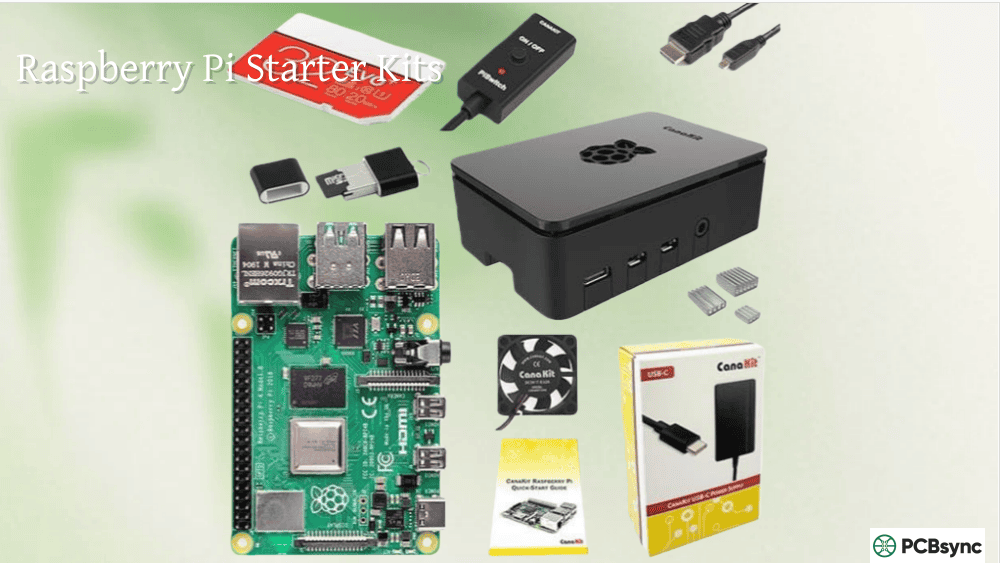
Complete Shopping List
Component
Minimum
Recommended
Purpose
Raspberry Pi
Pi 3 B+
Pi 4 (4GB)
The brain
MicroSD Card
32GB Class 10
64GB+ A2 rated
OS and game storage
Power Supply
5V/2.5A (Pi 3)
5V/3A (Pi 4)
Stable power crucial
HDMI Cable
Any
Micro-HDMI for Pi 4/5
Display connection
Case
Basic
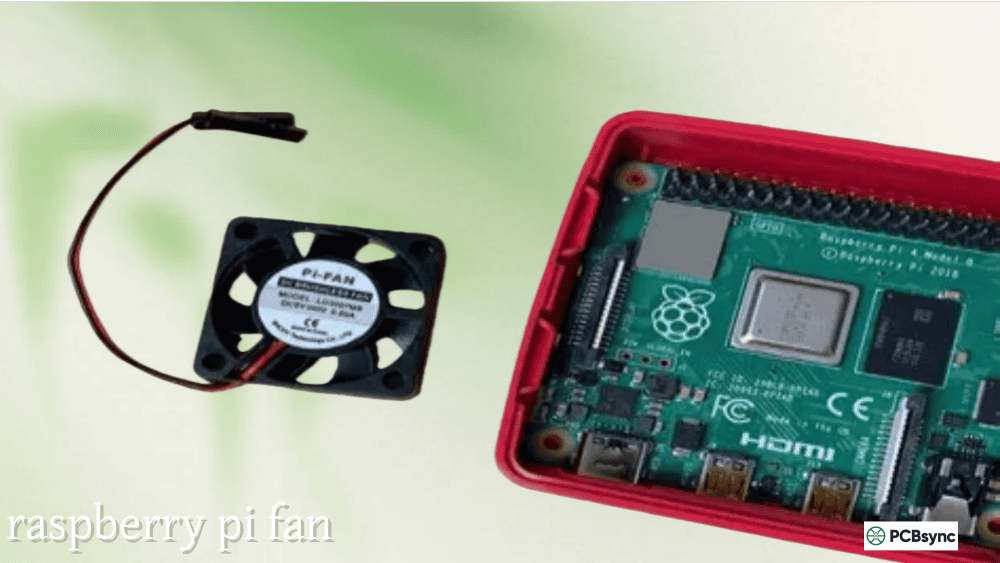
Heatsink case
Cooling for extended sessions
Controller
Any USB gamepad
8BitDo/Xbox/PS controller
Game input
Controller Options for RetroPie
Choosing the right controller enhances your gaming experience dramatically.
Controller
Connection
Best For
Price Range
8BitDo SN30 Pro+
Bluetooth/USB
SNES-era games
$45-50
8BitDo Pro 2
Bluetooth/USB
Multi-system
$50
Xbox Wireless
Bluetooth/USB
Modern feel
$50-60
PS4 DualShock
Bluetooth/USB
PS1 games
$40-60
iBuffalo SNES
USB
Authentic SNES
$15-20
Logitech F310
USB
Budget option
$15-20
Pro tip: Wired USB controllers eliminate input lag and pairing hassles. Bluetooth works well but requires initial setup.
Installation Methods: Pre-Built Image vs. Manual Install
You have two paths to getting RetroPie running on your Pi.
Method 1: Pre-Built Image (Easiest)
RetroPie provides ready-to-flash images for Pi 0/1, Pi 2/3, and Pi 4. This is the recommended approach for most users.
Supported Pi models: Pi 0, 1, 2, 3, 3B+, 4, 400
Not supported (pre-built): Pi 5 (requires manual install)
Method 2: Manual Installation (Required for Pi 5)
For Raspberry Pi 5 or users who want the latest updates, install RetroPie on top of Raspberry Pi OS.
Method
Difficulty
Best For
Pre-Built Image
Easy
Pi 4, Pi 3, beginners
Manual Install
Moderate
Pi 5, latest features
Step-by-Step RetroPie Setup (Pre-Built Image)
Let’s walk through the complete retropie setup process using the pre-built image method.
Step 1: Download Raspberry Pi Imager
Visit raspberrypi.com/software
Download Raspberry Pi Imager for your computer (Windows, Mac, Linux)
Install and launch the application
Step 2: Flash RetroPie to Your SD Card
Insert your microSD card into your computer
Open Raspberry Pi Imager
Click “Choose Device” → Select your Pi model
Click “Choose OS” → “Emulation and game OS” → “RetroPie”
Select the version matching your Pi (Pi 4/400, Pi 2/3, etc.)
Click “Choose Storage” → Select your SD card
Important: Click the gear icon to configure:
Set hostname (e.g., “retropie”)
Configure Wi-Fi credentials
Enable SSH for remote access
Set username and password
Click “Write” and wait for completion
Safely eject the SD card
Step 3: First Boot
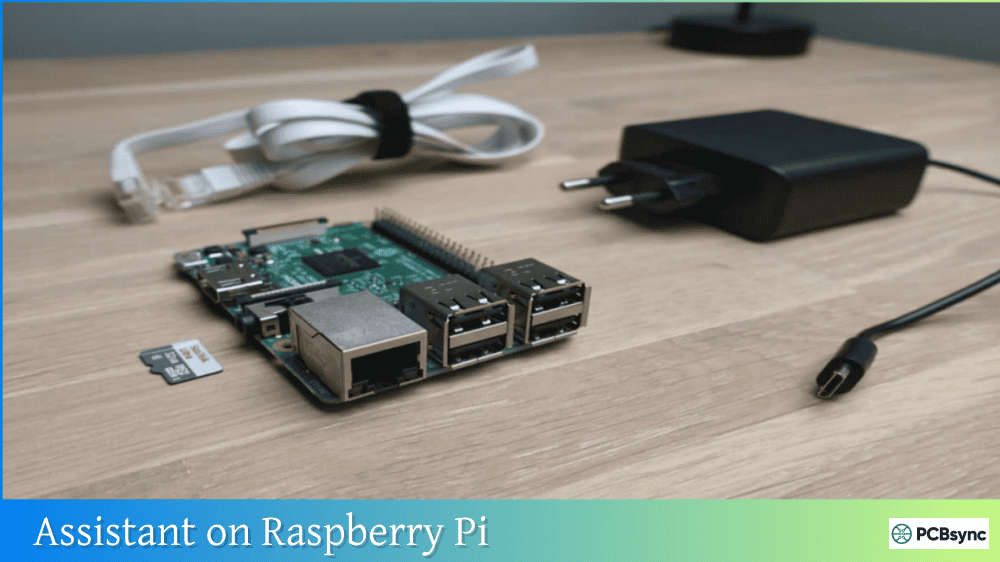
Insert the SD card into your Raspberry Pi
Connect HDMI to your TV/monitor
Connect your controller or keyboard
Connect power
RetroPie boots to the EmulationStation welcome screen.
Step 4: Configure Your Controller
On first boot, EmulationStation prompts you to configure a controller:
Hold any button on your controller to begin
Follow on-screen prompts to map each button
Press and hold a button to skip inputs you don’t have
When prompted for “Hotkey Enable,” choose SELECT
Hotkey combinations (with SELECT as hotkey):
Combo
Function
SELECT + START
Exit game
SELECT + R1
Save state
SELECT + L1
Load state
SELECT + Right
Fast forward
SELECT + X
RetroArch menu
Step 5: Connect to Network
For transferring games and updates, you need network access:
From the RetroPie menu, select “WIFI”
Choose “Connect to WiFi network”
Select your network and enter password
Note the IP address shown (you’ll need this later)
Alternatively, connect an Ethernet cable for automatic connection.
Step-by-Step RetroPie Setup (Manual Install for Pi 5)
The Raspberry Pi 5 doesn’t have a pre-built RetroPie image, so manual installation is required.
Step 1: Install Raspberry Pi OS
Open Raspberry Pi Imager
Choose “Raspberry Pi OS (64-bit)” — the Lite version is recommended
RetroPie itself is completely legal—it’s open-source software containing emulators. The legal gray area involves ROMs. You should only use ROMs for games you physically own. BIOS files are copyrighted and must be dumped from your own hardware. RetroPie doesn’t include any copyrighted games or BIOS files.
Which Raspberry Pi is best for RetroPie?
The Raspberry Pi 4 with 4GB RAM is currently the best choice for most users building a retropie raspberry pi system. It handles everything through PlayStation 1 perfectly, runs most N64 and Dreamcast games, and offers excellent value. The Pi 5 is more powerful but requires manual installation since no pre-built image exists yet.
Can RetroPie play PlayStation 2 or GameCube games?
Technically, yes—but performance is limited. The Raspberry Pi 5 can run some PS2 and GameCube games through experimental emulators, but don’t expect full compatibility. For reliable PS2/GameCube emulation, a PC is still recommended. RetroPie excels at systems up through PlayStation 1, N64, and Dreamcast.
How do I update RetroPie?
From the RetroPie menu, go to RETROPIE SETUP → Update RetroPie-Setup script (do this first), then select “Update all installed packages.” This updates both RetroPie and all emulators. For major version upgrades, a fresh install is sometimes recommended to avoid conflicts.
Why are my N64 games running slowly?
Nintendo 64 emulation is demanding. Try these fixes: First, switch emulators—try lr-mupen64plus-next or mupen64plus-GLideN64. Second, reduce resolution in emulator settings. Third, overclock your Pi if using adequate cooling. Fourth, some games simply run better than others—compatibility varies by title. Finally, ensure your power supply provides adequate voltage.
Advanced Projects and Next Steps
Once you’ve mastered the basics, consider these advanced projects:
Arcade Cabinet Build
Transform your retropie raspberry pi into a full arcade cabinet with:
Arcade buttons and joystick (encoder kit)
Custom cabinet (wood or pre-made)
Marquee and bezel artwork
T-molding and coin door (optional)
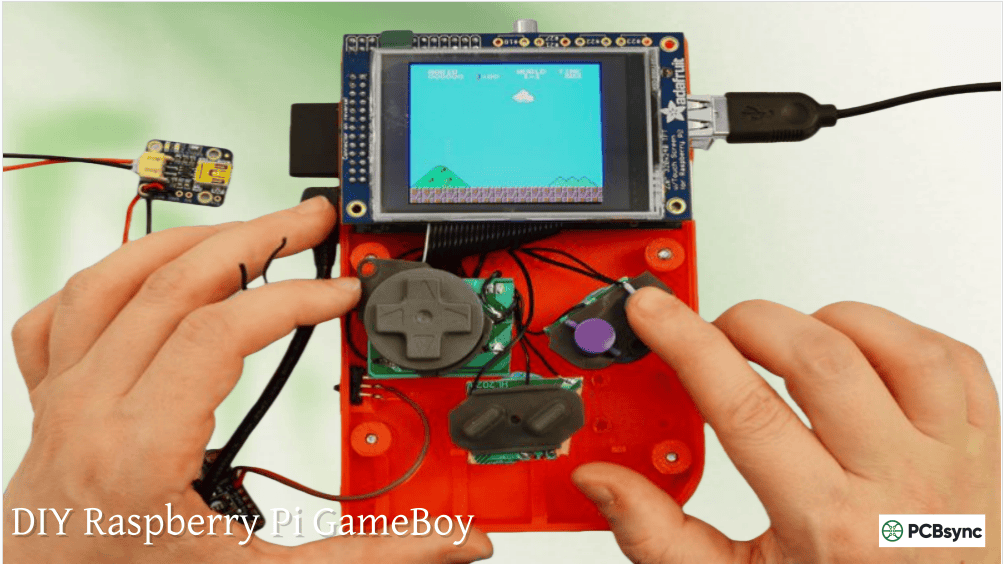
Portable Handheld
Build a portable gaming system using:
Raspberry Pi Zero 2 W
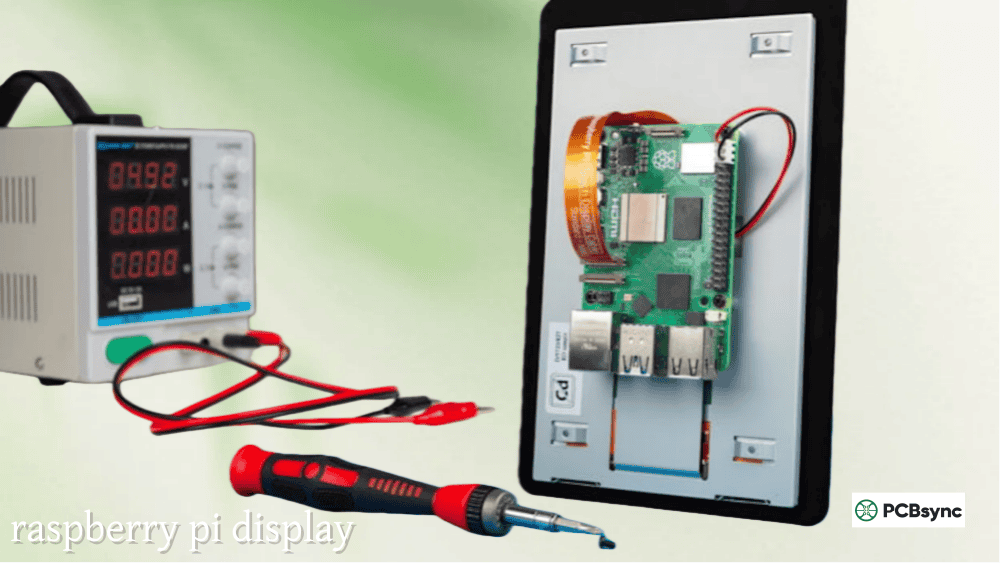
3.5″ or 5″ display
LiPo battery and charging circuit
3D-printed case (Freeplay, PiBoy, or custom)
Small speakers and amp
Kodi Integration
Run both RetroPie and Kodi on the same system:
Install Kodi from RetroPie optional packages
Kodi appears as an option in EmulationStation
Switch between gaming and media center seamlessly
System-Specific Configuration Tips
Different gaming systems have unique quirks in RetroPie. Here’s how to get the best experience from each.
NES and SNES
These systems run perfectly on any Pi model with virtually no configuration needed.
Setting
Recommendation
Emulator
lr-fceumm (NES), lr-snes9x2010 (SNES)
Video
Integer scaling for crisp pixels
Shaders
CRT shaders optional for authenticity
Sega Genesis/Mega Drive
The Genesis emulator defaults to 3-button mode. For 6-button games:
Launch a game and press SELECT + X
Navigate to Quick Menu → Options
Set input device to “6 button pad”
Save core override
Nintendo 64
N64 emulation is demanding. Optimize with these settings:
Game Type
Recommended Emulator
Most games
lr-mupen64plus-next
Problem games
mupen64plus-GLideN64
Low-spec Pi
lr-mupen64plus (lower accuracy)
Games like GoldenEye and Perfect Dark require specific plugins—check the RetroPie docs for per-game settings.
PlayStation 1
PS1 runs excellently on Pi 4. For best results:
Use the correct BIOS file (SCPH1001 recommended)
Place BIOS in ~/RetroPie/BIOS
Enable “Enhanced Resolution” for sharper graphics
Multi-disc games need an M3U playlist file
Arcade (MAME) Games
MAME is notoriously version-sensitive. The ROM version must match the emulator version:
Pi Model
MAME Version
ROM Set
Pi 0/1
lr-mame2000
0.37b5
Pi 2/3/4
lr-mame2003
0.78
Pi 4/5
lr-mame2010
0.139
Pro tip: If a game doesn’t work, try changing the emulator in the runcommand menu (press any button before the game loads).
Neo Geo
Neo Geo requires special attention:
Place neogeo.zip in both ~/RetroPie/BIOS AND ~/RetroPie/roms/neogeo
Keep game ROMs as .zip files (don’t extract)
If games fail, try different emulators (lr-fbalpha, lr-fbneo)
Save States and Game Saves
RetroPie supports both save states (instant saves) and traditional in-game saves.
Save State Hotkeys
Action
Default Hotkey
Save state
SELECT + R1
Load state
SELECT + L1
Next save slot
SELECT + Right
Previous save slot
SELECT + Left
Managing Save Files
Save files are stored in:
Save states: ~/RetroPie/saves/[system]/
In-game saves: Same location or ~/RetroPie/roms/[system]/
Backup tip: Regularly copy your saves folder to preserve progress.
Network Features
RetroPie Web Manager
Monitor and manage your system via web browser:
Install from optional packages (retropie-manager)
Access via http://[your-pi-ip]:8000
Upload ROMs, BIOS files, and monitor system stats
Retroachievements
Earn achievements in classic games:
Create account at retroachievements.org
In RetroArch: Settings → Achievements
Enter your credentials
Enable achievements
Achievements work with most RetroArch cores for supported systems.
Backup and Recovery
Protect your configuration with regular backups.
Creating a Full Backup
Shut down your Pi safely
Remove the SD card
Use Win32DiskImager or Raspberry Pi Imager to create an image
Building a retropie setup is one of the most rewarding Raspberry Pi projects you can undertake. From the moment you hear that classic startup chime to finally beating that boss you never could as a kid, the experience delivers pure gaming nostalgia.
This retropie tutorial covered everything from hardware selection through advanced customization, but the real fun begins when you start playing. Don’t get too caught up in perfect configurations—the goal is gaming, after all.
Start simple with a basic install and a few favorite games. Add more systems and features as you learn. Before long, you’ll have a retropie raspberry pi system that rivals commercial retro consoles at a fraction of the cost.
Inquire: Call 0086-755-23203480, or reach out via the form below/your sales contact to discuss our design, manufacturing, and assembly capabilities.
Quote: Email your PCB files to Sales@pcbsync.com (Preferred for large files) or submit online. We will contact you promptly. Please ensure your email is correct.
Notes: For PCB fabrication, we require PCB design file in Gerber RS-274X format (most preferred), *.PCB/DDB (Protel, inform your program version) format or *.BRD (Eagle) format. For PCB assembly, we require PCB design file in above mentioned format, drilling file and BOM. Click to download BOM template To avoid file missing, please include all files into one folder and compress it into .zip or .rar format.