Inquire: Call 0086-755-23203480, or reach out via the form below/your sales contact to discuss our design, manufacturing, and assembly capabilities.
Quote: Email your PCB files to Sales@pcbsync.com (Preferred for large files) or submit online. We will contact you promptly. Please ensure your email is correct.
Notes: For PCB fabrication, we require PCB design file in Gerber RS-274X format (most preferred), *.PCB/DDB (Protel, inform your program version) format or *.BRD (Eagle) format. For PCB assembly, we require PCB design file in above mentioned format, drilling file and BOM. Click to download BOM template To avoid file missing, please include all files into one folder and compress it into .zip or .rar format.
Red PCB: Is Red Solder Mask Right for Your Project?
After 12 years of working with printed circuit boards, I’ve seen plenty of engineers default to green solder masks without giving it a second thought. But here’s the thing—red PCB designs have carved out a serious niche in the industry, and for good reason. Whether you’re building a gaming peripheral, prototyping consumer electronics, or designing high-end audio equipment, choosing the right solder mask color matters more than most people realize.
In this guide, I’ll walk you through everything you need to know about red PCB boards—from practical manufacturing considerations to real-world applications where red solder mask actually makes a difference.
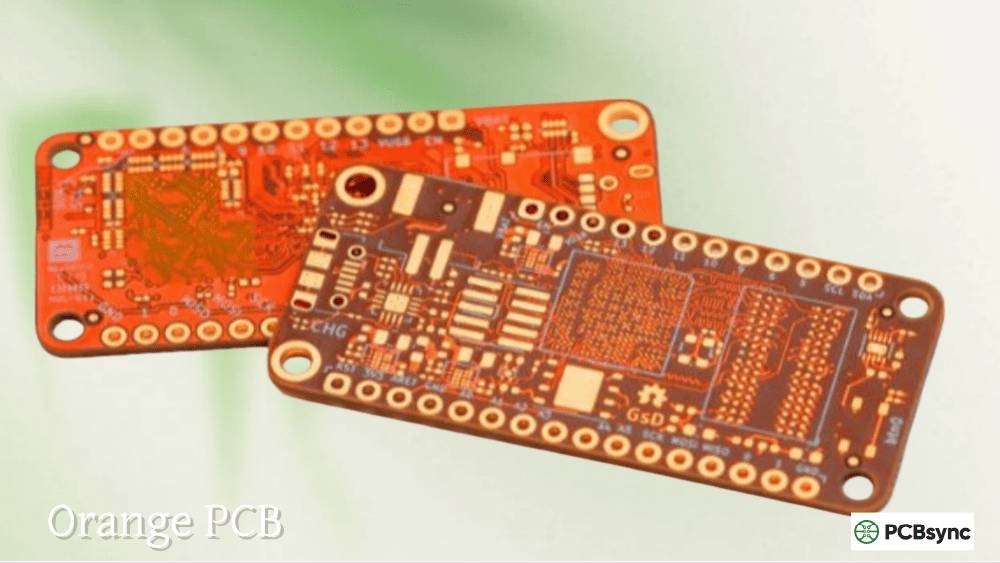
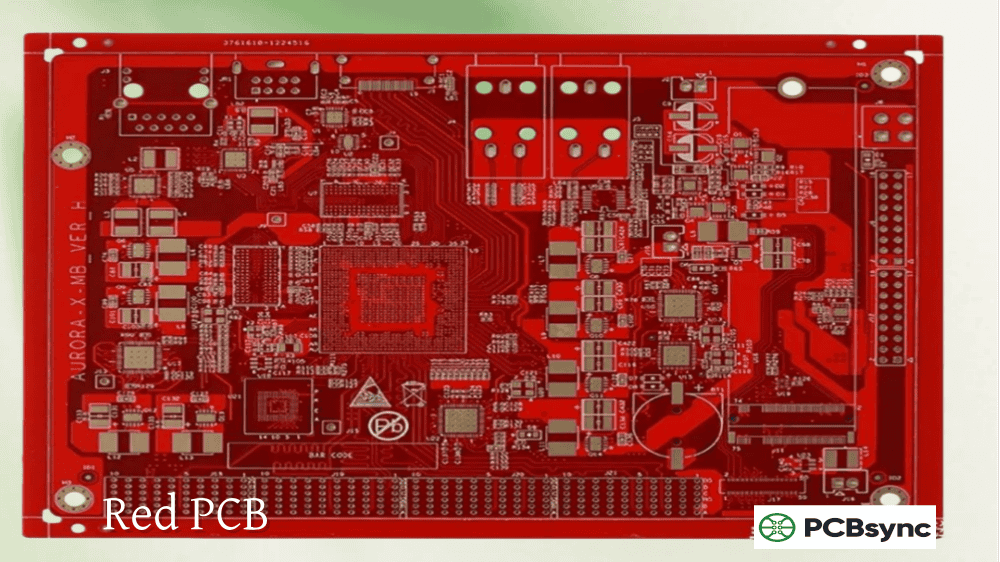
A red PCB is simply a printed circuit board that uses red-colored solder mask instead of the traditional green. The solder mask itself is a thin polymer layer applied over the copper traces to prevent oxidation, avoid solder bridges during assembly, and protect the board from environmental damage.
The red color comes from specialized pigments mixed into the solder mask material. Functionally, red solder mask performs the same protective role as green—the difference lies primarily in visibility, aesthetics, and some subtle manufacturing considerations that I’ll cover below.
One common misconception worth addressing: the color of your solder mask doesn’t affect the electrical performance of your PCB. Your traces will carry signals the same way whether they’re under green, red, black, or any other color. What changes is how easy it is to inspect the board, how it looks in the final product, and how it handles certain manufacturing processes.
Why Engineers Choose Red Solder Mask
Visual Appeal and Brand Differentiation
Let’s be honest—sometimes aesthetics matter. If you’re designing a product where the PCB is visible through a transparent enclosure (think gaming mice, keyboards, or custom PC builds), a red PCB creates instant visual impact. The bold color communicates energy and premium design in ways that standard green simply doesn’t.
I’ve worked on several consumer electronics projects where the marketing team specifically requested red boards because they wanted the product to stand out on retail shelves. It’s not just about vanity—in crowded markets, visual differentiation can drive purchasing decisions.
Improved Trace Visibility During Assembly
Red solder mask offers solid contrast between the board surface, copper traces, and empty spaces. While it doesn’t quite match the contrast levels of green, it’s noticeably better than black or white for manual inspection. During hand assembly or rework, technicians can clearly see what they’re doing against the red background.
The white silkscreen commonly used with red boards creates excellent readability. Component outlines, reference designators, and polarity markings pop against the red surface, which reduces assembly errors—especially important for prototype runs where you’re building boards by hand.
Heat Management Properties
This one comes up in discussions frequently. Red solder mask has reflective properties that can help dissipate heat in certain applications. For boards running high-power components or operating in thermally demanding environments, the red surface can contribute to overall thermal management—though I’d caution against treating this as a primary cooling solution. Proper thermal design with copper pours, heatsinks, and adequate airflow matters far more than solder mask color.
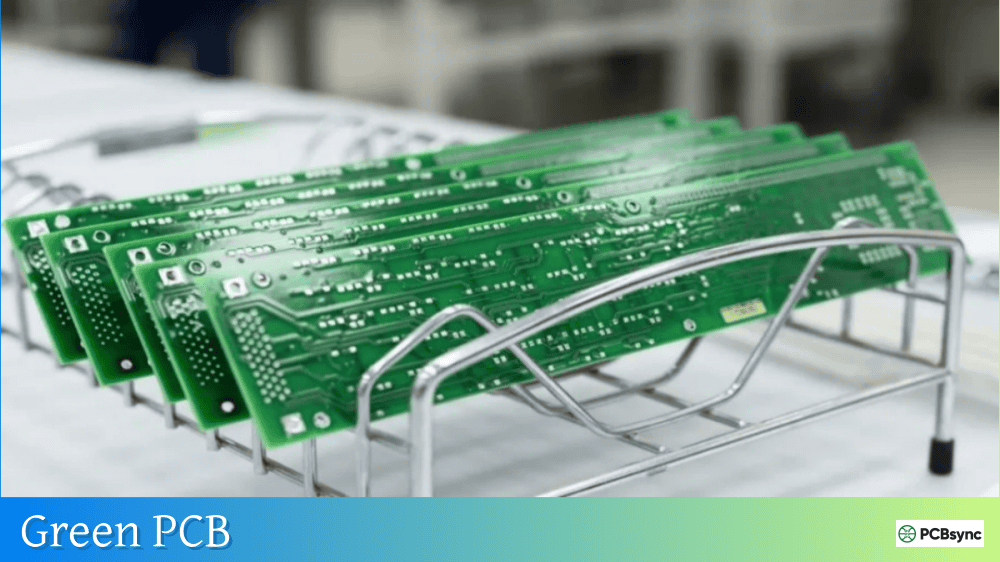
Red PCB vs Green PCB: A Practical Comparison
Here’s a breakdown of how red and green solder masks stack up against each other based on real manufacturing and usage factors:
Factor
Red PCB
Green PCB
Cost
5-10% higher for small runs
Lowest cost option
Trace Contrast
Good
Excellent
Silkscreen Visibility
Excellent (white on red)
Excellent (white on green)
AOI Compatibility
May need calibration
Optimized for most systems
Availability
Standard at most fabs
Universal availability
Lead Time
Typically same as green
Fastest turnaround
Defect Detection
Good with magnification
Best for visual inspection
Aesthetic Appeal
High-end, distinctive look
Industry standard
Flux Residue Cleanup
Cleans well
Cleans well
For high-volume production where AOI (Automated Optical Inspection) is critical, green remains the safer choice because most inspection systems are calibrated for green boards. Red can work fine, but you may need to adjust lighting or software settings to get reliable defect detection.
Best Applications for Red PCB Boards
Consumer Electronics and Gaming Hardware
Red PCBs shine in consumer products where visual design matters. Gaming peripherals like mechanical keyboards, gaming mice, and RGB controllers frequently use red boards because the color matches the aggressive, high-performance aesthetic these products target. High-performance graphics cards and custom PC motherboards also leverage red solder mask for visual appeal.
Prototyping and Limited Production Runs
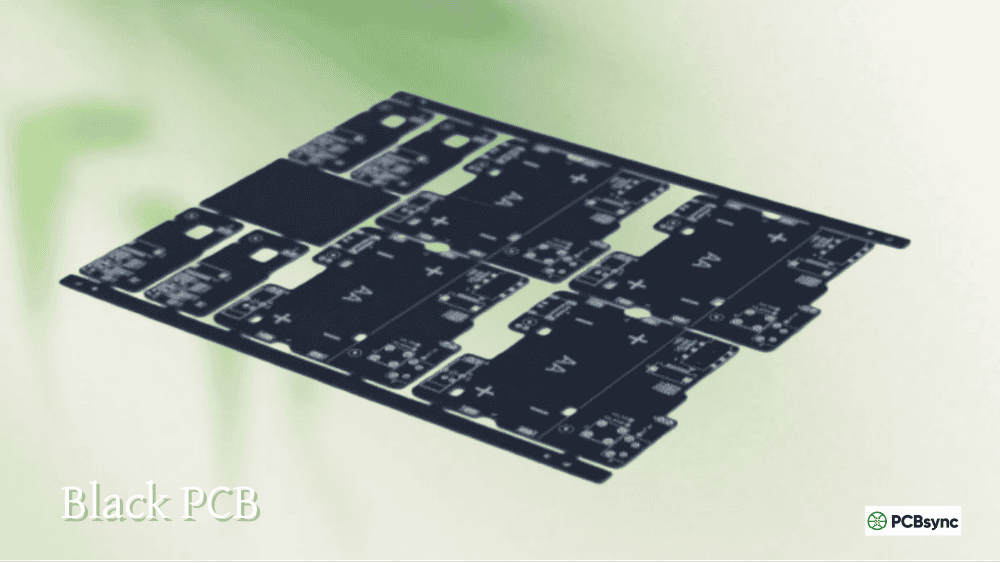
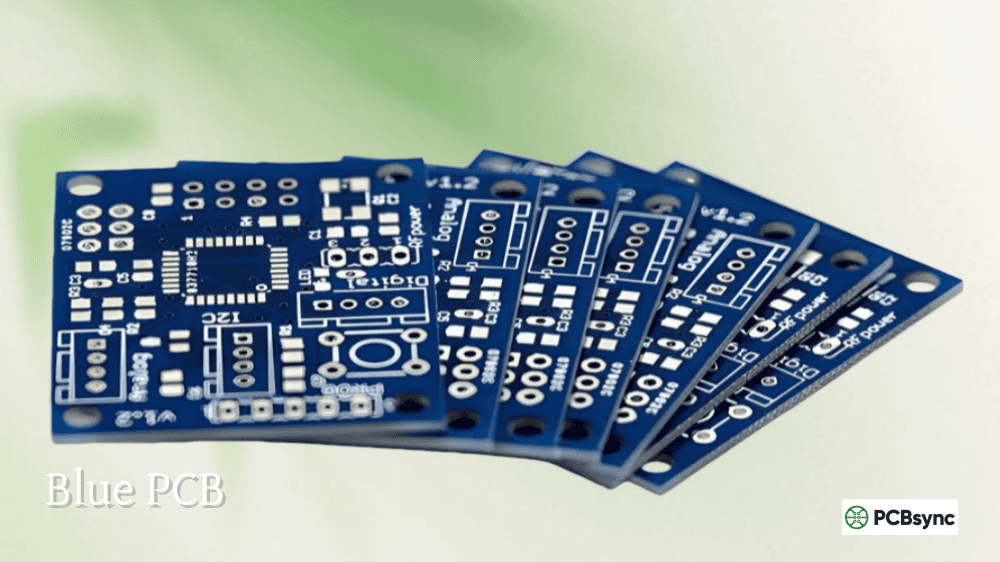
When you’re building prototypes or small batches, red boards help differentiate revision levels at a glance. I’ve adopted a practice of using different solder mask colors for different prototype iterations—red for Rev A, blue for Rev B, and so on. This simple visual coding prevents confusion when you’ve got multiple board versions on your bench.
High-End Audio Equipment
The audio industry has embraced red PCBs for premium products. High-end amplifiers, DACs, and studio equipment often feature red boards as a visual signal of quality craftsmanship. Whether this actually affects audio performance is debatable (it doesn’t), but perception matters in luxury products.
Automotive and Industrial Applications
Red solder mask holds up well in demanding environments. Automotive electronics, particularly dashboard systems and control modules, sometimes use red for both its durability and its ability to stand out during service and maintenance. When a technician opens up an engine bay, a red board is easier to spot than a green one.
Manufacturing Considerations for Red Solder Mask
Cost Implications
Budget matters, so let’s talk numbers. Red solder mask typically costs 5-10% more than green for prototype and low-volume orders. This premium comes from specialized pigments and slightly more complex processing. However, at production volumes (thousands of units), the cost difference becomes negligible—usually less than a cent per board.
If cost is your primary concern and you’re ordering small quantities, green remains the economical choice. But if your project has any aesthetic requirements or you’re building something that will be visible to end users, the small premium for red is often justified.
AOI and Inspection Challenges
Here’s where red PCBs require some attention. Many Automated Optical Inspection systems are factory-calibrated for green boards because that’s what 80% of the industry uses. Red solder mask absorbs certain wavelengths of light differently, which can affect how AOI cameras detect defects in solder joints and copper traces.
Solutions exist: most modern AOI equipment can be recalibrated for different solder mask colors, and adjusting lighting angles often resolves detection issues. If you’re planning high-volume production with red boards, coordinate with your contract manufacturer early to ensure their AOI equipment can handle the color without compromising inspection quality.
UV Curing Considerations
Red solder mask (along with black) absorbs more UV light during the curing process compared to lighter colors. This can affect curing uniformity if not managed properly. Reputable PCB manufacturers have adjusted their processes for non-green colors, but it’s worth confirming that your fabricator has experience with red solder mask, especially for fine-pitch designs.
Silkscreen Options for Red PCB Designs
Choosing the right silkscreen color affects readability and overall board aesthetics. Here’s what works:
Silkscreen Color
Contrast Level
Best Use Case
White
Excellent
Standard choice, maximum readability
Yellow
Good
Alternative for dirt-prone environments
Black
Poor on dark red
Only for very light red shades
White silkscreen on red solder mask is the industry standard combination for good reason—it provides the contrast ratio you need for clear component identification and reference designator readability. Yellow can work as an alternative and shows dirt less than white, but it’s less common and may require special ordering.
Avoid black silkscreen on red boards. The contrast is poor, especially under typical workshop lighting, and you’ll struggle to read small text during assembly and troubleshooting.
Red PCB Finish Options
Red solder mask is available in several finishes that affect both appearance and practical handling:
Glossy Finish: High-sheen surface that looks striking under lighting. Reflects more light, which can create glare during inspection but produces the most visually impressive boards. Best for consumer products where the PCB will be visible.
Matte Finish: Non-reflective surface that’s easier to inspect under bright lights. Shows scratches more readily than glossy but reduces glare and provides a more subdued, professional appearance. Preferred for industrial applications and boards that will be handled frequently.
Semi-Gloss Finish: Middle ground between glossy and matte. Offers decent appearance without excessive reflection. Good all-around choice when you don’t have strong preferences either way.
Let me address some misconceptions I encounter regularly:
Myth: Red PCBs perform better electrically. Reality: Solder mask color has zero impact on electrical performance. Your signal integrity, current capacity, and impedance characteristics depend on board material, layer stackup, and trace geometry—not color.
Myth: Red indicates higher quality or reliability. Reality: Color is an aesthetic choice, not a quality indicator. A well-manufactured green board is just as reliable as a well-manufactured red board. Quality depends on fabrication processes, materials, and design—not pigment selection.
Myth: Red PCBs are significantly more expensive. Reality: The cost premium is modest (5-10% for small orders) and disappears at volume. For most projects, the price difference is trivial compared to component costs.
Frequently Asked Questions About Red PCB
Does red solder mask affect PCB durability?
Red solder mask provides the same level of protection as green or any other color. The polymer composition is essentially identical—only the pigment differs. Your board will resist oxidation, moisture, and mechanical wear equally well regardless of color choice.
Can I use red PCB for high-frequency RF applications?
Yes. Solder mask color doesn’t affect RF performance. For high-frequency designs, focus on your dielectric material (FR-4, Rogers, etc.), controlled impedance traces, and proper grounding. The solder mask color is irrelevant to signal integrity at any frequency.
Which silkscreen color works best on red PCB?
White is the standard and recommended choice. It provides excellent contrast against red solder mask, ensuring that reference designators, component outlines, and polarity markings remain clearly visible during assembly and maintenance.
Are red PCBs harder to manufacture?
Not significantly. Most PCB fabricators handle red solder mask routinely. The manufacturing process is essentially the same as green—only the pigment changes. Some fabs may require slightly longer lead times if they batch non-green orders, but availability is generally good.
When should I avoid using red solder mask?
Consider alternatives if your project requires maximum AOI compatibility without calibration adjustments, or if you need the absolute lowest cost for high-volume production. For boards that won’t be visible to end users, the aesthetic premium of red may not justify even modest additional cost.
Useful Resources for PCB Design and Manufacturing
Here are some references I recommend for engineers working with PCB design:
IPC Standards Documentation
IPC-A-600: Acceptability of Printed Boards
IPC-2221: Generic Standard on Printed Board Design
IPC-7351: Generic Requirements for Surface Mount Design
Saturn PCB Design Toolkit (trace width, via current, impedance)
EEWeb Online Calculators
PCB Manufacturers with Red Solder Mask Options Most major fabricators offer red solder mask as a standard option including JLCPCB, PCBWay, OSH Park, and Advanced Circuits. Check individual pricing as it varies by order quantity.
Making Your Decision: Is Red PCB Right for Your Project?
Choosing red solder mask comes down to balancing aesthetics, practical requirements, and cost. Here’s my straightforward recommendation:
Choose red PCB if:
Your board will be visible in the final product
Brand differentiation or visual impact matters
You’re building prototypes and want easy revision identification
You’re designing gaming, audio, or consumer electronics where aesthetics influence purchasing
Stick with green if:
Maximum AOI compatibility is critical
You need absolute lowest cost
The board will never be seen by end users
Your CM hasn’t confirmed red solder mask capability
Red PCB boards offer a compelling alternative to the green standard for projects where appearance matters. The modest cost premium and minor manufacturing considerations are easily manageable for most applications. If you’ve been defaulting to green without considering alternatives, red solder mask deserves a look—especially for consumer-facing products or any design where visual impact adds value.
The bottom line? Red solder mask is a legitimate design choice with real applications, not just a cosmetic gimmick. Evaluate your project requirements, coordinate with your fabricator, and make the choice that best serves your specific needs.
Inquire: Call 0086-755-23203480, or reach out via the form below/your sales contact to discuss our design, manufacturing, and assembly capabilities.
Quote: Email your PCB files to Sales@pcbsync.com (Preferred for large files) or submit online. We will contact you promptly. Please ensure your email is correct.
Notes: For PCB fabrication, we require PCB design file in Gerber RS-274X format (most preferred), *.PCB/DDB (Protel, inform your program version) format or *.BRD (Eagle) format. For PCB assembly, we require PCB design file in above mentioned format, drilling file and BOM. Click to download BOM template To avoid file missing, please include all files into one folder and compress it into .zip or .rar format.