Inquire: Call 0086-755-23203480, or reach out via the form below/your sales contact to discuss our design, manufacturing, and assembly capabilities.
Quote: Email your PCB files to Sales@pcbsync.com (Preferred for large files) or submit online. We will contact you promptly. Please ensure your email is correct.
Notes: For PCB fabrication, we require PCB design file in Gerber RS-274X format (most preferred), *.PCB/DDB (Protel, inform your program version) format or *.BRD (Eagle) format. For PCB assembly, we require PCB design file in above mentioned format, drilling file and BOM. Click to download BOM template To avoid file missing, please include all files into one folder and compress it into .zip or .rar format.
Raspberry Pi Weather Station: Complete Build Guide
Building a raspberry pi weather station ranks among the most rewarding projects for anyone interested in electronics, programming, and environmental monitoring. After constructing weather stations for my home, my parents’ farm, and two local schools, I’ve refined my approach through countless iterations and failures. This guide shares everything I’ve learned about creating reliable, accurate, and long-lasting weather monitoring systems.
The Raspberry Pi provides an ideal platform for weather monitoring. Its GPIO pins interface directly with environmental sensors, while its networking capabilities enable remote data access and cloud integration. A properly designed raspberry pi weather station can match or exceed the accuracy of commercial units costing five times more—while teaching valuable skills in electronics, programming, and data analysis.
Before diving into construction details, consider why a DIY weather station makes sense compared to commercial alternatives.
Cost Savings
Commercial weather stations with comparable capabilities cost $200-500 or more. A well-equipped raspberry pi weather station typically costs $75-150, depending on sensor selection and enclosure quality. The savings become more significant when deploying multiple stations across a property.
Customization Freedom
Commercial stations offer fixed sensor configurations. Your DIY build can include exactly the sensors you need—UV index for gardeners, soil moisture for farmers, air quality for urban dwellers, or lightning detection for outdoor enthusiasts.
Data Ownership
Commercial stations often require proprietary apps and cloud services that may disappear when companies change priorities. Your raspberry pi weather station stores data locally and integrates with any service you choose—or none at all.
Educational Value
Building a weather station teaches sensor interfacing, data logging, network programming, and environmental science. Students gain practical experience with real-world engineering challenges like power management, weatherproofing, and calibration.
Expandability
Start with basic temperature and humidity monitoring, then add sensors over time. The Pi’s GPIO provides expansion capacity that commercial stations lack.
Essential Components for Your Raspberry Pi Weather Station
Every raspberry pi weather station requires these core components, though specific choices depend on your monitoring goals and budget.
Raspberry Pi Model Selection
Different Pi models suit different deployment scenarios:
Pi Model
Power Draw
Connectivity
Best For
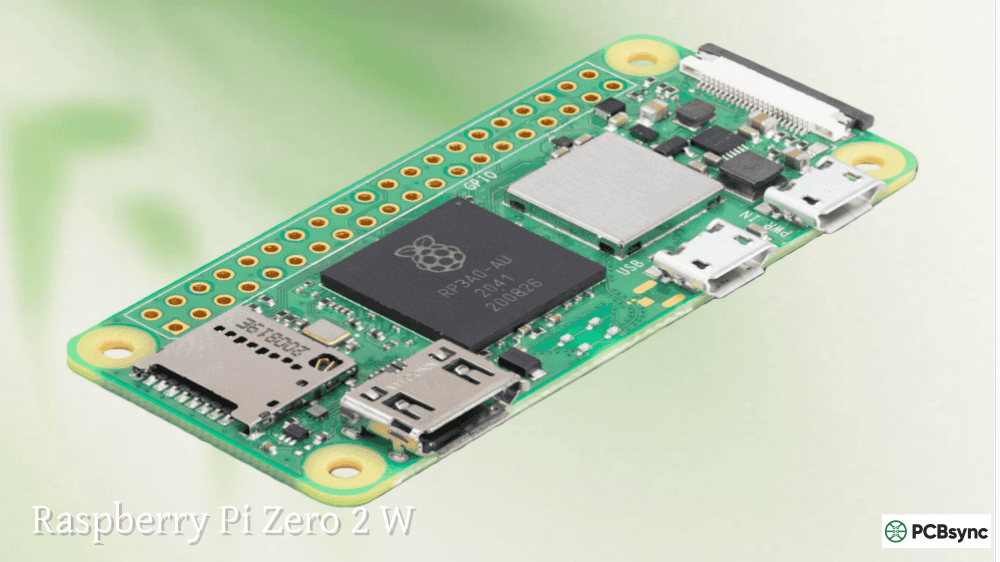
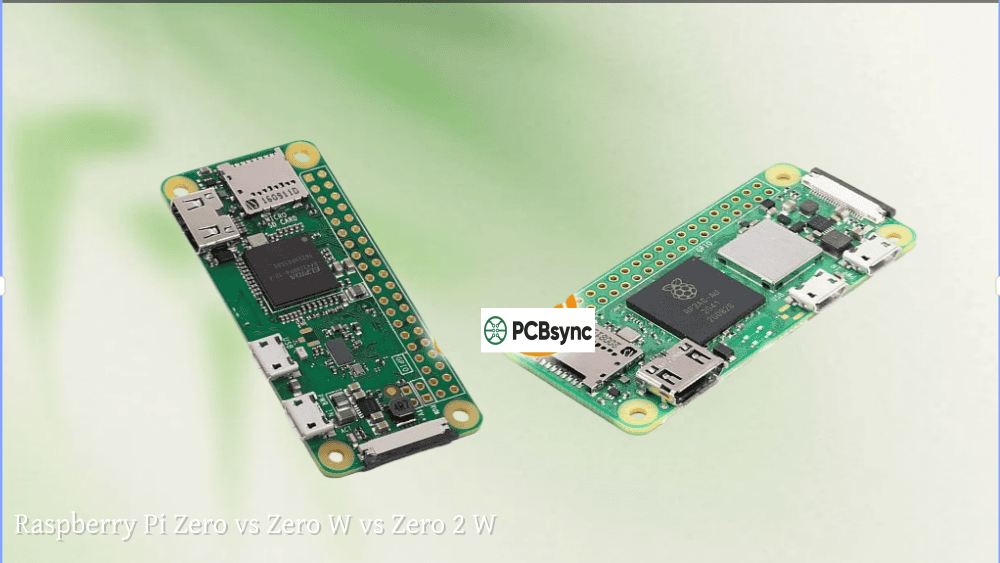
Pi Zero 2 W
0.4-1W
WiFi, Bluetooth
Solar-powered remote stations
Pi 3A+
1.5-3W
WiFi, Bluetooth
Compact installations
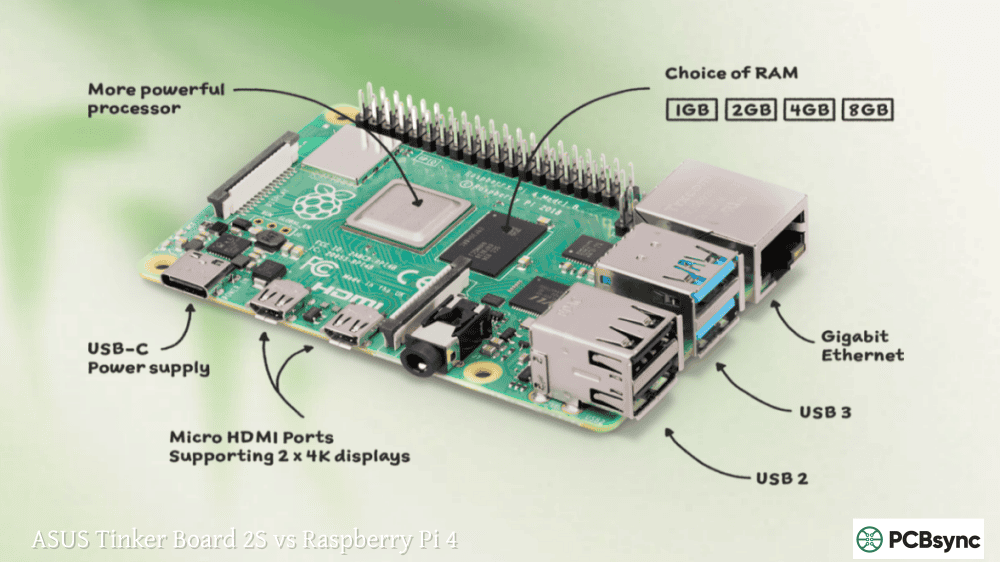
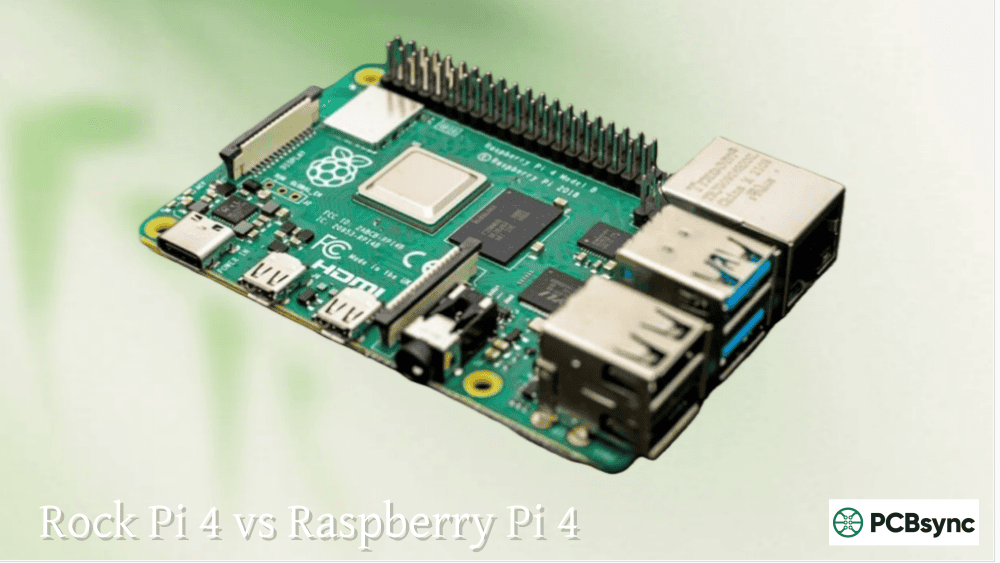
Pi 4B (2GB)
3-6W
WiFi, Bluetooth, Ethernet
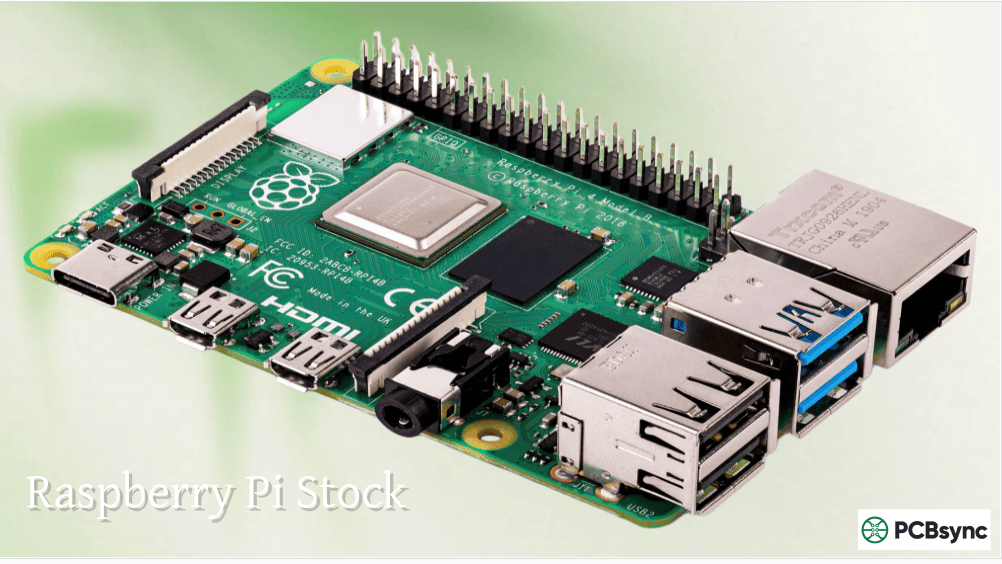
Full-featured stations
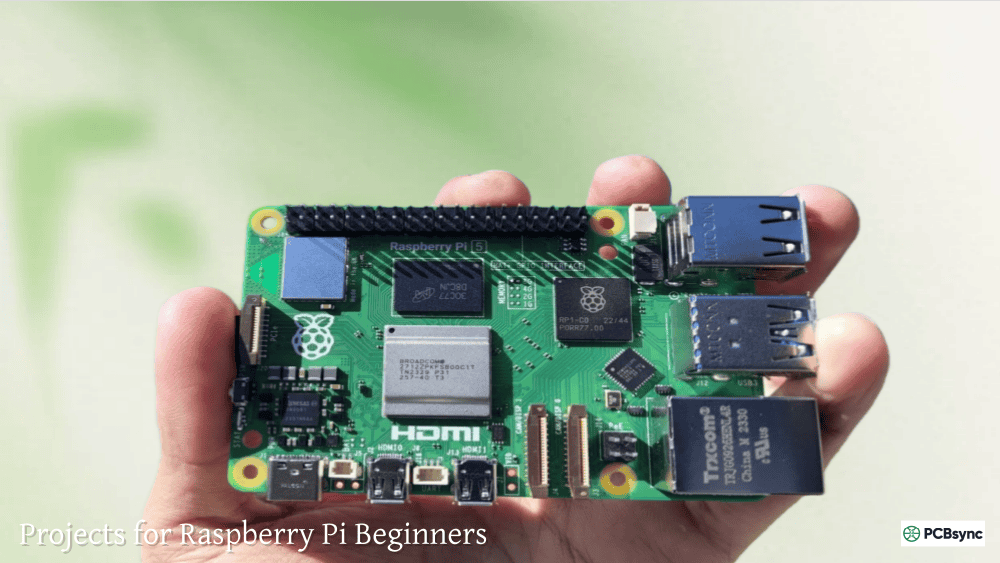
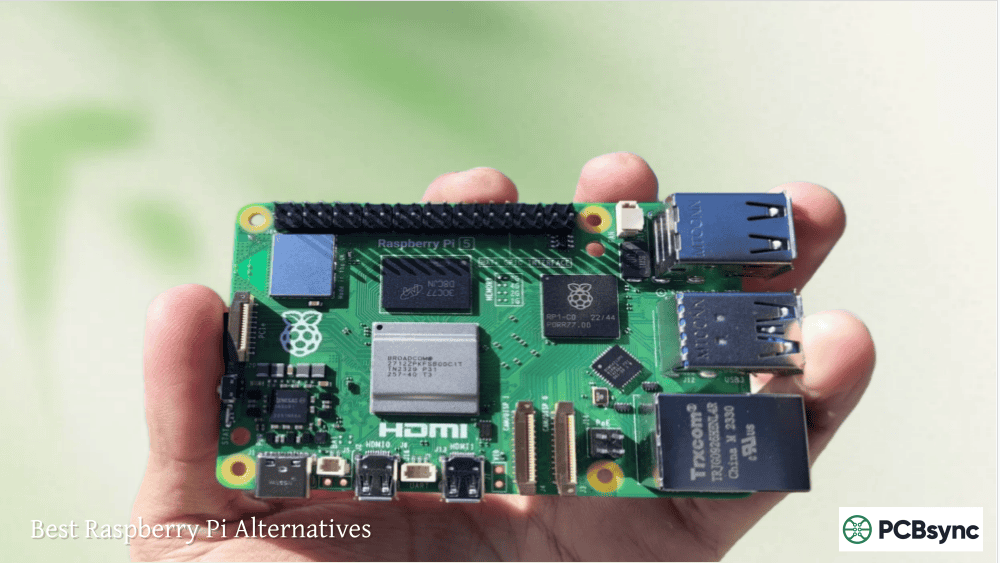
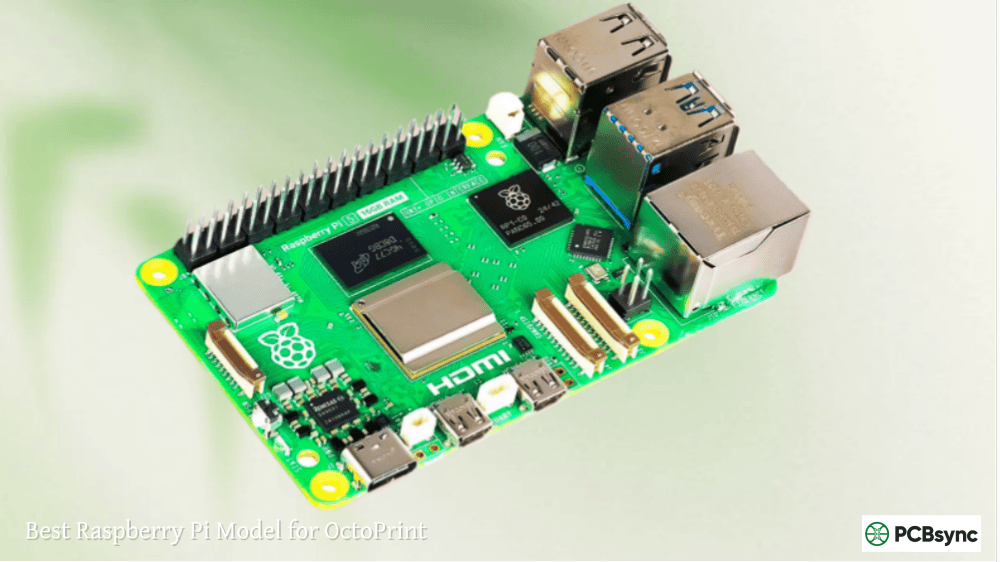
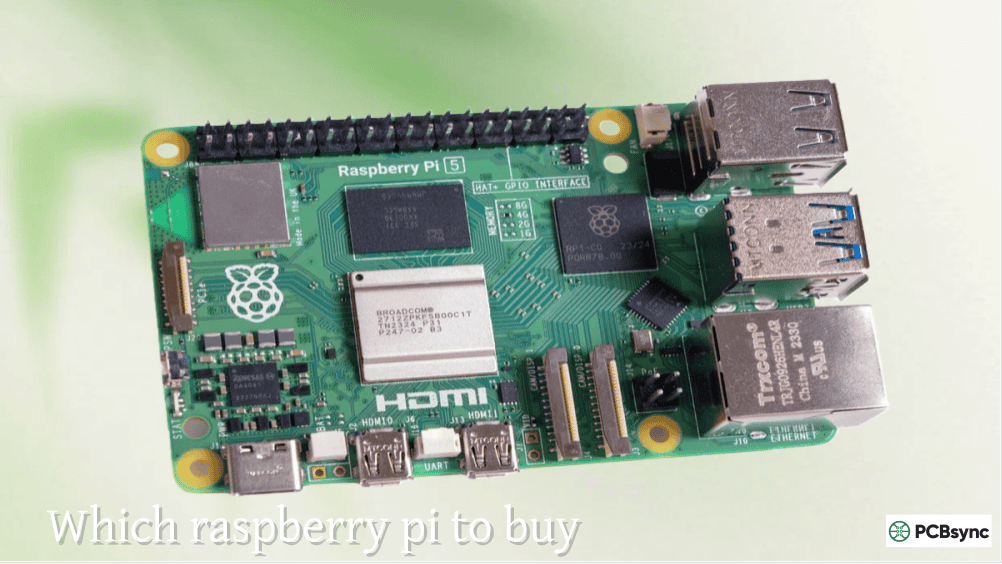
Pi 5
4-8W
WiFi, Bluetooth, Ethernet
Processing-intensive applications
For most weather stations, the Pi Zero 2 W offers the best balance of capability and power efficiency. Its wireless connectivity handles data transmission adequately, while minimal power draw enables solar operation. Choose the Pi 4B when running local displays, databases, or web servers directly on the station.
Temperature and Humidity Sensors
These sensors form the foundation of any raspberry pi weather station:
Sensor
Interface
Temp Accuracy
Humidity Accuracy
Price
DHT11
Single-wire
±2°C
±5% RH
$2-3
DHT22
Single-wire
±0.5°C
±2% RH
$5-8
BME280
I2C/SPI
±1°C
±3% RH
$8-15
SHT31
I2C
±0.3°C
±2% RH
$12-18
BME680
I2C/SPI
±1°C
±3% RH
$15-25
My recommendation: skip the DHT11 entirely. Its poor accuracy produces unreliable data that undermines the entire project. The BME280 provides excellent accuracy across temperature, humidity, and barometric pressure in a single package—ideal for most weather stations. The BME680 adds air quality sensing for urban deployments.
Barometric Pressure Sensing
Barometric pressure enables weather prediction and altitude calculation. The BME280 includes a pressure sensor alongside temperature and humidity, making it the go-to choice for compact builds. For dedicated pressure monitoring, the BMP390 offers superior accuracy (±0.5 hPa versus ±1 hPa for BME280).
Wind Speed and Direction
Wind measurement separates serious weather stations from basic temperature loggers. Options include:
Sensor Type
Measurement
Accuracy
Price Range
Notes
Cup Anemometer
Speed only
±5%
$15-50
Simple, reliable
Vane + Anemometer Set
Speed and direction
±5%
$30-80
Most common choice
Ultrasonic Anemometer
Speed, direction, gust
±2%
$150-400
No moving parts
Hot Wire Anemometer
Speed only
±3%
$20-40
Low speed accuracy
The SparkFun Weather Meter Kit and SEN-15901 provide cup anemometer and wind vane combinations that interface cleanly with the Pi via GPIO interrupts and analog-to-digital conversion. Budget around $40-60 for decent wind sensors.
Rain Gauge Options
Tipping bucket rain gauges dominate DIY weather stations due to simplicity and reliability. Each tip of the bucket triggers a GPIO interrupt, with tips typically representing 0.2mm or 0.01 inches of rainfall.
Rain Gauge Type
Resolution
Interface
Price
Tipping Bucket
0.2-0.5mm/tip
GPIO interrupt
$15-40
Optical
0.1mm
I2C/Serial
$50-100
Weighing
0.01mm
Analog/I2C
$100-200
Tipping bucket gauges work well for most applications. Clean debris from the funnel periodically—leaves and bird droppings clog the mechanism.
Additional Sensor Options
Expand your raspberry pi weather station with specialized sensors:
Sensor
Measurement
Use Case
VEML6075
UV Index
Sunburn risk, agriculture
TSL2591
Light intensity (lux)
Day length, solar efficiency
AS3935
Lightning distance/intensity
Storm warning
PMS5003
Particulate matter (PM2.5/PM10)
Air quality monitoring
Soil moisture probe
Volumetric water content
Agriculture, gardening
Leaf wetness sensor
Surface moisture
Disease prediction
Weather Station Wiring and Electronics
Proper electrical design ensures reliable long-term operation. I’ve debugged too many stations with intermittent sensor failures caused by poor wiring practices.
Power System Design
Outdoor weather stations need robust power systems:
Wired Power: Easiest option when AC power is available nearby. Use a quality 5V/3A power supply with adequate cable gauge for the run length. Voltage drop across thin cables causes brown-outs and SD card corruption.
Solar Power: Essential for remote deployments. Size your panel and battery for worst-case conditions:
Component
Minimum Spec
Recommended
Solar Panel
6W
10-20W
Battery
6000mAh LiPo
10000-20000mAh
Charge Controller
Basic TP4056
MPPT controller
Expected Runtime
2-3 cloudy days
5-7 cloudy days
Include a low-voltage disconnect to prevent deep battery discharge, which permanently damages lithium cells.
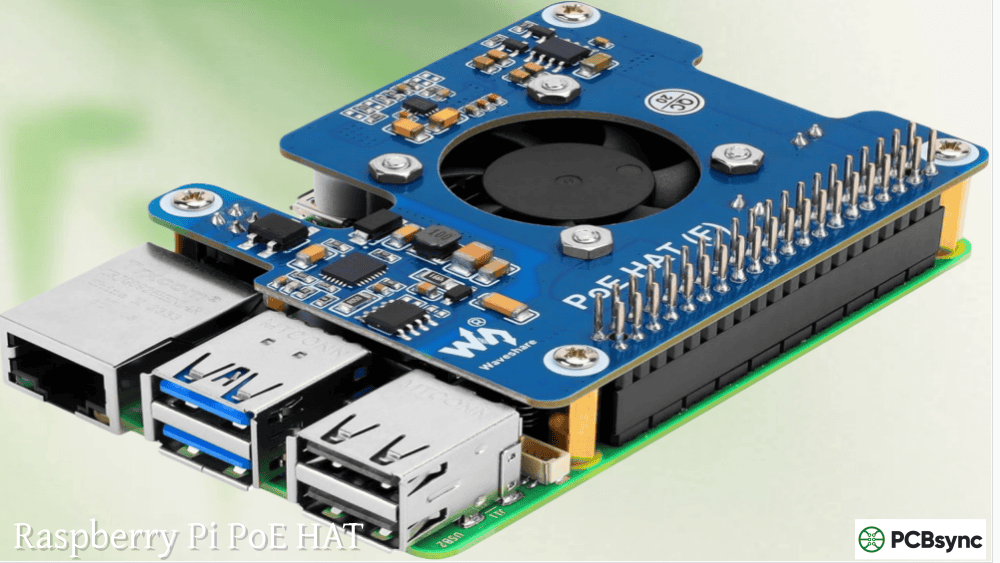
Power over Ethernet (PoE): Elegant solution combining power and data over a single cable. Requires PoE HAT and PoE-capable switch or injector. Works well for stations within 100 meters of network infrastructure.
Sensor Wiring Best Practices
Weather station wiring faces harsh conditions. Follow these guidelines:
Use shielded cables for analog sensors and long I2C runs. Environmental electrical noise corrupts unshielded signals.
Keep wire runs short where possible. I2C becomes unreliable beyond 1-2 meters without level shifters or bus extenders. Consider sensor placement to minimize cable lengths.
Implement proper grounding with star topology connecting all grounds at a single point. Ground loops cause mysterious sensor errors.
Add ESD protection on all external connections. TVS diodes on GPIO lines protect against static discharge and lightning-induced surges.
Use weatherproof connectors for any connections exposed to elements. Aviation-style connectors (GX12, GX16) provide reliable weatherproof connections.
I2C Bus Configuration
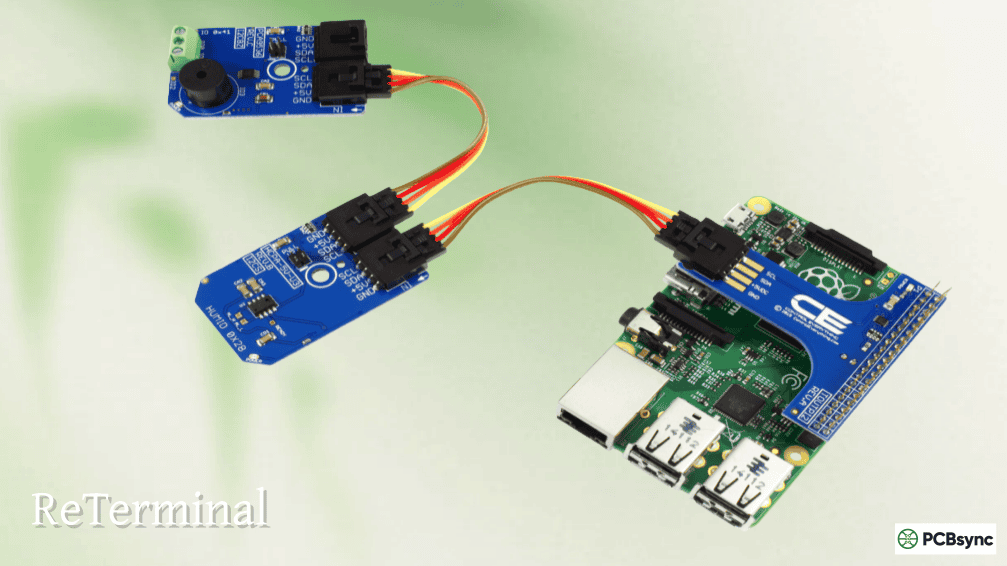
Multiple I2C sensors share a single bus, simplifying wiring. The Pi supports two I2C buses:
Most weather sensors use I2C. Enable the bus in raspi-config and verify sensor detection with:
i2cdetect -y 1
Address conflicts occur when using multiple identical sensors. Some sensors offer configurable addresses; others require separate I2C buses or multiplexers (TCA9548A).
Step-by-Step Weather Station Assembly
With components selected, let’s build a complete raspberry pi weather station.
Phase 1: Indoor Prototyping
Always prototype indoors before outdoor deployment:
Connect sensors to Pi on breadboard
Install required Python libraries
Write test scripts for each sensor
Verify readings against known references
Log data for 24-48 hours checking for anomalies
This phase catches wiring errors, library issues, and faulty components before they’re encased in weatherproof housings.
Phase 2: Enclosure Preparation
The enclosure protects electronics while allowing accurate environmental sensing.
Main Electronics Enclosure: IP65-rated junction boxes work well. Size for your components plus 30% extra space for future expansion. Include cable glands for all wire entries.
Sensor Shield/Radiation Shield: Temperature sensors require shielding from direct sunlight and radiated heat. Commercial Stevenson screens cost $30-100; 3D printed alternatives work nearly as well for $5 in filament.
Mounting Hardware: Plan mounting before finalizing enclosure design. Mast-mount, wall-mount, and ground-mount installations each have different requirements.
Temperature/Humidity Sensor Placement: Mount in radiation shield, 1.5-2 meters above ground, away from heat sources (buildings, pavement, HVAC exhausts). Ensure adequate airflow through the shield.
Anemometer Placement: Mount at least 10 meters above surrounding obstacles, or at roof height plus 1-2 meters. Wind measurements are highly sensitive to local obstructions.
Rain Gauge Placement: Level surface away from overhangs and trees. Avoid locations where wind creates eddies that affect rain collection.
Calibration: Compare readings against nearby official stations or calibrated reference instruments. Apply correction factors in software as needed.
The software stack transforms raw sensor data into useful weather information.
Operating System Configuration
Start with Raspberry Pi OS Lite for headless stations:
Flash OS image to SD card
Enable SSH and configure WiFi before first boot
Set static IP address for reliable remote access
Update system packages
Set timezone correctly (critical for data timestamps)
Enable I2C, SPI, and 1-Wire interfaces as needed
Python Sensor Libraries
Install libraries for your specific sensors:
pip install adafruit-circuitpython-bme280
pip install adafruit-circuitpython-dht
pip install gpiozero # For rain gauge and anemometer interrupts
The Adafruit CircuitPython libraries provide consistent interfaces across sensor families with excellent documentation.
Data Logging Options
Store weather data for analysis and visualization:
Storage Method
Pros
Cons
Best For
CSV Files
Simple, portable
No querying, large files
Short-term logging
SQLite
Local, queryable
Single-user access
Single-station deployments
InfluxDB
Time-series optimized
Resource intensive
Multi-station, Grafana integration
MySQL/PostgreSQL
Full SQL features
Complex setup
Enterprise applications
Cloud Services
No local storage needed
Requires connectivity
Remote monitoring
For most raspberry pi weather station projects, SQLite provides the best balance of simplicity and capability. Upgrade to InfluxDB when you need multi-station aggregation or Grafana dashboards.
Sample Data Collection Script
A basic Python script structure for weather data collection:
Solutions: Clean gauge regularly, verify tip volume, shade gauge if needed, install wind screen
Frequently Asked Questions About Raspberry Pi Weather Stations
How accurate is a raspberry pi weather station compared to commercial units?
A well-built raspberry pi weather station using quality sensors like the BME280 or SHT31 matches or exceeds the accuracy of consumer-grade commercial stations in the $100-200 range. Temperature accuracy of ±0.5°C and humidity accuracy of ±2-3% are achievable. Professional meteorological equipment costing thousands still outperforms DIY builds, but for home and educational use, Pi-based stations provide excellent data quality. Proper sensor placement and radiation shielding matter more than sensor choice for real-world accuracy.
What does a complete raspberry pi weather station cost to build?
Budget $75-150 for a basic raspberry pi weather station measuring temperature, humidity, pressure, and rainfall. Breakdown: Pi Zero 2 W ($15), BME280 sensor ($12), rain gauge ($20), enclosures and mounting ($30), power supply ($15), cables and connectors ($15). Adding wind measurement increases cost by $40-80. Solar power adds $50-100. Premium builds with full sensor suites, professional enclosures, and redundant power systems can exceed $300, but most builders achieve excellent results in the $100-150 range.
How do I weatherproof my outdoor raspberry pi weather station?
Weatherproofing requires attention to multiple factors. Use IP65 or higher rated enclosures for electronics. Install cable glands for all wire entries and seal with silicone. Apply conformal coating to exposed PCB areas. Use stainless steel or brass hardware that won’t rust. Mount temperature sensors in proper radiation shields. Point cable entries downward to prevent water pooling at entry points. Include desiccant packets in sealed enclosures to control humidity. Inspect seals annually and reapply sealant as needed. A well-weatherproofed station survives years of outdoor exposure.
Can I run a raspberry pi weather station on solar power?
Yes, solar-powered raspberry pi weather station deployments work well with proper design. Use a Pi Zero 2 W for minimal power consumption (under 1W average). Size solar panels for your latitude and typical cloud cover—10-20W panels with 10,000-20,000mAh battery capacity handle most locations. Include an MPPT charge controller for efficient charging and low-voltage cutoff to protect batteries. Optimize software to minimize power draw: disable HDMI output, reduce WiFi transmit power, sleep between measurements. Remote solar stations commonly achieve 99%+ uptime with proper engineering.
How do I upload weather data to Weather Underground or other networks?
Most weather networks accept data via simple HTTP API calls. WeeWX software includes built-in support for Weather Underground, PWSWeather, CWOP, and many other networks—configure your station ID and API key, and uploads happen automatically. For custom solutions, Weather Underground’s API accepts GET requests with sensor data as URL parameters. Register your station on the network’s website to receive a station ID and API key. Upload frequency typically ranges from 1-15 minutes depending on network requirements and your data logging interval.
Taking Your Weather Station Further
Once your basic raspberry pi weather station runs reliably, consider these enhancements:
Multi-Station Networks: Deploy stations across a property or community, aggregating data to a central server for microclimate analysis.
Machine Learning Integration: Train models on your historical data to predict local weather patterns more accurately than regional forecasts.
Alert Systems: Trigger notifications for frost warnings, high winds, or other conditions that affect your activities.
Agricultural Integration: Combine weather data with soil sensors and irrigation controllers for automated garden/farm management.
Citizen Science Participation: Contribute data to research networks studying climate patterns, air quality, or other environmental factors.
The raspberry pi weather station you build today becomes the foundation for increasingly sophisticated environmental monitoring. Start with the basics, ensure reliability, then expand capabilities based on your interests and needs. Every station you build teaches lessons that improve the next one—and contributes valuable local weather data to your community.
Inquire: Call 0086-755-23203480, or reach out via the form below/your sales contact to discuss our design, manufacturing, and assembly capabilities.
Quote: Email your PCB files to Sales@pcbsync.com (Preferred for large files) or submit online. We will contact you promptly. Please ensure your email is correct.
Notes: For PCB fabrication, we require PCB design file in Gerber RS-274X format (most preferred), *.PCB/DDB (Protel, inform your program version) format or *.BRD (Eagle) format. For PCB assembly, we require PCB design file in above mentioned format, drilling file and BOM. Click to download BOM template To avoid file missing, please include all files into one folder and compress it into .zip or .rar format.