Inquire: Call 0086-755-23203480, or reach out via the form below/your sales contact to discuss our design, manufacturing, and assembly capabilities.
Quote: Email your PCB files to Sales@pcbsync.com (Preferred for large files) or submit online. We will contact you promptly. Please ensure your email is correct.
Notes: For PCB fabrication, we require PCB design file in Gerber RS-274X format (most preferred), *.PCB/DDB (Protel, inform your program version) format or *.BRD (Eagle) format. For PCB assembly, we require PCB design file in above mentioned format, drilling file and BOM. Click to download BOM template To avoid file missing, please include all files into one folder and compress it into .zip or .rar format.
How to Build a Raspberry Pi Media Center with Kodi (Step-by-Step)
Building a raspberry pi media center is one of the most rewarding projects you can tackle with this versatile little board. I’ve assembled media centers for my living room, workshop, and even a portable unit for hotel rooms—and the combination of low cost, silent operation, and 4K capability makes the Pi hard to beat.
This step-by-step guide walks you through the entire kodi setup process, from selecting hardware to streaming your first movie. Whether you’re a complete beginner or looking to optimize an existing setup, you’ll find everything needed to build a professional-quality raspberry kodi entertainment system.
Before diving into the build, let’s address why a Raspberry Pi makes such an excellent media center platform.
Advantages Over Commercial Streaming Devices
Feature
Raspberry Pi Media Center
Commercial Streaming Box
Cost
$35-80 (board only)
$50-200
Openness
Fully customizable, no ads
Locked ecosystem, ads
Local Playback
Excellent
Often limited
Power Consumption
3-6 watts
10-15 watts
Noise Level
Silent (no fans)
Often silent
Format Support
Nearly universal
Varies by device
Add-on Ecosystem
Massive (Kodi add-ons)
Limited to app stores
Privacy
You control your data
Data collection common
The killer feature is local media playback. Unlike many streaming devices that push you toward subscription services, a raspberry pi media center excels at playing files from USB drives, network shares, or attached storage—perfect for home video collections, downloaded content, or ripped DVDs.
Hardware Requirements for Your Kodi Setup
Getting the right hardware ensures smooth playback and a frustration-free experience.
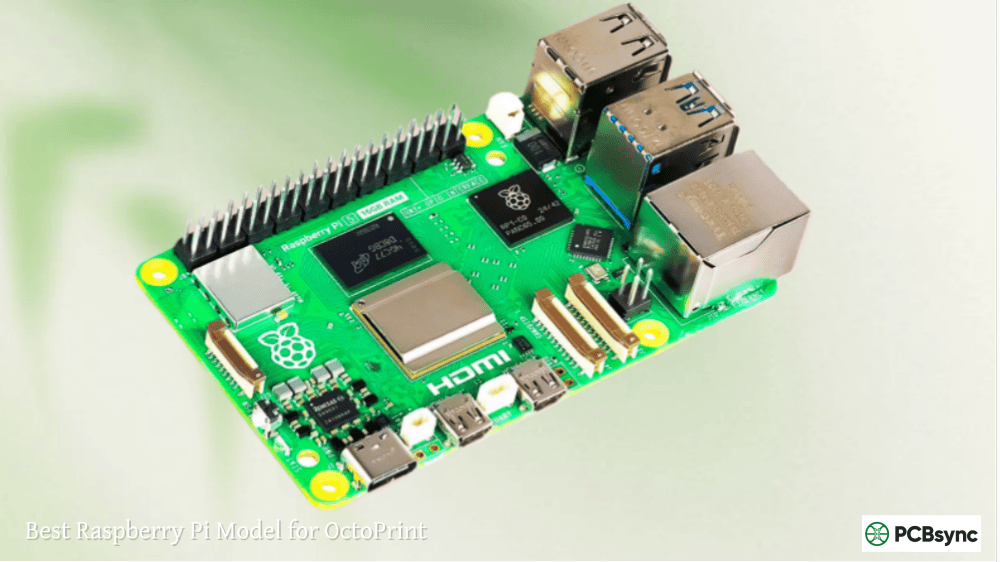
Choosing the Right Raspberry Pi Model
Pi Model
Max Resolution
RAM Options
Best For
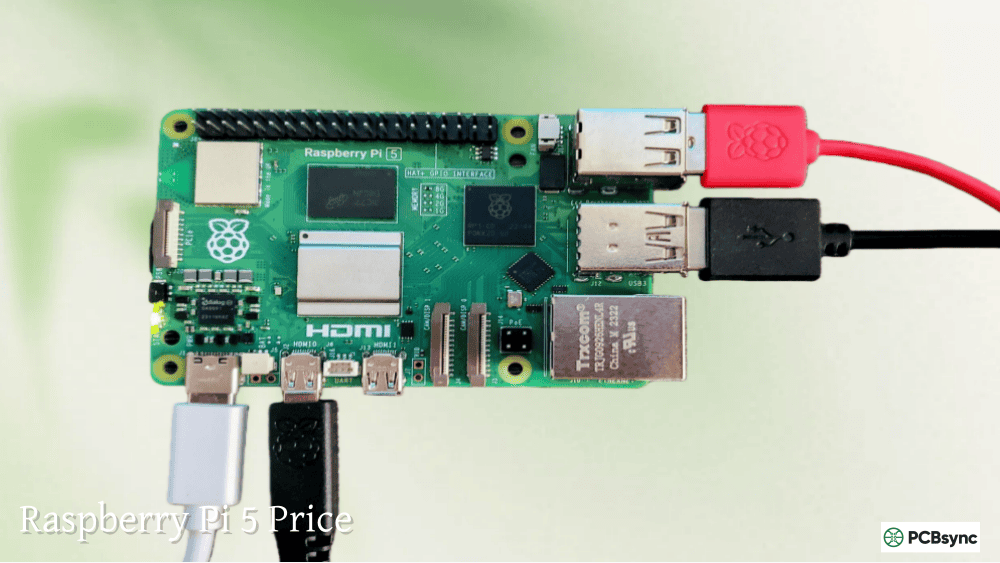
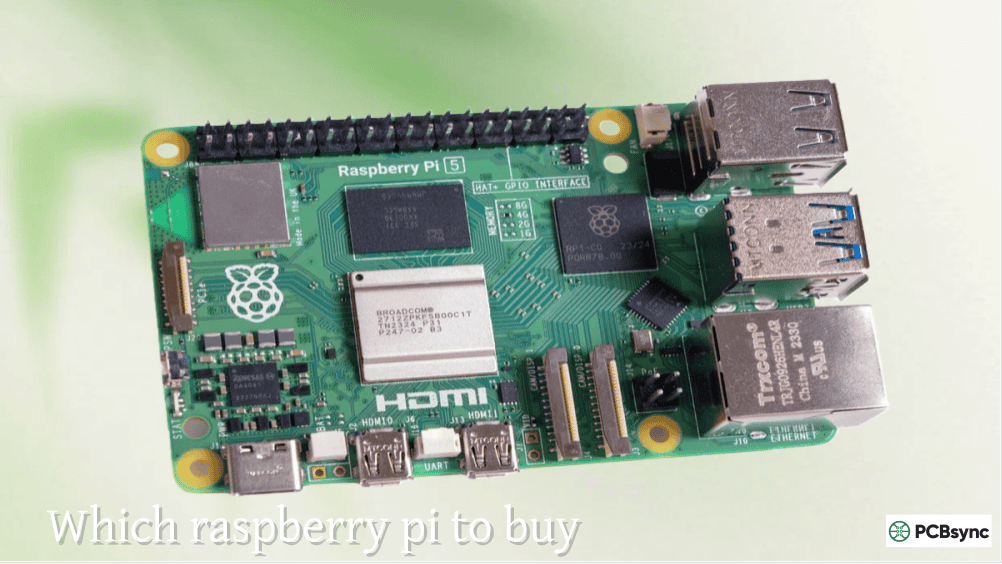
Pi 5
4K 60Hz
4GB, 8GB
4K HDR, fastest performance
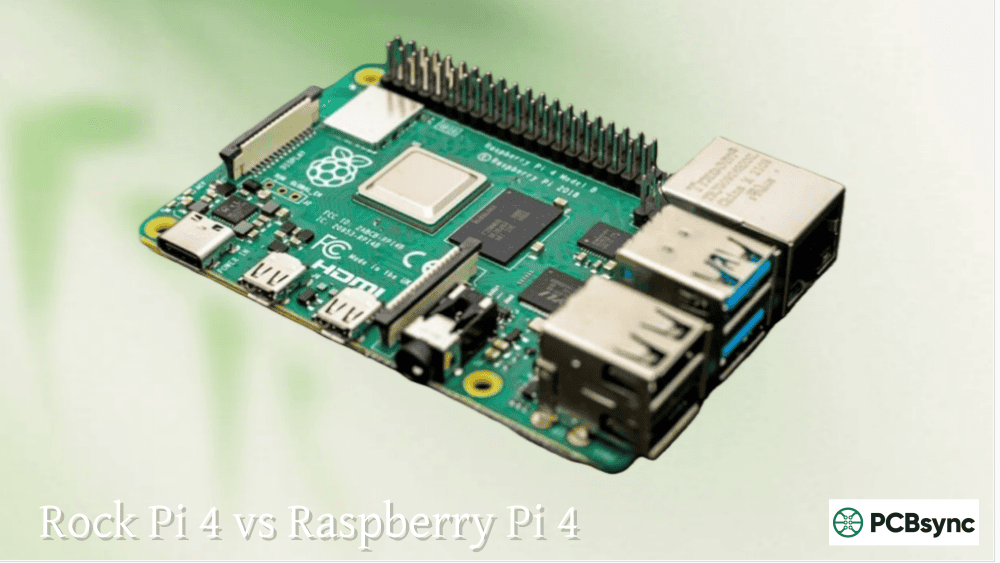
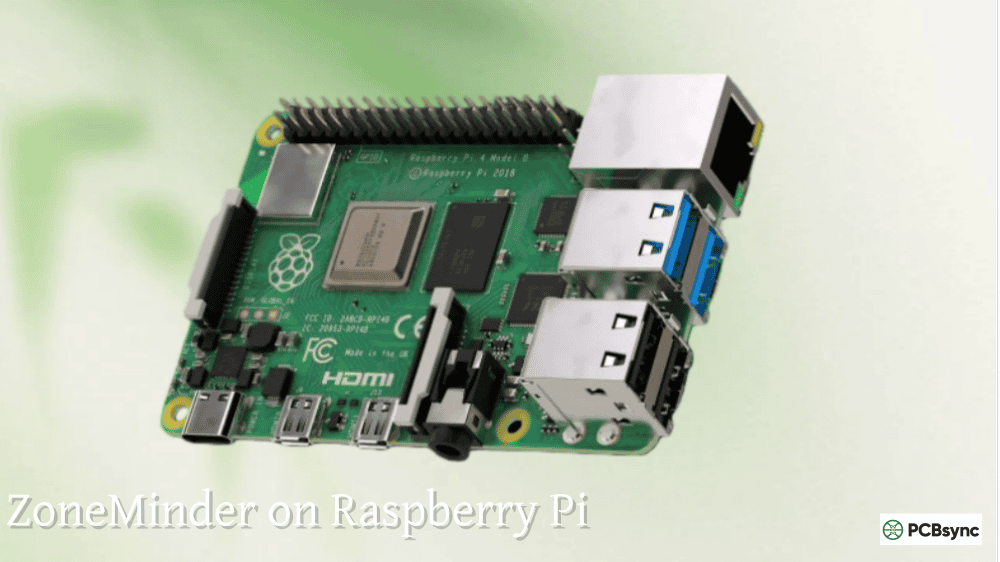
Pi 4
4K 60Hz
1GB, 2GB, 4GB, 8GB
4K playback, excellent value
Pi 400
4K 60Hz
4GB
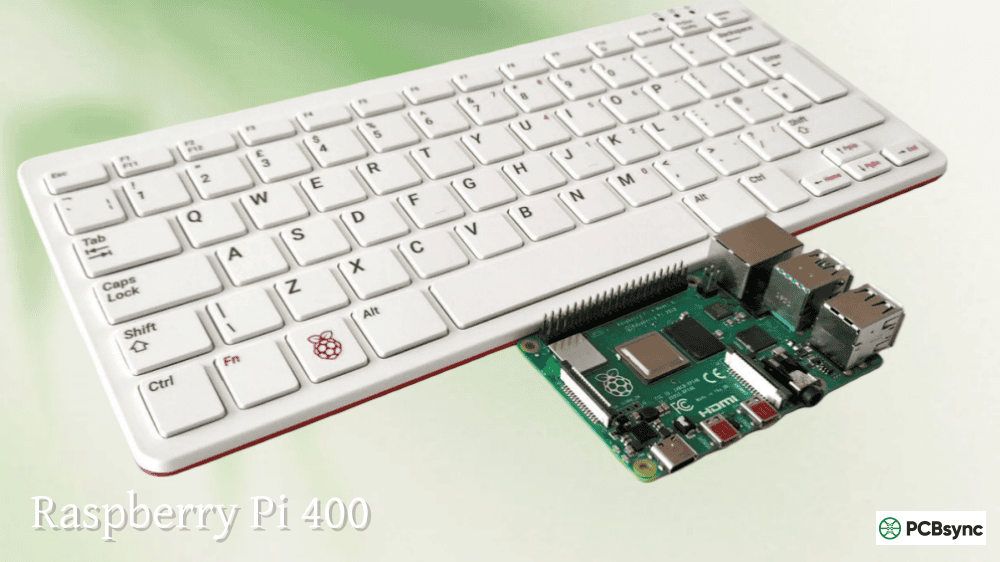
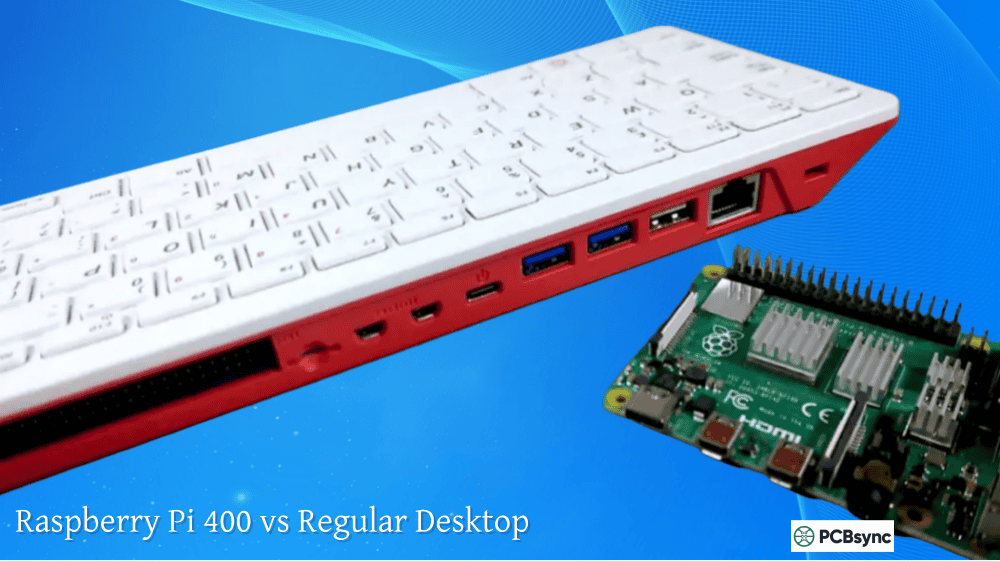
Built-in keyboard, desktop use
Pi 3 B+
1080p 60Hz
1GB
Budget 1080p setup
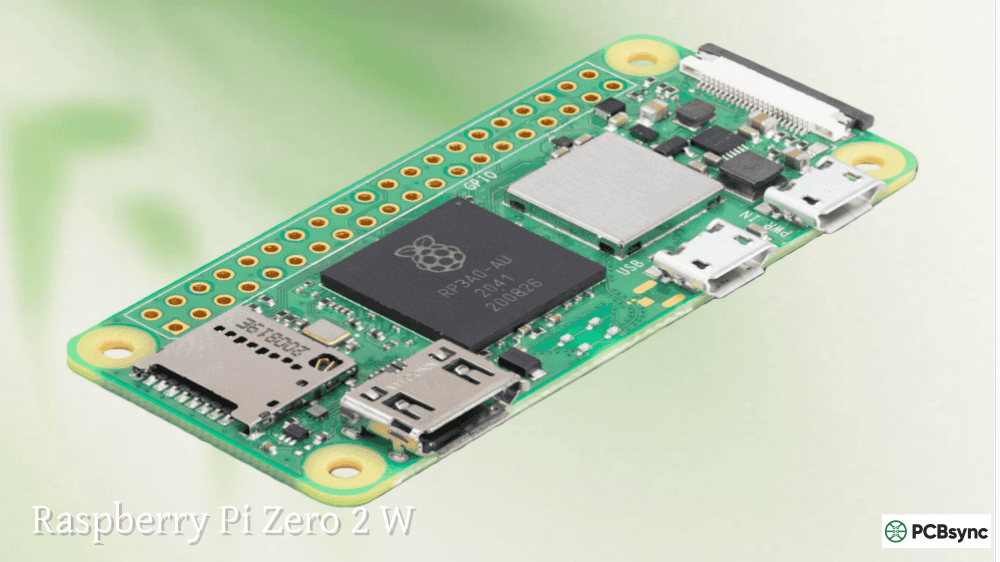
Pi Zero 2 W
1080p 60Hz
512MB
Portable/travel media player
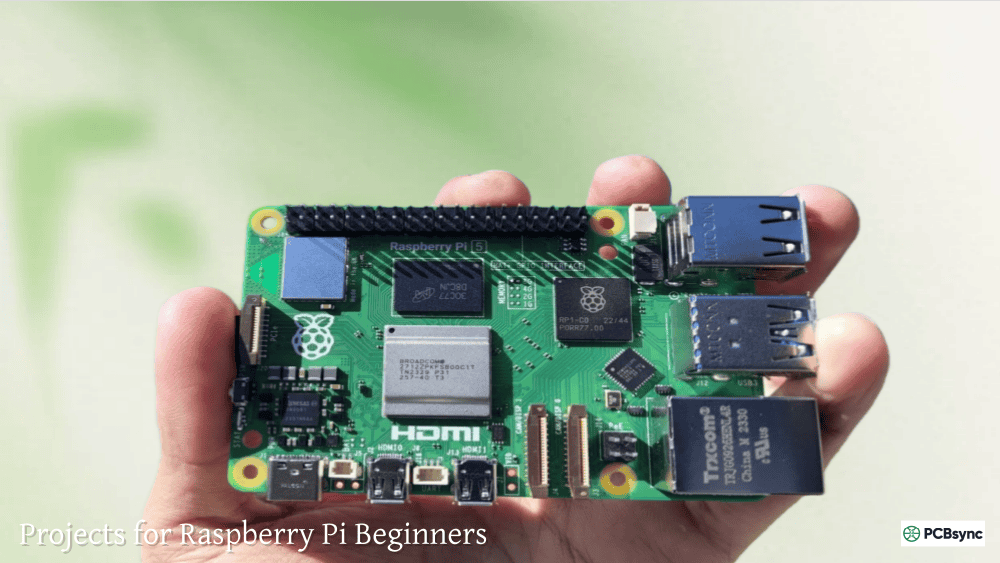
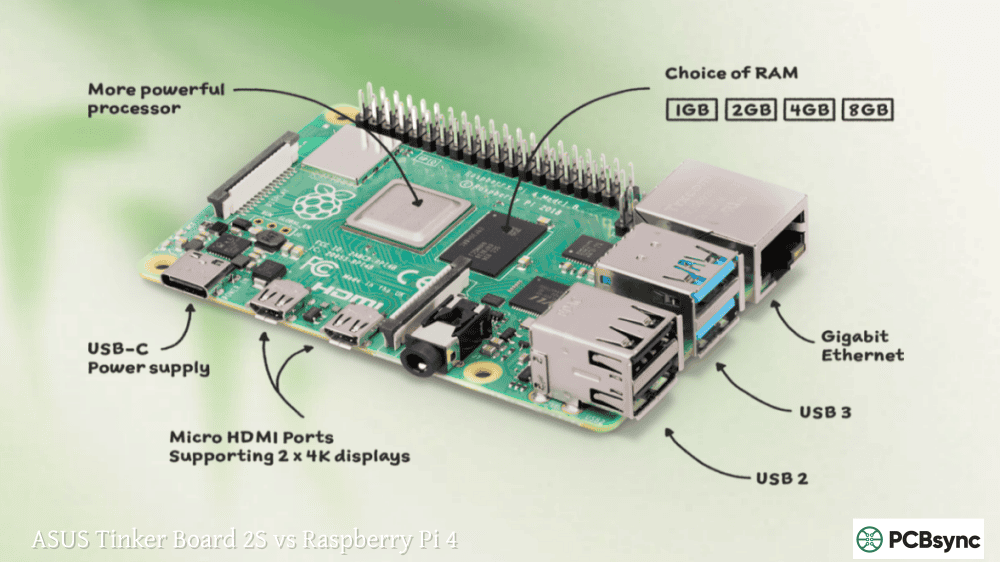
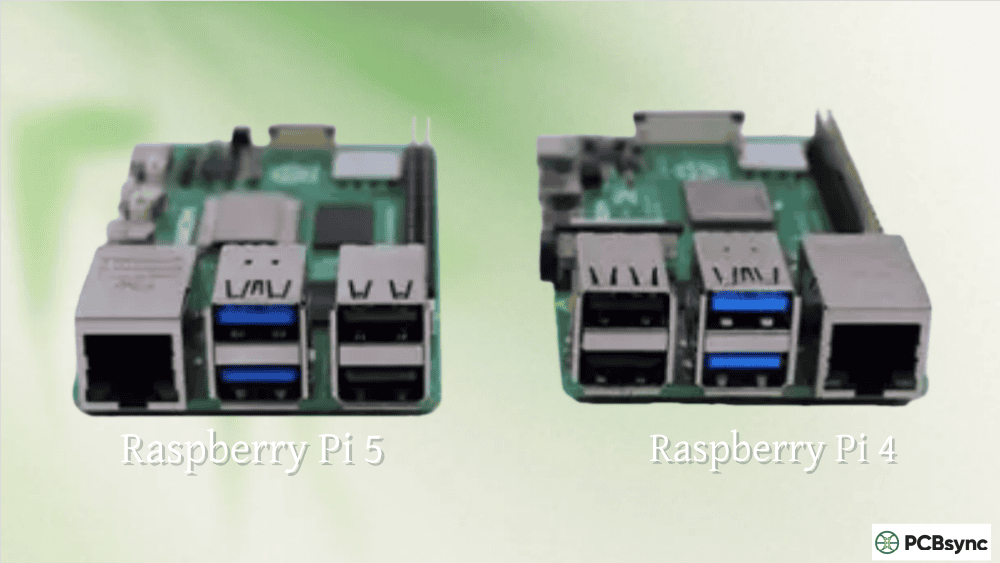
My recommendation: The Raspberry Pi 4 with 2GB or 4GB RAM offers the best balance of price and performance for most users. It handles 4K content smoothly and has been thoroughly tested with Kodi. The Pi 5 is faster but costs more and runs hotter.
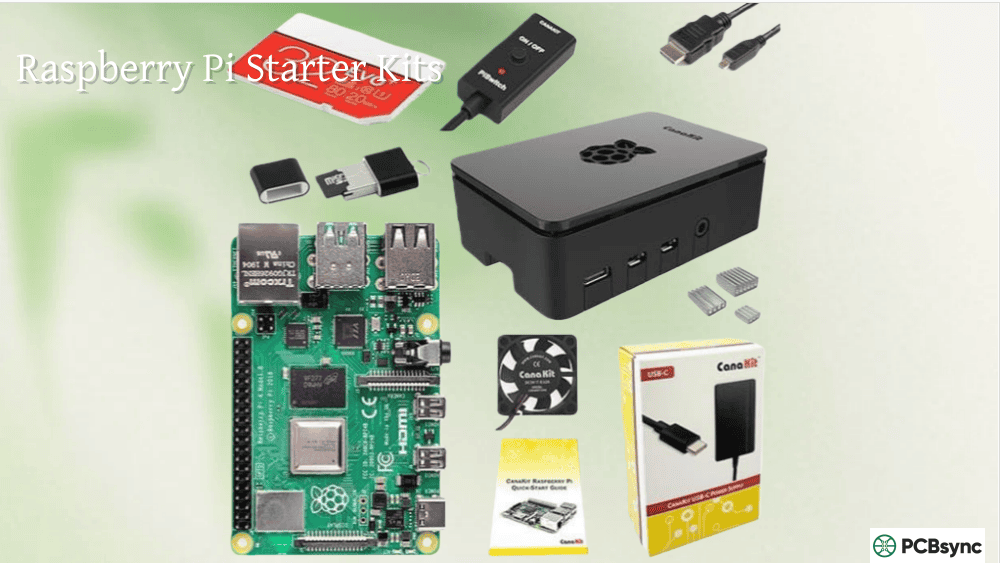
Complete Shopping List
Component
Minimum Spec
Recommended
Notes
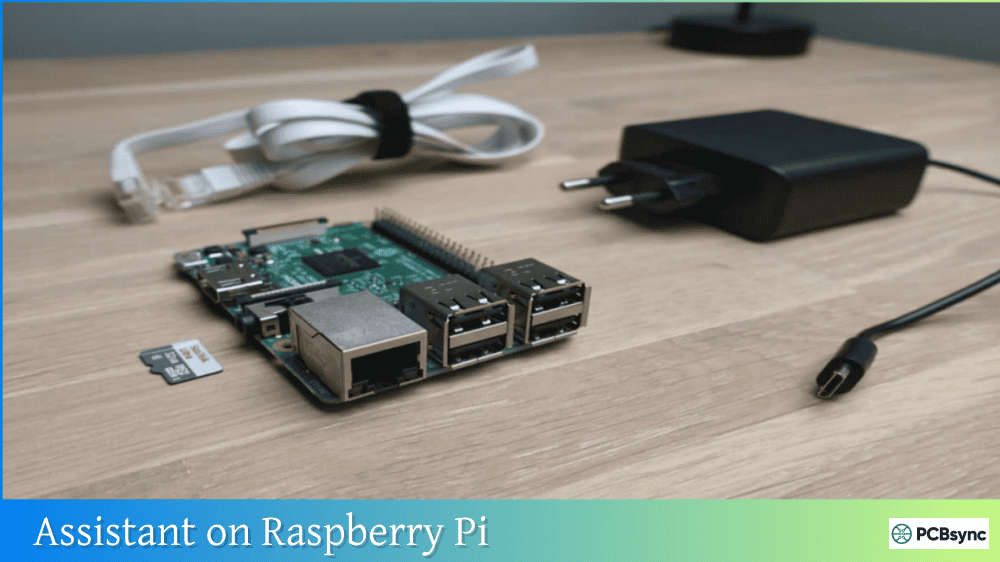
Raspberry Pi
Pi 3 B+
Pi 4 (4GB)
Pi 5 for future-proofing
MicroSD Card
16GB Class 10
32GB A1/A2 rated
Brand matters—SanDisk or Samsung
Power Supply
5V/3A (Pi 4)
Official PSU
Underpowering causes issues
HDMI Cable
HDMI 1.4
HDMI 2.0 for 4K
Micro-HDMI for Pi 4/5
Case
Any
Passive heatsink case
Aluminum cases act as heatsinks
Storage
SD only
USB 3.0 SSD
For local media library
Ethernet Cable
Cat5e
Cat6
For network streaming
Optional but Recommended
Item
Purpose
Cost Range
USB Remote
Navigation without TV remote
$10-20
FLIRC USB
Use any IR remote
$20-25
Mini Wireless Keyboard
Text entry and navigation
$15-30
External HDD/SSD
Local media storage
$40-100+
Choosing Your Operating System
The operating system choice significantly impacts your kodi setup experience. You have three main options.
LibreELEC: Best for Dedicated Media Centers
LibreELEC is a “Just Enough OS” built exclusively for Kodi. It boots directly into Kodi with nothing else running in the background.
Pros:
Fastest boot time (15-25 seconds)
Lowest resource usage
Automatic updates
Pi 5 support included
Cons:
Cannot run additional software
Limited customization outside Kodi
OSMC: Best for Multi-Purpose Setups
OSMC runs on a full Debian Linux base, giving you access to the complete Linux ecosystem alongside Kodi.
Pros:
Install additional software via apt-get
Full SSH access
Custom interface skin
Great for home automation integration
Cons:
Slightly higher resource usage
Slower boot time
Pi 5 support still in development
Raspberry Pi OS + Kodi: Maximum Flexibility
Installing Kodi on standard Raspberry Pi OS lets you use the Pi as both a media center and a regular computer.
Pros:
Full desktop environment
Complete OS capabilities
Switch between Kodi and desktop
Cons:
Slowest boot time
Highest resource usage
Manual Kodi updates
My recommendation: For a dedicated raspberry pi media center, choose LibreELEC. It’s optimized specifically for Kodi and “just works” out of the box.
Step-by-Step Installation Guide
Let’s build your raspberry kodi media center. I’ll use LibreELEC for this guide, but the process is similar for OSMC.
Step 1: Download and Install Raspberry Pi Imager
Raspberry Pi Imager is the official tool for flashing operating systems to SD cards.
Visit raspberrypi.com/software
Download Imager for your computer (Windows, Mac, or Linux)
Install and launch the application
Step 2: Flash LibreELEC to Your SD Card
Insert your microSD card into your computer
Open Raspberry Pi Imager
Click “Choose Device” → Select your Pi model
Click “Choose OS” → “Media player OS” → “LibreELEC”
Select the version matching your Pi (Pi 4, Pi 5, etc.)
Click “Choose Storage” → Select your SD card
Click “Write” and confirm
The process takes 5-10 minutes depending on your SD card speed.
Step 3: First Boot and Initial Setup
Insert the flashed SD card into your Pi
Connect HDMI to your TV
Connect Ethernet (recommended) or prepare WiFi credentials
Connect power—the Pi will boot automatically
LibreELEC displays a setup wizard on first boot:
Hostname: Name your device (e.g., “LivingRoomKodi”)
Network: Connect to WiFi or confirm Ethernet connection
Sharing and Remote Access: Enable SSH if you want remote management (default credentials: root/libreelec)
Step 4: Navigate the Kodi Interface
After setup, you’ll see the Kodi home screen. Here’s the main navigation:
Section
Purpose
Movies
Your movie library
TV Shows
Television series library
Music
Audio collection
Videos
Uncategorized video files
Add-ons
Streaming services, tools
Settings
System configuration
Use arrow keys or remote to navigate, Enter/OK to select, and Backspace/Back to return.
Setting Up Your Media Library
A properly configured library transforms your raspberry pi media center from a simple file browser into an intelligent media system with artwork, descriptions, and automatic organization.
Adding Local Media Sources
From USB Drive:
Connect your USB drive containing media files
Go to Videos → Files → Add videos
Click “Browse” → Select your USB drive location
Name the source (e.g., “Movies USB”)
Set content type (Movies, TV Shows, Music Videos)
Select scraper (The Movie Database recommended)
Click OK and allow Kodi to scan
From Network Share (NAS or Computer):
Go to Videos → Files → Add videos → Browse
Select “Add network location”
Choose protocol:
SMB for Windows shares
NFS for Linux/NAS devices
Enter server IP address (e.g., 192.168.1.100)
Browse to your media folder
Complete source configuration as above
Library Scanning Best Practices
Practice
Benefit
Organize by folder
One folder per movie/show
Name files consistently
MovieName (Year).mkv
Use The Movie Database
Best metadata scraper
Enable “Scan on startup”
Auto-detect new content
Set refresh schedule
Keep metadata current
Essential Kodi Add-ons for Raspberry Pi
Add-ons extend Kodi’s functionality far beyond local playback. Here are the most useful ones:
Video Add-ons
Add-on
Purpose
Installation
YouTube
YouTube streaming
Official Kodi repository
Plex
Connect to Plex server
Official Kodi repository
Jellyfin
Open-source media server
Jellyfin repository
iPlayer WWW
BBC streaming (UK)
Official Kodi repository
Twitch
Live streaming
Official Kodi repository
PVR/Live TV Add-ons
Add-on
Purpose
IPTV Simple Client
M3U playlist playback
HDHomeRun
Network TV tuner
TVHeadend Client
DVR backend
NextPVR
Windows PVR backend
Utility Add-ons
Add-on
Purpose
Kodi Backup
Backup settings/library
Artwork Downloader
Enhanced media artwork
Trakt
Watch history sync
Keymap Editor
Customize controls
Installing Add-ons
Go to Settings → Add-ons → Install from repository
Select “Kodi Add-on repository” (or another source)
Navigate to the add-on category
Select the add-on and click “Install”
Remote Control Options
Navigating Kodi with a keyboard works but isn’t ideal for couch use. Here are better options:
HDMI-CEC (Easiest)
Most modern TVs support HDMI-CEC, allowing your TV remote to control Kodi through the HDMI connection.
To enable:
Settings → System → Input → Peripherals → CEC Adapter
A NAS provides centralized storage accessible from any room.
Adding NAS Sources
For SMB (Windows/Samba shares):
Videos → Files → Add videos → Browse
Add network location
Protocol: Windows network (SMB)
Server name: Your NAS IP (e.g., 192.168.1.50)
Enter username/password if required
Browse to media folder
For NFS (Linux-based NAS):
Same process as above
Protocol: Network File System (NFS)
Server address: nfs://192.168.1.50/volume1/media
NFS typically offers better performance than SMB for media streaming.
Troubleshooting Common Issues
Video Playback Problems
Issue
Cause
Solution
Stuttering video
Insufficient power
Use official power supply
Black screen
HDMI handshake
Connect HDMI before power
No 4K output
Wrong cable
Use HDMI 2.0 cable
Audio sync issues
Refresh rate mismatch
Enable “Adjust display refresh rate”
Buffering
Network speed
Switch to Ethernet
Audio Issues
Issue
Solution
No audio
Check Settings → System → Audio → Audio output device
Audio delay
Adjust sync in Player settings
No passthrough
Enable in audio settings for receiver
Performance Issues
Issue
Solution
Slow interface
Use lighter skin, reduce fanart resolution
Overheating
Add heatsink or case with cooling
Boot problems
Reflash SD card, try different card
Useful Resources and Downloads
Official Downloads
Resource
URL
LibreELEC
libreelec.tv/downloads/raspberry/
OSMC
osmc.tv/download
Raspberry Pi Imager
raspberrypi.com/software
Kodi
kodi.tv/download
Documentation
Resource
URL
Kodi Wiki
kodi.wiki
LibreELEC Wiki
wiki.libreelec.tv
Raspberry Pi Kodi Guide
kodi.wiki/view/Raspberry_Pi
Kodi Add-on Repository
kodi.tv/addons
Community Forums
Platform
URL
Kodi Forum
forum.kodi.tv
LibreELEC Forum
forum.libreelec.tv
Reddit r/kodi
reddit.com/r/kodi
Raspberry Pi Forums
forums.raspberrypi.com
Mobile Remote Apps
App
Platform
URL
Kore
Android
Google Play Store
Yatse
Android
Google Play Store
Official Kodi Remote
iOS
App Store
Frequently Asked Questions
What Raspberry Pi model is best for Kodi?
The Raspberry Pi 4 with 4GB RAM is currently the sweet spot for a raspberry pi media center. It handles 4K 60fps video smoothly, has adequate RAM for library management, and is well-supported by all Kodi distributions. The Pi 5 offers faster performance but costs more and generates more heat. For 1080p-only setups, a Pi 3 B+ or even Pi Zero 2 W works fine.
Can I watch Netflix on a Raspberry Pi media center?
Yes, but it requires additional setup. Netflix isn’t officially supported, but an unofficial add-on using the Widevine DRM library enables Netflix streaming on raspberry kodi systems. You’ll need to install the Inputstream Adaptive add-on and the Widevine library, then add the Netflix add-on from a third-party repository. Be aware that this solution occasionally breaks when Netflix updates their service.
How much storage do I need for Kodi?
The operating system (LibreELEC or OSMC) needs only 2-4GB, so a 16GB SD card is sufficient for the OS and settings. For storing media locally, the sky’s the limit—a 1TB USB drive holds roughly 200 movies at DVD quality or 100 at Blu-ray quality. Many users prefer network storage (NAS), which separates your media from the Pi itself and allows multiple devices to access the same library.
Is LibreELEC or OSMC better for Kodi setup?
For a dedicated kodi setup that only runs Kodi, LibreELEC is better—it’s lighter, faster, and boots directly into Kodi without unnecessary overhead. Choose OSMC if you want to run additional software alongside Kodi, such as a web server, file sharing, or home automation services. OSMC’s Debian base gives you access to thousands of Linux packages via apt-get.
Can I control Kodi with my TV remote?
Yes, if your TV supports HDMI-CEC (Consumer Electronics Control). Most modern TVs do, though manufacturers call it different names: Anynet+ (Samsung), Simplink (LG), Bravia Sync (Sony), etc. Enable CEC in Kodi’s settings and your TV remote’s navigation buttons will control Kodi. For more advanced control, smartphone apps like Kore (Android) or the official Kodi Remote (iOS) work excellently.
Backup and Maintenance
A well-maintained media center provides years of reliable service.
Backing Up Your Configuration
Before making changes or updates, backup your settings:
Using Kodi Backup Add-on:
Install “Backup” from the official Kodi repository
Configure backup location (USB drive or network share)
Select what to backup: settings, library, add-ons, thumbnails
Run backup manually or schedule automatic backups
Manual Backup (LibreELEC):
Your configuration lives in /storage/.kodi. Copy this folder to preserve everything.
Keeping Kodi Updated
LibreELEC and OSMC handle updates differently:
System
Update Method
LibreELEC
Automatic via Settings → LibreELEC → Updates
OSMC
Automatic via My OSMC → Updates
Pi OS + Kodi
Manual via apt update && apt upgrade
Final Thoughts
Building a raspberry pi media center with Kodi gives you a powerful, flexible entertainment system at a fraction of commercial device costs. The combination of Raspberry Pi hardware and Kodi software creates an experience that rivals—and in many ways exceeds—expensive streaming boxes and smart TVs.
Start with LibreELEC for the simplest setup, add your media library, and expand with add-ons as you discover new features. The beauty of this platform is that you can start basic and grow more sophisticated over time without replacing hardware.
Once you’ve experienced the freedom of a raspberry kodi media center—no ads, no subscriptions, no data collection, and support for virtually every media format—it’s hard to go back to locked-down commercial alternatives.
Inquire: Call 0086-755-23203480, or reach out via the form below/your sales contact to discuss our design, manufacturing, and assembly capabilities.
Quote: Email your PCB files to Sales@pcbsync.com (Preferred for large files) or submit online. We will contact you promptly. Please ensure your email is correct.
Notes: For PCB fabrication, we require PCB design file in Gerber RS-274X format (most preferred), *.PCB/DDB (Protel, inform your program version) format or *.BRD (Eagle) format. For PCB assembly, we require PCB design file in above mentioned format, drilling file and BOM. Click to download BOM template To avoid file missing, please include all files into one folder and compress it into .zip or .rar format.