Inquire: Call 0086-755-23203480, or reach out via the form below/your sales contact to discuss our design, manufacturing, and assembly capabilities.
Quote: Email your PCB files to Sales@pcbsync.com (Preferred for large files) or submit online. We will contact you promptly. Please ensure your email is correct.
Notes: For PCB fabrication, we require PCB design file in Gerber RS-274X format (most preferred), *.PCB/DDB (Protel, inform your program version) format or *.BRD (Eagle) format. For PCB assembly, we require PCB design file in above mentioned format, drilling file and BOM. Click to download BOM template To avoid file missing, please include all files into one folder and compress it into .zip or .rar format.
When that small green circuit board arrives in the mail, you might stare at it wondering what you’ve gotten yourself into. I did the same thing back in 2013 when I ordered my first Raspberry Pi for a factory automation prototype. As a PCB engineer, I should have known exactly what to do—but even I felt a bit overwhelmed by all the choices, accessories, and unfamiliar Linux territory.
Raspberry Pi for beginners doesn’t have to feel intimidating. This tiny computer is specifically designed to be approachable, affordable, and incredibly versatile. By the end of your first day, you’ll have a fully functional computer running on your desk, and you’ll understand exactly why millions of makers, hobbyists, and engineers have made this credit-card-sized board their go-to platform for everything from home servers to robots.
This getting started Raspberry Pi guide covers everything from unboxing to your first project. I’ll share the practical knowledge I’ve accumulated over a decade of using these boards in both professional engineering projects and weekend tinkering sessions.
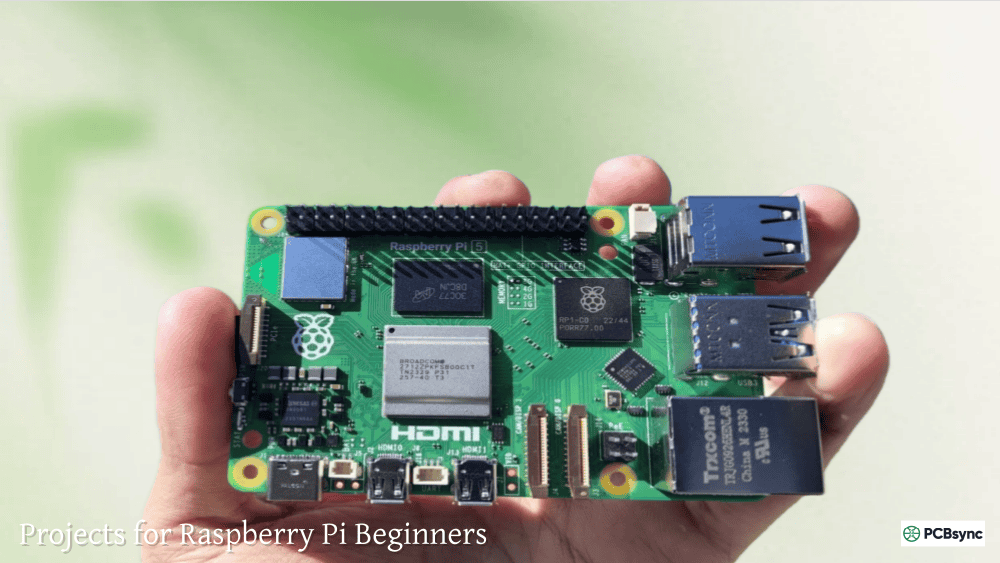
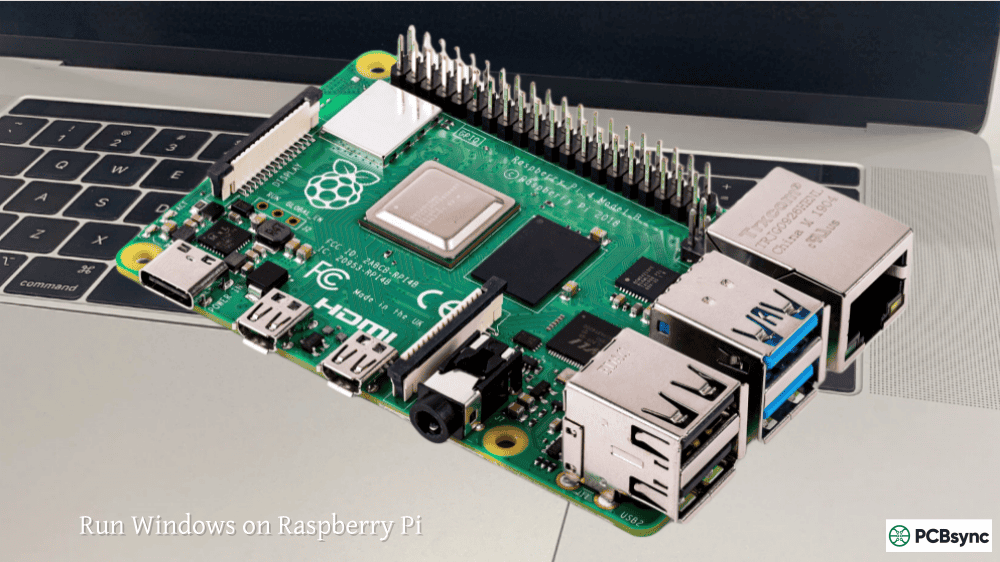
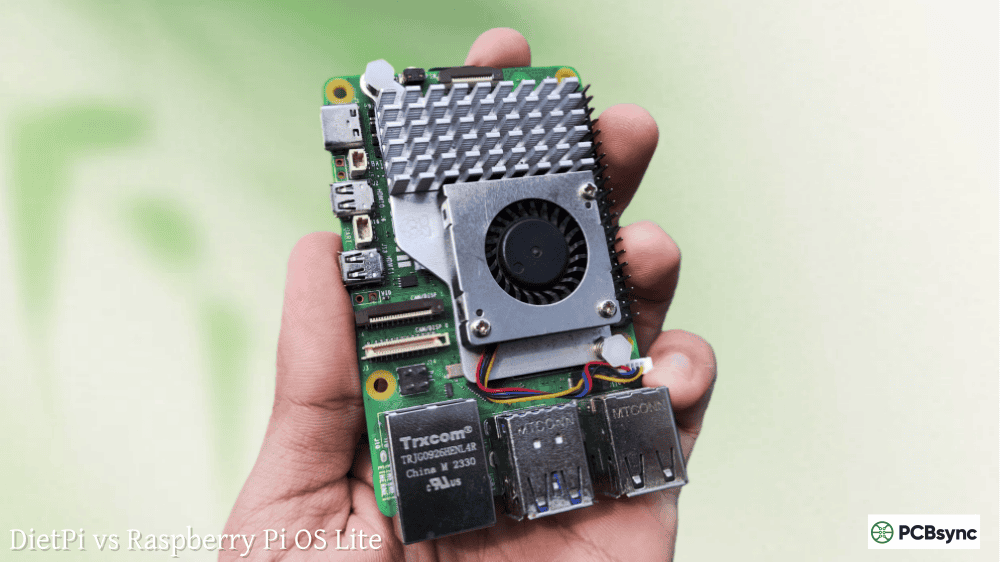
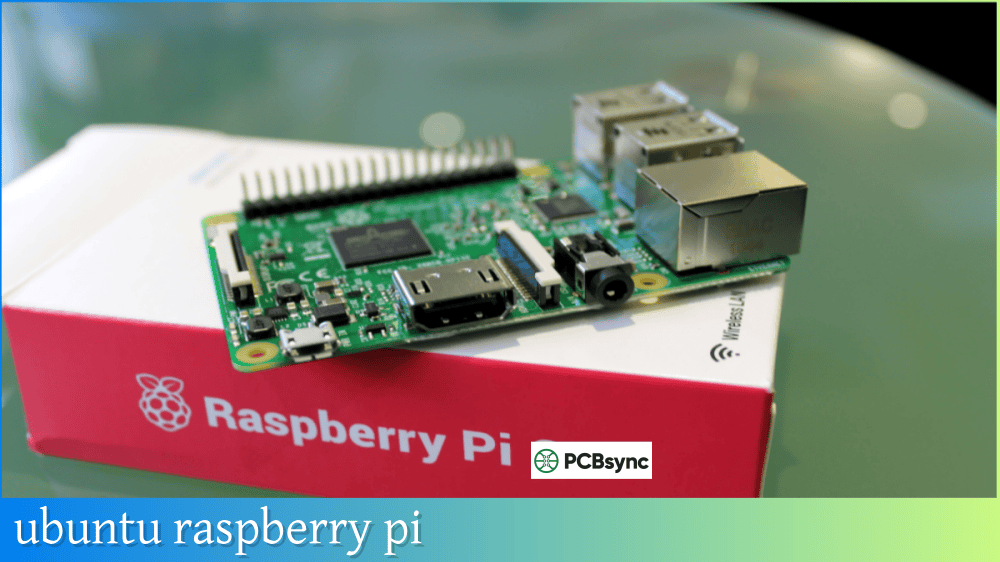
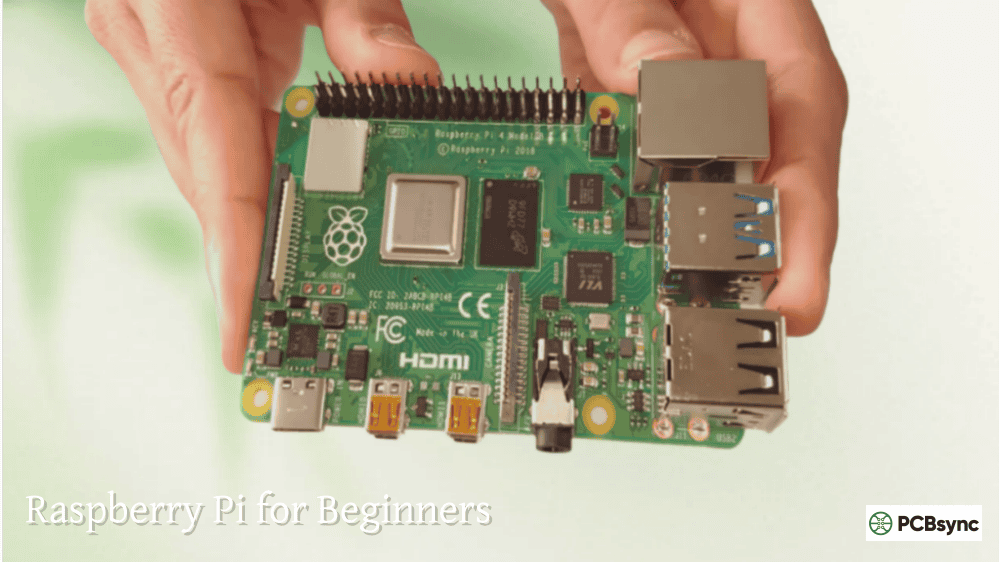
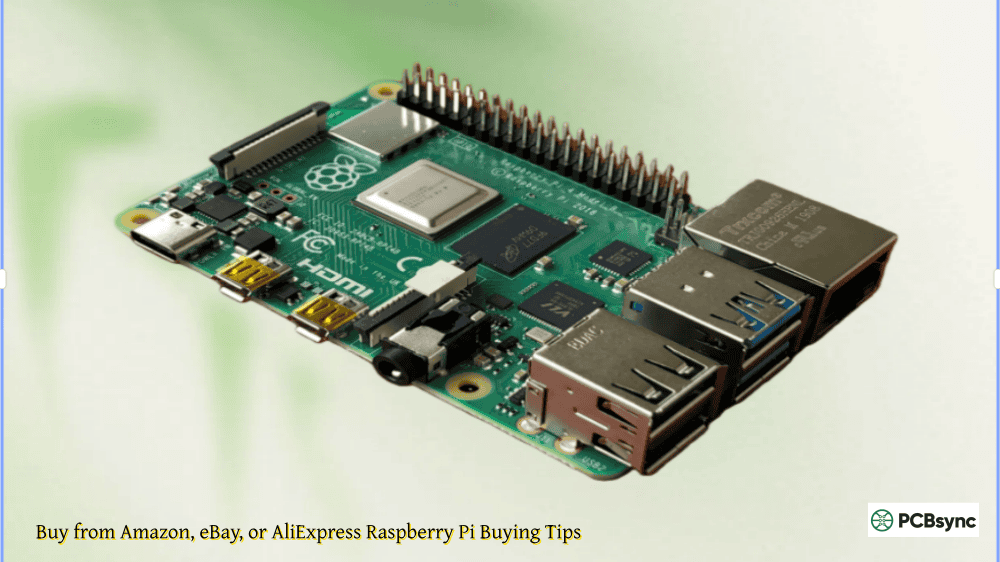
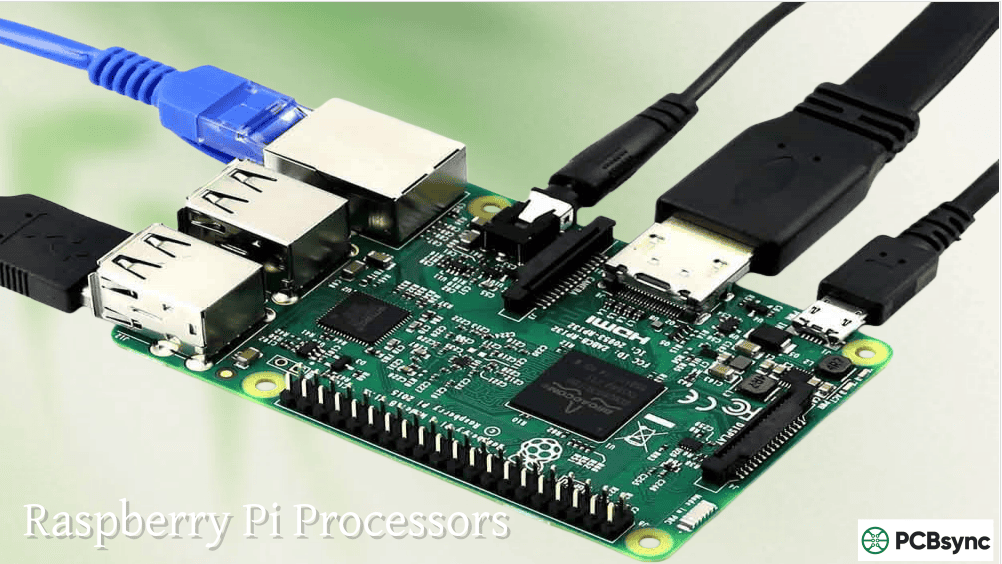
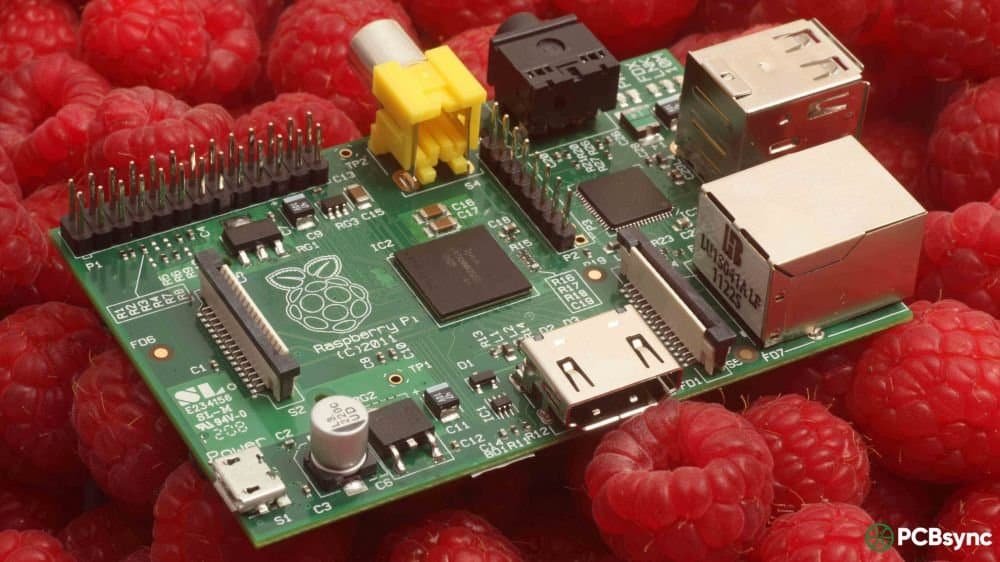
At its core, a Raspberry Pi is a single-board computer (SBC). Unlike your laptop or desktop that’s assembled from multiple component boards, a Raspberry Pi puts everything—processor, memory, graphics, storage interface, and I/O ports—onto one compact PCB.
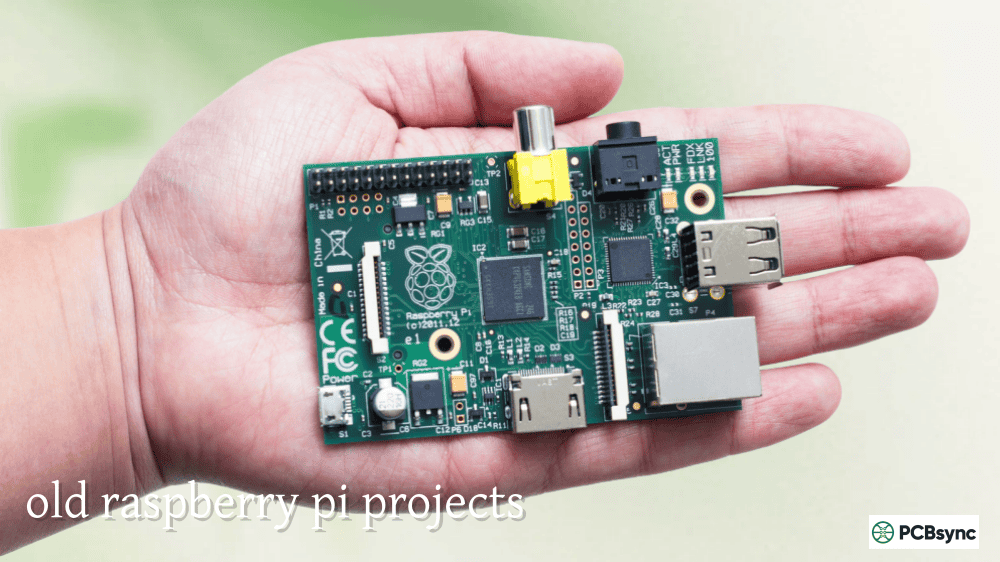
Think of it as a complete computer that happens to fit in your palm. It runs a real operating system (typically Linux-based), supports programming in languages like Python and Scratch, and can connect to monitors, keyboards, and the internet just like any other computer.
What makes the Raspberry Pi special for learning and projects:
Feature
What It Means for You
Low cost ($35-80)
Experiment freely without worrying about expensive mistakes
GPIO pins
Control LEDs, motors, sensors, and other electronics directly
Full Linux support
Learn skills that transfer to professional computing
Huge community
Thousands of tutorials, forums, and ready-made projects
Compact size
Embed in projects, deploy in tight spaces
Low power consumption
Run 24/7 without significant electricity costs
The Raspberry Pi Foundation, a UK-based charity, created these boards specifically to make computing accessible and affordable. Since 2012, they’ve sold over 60 million units worldwide, building one of the most active maker communities in existence.
Choosing Your First Raspberry Pi Model
Before diving into getting started Raspberry Pi setup, you need the right hardware. The model lineup can seem confusing at first, but here’s how to think about it.
Current Raspberry Pi Models Comparison
Model
RAM Options
Best For
Price Range
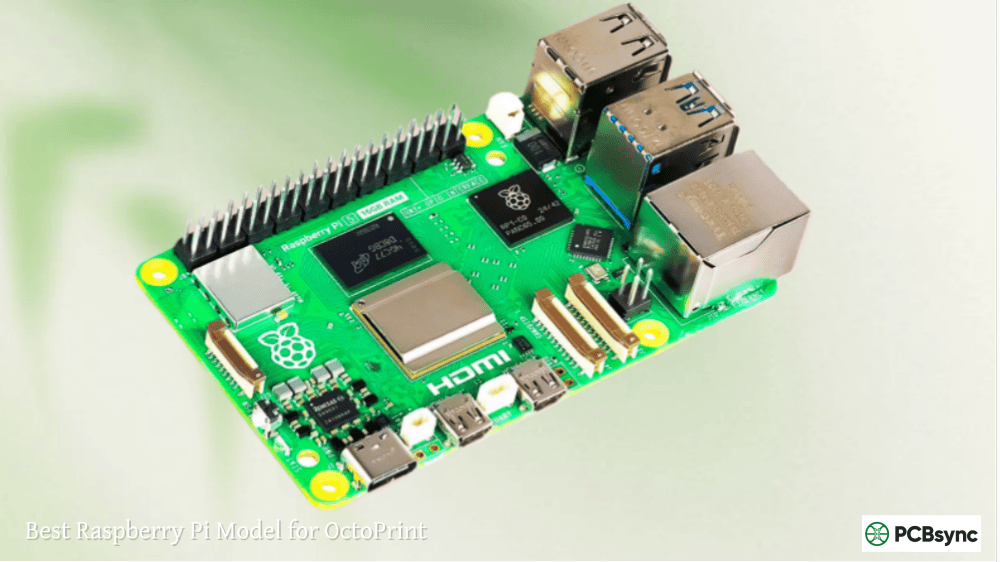
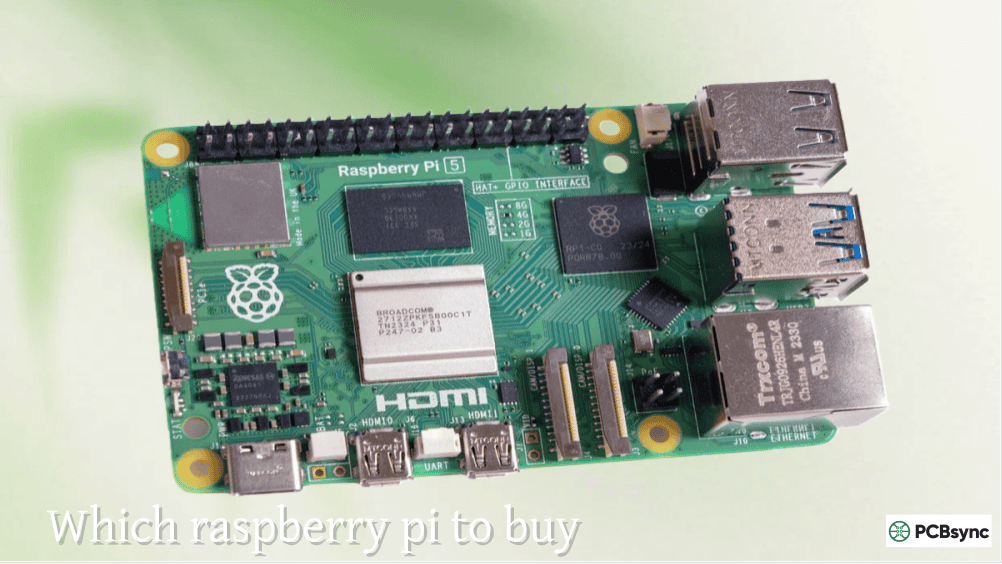
Raspberry Pi 5
4GB, 8GB
Power users, desktop replacement, AI projects
$60-80
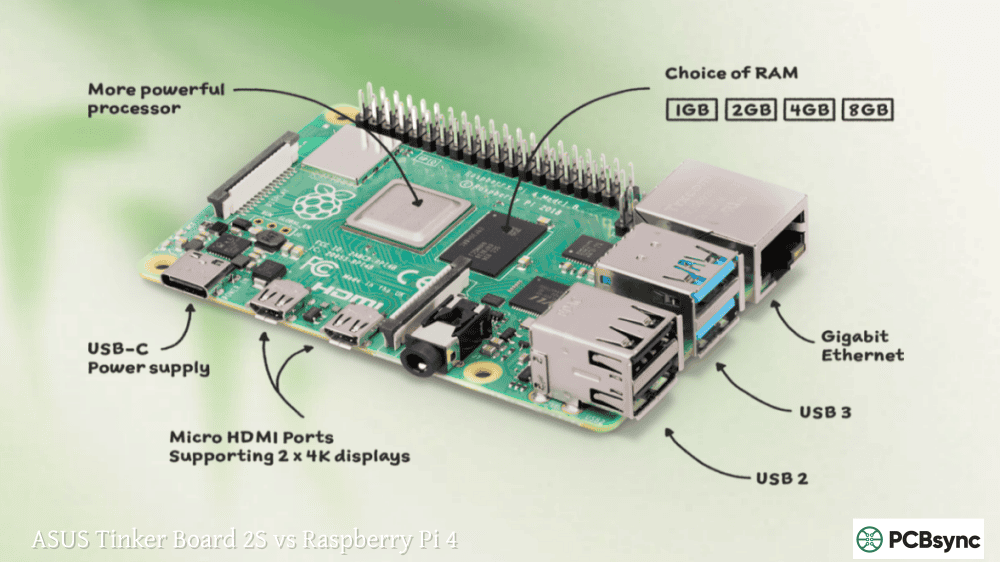
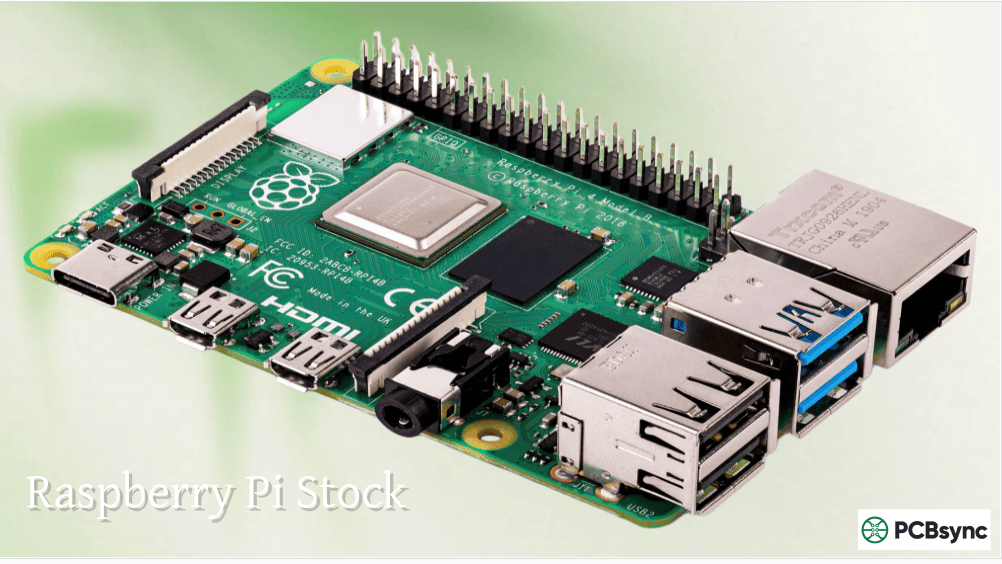
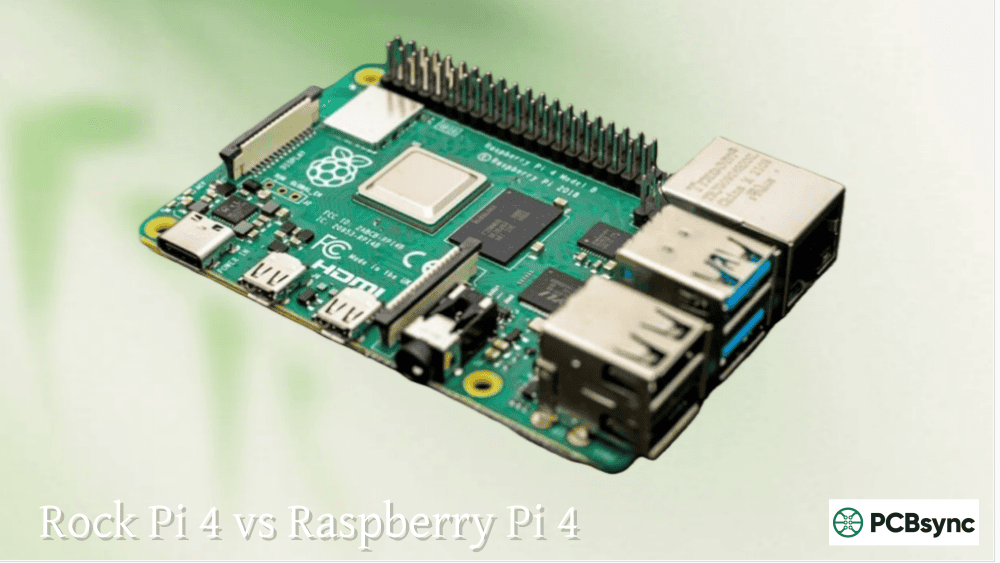
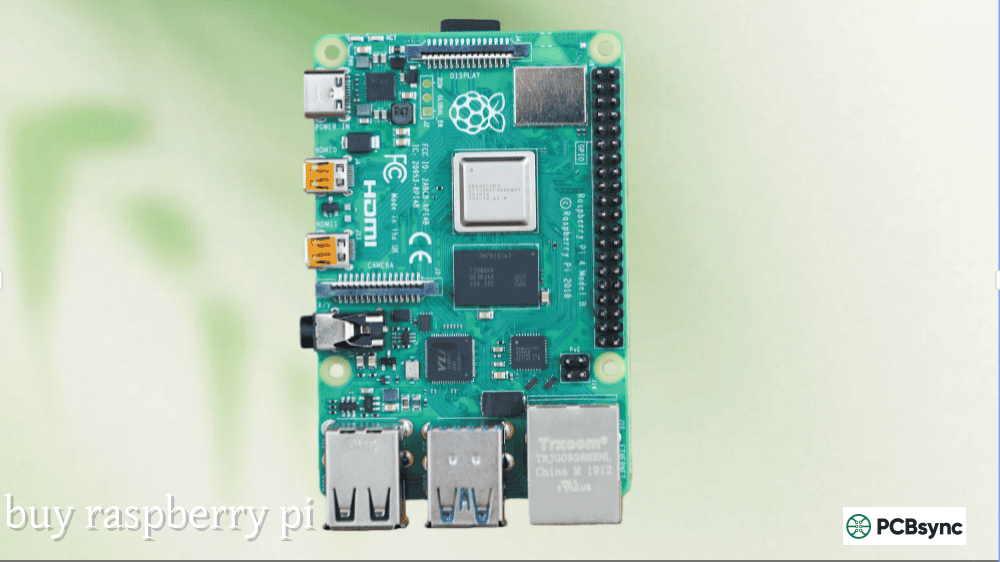
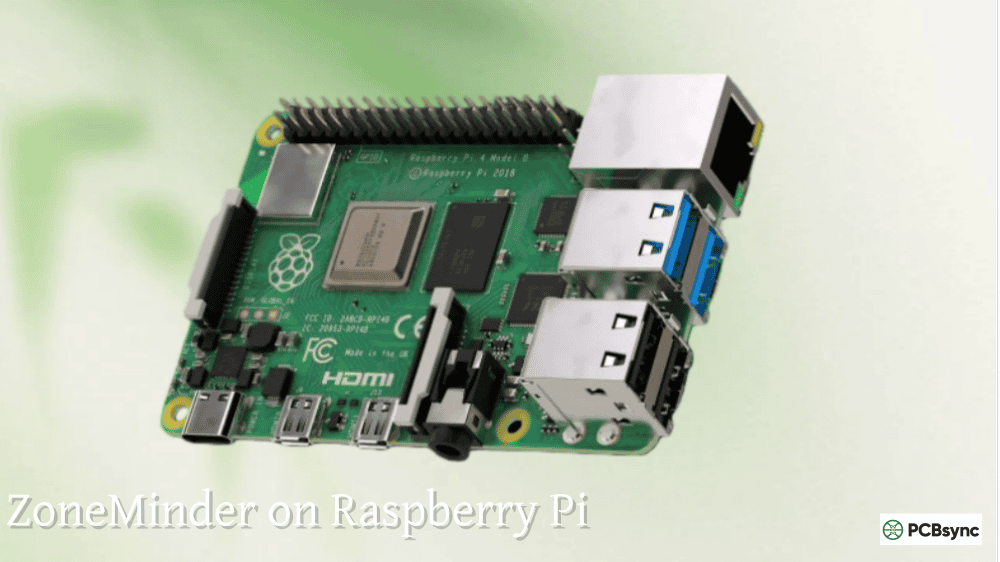
Raspberry Pi 4 Model B
1GB, 2GB, 4GB, 8GB
General learning, media centers, servers
$35-75
Raspberry Pi 400
4GB
Complete beginners, classroom use (keyboard included)
$70
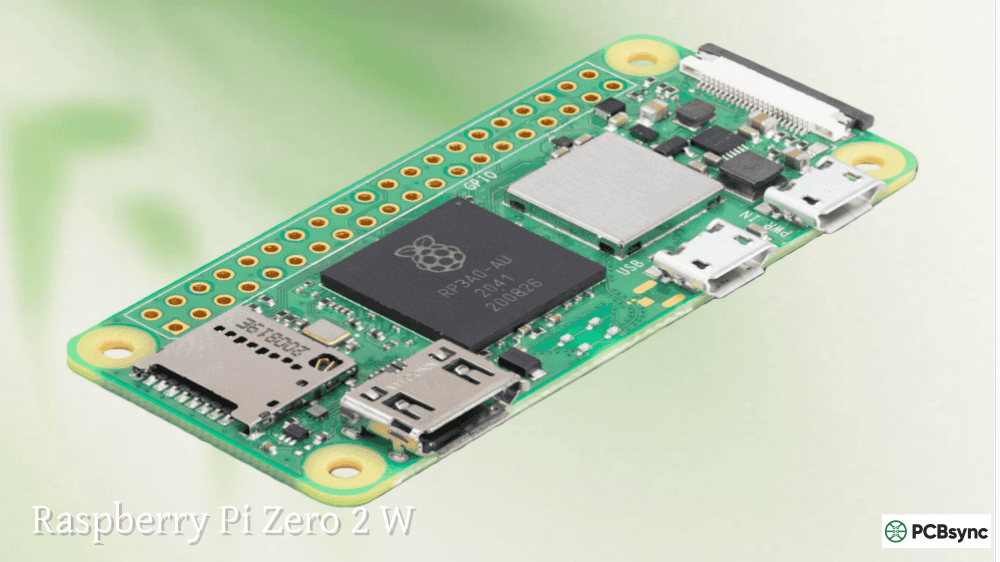
Raspberry Pi Zero 2 W
512MB
Compact embedded projects, IoT sensors
$15
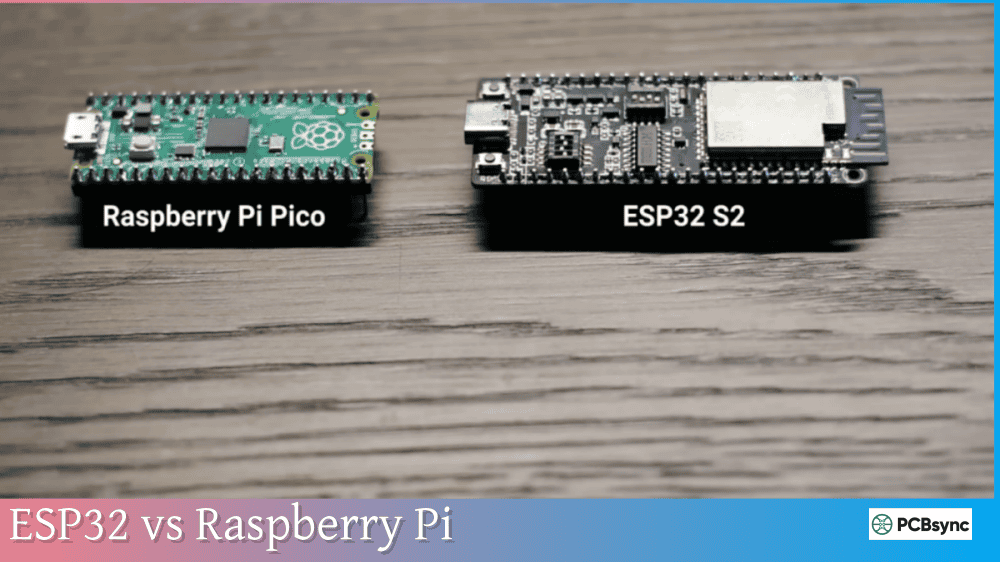
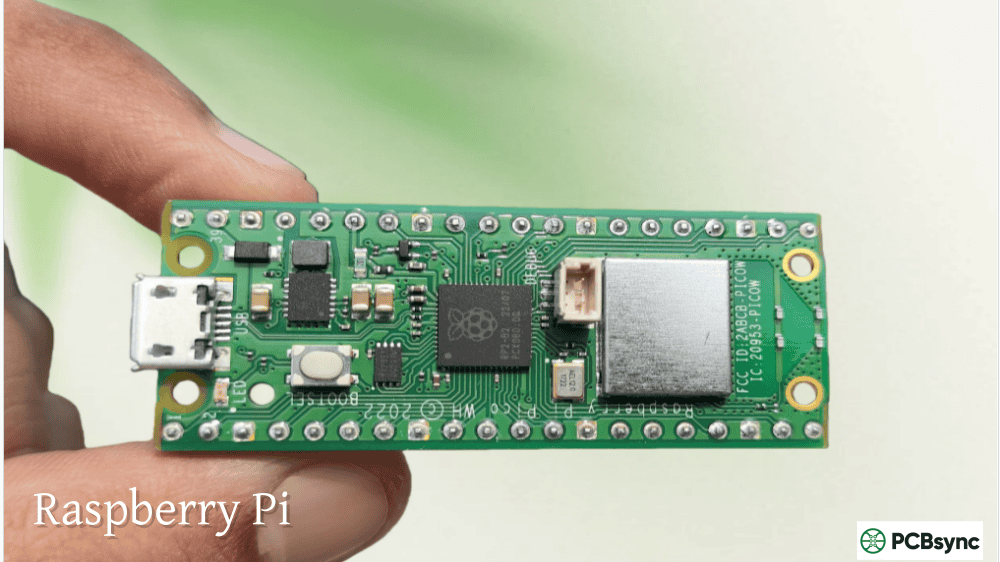
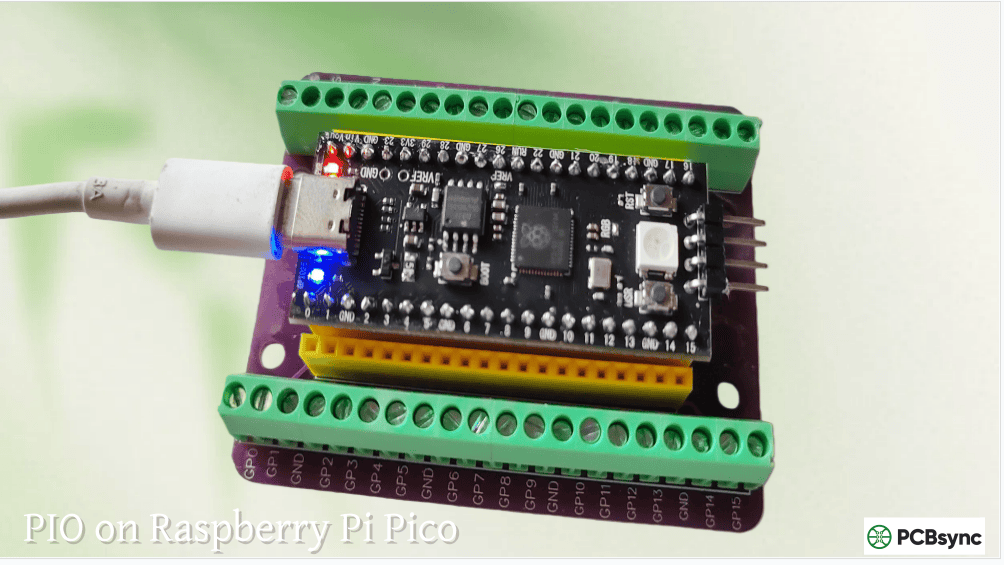
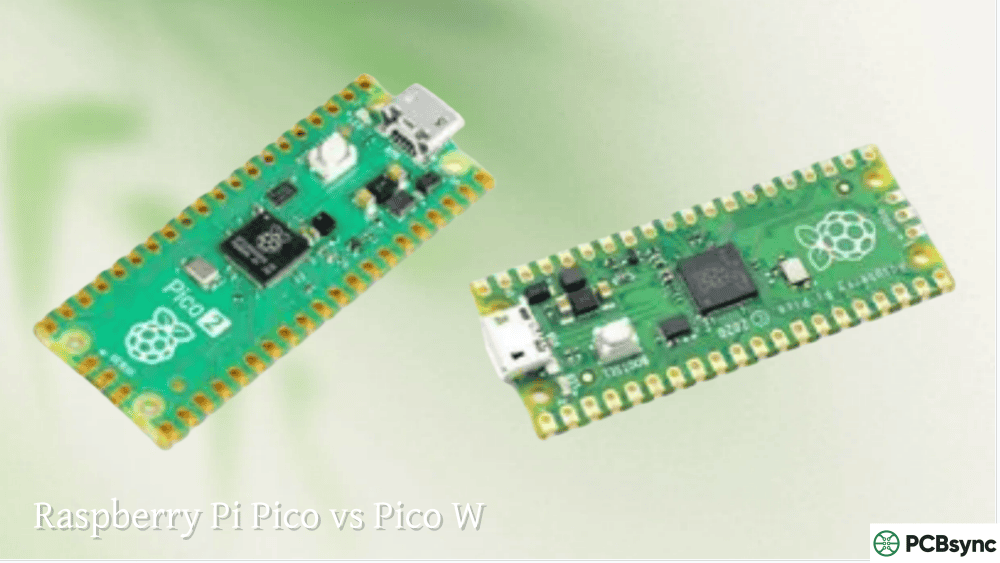
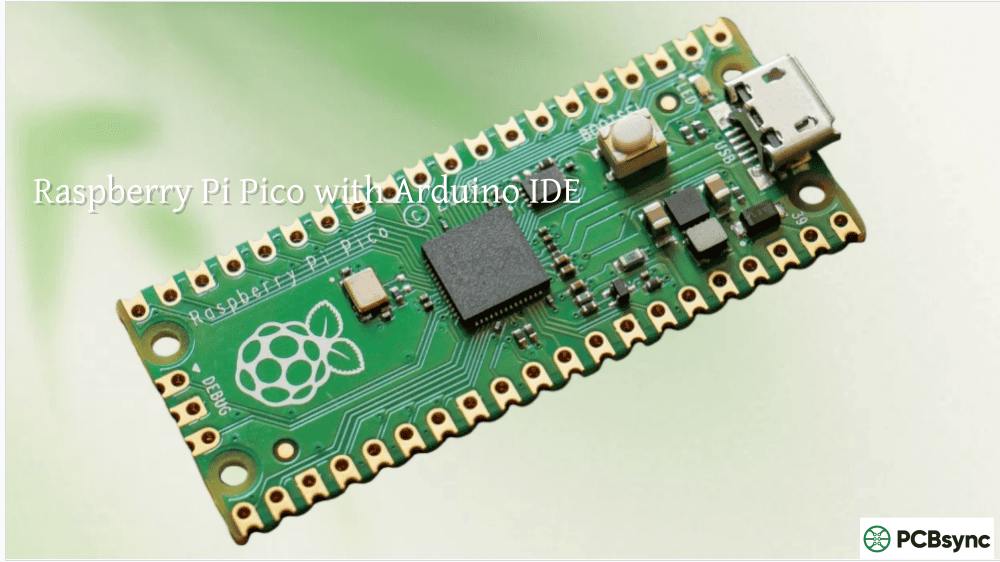
Raspberry Pi Pico/Pico W
N/A (microcontroller)
Electronics projects, LED control, sensors
$4-6
My Recommendation for Beginners
For most people exploring Raspberry Pi for beginners, I recommend the Raspberry Pi 5 with 4GB RAM or the Raspberry Pi 4 Model B with 4GB RAM. Here’s why:
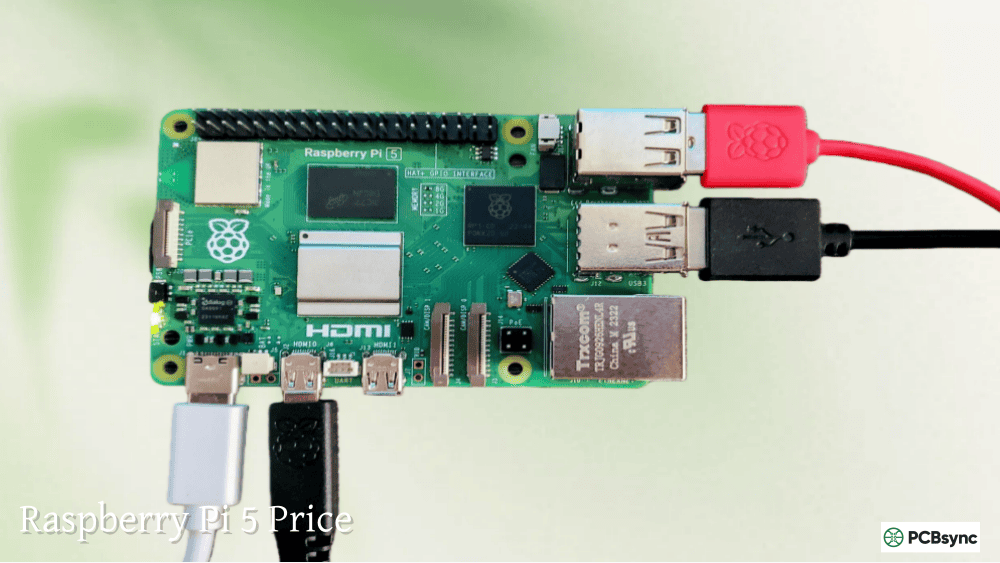
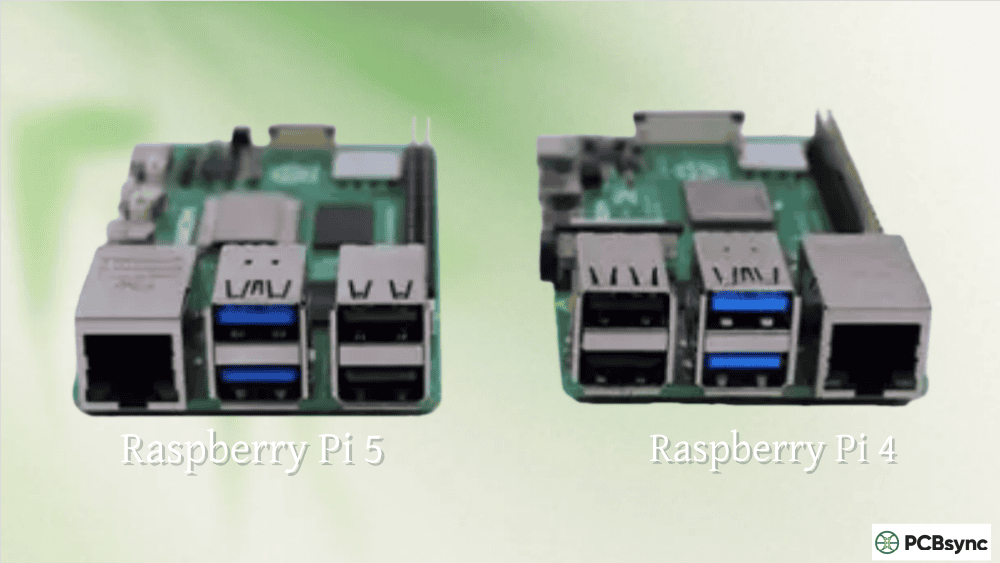
The Pi 5 offers 2-3x the performance of the Pi 4, faster SD card access, and a PCIe connector for NVMe storage down the road. If your budget allows, it’s the smarter long-term investment. However, the Pi 4 remains an excellent choice at a lower price point—it handles web browsing, coding, and most projects beautifully.
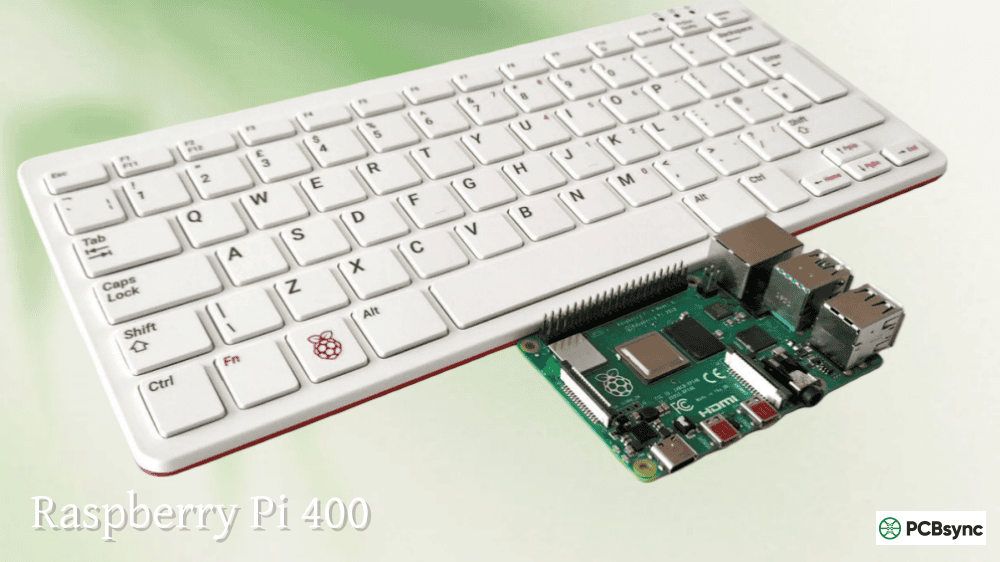
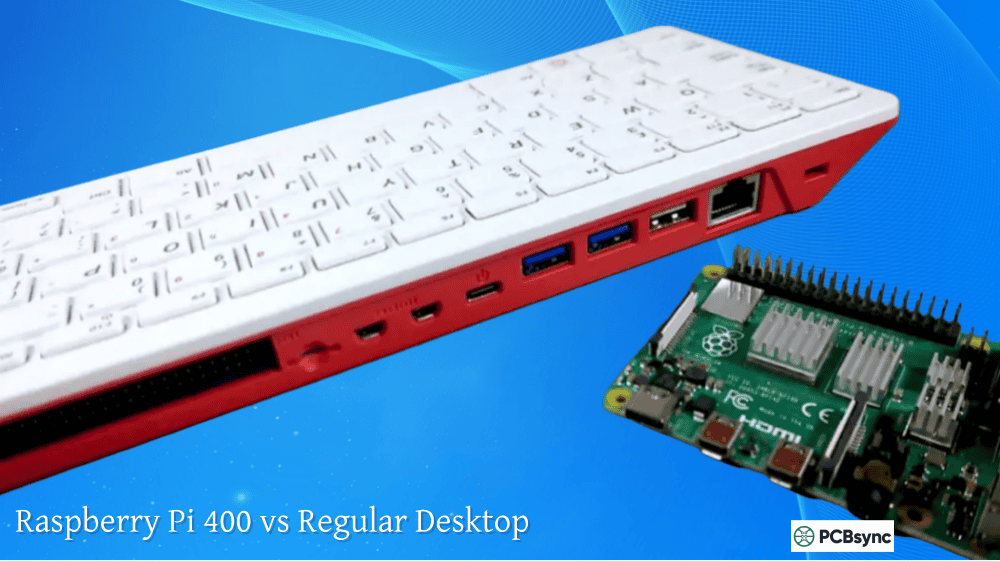
If you’re completely new to computers and Linux intimidates you, consider the Raspberry Pi 400. It’s a complete computer built into a keyboard—just add a monitor and mouse. There’s something wonderfully satisfying about having everything in one tidy package.
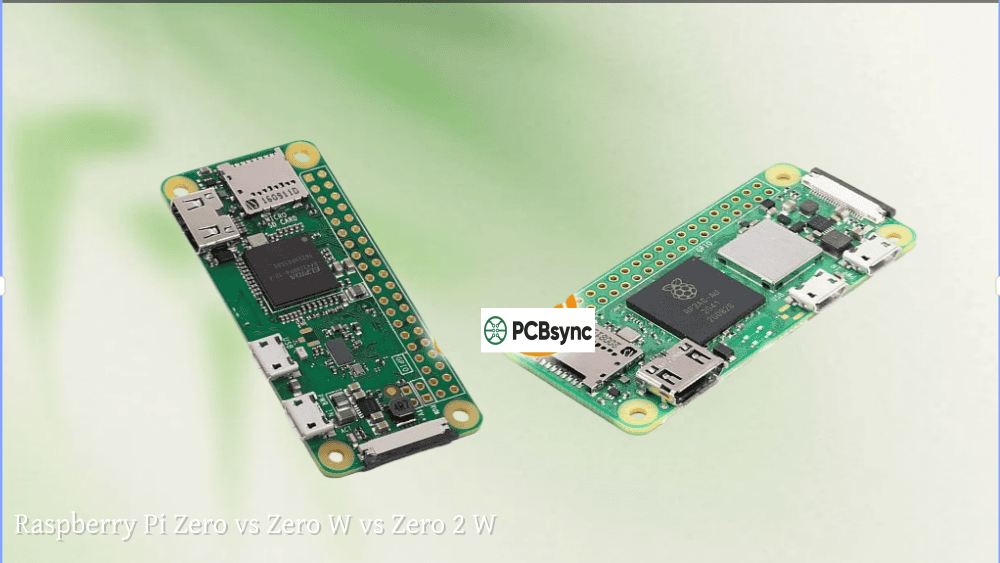
Avoid starting with the Pi Zero series unless you have a specific embedded project in mind. While these tiny boards are fantastic for dedicated applications, their limited RAM and processing power make learning on them frustrating.
Where to Buy
Purchase from authorized retailers to avoid counterfeit boards and ensure warranty coverage:
Retailer
Region
Notes
raspberrypi.com
Global
Official store, ships worldwide
The Pi Hut
UK/EU
Excellent kits and accessories
Adafruit
USA
Great tutorials included
CanaKit
USA/Canada
Popular starter bundles
Pimoroni
UK
Creative accessories and HATs
Essential Accessories for Getting Started Raspberry Pi
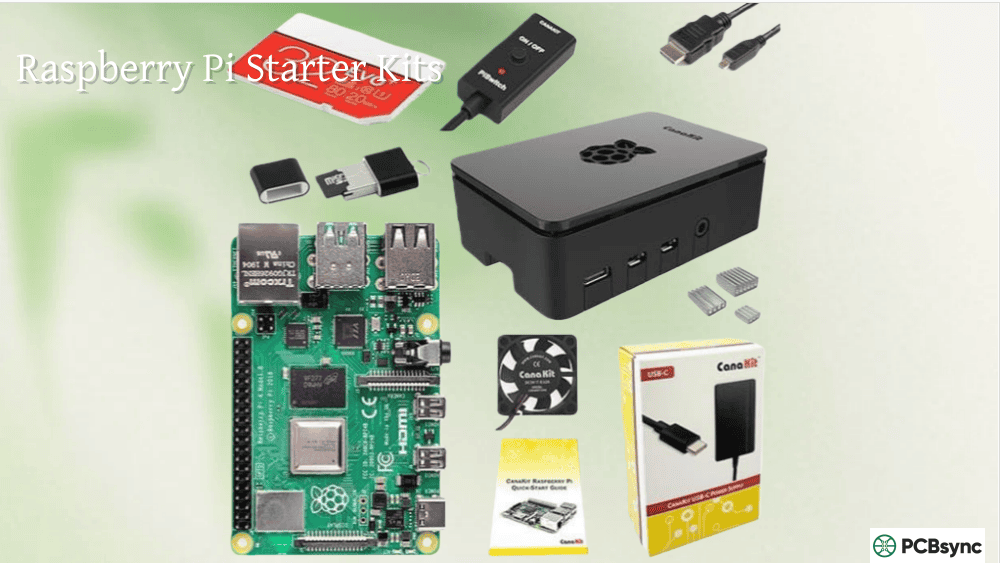
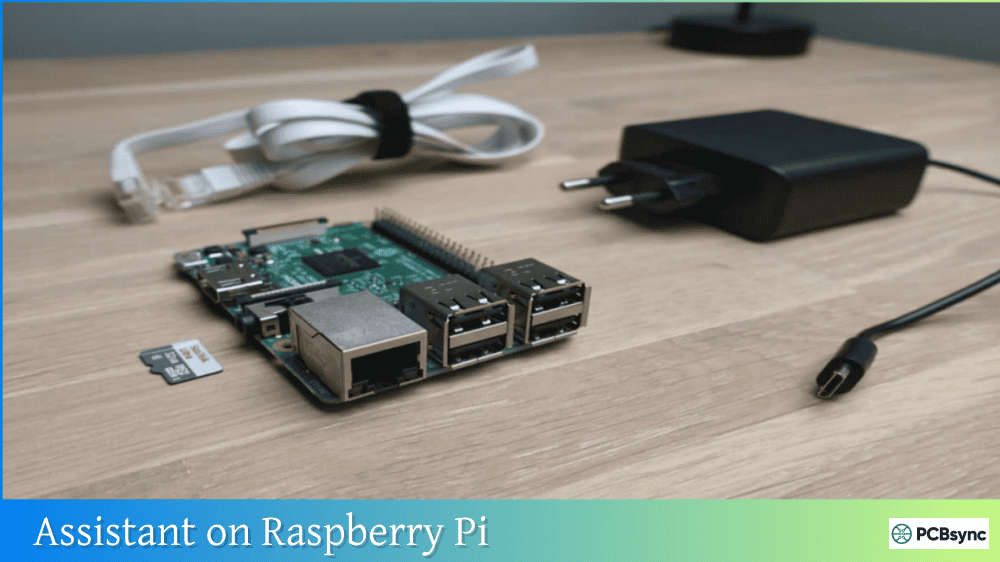
The Raspberry Pi board alone won’t boot. You’ll need several accessories before your first power-on. Some are mandatory; others make life easier.
Mandatory Accessories
Accessory
Specification
Why You Need It
Power supply
USB-C, 5V 3A minimum (Pi 5: 5V 5A recommended)
Powers the board; underpowered supplies cause instability
MicroSD card
16GB+ minimum, Class 10 or A1/A2 rated
Stores the operating system and your files
HDMI cable
Micro-HDMI to HDMI (Pi 4/5) or Mini-HDMI (Zero)
Connects to your monitor or TV
Monitor/TV
Any with HDMI input
Displays the desktop interface
Keyboard & Mouse
USB or Bluetooth
For initial setup (can be USB wireless combo)
Highly Recommended Accessories
Accessory
Purpose
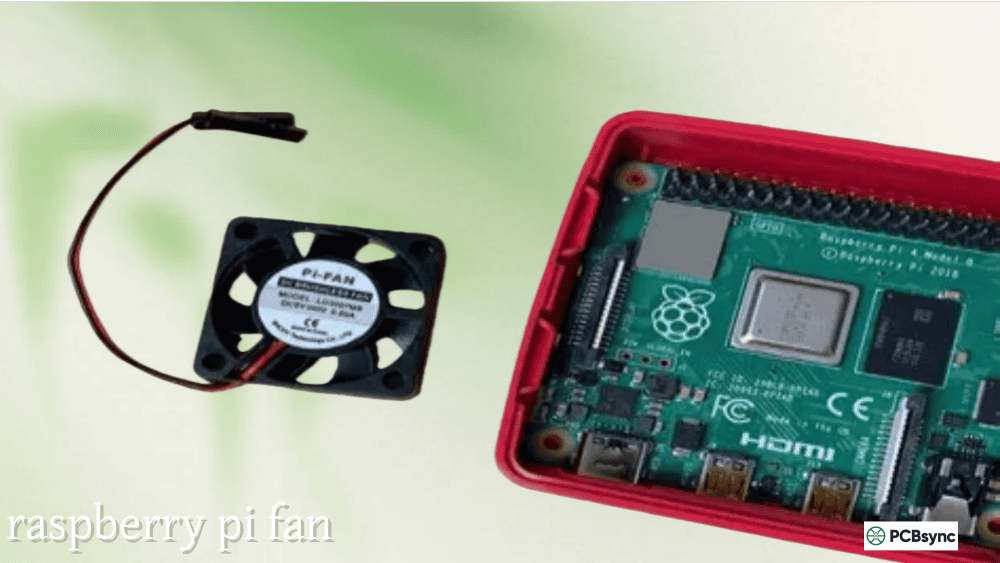
Case with cooling
Protects the board and prevents thermal throttling
Ethernet cable
Faster, more reliable than WiFi for initial setup
USB card reader
For flashing the OS from your computer
Extra SD cards
Quickly swap between different projects/operating systems
A Note on Power Supplies
This is where I’ve seen the most beginners struggle. Don’t use a random phone charger. The Raspberry Pi needs stable, clean power delivery. Voltage drops cause random freezes, file system corruption, and mysterious crashes.
Invest in the official Raspberry Pi power supply. It costs a few dollars more but saves hours of debugging headaches. I learned this lesson the hard way when a cheap power supply corrupted three SD cards before I figured out the problem.
Installing the Operating System
With your hardware assembled, it’s time to prepare your SD card. This process has become remarkably simple thanks to the official Raspberry Pi Imager tool.
Step 1: Download Raspberry Pi Imager
Visit raspberrypi.com/software and download Raspberry Pi Imager for your computer (Windows, Mac, or Linux). Install and launch it.
Step 2: Choose Your Operating System
For Raspberry Pi for beginners, select Raspberry Pi OS (64-bit) with desktop. This gives you a familiar graphical interface similar to Windows or macOS, pre-installed applications, and the full desktop experience.
Other options you might see:
OS Option
When to Choose It
Raspberry Pi OS (64-bit) with desktop
First-time users, learning, general use
Raspberry Pi OS Lite
Headless servers, advanced users
Ubuntu Desktop
If you prefer Ubuntu specifically
LibreELEC/OSMC
Media center only
RetroPie
Retro gaming emulation
Step 3: Configure Settings Before Flashing
Click the gear icon (⚙️) or “Edit Settings” to access the customization menu. This is crucial for a smooth first boot.
Configure these settings:
Set hostname: Choose something memorable like “mypi” or “workshop-pi”
Enable SSH: Toggle this ON if you plan to access your Pi remotely
Set username and password: Create a secure account (the old pi/raspberry default is gone)
Configure wireless LAN: Enter your WiFi network name and password
Set locale settings: Select your timezone and keyboard layout
Step 4: Flash the Card
Select your SD card as the storage target, then click “Write.” The process takes 5-15 minutes depending on card speed. Don’t remove the card until verification completes.
Common Flashing Problems and Solutions
Problem
Cause
Solution
Write fails immediately
SD card locked
Check the tiny switch on the card adapter
Verification fails
Bad SD card or card reader
Try a different card or reader
Very slow write speed
Card not inserted fully
Reinsert card firmly
Imager crashes
Corrupted download
Redownload Imager and try again
First Boot: What to Expect
Insert your flashed SD card into the Raspberry Pi (the slot is underneath on most models), connect your peripherals, and plug in the power supply last.
The Boot Sequence
You’ll see several things happen:
The red power LED illuminates (indicates power is connected)
The green activity LED flickers (indicates SD card access)
Rainbow test screen appears briefly (graphics initialization)
Boot text scrolls past (Linux kernel loading)
Desktop appears (if using desktop version)
If you configured settings in Imager, your Pi will automatically connect to WiFi and be ready to use. The whole process takes 60-90 seconds on first boot, faster on subsequent boots.
If You Skipped Imager Configuration
No problem—Raspberry Pi OS runs a setup wizard on first boot. Follow the prompts to:
Select your country, language, and timezone
Create a username and password
Connect to your WiFi network
Update the software (do this—it downloads security patches)
The wizard might prompt you to reboot after updates. This is normal and takes just a minute.
Exploring the Raspberry Pi Desktop
The Raspberry Pi OS desktop will feel familiar if you’ve used any modern computer. The layout draws inspiration from traditional desktop paradigms while being optimized for the Pi’s hardware.
Key Desktop Elements
Menu Bar (top): Contains the application menu (raspberry icon), file manager, web browser, and system tray
Application Menu: Access all installed programs, organized by category
File Manager: Browse your files with a graphical interface
Chromium Browser: Full web browsing capability
Terminal: Command-line access for advanced operations
Pre-installed Applications Worth Exploring
Application
Purpose
Location in Menu
Thonny
Python programming IDE
Programming
Scratch 3
Visual programming for beginners
Programming
LibreOffice
Document, spreadsheet, presentation suite
Office
VLC Media Player
Video and audio playback
Sound & Video
Raspberry Pi Configuration
System settings
Preferences
Your First Configuration Tasks
Open Preferences → Raspberry Pi Configuration and explore:
System Tab: Change hostname, boot options, auto-login
Localization Tab: Fine-tune language and regional settings
Essential Linux Commands for Beginners
While the desktop handles most tasks, some basic terminal knowledge unlocks the full potential of your Pi. Open Terminal from the menu bar and try these commands.
Navigation and File Management
Command
What It Does
Example
pwd
Print working directory (where you are)
pwd
ls
List files in current directory
ls
ls -la
List all files with details
ls -la
cd
Change directory
cd Documents
cd ..
Go up one directory
cd ..
mkdir
Create a new folder
mkdir projects
cp
Copy a file
cp file.txt backup.txt
mv
Move or rename a file
mv old.txt new.txt
rm
Delete a file (careful!)
rm unwanted.txt
System Commands
Command
What It Does
Example
sudo
Run command as administrator
sudo apt update
apt update
Refresh package lists
sudo apt update
apt upgrade
Install available updates
sudo apt upgrade
apt install
Install new software
sudo apt install vlc
reboot
Restart the Pi
sudo reboot
shutdown now
Power off safely
sudo shutdown now
hostname -I
Show IP address
hostname -I
df -h
Show disk space usage
df -h
free -h
Show memory usage
free -h
Don’t worry about memorizing these immediately. Bookmark this page and reference it as needed. Over time, the most common commands become second nature.
With your Pi running and basic navigation under your belt, here are achievable projects to complete on day one.
Project 1: Update Your System
Start with the fundamentals. Open Terminal and run:
sudo apt update && sudo apt upgrade -y
This ensures you have the latest security patches and software improvements. The process might take 10-20 minutes on a fresh install.
Project 2: Install Additional Software
Try installing an application not included by default. For example, install the htop system monitor:
sudo apt install htop -y
Then run it with htop to see a detailed view of system resources. Press Q to exit.
Project 3: Customize Your Desktop
Right-click the desktop and select “Desktop Preferences” to change the wallpaper and customize appearance. Small personalizations help your Pi feel like yours.
Project 4: Enable SSH for Remote Access
If you didn’t enable SSH during setup, do it now:
Open Preferences → Raspberry Pi Configuration
Go to the Interfaces tab
Enable SSH
Find your IP address with hostname -I
From another computer, connect with ssh username@ip-address
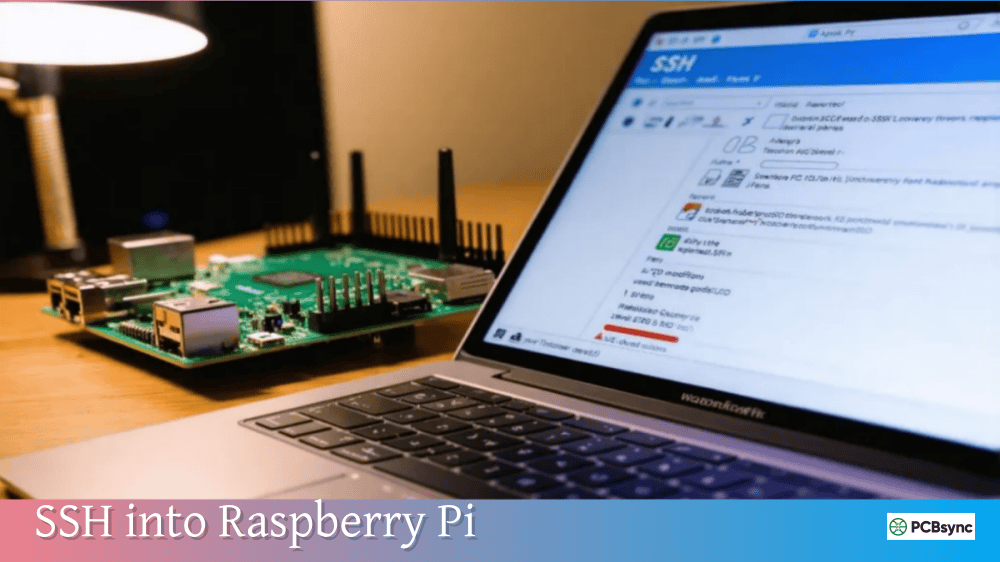
SSH lets you control your Pi from any other computer on your network—incredibly useful for headless projects.
Project 5: Write Your First Python Script
Open Thonny from the Programming menu and type:
# My first Raspberry Pi program
print(“Hello from my Raspberry Pi!”)
for i in range(5):
print(f”Count: {i + 1}”)
print(“Learning is fun!”)
Click the green Run button. Congratulations—you’ve just programmed your Raspberry Pi!
If you have an LED and a 330-ohm resistor, try this:
Connect the LED’s positive leg (longer) to GPIO 17 (pin 11)
Connect the LED’s negative leg through the resistor to GND (pin 6)
Run this Python script:
from gpiozero import LED
from time import sleep
led = LED(17)
while True:
led.on()
sleep(1)
led.off()
sleep(1)
Your LED blinks! This simple exercise demonstrates how the Raspberry Pi can control physical hardware—the foundation of countless exciting projects.
Troubleshooting Common First-Day Problems
Even with careful preparation, things sometimes go sideways. Here’s how to fix the most common issues.
Pi Won’t Boot (No Display)
Symptom
Likely Cause
Fix
No lights at all
Power supply issue
Check power cable connection, try different outlet
Red light only, no green flicker
SD card not recognized
Re-flash the SD card, try different card
Green light flashes in pattern
Boot error
Count flashes, look up error code
Rainbow screen stays
Corrupt OS image
Re-flash with Raspberry Pi Imager
Display Problems
Symptom
Likely Cause
Fix
No signal
Wrong HDMI port
Pi 4/5 use left port (HDMI0) for primary display
Black borders around screen
Overscan enabled
Disable overscan in Raspberry Pi Configuration
Wrong resolution
Auto-detect failed
Set resolution manually in Display settings
WiFi Connection Issues
Symptom
Likely Cause
Fix
Can’t see network
Wrong country code
Set correct country in Localization settings
Won’t connect
Wrong password
Re-enter carefully, check for typos
Slow/unstable
Distance from router
Move closer or use Ethernet
Performance Problems
Symptom
Likely Cause
Fix
Slow and laggy
Thermal throttling
Add heatsink/fan, improve ventilation
Random freezes
Power supply issue
Use official power supply
SD card errors
Cheap/old SD card
Upgrade to quality A1/A2 rated card
Useful Resources for Raspberry Pi Beginners
Bookmark these essential resources for your ongoing Raspberry Pi journey.
Official Resources
Resource
URL
Description
Official Documentation
raspberrypi.com/documentation
Comprehensive technical reference
Getting Started Guide
projects.raspberrypi.org
Step-by-step project tutorials
Raspberry Pi Forums
forums.raspberrypi.com
Community support and discussion
Raspberry Pi OS Downloads
raspberrypi.com/software
Operating system images
Raspberry Pi Imager
raspberrypi.com/software
Official SD card flashing tool
Learning Resources
Resource
URL
Description
The MagPi Magazine
magpi.raspberrypi.com
Free digital magazine with projects
RaspberryTips
raspberrytips.com
Tutorials and tips for all skill levels
Pi My Life Up
pimylifeup.com
Extensive project library
Hackster.io
hackster.io/raspberry-pi
Community project sharing
Recommended Starter Projects
Project
Difficulty
What You’ll Learn
Pi-hole ad blocker
Easy
Networking, DNS, web interface
Retro gaming station
Easy
EmulationStation, controllers, ROMs
Weather station
Medium
Sensors, data logging, Python
Media server (Plex/Jellyfin)
Medium
Streaming, storage, transcoding
Smart home hub
Medium
Home Assistant, automation
Raspberry Pi for Beginners FAQ
How much programming knowledge do I need to use a Raspberry Pi?
None to start. Raspberry Pi OS provides a complete desktop experience with web browser, office suite, and media players—no coding required. However, learning basic Python unlocks far more possibilities. The Thonny IDE included with Raspberry Pi OS makes learning Python approachable, and the Scratch visual programming environment is perfect for complete beginners, including kids.
Can a Raspberry Pi replace my regular computer?
For light tasks, absolutely. Web browsing, document editing, email, and media playback all work well. The Pi 5 with 8GB RAM handles multiple browser tabs and office applications smoothly. However, demanding tasks like video editing, CAD software, or professional photo editing will feel sluggish. Think of it as a capable secondary machine or a dedicated project computer rather than a power-user workstation.
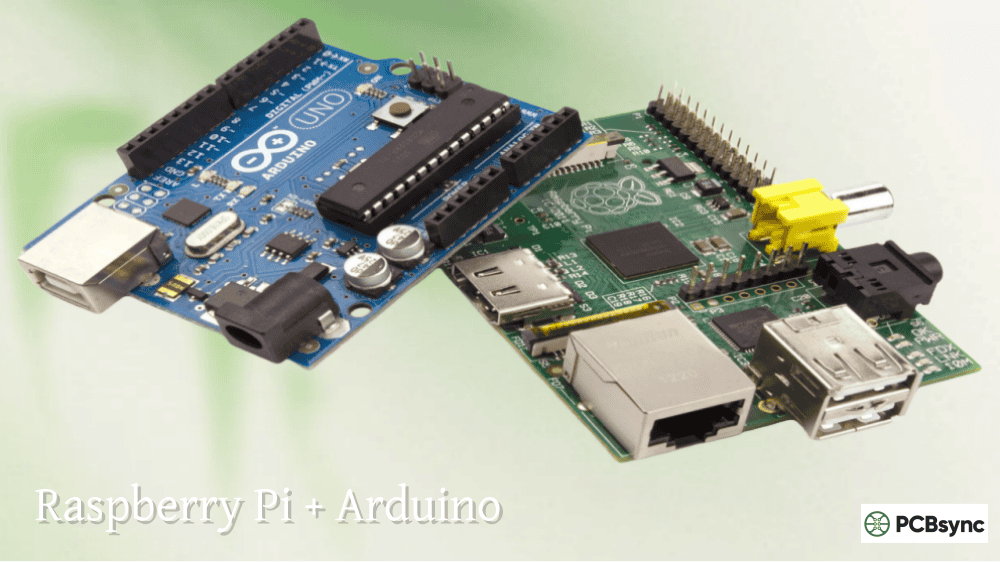
What’s the difference between Raspberry Pi and Arduino?
They serve different purposes. The Raspberry Pi is a complete computer running an operating system—you can browse the web, write documents, and run complex software. Arduino is a microcontroller for directly controlling electronics without an operating system. Many projects combine both: the Raspberry Pi handles complex logic and internet connectivity while the Arduino manages precise real-time sensor reading and motor control.
How long does a Raspberry Pi last if running continuously?
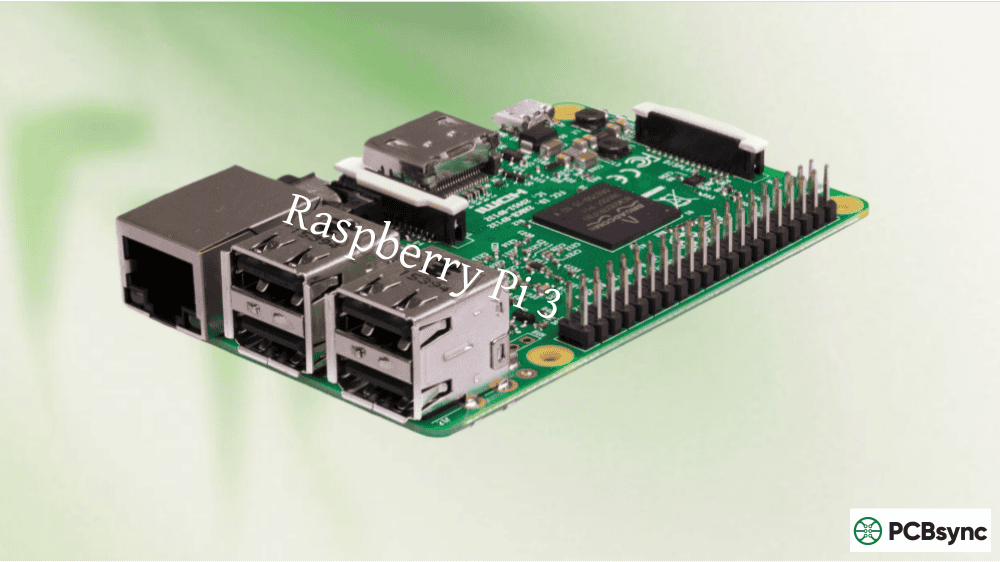
With proper power supply and cooling, Raspberry Pis run reliably for years of continuous operation. I have Pi 3s that have been running 24/7 as home servers since 2016 without issues. The SD card typically fails before the board itself, so quality storage and proper shutdown procedures extend lifespan significantly. For truly mission-critical applications, consider booting from an SSD or NVMe drive instead.
Is my Raspberry Pi safe to leave running unattended?
Yes, with reasonable precautions. Use an official power supply to prevent electrical issues, add adequate cooling to prevent overheating, and keep the board in a case to protect against dust and accidental shorts. The Pi draws minimal power (3-7 watts typically), so fire risk from overheating is extremely low. Many people run Pis as always-on home servers, network monitors, and smart home controllers without any problems.
What Comes Next After Your First Day
Congratulations on completing your first day with the Raspberry Pi. You’ve accomplished more than you might realize—you’ve set up a Linux computer from scratch, learned basic terminal commands, and possibly even written your first program or controlled hardware.
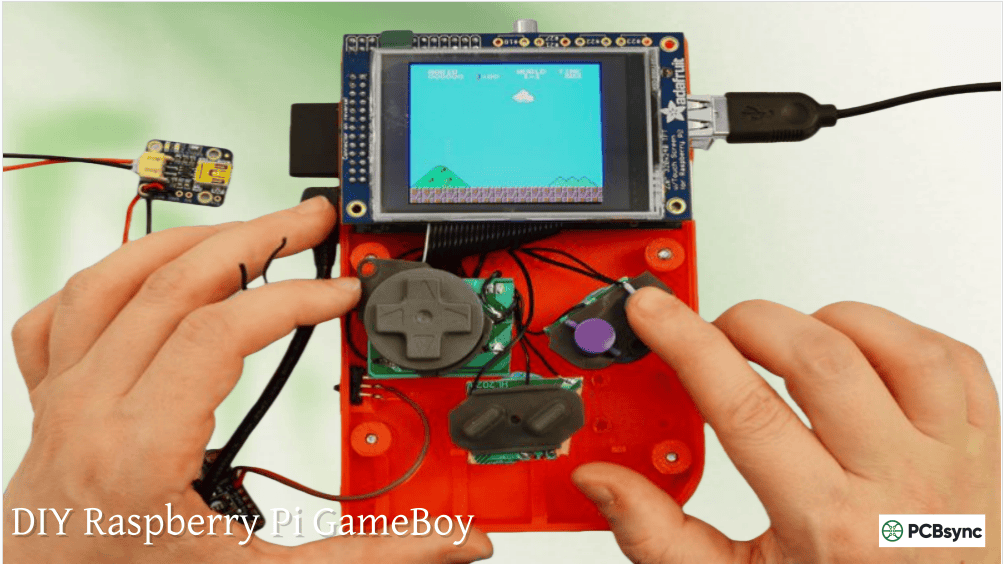
The getting started Raspberry Pi journey continues from here in whatever direction interests you most. Some people dive deep into programming, building increasingly sophisticated Python projects. Others explore home automation, creating smart home systems that control lights, monitor temperatures, and automate daily routines. Many discover the joy of self-hosting, running their own cloud storage, ad blockers, and media servers.
Whatever path you choose, the Raspberry Pi community will be there to help. The forums are incredibly welcoming to beginners, and the sheer volume of tutorials means almost any project you can imagine has documentation somewhere.
Your first day is just the beginning. That small green board sitting on your desk holds possibilities limited only by your imagination—and now you have the foundation to explore them.
Meta Description Suggestions:
Option 1 (155 characters): Complete Raspberry Pi for beginners guide covering hardware selection, OS installation, first boot setup, essential commands, and day-one projects. Start here!
Option 2 (Focus keyword first, 158 characters): Raspberry Pi for beginners: Learn everything for your first day—choosing hardware, installing OS, configuration, Linux commands, and starter projects explained.
Option 3 (Action-oriented, 152 characters): Getting started Raspberry Pi has never been easier. Complete beginner’s guide with hardware tips, setup walkthrough, troubleshooting, and first projects.
Inquire: Call 0086-755-23203480, or reach out via the form below/your sales contact to discuss our design, manufacturing, and assembly capabilities.
Quote: Email your PCB files to Sales@pcbsync.com (Preferred for large files) or submit online. We will contact you promptly. Please ensure your email is correct.
Notes: For PCB fabrication, we require PCB design file in Gerber RS-274X format (most preferred), *.PCB/DDB (Protel, inform your program version) format or *.BRD (Eagle) format. For PCB assembly, we require PCB design file in above mentioned format, drilling file and BOM. Click to download BOM template To avoid file missing, please include all files into one folder and compress it into .zip or .rar format.