Inquire: Call 0086-755-23203480, or reach out via the form below/your sales contact to discuss our design, manufacturing, and assembly capabilities.
Quote: Email your PCB files to Sales@pcbsync.com (Preferred for large files) or submit online. We will contact you promptly. Please ensure your email is correct.
Notes: For PCB fabrication, we require PCB design file in Gerber RS-274X format (most preferred), *.PCB/DDB (Protel, inform your program version) format or *.BRD (Eagle) format. For PCB assembly, we require PCB design file in above mentioned format, drilling file and BOM. Click to download BOM template To avoid file missing, please include all files into one folder and compress it into .zip or .rar format.
Best Touchscreen Displays for Raspberry Pi (All Sizes Compared)
Finding the right Raspberry Pi display for your project can feel overwhelming. There are dozens of options across different sizes, interfaces, and price points, and the specifications rarely tell the whole story. I’ve installed and tested countless displays over the years while building embedded systems, kiosks, and control panels, and I can tell you that choosing based solely on resolution or price usually leads to disappointment.
This guide breaks down the best touchscreen displays by size category, explains the critical technical differences that affect real-world performance, and helps you avoid the common mistakes that waste time and money on incompatible or underperforming screens.
Before comparing specific displays, you need to understand the three main connection methods. This decision fundamentally affects setup complexity, performance, and which GPIO pins remain available for other hardware.
DSI vs HDMI vs SPI Displays
Interface
Speed
Setup
GPIO Usage
Best For
DSI
Fastest
Driver-free
Minimal (power only)
Official displays, tablets
HDMI
Fast
Usually driver-free
None (separate connection)
Large screens, dual display
SPI
Slowest
Often needs drivers
Many pins occupied
Budget small screens
DSI (Display Serial Interface) connects directly to the dedicated display port on your Raspberry Pi. This interface offers the best performance with minimal configuration. The official Raspberry Pi Touch Display 2 uses DSI, and setup literally involves connecting two cables and booting up. The downside is limited third-party options and a maximum resolution around 720p through this interface.
HDMI displays use the standard video output and typically receive touch input through USB. This separation means video performance matches any monitor, but you’re using two connections instead of one. HDMI displays generally work plug-and-play with Raspberry Pi OS, making them excellent choices for larger screens or when you need higher resolutions.
SPI displays communicate through the GPIO header, which creates several challenges. The SPI bus is significantly slower than DSI or HDMI, resulting in lower frame rates (typically 20-50 FPS versus 60 FPS). These displays also consume many GPIO pins, limiting your ability to connect other hardware. However, SPI screens are often the cheapest option and work well for status displays or simple interfaces that don’t require smooth animations.
Small Displays (3.5 to 4 Inches)
Small touchscreens excel in compact projects where space is limited: handheld gaming devices, portable instruments, thermostat interfaces, or embedded control panels. The tradeoff is reduced screen real estate for complex interfaces.
Pimoroni HyperPixel 4
The HyperPixel 4 from Pimoroni represents the gold standard for small Raspberry Pi displays. Unlike typical SPI screens that struggle with refresh rates, the HyperPixel uses a high-speed DPI (Display Parallel Interface) that delivers genuinely smooth 60 FPS performance.
Specification
HyperPixel 4 Standard
HyperPixel 4 Square
Size
4.0 inches
4.0 inches
Resolution
800×480
720×720
Pixel Density
235 PPI
254 PPI
Panel Type
IPS
IPS
Color Depth
18-bit (262,144 colors)
18-bit (262,144 colors)
Refresh Rate
60 FPS
60 FPS
Touch
Capacitive (optional)
Capacitive (optional)
Price
~$45-55
~$45-55
The IPS panel provides excellent viewing angles (160 degrees), and the pixel density makes text surprisingly readable despite the small size. Installation requires adding a single line to config.txt on newer Raspberry Pi OS versions, then rebooting.
The significant limitation: HyperPixel 4 uses nearly all GPIO pins for its DPI interface. You can still access the alternate I2C pins broken out on the back for sensors, but forget about adding HATs or using most GPIO peripherals simultaneously. This makes the HyperPixel 4 ideal for dedicated display projects rather than systems requiring extensive GPIO access.
Budget 3.5-Inch SPI Displays
Displays from Waveshare, Hosyond, and numerous generic brands offer 3.5-inch touchscreens at budget prices ($15-30). These typically feature 480×320 resolution, resistive touch, and SPI connectivity.
Specification
Typical 3.5″ SPI Display
Resolution
480×320
Panel Type
TFT (varies)
Refresh Rate
20-50 FPS
Touch Type
Resistive (stylus included)
Interface
SPI via GPIO
Price
$15-30
These displays work adequately for status displays, simple menus, and projects where smooth animation isn’t critical. Expect to spend time configuring drivers, especially on newer Raspberry Pi OS versions. The Waveshare 3.5inch RPi LCD models provide good documentation and driver support, making them preferable to completely generic options.
Resistive touchscreens require more pressure than capacitive alternatives and don’t support multi-touch gestures. Many include a stylus for precision input. For applications like retro gaming consoles or basic control interfaces, this limitation rarely matters.
Medium Displays (5 to 7 Inches)
The 5-7 inch range represents the sweet spot for most Raspberry Pi projects. These displays are large enough for comfortable interaction while remaining portable. This category includes the official Raspberry Pi displays, making driver support and long-term availability excellent.
Official Raspberry Pi Touch Display 2 (7-inch)
Released in late 2024, the Touch Display 2 significantly improves upon the original 2015 display. The upgrade to 1280×720 resolution and IPS panel technology makes this the display I recommend for most projects.
Specification
Touch Display 2
Original Touch Display
Size
7 inches
7 inches
Resolution
1280×720
800×480
Panel Type
IPS
TFT
Touch Points
5-point capacitive
10-point capacitive
Interface
DSI
DSI
Power Draw
~200mA
~400mA
Price
~$60
~$70
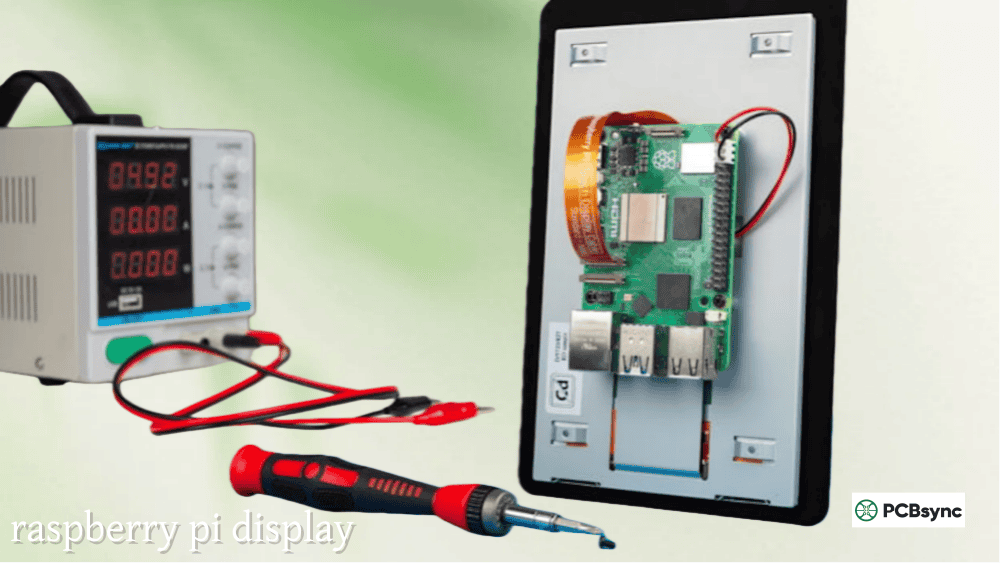
Setup couldn’t be simpler: connect the ribbon cable to the DSI port, connect the power cable to GPIO pins 2 and 6, and boot. Raspberry Pi OS automatically detects the display and configures everything, including the on-screen keyboard for touch-only operation.
The IPS panel provides wide viewing angles that the original TFT display lacked, making it practical for wall-mounted installations or multi-user scenarios. Power consumption dropped significantly, allowing the Pi to power the display directly from GPIO without stability issues on most models.
The only disappointment is the resolution limitation inherent to the DSI interface. While 720p looks sharp on a 7-inch screen, users wanting 1080p or higher must look to HDMI alternatives.
Official Raspberry Pi Touch Display 2 (5-inch)
Raspberry Pi also released a 5-inch variant of the Touch Display 2, maintaining the same 720×1280 resolution in a smaller form factor. This version matches the Raspberry Pi board footprint, creating neat all-in-one assemblies.
Specification
5-inch Touch Display 2
Size
5 inches
Resolution
720×1280 (portrait default)
Panel Type
IPS
Touch Points
5-point capacitive
Interface
DSI
Price
~$50
The 5-inch model defaults to portrait orientation, which suits tablet-style projects but requires software configuration for landscape use. The higher pixel density compared to the 7-inch model makes text exceptionally crisp.
Waveshare 7-Inch HDMI Displays
Waveshare produces multiple Waveshare 7 inch display variants that offer higher resolution than the official DSI displays at competitive prices. The most popular models include:
Model
Resolution
Touch Type
Panel
Interface
Price
7inch HDMI LCD (C)
1024×600
Capacitive (5-point)
IPS
HDMI + USB
~$45-55
7inch DSI LCD
800×480
Capacitive (5-point)
TFT
DSI
~$40-50
7inch HDMI LCD (H)
1024×600
Capacitive (5-point)
IPS (with case)
HDMI + USB
~$55-65
The HDMI models provide plug-and-play compatibility with Raspberry Pi OS, though some config.txt modifications may improve display quality. The 1024×600 resolution offers approximately 30% more screen real estate than the official 800×480 displays, beneficial for desktop use or information-dense interfaces.
Waveshare’s documentation varies in quality, and their wiki sometimes contains outdated information for newer Raspberry Pi OS releases. Budget extra time for setup compared to official displays.
Large Displays (10 Inches and Above)
Large touchscreens suit wall-mounted dashboards, point-of-sale systems, or desktop replacement scenarios. These displays typically connect via HDMI and may require separate power supplies.
SunFounder 10.1-Inch IPS Display
The SunFounder TS-10 provides a larger canvas for projects requiring more screen real estate than 7-inch displays offer.
Specification
SunFounder TS-10
Size
10.1 inches
Resolution
1280×800
Panel Type
IPS
Touch Points
10-point capacitive
Interface
HDMI + USB
Mounting
VESA compatible
Price
~$80-100
The 1280×800 resolution works well at this size, providing adequate pixel density without overwhelming the Raspberry Pi’s GPU. The capacitive touchscreen works across operating systems without driver installation, including Ubuntu and Windows.
The design lacks a protective case, creating a somewhat DIY appearance. The Raspberry Pi mounts to the back of the display PCB using standoffs, with cables visible. This suits maker projects but may require custom enclosures for polished installations.
EVICIV and Similar 11.6-Inch Displays
For near-laptop-sized touch interfaces, several manufacturers offer 11.6-inch 1920×1080 displays. These work excellently as portable monitors but push the Raspberry Pi’s graphical capabilities.
Specification
Typical 11.6″ FHD Display
Size
11.6 inches
Resolution
1920×1080
Panel Type
IPS
Touch Points
10-point capacitive
Interface
HDMI + USB
Price
$100-150
Running full 1080p on a Raspberry Pi 4 or 5 works acceptably for desktop use, though demanding graphical applications may struggle. The Raspberry Pi 5’s improved GPU handles these resolutions more comfortably than earlier models.
Display Selection Guide by Application
Different projects have different priorities. Here’s how to match displays to common use cases:
Home Automation Control Panels
Recommended: Official Touch Display 2 (7-inch) or Waveshare 7-inch DSI
Wall-mounted control panels benefit from the DSI interface’s simple cabling and reliable driver support. The 7-inch size provides comfortable touch targets without dominating wall space. IPS panels ensure visibility from various angles as family members walk past.
Retro Gaming Consoles
Recommended: HyperPixel 4 or 3.5-inch SPI display
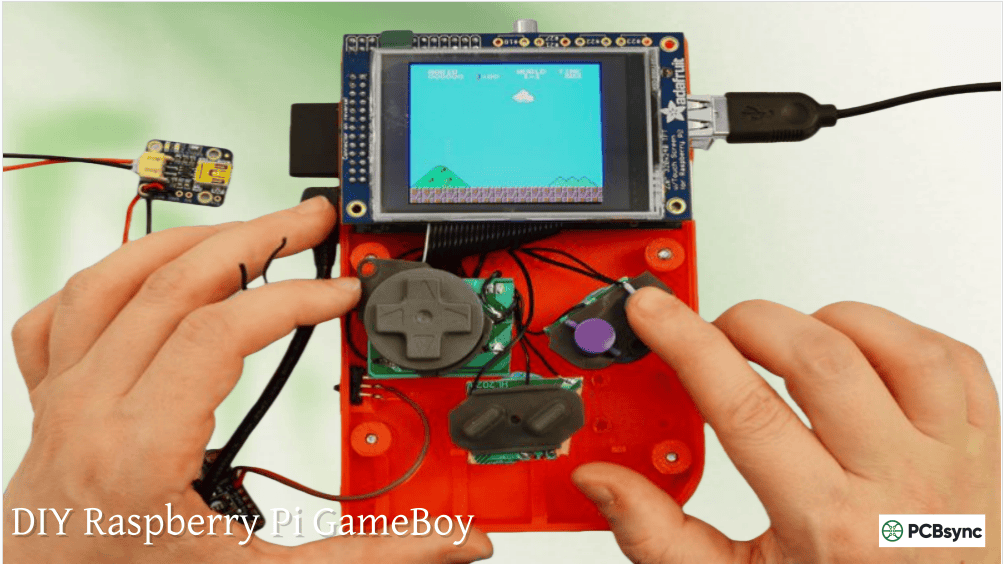
Compact gaming devices prioritize portability over screen size. The HyperPixel 4’s 60 FPS refresh rate prevents the input lag that SPI displays can introduce. For authentic retro experiences where original games ran at low resolutions anyway, budget 3.5-inch screens work surprisingly well.
Information Kiosks
Recommended: SunFounder 10.1-inch or similar large HDMI display
Public-facing displays need size for visibility and capacitive touch for reliability. The 10-inch class provides enough space for complex interfaces while remaining manageable for mounting. VESA compatibility simplifies installation in commercial enclosures.
Portable Instruments and Test Equipment
Recommended: Official 5-inch Touch Display 2 or HyperPixel 4
Portable projects balance screen size against overall device dimensions. The 5-inch official display’s Pi-matching footprint creates compact assemblies. DSI connectivity eliminates the bulk of HDMI adapters.
Installation Tips and Common Issues
After installing dozens of displays, certain problems appear repeatedly. Here’s how to avoid them:
Power Issues: Large displays or multiple peripherals can exceed the Raspberry Pi’s power delivery capacity. Symptoms include random reboots, display flickering, or the yellow lightning bolt icon. Use a quality 5V 3A power supply (5V 5A for Pi 5), and consider external power for displays larger than 7 inches.
Touch Calibration: Some displays, particularly SPI models, require touch calibration. Raspberry Pi OS includes xinput_calibrator for this purpose. If touch points register in wrong locations, calibration usually resolves the issue.
Rotation Mismatches: Display rotation and touch rotation are configured separately. After rotating a display, touch input may not match the new orientation. The Screen Configuration utility in Raspberry Pi OS Desktop handles both, but command-line configuration requires setting both display and touch rotation parameters.
Driver Conflicts: Third-party displays sometimes conflict with the default video drivers. Symptoms include black screens or extremely low frame rates. Check whether the display requires the legacy graphics stack (fkms) rather than the newer kms driver.
Can I use multiple touchscreens with one Raspberry Pi?
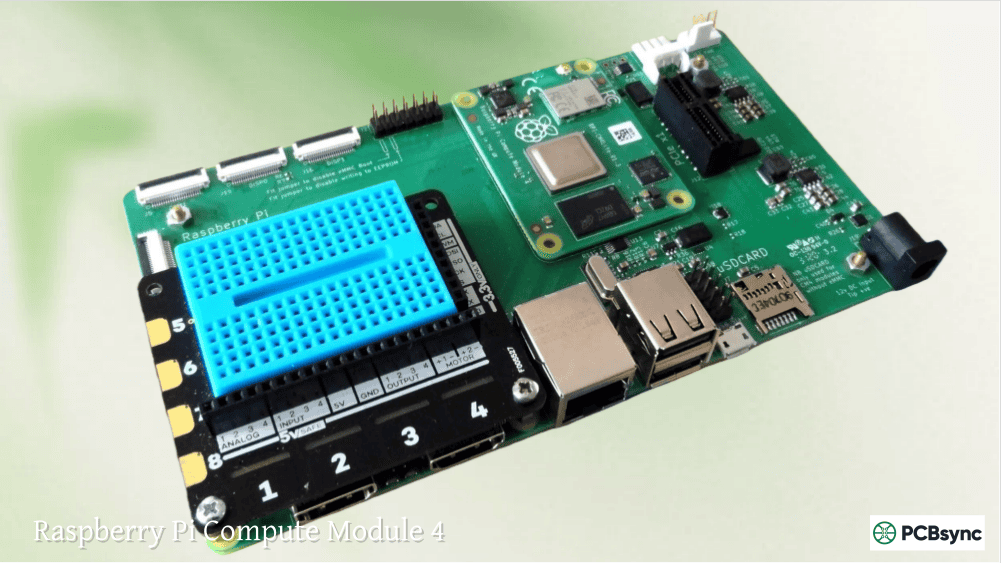
The Raspberry Pi supports one DSI display and one or two HDMI displays simultaneously (depending on model). However, only one touchscreen typically works at a time without custom configuration. For multi-touch setups, the Compute Module 4 offers more flexibility with dual DSI ports.
Do I need to install drivers for official Raspberry Pi displays?
No. The official Touch Display and Touch Display 2 work automatically with current Raspberry Pi OS releases. Simply connect the hardware and boot. Third-party displays may require driver installation or config.txt modifications.
Which display works best with the Raspberry Pi 5?
The official Touch Display 2 (both 5-inch and 7-inch) offers the best Pi 5 compatibility with its updated DSI connector. Note that Pi 5 uses a different FFC cable (22-pin to 15-pin) included with Touch Display 2. Most HDMI displays work without issues; some DSI displays designed for earlier Pi models may require updated firmware.
Why is my SPI display so slow and laggy?
SPI displays are inherently slower than DSI or HDMI alternatives due to the limited bandwidth of the SPI bus. Typical SPI displays achieve 20-50 FPS versus 60 FPS for DSI/HDMI. For smoother performance with small displays, consider the HyperPixel 4 which uses the faster DPI interface, or switch to an HDMI display if your project allows.
Can I use a Raspberry Pi touchscreen with Ubuntu or other operating systems?
DSI displays generally work with any Linux distribution that includes the appropriate kernel drivers. Ubuntu and most derivatives support the official Touch Display out of the box. HDMI displays work universally since they use standard video output. SPI displays often require Raspberry Pi OS-specific drivers and may not function correctly on other operating systems without additional configuration.
Final Recommendations
For most projects, the official Raspberry Pi Touch Display 2 provides the best combination of image quality, ease of setup, and long-term support. The 7-inch model suits general use; the 5-inch model works better for compact builds.
When you need higher resolution than DSI allows, the Waveshare 7 inch HDMI displays offer excellent value with 1024×600 panels that work plug-and-play.
For the absolute best small display experience, the HyperPixel 4 delivers genuinely impressive performance that budget SPI screens simply cannot match. The premium price buys significantly better user experience.
Whatever display you choose, ensure your power supply can handle the additional load, verify compatibility with your specific Raspberry Pi model, and check that your operating system includes necessary drivers before purchasing.
Inquire: Call 0086-755-23203480, or reach out via the form below/your sales contact to discuss our design, manufacturing, and assembly capabilities.
Quote: Email your PCB files to Sales@pcbsync.com (Preferred for large files) or submit online. We will contact you promptly. Please ensure your email is correct.
Notes: For PCB fabrication, we require PCB design file in Gerber RS-274X format (most preferred), *.PCB/DDB (Protel, inform your program version) format or *.BRD (Eagle) format. For PCB assembly, we require PCB design file in above mentioned format, drilling file and BOM. Click to download BOM template To avoid file missing, please include all files into one folder and compress it into .zip or .rar format.