Inquire: Call 0086-755-23203480, or reach out via the form below/your sales contact to discuss our design, manufacturing, and assembly capabilities.
Quote: Email your PCB files to Sales@pcbsync.com (Preferred for large files) or submit online. We will contact you promptly. Please ensure your email is correct.
Notes: For PCB fabrication, we require PCB design file in Gerber RS-274X format (most preferred), *.PCB/DDB (Protel, inform your program version) format or *.BRD (Eagle) format. For PCB assembly, we require PCB design file in above mentioned format, drilling file and BOM. Click to download BOM template To avoid file missing, please include all files into one folder and compress it into .zip or .rar format.
Raspberry Pi Digital Signage: Yodeck vs Screenly Setup Guide
Last year I deployed twelve digital signage screens across a manufacturing facility. The quote from commercial vendors started at $400 per screen, plus monthly fees. We built the entire system using Raspberry Pi units for under $100 each, and the content management runs smoother than enterprise systems I’ve worked with costing ten times more.
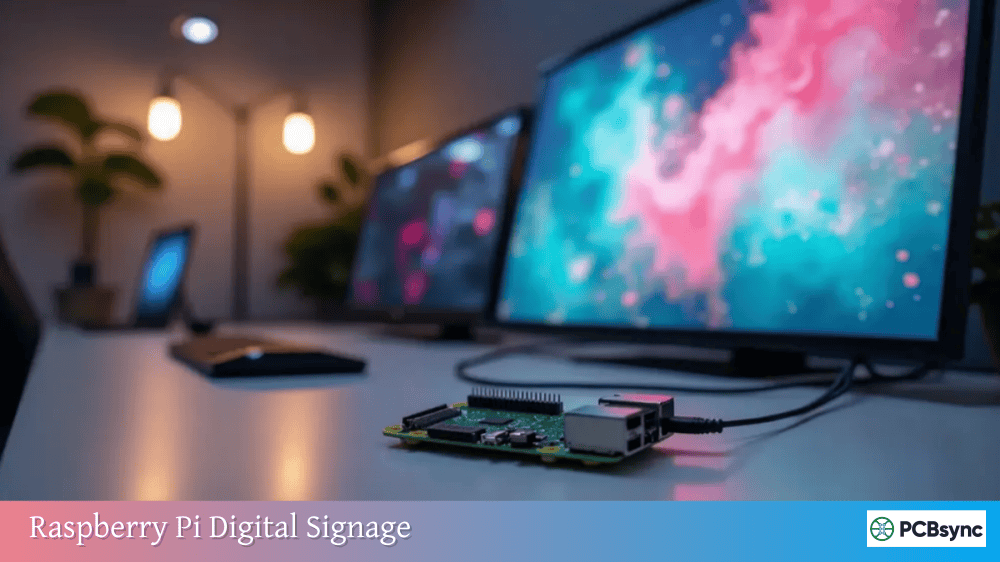
Whether you need menu boards for a restaurant, information displays for a lobby, or promotional screens for retail, a raspberry pi kiosk setup delivers professional results at a fraction of commercial pricing. This guide compares the two leading platforms, yodeck raspberry pi and Screenly (Anthias), with complete setup instructions for both.
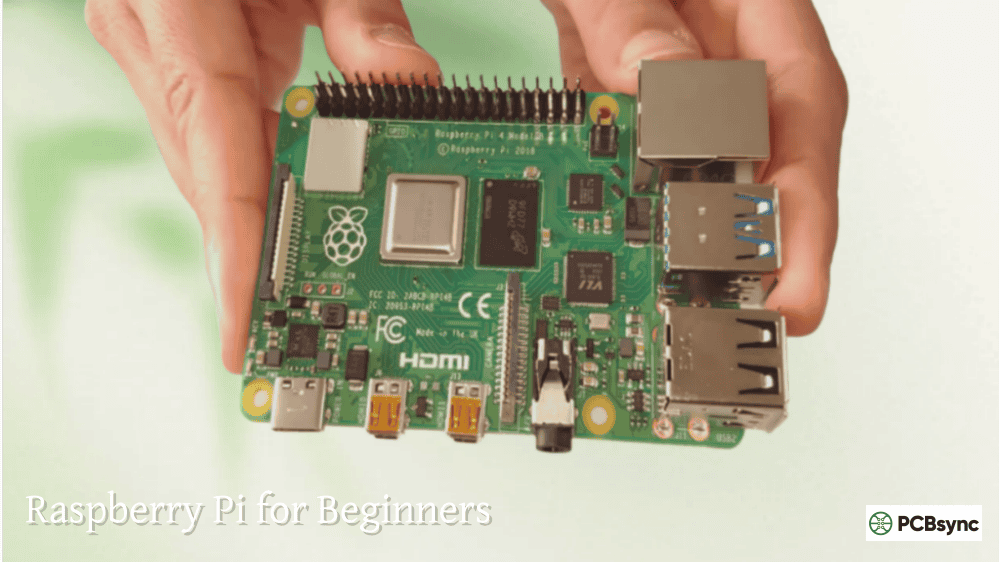
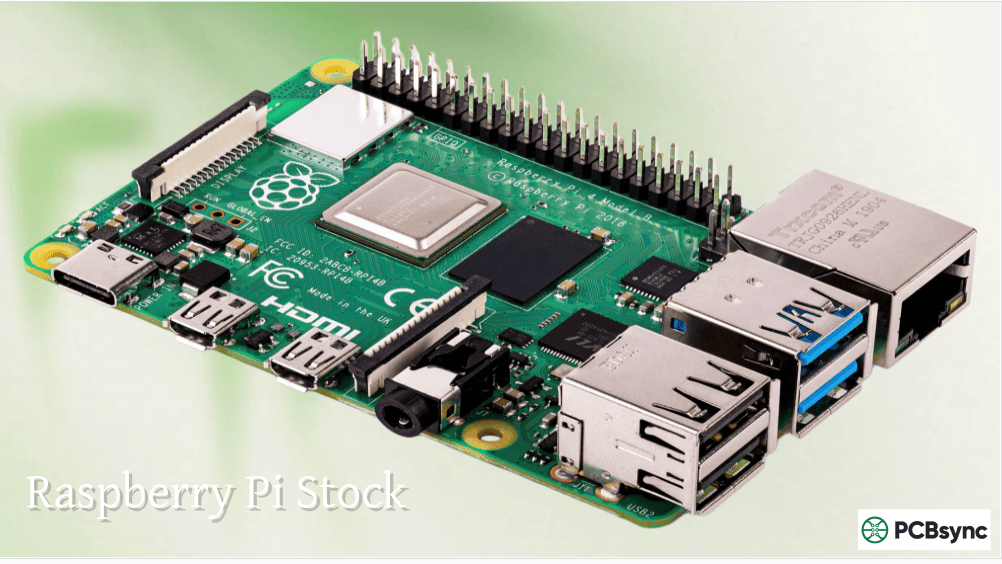
The Raspberry Pi has become the go-to hardware for budget-conscious digital signage deployments. Its combination of low power consumption, small form factor, and capable graphics output makes it ideal for driving displays in virtually any environment.
Raspberry Pi Digital Signage Advantages
Advantage
Description
Cost
$35-80 per player vs $300-800 for commercial players
Power Consumption
5-15W vs 50-100W for PC-based solutions
Form Factor
Mounts behind any display, invisible installation
Flexibility
Open platform supports multiple software options
Scalability
Easy to replicate and deploy at scale
No Licensing
Hardware cost only, no per-device fees
Recommended Raspberry Pi Models for Digital Signage
Model
Resolution Support
RAM
Best For
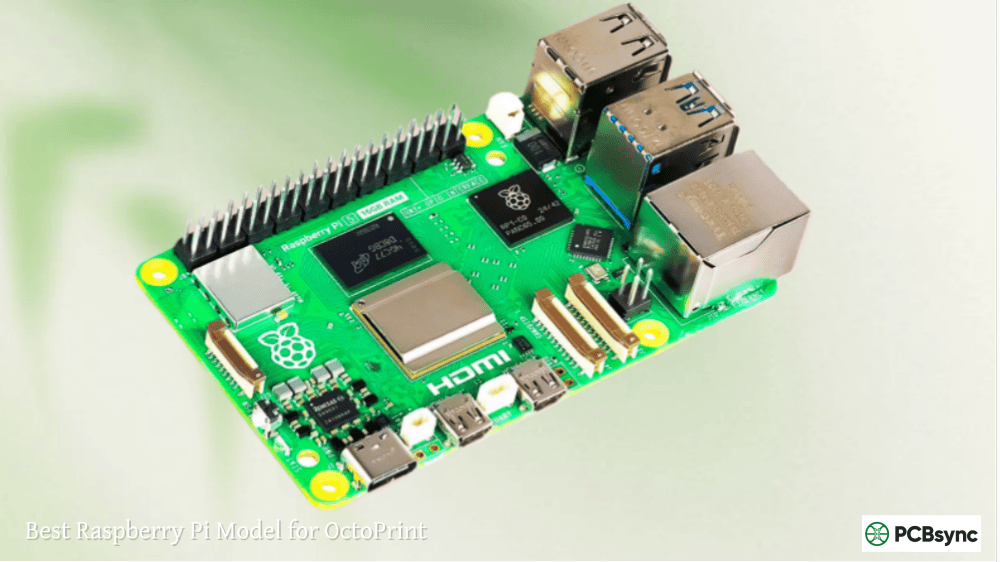
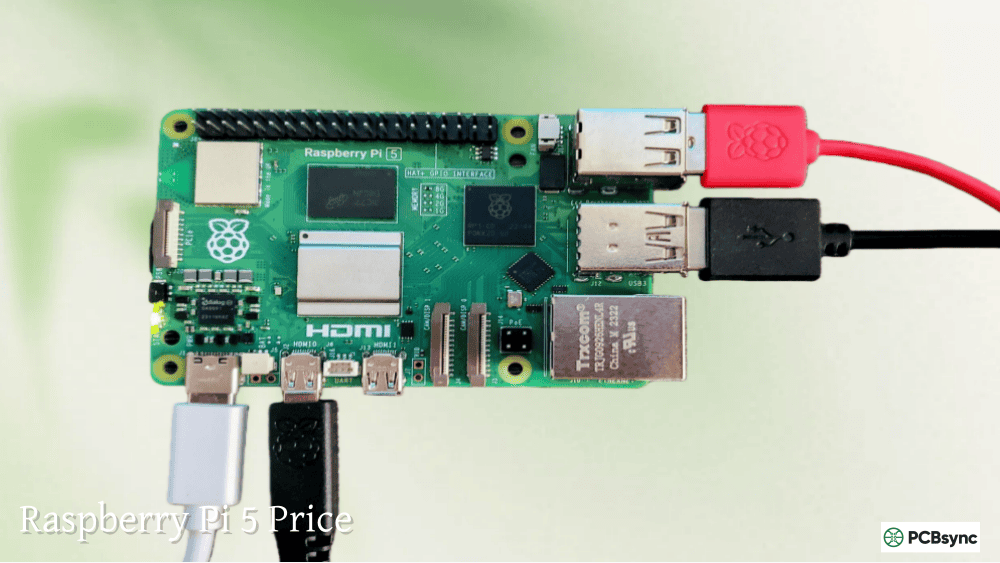
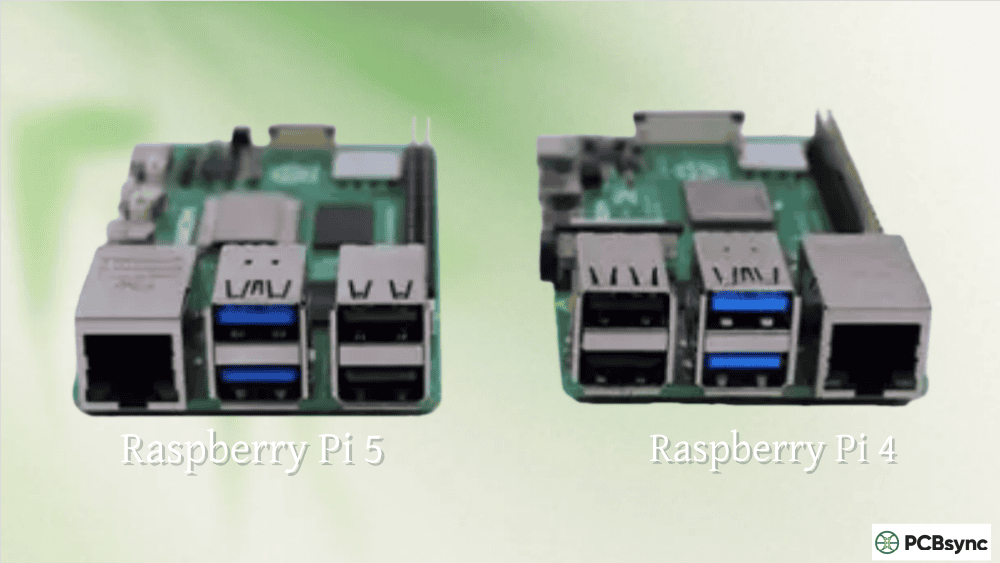
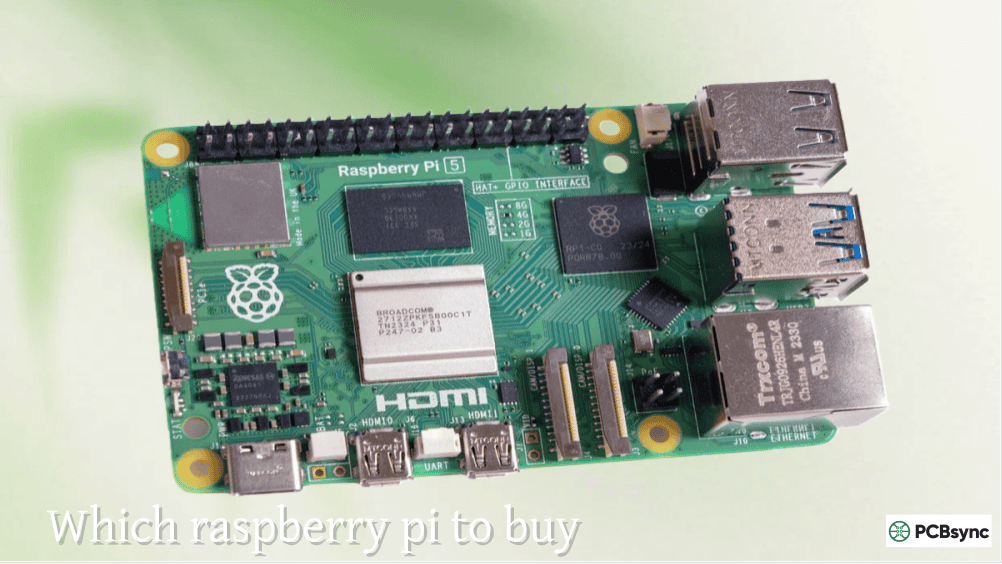
Raspberry Pi 5
Dual 4K60
4GB/8GB
Multi-screen, complex layouts
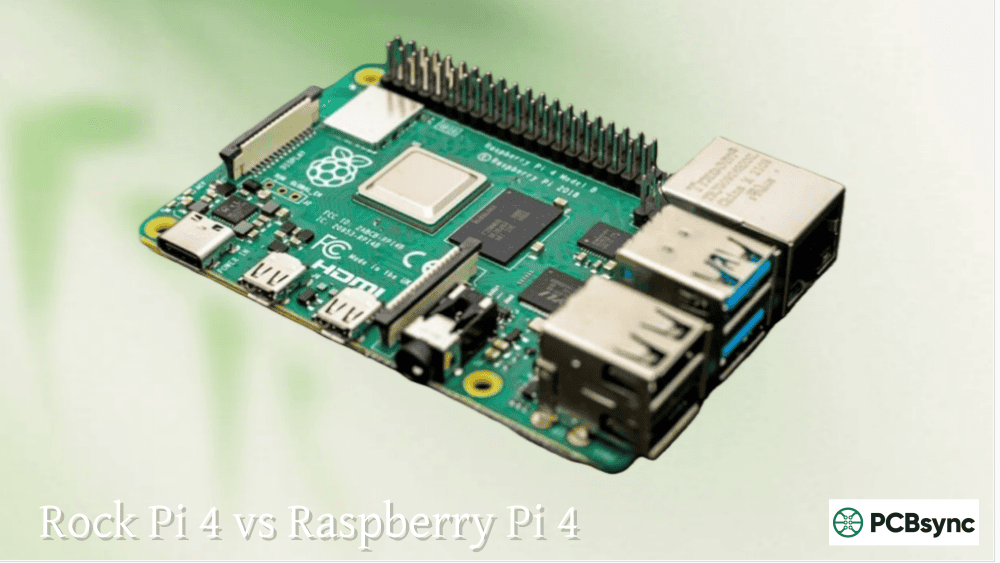
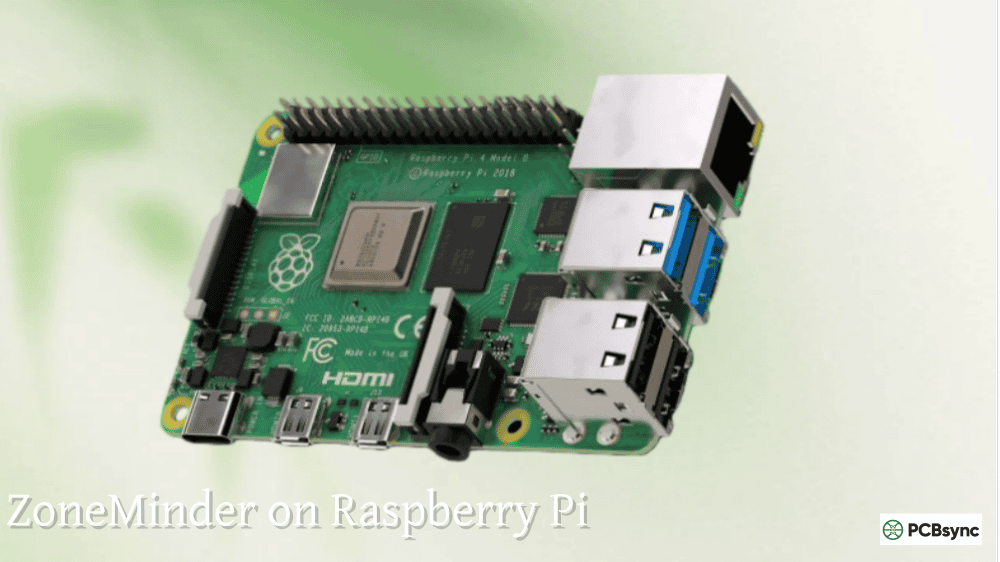
Raspberry Pi 4
Dual 4K30
2GB/4GB/8GB
Most deployments (recommended)
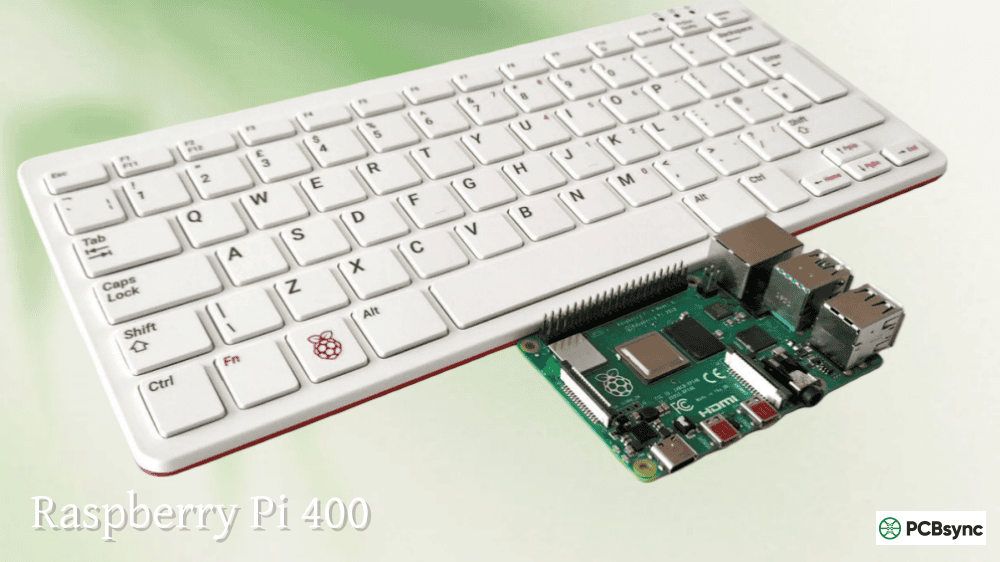
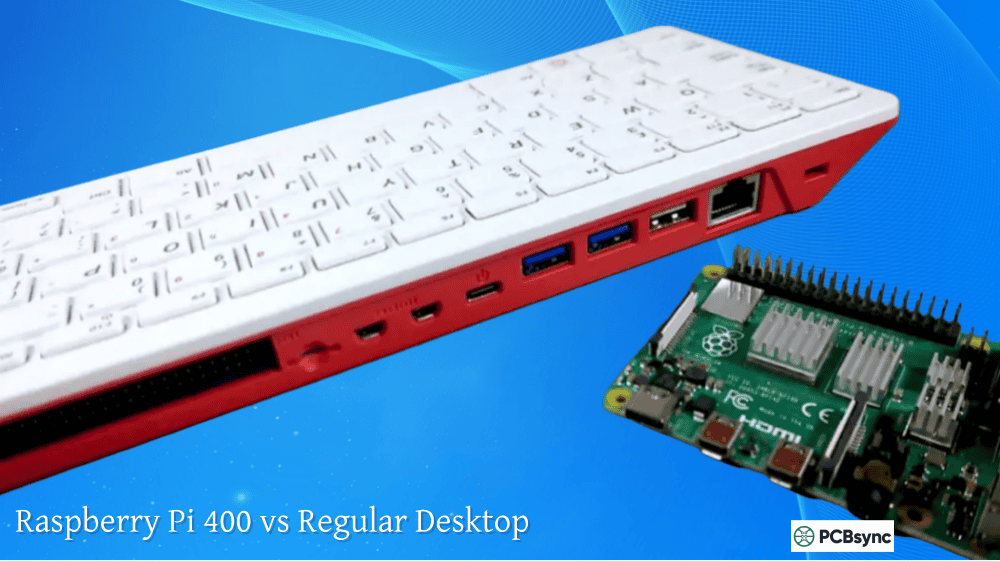
Raspberry Pi 400
Dual 4K30
4GB
Keyboard-integrated setups
Raspberry Pi 3B+
1080p60
1GB
Budget single-screen
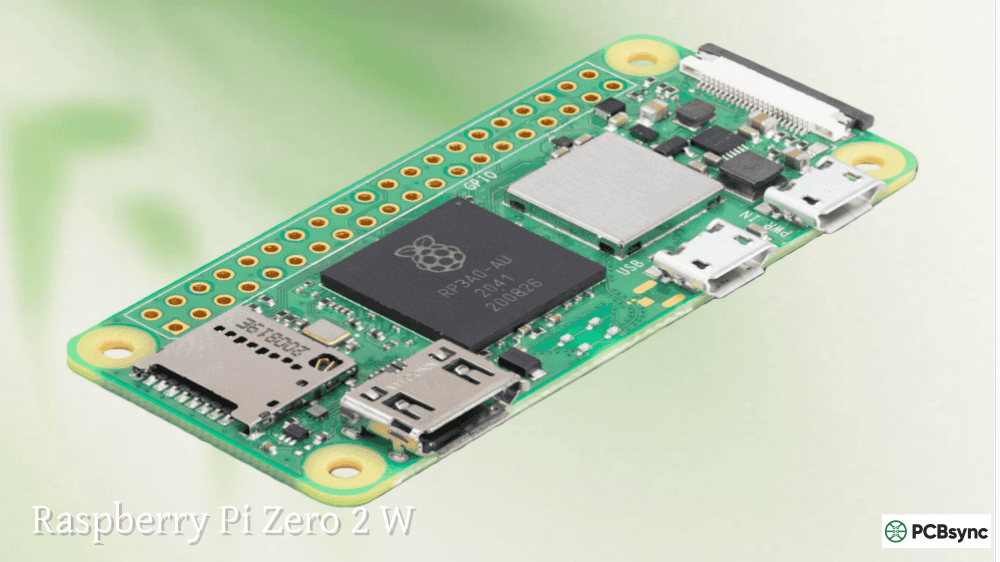
Raspberry Pi Zero 2 W
1080p60
512MB
Basic static content
For most raspberry pi kiosk applications, the Raspberry Pi 4 with 2GB RAM provides the best balance of capability and cost. The Pi 5 becomes worthwhile when running complex web dashboards or multiple displays.
Yodeck vs Screenly (Anthias): Platform Comparison
Both platforms transform a Raspberry Pi into a capable digital signage player, but they take fundamentally different approaches.
Feature Comparison
Feature
Yodeck
Screenly/Anthias
Pricing Model
Free (1 screen), Paid plans
Free and open source
Cloud Management
Yes, required
Optional (local or cloud)
Content Templates
200+ professional templates
None (bring your own)
Stock Media
Yes, included
No
Offline Playback
Yes, with caching
Yes, full local storage
Multi-screen Sync
Yes, native
Manual configuration
API Access
Yes, paid plans
Yes, open API
White Label
Enterprise plans
Yes, open source
Technical Skill Required
Low
Medium
Pricing Breakdown
Tier
Yodeck
Screenly Pro
Anthias (OSE)
1 Screen
Free forever
$20/month
Free
5 Screens
$39/month
$100/month
Free
10 Screens
$67/month
$200/month
Free
50 Screens
$279/month
Custom
Free
Enterprise
Custom
Custom
Free (self-hosted)
Yodeck wins for non-technical users who want plug-and-play simplicity with one free screen. Anthias (formerly Screenly OSE) wins for technical users managing multiple screens who want zero recurring costs.
Setting Up Yodeck Raspberry Pi Digital Signage
The yodeck raspberry pi setup prioritizes simplicity. Most users can have their first screen running within 15 minutes.
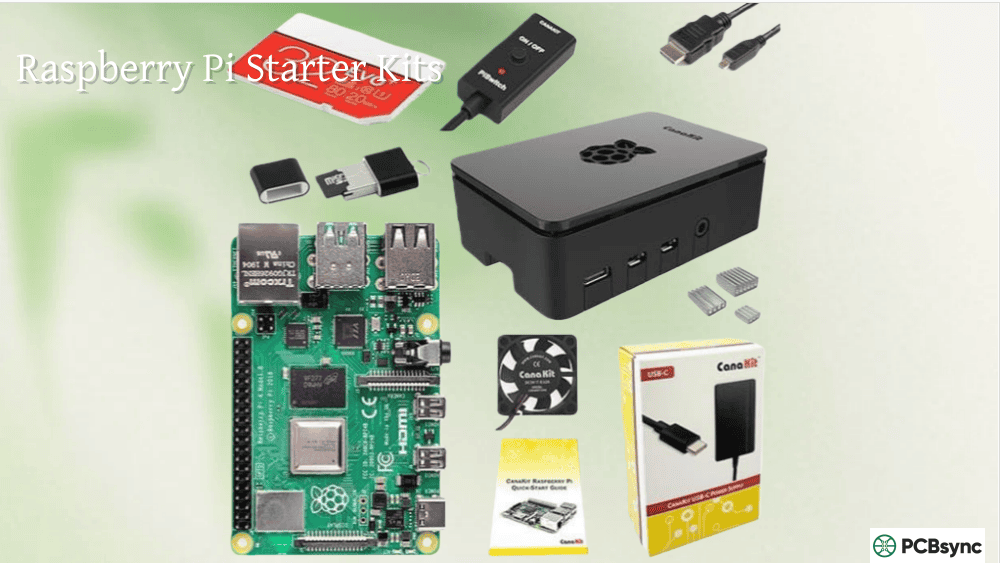
Yodeck Hardware Requirements
Component
Minimum
Recommended
Raspberry Pi
Pi 3B+ (1GB)
Pi 4 (2GB or 4GB)
SD Card
8GB Class 10
16GB+ Class 10
Power Supply
2.5A
3A (official)
Display
HDMI compatible
1080p or 4K
Network
WiFi or Ethernet
Ethernet preferred
Yodeck Installation Steps
Step 1: Create Yodeck Account
Visit yodeck.com and create a free account. The free tier supports one screen indefinitely with full features.
Step 2: Download Yodeck Image
From your Yodeck dashboard, navigate to Downloads and get the latest Raspberry Pi image for your model.
Step 3: Flash SD Card
Use Raspberry Pi Imager or Balena Etcher to write the image:
Insert SD card into computer
Open imaging software
Select downloaded Yodeck image
Select target SD card
Write image (takes 5-10 minutes)
Step 4: Configure Network (Optional)
For WiFi deployment, edit SETTINGS.txt on the boot partition:
wifi_network=YourSSID
wifi_password=YourPassword
wifi_country=US
Step 5: First Boot
Insert SD card into Raspberry Pi
Connect HDMI to display
Connect Ethernet (or use WiFi configured above)
Apply power
The screen displays a registration code after 2-3 minutes.
Step 6: Register Player
In your Yodeck dashboard:
Click “Add Screen”
Enter the registration code shown on display
Name your screen
Assign content
Yodeck Content Management
Content Type
Supported Formats
Images
JPG, PNG, GIF, BMP
Video
MP4, MOV, AVI, WebM
Documents
PDF, PowerPoint
Web Content
URLs, HTML5, Dashboards
Apps
Weather, Social, News, Clock
Streaming
YouTube, Vimeo
Yodeck’s template library provides pre-designed layouts for common use cases including menu boards, corporate communications, retail promotions, and wayfinding displays.
Setting Up Screenly (Anthias) Digital Signage
Anthias, formerly Screenly OSE, is the most popular open-source raspberry pi kiosk solution. It requires more technical setup but offers complete control and zero ongoing costs.
Anthias Hardware Requirements
Component
Minimum
Recommended
Raspberry Pi
Pi 3B (1GB)
Pi 4 or Pi 5
SD Card
8GB
32GB+
Power Supply
Model-appropriate
Official supply
Display
HDMI compatible
1080p+
Network
WiFi or Ethernet
Ethernet
Anthias Installation Method 1: Pre-built Image
The easiest installation uses Raspberry Pi Imager:
Step 1: Download and install Raspberry Pi Imager
Step 2: Launch Imager and select:
Device: Your Raspberry Pi model
OS: Other specific-purpose OS → Digital Signage and Kiosks → Anthias
Step 3: Configure settings (gear icon):
Set hostname
Enable SSH
Configure WiFi credentials
Set username and password
Step 4: Write to SD card
Step 5: Boot Raspberry Pi
The initial boot takes 5-10 minutes as Anthias configures itself. The screen will display the IP address when ready.
Optimize video files before upload. The Pi 4 handles H.264 video efficiently but struggles with H.265/HEVC.
Security Considerations
Measure
Implementation
Change Defaults
New SSH password immediately
Network Isolation
Separate VLAN for signage
Remote Access
VPN or Tailscale, not port forwarding
Updates
Regular security patches
Physical
Locked enclosures in public areas
Useful Resources
Resource
URL
Description
Yodeck
yodeck.com
Official platform
Anthias GitHub
github.com/Screenly/Anthias
Open source project
Screenly Pro
screenly.io
Commercial Screenly
PiSignage
pisignage.com
Alternative platform
Info-Beamer
info-beamer.com
Developer-focused option
Raspberry Pi Imager
raspberrypi.com/software
Official imaging tool
FullPageOS
github.com/guysoft/FullPageOS
Kiosk-focused OS
Frequently Asked Questions
Which is better for beginners, Yodeck or Screenly?
For complete beginners, yodeck raspberry pi offers the smoothest experience. The free tier provides one screen with full features, professional templates, and cloud management without any technical configuration. Screenly’s open-source version (Anthias) requires more Linux knowledge but costs nothing regardless of screen count. Choose Yodeck to get running quickly, Anthias to learn more and save money long-term.
Can Raspberry Pi handle 4K digital signage content?
Yes, but with limitations. The Raspberry Pi 4 and Pi 5 support 4K output, but 4K video playback stresses the hardware. For smooth performance, use 1080p video content even on 4K displays, or keep 4K content to static images and simple animations. The Pi 5 handles 4K video better than the Pi 4, but 1080p remains the practical sweet spot for most digital signage deployments.
How reliable is Raspberry Pi for 24/7 digital signage operation?
With proper setup, Raspberry Pi systems run reliably for years. Key factors include using quality power supplies (not cheap phone chargers), industrial-grade SD cards, adequate cooling, and watchdog timers to auto-recover from crashes. I’ve deployed Pi-based signage running continuously for over three years. Both Yodeck and Anthias include watchdog functionality to restart automatically if problems occur.
Can I manage multiple screens from one location?
Yes. Yodeck provides centralized cloud management where you can control hundreds of screens from any browser. Content can be pushed to all screens simultaneously or customized per location. Anthias requires either manual configuration of each unit or setting up your own synchronization system, though the commercial Screenly Pro adds cloud management to the open-source foundation.
What happens if the network goes down?
Both platforms cache content locally, so screens continue displaying the last-loaded content during network outages. Yodeck pre-downloads all scheduled content to the SD card. Anthias stores assets locally by default. Video files play from local storage rather than streaming. When connectivity returns, players automatically reconnect and sync any updated content without manual intervention.
Troubleshooting Common Issues
Display Problems
Issue
Cause
Solution
No video output
Wrong HDMI port
Use HDMI0 (nearest USB-C on Pi 4)
Black borders
Overscan enabled
Disable overscan in raspi-config
Wrong resolution
Auto-detect failure
Force resolution in config.txt
Screen tearing
Compositor issue
Enable VSync in display settings
Network Issues
Issue
Cause
Solution
Cannot register
Firewall blocking
Allow outbound HTTPS (port 443)
Content not updating
DNS issues
Use static DNS (8.8.8.8)
Intermittent drops
WiFi interference
Switch to Ethernet
Slow loading
Bandwidth limited
Reduce content resolution
Performance Optimization
For smooth raspberry pi kiosk operation:
# Add to /boot/config.txt for better performance
gpu_mem=256
disable_overscan=1
hdmi_force_hotplug=1
Restart after changes:
sudo reboot
Content Not Displaying
Symptom
Check
Fix
Video won’t play
Codec support
Convert to H.264 MP4
Images stretched
Aspect ratio
Match content to screen ratio
Web page blank
JavaScript errors
Check browser console
Playlist stuck
Scheduling conflict
Verify date/time settings
Alternative Digital Signage Platforms
Beyond Yodeck and Anthias, several other platforms support Raspberry Pi:
Platform
Cost
Highlights
PiSignage
$25/year
Affordable, good for small deployments
Info-Beamer
€9.90/month
Developer-focused, powerful API
FullPageOS
Free
Single URL display, minimal features
DAKboard
Free tier
Calendar and widget focused
Xibo
Free (self-hosted)
Enterprise features, complex setup
Each platform serves different use cases. PiSignage offers the best value for small businesses. Info-Beamer appeals to developers wanting programmatic control. FullPageOS works for simple single-page displays.
Choosing Your Digital Signage Platform
For a single raspberry pi kiosk display with minimal hassle, Yodeck’s free tier delivers professional results immediately. The templates and stock media library save hours of content creation time.
For technical users deploying multiple screens, Anthias eliminates recurring costs while providing full control over the system. The learning curve pays dividends in flexibility and independence from vendor lock-in.
Either approach costs a fraction of commercial alternatives while delivering comparable functionality. The Raspberry Pi’s combination of low cost, low power, and capable graphics has made it the default choice for budget-conscious digital signage deployments worldwide.
Start with one screen to validate your content strategy, then scale confidently knowing the platform handles hundreds of displays as easily as one.
Suggested Meta Descriptions:
Option 1 (155 characters): Complete Raspberry Pi digital signage guide comparing Yodeck vs Screenly. Step-by-step setup instructions for professional kiosk displays on a budget.
Option 2 (153 characters): Build a raspberry pi kiosk for digital signage with Yodeck or Anthias. Detailed comparison, installation guides, and deployment best practices included.
Option 3 (149 characters): Yodeck raspberry pi vs Screenly for digital signage. Learn setup, pricing, features, and choose the best platform for your kiosk display needs.
Inquire: Call 0086-755-23203480, or reach out via the form below/your sales contact to discuss our design, manufacturing, and assembly capabilities.
Quote: Email your PCB files to Sales@pcbsync.com (Preferred for large files) or submit online. We will contact you promptly. Please ensure your email is correct.
Notes: For PCB fabrication, we require PCB design file in Gerber RS-274X format (most preferred), *.PCB/DDB (Protel, inform your program version) format or *.BRD (Eagle) format. For PCB assembly, we require PCB design file in above mentioned format, drilling file and BOM. Click to download BOM template To avoid file missing, please include all files into one folder and compress it into .zip or .rar format.