Inquire: Call 0086-755-23203480, or reach out via the form below/your sales contact to discuss our design, manufacturing, and assembly capabilities.
Quote: Email your PCB files to Sales@pcbsync.com (Preferred for large files) or submit online. We will contact you promptly. Please ensure your email is correct.
Notes: For PCB fabrication, we require PCB design file in Gerber RS-274X format (most preferred), *.PCB/DDB (Protel, inform your program version) format or *.BRD (Eagle) format. For PCB assembly, we require PCB design file in above mentioned format, drilling file and BOM. Click to download BOM template To avoid file missing, please include all files into one folder and compress it into .zip or .rar format.
How Much Does a Raspberry Pi Cost? Complete 2026 Pricing Guide
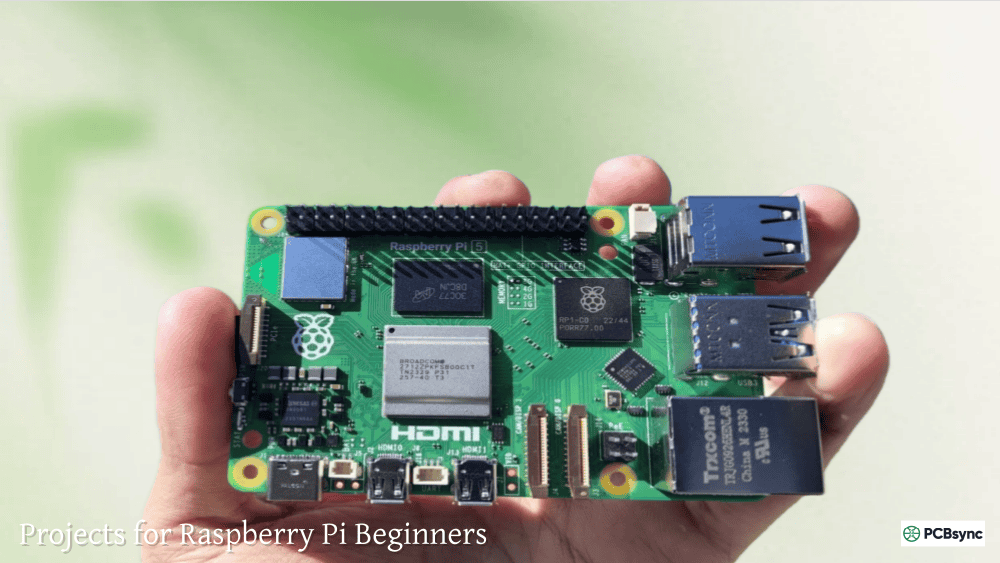
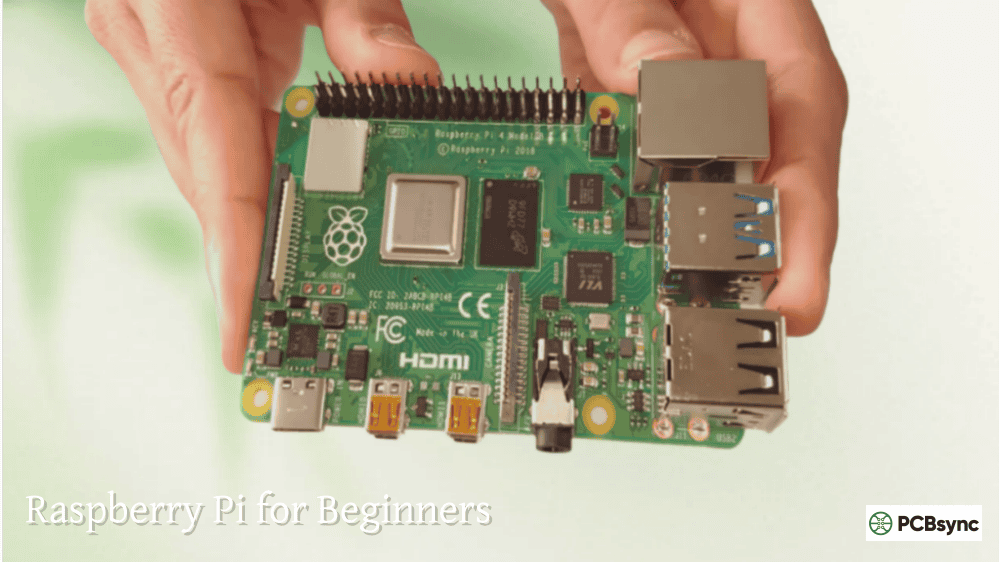
If you’ve been eyeing a Raspberry Pi for your next project, you’ve probably noticed that raspberry pi price information scattered across the internet can be confusing and outdated. As someone who has integrated these boards into everything from industrial controllers to prototype rigs, I’ve watched the pricing landscape shift considerably over the past year.
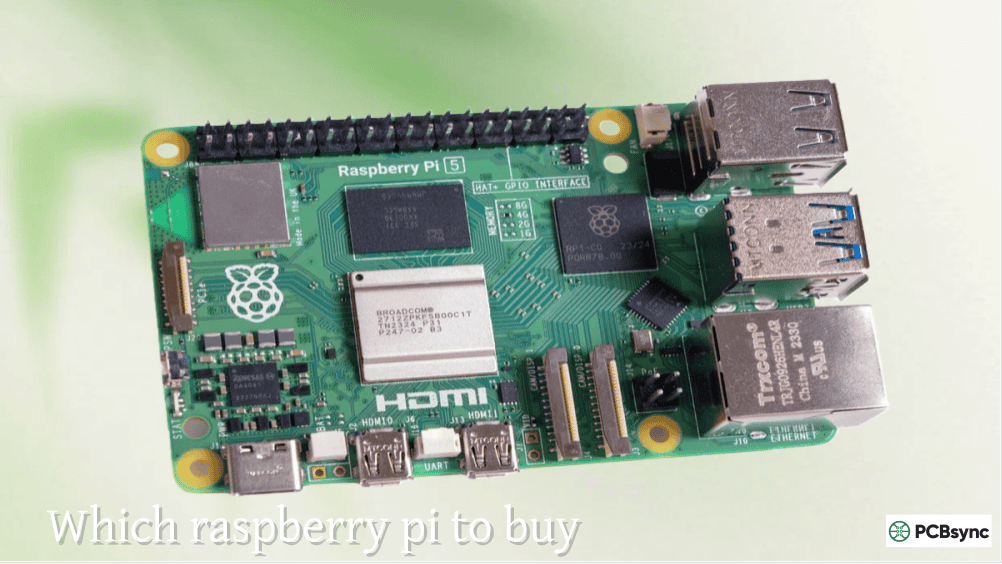
This guide breaks down the actual raspberry pi cost for every current model in 2026, including the recent price adjustments driven by AI-related memory demand. Whether you’re hunting for the cheapest raspberry pi for a simple IoT sensor or need a powerhouse for edge computing, you’ll find exactly what each board costs and what additional expenses to budget for.
The Raspberry Pi Foundation implemented significant price increases in late 2025, primarily due to memory cost pressures from AI infrastructure buildout. CEO Eben Upton acknowledged the increases are “painful but ultimately temporary,” with plans to roll them back when market conditions improve.
Here’s the complete raspberry pi price breakdown for all current models:
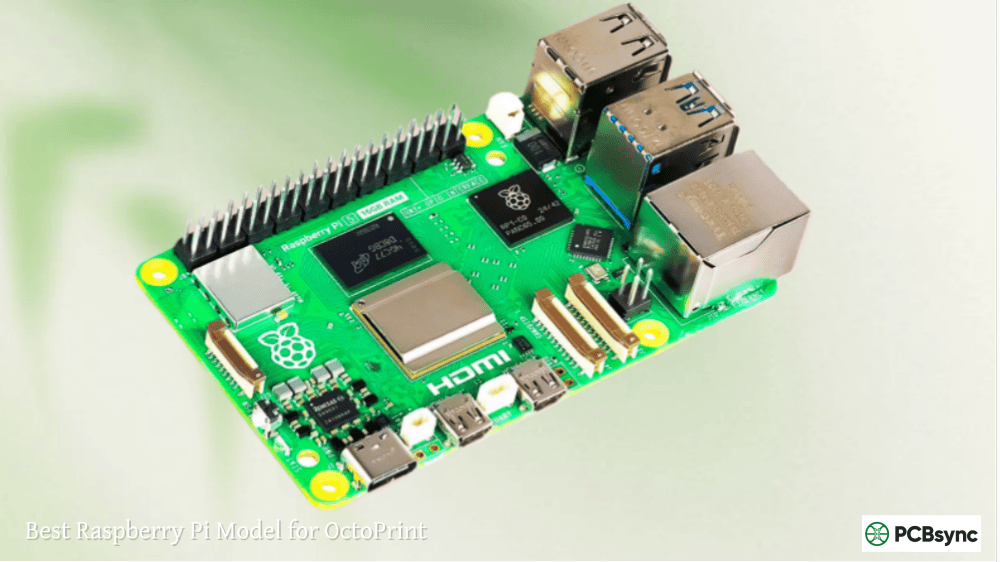
Raspberry Pi 5 Pricing (2026)
Model
RAM
Current Price
Previous Price
Change
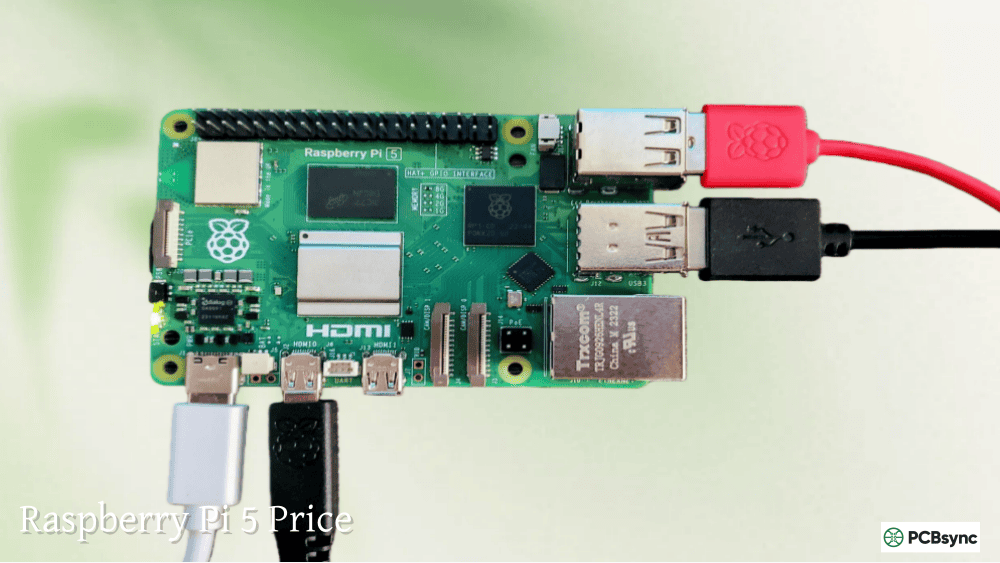
Raspberry Pi 5
1GB
$45
New Model
—
Raspberry Pi 5
2GB
$55
$50
+$5
Raspberry Pi 5
4GB
$65
$60
+$5
Raspberry Pi 5
8GB
$90
$80
+$10
Raspberry Pi 5
16GB
$145
$120
+$25
The 1GB Pi 5 was introduced specifically to maintain a sub-$50 entry point despite rising memory costs. It features the same quad-core 2.4GHz Cortex-A76 processor as higher-memory variants, making it suitable for headless applications where RAM isn’t the bottleneck.
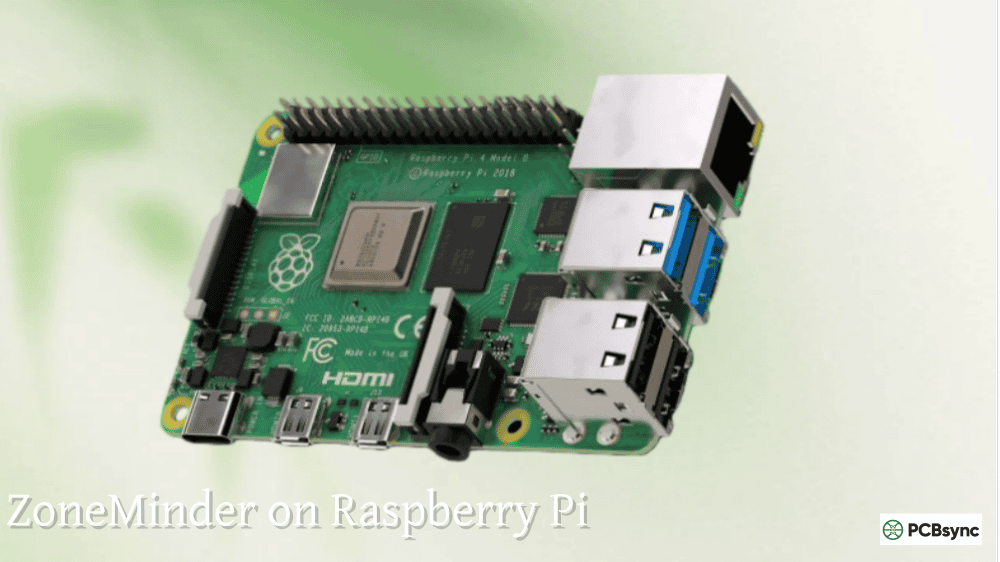
Raspberry Pi 4 Model B Pricing
Model
RAM
Current Price
Notes
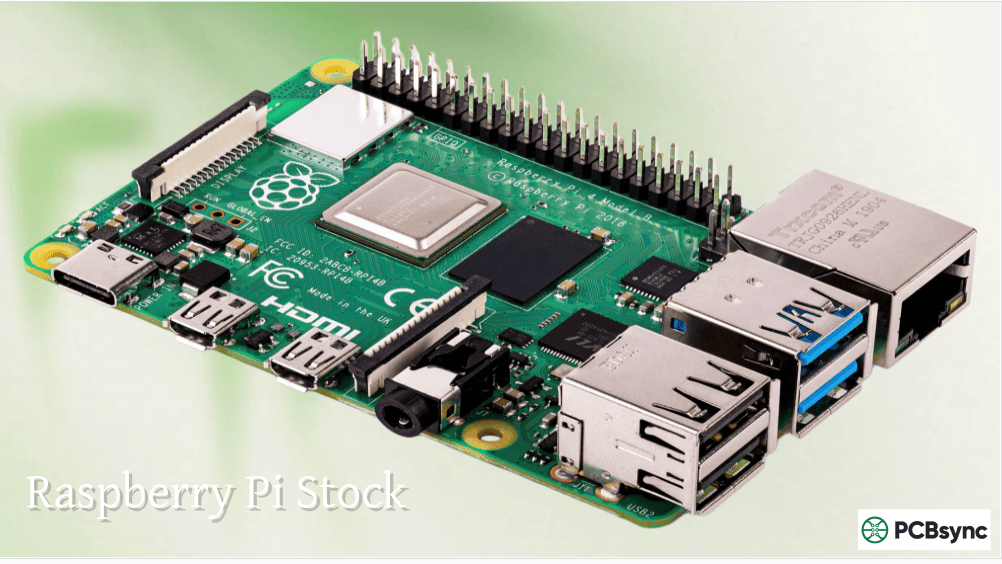
Raspberry Pi 4 B
1GB
$35
Unchanged, best budget option
Raspberry Pi 4 B
2GB
$45
Unchanged
Raspberry Pi 4 B
4GB
$60
Increased from $55
Raspberry Pi 4 B
8GB
$85
Increased from $75
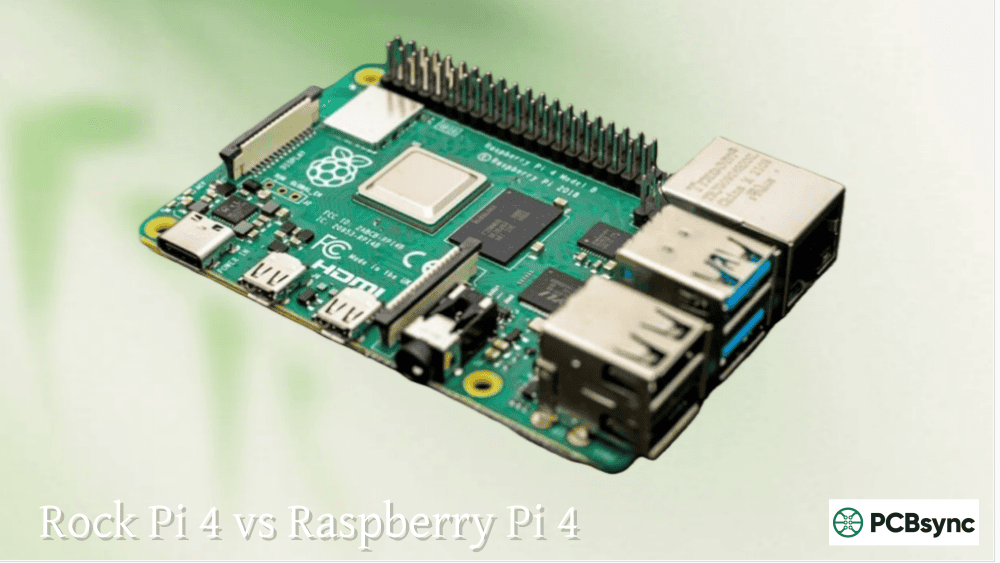
The Pi 4 remains in production with a commitment to continue manufacturing until at least 2034. For projects that don’t require PCIe or the Pi 5’s extra processing power, the 1GB and 2GB variants offer exceptional value.
Raspberry Pi Zero Series Pricing
Model
Price
Key Features
Raspberry Pi Zero
$5
Original, no wireless
Raspberry Pi Zero W
$10
WiFi + Bluetooth 4.1
Raspberry Pi Zero 2 W
$15
Quad-core, WiFi + Bluetooth 4.2
Raspberry Pi Zero 2 WH
$18
Pre-soldered headers
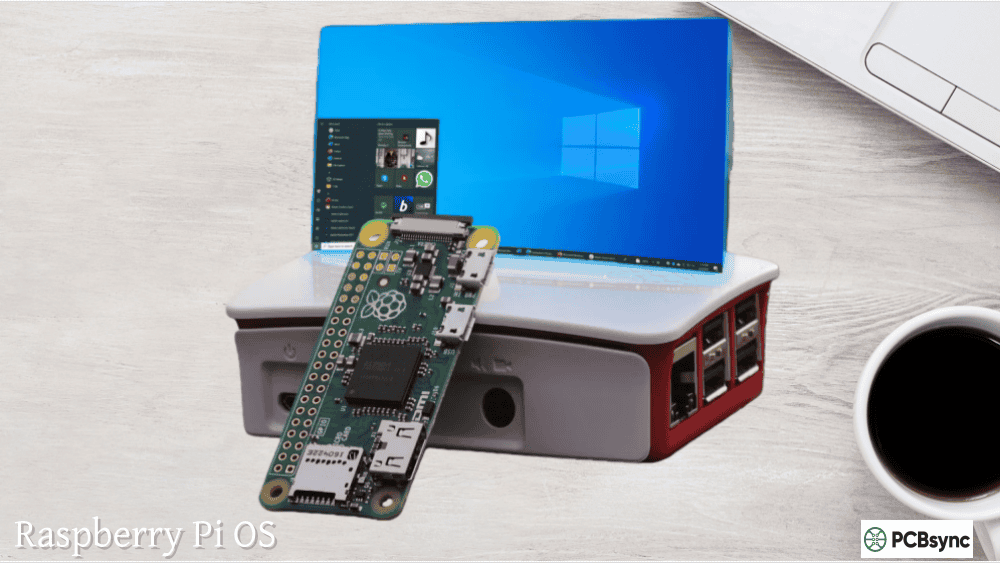
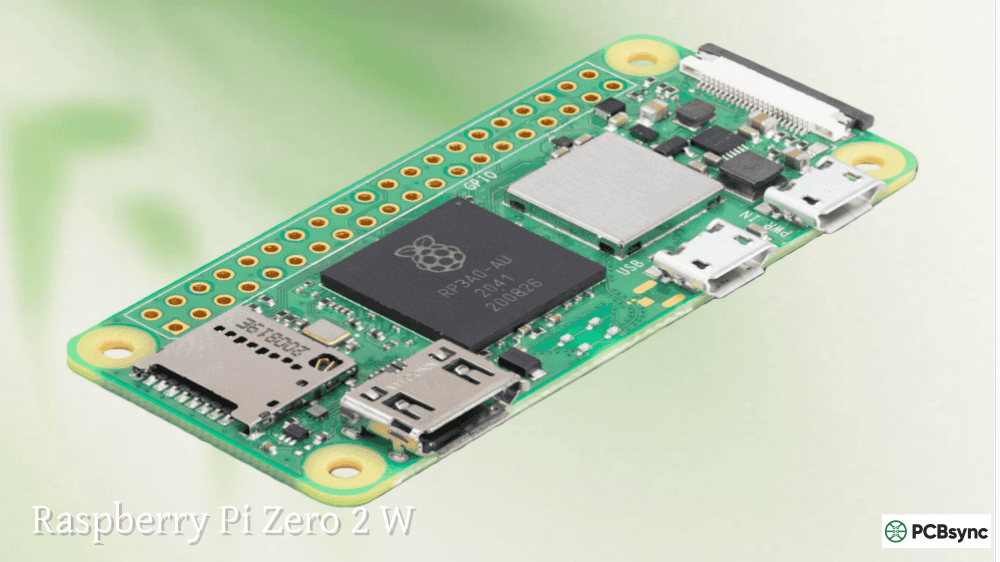
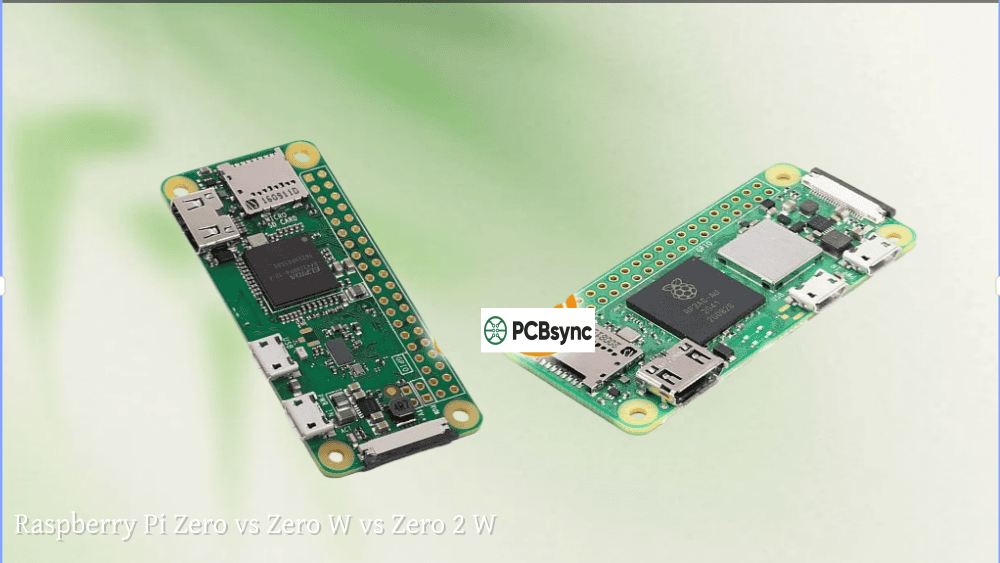
The Zero line represents the cheapest raspberry pi options available. The Zero 2 W packs impressive value at $15, delivering nearly Raspberry Pi 3-level performance in a tiny 65mm × 30mm form factor.
Raspberry Pi 500 and 400 Keyboard Computers
Model
Price
Description
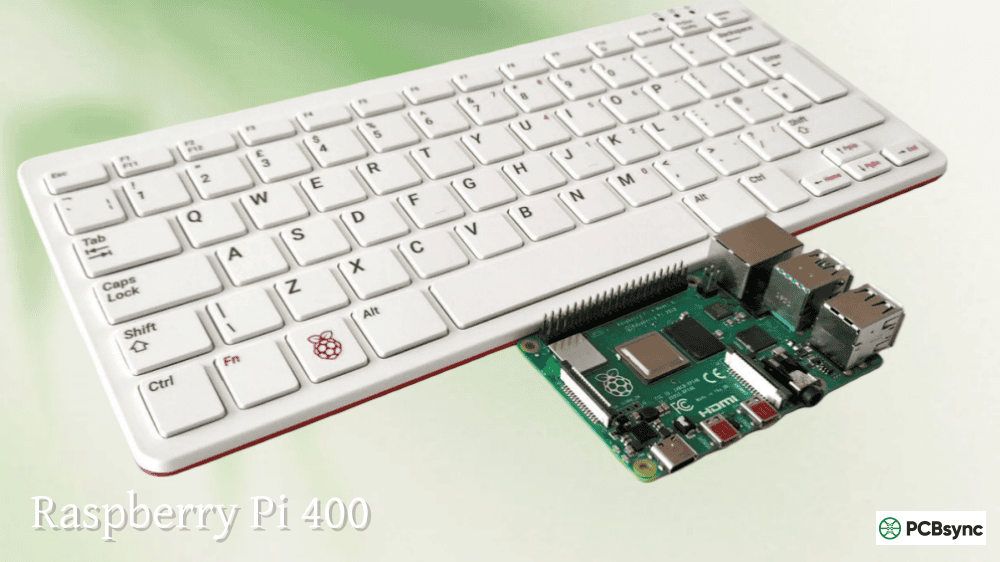
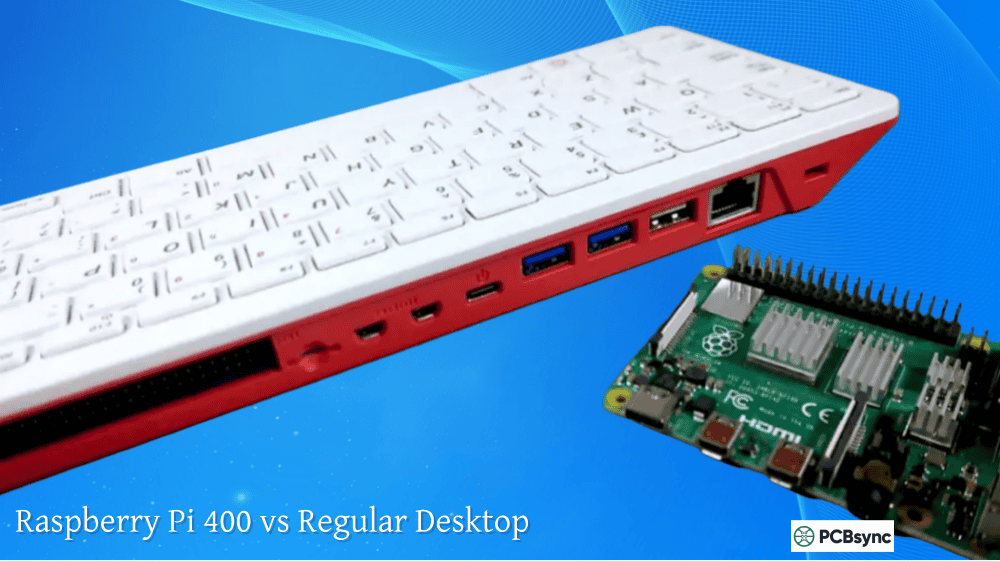
Raspberry Pi 400 (Unit)
$70
Pi 4 in keyboard, 4GB RAM
Raspberry Pi 400 Kit
$100
Includes mouse, cables, guide
Raspberry Pi 500 (Unit)
$100
Pi 5 in keyboard, 8GB RAM
Raspberry Pi 500 Kit
$120
Full desktop kit
Raspberry Pi 500+ (Unit)
$200
Premium mechanical keyboard
Raspberry Pi 500+ Kit
$240
Premium desktop experience
Raspberry Pi Pico Microcontrollers
Model
Price
Key Features
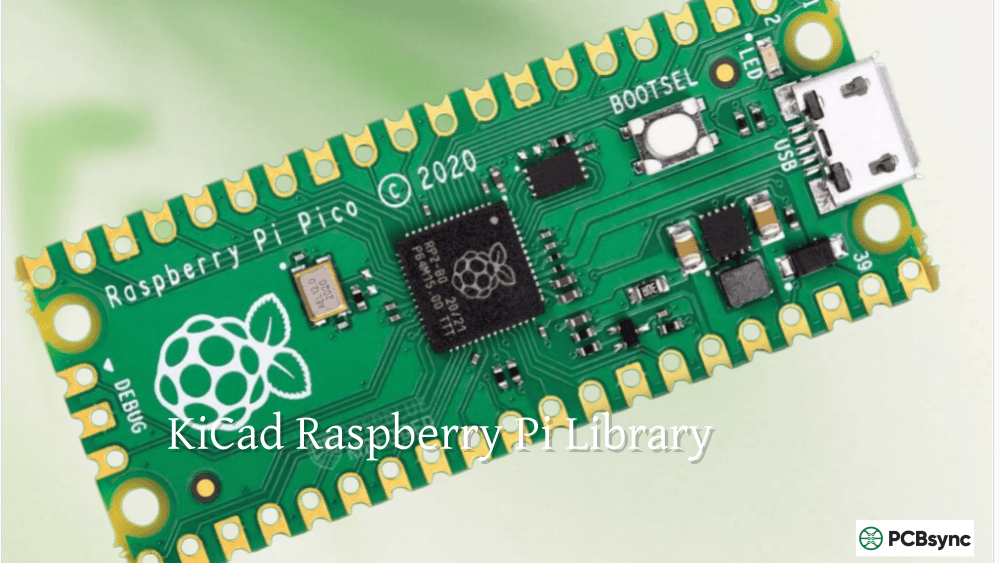
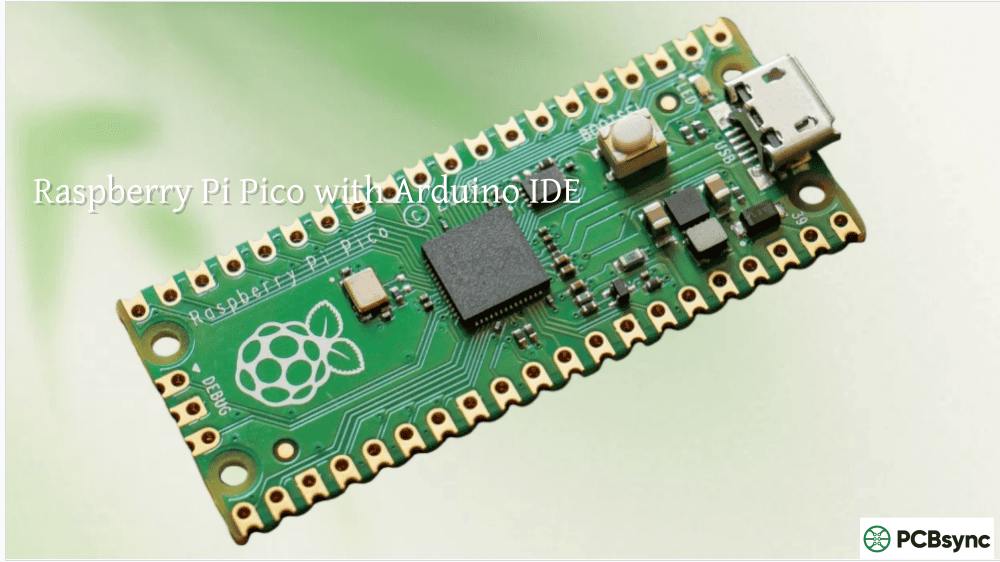
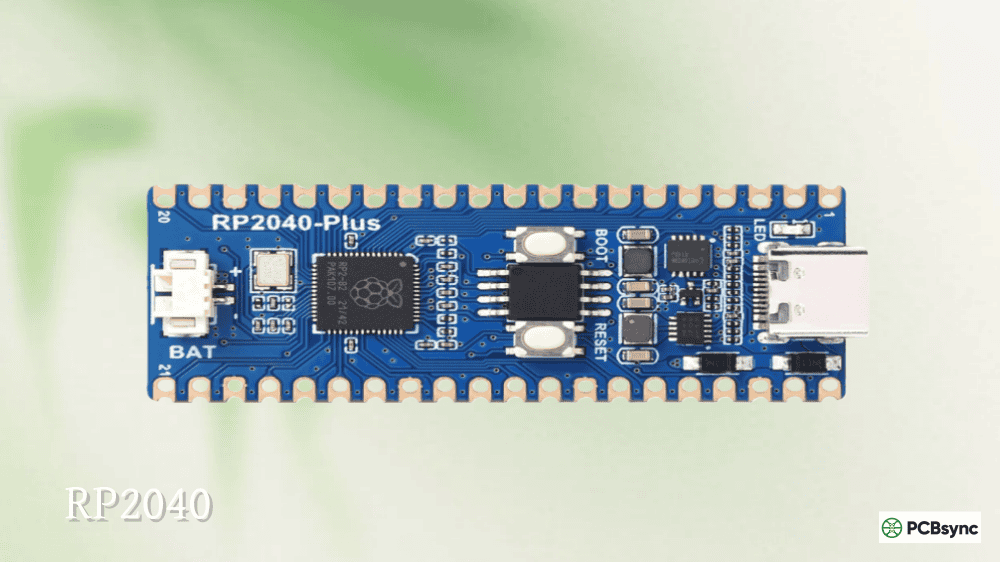
Raspberry Pi Pico
$4
RP2040, 264KB RAM
Raspberry Pi Pico H
$5
Pre-soldered headers
Raspberry Pi Pico W
$6
WiFi + Bluetooth
Raspberry Pi Pico WH
$7
Wireless + headers
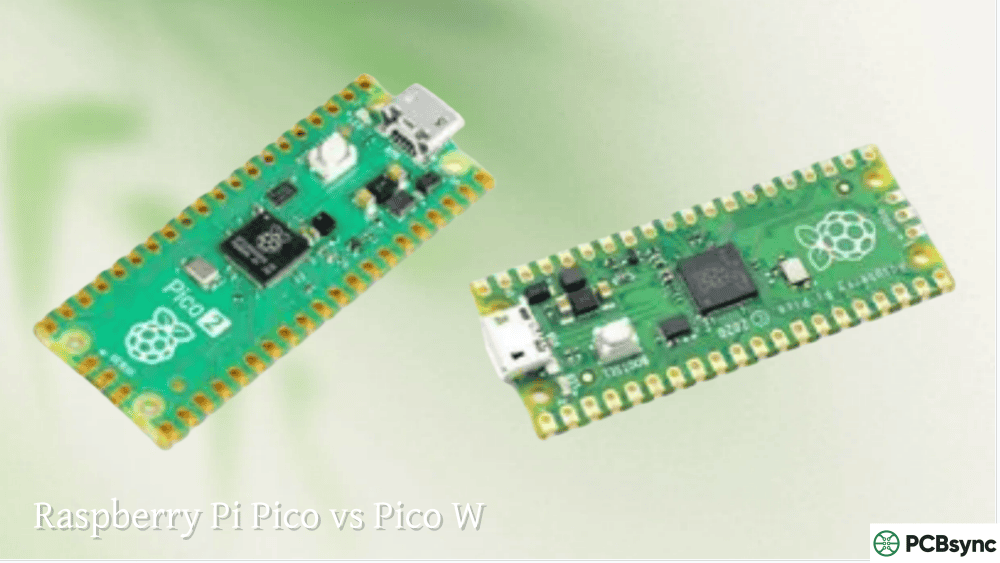
Raspberry Pi Pico 2
$5
RP2350, 520KB RAM
Raspberry Pi Pico 2 W
$7
RP2350 + wireless
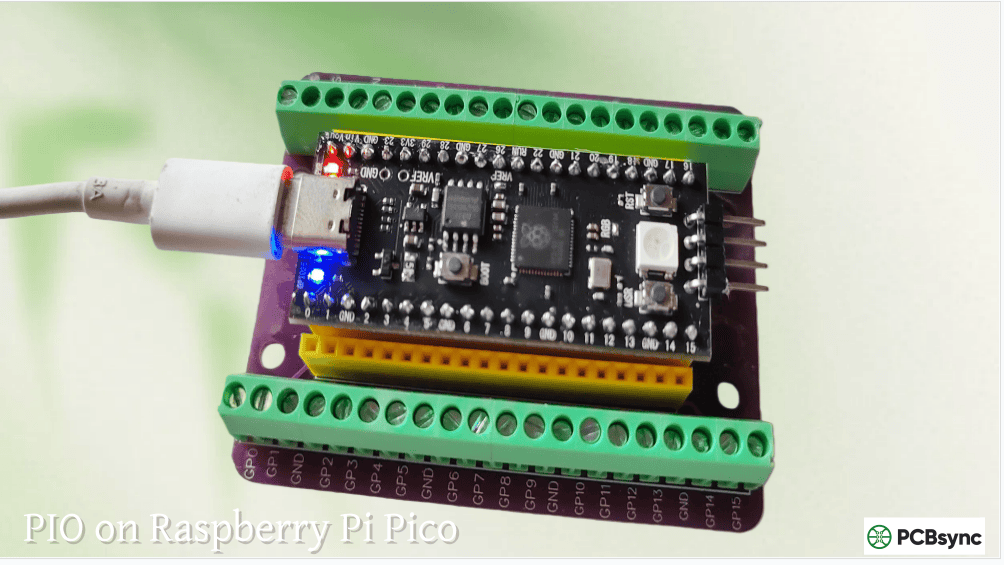
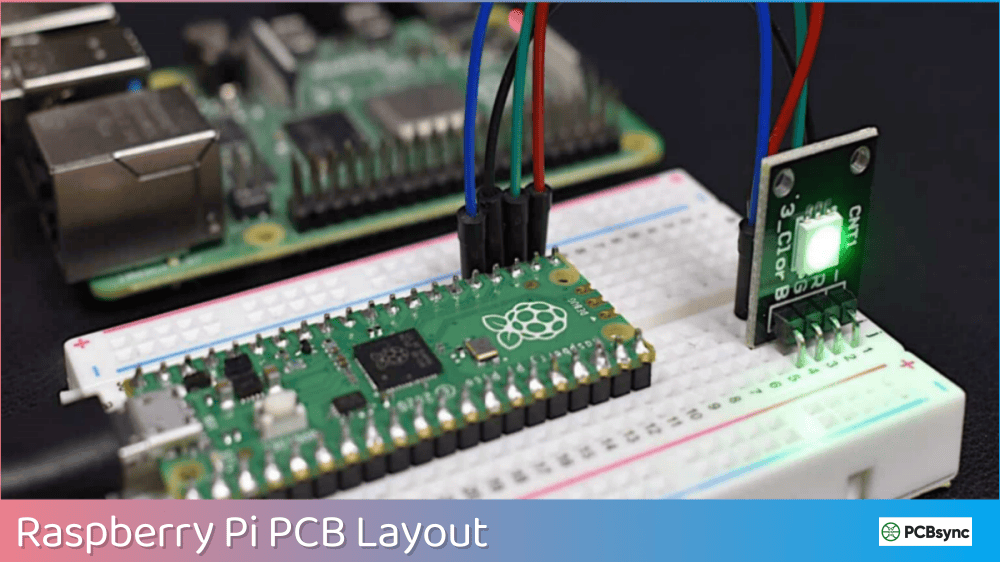
The Pico 2 offers double the memory and significantly more processing power than the original while maintaining the $5 price point. For microcontroller projects, this is genuinely the cheapest raspberry pi option that still carries the official branding.
Compute Module Pricing
Model
RAM/Storage
Price
Notes
CM4 Lite
1GB/No eMMC
$25
Uses microSD
CM4
2GB/8GB eMMC
$40
Mid-range option
CM4
8GB/32GB eMMC + WiFi
$90
Full featured
CM5 Lite
2GB/No eMMC
$45
New platform
CM5
4GB/32GB eMMC
$65
Balanced config
CM5
16GB/64GB eMMC
$140
Increased from $120
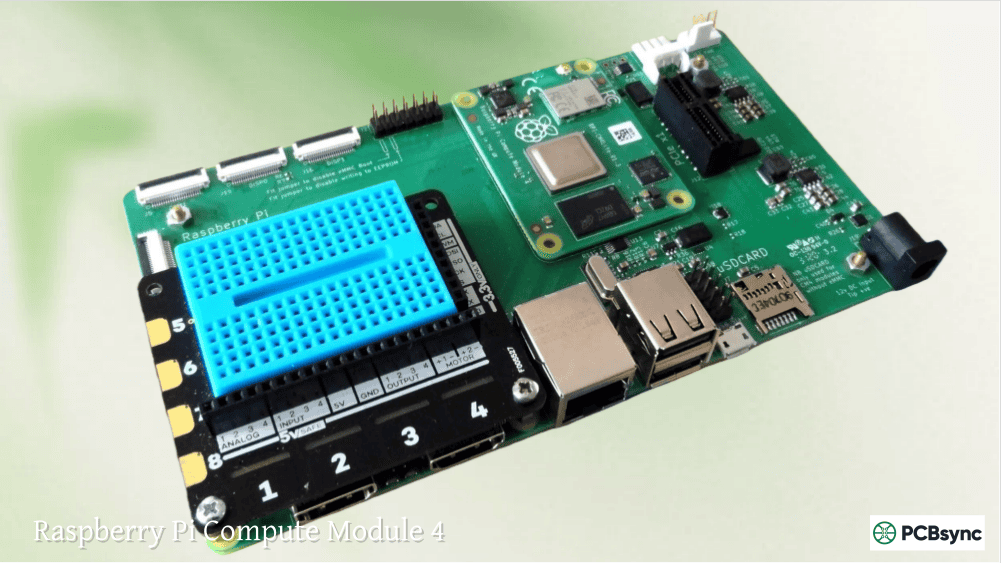
Compute Modules target industrial and embedded applications where you’re designing custom carrier boards. The premium over standard Pi boards reflects the compact form factor and production-oriented features.
Hidden Costs: What You Actually Need to Budget
The board price is just the starting point. Every Raspberry Pi project requires additional components, and failing to account for these leads to frustrating budget overruns.
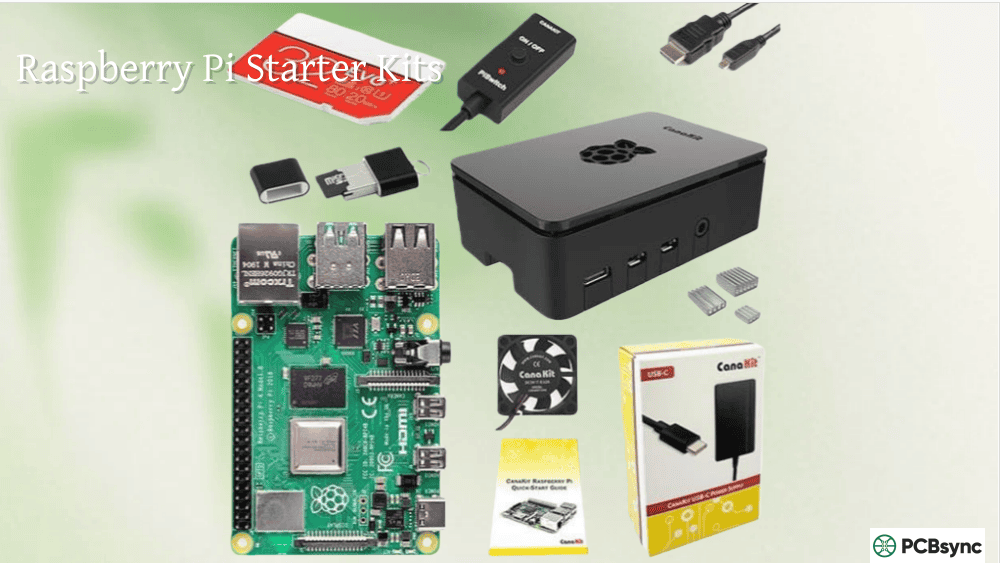
Essential Accessories Cost Breakdown
Accessory
Price Range
Required For
Power Supply (Official)
$12-$15
All models (Pi 5 needs 27W PSU)
microSD Card (32GB A2)
$8-$15
All models
Case
$5-$25
Protection, thermal management
Active Cooler (Pi 5)
$5-$10
Sustained workloads
HDMI Cable
$5-$12
Desktop use
Keyboard + Mouse
$15-$40
Desktop use
NVMe HAT + SSD
$40-$80
High-performance storage
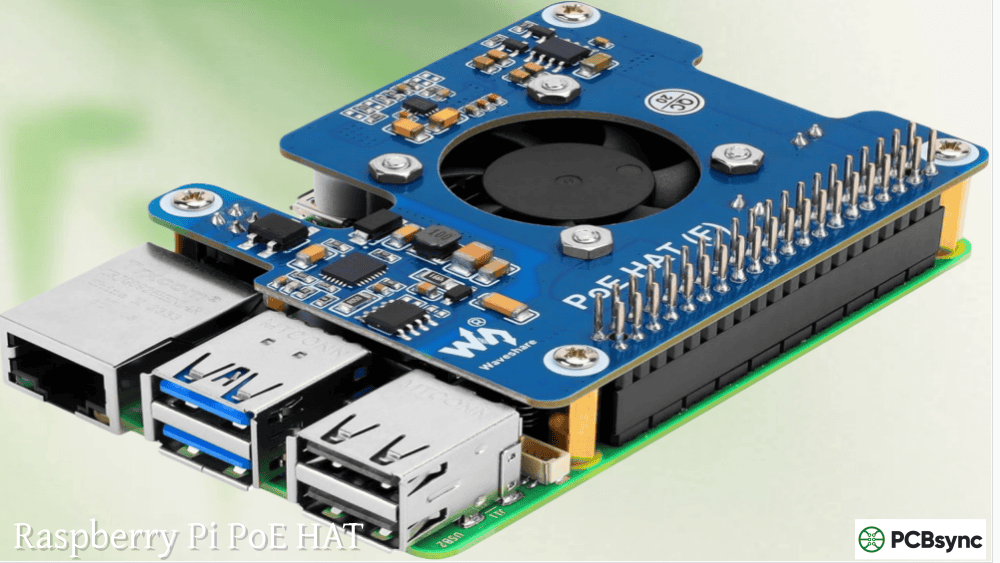
PoE+ HAT
$20-$25
Network-powered deployments
Realistic Total Project Costs
Here’s what complete setups actually cost when you factor in necessary accessories:
Basic Headless Server (Pi 5 1GB)
Board: $45
Power supply: $15
microSD card: $10
Case with passive cooling: $10
Total: $80
Desktop Replacement (Pi 5 4GB)
Board: $65
Power supply: $15
microSD card: $12
Active cooler: $5
Case: $15
Keyboard/mouse: $25
micro-HDMI cable: $8
Total: $145
IoT Sensor Node (Pi Zero 2 W)
Board: $15
Power supply: $8
microSD card: $8
Case: $5
Total: $36
High-Performance Workstation (Pi 5 8GB + NVMe)
Board: $90
Power supply: $15
NVMe HAT: $15
256GB NVMe SSD: $35
Case with fan: $20
Keyboard/mouse: $25
HDMI cable: $8
Total: $208
Finding the Cheapest Raspberry Pi for Your Project
Not every project needs the latest hardware. Matching your requirements to the right board saves money without sacrificing functionality.
Best Budget Options by Use Case
Home Automation Hub: Raspberry Pi 4 1GB ($35) Running Home Assistant or similar software doesn’t require massive processing power. The 1GB Pi 4 handles automation rules, sensor polling, and basic dashboards without breaking a sweat.
Network Ad Blocker: Raspberry Pi Zero 2 W ($15) Pi-hole runs perfectly on the Zero 2 W. It’s the cheapest raspberry pi that can handle DNS filtering for an entire household while consuming minimal power.
Retro Gaming Console: Raspberry Pi 4 2GB ($45) RetroPie and similar emulation platforms run smoothly on the 2GB variant. You don’t need 8GB to play SNES games.
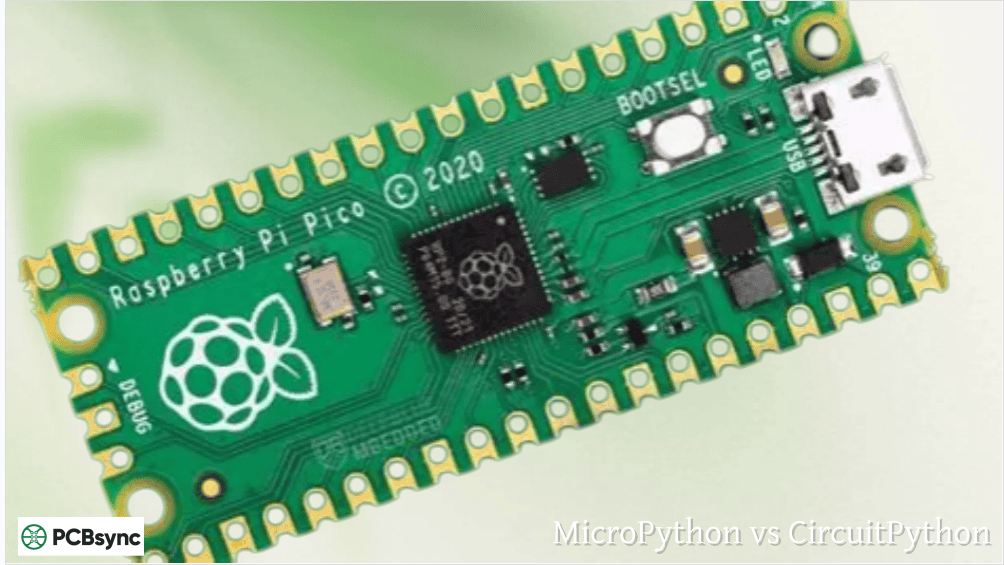
Learning to Code: Raspberry Pi Pico 2 ($5) For students and beginners exploring embedded programming, the Pico 2 offers incredible value with MicroPython support and extensive documentation.
NAS/Media Server: Raspberry Pi 5 4GB ($65) File serving benefits from the Pi 5’s improved I/O and PCIe support. Pair it with an NVMe drive for performance that rivals budget commercial NAS units.
Why Raspberry Pi Prices Increased in 2025-2026
The December 2025 price increases weren’t arbitrary. Global DRAM prices surged throughout 2025, driven primarily by AI infrastructure deployment. Data centers building out GPU clusters for large language models consumed massive quantities of high-bandwidth memory, creating shortages that rippled through the entire semiconductor supply chain.
Samsung raised memory prices by 60% during this period. The Raspberry Pi Foundation absorbed as much of this increase as possible, but eventually passed some costs to consumers. The introduction of the 1GB Pi 5 was specifically designed to maintain an affordable entry point despite market pressures.
The good news: these increases are expected to be temporary. As AI-related memory demand stabilizes and new fabrication capacity comes online, prices should normalize. The Foundation has committed to rolling back increases when conditions allow.
Raspberry Pi vs Mini PC: Is the Cost Justified?
With price increases, the gap between a fully-equipped Pi 5 and entry-level Intel mini PCs has narrowed considerably. A Pi 5 16GB with SSD and accessories now costs roughly the same as an Intel N100 mini PC with similar storage and memory.
So why choose Pi?
Power consumption matters. A Pi 5 idles at 2-3 watts. An N100 mini PC idles at 8-15 watts. Over a year of 24/7 operation, that difference adds up to significant electricity savings and reduced heat output.
GPIO access is essential. No Intel mini PC offers the 40-pin GPIO header that makes Pi perfect for interfacing with sensors, motors, displays, and custom electronics. For physical computing projects, Pi has no direct competition.
Form factor constraints exist. A Pi Zero 2 W fits in spaces where no mini PC can go. When you’re building into existing enclosures or creating compact embedded systems, the Pi family offers unmatched flexibility.
Ecosystem depth provides value. Decades of community development means virtually every problem has a documented solution. HATs, cases, and accessories are available at every price point. The software ecosystem is mature and well-maintained.
Frequently Asked Questions About Raspberry Pi Pricing
What is the cheapest Raspberry Pi I can buy in 2026?
The cheapest raspberry pi currently available is the Raspberry Pi Pico at $4, though it’s a microcontroller rather than a full computer. For a complete Linux-capable system, the Raspberry Pi Zero (without wireless) costs $5, while the wireless-enabled Zero W costs $10. The Zero 2 W at $15 offers the best performance-per-dollar for wireless projects.
Why did Raspberry Pi prices increase?
The raspberry pi cost increases implemented in late 2025 resulted from skyrocketing memory prices driven by AI industry demand. As data centers deployed massive GPU clusters for AI workloads, global DRAM supplies tightened. The Raspberry Pi Foundation absorbed initial cost increases but eventually raised prices, with the largest increases affecting high-memory variants.
Is a Raspberry Pi 5 worth the higher price over a Pi 4?
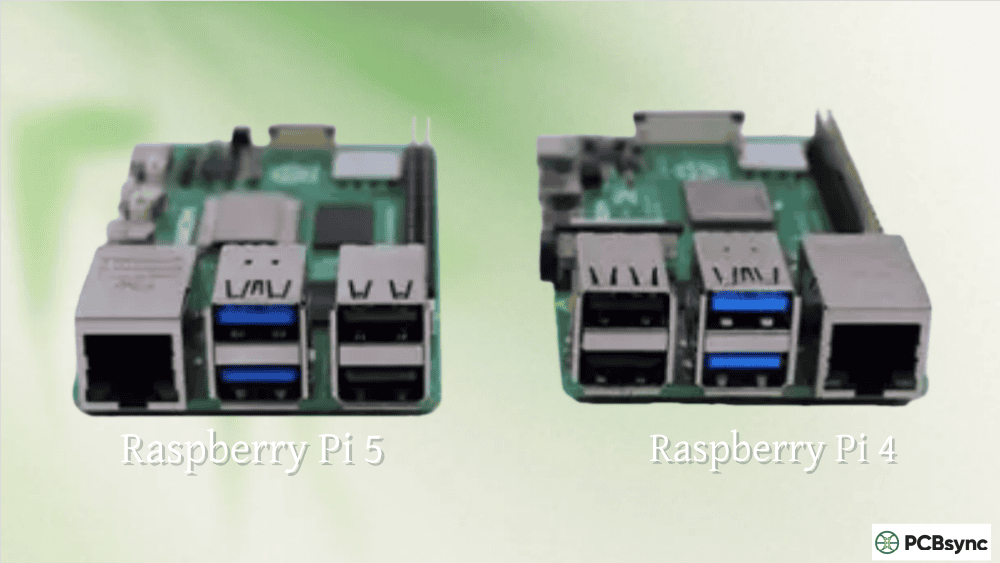
For new projects, the Pi 5 generally justifies its premium. The 2-3x performance improvement, PCIe support for NVMe storage, and improved I/O capabilities make meaningful differences in daily use. However, the Pi 4 remains excellent for applications where raw performance isn’t critical, especially at the 1GB ($35) and 2GB ($45) price points.
How much should I budget for a complete Raspberry Pi setup?
Expect to spend 50-100% above the board price for essential accessories. A basic headless setup runs $70-80 total, while a desktop-capable system with good storage costs $150-200. Always factor in power supply, storage, and case costs when planning your budget.
Will Raspberry Pi prices go down in the future?
The Raspberry Pi Foundation has explicitly stated they intend to reverse the 2025 price increases once memory market conditions normalize. However, timing depends on global semiconductor supply dynamics and AI industry demand patterns. Entry-level pricing (1GB variants) has been protected specifically to maintain accessibility.
Making Smart Purchasing Decisions
Understanding the complete raspberry pi price picture helps you make informed decisions. Don’t just look at board cost—factor in accessories, power supplies, and storage. Consider whether you actually need 8GB or 16GB, or if a lower-memory variant serves your actual use case.
For most hobbyist projects, the 4GB Pi 5 at $65 or the 1GB Pi 4 at $35 represent the sweet spots between capability and cost. The Zero 2 W at $15 remains unbeatable for compact, low-power applications. And if you’re prototyping with microcontrollers, the Pico 2 at $5 is genuinely hard to beat at any price point.
The Raspberry Pi ecosystem continues to offer remarkable value despite recent price adjustments. No other platform provides this combination of processing power, GPIO flexibility, community support, and long-term availability at these price points. Budget appropriately, choose the right model for your needs, and you’ll find the investment worthwhile.
Inquire: Call 0086-755-23203480, or reach out via the form below/your sales contact to discuss our design, manufacturing, and assembly capabilities.
Quote: Email your PCB files to Sales@pcbsync.com (Preferred for large files) or submit online. We will contact you promptly. Please ensure your email is correct.
Notes: For PCB fabrication, we require PCB design file in Gerber RS-274X format (most preferred), *.PCB/DDB (Protel, inform your program version) format or *.BRD (Eagle) format. For PCB assembly, we require PCB design file in above mentioned format, drilling file and BOM. Click to download BOM template To avoid file missing, please include all files into one folder and compress it into .zip or .rar format.