Inquire: Call 0086-755-23203480, or reach out via the form below/your sales contact to discuss our design, manufacturing, and assembly capabilities.
Quote: Email your PCB files to Sales@pcbsync.com (Preferred for large files) or submit online. We will contact you promptly. Please ensure your email is correct.
Notes: For PCB fabrication, we require PCB design file in Gerber RS-274X format (most preferred), *.PCB/DDB (Protel, inform your program version) format or *.BRD (Eagle) format. For PCB assembly, we require PCB design file in above mentioned format, drilling file and BOM. Click to download BOM template To avoid file missing, please include all files into one folder and compress it into .zip or .rar format.
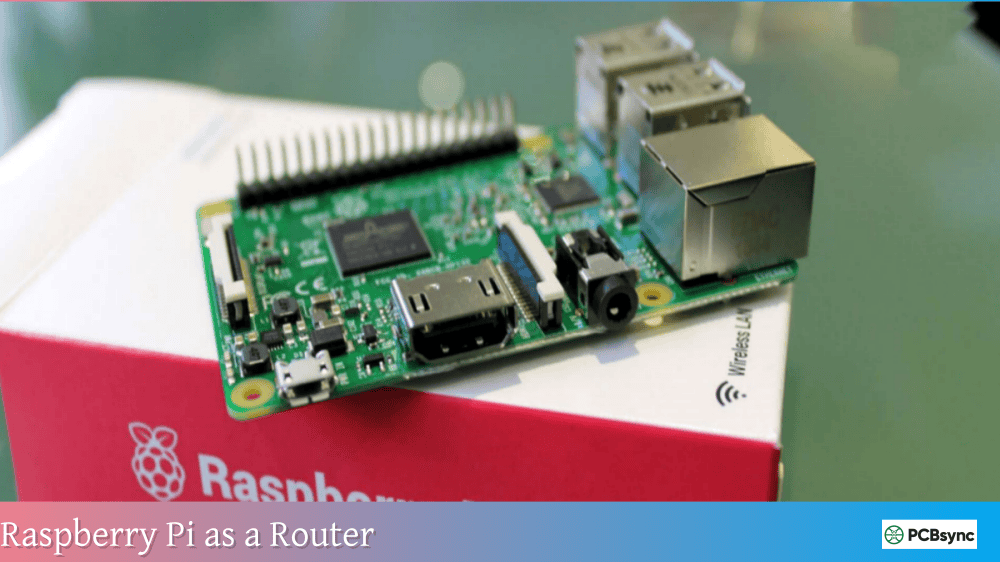
Raspberry Pi as a Router: OPNsense vs OpenWrt Setup Guide
When my ISP-provided router dropped connections for the third time in a week, I decided enough was enough. Consumer-grade routers sacrifice features and reliability for convenience. Building a raspberry pi router seemed like the perfect solution, offering complete control over my network while teaching me about routing, firewalls, and network security.
But here’s what I discovered after extensive testing: not all router software works equally well on Pi hardware. If you’ve searched for opnsense raspberry pi hoping to run that popular firewall, you need to understand some important limitations before investing time and money. This guide compares both options honestly and walks you through setting up the solution that actually works best on Raspberry Pi hardware.
Before diving into installation, understanding what each platform offers helps you make the right choice for your network needs.
What is OpenWrt?
OpenWrt is an open-source Linux distribution specifically designed for embedded devices and routers. Originally created to replace proprietary firmware on consumer routers, it has evolved into a full-featured routing platform with official Raspberry Pi support.
OpenWrt Feature
Description
Operating System
Linux-based
Target Hardware
Embedded devices, routers, SBCs
Raspberry Pi Support
Official, all models
Web Interface
LuCI
Package Manager
opkg (legacy) / apk (24.10+)
Resource Usage
Very lightweight
What is OPNsense?
OPNsense is a FreeBSD-based firewall and routing platform forked from pfSense. It offers enterprise-grade features including intrusion detection, VPN support, traffic shaping, and advanced monitoring tools.
OPNsense Feature
Description
Operating System
FreeBSD-based
Target Hardware
x86-64 systems
Raspberry Pi Support
Not officially supported
Web Interface
Custom GUI
Package Manager
pkg
Resource Usage
Moderate to heavy
The Critical Difference: Pi Compatibility
Here’s the uncomfortable truth that many articles gloss over: OPNsense does not officially support ARM processors or Raspberry Pi hardware. The OPNsense team considered ARM support but concluded it would create a support nightmare due to the variety of ARM boards requiring special configurations.
Platform Support Comparison
Aspect
OpenWrt
OPNsense
Raspberry Pi 5
Supported (SNAPSHOT)
Not supported
Raspberry Pi 4
Fully supported
Not supported
Raspberry Pi 3
Fully supported
Not supported
Official ARM Images
Yes
No
Community ARM Builds
Extensive
Limited, experimental
Update Path
Standard updates
Requires full reinstall
While some enthusiasts have created unofficial OPNsense builds for Raspberry Pi, these lack official support, may break with updates, and require significant technical expertise to maintain. For production use on Pi hardware, OpenWrt remains the practical choice.
If you specifically need OPNsense features, consider running it on a mini-PC with x86-64 hardware, which provides full compatibility and better performance for firewall workloads.
Hardware Requirements for a Raspberry Pi Router
Building an effective raspberry pi router requires understanding the hardware limitations and how to work around them.
The Single Ethernet Port Problem
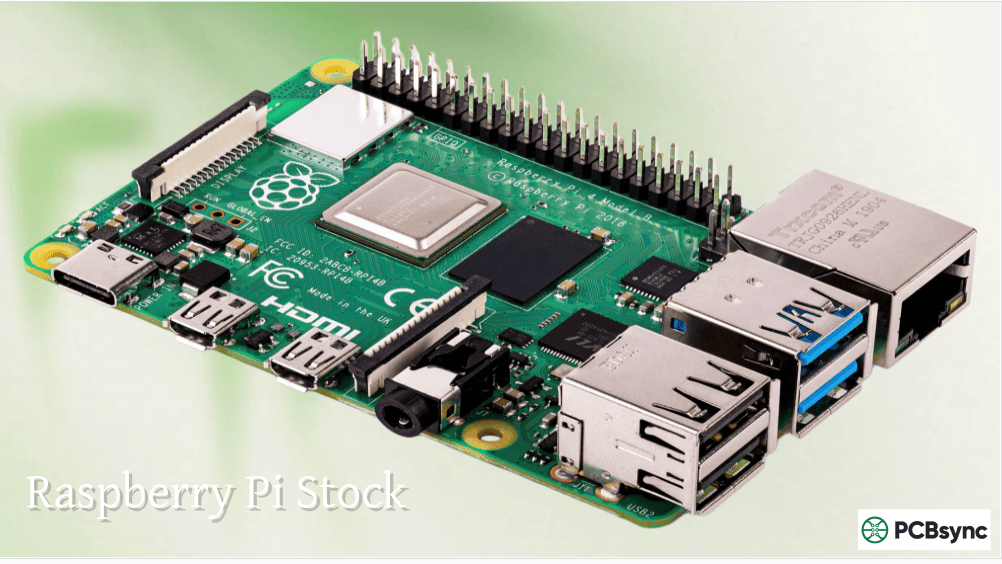
Every Raspberry Pi model includes only one Ethernet port. Routers need at least two network interfaces (WAN and LAN). Solutions include:
Solution
Speed
Cost
Complexity
USB Ethernet Adapter
Up to 2.5 Gbps
$12-30
Low
USB WiFi Adapter
Variable
$15-40
Medium
PCIe HAT (Pi 5 only)
Up to 2.5 Gbps
$25-50
Medium
VLAN with Managed Switch
Network speed
$30-60
High
Recommended Hardware by Pi Model
Model
RAM
Ethernet
USB Ports
Router Suitability
Raspberry Pi 5
4-8GB
1 Gbps
2× USB 3.0
Excellent
Raspberry Pi 4
2-8GB
1 Gbps
2× USB 3.0
Very Good
Raspberry Pi 3B+
1GB
300 Mbps
4× USB 2.0
Limited
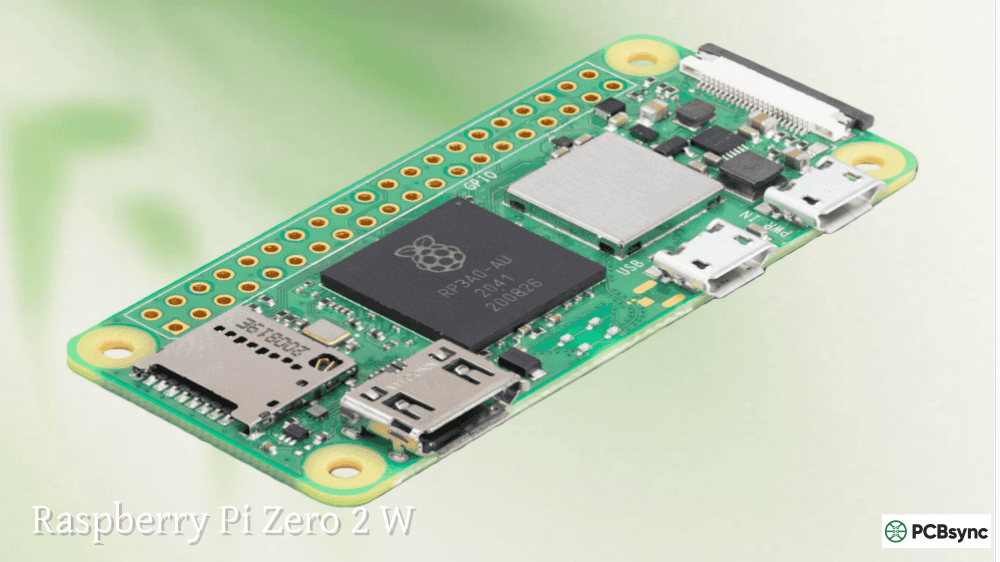
Raspberry Pi Zero 2W
512MB
None
1× USB 2.0
Travel router only
Essential Hardware Shopping List
Component
Purpose
Recommended
Raspberry Pi 5 or 4
Router platform
4GB+ RAM
USB 3.0 Ethernet Adapter
Second NIC
TP-Link UE300 (RTL8153)
Quality microSD Card
OS storage
32GB+ Class A2
Adequate Power Supply
Stable operation
Official 27W (Pi 5) / 15W (Pi 4)
Case with Cooling
Thermal management
Active cooling recommended
Optional: USB WiFi Adapter
Access point
MT7921/RTL8812AU chipset
USB Ethernet Adapter Recommendations
Adapter
Chipset
Speed
OpenWrt Support
Price
TP-Link UE300
RTL8153
1 Gbps
Excellent
~$12
Cable Matters
RTL8153
1 Gbps
Excellent
~$15
Plugable 2.5G
RTL8156
2.5 Gbps
Good (needs driver)
~$25
Anker USB-C
RTL8153
1 Gbps
Excellent
~$20
The RTL8153 chipset offers the best compatibility with OpenWrt. The RTL8156 for 2.5 Gbps speeds requires additional driver configuration but works well once set up.
OpenWrt Installation on Raspberry Pi
Setting up OpenWrt provides the most reliable raspberry pi router experience. Follow these steps for a successful installation.
Step 1: Download the Correct Image
Visit the official OpenWrt download page and select your Pi model:
Pi Model
Image Type
Architecture
Raspberry Pi 5
SNAPSHOT
bcm27xx/bcm2712
Raspberry Pi 4
Stable (24.10)
bcm27xx/bcm2711
Raspberry Pi 3
Stable (24.10)
bcm27xx/bcm2710
Raspberry Pi 2
Stable (24.10)
bcm27xx/bcm2709
Download the factory image (ext4 or squashfs). For beginners, squashfs provides a smaller footprint and reset capability.
Step 2: Flash the Image
Use Raspberry Pi Imager or balenaEtcher to write the image to your microSD card. The process takes approximately 5-10 minutes depending on card speed.
Step 3: Initial Boot and Connection
Insert the microSD card into your Pi and connect:
Power supply
Ethernet cable from your computer to the Pi’s built-in port
Do not connect the USB Ethernet adapter yet. Wait approximately 60 seconds for the first boot to complete.
Step 4: Access the Web Interface
Open a browser and navigate to:
http://192.168.1.1
You’ll see the LuCI web interface. The default login has no password for root, so your first task is setting one.
Step 5: Install USB Ethernet Drivers
This is the critical step many guides miss. OpenWrt doesn’t include USB Ethernet drivers by default. You need to install them before your USB adapter will work.
Temporarily connect the WAN port to your existing router to get internet access, then install via System → Software:
Package
Purpose
kmod-usb-net
USB networking support
kmod-usb-net-rtl8152
RTL8152/8153/8156 driver
kmod-mii
MII support
luci-proto-wireguard
WireGuard VPN (optional)
Alternatively, use the OpenWrt Firmware Selector to build a custom image with these packages pre-installed.
Step 6: Configure Network Interfaces
After installing drivers and rebooting:
Navigate to Network → Interfaces
The built-in port (eth0) defaults to LAN
Add the USB adapter (eth1) as WAN
Configure WAN with DHCP client or PPPoE as required
Understanding throughput capabilities helps set realistic expectations for your raspberry pi router.
Measured Performance Results
Test Scenario
Pi 4
Pi 5 (Expected)
Plain routing (NAT)
~940 Mbps
~1000 Mbps
WireGuard VPN
~840 Mbps
~900+ Mbps
OpenVPN
~200-300 Mbps
~400-500 Mbps
SQM (Traffic Shaping)
~500-700 Mbps
~800+ Mbps
WiFi AP (USB adapter)
~300-400 Mbps
~400-500 Mbps
Performance Optimization Tips
Optimization
Impact
Difficulty
Enable software flow offload
+20-30% throughput
Easy
Use irqbalance
Better multi-core usage
Easy
Disable IPv6 (if unused)
Slight improvement
Easy
Use SSD instead of SD card
Better responsiveness
Medium
Custom kernel compilation
Marginal gains
Advanced
When OPNsense Makes Sense (Alternative Hardware)
If you need OPNsense features like Suricata IDS, advanced traffic analysis, or enterprise-grade VPN, consider alternative hardware instead of fighting Raspberry Pi limitations.
OPNsense Hardware Alternatives
Device Type
Cost
Performance
Power Usage
Used Mini PC (i5)
$80-150
Excellent
15-35W
Protectli Vault
$300-500
Excellent
10-15W
Qotom/Topton Mini PC
$150-250
Very Good
10-20W
Virtual Machine
Free (with host)
Varies
Shared
OPNsense vs OpenWrt Feature Comparison
Feature
OpenWrt
OPNsense
Stateful Firewall
Yes
Yes
NAT/Port Forwarding
Yes
Yes
VLAN Support
Yes
Yes
WireGuard VPN
Yes
Yes
OpenVPN
Yes
Yes
Intrusion Detection (IDS)
Limited
Suricata/Snort
Traffic Shaping
SQM
Traffic Shaper
Ad Blocking
AdGuard Home/PiHole
Plugins
Web Filtering
Limited
Comprehensive
High Availability
No
Yes
Captive Portal
Yes
Yes
GUI Complexity
Simple
Advanced
For most home users, OpenWrt provides everything needed. OPNsense excels in environments requiring advanced security monitoring and enterprise features.
A compact raspberry pi router excels as a travel companion:
Connect to hotel WiFi as client
Broadcast your own secure WiFi network
Run VPN to encrypt all traffic
Share single-device connections with multiple devices
Network Segmentation
Isolate IoT devices from your main network:
Create separate VLANs for different device types
Apply different firewall rules per network
Monitor traffic from potentially insecure devices
VPN Gateway
Route all traffic through VPN:
WireGuard for high performance
OpenVPN for broader compatibility
Split tunneling for selective routing
Ad Blocking Router
Combine routing with network-wide ad blocking:
Install AdGuard Home as OpenWrt package
Block ads at DNS level for all devices
No per-device configuration needed
Useful Resources
Resource
URL
Description
OpenWrt Downloads
downloads.openwrt.org
Official firmware images
OpenWrt Firmware Selector
firmware-selector.openwrt.org
Custom image builder
OpenWrt Wiki
openwrt.org/docs
Documentation
OpenWrt Forum
forum.openwrt.org
Community support
OPNsense Downloads
opnsense.org/download
x86-64 images only
OPNsense Docs
docs.opnsense.org
Official documentation
Home Network Guy
homenetworkguy.com
Excellent tutorials
Pi Router Forum
forums.raspberrypi.com
Pi-specific discussions
PiFi Project
github.com/pifi
Pre-built OpenWrt for Pi
Advanced OpenWrt Configuration
Once your basic raspberry pi router is working, these advanced configurations unlock additional capabilities.
Setting Up WireGuard VPN Server
WireGuard provides excellent VPN performance on Raspberry Pi hardware:
Configuration Step
Purpose
Install luci-proto-wireguard
Adds WireGuard support
Generate keypairs
Create server and client keys
Configure interface
Set listening port and IP range
Add peers
Configure client devices
Enable firewall rules
Allow VPN traffic
Performance reaches 800+ Mbps on Pi 4, making it suitable for remote access even with fast internet connections.
Implementing Traffic Shaping with SQM
Smart Queue Management eliminates bufferbloat and improves latency for gaming and video calls:
SQM Setting
Recommended Value
Download Speed
85-95% of measured
Upload Speed
85-95% of measured
Queue Discipline
cake
Link Layer
Ethernet with overhead
Install the luci-app-sqm package and configure through Network → SQM QoS. Test results at dslreports.com/speedtest before and after to verify improvement.
Adding Guest Network
Isolate visitors from your main network:
Step
Action
Create new interface
guest with separate subnet
Configure DHCP
Separate pool for guests
Set firewall zone
guest zone with limited access
Block LAN access
Prevent guest-to-LAN traffic
Add WiFi SSID
Broadcast separate network name
Monitoring and Statistics
Track network usage with built-in tools:
Tool
Package
Purpose
Netdata
netdata
Real-time monitoring
vnStat
vnstat
Bandwidth statistics
Collectd
luci-app-statistics
Graphing and history
Bandwidthd
bandwidthd-sqlite
Per-host tracking
Troubleshooting Common Issues
USB Adapter Not Detected
Symptom
Cause
Solution
No eth1 interface
Missing drivers
Install kmod-usb-net packages
Adapter disconnects
Power issue
Use powered USB hub
Slow speeds
USB 2.0 port
Ensure USB 3.0 connection
Can’t Access Web Interface
Symptom
Cause
Solution
Connection refused
Wrong IP
Try 192.168.1.1
Timeout
Network config
Connect directly to LAN port
Password unknown
Locked out
Reflash and start fresh
Poor Performance
Symptom
Cause
Solution
Slow throughput
Software NAT
Enable flow offload
High latency
CPU overload
Reduce active services
Packet loss
Thermal throttling
Improve cooling
Frequently Asked Questions
Can I really run OPNsense on a Raspberry Pi?
While some community members have created experimental OPNsense builds for Raspberry Pi, these are unofficial, unsupported, and problematic for production use. OPNsense is built on FreeBSD for x86-64 architecture, not ARM. Every update requires a complete reinstallation, WiFi support is limited, and performance is suboptimal. For Raspberry Pi, OpenWrt provides a far better experience. If you specifically need OPNsense features, invest in a compatible mini-PC instead.
How fast can a Raspberry Pi router actually be?
A properly configured Raspberry Pi 4 with OpenWrt achieves approximately 940 Mbps for plain NAT routing and 840 Mbps for WireGuard VPN traffic. The Pi 5 should exceed these numbers. These speeds satisfy most home internet connections. However, if you have 2.5 Gbps or faster internet, the Pi becomes a bottleneck. For gigabit connections, a Pi 4 or 5 works excellently as a raspberry pi router.
Is Raspberry Pi reliable enough for a primary router?
With proper hardware (quality power supply, adequate cooling, good SD card), a Raspberry Pi runs reliably for years. Many users report uptimes measured in months. The primary failure point is SD card wear from constant writes. Using an SSD via USB or limiting logging significantly improves longevity. For mission-critical applications, having a backup configuration ready makes recovery quick if issues occur.
What USB Ethernet adapter should I buy?
For proven OpenWrt compatibility, buy adapters using the Realtek RTL8153 chipset. The TP-Link UE300 and Cable Matters adapters work immediately without additional configuration. If you need 2.5 Gbps speeds, RTL8156-based adapters work but require installing an additional driver package. Avoid ASIX-based adapters as they’ve had historical compatibility issues with OpenWrt.
Should I use OpenWrt or just set up Pi as an access point?
If you only need WiFi coverage extension, a simple access point configuration using hostapd on Raspberry Pi OS suffices. However, if you want routing capabilities (NAT, firewall, VPN, traffic shaping), OpenWrt provides these features with a mature, well-tested codebase. OpenWrt also handles multiple network interfaces, DHCP, DNS, and firewall rules in an integrated package that would require significant manual configuration otherwise.
Making Your Decision
For a raspberry pi router project, OpenWrt stands as the clear winner. It offers official Raspberry Pi support across all models, a lightweight footprint suited to the hardware, and a massive community providing ongoing development and support.
If your heart is set on opnsense raspberry pi, understand that you’re fighting against the platform’s design. Consider either OpenWrt on Pi (which provides most features you’d want) or OPNsense on a proper x86 mini-PC (which provides the full experience the developers intended).
Either path leads to a more capable, controllable network than any consumer router provides. The learning experience alone makes the project worthwhile, and the ongoing control over your network security proves invaluable as smart home devices and IoT equipment continue multiplying.
Start with OpenWrt on a Pi 4 or 5, get comfortable with the fundamentals, then expand from there. Your network will thank you.
Suggested Meta Descriptions:
Option 1 (155 characters): Build a raspberry pi router with OpenWrt or OPNsense. Complete setup guide comparing platforms, performance benchmarks, and step-by-step installation instructions.
Option 2 (152 characters): Learn why OpenWrt beats OPNsense for raspberry pi router builds. Hardware requirements, installation guide, performance tips, and troubleshooting solutions.
Option 3 (149 characters): Complete guide to building a raspberry pi router. Compare OPNsense vs OpenWrt, understand hardware needs, and follow step-by-step setup instructions.
Inquire: Call 0086-755-23203480, or reach out via the form below/your sales contact to discuss our design, manufacturing, and assembly capabilities.
Quote: Email your PCB files to Sales@pcbsync.com (Preferred for large files) or submit online. We will contact you promptly. Please ensure your email is correct.
Notes: For PCB fabrication, we require PCB design file in Gerber RS-274X format (most preferred), *.PCB/DDB (Protel, inform your program version) format or *.BRD (Eagle) format. For PCB assembly, we require PCB design file in above mentioned format, drilling file and BOM. Click to download BOM template To avoid file missing, please include all files into one folder and compress it into .zip or .rar format.