Inquire: Call 0086-755-23203480, or reach out via the form below/your sales contact to discuss our design, manufacturing, and assembly capabilities.
Quote: Email your PCB files to Sales@pcbsync.com (Preferred for large files) or submit online. We will contact you promptly. Please ensure your email is correct.
Notes: For PCB fabrication, we require PCB design file in Gerber RS-274X format (most preferred), *.PCB/DDB (Protel, inform your program version) format or *.BRD (Eagle) format. For PCB assembly, we require PCB design file in above mentioned format, drilling file and BOM. Click to download BOM template To avoid file missing, please include all files into one folder and compress it into .zip or .rar format.
Raspberry Pi + Arduino: When & How to Use Both Together
After fifteen years designing embedded systems for industrial clients, I’ve lost count of how many times someone asked me to choose between arduino raspberry pi for their project. Here’s the truth most tutorials won’t tell you: the most capable systems I’ve built use both boards working together.
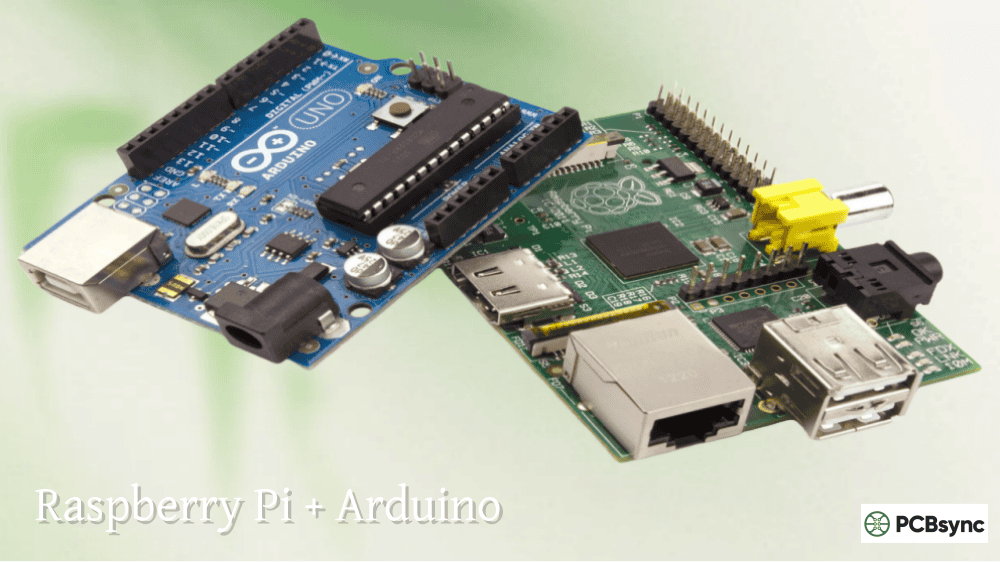
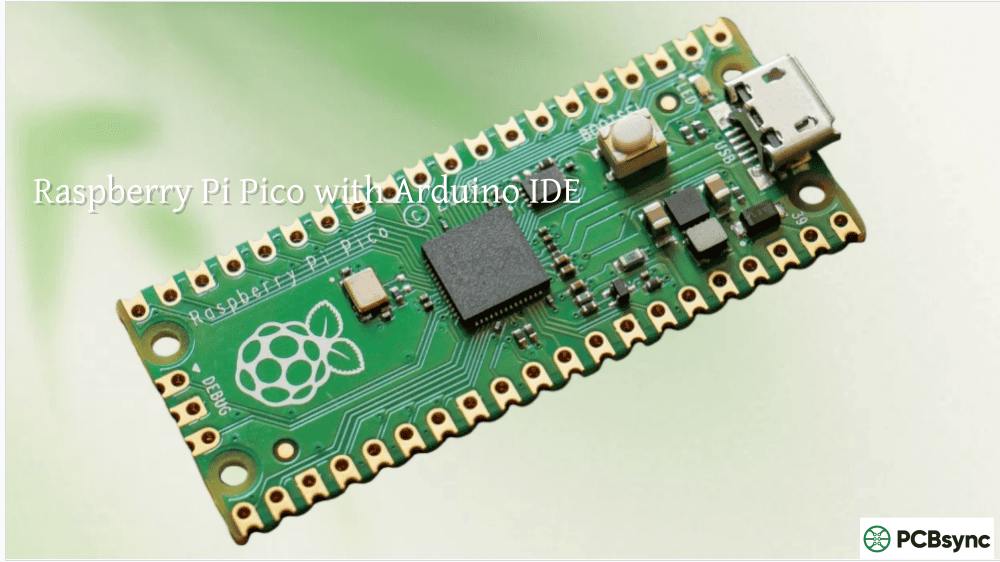
The raspberry pi arduino combination creates something neither can achieve alone. The Pi provides computational horsepower, networking, and complex software capabilities. The Arduino delivers real-time hardware control, analog inputs, and bulletproof reliability. Together, they form a system greater than the sum of its parts.
This guide explains when combining these platforms makes sense, how to connect them, and provides working code to get you started immediately.
Before combining Raspberry Pi and Arduino, understanding their architectural differences clarifies why pairing them works so well.
Arduino: The Hardware Specialist
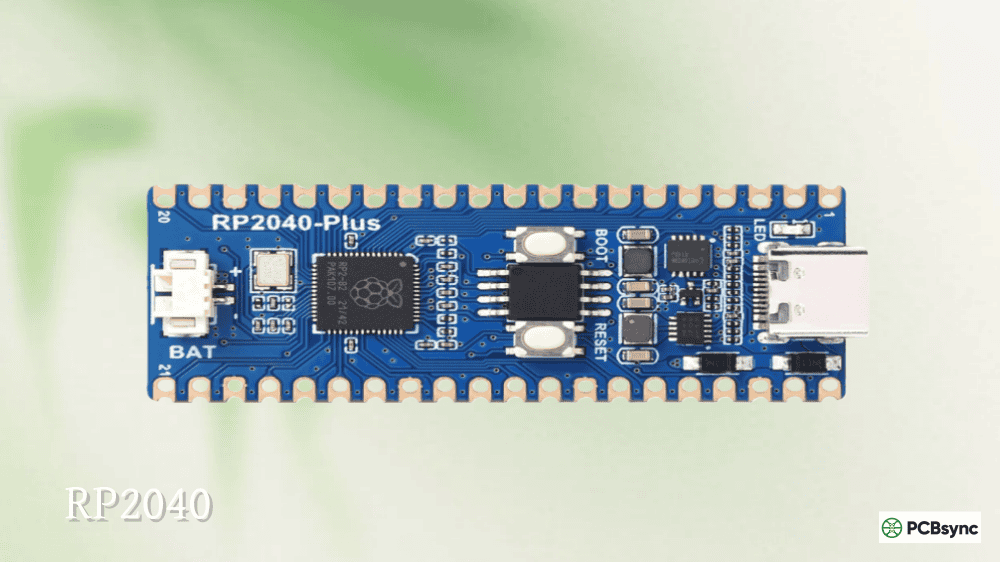
Arduino boards contain microcontrollers, not computers. They execute code directly without an operating system, providing deterministic timing and immediate hardware response. When your Arduino code says “turn on this pin,” it happens within microseconds, every single time.
This predictability matters enormously for motor control, sensor timing, and safety-critical applications. An Arduino won’t pause your motor control loop because it decided to run garbage collection or check for system updates.
Raspberry Pi: The Computing Powerhouse
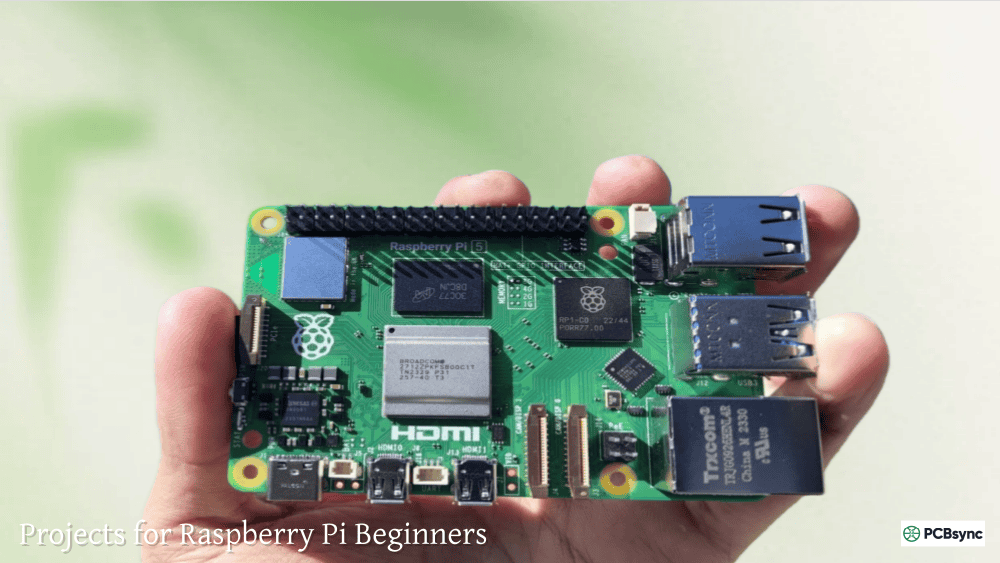
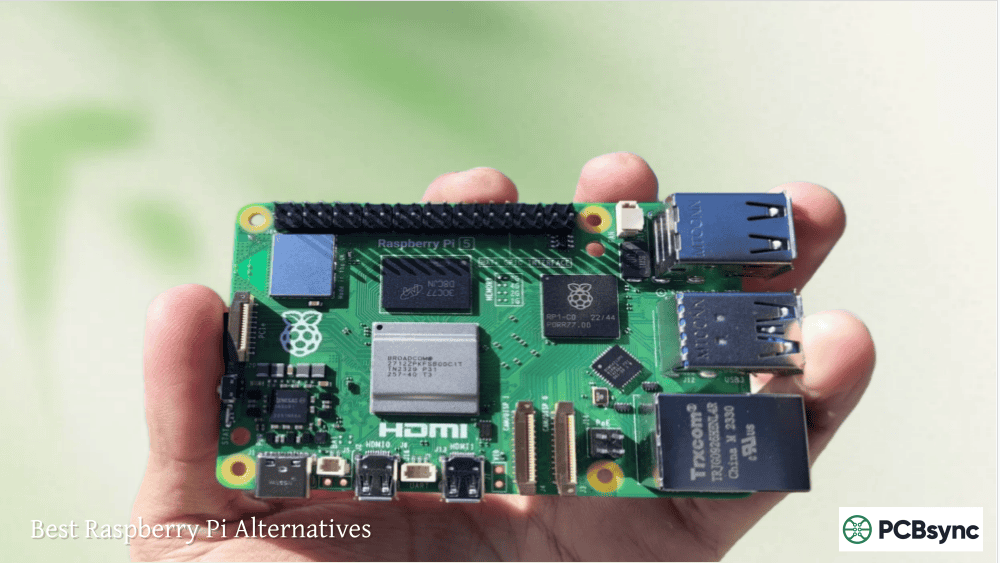
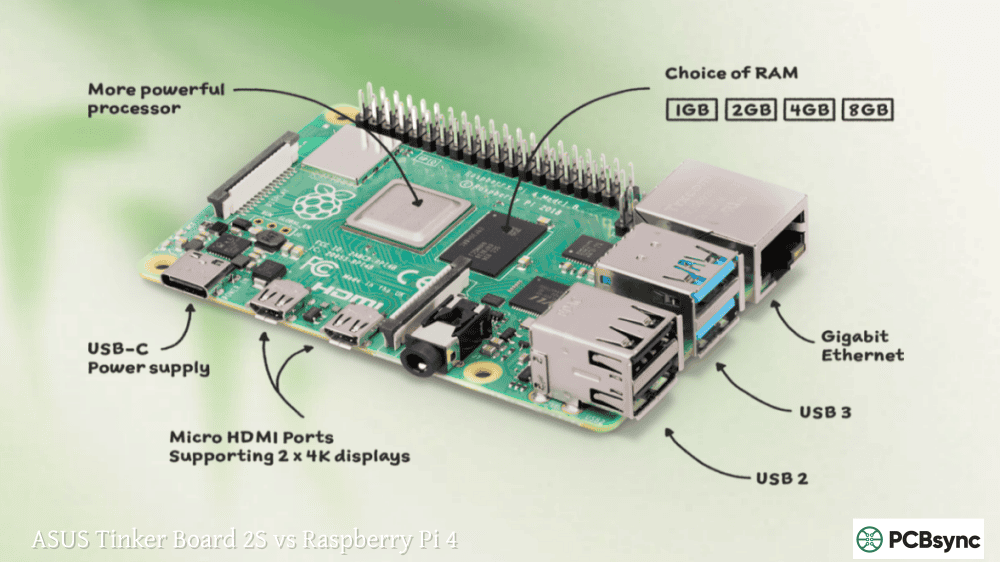
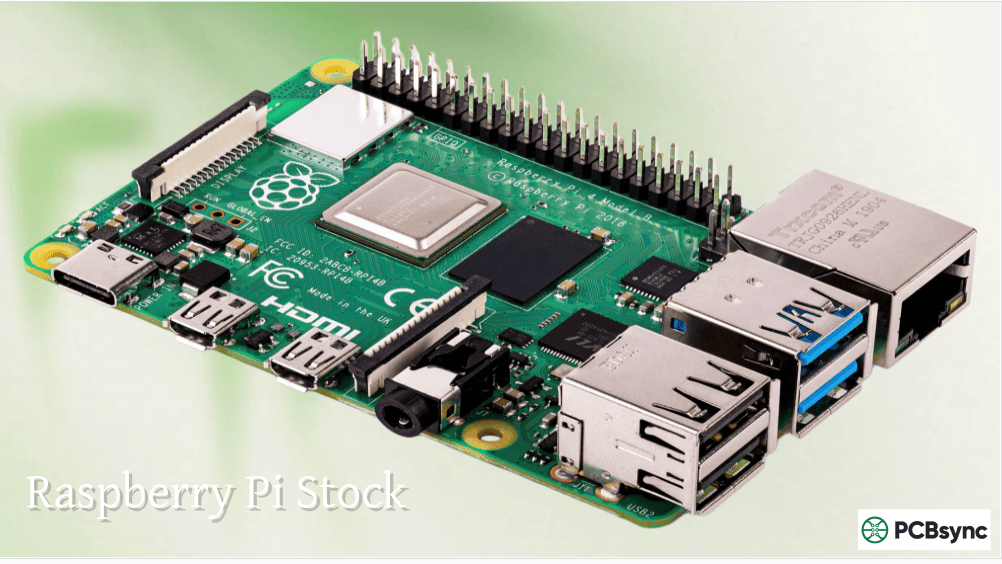
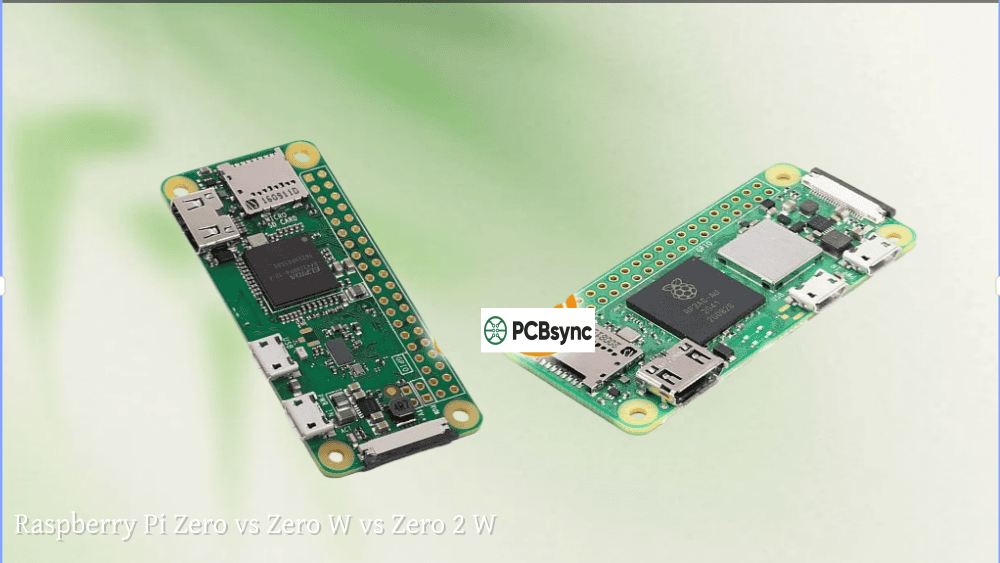
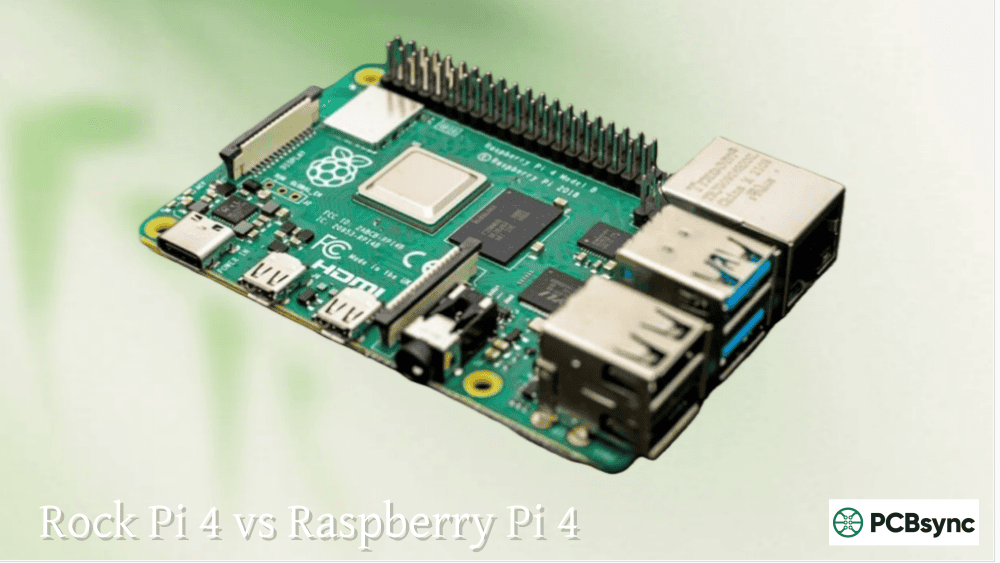
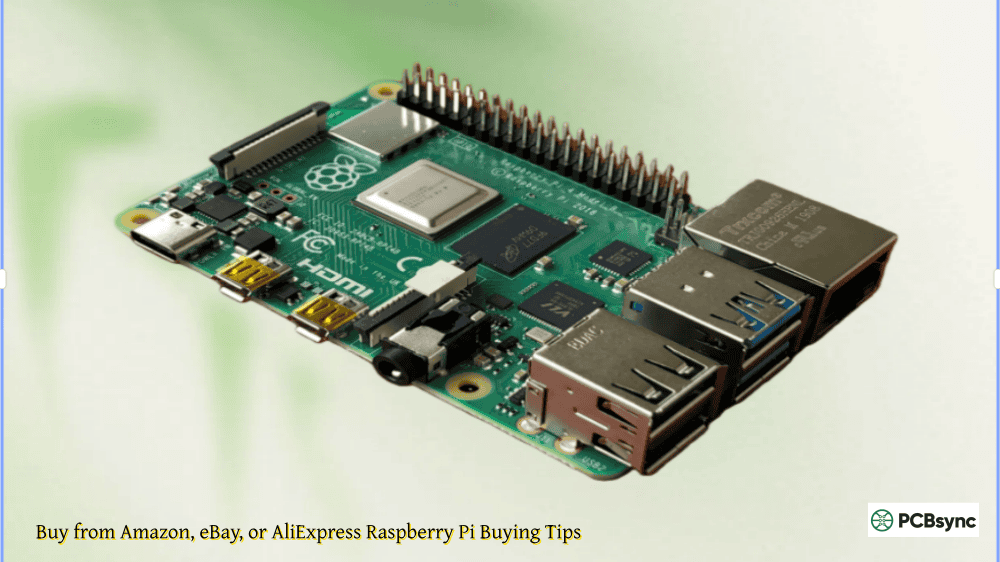
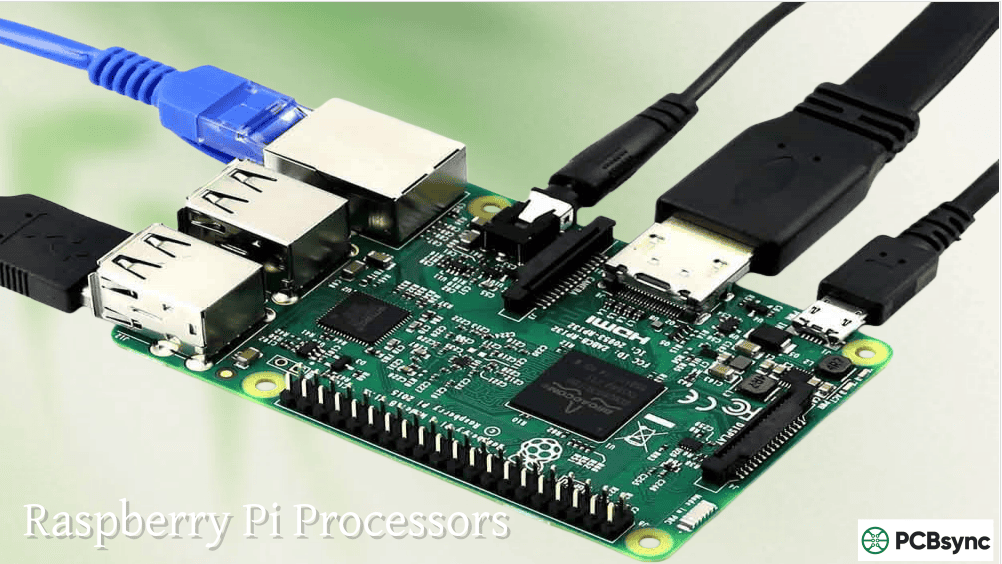
Raspberry Pi runs a full Linux operating system, enabling complex software, networking, databases, and user interfaces. It processes data, hosts web servers, runs machine learning models, and connects to the internet effortlessly.
However, Linux isn’t a real-time operating system. Your Python script might pause briefly while the system handles other tasks. For blinking an LED, this doesn’t matter. For controlling a 3D printer’s stepper motors, it absolutely does.
Side-by-Side Comparison
Feature
Arduino Uno
Raspberry Pi 4
Type
Microcontroller
Single-board computer
Processor
ATmega328P (16MHz)
BCM2711 (1.5GHz quad-core)
RAM
2KB
2GB-8GB
Storage
32KB Flash
microSD (unlimited)
Operating System
None (bare metal)
Linux
Analog Inputs
6 channels
None (requires ADC)
Real-time Capable
Yes
No
Power Consumption
~50mA
~600mA-3A
Boot Time
Instant
20-45 seconds
Price
$25-30
$35-75
When to Use Arduino and Raspberry Pi Together
Not every project needs both boards. Here’s how to decide:
Use Both When You Need
The arduino raspberry pi combination excels when projects require computational intelligence plus reliable hardware control. Consider using both for home automation systems that need web interfaces and precise motor timing, robotics projects combining computer vision with motor control, data logging systems requiring sensor accuracy and cloud connectivity, or industrial monitoring with real-time response and database storage.
Specific Scenarios for Dual-Board Systems
Scenario
Pi Handles
Arduino Handles
Robotic Arm
Computer vision, path planning
Servo PWM, joint sensors
Weather Station
Web server, data storage
Sensor polling, power management
CNC Machine
G-code parsing, UI
Stepper timing, limit switches
Smart Greenhouse
Cloud connectivity, scheduling
Soil sensors, valve control
Security System
Video processing, alerts
PIR sensors, door contacts
When a Single Board Suffices
Use Arduino alone for simple automation tasks, battery-powered sensors, projects requiring instant-on behavior, or applications where software crashes could cause safety issues. Use Raspberry Pi alone for web servers, media centers, projects requiring displays, or applications primarily involving software rather than hardware control.
Communication Methods Between Arduino and Raspberry Pi
Several protocols connect these boards, each with distinct advantages:
USB Serial Communication
The simplest and most common method connects Arduino’s USB port directly to any Raspberry Pi USB port. No additional wiring, no voltage level concerns, no configuration complexity.
Method
Speed
Complexity
Best For
USB Serial
115200 baud typical
Low
Most projects
UART (GPIO)
Up to 921600 baud
Medium
Space-constrained designs
I2C
100-400 kHz
Medium
Multiple Arduinos
SPI
Up to 10+ MHz
High
High-speed data transfer
For most projects, USB serial provides the perfect balance of simplicity and performance.
USB Serial Connection: Step-by-Step Setup
USB serial requires minimal setup and provides reliable bidirectional communication.
Hardware Setup
Connect your Arduino to any Raspberry Pi USB port using a standard USB cable. The Arduino Uno uses USB-B, the Nano uses Mini-USB or USB-C depending on version, and the Mega uses USB-B.
Finding the Arduino Port
After connecting, identify the serial port on your Raspberry Pi:
ls /dev/tty*
Look for /dev/ttyACM0 (Arduino Uno, Mega, Leonardo) or /dev/ttyUSB0 (Arduino Nano with CH340/FTDI chip). If uncertain, run the command before and after connecting to see which port appears.
Installing Python Serial Library
sudo apt update
sudo apt install python3-serial
Alternatively, install via pip:
pip3 install pyserial
Bidirectional Communication Code Examples
These working examples demonstrate both Arduino-to-Pi and Pi-to-Arduino communication.
Arduino Code (Upload First)
// Arduino code for bidirectional serial communication
For projects where USB isn’t practical, connect Arduino’s TX/RX pins directly to Raspberry Pi GPIO. This method requires voltage level shifting since Arduino operates at 5V while Raspberry Pi GPIO uses 3.3V.
Wiring Requirements
Arduino Pin
Connection
Raspberry Pi Pin
TX (Pin 1)
Through level shifter
GPIO15 (RXD)
RX (Pin 0)
Through level shifter
GPIO14 (TXD)
GND
Direct connection
Any GND pin
Never connect 5V Arduino signals directly to Raspberry Pi GPIO pins. Use a bidirectional logic level converter or voltage divider on the Arduino TX line.
Enabling UART on Raspberry Pi
Edit the boot configuration:
sudo nano /boot/config.txt
Add or uncomment:
enable_uart=1
Disable the serial console by editing cmdline.txt and removing references to the serial port, then reboot.
I2C Communication: Multiple Arduinos
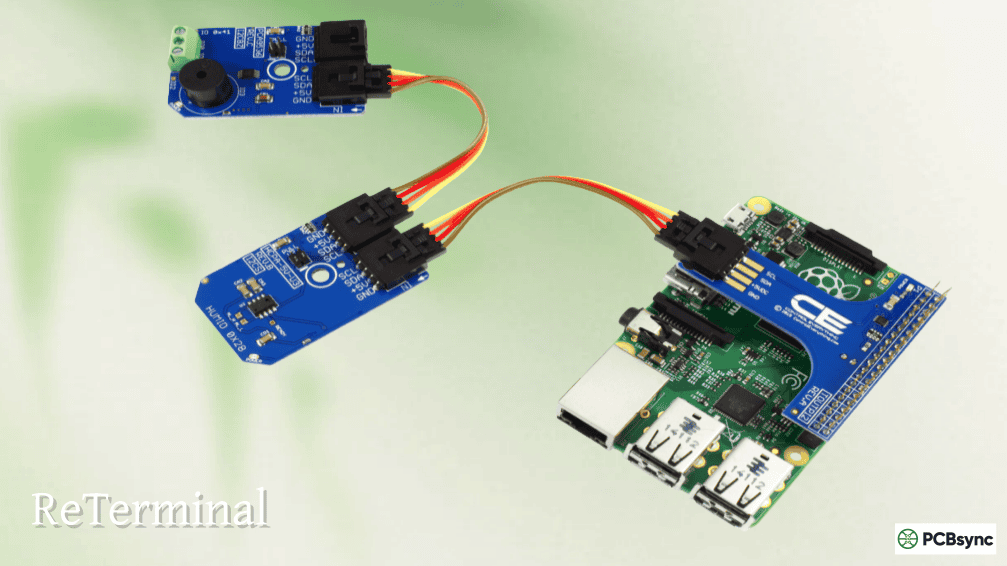
I2C enables one Raspberry Pi to communicate with multiple Arduinos, each responding to a unique address.
Advantages of I2C
I2C uses only two wires (SDA and SCL) regardless of how many devices connect. Each Arduino receives a configurable address between 0x08 and 0x77, allowing up to 112 slave devices on one bus.
Arduino I2C Slave Code
#include <Wire.h>
#define I2C_ADDRESS 0x08
volatile byte receivedCommand = 0;
int sensorValue = 0;
void setup() {
Wire.begin(I2C_ADDRESS);
Wire.onReceive(receiveEvent);
Wire.onRequest(requestEvent);
pinMode(LED_BUILTIN, OUTPUT);
}
void loop() {
sensorValue = analogRead(A0);
if (receivedCommand == 1) {
digitalWrite(LED_BUILTIN, HIGH);
} else if (receivedCommand == 2) {
digitalWrite(LED_BUILTIN, LOW);
}
delay(10);
}
void receiveEvent(int bytes) {
receivedCommand = Wire.read();
}
void requestEvent() {
byte data[2];
data[0] = highByte(sensorValue);
data[1] = lowByte(sensorValue);
Wire.write(data, 2);
}
Raspberry Pi I2C Master Code
#!/usr/bin/env python3
import smbus2
import time
bus = smbus2.SMBus(1)
ARDUINO_ADDR = 0x08
def send_command(cmd):
“””Send single byte command to Arduino”””
bus.write_byte(ARDUINO_ADDR, cmd)
def read_sensor():
“””Read 16-bit sensor value from Arduino”””
data = bus.read_i2c_block_data(ARDUINO_ADDR, 0, 2)
return (data[0] << 8) | data[1]
# Example usage
send_command(1) # LED on
time.sleep(1)
value = read_sensor()
print(f”Sensor reading: {value}”)
send_command(2) # LED off
Real-World Project: Environmental Monitor
This practical example combines both boards into a functional environmental monitoring system.
System Architecture
The Arduino continuously reads temperature, humidity, and light sensors with precise timing. The Raspberry Pi receives this data, stores it in a database, serves a web interface, and sends alerts when thresholds exceed limits.
Why This Design Works
The Arduino handles time-sensitive sensor operations without interruption. The Raspberry Pi manages computationally intensive tasks like web serving and data processing. Neither board is burdened with tasks it handles poorly.
Many Arduino boards reset when serial connection opens. Add a 10µF capacitor between RESET and GND to prevent this, or handle the reset delay in your Python code with a 2-second sleep after opening the connection.
Garbled Data or Communication Failures
Verify matching baud rates on both devices. Ensure proper line endings (newline character). Check cable quality for USB connections. For GPIO UART, confirm voltage level shifting is working correctly.
Frequently Asked Questions
Can Raspberry Pi replace Arduino entirely?
While Raspberry Pi has GPIO pins, it cannot match Arduino’s real-time performance. The Pi runs Linux, which introduces unpredictable delays unsuitable for precise timing applications like motor control or high-speed sensor sampling. For projects requiring deterministic hardware timing, Arduino remains essential even when paired with a Pi.
What is the best communication method for Arduino and Raspberry Pi?
USB serial communication works best for most projects due to its simplicity, reliability, and adequate speed. It requires no additional components, handles voltages automatically, and provides bidirectional communication up to 115200 baud. Use I2C only when connecting multiple Arduinos or when USB ports are unavailable.
How many Arduinos can connect to one Raspberry Pi?
Using I2C, theoretically up to 112 Arduino slaves can connect to one Raspberry Pi master. Practically, electrical limitations (bus capacitance, cable length) reduce this to 10-20 devices for reliable operation. USB hubs can connect multiple Arduinos via serial, limited by available USB ports and hub capacity.
Can I power Arduino from Raspberry Pi?
Yes, Arduino Uno and Nano draw approximately 50mA, well within Raspberry Pi’s USB port capacity (500mA per port on Pi 4). However, if your Arduino project includes power-hungry components like motors or many LEDs, use a separate power supply for the Arduino to avoid brownouts or damage to the Pi.
Is learning both platforms worth the effort?
Absolutely. Understanding both Arduino and Raspberry Pi dramatically expands your project capabilities. The arduino raspberry pi combination appears in professional robotics, industrial automation, and IoT deployments precisely because each platform excels where the other struggles. Mastering both makes you a more capable embedded systems developer.
Advanced Integration Techniques
As your projects grow more sophisticated, consider these advanced patterns that professional developers use.
Message Protocols and Data Integrity
For critical applications, implement checksums or packet structures to verify data integrity:
def send_with_checksum(arduino, data):
“””Send data with simple checksum verification”””
checksum = sum(data.encode()) % 256
message = f”{data}:{checksum}\n”
arduino.write(message.encode())
Watchdog Implementation
Production systems benefit from watchdog timers that detect communication failures and trigger recovery:
import time
class WatchdogMonitor:
def __init__(self, timeout=10):
self.timeout = timeout
self.last_heartbeat = time.time()
def feed(self):
self.last_heartbeat = time.time()
def check(self):
if time.time() – self.last_heartbeat > self.timeout:
return False # Watchdog expired
return True
Load Distribution Between Boards
Properly dividing tasks between Arduino and Raspberry Pi maximizes system reliability:
Task Type
Best Platform
Reason
Sensor polling
Arduino
Consistent timing
PWM generation
Arduino
Hardware support
Data storage
Raspberry Pi
File system access
Network communication
Raspberry Pi
Full TCP/IP stack
User interface
Raspberry Pi
Display support
Safety interlocks
Arduino
No OS delays
Building Your First Combined Project
Start with a simple data logging project: have Arduino read a temperature sensor and send readings to Raspberry Pi, which stores them in a file and displays them on a web page. This project teaches serial communication, data handling, and system integration without overwhelming complexity.
Once comfortable, expand to bidirectional control where the Pi sends commands based on sensor thresholds. This foundation supports increasingly sophisticated projects as your skills develop.
The raspberry pi arduino partnership remains powerful because each board contributes unique strengths. Rather than choosing one over the other, leverage both to build systems previously impossible for hobbyists to create. The combination democratizes sophisticated embedded development, putting professional-grade capabilities within reach of anyone willing to learn.
Cost Considerations for Combined Systems
When budgeting for a dual-board project, consider these typical costs:
Component
Approximate Cost
Raspberry Pi 4 (2GB)
$45
Arduino Uno
$25
USB Cable
$5
Logic Level Shifter
$5
Breadboard + Wires
$10
Total Minimum
~$90
While this exceeds single-board solutions, the capabilities gained often justify the investment. Professional-grade embedded systems combining computation with real-time control typically cost thousands of dollars. The arduino raspberry pi approach delivers similar functionality affordably.
The knowledge gained from building combined systems transfers directly to professional embedded development, making this an excellent educational investment regardless of immediate project needs.
Inquire: Call 0086-755-23203480, or reach out via the form below/your sales contact to discuss our design, manufacturing, and assembly capabilities.
Quote: Email your PCB files to Sales@pcbsync.com (Preferred for large files) or submit online. We will contact you promptly. Please ensure your email is correct.
Notes: For PCB fabrication, we require PCB design file in Gerber RS-274X format (most preferred), *.PCB/DDB (Protel, inform your program version) format or *.BRD (Eagle) format. For PCB assembly, we require PCB design file in above mentioned format, drilling file and BOM. Click to download BOM template To avoid file missing, please include all files into one folder and compress it into .zip or .rar format.