Inquire: Call 0086-755-23203480, or reach out via the form below/your sales contact to discuss our design, manufacturing, and assembly capabilities.
Quote: Email your PCB files to Sales@pcbsync.com (Preferred for large files) or submit online. We will contact you promptly. Please ensure your email is correct.
Notes: For PCB fabrication, we require PCB design file in Gerber RS-274X format (most preferred), *.PCB/DDB (Protel, inform your program version) format or *.BRD (Eagle) format. For PCB assembly, we require PCB design file in above mentioned format, drilling file and BOM. Click to download BOM template To avoid file missing, please include all files into one folder and compress it into .zip or .rar format.
How to Build a Raspberry Pi Arcade Machine (Complete Guide)
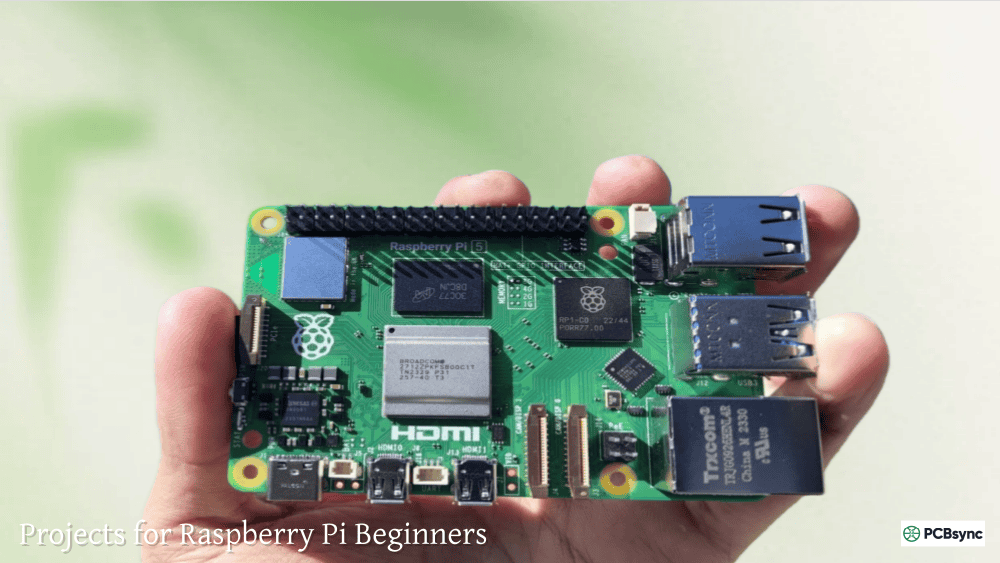
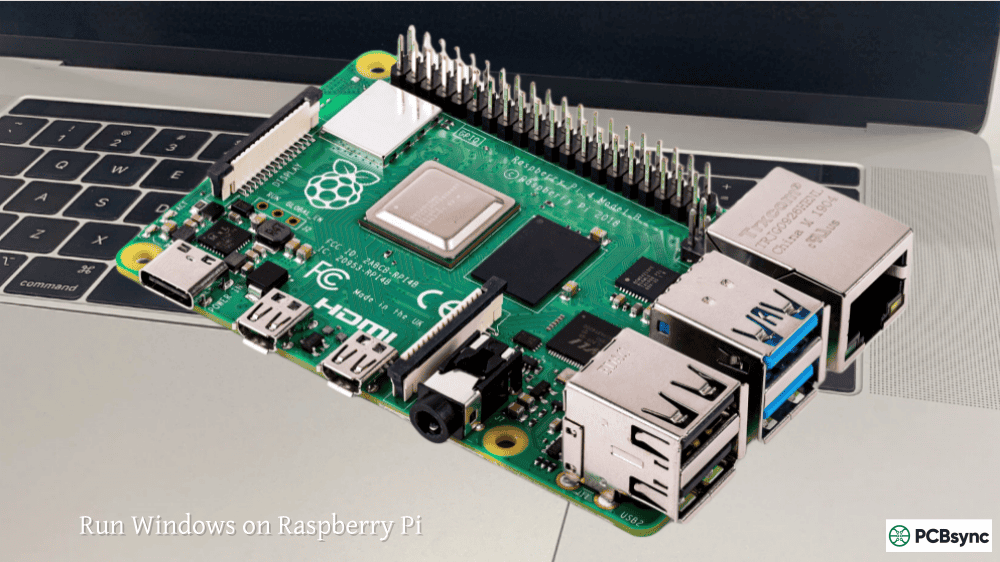
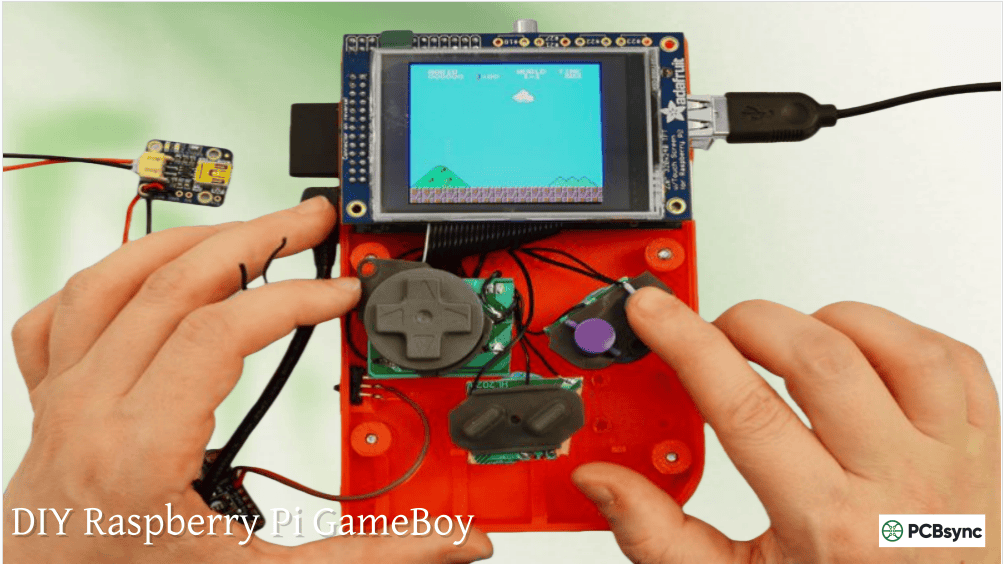
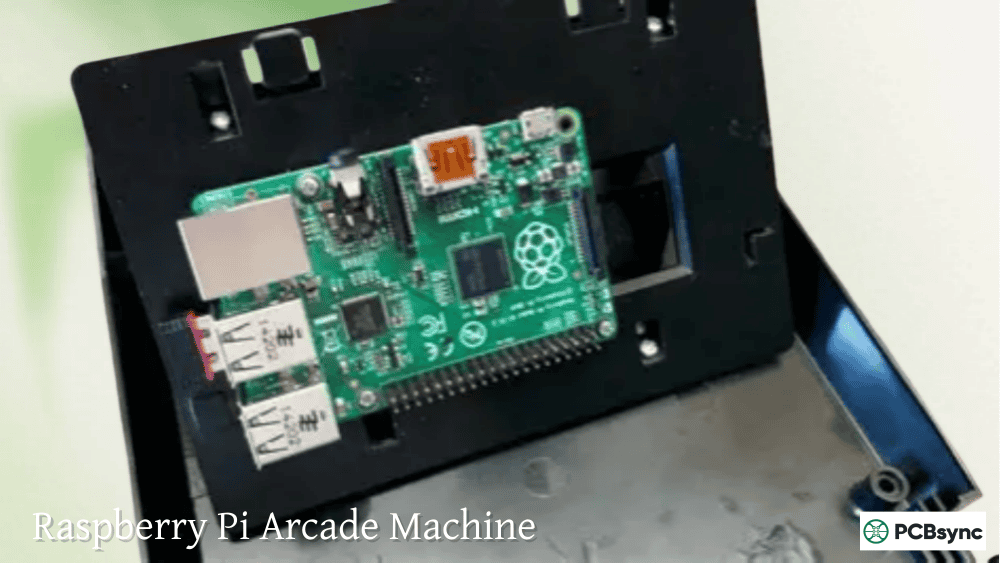
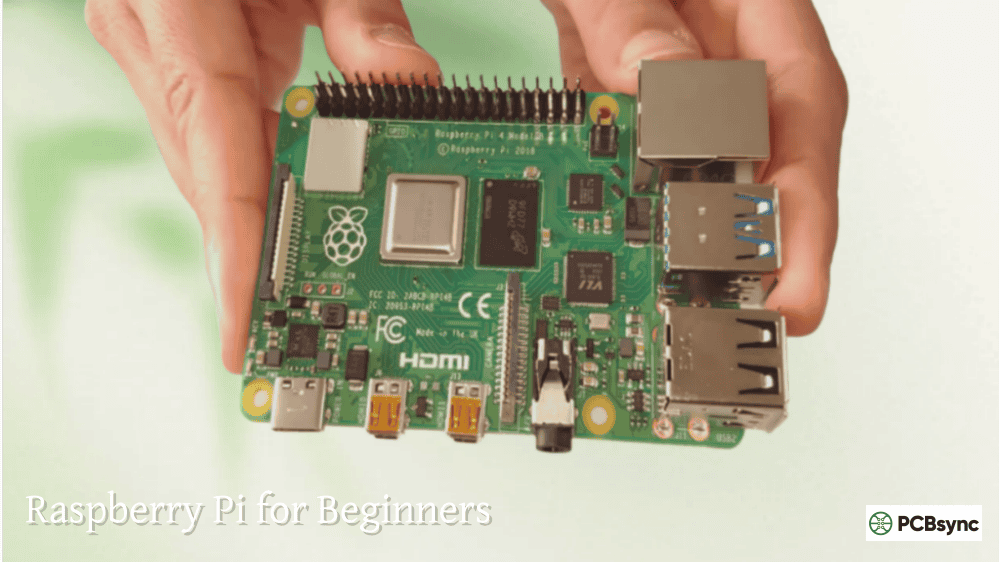
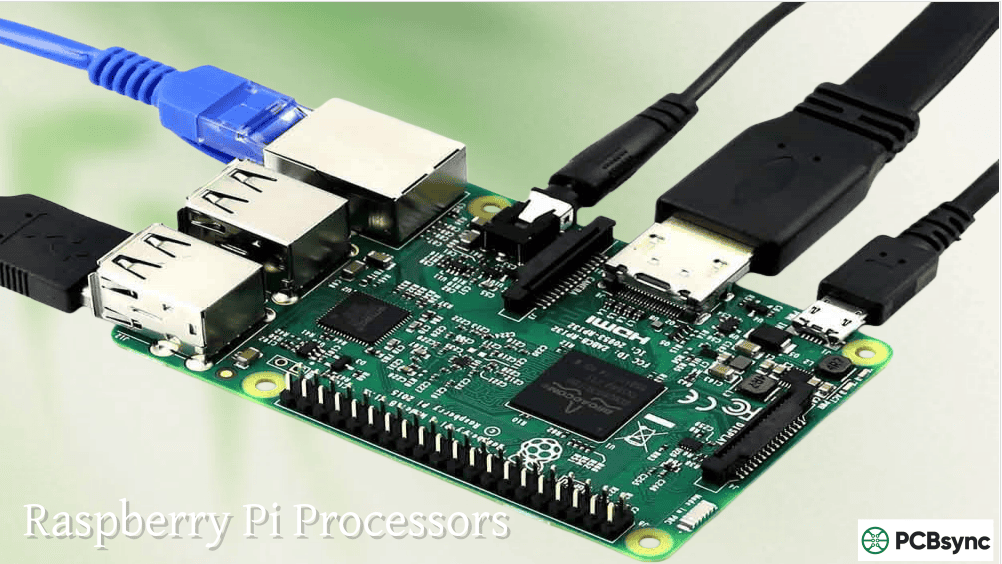
Building a raspberry pi arcade machine brings back the golden age of gaming without spending thousands on original hardware. For around $200-500 depending on your ambitions, you can create a fully functional arcade cabinet playing thousands of classic games.
I built my first Raspberry Pi arcade three years ago—a bartop unit sitting in my workshop. Since then, I’ve helped friends build everything from compact tabletop units to full-size standing cabinets. The satisfaction of playing Pac-Man, Street Fighter II, or Metal Slug on hardware you built yourself never gets old.
This complete guide covers everything from choosing components to configuring mame raspberry pi emulation, building the cabinet, wiring controls, and troubleshooting common issues.
Before diving into construction, let’s understand why the Raspberry Pi dominates DIY arcade builds.
Raspberry Pi Arcade Advantages
Advantage
Description
Low Cost
Pi + accessories under $100 vs $500+ for dedicated boards
Low Power
5-15W consumption allows continuous operation
Flexibility
Runs multiple emulators for different platforms
Community Support
Massive ecosystem of tutorials, themes, and tools
Compact Size
Fits easily inside any cabinet design
Easy Updates
Software updates add features and fix bugs
What Games Can You Play?
A raspberry pi arcade machine handles thousands of classic titles:
Platform
Examples
Performance
Classic Arcade (MAME)
Pac-Man, Galaga, Donkey Kong
Excellent
Neo Geo
Metal Slug, King of Fighters
Very Good
NES
Super Mario Bros, Zelda
Excellent
SNES
Street Fighter II, Mario Kart
Excellent
Sega Genesis
Sonic, Streets of Rage
Excellent
PlayStation 1
Tekken 3, Crash Bandicoot
Good (Pi 4/5)
N64
Mario 64, GoldenEye
Varies (Pi 4/5)
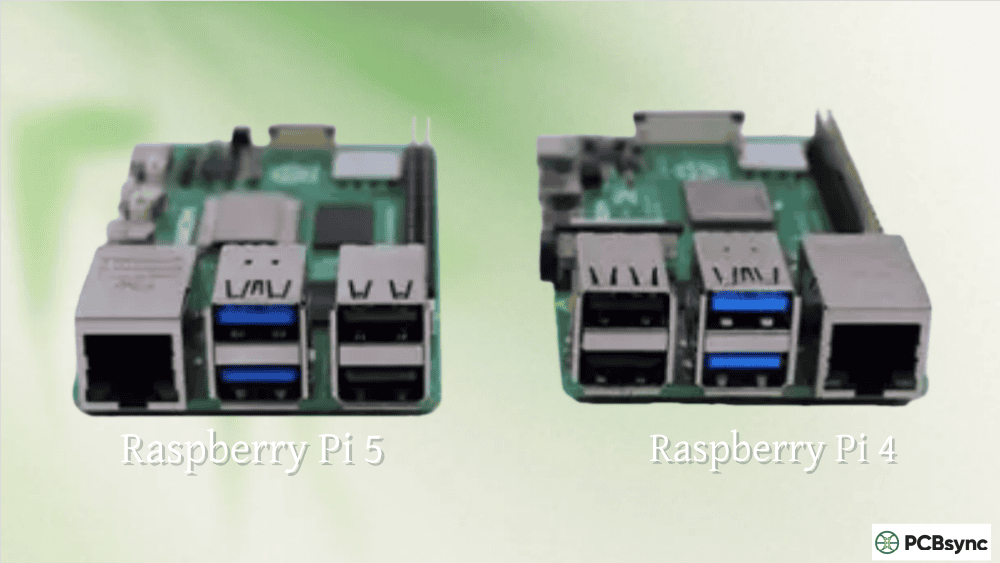
The Pi 4 and Pi 5 significantly expanded what’s playable, bringing PlayStation 1 and many N64 titles to full speed.
Choosing Your Raspberry Pi Model
Not all Pi models perform equally for arcade emulation.
Pi Model Performance Comparison
Pi Model
MAME Performance
N64/PS1
Recommended
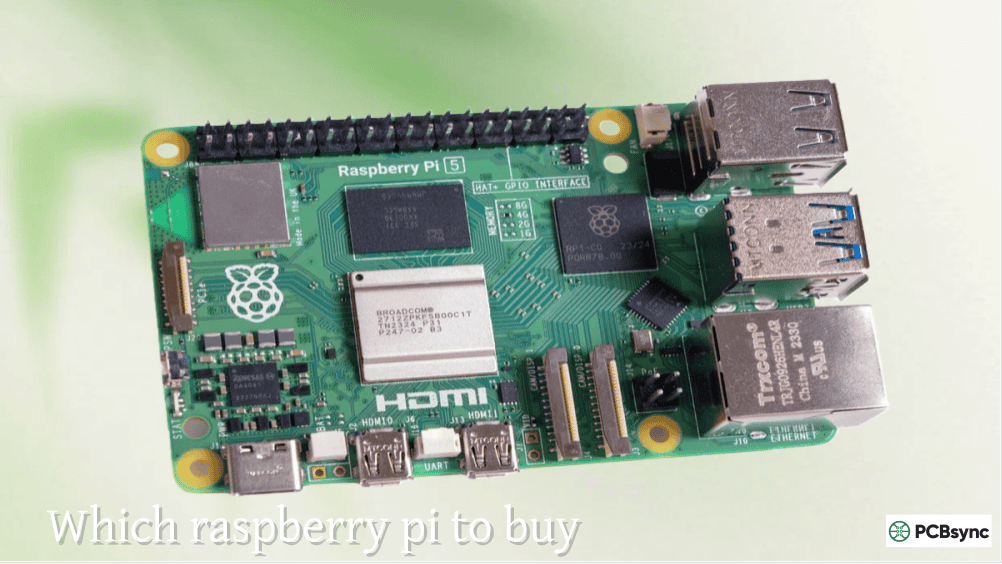
Pi 5 (4GB/8GB)
Excellent
Very Good
Best choice
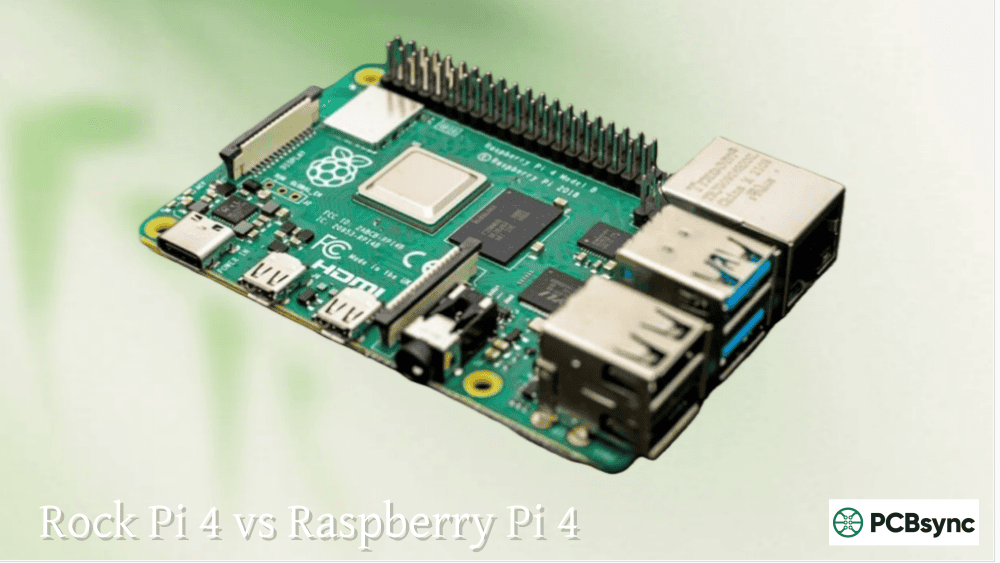
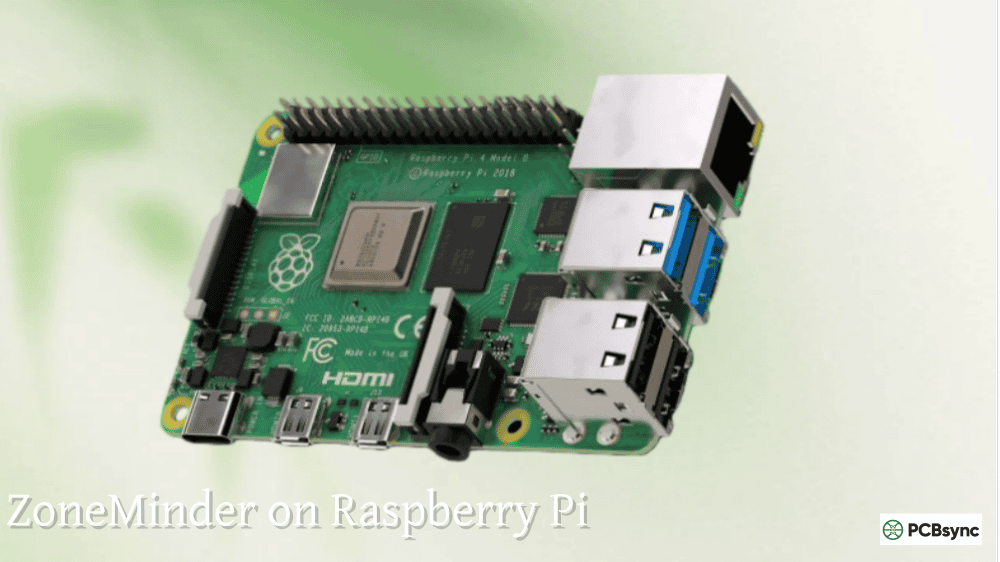
Pi 4B (4GB)
Excellent
Good
Great value
Pi 4B (2GB)
Excellent
Good
Budget option
Pi 3B+
Very Good
Limited
Acceptable
Pi 3B
Good
Poor
Basic games only
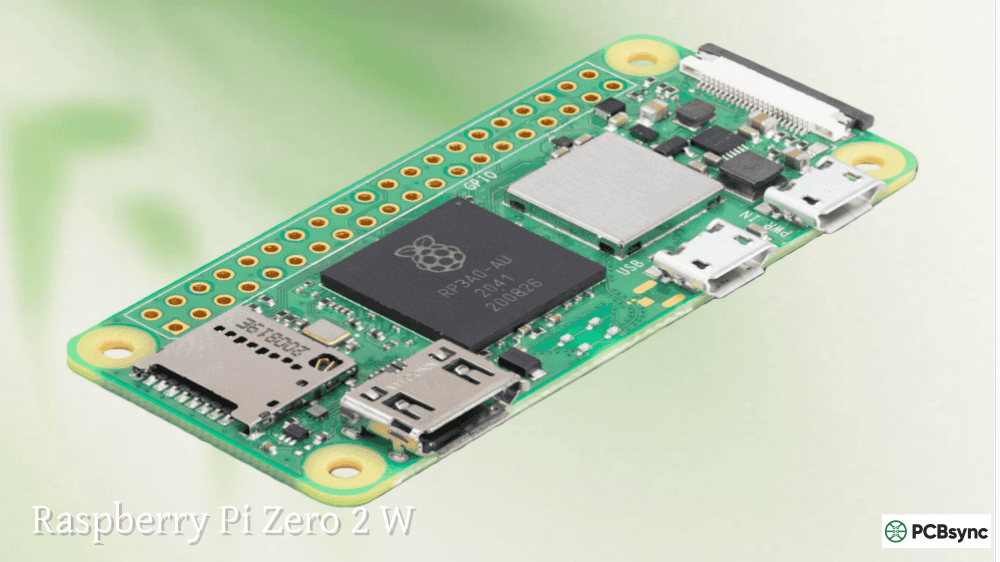
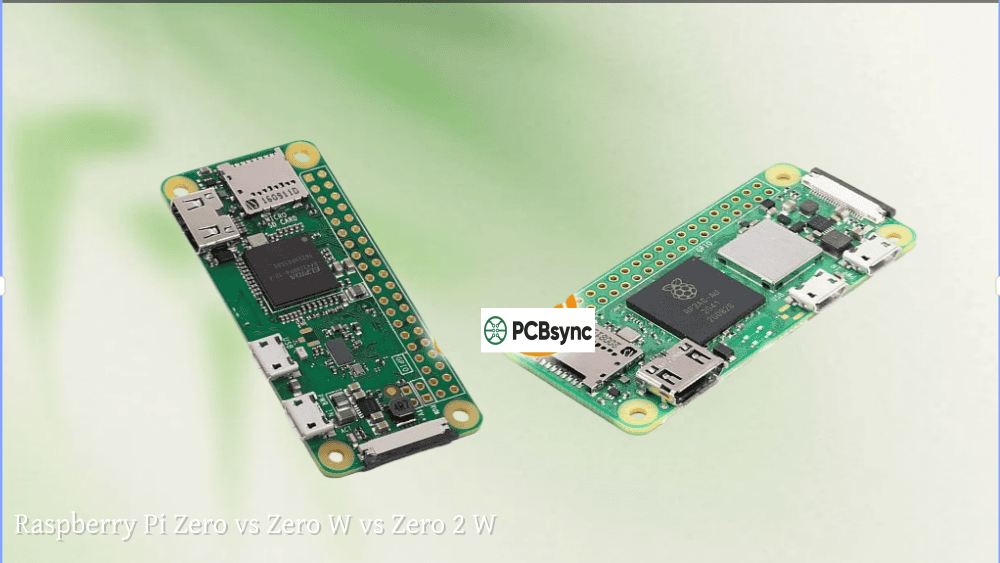
Pi Zero 2 W
Limited
No
Not recommended
Recommended Configuration
For a raspberry pi arcade build, I recommend:
Component
Specification
Model
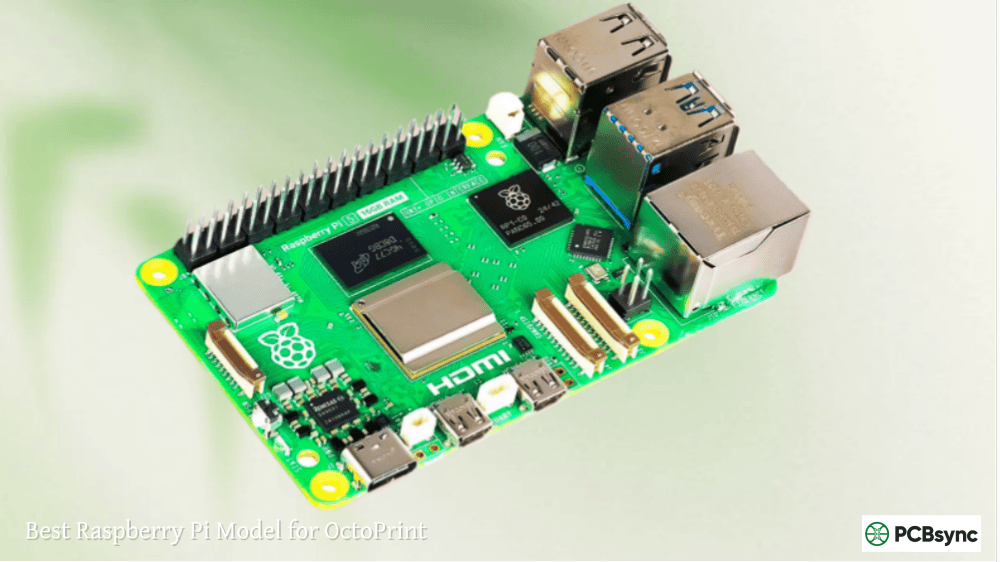
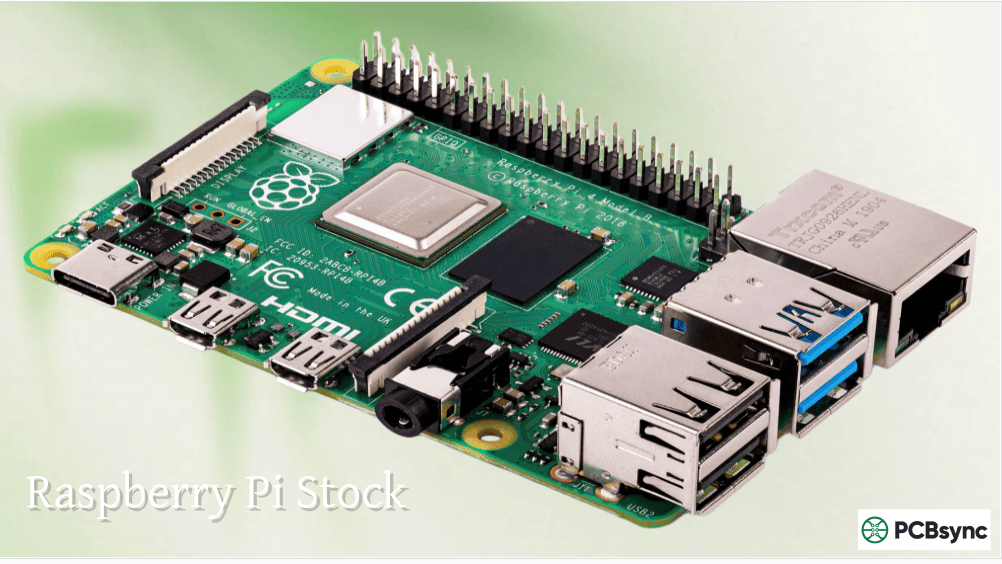
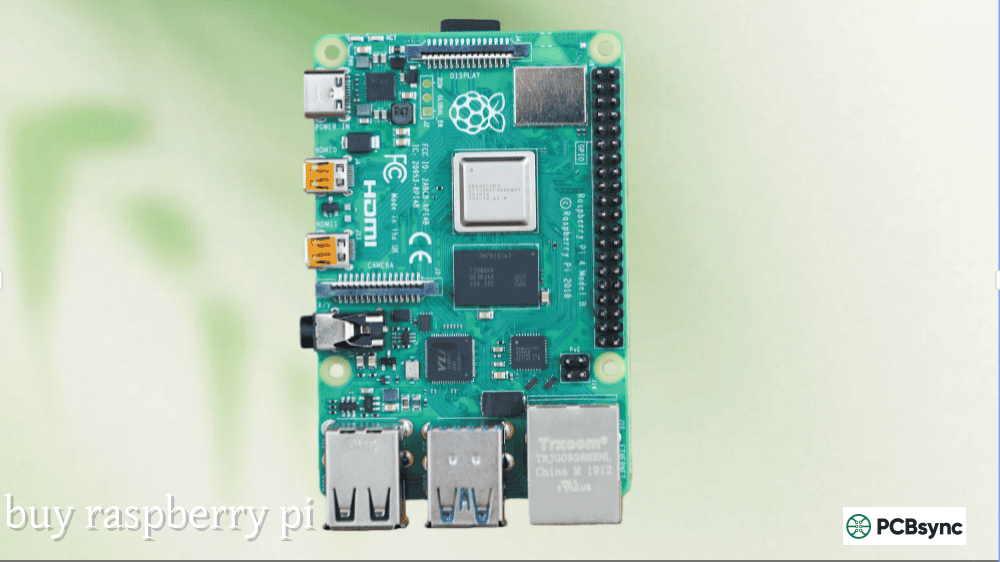
Raspberry Pi 4B (4GB) or Pi 5
Storage
64GB+ Class 10 microSD or USB SSD
Power
Official 5V/3A (Pi 4) or 5V/5A (Pi 5) supply
Cooling
Active cooling (fan or heatsink with fan)
Case
Ventilated or open-frame for heat dissipation
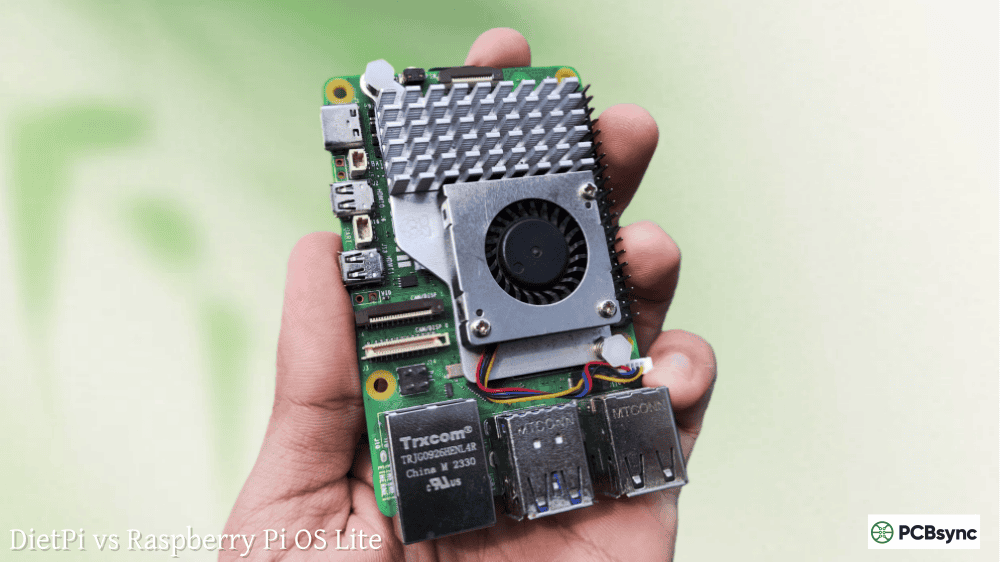
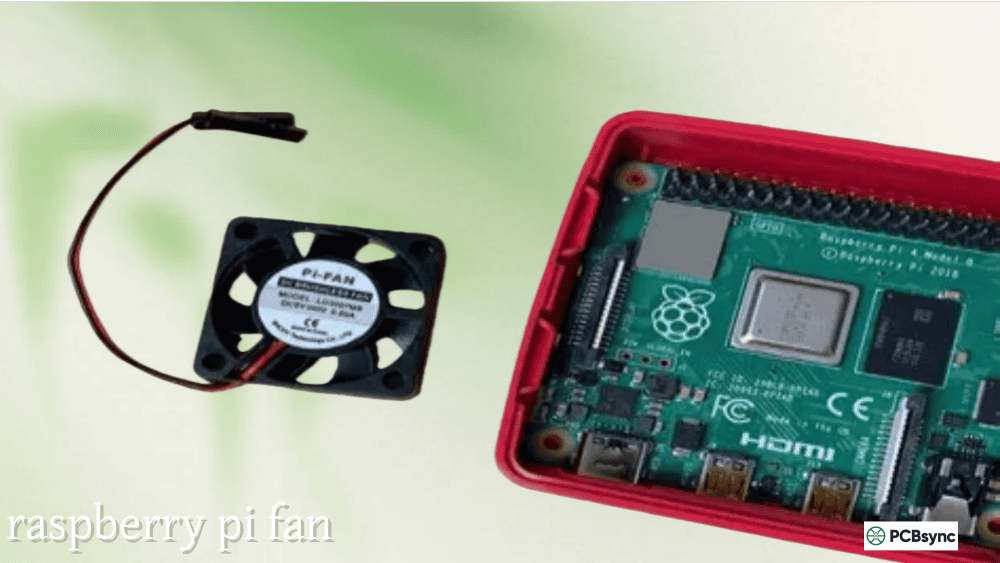
Active cooling is essential for arcade use. Extended gaming sessions generate significant heat, and thermal throttling ruins gameplay.
Essential Hardware Components
Building a complete raspberry pi arcade requires several component categories.
Core Electronics
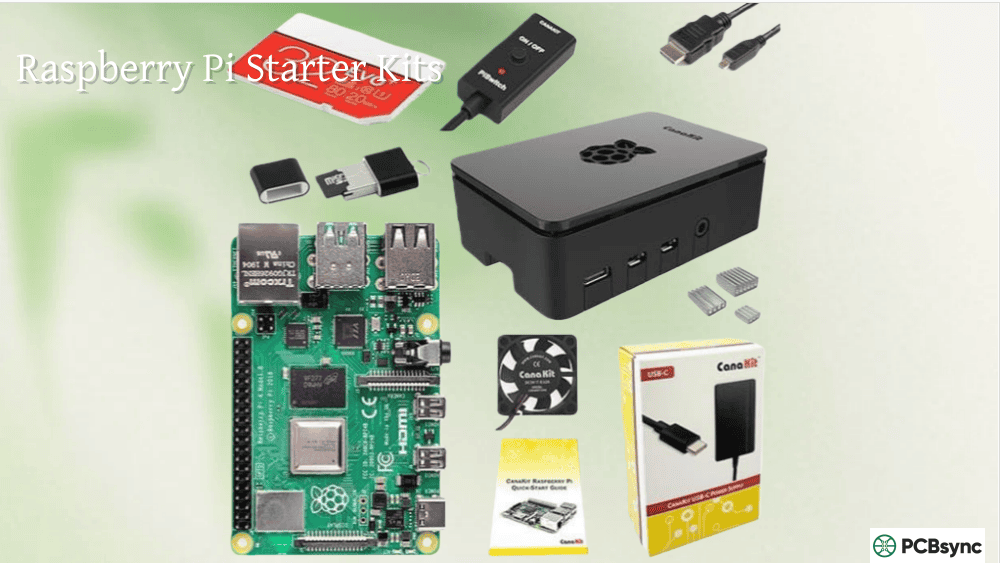
Component
Purpose
Price Range
Raspberry Pi 4/5
Main computer
$55-80
MicroSD Card (64GB+)
Storage for OS and games
$10-15
Power Supply
Powers the Pi
$10-15
HDMI Cable
Video to monitor
$5-10
USB Extension Cable
Easier access to ports
$5
Display Options
Display Type
Pros
Cons
Price Range
Recycled PC Monitor
Cheap/free, good quality
May not fit aesthetically
$0-50
17-19″ LCD
Good size for bartop
Limited availability
$30-80
24-27″ LCD
Great for full cabinet
Higher cost
$100-200
Original CRT
Authentic look
Heavy, hard to find
$0-100
Arcade-specific LCD
Perfect fit, scanline options
Expensive
$150-300
For bartop cabinets, a 17-19″ monitor with 4:3 aspect ratio provides the most authentic arcade experience. Widescreen works but leaves black bars on classic games.
Control Components
Component
Quantity
Purpose
Price Range
Arcade Joysticks
1-2
Player movement
$10-30 each
Arcade Buttons
12-20
Action inputs
$1-3 each
USB Encoder Board
1-2
Connects controls to Pi
$10-20 each
Button Wire Harness
1-2 sets
Pre-wired connections
$5-10
Start/Coin Buttons
2-4
Game start, credits
$2-5 each
Audio Components
Component
Purpose
Price Range
Powered Speakers
Audio output
$15-40
Speaker Grilles
Protection/aesthetics
$5-15
3.5mm Audio Cable
Connects Pi to speakers
$3-5
USB Sound Card
Better audio quality (optional)
$10-20
Understanding MAME Raspberry Pi Emulation
MAME (Multiple Arcade Machine Emulator) is the backbone of mame raspberry pi arcade gaming. Understanding how it works saves hours of frustration.
What is MAME?
MAME emulates the actual hardware of thousands of arcade machines. Unlike console emulators that emulate one system, MAME recreates many different arcade boards, each with unique hardware configurations.
MAME Version and ROM Compatibility
This is crucial: MAME ROMs must match specific MAME versions.
MAME Version
ROM Set Version
Best For
MAME 0.37b5
0.37b5 ROMs
Pi Zero, Pi 1
MAME 2003
0.78 ROMs
Pi 2, Pi 3, Pi 4
MAME 2003-Plus
0.78+ ROMs
Pi 3, Pi 4, Pi 5
MAME 2010
0.139 ROMs
Pi 4, Pi 5
Current MAME
Latest ROMs
Pi 5 (limited)
Important: A ROM file for MAME 2010 will NOT work with MAME 2003. Always match your ROM set to your emulator version.
Recommended MAME Emulators by Pi Model
Pi Model
Recommended Emulator
ROM Set Needed
Pi 5
lr-mame2003-plus
0.78
Pi 4
lr-mame2003-plus
0.78
Pi 3B+
lr-mame2003
0.78
Pi 3B
lr-mame2003
0.78
Pi 2
lr-mame2003
0.78
Pi 1/Zero
mame4all
0.37b5
For most raspberry pi arcade builds, lr-mame2003 or lr-mame2003-plus provides the best balance of compatibility and performance.
Software Setup: RetroPie Installation
RetroPie is the most popular software for raspberry pi arcade machines, bundling EmulationStation frontend with multiple emulators including MAME.
Step 1: Download RetroPie
Download the RetroPie image from retropie.org.uk matching your Pi model:
Pi 4/5: Use the Pi 4/400 image
Pi 2/3: Use the Pi 2/3 image
Pi 0/1: Use the Pi 0/1 image
Step 2: Flash to SD Card
Use Raspberry Pi Imager to write the image:
Download and install Raspberry Pi Imager
Select “Choose OS” → “Emulation and game OS” → “RetroPie”
Select your SD card
Click “Write”
Alternatively, download the image directly and flash with Balena Etcher.
Step 3: First Boot Configuration
Insert SD card into Pi and power on
Wait for initial setup to complete (several minutes)
Configure your controller when prompted
Navigate using configured controls
Step 4: Network Configuration
Enable WiFi for easier ROM transfers:
From RetroPie menu, select “WiFi”
Choose your network and enter password
Enable SSH for remote access (optional but recommended)
Step 5: Transfer ROMs
Several methods exist for adding games:
Method
Difficulty
Best For
USB Drive
Easy
Large transfers
Network (SMB)
Easy
Ongoing management
SFTP/SCP
Moderate
Secure transfers
Direct SD Access
Easy
Initial setup
USB Drive Method:
Create folder named “retropie” on USB drive
Plug into Pi and wait for folder structure creation
Remove drive, add ROMs to appropriate folders
Plug back into Pi, wait for copy to complete
Network Method:
On Windows: Open \\RETROPIE in File Explorer
On Mac: Connect to smb://retropie
Navigate to roms folder
Copy ROMs to appropriate subfolders
ROM Folder Structure
Folder
System
arcade
Arcade games (MAME)
mame-libretro
MAME specific
neogeo
Neo Geo
nes
Nintendo Entertainment System
snes
Super Nintendo
megadrive
Sega Genesis/Megadrive
psx
PlayStation 1
n64
Nintendo 64
Critical for MAME: Place arcade ROMs as .zip files. Do NOT extract them.
Control Panel Design and Wiring
The control panel defines how your raspberry pi arcade feels to play.
Button Layout Options
Layout
Players
Buttons per Player
Best For
6-Button
1-2
6 + Start/Coin
Fighting games, versatile
4-Button
1-2
4 + Start/Coin
Classic arcade
8-Button
1-2
8 + Start/Coin
Maximum compatibility
Neo Geo Style
1-2
4 (A/B/C/D)
Neo Geo games
For most builds, a 6-button layout per player provides excellent compatibility with fighting games while remaining manageable for classic titles.
Joystick Types
Type
Restriction
Best For
8-Way
Full directional
Fighting games, most games
4-Way
Cardinal only
Pac-Man, classic maze games
Switchable
Adjustable
Maximum versatility
Some joysticks offer switchable 4-way/8-way gates. These are ideal for raspberry pi arcade builds playing varied game libraries.
USB Encoder Wiring
USB encoder boards simplify control wiring dramatically. Each button connects with two wires:
Signal wire to specific input terminal
Ground wire to common ground
Connection
Purpose
UP/DOWN/LEFT/RIGHT
Joystick directions
Button 1-6
Action buttons
Start
Start game
Coin/Select
Insert credit
Home
Return to menu (optional)
Most encoder boards are plug-and-play with RetroPie, appearing as standard USB gamepads.
Wiring Best Practices
Practice
Reason
Use quick-disconnect terminals
Easy maintenance and replacement
Bundle wires with cable ties
Cleaner installation
Label connections
Simplifies troubleshooting
Test before final assembly
Catches issues early
Route away from power cables
Prevents interference
Cabinet Construction Options
Your cabinet style depends on space, budget, and woodworking skills.
Cabinet Styles Compared
Style
Size
Cost
Difficulty
Space Needed
Bartop
24″H × 20″W
$50-150
Moderate
Tabletop
Pedestal
36″H × 24″W
$100-200
Moderate
3′ × 2′ floor
Full Cabinet
66″H × 27″W
$200-400
Advanced
3′ × 3′ floor
Cocktail Table
30″H × 36″W
$150-300
Advanced
4′ × 3′ floor
IKEA Lack Table
18″H × 22″W
$30-80
Easy
Tabletop
Materials
Material
Pros
Cons
MDF
Smooth, paintable, affordable
Heavy, moisture sensitive
Plywood
Strong, lighter than MDF
Visible grain requires more finish
Melamine
Pre-finished, easy cleanup
Harder to paint custom designs
Acrylic
Clear panels for lighting
Scratches, requires careful cutting
For first builds, 3/4″ MDF provides the best balance of workability and finish quality.
Design and Template: Create full-size templates on cardboard first
Cut Side Panels: These define the cabinet profile
Cut Remaining Panels: Top, bottom, back, control panel
Test Fit: Dry assemble without glue
Assemble Box: Glue and screw panels together
Install T-molding Slots: Route edges if using T-molding
Sand and Fill: Prepare surfaces for finishing
Prime and Paint: Multiple coats for professional finish
Apply Graphics: Vinyl decals or printed artwork
Install T-molding: Edge protection and classic look
Tools Required
Tool
Purpose
Essential?
Jigsaw
Cutting curved side panels
Yes
Drill
Holes for buttons, assembly
Yes
Router
T-molding slots, edges
Recommended
Orbital Sander
Surface preparation
Recommended
Hole Saw Set
Button holes (28-30mm)
Yes
Clamps
Assembly
Yes
Square
Accurate assembly
Yes
Advanced Configuration
Once basic setup works, optimize your raspberry pi arcade experience.
EmulationStation Themes
RetroPie’s default interface works but custom themes enhance the arcade feel.
Theme
Style
Features
Carbon
Default dark
Stable, lightweight
Pixel
Retro pixel art
Classic arcade feel
Comic Book
Bold graphics
Eye-catching
Retrorama
Colorful
Game artwork focus
SNES Mini
Nintendo style
Clean, modern
Install themes from RetroPie Setup → Configuration/Tools → ES Themes.
Scraping Game Metadata
Add box art, descriptions, and videos to your game library:
RetroPie Setup → Configuration/Tools → Scraper
Choose ScreenScraper or TheGamesDB
Select systems to scrape
Run and wait for completion
This transforms the game selection screen from a text list into a visual showcase.
Per-Game Emulator Selection
Some games work better with specific emulators:
Launch a game
Press a button before it loads (during splash screen)
Select “Select default emulator”
Choose alternative emulator
Set as default for that ROM
This is particularly useful for mame raspberry pi games that perform better on specific MAME versions.
Overclocking for Better Performance
The Pi 4 and Pi 5 can be safely overclocked for improved emulation:
Pi 4 Conservative Overclock: Add to /boot/config.txt:
over_voltage=2
arm_freq=1800
Requirements for Overclocking:
Active cooling (fan required)
Quality power supply (no undervoltage)
Monitor temperatures during extended play
RetroArch Shaders
Add CRT scanlines and effects for authentic arcade visuals:
During gameplay, open RetroArch menu (Hotkey + X)
Quick Menu → Shaders
Load shader preset
Choose CRT-Pi or similar
Save as game/core/global preset
Troubleshooting Common Issues
Games Not Appearing
Symptom
Cause
Solution
No games visible
ROMs in wrong folder
Check folder names match system
Still no games
EmulationStation cache
Restart EmulationStation
Partial games
Wrong ROM version
Match ROMs to emulator version
MAME games missing
Extracted ZIP files
Keep ROMs zipped
Performance Problems
Symptom
Cause
Solution
Slow gameplay
Thermal throttling
Improve cooling
Audio stuttering
Underpowered supply
Use official power supply
Frame drops
Wrong emulator
Try alternative emulator
Sluggish menus
Full SD card
Free up space
Control Issues
Symptom
Cause
Solution
Buttons not working
Wiring issue
Check connections
Wrong button mapping
Misconfiguration
Reconfigure in RetroPie
Joystick reversed
Wiring reversed
Swap UP/DOWN or LEFT/RIGHT wires
Controls work in menu but not game
Per-game configuration
Configure in RetroArch
Display Problems
Symptom
Cause
Solution
Black borders
Overscan settings
Disable overscan in config.txt
Wrong resolution
HDMI detection
Force resolution in config.txt
Rotated display
Portrait monitor
Add display_rotate to config.txt
No picture
HDMI issue
Try different cable/port
Useful Resources
Official Resources
Resource
URL
RetroPie Official
retropie.org.uk
RetroPie Documentation
retropie.org.uk/docs
RetroPie Forum
retropie.org.uk/forum
MAME Official
mamedev.org
Hardware Suppliers
Supplier
Products
Adafruit
Pi, electronics, arcade kits
DIYRetroArcade
Complete arcade kits
Arcade World UK
Buttons, joysticks, parts
Amazon
Generic arcade parts, monitors
AliExpress
Budget arcade controls
Design Resources
Resource
Content
Instructables
Cabinet build guides
Thingiverse
3D printable parts
Arcade Controls Forum
Community builds
r/cade (Reddit)
Build inspiration
Legal ROM Sources
Source
Content
mamedev.org/roms
Free test ROMs
archive.org
Public domain games
itch.io
Homebrew games
PDRoms
Public domain ROMs
Frequently Asked Questions
How much does a Raspberry Pi arcade machine cost to build?
Total cost varies significantly based on cabinet style and component choices. A basic bartop with recycled monitor runs $150-250 including Pi, controls, and materials. A full-size cabinet with new monitor costs $400-650. The Pi itself ($55-80), arcade controls ($30-60), and monitor ($0-200) represent the major expenses. Using recycled materials and monitors dramatically reduces costs—my first build used a free monitor from a thrift store and scrap wood, totaling under $150.
Is it legal to download arcade ROMs?
This is legally complex. ROMs themselves aren’t illegal to possess in most jurisdictions, but downloading copyrighted games you don’t own is technically copyright infringement. The safest approach: own the original arcade board or game, then use ROMs as backups. Many homebrew and public domain ROMs exist legally. Sites like mamedev.org provide free test ROMs. The emulators (RetroPie, MAME) are completely legal—they contain no copyrighted game code.
Which MAME version should I use for Raspberry Pi 4?
For Pi 4, lr-mame2003-plus offers the best balance of game compatibility and performance. It uses 0.78 ROM sets but includes many improvements and additional game support over standard MAME 2003. Most classic arcade games from the 1980s and early 1990s run perfectly. More demanding games from the late 1990s may require newer MAME versions, but these often struggle on Pi hardware regardless. Start with lr-mame2003-plus and only explore alternatives for specific non-working games.
Can I build an arcade cabinet with no woodworking experience?
Absolutely. Several approaches work for beginners: The IKEA Lack table hack requires only a jigsaw and drill, converting a cheap coffee table into a functional arcade. Pre-cut cabinet kits eliminate the hardest cuts—you just assemble and finish. Cardboard prototyping helps visualize before committing to wood. Start with a bartop rather than full cabinet—smaller scale means smaller mistakes. Many successful builds come from first-time woodworkers who took their time and followed plans carefully.
Why won’t my MAME ROMs work in RetroPie?
The most common cause is ROM version mismatch. MAME ROMs must match your emulator version exactly—a 0.139 ROM won’t work with MAME 2003 (which uses 0.78 ROMs). Second, ROMs must stay zipped—never extract them. Third, place ROMs in the correct folder (arcade or mame-libretro). Fourth, some games require BIOS files (like neogeo.zip for Neo Geo games) placed in the same folder. Finally, not every ROM works—damaged downloads, incomplete sets, and unsupported games all cause failures. Test with known-working free ROMs from mamedev.org to verify your setup works before troubleshooting specific games.
Taking Your Build Further
Once your basic raspberry pi arcade runs smoothly, consider these enhancements:
Marquee and Lighting
Add a backlit marquee using LED strips behind translucent acrylic. Custom artwork printed on backlit film creates professional results.
Coin Door and Coin Mechs
Real coin doors add authenticity. Configure RetroPie to require “coins” before playing by mapping the coin button appropriately.
Trackball and Spinner
Games like Centipede, Tempest, and Golden Tee require trackballs or spinners. USB trackballs work with RetroPie with minimal configuration.
Light Guns
Light gun games work with specific USB light guns and CRT monitors or specialized LCD solutions like the Sinden Light Gun.
Multi-Cabinet Network
Link multiple cabinets for networked multiplayer in supported games.
Conclusion
Building a raspberry pi arcade machine combines electronics, woodworking, and gaming passion into one rewarding project. Whether you construct a simple bartop or an elaborate full-size cabinet, the result is a unique piece of functional furniture that brings classic gaming home.
Start with the hardware and software setup first. Get RetroPie running, configure your mame raspberry pi emulation, and verify everything works before building the cabinet. This approach catches problems early when they’re easy to fix.
The community surrounding Pi arcade builds is incredibly helpful. Forums, Reddit, and Discord servers overflow with builders who’ve solved every problem you’ll encounter. Don’t hesitate to ask questions—everyone started somewhere.
Your raspberry pi arcade awaits. Gather your components, clear some workspace, and start building. In a few weekends, you’ll be playing classic games on hardware you created yourself.
That’s a satisfaction no commercial product can match.
Inquire: Call 0086-755-23203480, or reach out via the form below/your sales contact to discuss our design, manufacturing, and assembly capabilities.
Quote: Email your PCB files to Sales@pcbsync.com (Preferred for large files) or submit online. We will contact you promptly. Please ensure your email is correct.
Notes: For PCB fabrication, we require PCB design file in Gerber RS-274X format (most preferred), *.PCB/DDB (Protel, inform your program version) format or *.BRD (Eagle) format. For PCB assembly, we require PCB design file in above mentioned format, drilling file and BOM. Click to download BOM template To avoid file missing, please include all files into one folder and compress it into .zip or .rar format.