Inquire: Call 0086-755-23203480, or reach out via the form below/your sales contact to discuss our design, manufacturing, and assembly capabilities.
Quote: Email your PCB files to Sales@pcbsync.com (Preferred for large files) or submit online. We will contact you promptly. Please ensure your email is correct.
Notes: For PCB fabrication, we require PCB design file in Gerber RS-274X format (most preferred), *.PCB/DDB (Protel, inform your program version) format or *.BRD (Eagle) format. For PCB assembly, we require PCB design file in above mentioned format, drilling file and BOM. Click to download BOM template To avoid file missing, please include all files into one folder and compress it into .zip or .rar format.
Raspberry Pi 5 vs Raspberry Pi 4: Is It Worth the Upgrade?
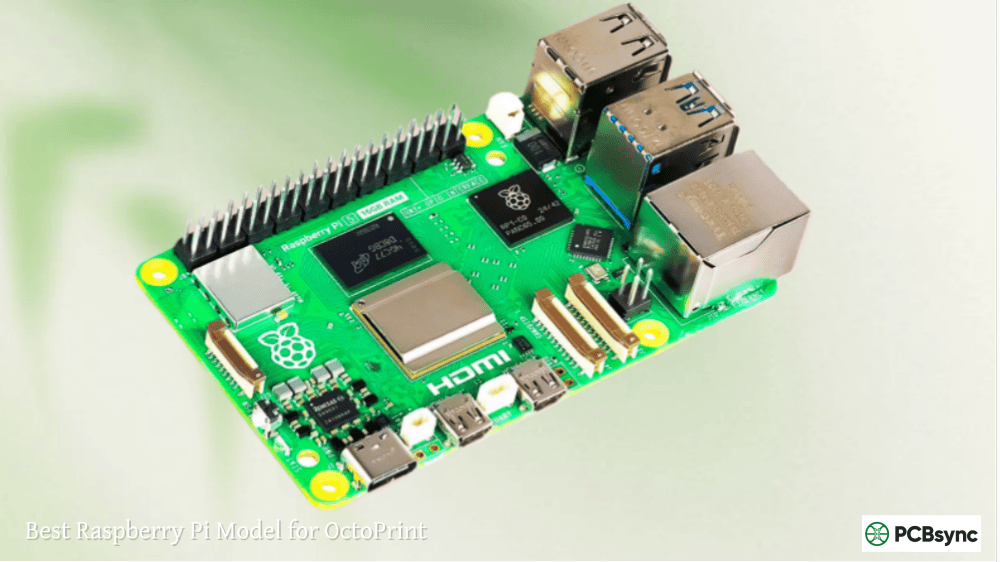
After running both boards through extensive testing on my workbench, I can tell you the raspberry pi 5 vs 4 debate isn’t as straightforward as marketing materials suggest. Yes, the Raspberry Pi 5 delivers impressive performance gains, but whether that translates to a worthwhile upgrade depends entirely on what you’re building.
I’ve spent considerable time benchmarking these boards, measuring power consumption, and pushing thermal limits. This comparison cuts through the hype and gives you the real-world data you need to make an informed decision about the rpi 5.
Before diving into the details, here’s a side-by-side look at the key specifications:
Specification
Raspberry Pi 5
Raspberry Pi 4
Processor
BCM2712, Cortex-A76 @ 2.4GHz
BCM2711, Cortex-A72 @ 1.5GHz
GPU
VideoCore VII @ 800MHz
VideoCore VI @ 500MHz
RAM Type
LPDDR4X-4267
LPDDR4-3200
RAM Options
2GB, 4GB, 8GB, 16GB
1GB, 2GB, 4GB, 8GB
microSD Speed
SDR104 (104 MB/s)
SDR50 (50 MB/s)
PCIe
PCIe 2.0 x1
None
USB Power
Enhanced bandwidth
Standard
Power Requirement
5V/5A (27W)
5V/3A (15W)
Idle Power Draw
~2.7W
~1.0W
Load Power Draw
~7W
~6.2W
Thermal Throttle Temp
82°C
80°C
Price (4GB)
$60
$55
Price (8GB)
$80
$75
The raspberry pi 5 commands only a modest price premium over the Pi 4, but the performance difference is substantial.
CPU Performance: Where the RPi 5 Really Shines
The jump from Cortex-A72 to Cortex-A76 architecture brings more than just clock speed improvements. The Cortex-A76 cores deliver roughly 2-3x the instructions per cycle compared to the previous generation.
In my Sysbench prime number calculations, the rpi 5 completed single-threaded tests approximately 50% faster than the Pi 4. Multi-threaded performance showed even greater gains, with the Pi 5 finishing roughly 75-80% quicker in Stress-ng benchmarks.
Real-world applications show even more dramatic improvements. During bzip2 compression tests on 100MB files, the Raspberry Pi 5 completed the task in under half the time required by the Pi 4. GIMP image processing operations ran 2.3x faster on average.
Browser Performance Benchmark
The Speedometer 2.1 benchmark simulates real-world web application scenarios. Here’s where things get interesting:
Browser Benchmark
Pi 5 Score
Pi 4 Score
Improvement
Speedometer 2.1
~45
~15
3x faster
JavaScript Execution
3.1x faster
Baseline
–
DOM Manipulation
2.8x faster
Baseline
–
Web browsing on the Pi 4 always felt sluggish with modern JavaScript-heavy sites. The raspberry pi 5 actually handles typical web browsing without the constant lag and delays that plagued its predecessor.
Memory and Storage: Faster Than Ever
The switch from LPDDR4 to LPDDR4X RAM delivers meaningful performance gains. My memory bandwidth tests showed remarkable results:
Memory Test
RPi 5
Pi 4
Improvement
Read Speed
~30,000 MB/s
~4,000-6,000 MB/s
5-7x
Write Speed
~30,000 MB/s
~4,000-6,000 MB/s
5-7x
This isn’t marketing fluff. The higher memory bandwidth translates directly to snappier application launches, faster multitasking, and smoother overall system responsiveness.
MicroSD Card Performance
The rpi 5 supports SDR104 mode, doubling theoretical microSD card speeds from 50 MB/s to 104 MB/s. In practice, boot times improved noticeably with the same card on both platforms.
However, the real game-changer is PCIe support.
PCIe 2.0: The Pi 5’s Secret Weapon
The single-lane PCIe 2.0 interface might be the most significant upgrade in the raspberry pi 5 vs 4 comparison. While the Pi 4 relied entirely on USB 3.0 for fast external storage, the Pi 5 can connect directly to NVMe SSDs through the M.2 HAT+.
In storage benchmark tests:
Storage Interface
Sequential Read
Sequential Write
Pi 5 + NVMe SSD
~450 MB/s
~400 MB/s
Pi 5 + microSD
~95 MB/s
~75 MB/s
Pi 4 + USB 3.0 SSD
~350 MB/s
~300 MB/s
Pi 4 + microSD
~45 MB/s
~35 MB/s
The PCIe connection eliminates the USB overhead that limited storage performance on earlier Raspberry Pi models. Boot times on NVMe can drop below 10 seconds compared to 30+ seconds on microSD.
GPU and Display Capabilities
The VideoCore VII GPU in the rpi 5 brings substantial graphics improvements:
GPU Feature
Pi 5
Pi 4
Clock Speed
800MHz
500MHz
OpenGL ES
3.1
3.0
Vulkan Support
1.2
Limited
4K Output
Dual 4Kp60
Dual 4Kp60*
HDR Support
Yes
No
*The Pi 4 technically supports dual 4K displays, but only at 30fps for true 4K60 on one display.
In GLmark2 benchmarks, the Pi 5 scored approximately double the Pi 4’s results. OpenArena gaming tests showed 3x higher frame rates at 720p default settings.
For media center applications, the improved HEVC decoding and HDR support make the raspberry pi 5 a significantly better platform. Video playback is smoother, and the additional headroom means fewer dropped frames during demanding content.
Power Consumption and Thermal Management
Here’s where the rpi 5 demands attention. The increased performance comes with increased power requirements.
Power Consumption Comparison
State
Pi 5 Power Draw
Pi 4 Power Draw
Idle
2.7W
1.0W
Light Load
4-5W
2-3W
Full Load
7W
6.2W
Thermal Throttled
6.9W
N/A (doesn’t throttle as easily)
The idle power consumption nearly triples, which matters significantly for battery-powered projects or 24/7 server applications. The load power consumption shows only about 1W difference, but that extra watt goes toward substantially more compute power.
Thermal Behavior
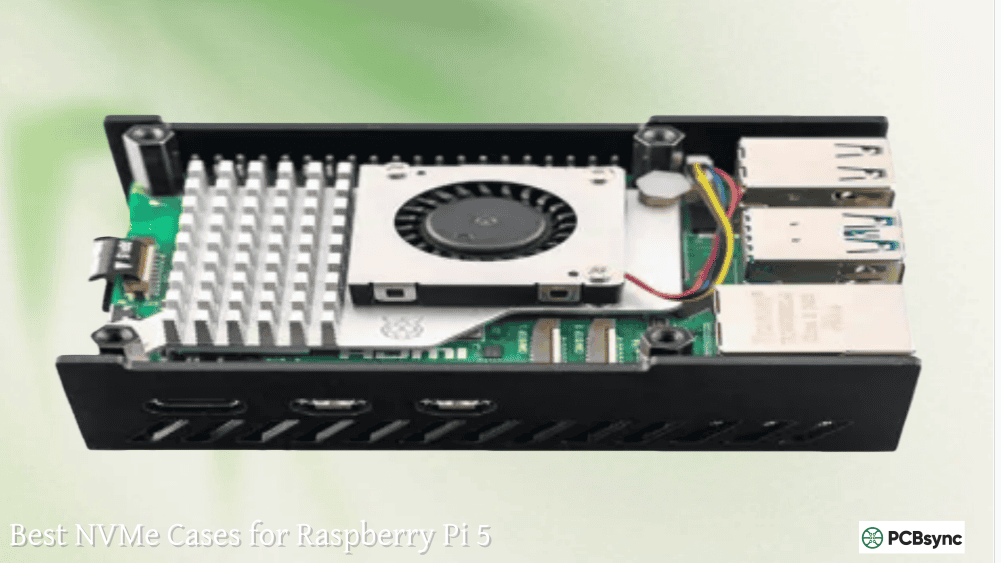
This is critical: the raspberry pi 5 runs hot and needs active cooling for sustained workloads.
Thermal Measurement
Pi 5 (No Cooling)
Pi 5 (Active Cooler)
Pi 4 (No Cooling)
Idle Temperature
50.5°C
35°C
45.7°C
Load Temperature
86.7°C (throttled)
59.3°C
79.8°C
Time to Throttle
9 seconds
Never
Rarely
Throttled Speed
1.5GHz
N/A
N/A
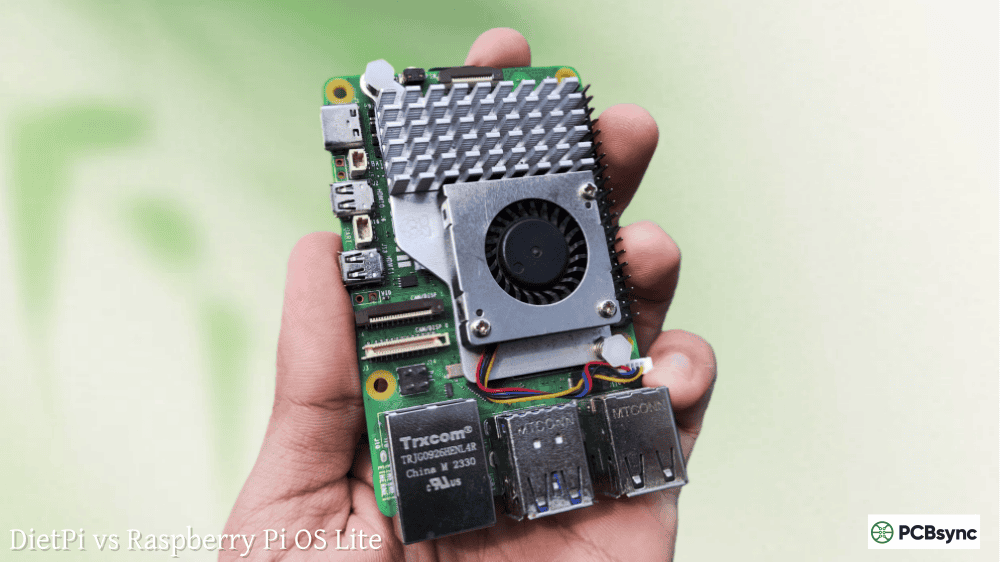
Without cooling, the rpi 5 throttles from 2.4GHz down to 1.5GHz within seconds under sustained load. The official Active Cooler ($5-10) is essentially mandatory for any serious application.
The Pi 4 could survive with a basic heatsink in most scenarios. The Pi 5 cannot.
The RP1 Southbridge: Custom Silicon
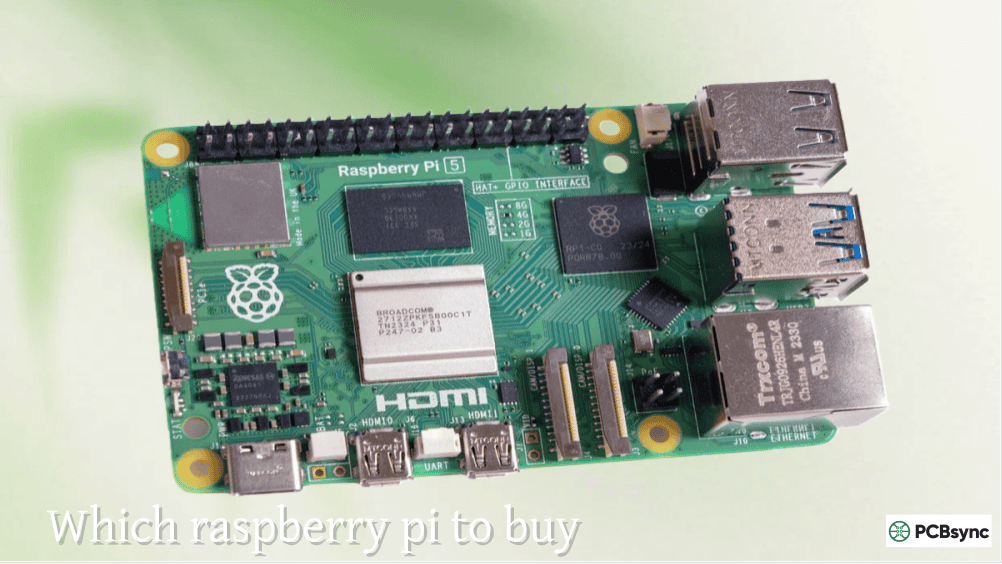
One often-overlooked upgrade is the RP1 chip, Raspberry Pi’s first in-house I/O controller. This dedicated southbridge handles:
All USB ports (doubled bandwidth)
Ethernet connectivity
GPIO operations
Camera and display interfaces
microSD card communication
By offloading I/O operations from the main CPU, the RP1 improves overall system responsiveness and reduces CPU overhead during peripheral-heavy operations. This is why the raspberry pi 5 feels snappier even during tasks that aren’t CPU-intensive.
Several additions make the rpi 5 more convenient for daily use:
Physical Power Button: Finally, a real power button. Press once to wake from halt, hold for 10 seconds to force shutdown. No more pulling power cables or SSH commands just to restart.
Real-Time Clock (RTC): The Pi 5 includes RTC support with a battery connector. Add a coin cell battery, and your Pi maintains accurate time even when unpowered.
Improved Camera/Display Connectors: Two 4-lane MIPI interfaces replace the older DSI/CSI ribbons. Better performance and easier cable management for multi-camera setups.
Power Delivery Support: The USB-C port supports proper USB Power Delivery negotiation, making power supply selection more flexible.
When Should You Upgrade from Pi 4 to Pi 5?
Based on my testing, here’s the practical guidance:
Upgrade to Raspberry Pi 5 If You Need:
Desktop computing with modern web browsers
Media center with 4K HDR content
NVMe storage for fast boot times and application loading
Machine learning inference at the edge
Multi-camera setups for robotics or surveillance
Any compute-intensive workload that currently frustrates you
Stick with Raspberry Pi 4 If You Have:
Simple headless servers (Pi-hole, Home Assistant)
Basic Python automation scripts
Learning projects that don’t push hardware limits
Battery-powered applications where idle power matters
Existing working setups that don’t need more performance
Budget constraints where every dollar counts
The honest truth? For new projects starting today, the $5 premium for the raspberry pi 5 (comparing same RAM configurations) is almost always worth paying. You’re getting 2-3x the performance for less than 10% more money.
Compatibility Considerations
Most Pi 4 accessories work with the Pi 5, but there are exceptions:
Accessory Type
Compatibility
Notes
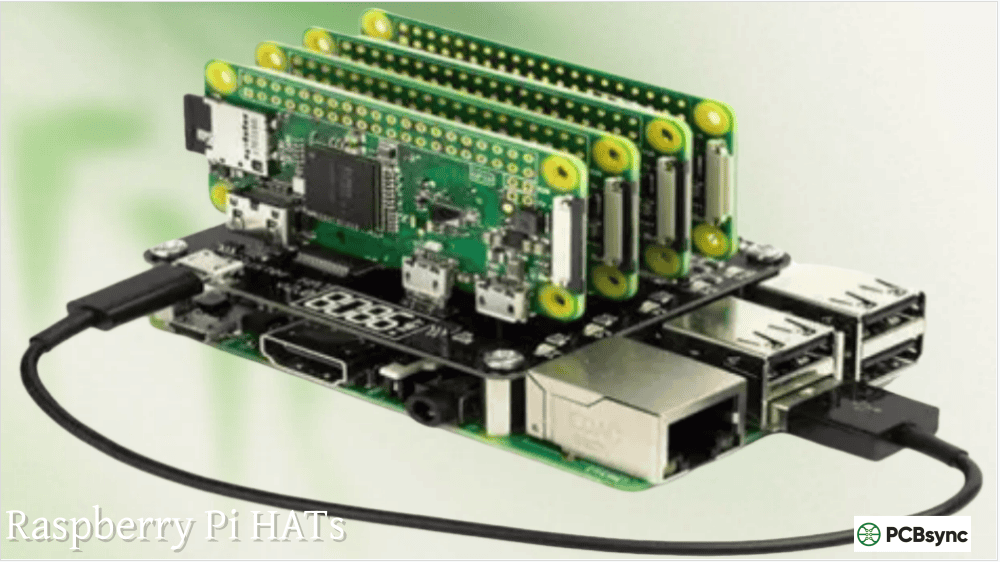
GPIO HATs
Mostly compatible
Same 40-pin header layout
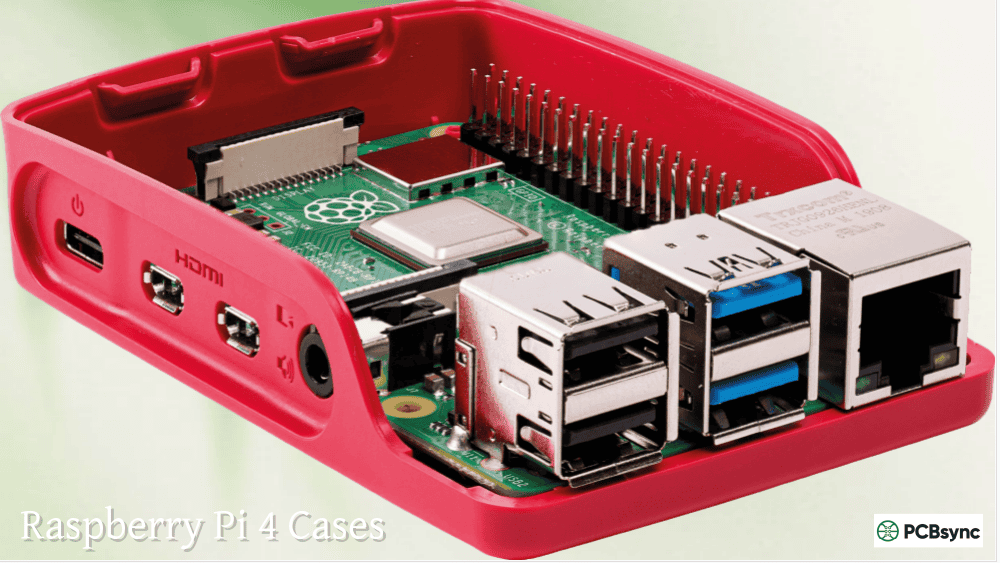
Cases
Not compatible
Different port positions, thermal requirements
Power Supplies
Not compatible
Pi 5 needs 5V/5A (27W)
microSD Cards
Compatible
Same slot, faster interface
USB Devices
Compatible
Better performance on Pi 5
DSI/CSI Cables
Not compatible
New connector type on Pi 5
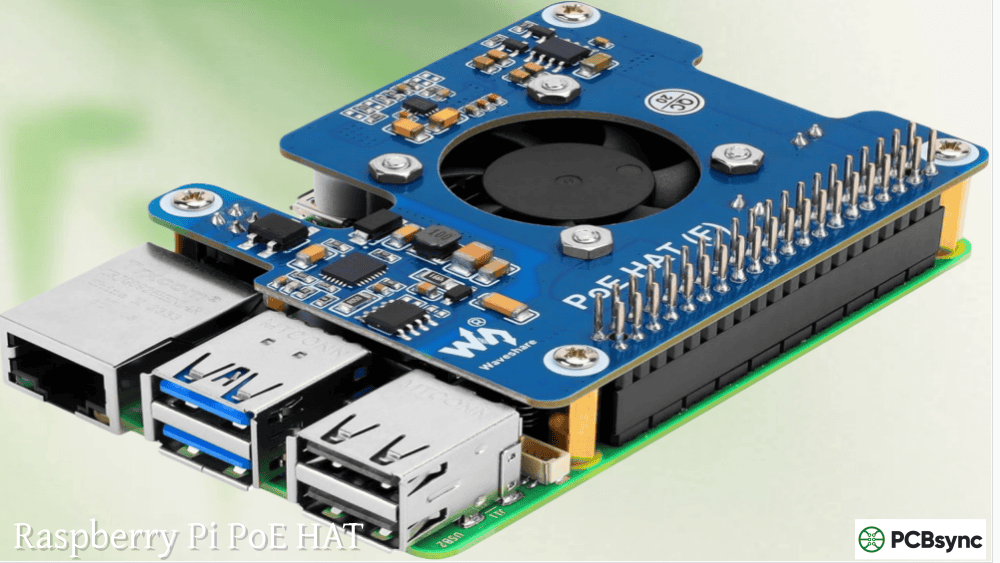
PoE HATs
Not compatible
Different PoE connector on Pi 5
Plan for new accessories when budgeting your upgrade. The case, power supply, and cooling solution alone add $25-40 to the transition cost.
Useful Resources and Downloads
Here are the official resources for getting started:
Resource
URL
Description
Raspberry Pi Imager
raspberrypi.com/software
OS installation tool
Pi 5 Datasheet
datasheets.raspberrypi.com
Technical specifications
RP1 Documentation
datasheets.raspberrypi.com
Southbridge details
GPIO Pinout
pinout.xyz
Interactive pin reference
Benchmarks Database
bret.dk
Comprehensive SBC benchmarks
Geekbench Browser
browser.geekbench.com
Performance comparisons
Frequently Asked Questions
Is the Raspberry Pi 5 really 2-3x faster than the Pi 4?
In synthetic benchmarks, yes. Real-world performance improvements range from 2x for typical tasks to 3x+ for heavily multi-threaded workloads. Web browsing and application launches feel dramatically snappier. The gains are consistent across both single-threaded and multi-threaded scenarios.
Can I run my Pi 5 without active cooling?
You can boot and use it for light tasks, but sustained workloads will trigger thermal throttling within seconds, dropping the CPU from 2.4GHz to 1.5GHz. At that point, you’re losing most of the performance advantage over the Pi 4. Spend the $5 on the official Active Cooler.
Do I need a new power supply for the Raspberry Pi 5?
Yes. The Pi 5 requires a 5V/5A (27W) power supply. It will boot with lower-rated supplies but will display undervoltage warnings and may throttle or become unstable under load. The official Raspberry Pi 27W power supply costs around $12 and eliminates these issues.
Should I choose NVMe storage over microSD for my Pi 5?
If you’re building anything that requires responsive storage (desktop use, databases, file serving), absolutely. NVMe via the M.2 HAT+ delivers 4-5x the throughput of the fastest microSD cards. For simple headless servers or IoT applications, a quality microSD card remains sufficient and more cost-effective.
How long will the Raspberry Pi 4 remain available?
The Raspberry Pi Foundation has committed to producing the Pi 4 until at least 2034. It remains a supported, capable platform for projects that don’t require the additional performance of the Pi 5. Software updates and community support will continue for years to come.
Final Verdict: Raspberry Pi 5 vs 4
The raspberry pi 5 vs 4 comparison reveals a genuine generational leap rather than an incremental update. The new Cortex-A76 cores, VideoCore VII GPU, LPDDR4X memory, and PCIe support combine to deliver a dramatically more capable single-board computer.
For new projects, the Raspberry Pi 5 is the obvious choice unless power consumption or compatibility requirements specifically demand the Pi 4. The $5 price premium (comparing equivalent RAM configurations) buys performance improvements that previously required jumping to significantly more expensive hardware.
For existing Pi 4 owners, the upgrade decision depends on whether current performance actually limits your projects. If your Pi 4 handles its workload adequately, there’s no urgent need to switch. But if you’ve been frustrated by sluggish web browsing, slow compilation times, or storage bottlenecks, the rpi 5 addresses all of these pain points convincingly.
The Raspberry Pi 5 isn’t just faster. It’s finally fast enough to serve as a genuine lightweight desktop replacement for casual computing tasks. That’s the real achievement here.
Inquire: Call 0086-755-23203480, or reach out via the form below/your sales contact to discuss our design, manufacturing, and assembly capabilities.
Quote: Email your PCB files to Sales@pcbsync.com (Preferred for large files) or submit online. We will contact you promptly. Please ensure your email is correct.
Notes: For PCB fabrication, we require PCB design file in Gerber RS-274X format (most preferred), *.PCB/DDB (Protel, inform your program version) format or *.BRD (Eagle) format. For PCB assembly, we require PCB design file in above mentioned format, drilling file and BOM. Click to download BOM template To avoid file missing, please include all files into one folder and compress it into .zip or .rar format.