Inquire: Call 0086-755-23203480, or reach out via the form below/your sales contact to discuss our design, manufacturing, and assembly capabilities.
Quote: Email your PCB files to Sales@pcbsync.com (Preferred for large files) or submit online. We will contact you promptly. Please ensure your email is correct.
Notes: For PCB fabrication, we require PCB design file in Gerber RS-274X format (most preferred), *.PCB/DDB (Protel, inform your program version) format or *.BRD (Eagle) format. For PCB assembly, we require PCB design file in above mentioned format, drilling file and BOM. Click to download BOM template To avoid file missing, please include all files into one folder and compress it into .zip or .rar format.
Raspberry Pi 400 Review: The All-in-One Keyboard Computer You’ve Been Waiting For
As someone who has spent over fifteen years designing circuit boards and tinkering with embedded systems, I’ve watched the Raspberry Pi ecosystem evolve from a credit card-sized curiosity into a legitimate computing platform. When the Raspberry Pi 400 landed on my workbench, I wasn’t expecting much beyond clever packaging. I was wrong. This thing genuinely changes how we should think about accessible computing.
The Pi 400 isn’t just another iteration. It’s a philosophical statement from the Raspberry Pi Foundation about what personal computing should look like in an era drowning in overpriced laptops and subscription-based everything.
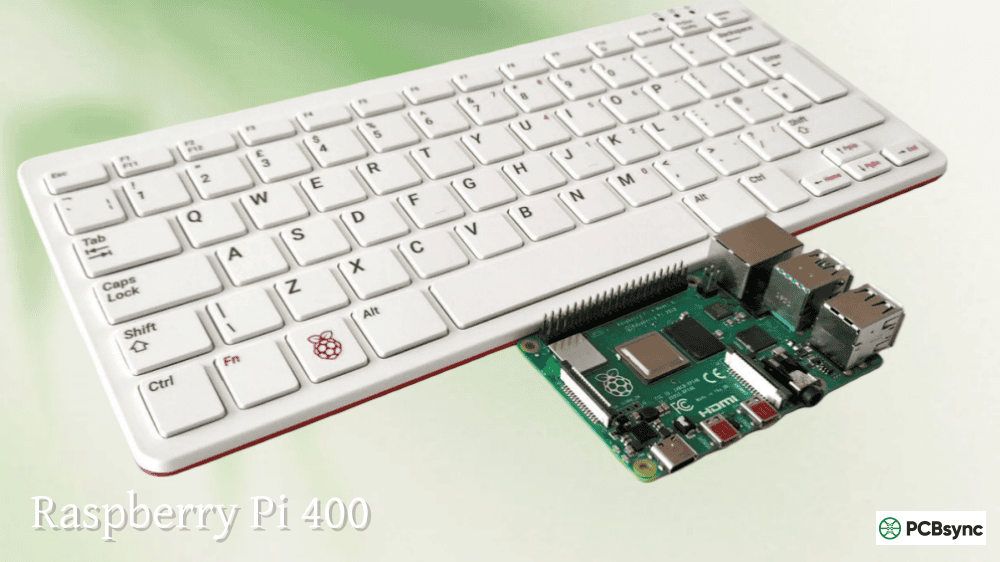
The Raspberry Pi 400 takes the guts of a Raspberry Pi 4 and integrates them directly into a compact keyboard chassis. Think about the home computers that shaped our industry: the Commodore 64, ZX Spectrum, BBC Micro, and Amiga. Same concept, modern execution.
Instead of buying a bare single-board computer, sourcing a case, figuring out thermal management, and hunting down compatible peripherals, you get a ready-to-go desktop computer. Connect a monitor via micro HDMI, plug in a mouse, supply power through USB-C, and you’re running a full Linux desktop within minutes.
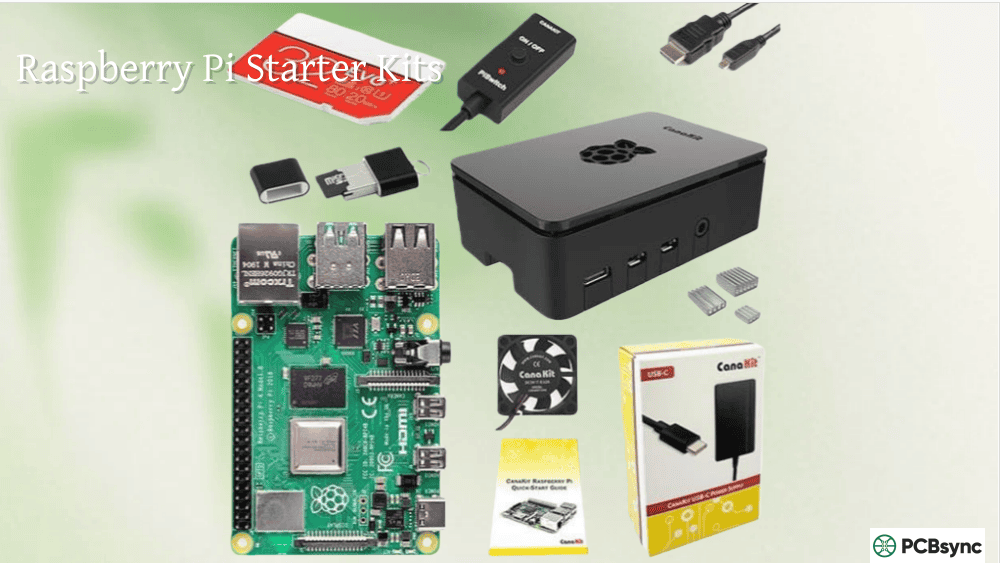
The Raspberry Pi 400 kit makes this even simpler by bundling everything except the monitor: the keyboard computer unit, official mouse, USB-C power supply, micro HDMI cable, 16GB microSD card preloaded with Raspberry Pi OS, and the Official Raspberry Pi Beginner’s Guide book.
Raspberry Pi 400 Technical Specifications
From a hardware engineering perspective, the Pi 400 shares DNA with the Pi 4 but implements it more elegantly. Here’s what you’re working with:
Specification
Raspberry Pi 400 Details
Processor
Broadcom BCM2711C0, quad-core ARM Cortex-A72 @ 1.8GHz
RAM
4GB LPDDR4-3200 SDRAM
Graphics
VideoCore VI (OpenGL ES 3.1, Vulkan)
Video Output
2× micro HDMI (up to 4K60 single display, 4K30 dual)
Storage
MicroSD card slot
USB Ports
2× USB 3.0, 1× USB 2.0
Networking
Gigabit Ethernet, dual-band 802.11ac Wi-Fi, Bluetooth 5.0
GPIO
40-pin header (rear-mounted)
Power
USB-C (5V/3A)
Dimensions
286 × 122 × 23mm
Weight
Approximately 385g
That 1.8GHz clock speed isn’t just marketing fluff. The standard Pi 4 runs at 1.5GHz, so the Pi 400 delivers a genuine 20% clock speed advantage out of the box.
The Thermal Design That Actually Works
Here’s where my PCB background makes me genuinely appreciate what the Foundation accomplished. Thermal management on Raspberry Pi 4 boards has always been the Achilles heel. Push the processor, and you hit thermal throttling. Add passive heatsinks, maybe active cooling, definitely a case with ventilation. It’s a whole project before you even start your actual project.
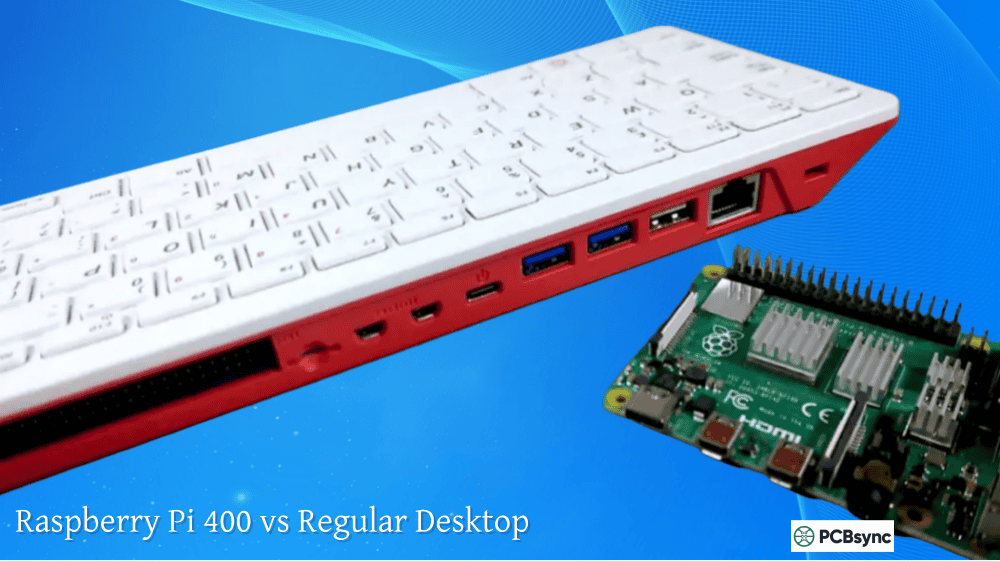
The Pi 400’s internal design is clever engineering. The BCM2711C0 connects via thermal pad to a massive aluminum heatspreader that runs nearly the entire length of the keyboard housing. During stress testing documented by multiple reviewers, idle temperatures hover around 31-32°C compared to 40-50°C on a bare Pi 4. Under sustained load, the Pi 400 peaks around 46-54°C while a stock Pi 4 can hit 80°C and start throttling.
This thermal headroom means the 1.8GHz base clock remains stable, and overclockers have successfully pushed units to 2.1GHz without thermal warnings.
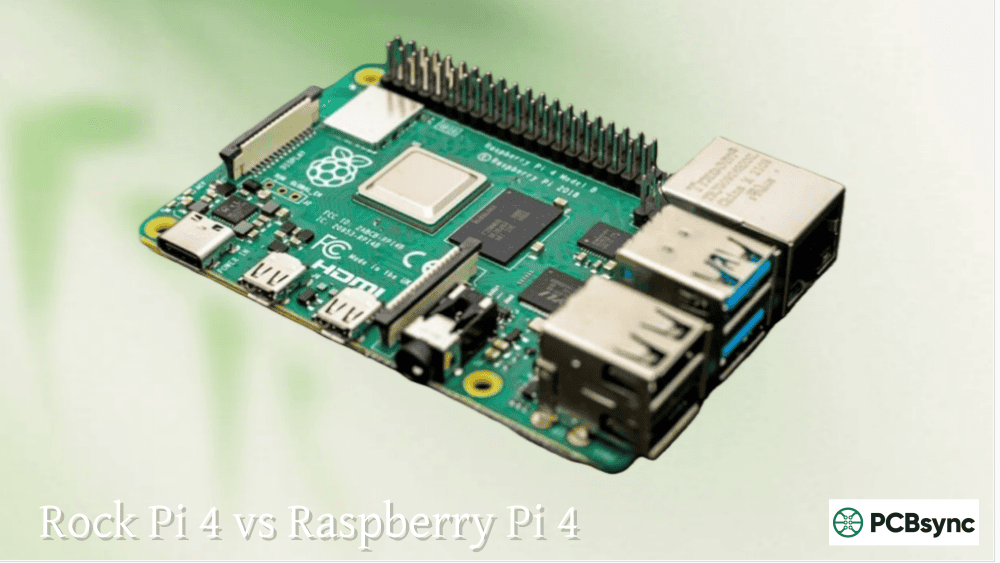
Raspberry Pi 400 vs. Raspberry Pi 4: What’s Different?
Both platforms share the same Broadcom silicon and software compatibility, but the physical implementation creates meaningful differences:
Feature
Raspberry Pi 400
Raspberry Pi 4 Model B
Form Factor
Keyboard-integrated
Credit card SBC
Base Clock
1.8GHz
1.5GHz (1.8GHz on Rev 1.4+)
RAM Options
4GB only
1GB, 2GB, 4GB, 8GB
USB Ports
2× USB 3.0, 1× USB 2.0
2× USB 3.0, 2× USB 2.0
Audio
HDMI only
3.5mm jack + HDMI
Camera Interface
None (CSI missing)
CSI connector
Display Interface
None (DSI missing)
DSI connector
PoE Support
No
Yes (with HAT)
Cooling
Integrated heatspreader
Requires external solution
Keyboard
Integrated 78-key
Separate peripheral
Price (unit only)
$70
$55 (4GB model)
Kit Price
$100
~$115+ (equivalent accessories)
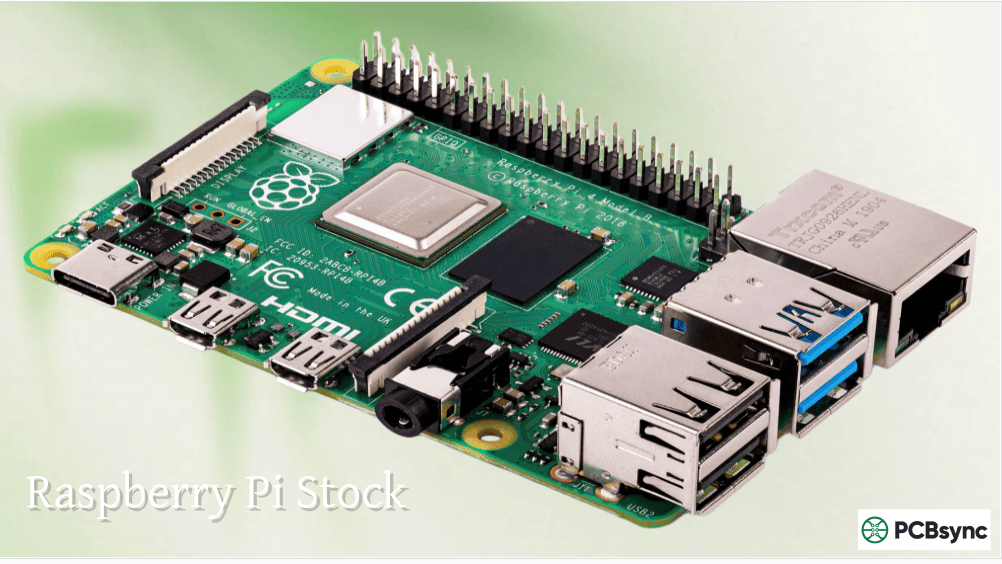
The missing CSI and DSI interfaces matter if you’re building camera projects or using the official touchscreen display. For desktop computing, media centers, or GPIO-based electronics projects, these omissions rarely affect workflow.
What’s Inside the Raspberry Pi 400 Kit?
The complete Raspberry Pi 400 kit represents genuine value when you calculate component costs:
Kit Component
Equivalent Standalone Cost
Raspberry Pi 400 keyboard computer
$70
Official Raspberry Pi mouse
$8-12
USB-C power supply (15.3W official)
$8-10
Micro HDMI to standard HDMI cable
$5-8
16GB microSD card with Raspberry Pi OS
$8-12
Official Beginner’s Guide book
$15+
Buying these components separately would run $115-130 depending on sources. The $100 kit price makes financial sense even before considering the thermal advantages over building an equivalent Pi 4 setup with case and cooling.
Performance: Can the Pi 400 Replace a Desktop?
Let me be direct: the Raspberry Pi 400 won’t compete with your gaming rig or workstation. That’s not the point. What it accomplishes within its power envelope is remarkable.
Web Browsing and Productivity
Chromium handles multiple tabs competently. I’ve worked with 10+ tabs open simultaneously without significant lag, though memory pressure becomes noticeable around 15+ tabs with media-heavy sites. LibreOffice runs smoothly for document editing, spreadsheets, and presentations.
Development Work
Visual Studio Code installs cleanly and handles typical development workflows. Python development feels native. Docker runs, though ARM image availability varies. Compiling code takes longer than x86 systems, but it’s entirely viable for learning and smaller projects.
Media Playback
Hardware video decoding handles 4K HEVC content. YouTube streaming works, though 4K playback requires specific configuration tweaks. Netflix requires workarounds due to DRM limitations in Chromium on ARM Linux.
Benchmark Context
In synthetic tests, the Pi 400 outperforms standard Pi 4 configurations. The Sysbench prime number calculation completes in approximately 19 seconds versus 23 seconds on a stock Pi 4. The consistent thermal performance prevents the score degradation you see on throttling systems.
GPIO Access and Electronics Projects
The 40-pin GPIO header relocates to the keyboard’s rear edge, with PIN1 and PIN40 clearly marked on the case. This placement works beautifully for electronics work since you can connect ribbon cables without cables crossing your workspace.
Standard HATs require ribbon cable adapters since they can’t mount directly. Companies like Adafruit, SparkFun, and Pimoroni produce breakout boards specifically designed for the Pi 400 form factor.
All 28 GPIO pins remain fully functional. SPI, I2C, UART, and PWM work identically to Pi 4. If your project doesn’t require the camera or display interfaces, the Pi 400 handles everything from LED blinking exercises to motor control.
Setting Up Your Raspberry Pi 400
First boot experience has improved dramatically over earlier Pi generations. With the pre-installed microSD card from the kit:
Insert the microSD card into the rear slot
Connect the micro HDMI cable to your monitor
Plug in the mouse to any USB port
Connect the USB-C power supply
Press F10 key to power on
The setup wizard walks through locale configuration, Wi-Fi connection, and system updates. Budget 15-30 minutes for downloads and restarts depending on connection speed.
For Fresh Installations
The Raspberry Pi Imager tool (available for Windows, macOS, and Linux) handles microSD card preparation:
Download Raspberry Pi Imager from raspberrypi.com
Select Raspberry Pi OS (64-bit recommended for Pi 400)
Choose your microSD card
Configure hostname, SSH, Wi-Fi, and locale in settings
Write the image
Best Use Cases for the Raspberry Pi 400
Based on testing and the hardware’s strengths, these applications make the most sense:
Educational Computing
Schools and coding clubs get a complete system requiring only monitor connection. The included beginner’s guide teaches Scratch and Python. Per-unit cost makes classroom deployment feasible.
Programming Learning Station
Python, JavaScript, Rust, Go, and C/C++ development tools install easily. The self-contained form factor means students or hobbyists get dedicated hardware without commandeering the family PC.
Home Office Auxiliary System
Web browsing, email, document editing, video calls with USB webcams. A secondary machine for tasks that don’t require your primary workstation.
Retro Gaming Console
RetroPie installation transforms the Pi 400 into an emulation station. The keyboard form factor actually helps during initial setup and ROM management.
Digital Signage
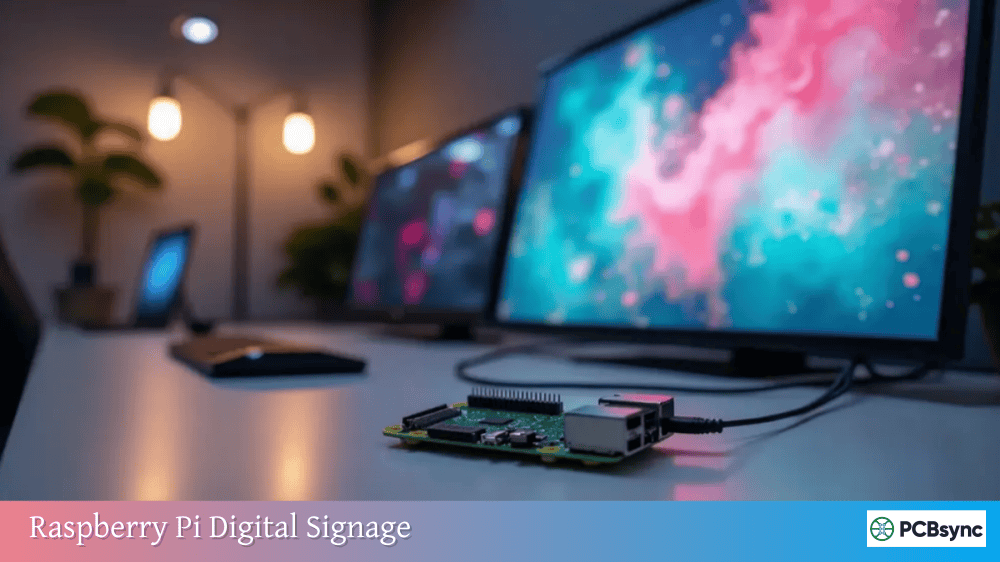
The fanless operation and compact footprint suit kiosk and signage applications. Mount behind a display, configure network management, and deploy.
Network Services
Pi-hole ad blocking, Home Assistant automation, file serving, print serving. The thermal design handles 24/7 operation without active cooling concerns.
What the Raspberry Pi 400 Can’t Do
Understanding limitations prevents frustration:
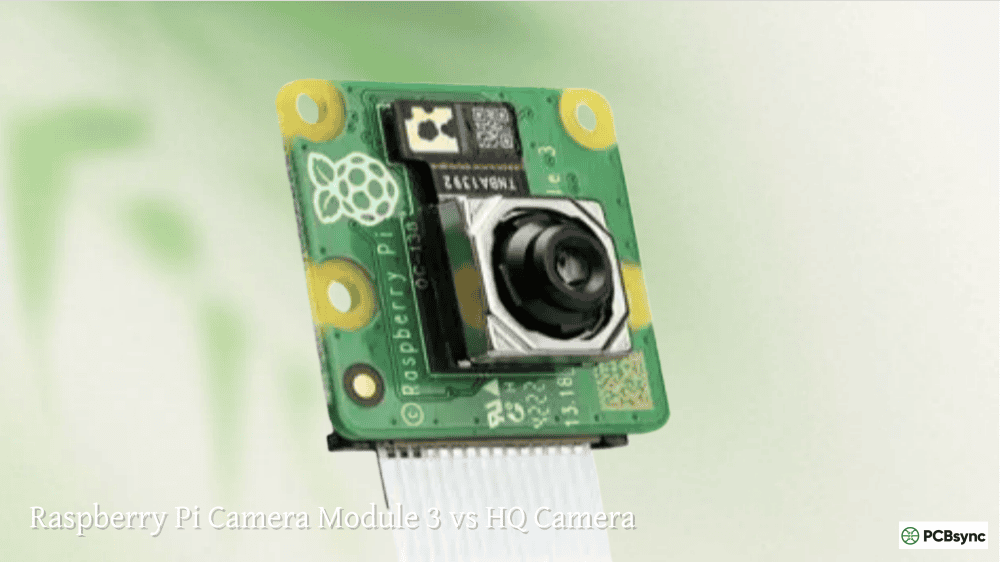
No camera projects without USB webcams. The missing CSI port means no Raspberry Pi Camera Module compatibility.
No official touchscreen connection. The DSI port absence rules out the official 7-inch display without HDMI alternatives.
4GB RAM ceiling. Memory-intensive tasks like large Chromium tab counts or compiling substantial codebases feel constrained. The Pi 4’s 8GB option doesn’t exist here.
No audio jack. Audio routes through HDMI only. Bluetooth speakers or USB audio interfaces provide alternatives for monitors lacking built-in audio.
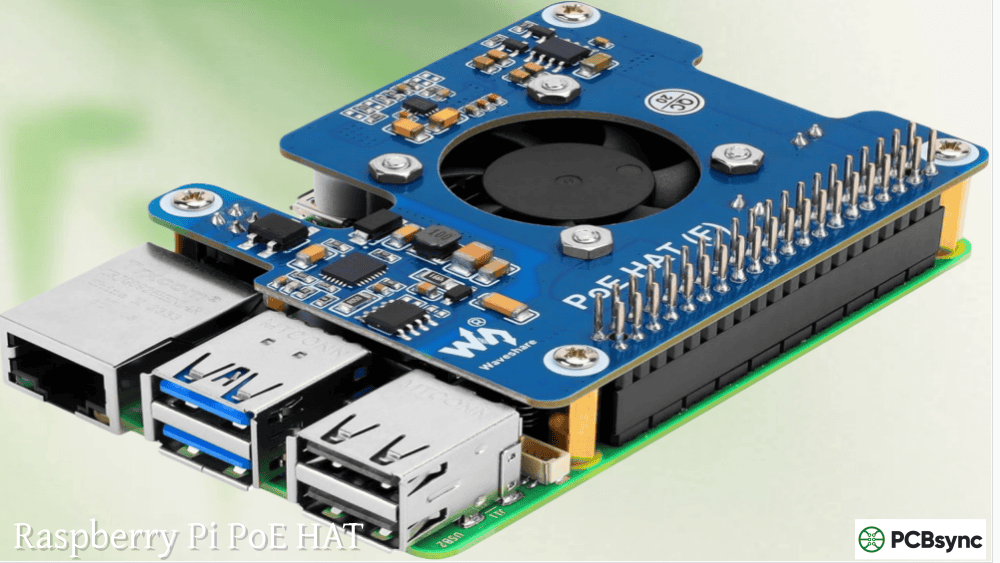
No Power over Ethernet. PoE HAT compatibility doesn’t exist for the Pi 400 form factor.
Limited repairs. The integrated design means component failures typically require unit replacement rather than repair.
As of late 2024, Raspberry Pi reduced pricing and now includes 32GB microSD cards with units. Production commitment extends through at least January 2028.
Authorized Retailers
Purchase from authorized distributors to ensure legitimate products and warranty coverage:
Global: Official retailers listed at raspberrypi.com/products
Useful Resources for Raspberry Pi 400 Owners
Official Downloads and Documentation
Resource
URL
Raspberry Pi OS Downloads
raspberrypi.com/software
Raspberry Pi Imager
raspberrypi.com/software
Official Documentation
raspberrypi.com/documentation
GPIO Pinout Reference
pinout.xyz
Beginner’s Guide (Free PDF)
magpi.raspberrypi.com
MagPi Magazine
magpi.raspberrypi.com
Community and Support
Resource
Description
Raspberry Pi Forums
forums.raspberrypi.com
Reddit r/raspberry_pi
Community discussions and projects
GitHub Raspberry Pi
Official repositories and issue tracking
Stack Exchange
Technical Q&A
Operating System Alternatives
OS
Best For
Raspberry Pi OS
Default, best compatibility
Ubuntu Desktop
Familiar Linux environment
LibreELEC
Media center (Kodi)
RetroPie
Retro gaming emulation
Twister OS
Windows-like desktop experience
My Verdict After Three Months of Use
The Raspberry Pi 400 occupies a unique position. It’s not trying to compete with traditional desktops or laptops. Instead, it delivers accessible computing at a price point that democratizes technology access.
The engineering decisions make sense. Integrating thermal management into the structure solves a real problem elegantly. Accepting the 4GB RAM limitation maintains the price advantage. Removing rarely-used interfaces (for desktop computing) simplifies the product.
For anyone learning to code, exploring Linux, building electronics projects without the camera module, or needing an affordable secondary computer, the Pi 400 delivers genuine value. The Raspberry Pi 400 kit at $100 provides everything needed except a monitor.
Will it replace your daily driver? Probably not. Will it provide years of useful service for education, projects, and lightweight computing? Absolutely.
Frequently Asked Questions About the Raspberry Pi 400
Can I upgrade the RAM in my Raspberry Pi 400?
No. The LPDDR4 memory is soldered directly to the board as part of the integrated design. The 4GB configuration is fixed. If you need 8GB RAM, the Raspberry Pi 4 Model B remains the only option in the current lineup.
Is the Raspberry Pi 400 good for video editing?
Basic video editing with tools like Kdenlive is possible, but export times are significantly longer than desktop systems. The 4GB RAM and ARM processor create bottlenecks for timeline-heavy projects. For learning video editing concepts or quick cuts, it works. For production work, look elsewhere.
Can I connect a Raspberry Pi Camera Module to the Pi 400?
Not directly. The Pi 400 lacks the CSI (Camera Serial Interface) connector present on standard Raspberry Pi boards. USB webcams work normally and provide an alternative for video calls and basic computer vision projects, though with different latency characteristics than the native camera interface.
Does the Raspberry Pi 400 support dual monitors?
Yes. Both micro HDMI ports function simultaneously. With two displays connected, each runs at 4K30 rather than 4K60 available with a single monitor. For productivity work, the resolution and refresh rate serve most purposes adequately.
How long will the Raspberry Pi 400 receive software support?
Raspberry Pi has committed to manufacturing the Pi 400 through at least January 2028. Software support through Raspberry Pi OS typically continues beyond hardware production dates. The ARM Cortex-A72 architecture remains well-supported in the Linux kernel and broader software ecosystem.
This review reflects hands-on testing and research conducted through December 2024. Pricing and availability may vary by region and market conditions. Always purchase from authorized retailers to ensure product authenticity and warranty coverage.
Inquire: Call 0086-755-23203480, or reach out via the form below/your sales contact to discuss our design, manufacturing, and assembly capabilities.
Quote: Email your PCB files to Sales@pcbsync.com (Preferred for large files) or submit online. We will contact you promptly. Please ensure your email is correct.
Notes: For PCB fabrication, we require PCB design file in Gerber RS-274X format (most preferred), *.PCB/DDB (Protel, inform your program version) format or *.BRD (Eagle) format. For PCB assembly, we require PCB design file in above mentioned format, drilling file and BOM. Click to download BOM template To avoid file missing, please include all files into one folder and compress it into .zip or .rar format.