Inquire: Call 0086-755-23203480, or reach out via the form below/your sales contact to discuss our design, manufacturing, and assembly capabilities.
Quote: Email your PCB files to Sales@pcbsync.com (Preferred for large files) or submit online. We will contact you promptly. Please ensure your email is correct.
Notes: For PCB fabrication, we require PCB design file in Gerber RS-274X format (most preferred), *.PCB/DDB (Protel, inform your program version) format or *.BRD (Eagle) format. For PCB assembly, we require PCB design file in above mentioned format, drilling file and BOM. Click to download BOM template To avoid file missing, please include all files into one folder and compress it into .zip or .rar format.
Best Raspberry Pi 4 Cases in 2026: Cooling, Aesthetics & Protection
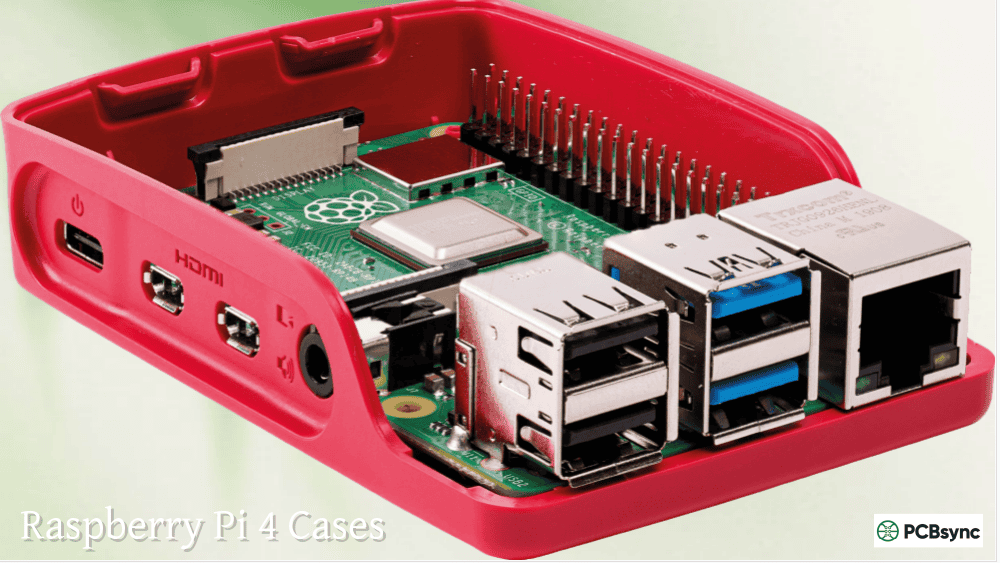
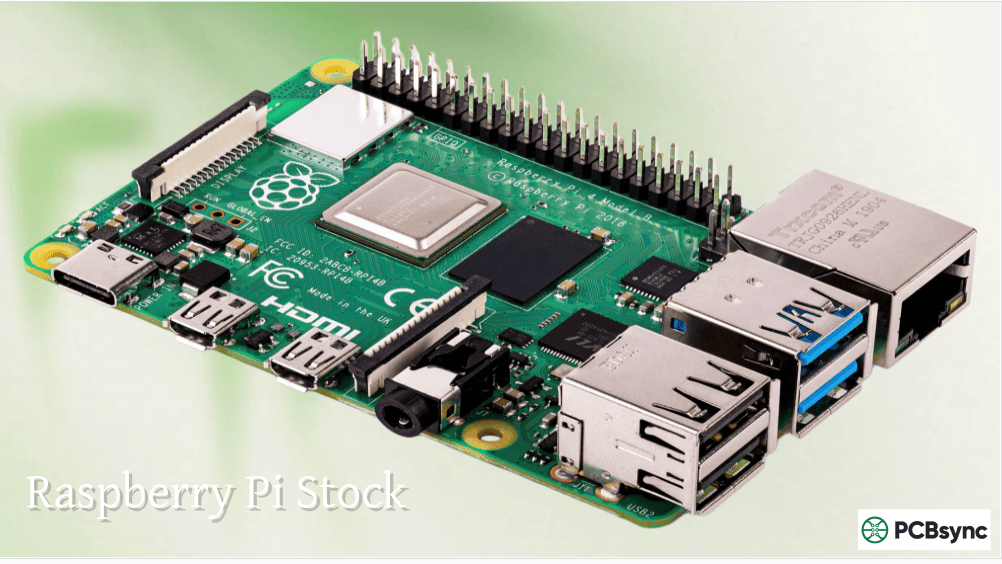
Choosing the right raspberry pi 4 case isn’t just about looks—it’s an engineering decision that affects thermals, longevity, and project success. After testing dozens of enclosures across industrial deployments and personal builds, I’ve learned that the wrong case can throttle your Pi’s performance by 30% or leave your board vulnerable to static discharge and physical damage.
This guide covers the best pi case options available in 2026, with real thermal data, practical recommendations, and honest assessments from someone who’s debugged overheating Pis in server closets and outdoor enclosures. Whether you’re building a media center, NAS, or industrial controller, there’s a raspberry pi case here that fits your needs.
Why Your Raspberry Pi 4 Case Choice Actually Matters
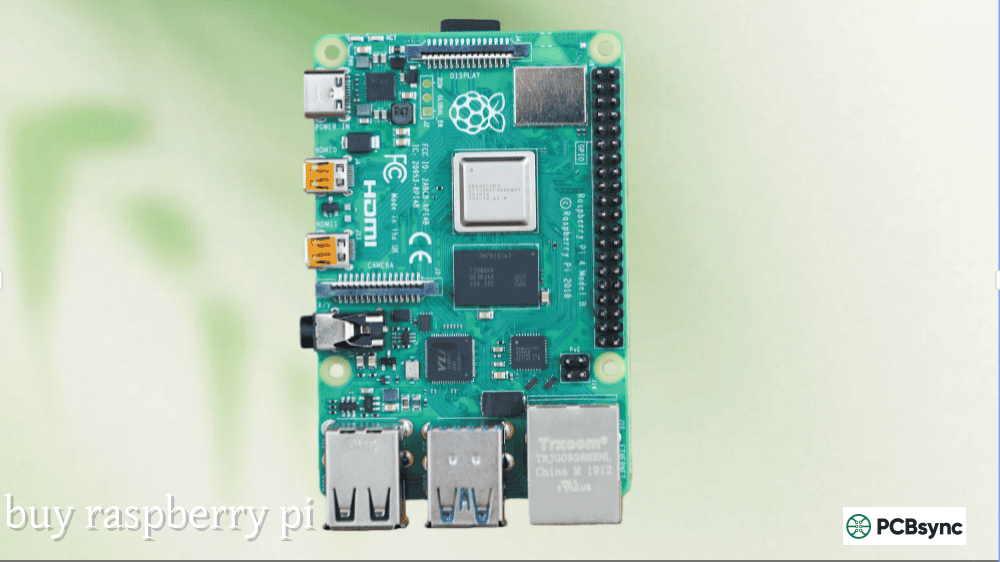
The Raspberry Pi 4 runs significantly hotter than its predecessors. The BCM2711 processor, while powerful, generates enough heat to trigger thermal throttling within minutes under sustained load—unless you manage thermals properly. Your case choice is the first line of defense.
Beyond cooling, a proper raspberry pi 4 case protects against electrostatic discharge (ESD), physical impact, dust infiltration, and accidental shorts. I’ve seen bare boards fail from a dropped screwdriver, coffee spills, and even curious pets. A $15 case is cheap insurance for a board that costs $35-75 depending on RAM configuration.
The Three Pillars of Case Selection
When evaluating any raspberry pi case, I consider three factors in this order:
Thermal Performance: Can the case dissipate 6-7W of continuous heat without allowing the CPU to exceed 80°C? Does it support passive cooling, active cooling, or both?
Protection Level: Does it shield the board from ESD, dust, moisture, and physical damage? Are the GPIO pins accessible yet protected?
Functionality: Does the case allow access to all ports? Can you mount it properly? Does it support HATs or other expansion boards?
Aesthetics matter too, but they’re secondary to these engineering fundamentals. A beautiful case that throttles your CPU is worse than an ugly one that keeps it cool.
Passive cooling cases use the entire enclosure as a heatsink, typically constructed from machined aluminum. These are my go-to recommendation for most applications because they’re silent, have no moving parts to fail, and provide excellent thermal performance.
The best passive raspberry pi 4 case designs use thermal pads to transfer heat from the CPU, RAM, and USB controller directly to the aluminum shell. Some premium options include copper inserts or heat pipes for even better thermal conductivity.
Best for: Media centers, always-on servers, bedroom setups, professional installations
Active Cooling Cases (Fan-Equipped Enclosures)
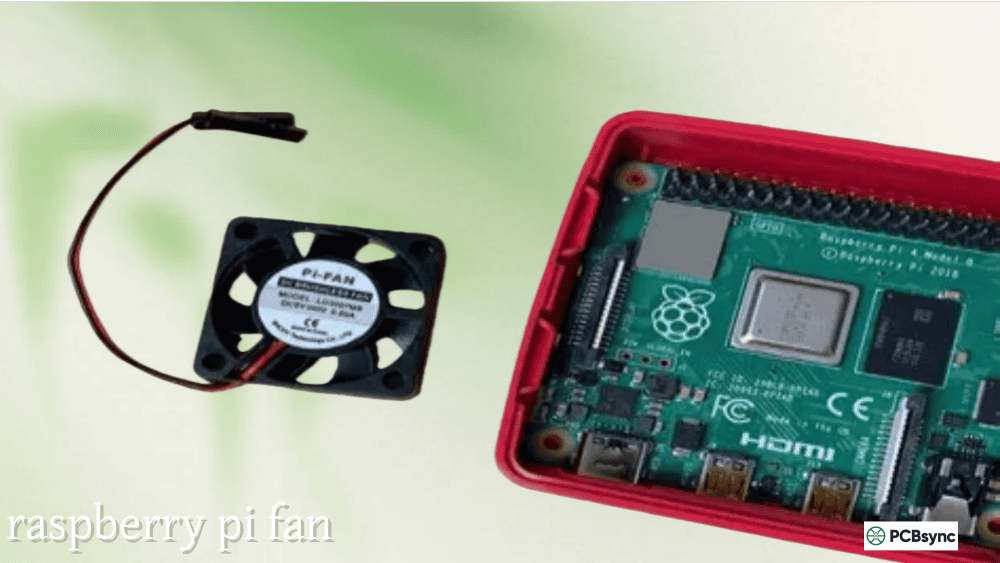
Active cooling cases incorporate one or more fans to force air across the board. These consistently deliver the lowest temperatures but introduce noise and potential fan failure points.
Modern active raspberry pi case designs have improved significantly. PWM-controlled fans spin up only when needed, and quality 30mm or 40mm fans can be nearly inaudible at low speeds. For demanding workloads like compilation, encoding, or machine learning inference, active cooling is often necessary.
Best for: Overclocked systems, sustained heavy workloads, development machines, compute clusters
Acrylic and Plastic Cases
Budget-friendly acrylic and ABS plastic cases dominate the entry-level market. While they offer decent protection and easy GPIO access, their thermal performance is poor. Plastic is an insulator, trapping heat rather than dissipating it.
If you choose a plastic raspberry pi 4 case, plan to add a heatsink kit and possibly a fan. The case itself won’t help with cooling—and might actually make things worse compared to running the board open-air.
Best for: Light-duty applications, educational projects, temporary setups, budget builds
Open-Air and Skeleton Cases
Open-air cases provide mounting and basic protection while maximizing airflow. These designs range from simple acrylic layers to elaborate 3D-printed frames with integrated fan mounts.
For development and testing, I often prefer open-air designs. Easy access to GPIO, quick board swaps, and excellent passive airflow make these practical for bench work. They’re less suitable for deployment due to limited protection.
Best for: Development, prototyping, testing, well-controlled environments
Industrial and DIN Rail Cases
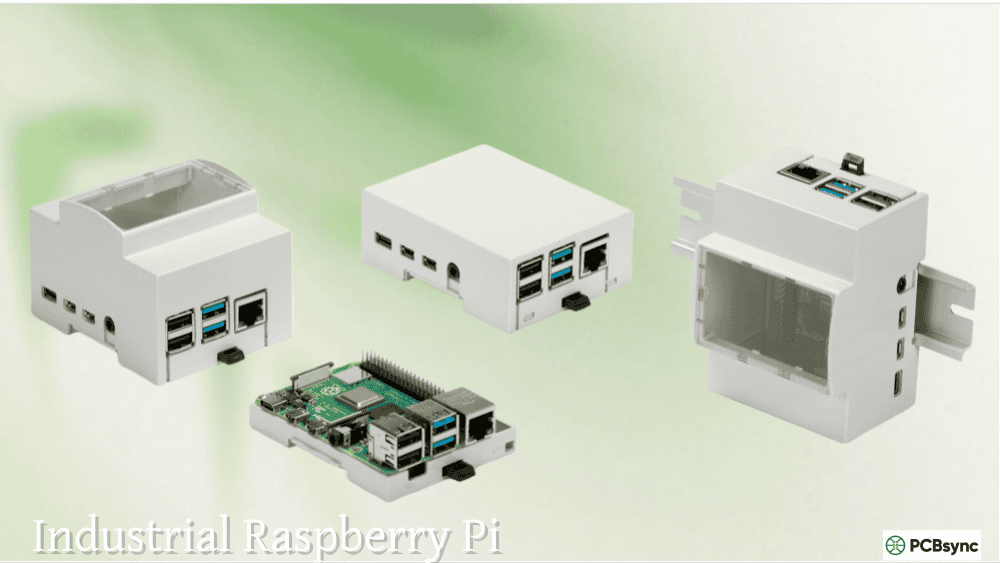
Professional deployments require industrial-grade enclosures designed for harsh environments. These raspberry pi case options feature DIN rail mounting, terminal block breakouts, and environmental sealing.
Industrial cases typically cost 3-5x more than consumer options but offer features essential for production environments: proper grounding, cable strain relief, operating temperature ratings, and regulatory certifications.
Best for: Industrial automation, SCADA systems, commercial products, outdoor deployments
Best Raspberry Pi 4 Cases by Category
Top Passive Cooling Cases Comparison
Case Model
Material
Thermal Performance
GPIO Access
Price Range
Best Feature
Argon ONE V2
Aluminum
Excellent (45-55°C)
Full via ribbon
$25-30
Integrated power button, HDMI routing
Flirc Original
Aluminum
Excellent (40-50°C)
Full access
$25-30
Minimal design, IR receiver option
Geekworm Armor
Aluminum + Copper
Very Good (50-60°C)
Full access
$15-20
Dual heatsink design, value pricing
KKSB Case
CNC Aluminum
Excellent (45-55°C)
Limited
$35-45
Premium build quality, industrial look
Akasa Gem Pro
Aluminum
Excellent (42-52°C)
Full access
$40-50
Fanless NUC-style design
Top Active Cooling Cases Comparison
Case Model
Fan Size
Noise Level
Thermal Performance
GPIO Access
Price Range
Argon ONE V3 M.2
30mm PWM
Low (adjustable)
Excellent (35-45°C)
Via ribbon
$45-55
GeeekPi Ice Tower
40mm
Moderate
Outstanding (30-40°C)
Full access
$20-25
Vilros Clear Case
30mm x2
Moderate
Very Good (38-48°C)
Full access
$15-20
Retroflag NESPi 4
30mm
Low
Good (45-55°C)
Limited
$35-40
Miuzei Case
35mm
Low-Moderate
Good (42-52°C)
Full access
$12-18
Best Budget Raspberry Pi 4 Cases
Case Model
Type
Material
Thermal Solution
Price Range
Value Rating
iUniker Clear Case
Passive
Acrylic
Heatsink kit included
$8-12
Excellent
GeeekPi Acrylic
Active
Acrylic
Fan + heatsinks
$10-15
Very Good
Smraza Case
Active
ABS Plastic
Fan + heatsinks
$12-16
Good
Miuzei Starter Kit
Active
Acrylic
Fan + heatsinks + PSU
$25-30
Excellent (kit value)
CanaKit Case
Passive
Plastic
Basic heatsinks
$10-12
Moderate
Detailed Case Reviews: Engineer’s Perspective
Argon ONE V2: The Professional’s Choice
The Argon ONE V2 remains my top recommendation for most raspberry pi 4 case applications in 2026. Its aluminum unibody construction provides excellent passive cooling, while the optional fan slot allows active cooling when needed.
What sets the Argon apart is attention to detail: the power button with safe shutdown support, the GPIO header extension that routes pins to the top, and the clever HDMI port routing that moves connections to the rear. The software integration for fan control and power management is mature and reliable.
Thermal testing results: Under sustained Prime95 load, the Argon ONE V2 held CPU temperature at 52°C in passive mode and 41°C with the fan installed. Ambient temperature was 24°C.
Drawbacks: The HDMI adapter adds slight latency (imperceptible for most uses), and the case doesn’t support standard HATs without modification.
Flirc Case: Minimalist Excellence
The Flirc case prioritizes simplicity and thermal performance above all else. The entire aluminum body acts as a heatsink, with a precision-cut thermal pad making direct contact with the CPU.
I appreciate the Flirc’s no-nonsense approach. There’s no software to configure, no fans to fail, no cables to manage. You install the board, attach the thermal pad, close the case, and forget about it. For media center builds where the best pi case is one you never think about, the Flirc delivers.
Thermal testing results: CPU temperature stabilized at 48°C under sustained load, making this one of the coolest-running passive cases I’ve tested.
Drawbacks: GPIO access requires removing the case, and there’s no mounting provision for HATs.
GeeekPi Ice Tower: Maximum Cooling Performance
When thermal performance is the absolute priority, the Ice Tower cooler and case combination is hard to beat. The tower-style heatsink with copper heat pipes and 40mm fan delivers desktop-class cooling to the Pi 4.
For overclocked builds running at 2.0+ GHz, the Ice Tower keeps temperatures in check when other solutions would trigger throttling. The downside is size—this raspberry pi case solution is significantly taller than standard enclosures.
Thermal testing results: At 2.1 GHz overclock, CPU temperature held at 38°C under full load. Stock clocks resulted in temperatures around 32°C.
Drawbacks: Large footprint, moderate fan noise, open-air design offers limited protection.
Industrial Options: The Serious Contenders
For professional deployments, consumer cases won’t cut it. Here are the industrial raspberry pi 4 case options worth considering:
Aluminum’s thermal conductivity (205 W/m·K) makes it ideal for passive cooling applications. CNC-machined aluminum cases offer precise manufacturing tolerances ensuring good contact with thermal pads.
Anodized finishes provide corrosion resistance and aesthetic options without significantly impacting thermal performance. For any raspberry pi case where cooling matters, aluminum should be your default material choice.
Acrylic Cases: See-Through Compromise
Acrylic (PMMA) offers transparency and low cost but poor thermal properties (0.2 W/m·K—roughly 1000x worse than aluminum). Acrylic cases require supplemental cooling to be practical.
The advantage is aesthetics: you can see your board, and LED lighting effects look great through clear acrylic. For display pieces or low-load applications, acrylic works fine with proper heatsinks.
ABS and 3D-Printed Cases
ABS plastic is durable and inexpensive but, like acrylic, provides minimal thermal benefit. 3D-printed cases (typically PLA, PETG, or ABS) offer customization possibilities but require careful design to avoid overheating.
If designing a custom 3D-printed raspberry pi 4 case, include generous ventilation, fan mounting provisions, and space for heatsinks. Solid plastic enclosures will trap heat dangerously.
Installation Best Practices
Thermal Pad Application
Proper thermal pad installation is critical for passive cooling cases. Follow these steps:
Clean the CPU surface with isopropyl alcohol (90%+ concentration)
Remove any existing thermal material completely
Cut thermal pads to match chip dimensions precisely
Apply even pressure when closing the case—uneven contact creates hot spots
Allow 24 hours for thermal pads to fully conform before stress testing
Common mistakes include using thermal paste instead of pads (creates mess in aluminum cases), using pads that are too thick (prevents case closure), and touching pad surfaces with fingers (oils reduce conductivity).
GPIO and HAT Compatibility
Before committing to a raspberry pi case, verify compatibility with your HAT expansion boards:
Case Type
Standard HAT
Low-Profile HAT
Tall Components
Argon ONE
No (adapter needed)
No
No
Flirc
No
No
No
Open-air
Yes
Yes
Yes
Plastic with GPIO slot
Yes
Yes
Varies
Ice Tower
Partial
Yes
No (heatsink interference)
Mounting Considerations
Consider how you’ll mount the case in your final installation:
VESA mounting: Some cases include VESA mount patterns or adapters for monitor mounting DIN rail: Industrial cases typically support standard 35mm DIN rail Wall mounting: Look for cases with screw holes or mounting brackets Stack mounting: Cluster builds benefit from stackable case designs Rack mounting: 1U rack kits accommodate multiple Pi units
Useful Resources for Raspberry Pi 4 Case Selection
Official Documentation and Downloads
Resource
Description
Access
Raspberry Pi 4 Mechanical Drawing
Official board dimensions PDF
raspberrypi.com/documentation
BCM2711 Thermal Guidelines
Processor thermal specifications
Broadcom datasheets
Pi 4 3D Model (STEP file)
CAD model for case design
raspberrypi.com
GPIO Pinout Reference
Pin assignments for HAT compatibility
pinout.xyz
Community Resources
Resource
Description
URL Type
Thingiverse Pi 4 Cases
3D printable case designs
thingiverse.com
Printables Pi Collection
Curated 3D printable enclosures
printables.com
r/raspberry_pi
Community case reviews and recommendations
Reddit
Pi Forums
Official community support
forums.raspberrypi.com
Thermal testing spreadsheets
Community-contributed thermal data
Google Sheets (various)
Tools and Utilities
vcgencmd measure_temp: Command-line temperature monitoring Raspberry Pi Diagnostics: Official stress testing tool stress-ng: Comprehensive system stress testing htop: Real-time CPU monitoring with temperature display
Frequently Asked Questions About Raspberry Pi 4 Cases
Does the Raspberry Pi 4 need a case with a fan?
Whether your raspberry pi 4 case needs a fan depends on your workload. For light use (web browsing, basic scripting, media playback), a quality aluminum passive case keeps temperatures safe. For sustained heavy loads (compiling, encoding, machine learning), active cooling prevents thermal throttling. My recommendation: choose a case that supports both passive and active cooling, so you can add a fan later if needed.
What is the best material for a Raspberry Pi case?
Aluminum is the best pi case material for most applications due to its excellent thermal conductivity and durability. A well-designed aluminum case can reduce CPU temperatures by 20-30°C compared to plastic alternatives. Plastic and acrylic cases work for light-duty applications but require supplemental heatsinks and fans to match aluminum’s thermal performance.
Can I use my Raspberry Pi 4 without a case?
Yes, but I don’t recommend it for permanent installations. Running without a raspberry pi case exposes the board to ESD damage, physical impact, dust accumulation, and accidental shorts. For temporary bench testing, bare operation is fine. For any deployment lasting more than a few days, invest in proper protection.
How do I know if my Raspberry Pi is overheating in its case?
Monitor CPU temperature using the command vcgencmd measure_temp or install a monitoring tool like htop. Temperatures below 70°C under load are excellent, 70-80°C are acceptable, and sustained temperatures above 80°C indicate inadequate cooling. The Pi 4 throttles at 85°C, which you’ll notice as reduced performance during demanding tasks. If your raspberry pi case allows temperatures to reach throttling levels, consider upgrading to better cooling.
Are expensive Raspberry Pi cases worth the money?
Premium cases ($35-50) typically offer better thermal performance, superior build quality, and useful features like power buttons and HDMI routing. For production deployments, media centers, and always-on servers, the investment is worthwhile. For learning projects, temporary setups, or budget builds, a $10-15 case with heatsinks works adequately. The best pi case is one that matches your specific requirements without overspending—or underspending—on features you need.
Choosing Your Perfect Raspberry Pi 4 Case
After years of working with these boards in everything from home labs to industrial installations, my advice is straightforward: don’t cheap out on your raspberry pi 4 case, but don’t overthink it either.
For most users, an aluminum passive case like the Argon ONE V2 or Flirc provides the ideal balance of cooling, protection, and functionality. If you’re pushing the hardware with overclocking or sustained computation, step up to active cooling with the Ice Tower or Argon with fan.
Budget builders can succeed with acrylic cases plus heatsink kits, but understand you’re trading thermal margin for cost savings. And for professional deployments, invest in industrial enclosures that meet your environmental and certification requirements.
The raspberry pi case you choose today will protect your board for years. Take the time to match the case to your actual requirements, and your Pi 4 will deliver reliable performance for thousands of hours of operation.
Inquire: Call 0086-755-23203480, or reach out via the form below/your sales contact to discuss our design, manufacturing, and assembly capabilities.
Quote: Email your PCB files to Sales@pcbsync.com (Preferred for large files) or submit online. We will contact you promptly. Please ensure your email is correct.
Notes: For PCB fabrication, we require PCB design file in Gerber RS-274X format (most preferred), *.PCB/DDB (Protel, inform your program version) format or *.BRD (Eagle) format. For PCB assembly, we require PCB design file in above mentioned format, drilling file and BOM. Click to download BOM template To avoid file missing, please include all files into one folder and compress it into .zip or .rar format.