Inquire: Call 0086-755-23203480, or reach out via the form below/your sales contact to discuss our design, manufacturing, and assembly capabilities.
Quote: Email your PCB files to Sales@pcbsync.com (Preferred for large files) or submit online. We will contact you promptly. Please ensure your email is correct.
Notes: For PCB fabrication, we require PCB design file in Gerber RS-274X format (most preferred), *.PCB/DDB (Protel, inform your program version) format or *.BRD (Eagle) format. For PCB assembly, we require PCB design file in above mentioned format, drilling file and BOM. Click to download BOM template To avoid file missing, please include all files into one folder and compress it into .zip or .rar format.
Raspberry Pi 4 Complete Buying Guide: 2GB vs 4GB vs 8GB (Which RAM Do You Need?)
When the Raspberry Pi 4 hit the market in June 2019, it changed everything we thought we knew about single-board computers. For the first time ever, the Raspberry Pi Foundation gave us a choice: pick your RAM configuration. As someone who’s spent over a decade designing PCBs and working with embedded systems, I remember thinking, “Finally, some flexibility.” But that flexibility also brought confusion. Which Raspberry Pi 4 variant should you actually buy?
I’ve burned through my fair share of microcontrollers and SBCs over the years, and I can tell you this: the “more is better” approach doesn’t always apply. Let me walk you through everything you need to know about the Raspberry Pi 4 2GB, 4GB, and 8GB variants so you can make the right call for your project without wasting money.
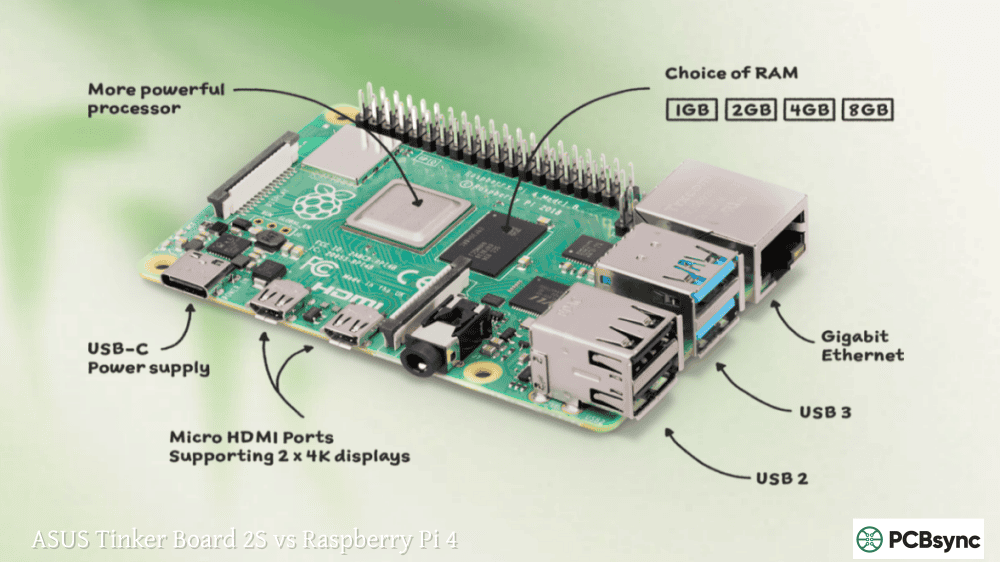
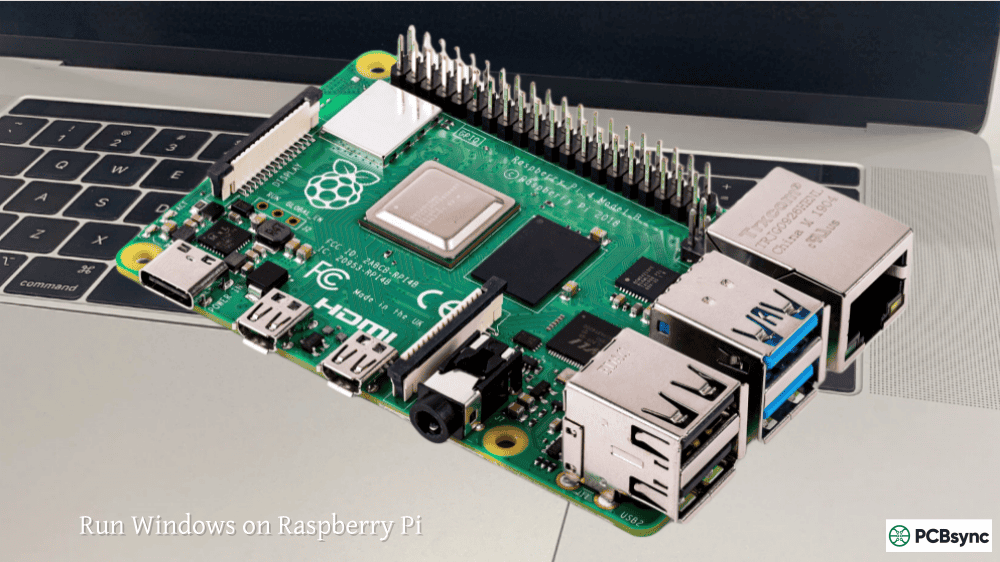
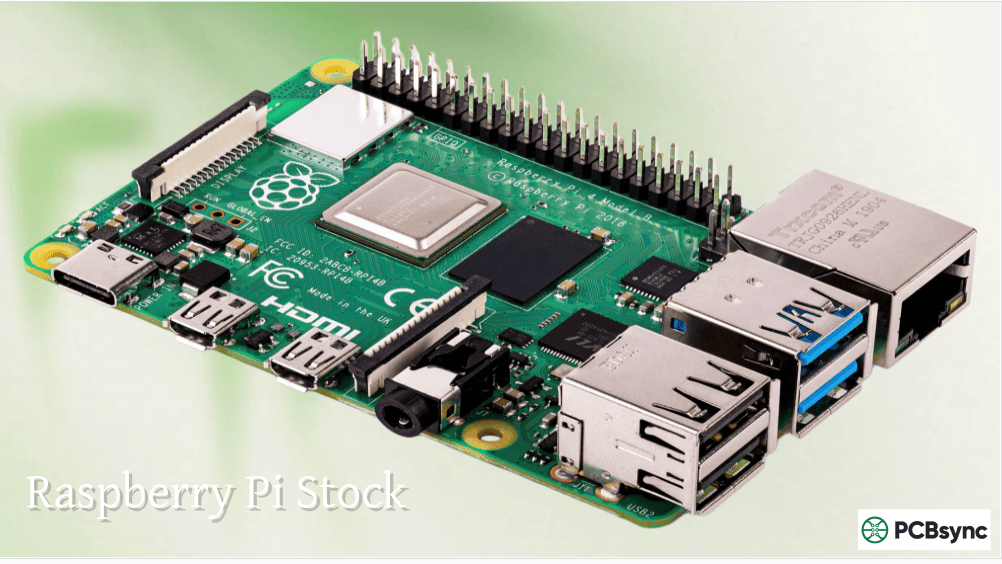
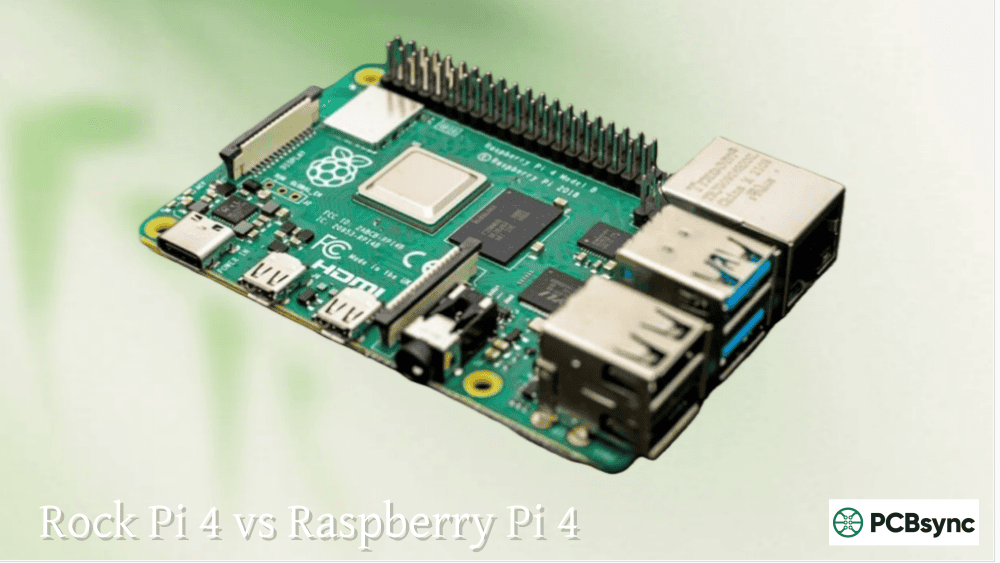
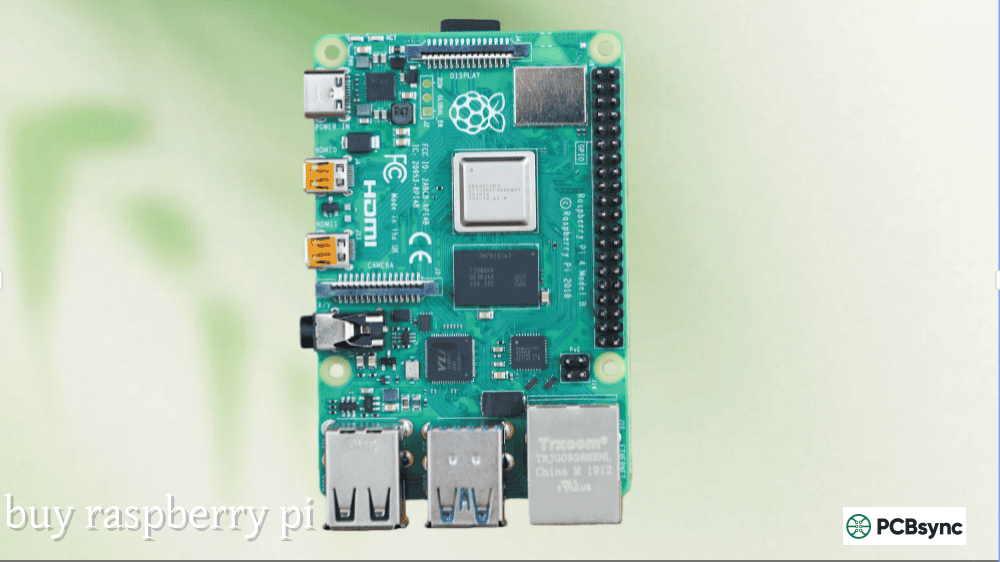
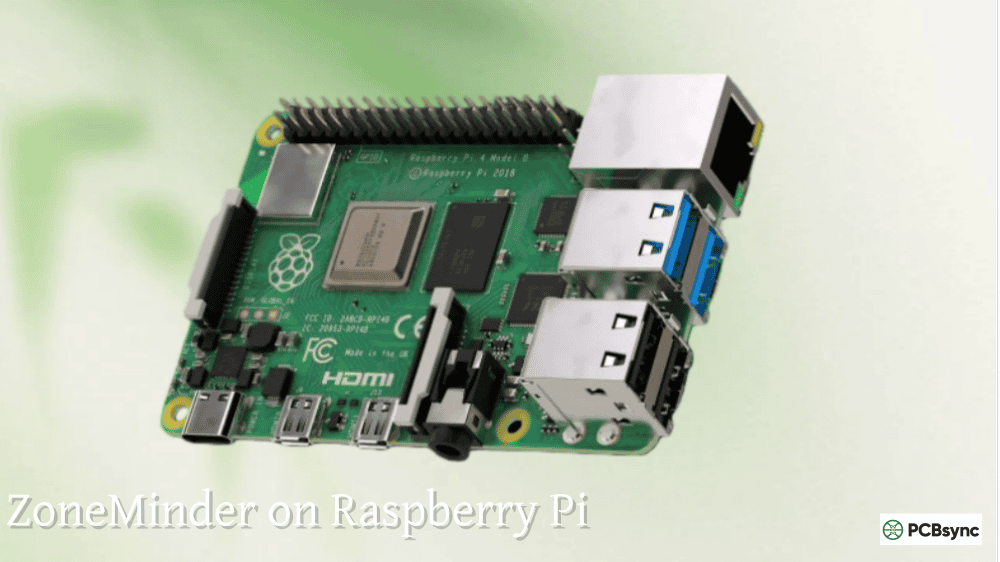
Before we dive into the RAM comparison, let’s talk about what makes the RPi4 tick. All three variants share identical core hardware (except for the memory chips), which means your decision comes down entirely to how you plan to use the board.
Gigabit Ethernet, Dual-band WiFi (2.4GHz/5GHz), Bluetooth 5.0
Storage
MicroSD slot
Power
USB-C (5V/3A minimum)
GPIO
40-pin header
The BCM2711 processor represents a massive leap from previous generations. The Cortex-A72 cores deliver roughly 50% more performance than the Pi 3B+, and that PCIe internal bus means the USB 3.0 ports actually deliver proper USB 3.0 speeds. No more sharing bandwidth between USB and Ethernet like the old days.
Raspberry Pi 4 RAM Options: What’s the Difference?
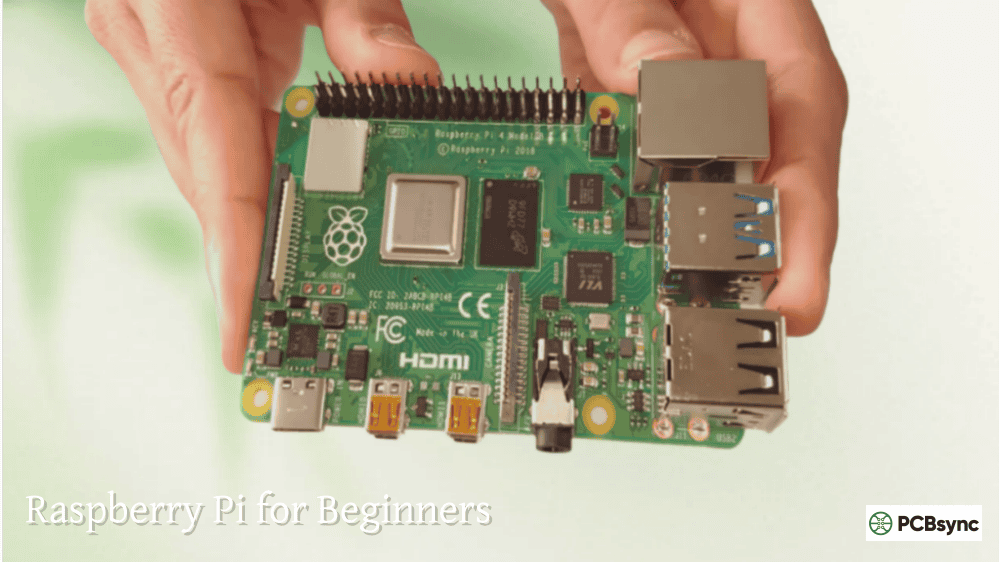
Here’s the thing that trips people up: except for the RAM, these boards are physically identical. Same PCB layout, same power consumption, same thermal characteristics. The only thing that changes is the memory chip soldered to the board.
Raspberry Pi 4 2GB RAM
The 2GB variant sits at the entry point of the Raspberry Pi 4 lineup. At approximately $35, it’s the most affordable option and honestly sufficient for most projects people actually build.
Best suited for:
Headless server applications (Pi-hole, VPN servers)
Basic home automation hubs
IoT projects and sensor monitoring
Simple retro gaming with RetroPie
Learning Linux and programming
GPIO-based hardware projects
Raspberry Pi 4 4GB RAM
The raspberry pi 4gb model hits the sweet spot for most users. At around $55, you get double the RAM for a $20 premium. This is the configuration I recommend to most people who ask.
Best suited for:
Desktop replacement for light tasks
Media centers running Kodi or Plex
Small to medium NAS setups
Web browsing with multiple tabs
Development and coding projects
Docker containers (moderate workloads)
Raspberry Pi 4 8GB RAM
The raspberry pi 4 8gb launched a year after the original variants and pushed the Pi into territory we never thought possible. At $75, it’s the premium option for power users.
Best suited for:
Heavy multitasking and desktop workloads
Virtualization projects
AI and machine learning experiments
High-traffic web servers
Large Docker deployments
Compiling code and development environments
Database servers
Real-World Performance Comparison: 2GB vs 4GB vs 8GB
I’ve run identical workloads across all three variants, and here’s what actually happens in practice.
Desktop Usage Test Results
Scenario
2GB
4GB
8GB
Boot to desktop
22 sec
22 sec
22 sec
Open Chromium browser
5 sec
5 sec
5 sec
5 browser tabs
Usable
Smooth
Smooth
10 browser tabs
Sluggish/swap
Usable
Smooth
20+ browser tabs
Unusable
Sluggish
Usable
RAM at idle (desktop)
~560MB
~560MB
~560MB
What surprised me most was how little difference there is for basic tasks. The OS itself only uses about 560MB at idle with the desktop loaded. You won’t notice any difference between variants until you start pushing the system.
Server and Headless Performance
For headless applications, the story changes completely. Running a basic Samba NAS, all three variants performed identically. The Raspberry Pi 4 2GB handled file transfers at the same speed as the 8GB model. Network throughput is limited by the Gigabit Ethernet, not RAM.
Where RAM matters:
Running Docker containers: Each container consumes memory. A 2GB Pi can run 2-3 lightweight containers comfortably. The 8GB version can run significantly more.
Database operations: Large queries on SQLite or MariaDB benefit from more RAM for caching.
Compiling software: Building from source creates temporary files. More RAM means less swap usage and faster builds.
Which Raspberry Pi 4 RAM Should You Choose?
Let me break this down by use case since that’s ultimately what matters.
Choose the Raspberry Pi 4 2GB If:
The 2GB RPi4 makes sense when you’re building something specific and resource-light. Home automation controllers, Pi-hole DNS servers, VPN endpoints, and most IoT projects fall into this category.
I run a 2GB Pi 4 as my home Pi-hole server. It blocks ads for my entire network, and the memory usage never exceeds 200MB. Buying the 8GB version for this would be throwing money away.
Common 2GB Projects:
Pi-hole ad blocker
Network monitoring (Nagios, Zabbix)
MQTT broker for IoT
Basic web server (static sites)
Weather station controller
Security camera motion detection
Choose the Raspberry Pi 4 4GB If:
This is the Goldilocks zone for most users. The raspberry pi 4gb variant handles desktop work, media streaming, and moderate server loads without breaking a sweat.
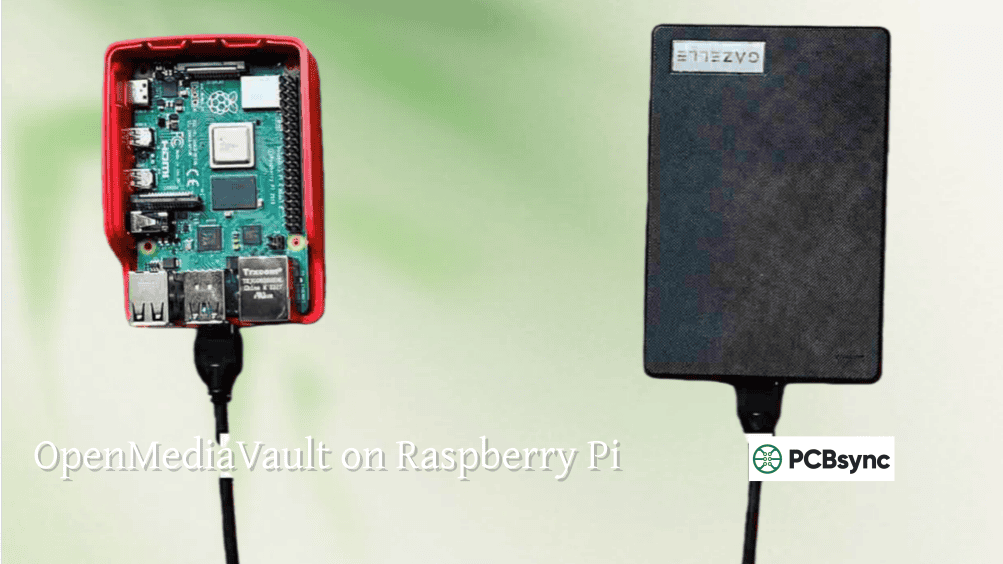
If you’re building a Kodi media center, the 4GB gives you headroom for background tasks and metadata caching. For a NAS with OpenMediaVault, the extra RAM helps with file caching and improves transfer speeds when accessing frequently-used files.
Common 4GB Projects:
Media servers (Plex, Jellyfin, Kodi)
Network Attached Storage (NAS)
RetroPie gaming (N64, PSP emulation)
Desktop computing (light use)
Home Assistant with add-ons
Small WordPress sites
Choose the Raspberry Pi 4 8GB If:
Go for the raspberry pi 4 8gb when you genuinely need the extra memory. This means running multiple heavy applications simultaneously, virtual machines, or memory-intensive development work.
One legitimate use case: running a full LAMP stack with WordPress, a database, and Nextcloud on the same Pi. The 8GB version handles this without constantly hitting swap. Try that on the 2GB version, and you’ll be waiting forever.
Common 8GB Projects:
Full desktop replacement
Development environments (IDE + browser + tools)
Virtual machine hosting
AI/ML projects (TensorFlow Lite)
Multi-service Docker hosts
Heavy database workloads
Raspberry Pi 4 Price Comparison
Pricing has fluctuated over the years due to supply chain issues and memory costs. Here’s what you should expect to pay at official retailers:
Variant
MSRP (USD)
Price per GB
Raspberry Pi 4 2GB
$35
$17.50/GB
Raspberry Pi 4 4GB
$55
$13.75/GB
Raspberry Pi 4 8GB
$75
$9.38/GB
The 8GB actually offers the best value per gigabyte, but that only matters if you’ll use the extra RAM. Spending $75 to get 8GB when you only need 2GB is still wasting $40.
Note: Prices increased in late 2025 for 4GB and 8GB models by $5-10 due to memory costs. Check current pricing before purchasing.
What Accessories Do You Need?
Regardless of which RAM variant you choose, you’ll need some essentials:
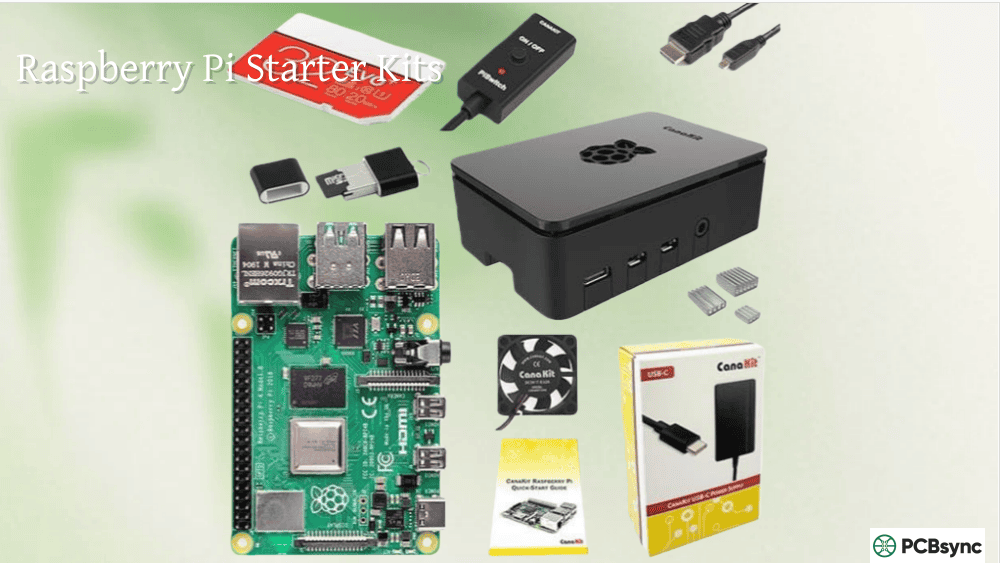
Required Accessories
Accessory
Purpose
Notes
Power Supply
5V/3A USB-C
Official PSU recommended
MicroSD Card
OS storage
16GB minimum, 32GB recommended
Heatsinks
Thermal management
Passive cooling for light use
Case
Protection
With ventilation
Recommended Accessories
Accessory
Purpose
When Needed
Active Cooler
Better thermals
Heavy workloads, overclocking
Micro-HDMI Cable
Display output
Desktop use
Ethernet Cable
Wired networking
Server applications
USB SSD
Faster storage
NAS, media servers
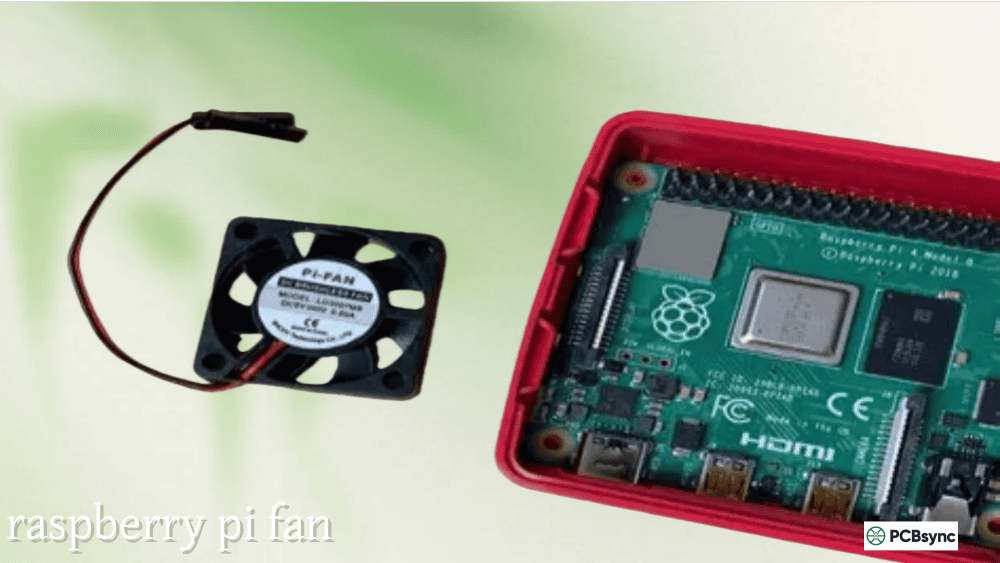
The RPi4 runs hot under load. Don’t skip the heatsinks, especially on the 8GB model which can thermal throttle during intensive tasks.
32-bit vs 64-bit Operating System
This matters more than most people realize. Until recently, Raspberry Pi OS was 32-bit only. A 32-bit OS limits individual processes to about 3GB of RAM, even on the 8GB model.
To use all 8GB effectively, you need a 64-bit operating system:
Raspberry Pi OS 64-bit (recommended for most users)
Ubuntu Server 64-bit (for server deployments)
Ubuntu Desktop 64-bit (for desktop use)
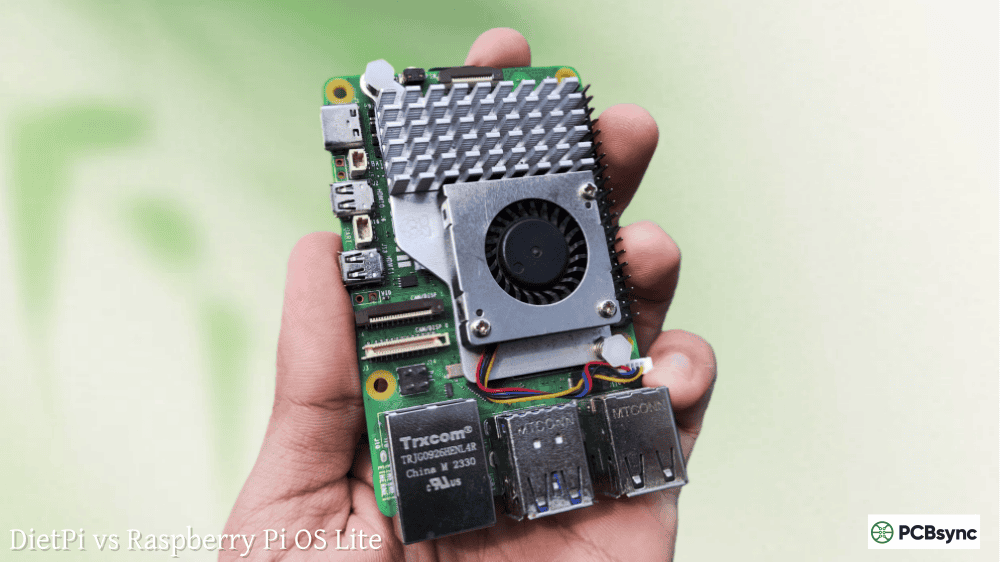
DietPi (minimal footprint)
If you’re buying the 8GB variant, make sure you’re running a 64-bit OS. Otherwise, you’re paying for RAM you can’t fully utilize.
After helping dozens of people with their Pi projects, here are the mistakes I see repeatedly.
Mistake 1: Buying 8GB for Simple Projects
I’ve seen people buy the raspberry pi 4 8gb for a Pi-hole server. That’s like buying a pickup truck to commute to an office job. Will it work? Absolutely. Is it the right tool? Not really.
Mistake 2: Skipping Proper Cooling
The Pi 4 runs significantly hotter than previous models. Without adequate cooling, it will thermal throttle and slow down. Budget for at least a heatsink kit.
Mistake 3: Using Underpowered Power Supplies
The Pi 4 needs a proper 5V/3A USB-C supply. Using an old phone charger causes stability issues, random crashes, and corrupted SD cards.
Mistake 4: Ignoring Storage Speed
A fast microSD card matters more than extra RAM for most tasks. A Class 10 A2 card will make your Pi feel significantly snappier than a cheap card on an 8GB model.
Future-Proofing Considerations
Should you buy extra RAM for future needs? This depends on your situation.
Buy more RAM now if:
You’re already planning advanced projects
The Pi will be difficult to replace (embedded installation)
The price difference is negligible in your budget
Save money and buy what you need if:
You have a specific, defined project
Budget is constrained
You can easily swap the board later
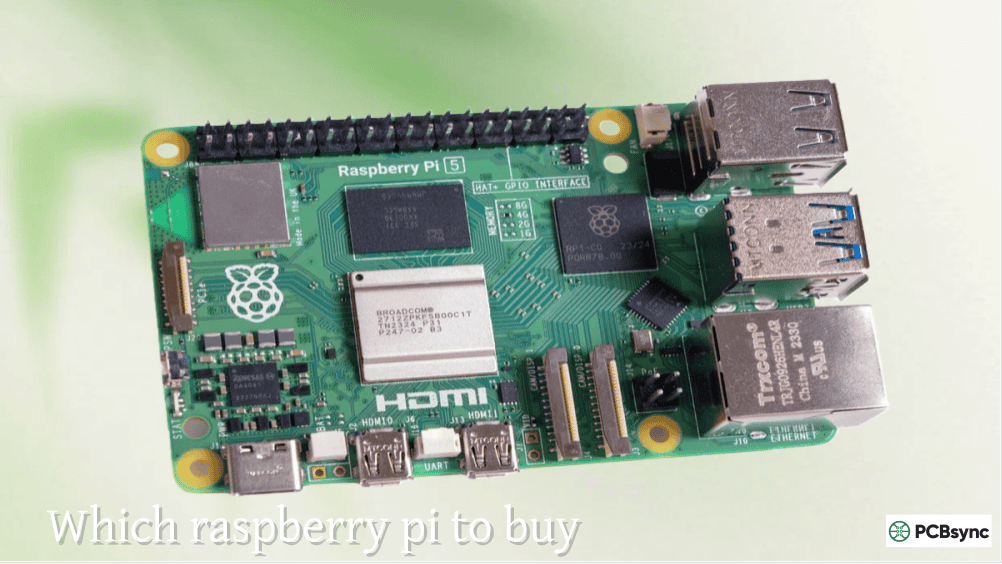
Remember, Raspberry Pi 5 and future models exist. Paying extra for RAM “just in case” often means paying for features you never use before upgrading to newer hardware anyway.
Raspberry Pi 4 vs Pi 5: Should You Wait?
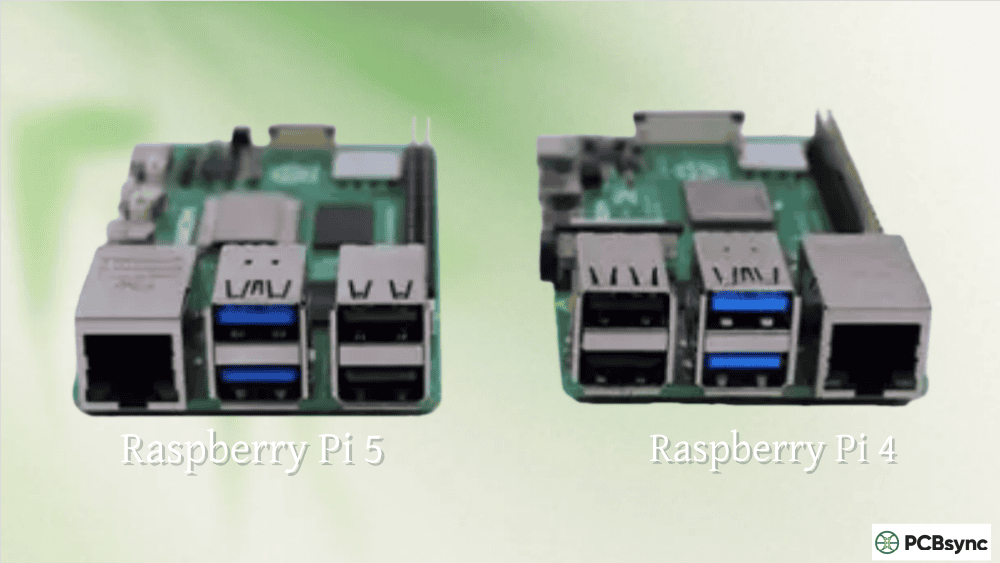
The Raspberry Pi 5 offers significantly better performance with a faster processor and PCIe support. However, the Pi 4 remains an excellent choice because:
Lower price point
Mature software ecosystem
Better availability
Lower power consumption
Proven stability
For most projects, the RPi4 provides more than enough capability. The Pi 5 makes sense for demanding applications where you need every bit of performance.
Useful Resources for Raspberry Pi 4 Users
Here are resources I actually use and recommend:
Official Downloads
Raspberry Pi Imager: Official tool for writing OS images to SD cards
Raspberry Pi OS: The official operating system
Raspberry Pi Documentation: Complete hardware and software documentation
Operating Systems
RetroPie: Retro gaming distribution
LibreELEC/OSMC: Kodi-based media center
OpenMediaVault: NAS operating system
DietPi: Minimal Debian-based distribution
Ubuntu for Raspberry Pi: Full Ubuntu desktop/server
Community Resources
Raspberry Pi Forums: Official community support
r/raspberry_pi: Active Reddit community
GitHub Raspberry Pi Organization: Official repositories
Frequently Asked Questions About Raspberry Pi 4 RAM
Can I upgrade the RAM on my Raspberry Pi 4 later?
No. The RAM is soldered directly to the board and cannot be upgraded. Choose the variant that matches your needs from the start, or plan to purchase a different board if requirements change.
Does the Raspberry Pi 4 8GB run hotter than 2GB or 4GB versions?
The thermal characteristics are nearly identical across all variants. The 8GB model may run slightly warmer under memory-intensive workloads, but the difference is minimal. All Pi 4 models benefit from proper cooling.
Is 2GB enough RAM for Raspberry Pi OS desktop?
Yes, 2GB works for basic desktop use. However, opening multiple browser tabs or running heavy applications will cause slowdowns. For comfortable desktop computing, the 4GB model provides a better experience.
What’s the best Raspberry Pi 4 for home server projects?
For most home server applications, the 4GB model offers the best balance of capability and cost. Only consider 8GB if you’re running multiple services, databases, or Docker containers that require significant memory.
Can I run Docker on a Raspberry Pi 4 2GB?
Yes, but with limitations. Lightweight containers work fine, but you’ll be limited to 2-3 containers before running low on memory. For serious Docker deployments, the 4GB or 8GB variants are better choices.
Building a Raspberry Pi 4 Media Center: RAM Requirements
One of the most popular uses for the Raspberry Pi 4 is building a media center. Whether you’re streaming local content or setting up a Plex server, understanding RAM requirements helps you choose the right model.
Kodi Media Center
Running Kodi on the Pi 4 works beautifully with the 2GB model for basic media playback. The VideoCore VI GPU handles 4K H.265 decoding in hardware, so RAM isn’t the bottleneck for video playback. However, if you’re adding plugins, using live TV features, or maintaining large libraries with lots of metadata, the 4GB variant provides smoother operation.
Plex and Jellyfin Servers
Here’s where it gets interesting. The Raspberry Pi 4 makes an excellent Plex or Jellyfin server, but transcoding is the limiting factor—not RAM. The Pi 4 can direct-play 4K content but struggles with real-time transcoding. For a dedicated media server serving pre-formatted content to multiple clients, the 4GB model handles the workload efficiently.
RetroPie and Retro Gaming
Emulation performance depends primarily on CPU and GPU, not RAM. The 2GB Raspberry Pi 4 runs RetroPie just as well as the 8GB version for most consoles. You’ll see identical performance playing NES, SNES, Sega Genesis, and PlayStation 1 games across all variants.
Where RAM matters in gaming is when you’re running RetroPie alongside other services or using more demanding emulators for N64, Dreamcast, or PSP. These scenarios benefit from 4GB for comfortable multitasking.
Setting Up a Raspberry Pi 4 NAS: Choosing the Right RAM
Network Attached Storage is another common Pi 4 project, and I’ve built several NAS systems using different RAM configurations. Here’s what I’ve learned.
File Server Performance
For basic file sharing using Samba or NFS, the 2GB Raspberry Pi 4 performs identically to higher RAM variants. File transfer speeds are limited by the Gigabit Ethernet (actual throughput around 940 Mbps) and storage device speeds, not system memory.
OpenMediaVault and TrueNAS
Running dedicated NAS operating systems like OpenMediaVault works on 2GB, but the 4GB model provides better performance for:
File system caching (frequently accessed files load faster)
The raspberry pi 4 8gb becomes worthwhile for NAS when you’re running copy-on-write file systems like ZFS or BTRFS with RAID configurations. These file systems benefit significantly from additional RAM for caching and deduplication operations.
Raspberry Pi 4 for Development and Programming
As a development platform, the Pi 4 offers surprising capability. Your RAM choice affects development workflow significantly.
Web Development
For basic HTML, CSS, and JavaScript development, even 2GB suffices. However, running a local development server, browser for testing, and code editor simultaneously strains the 2GB model. The raspberry pi 4gb handles typical web development workflows comfortably.
Python and Node.js Development
Script-based development works fine on 2GB for learning and small projects. When you’re building larger applications, running tests, and debugging, 4GB provides necessary headroom. The 8GB model shines when running multiple development environments or containers simultaneously.
Compiling and Building Software
Building software from source is memory-intensive. Compiling the Linux kernel on a 2GB Pi 4 takes significantly longer due to swap usage. The 8GB variant cuts build times dramatically for large projects.
Power Consumption and Thermal Considerations
All three Raspberry Pi 4 variants consume similar power and generate comparable heat. Here’s what you should know.
Idle Power Consumption
Variant
Idle Power
Load Power
Pi 4 2GB
~3.0W
~6.5W
Pi 4 4GB
~3.2W
~6.8W
Pi 4 8GB
~3.4W
~7.2W
The differences are minimal—about 10% more power for the 8GB model under load. Annual electricity cost differences amount to just a few dollars.
Thermal Management
The BCM2711 processor generates significant heat, especially under sustained loads. Without proper cooling, all variants throttle at the same temperature threshold (around 80°C). Budget for adequate cooling regardless of which RAM configuration you choose.
Understanding how the Pi 4 compares to alternatives helps contextualize the RAM decision.
Pi 4 vs Raspberry Pi 5
The Raspberry Pi 5 offers roughly double the performance with a newer processor and true PCIe support. However, the Pi 4 costs less, consumes less power, and has a more mature software ecosystem. For projects where a Pi 4 provides adequate performance, there’s no compelling reason to spend more on a Pi 5.
Pi 4 vs Used Desktop PC
For projects that genuinely need 8GB RAM, consider whether a used desktop PC might serve better. A refurbished small form factor PC often costs similar to a Pi 4 8GB with accessories and provides significantly more computing power. The Pi 4’s advantages are size, power efficiency, and GPIO access.
Final Recommendation: Which Raspberry Pi 4 Should You Buy?
After all this analysis, here’s my straightforward advice:
Buy the 2GB if: You have a specific, lightweight project in mind and want to minimize cost. Perfect for headless servers, IoT, and single-purpose applications.
Buy the 4GB if: You’re unsure what you’ll do with it, want flexibility, or plan to use it as a desktop occasionally. This is the sweet spot for most users and the variant I recommend by default.
Buy the 8GB if: You have demanding workloads that genuinely need more memory. Development work, virtualization, AI projects, and heavy multitasking justify the premium.
The best Raspberry Pi 4 is the one that matches your actual needs. Don’t overbuy, but don’t underbuy either. With the information in this guide, you can make an informed decision and get exactly the right rpi4 for your project.
Inquire: Call 0086-755-23203480, or reach out via the form below/your sales contact to discuss our design, manufacturing, and assembly capabilities.
Quote: Email your PCB files to Sales@pcbsync.com (Preferred for large files) or submit online. We will contact you promptly. Please ensure your email is correct.
Notes: For PCB fabrication, we require PCB design file in Gerber RS-274X format (most preferred), *.PCB/DDB (Protel, inform your program version) format or *.BRD (Eagle) format. For PCB assembly, we require PCB design file in above mentioned format, drilling file and BOM. Click to download BOM template To avoid file missing, please include all files into one folder and compress it into .zip or .rar format.