Inquire: Call 0086-755-23203480, or reach out via the form below/your sales contact to discuss our design, manufacturing, and assembly capabilities.
Quote: Email your PCB files to Sales@pcbsync.com (Preferred for large files) or submit online. We will contact you promptly. Please ensure your email is correct.
Notes: For PCB fabrication, we require PCB design file in Gerber RS-274X format (most preferred), *.PCB/DDB (Protel, inform your program version) format or *.BRD (Eagle) format. For PCB assembly, we require PCB design file in above mentioned format, drilling file and BOM. Click to download BOM template To avoid file missing, please include all files into one folder and compress it into .zip or .rar format.
Raspberry Pi 3 B+ in 2026: Is It Still Worth Using?
I’ve been working with single-board computers for close to a decade now. Back in 2018, when the Raspberry Pi 3 B+ dropped, I grabbed one immediately for a home automation project. Fast forward to 2026, and that same Pi 3B+ is still humming along behind my TV running Kodi. But here’s the real question I get asked constantly: should you still bother with a Raspberry Pi 3 model in 2026 when the Pi 5 exists?
The short answer is yes, but with caveats. Let me break this down from someone who has actually deployed these boards in production environments.
Understanding the Raspberry Pi 3 B+ Hardware in Today’s Context
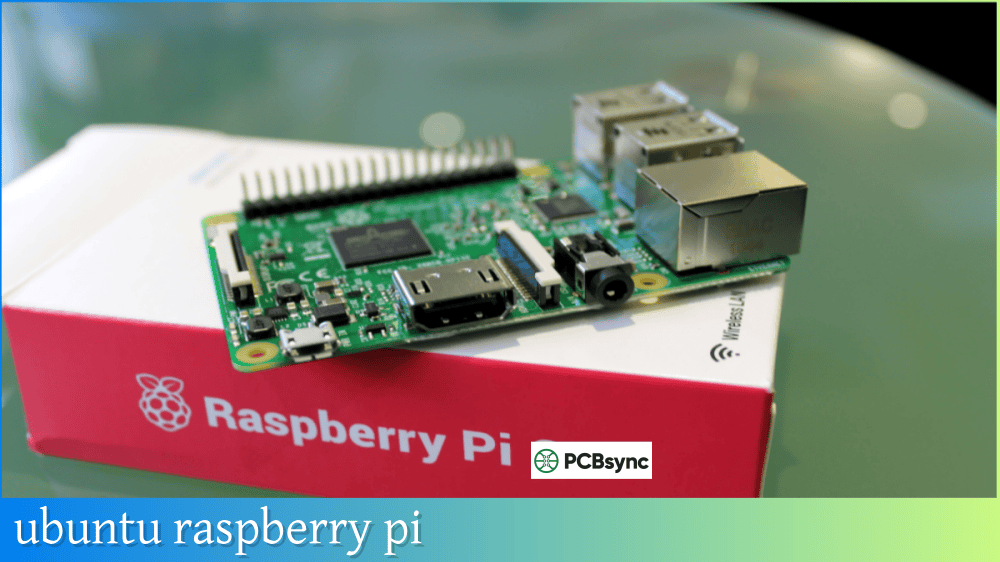
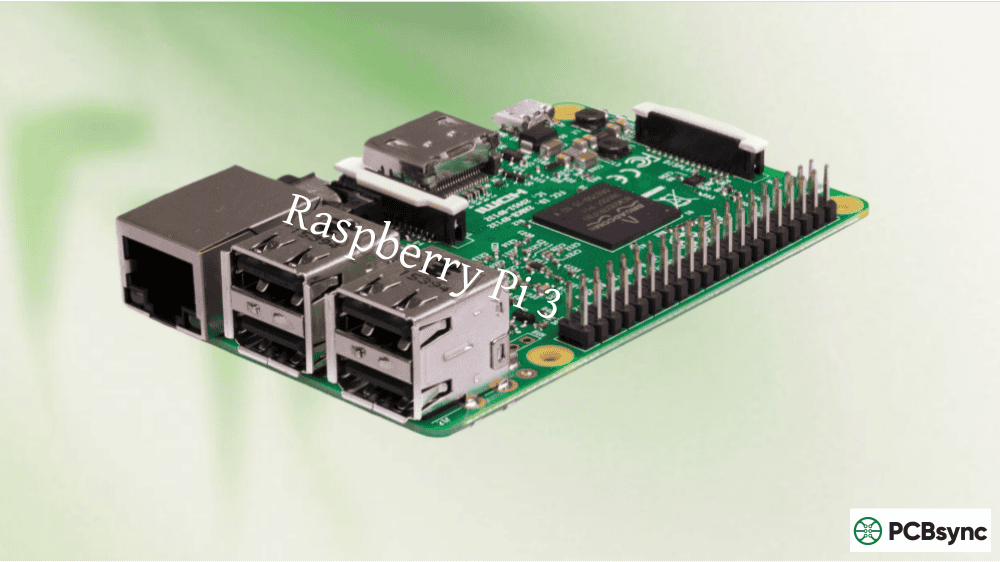
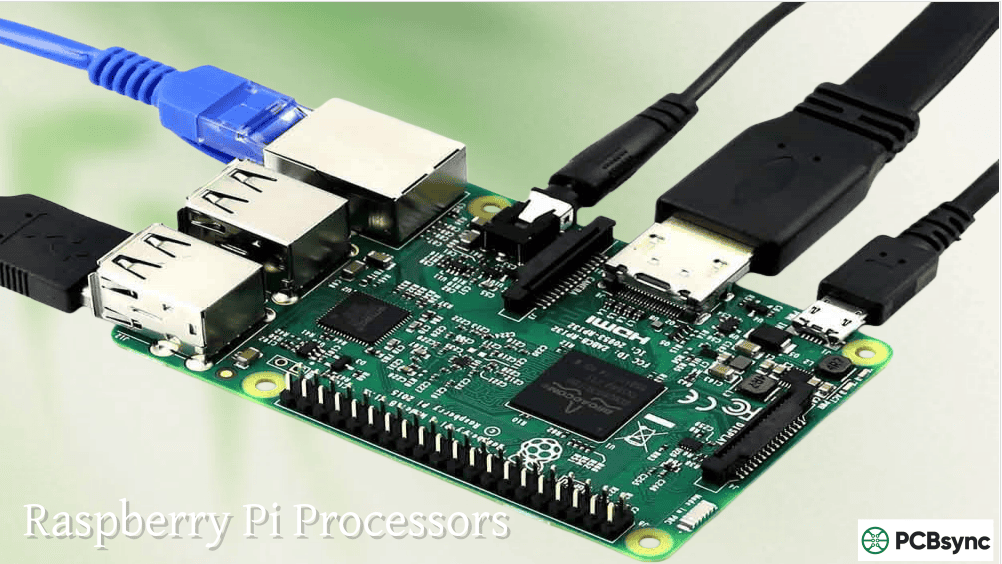
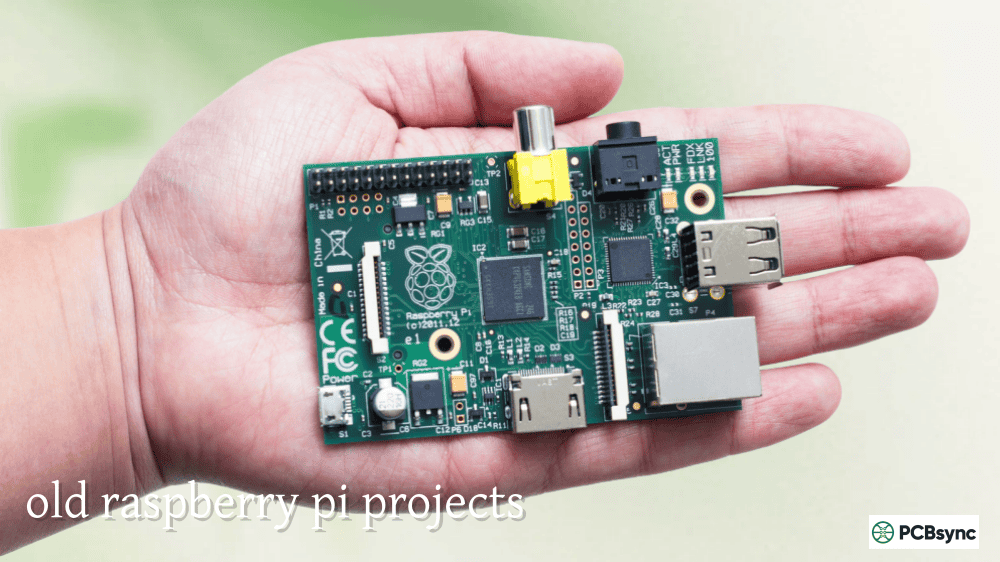
The Pi 3B+ arrived as an incremental upgrade to the original Pi 3 Model B. It packs a 1.4GHz quad-core Cortex-A53 processor, 1GB LPDDR2 RAM, dual-band 802.11ac Wi-Fi, Gigabit Ethernet (capped at around 300Mbps due to USB 2.0 bottleneck), and Bluetooth 4.2 BLE. These specs were impressive for a $35 board in 2018.
What makes the Pi 3B+ particularly relevant in 2026 is what it doesn’t have: the power-hungry components that make newer boards less suitable for certain applications. The board draws approximately 400mA idle (roughly 2W), compared to the Pi 4’s 600mA and the Pi 5’s significantly higher draw under load.
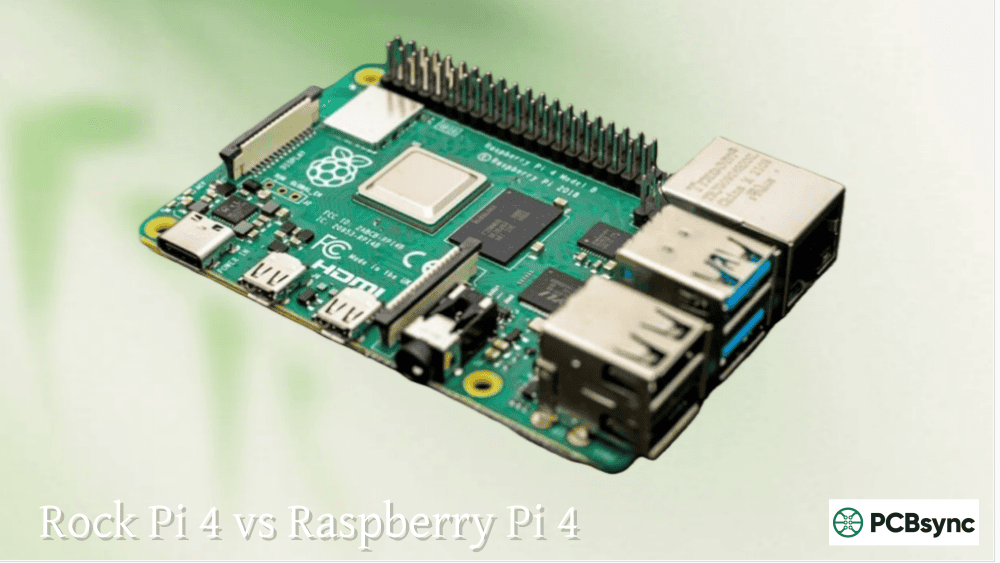
Raspberry Pi 3 B+ vs Pi 4 vs Pi 5: Quick Comparison
Specification
Raspberry Pi 3 B+
Raspberry Pi 4 B
Raspberry Pi 5
CPU
Cortex-A53 @ 1.4GHz
Cortex-A72 @ 1.5GHz
Cortex-A76 @ 2.4GHz
RAM
1GB LPDDR2
2/4/8GB LPDDR4
4/8GB LPDDR4X
Idle Power
~2W
~3W
~4W+
Ethernet
300Mbps (USB limited)
True Gigabit
True Gigabit
USB
4x USB 2.0
2x USB 2.0 + 2x USB 3.0
2x USB 2.0 + 2x USB 3.0
Video Out
Full HDMI
2x Micro-HDMI
2x Micro-HDMI
Power Input
Micro-USB (2.5A)
USB-C (3A)
USB-C (5A recommended)
Price (MSRP)
$35
$35-75
$60-80
Why the Raspberry Pi 3 B+ Still Makes Sense in 2026
Lower Power Consumption for Always-On Projects
I run three Raspberry Pi boards continuously at my home office. The Pi 3B+ running Pi-hole consumes roughly half the power of the Pi 4 doing equivalent tasks. Over a year of 24/7 operation, that difference adds up. For battery-powered applications or solar setups, this efficiency gap becomes even more pronounced.
Thermal Management Without Active Cooling
The Raspberry Pi 3 family runs considerably cooler than newer models. My Pi 3B+ sits in a basic passive case without heatsinks and barely breaks 50°C under typical server workloads. Try that with a Pi 4 or 5, and you’re looking at thermal throttling within minutes. For enclosed installations like inside a 3D printer enclosure or behind a TV, this matters significantly.
Standard HDMI and Micro-USB Compatibility
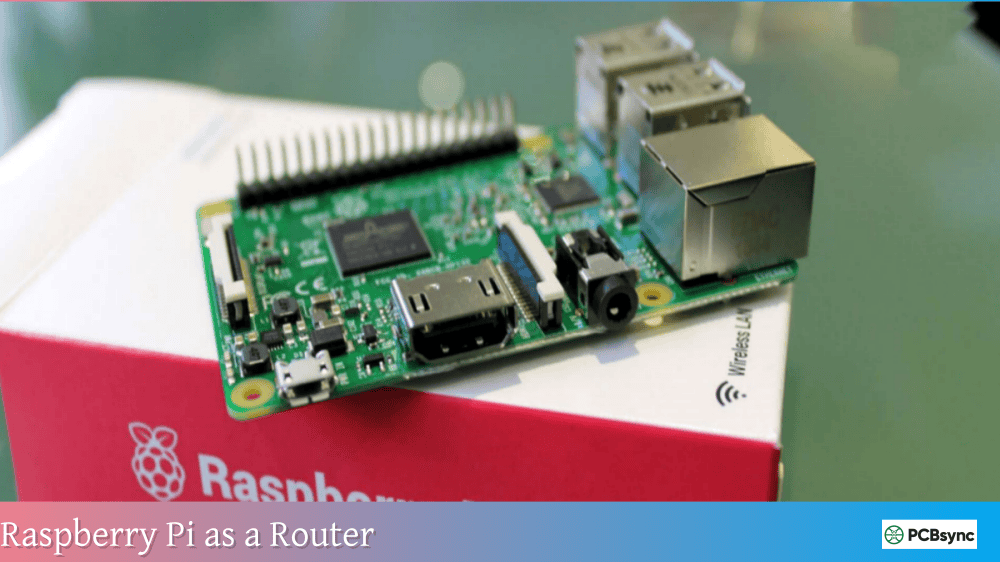
Here’s a practical concern that often gets overlooked: the Pi 3B+ uses full-size HDMI and micro-USB power. In 2026, you probably have dozens of micro-USB cables lying around. The Pi 4 and 5 require USB-C power and micro-HDMI adapters. If you’re setting up a quick project, not having to hunt down specific cables is surprisingly valuable.
Production Availability Through 2030
The Raspberry Pi Foundation has committed to keeping the Pi 3B+ in production until at least 2030. That’s unusual for tech hardware and provides confidence for anyone building a commercial product or long-term installation around this board.
Best Use Cases for the Raspberry Pi 3 B+ in 2026
After years of deploying these boards, I’ve found the Pi 3B+ excels at specific tasks while struggling with others. Here’s where it genuinely shines:
Network Services and DNS Filtering (Pi-hole)
Pi-hole runs beautifully on the Pi 3B+. The DNS filtering workload is lightweight, and the board handles network traffic for dozens of devices without breaking a sweat. My home network has been running Pi-hole on a Raspberry Pi 3 model since 2019, and I’ve never experienced performance issues or needed to upgrade.
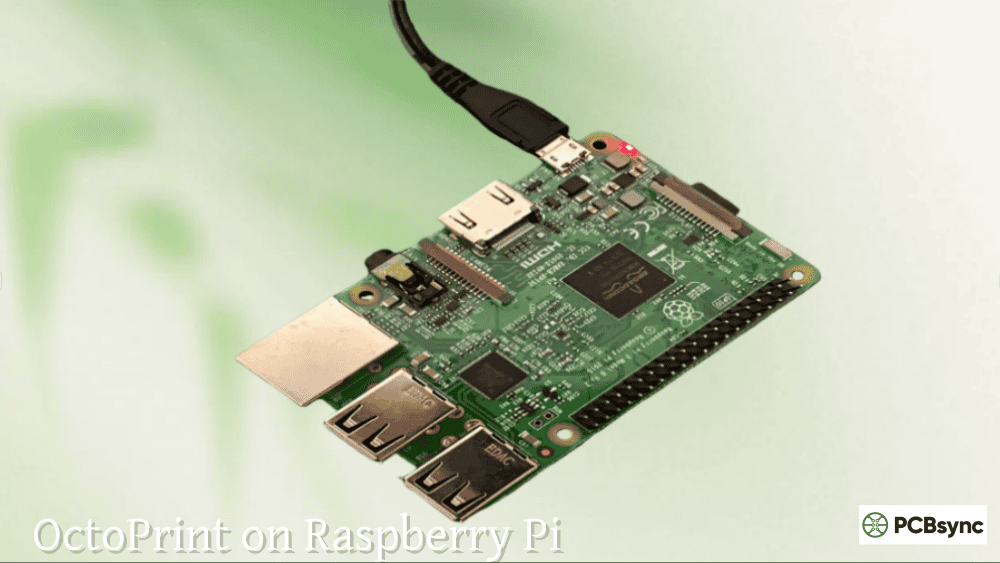
3D Printer Control with OctoPrint
OctoPrint is probably the killer application for the Pi 3B+ in 2026. The software officially recommends the Pi 3B+ or newer, and the older board handles G-code streaming and basic webcam monitoring without issues. The lower power consumption is actually a benefit here since the board often sits inside or near the printer enclosure where heat is already a concern.
Media Centers with Kodi or LibreELEC
1080p playback is smooth and reliable on the Pi 3B+. If you’re not chasing 4K or HDR content, there’s genuinely no reason to upgrade for media center use. The VideoCore IV GPU handles hardware decoding efficiently, and the full-size HDMI port simplifies TV connections.
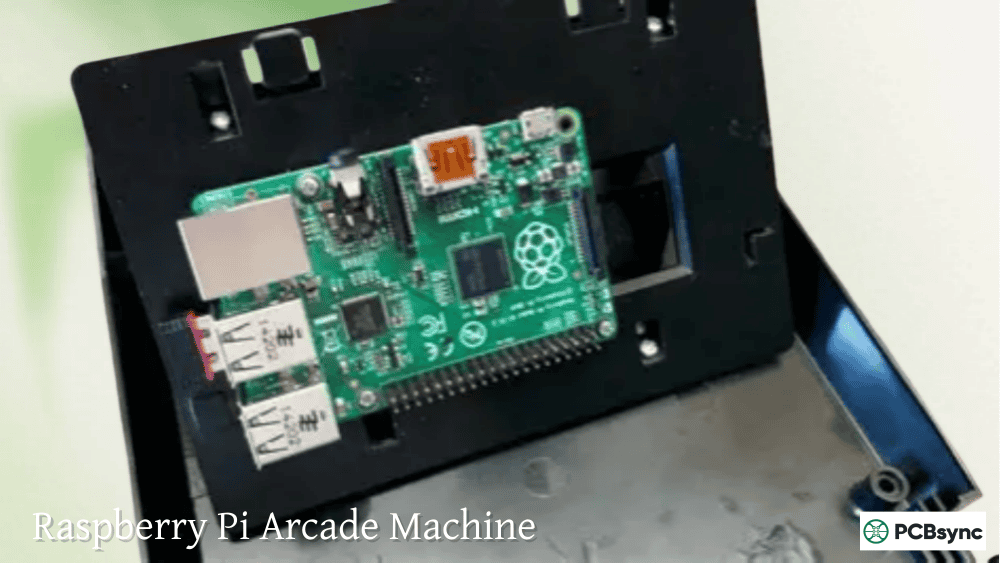
Retro Gaming with RetroPie
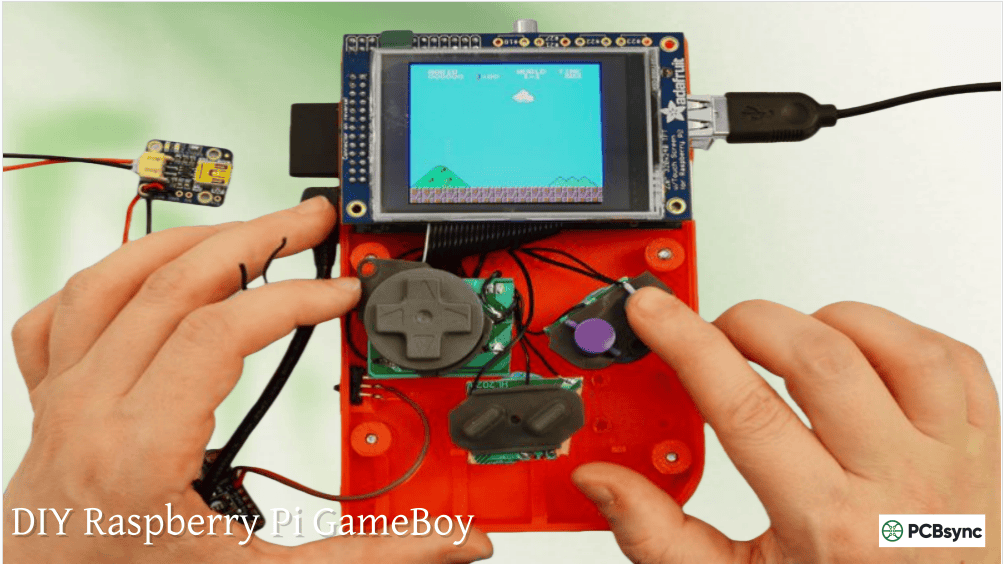
The Raspberry Pi 3 models remain the sweet spot for retro gaming emulation. Systems from the NES era through PlayStation 1 run excellently. RetroPie and Batocera are both well-optimized for this hardware. While the Pi 4 and 5 can handle more demanding emulation, the Pi 3B+ covers probably 90% of what most retro gaming enthusiasts actually want to play.
Home Automation Hub (Light Workloads)
For a dedicated Home Assistant installation with a moderate number of integrations and devices, the Pi 3B+ remains viable in 2026. However, I’d be cautious here. Heavy Home Assistant setups with many addons, automations, and integrations can overwhelm the 1GB RAM. Consider the Pi 4 if you’re planning an extensive smart home deployment.
Educational and Learning Projects
For anyone learning Linux, Python, or embedded electronics, the Pi 3B+ provides more than enough capability while being forgiving of mistakes. Lower power demands mean you’re less likely to damage the board with an inadequate power supply, and the extensive documentation from years of community support means you’ll find answers to virtually any problem.
Raspberry Pi 3 B+ Technical Specifications Table
Component
Specification
SoC
Broadcom BCM2837B0
CPU
Quad-core ARM Cortex-A53 @ 1.4GHz
GPU
Broadcom VideoCore IV @ 400MHz
RAM
1GB LPDDR2 SDRAM
Wireless
2.4GHz/5GHz 802.11ac Wi-Fi
Bluetooth
Bluetooth 4.2/BLE
Ethernet
Gigabit Ethernet (max 300Mbps)
USB Ports
4x USB 2.0
GPIO
40-pin header
Video Output
Full-size HDMI, MIPI DSI
Camera
MIPI CSI-2
Storage
MicroSD slot
Power
5V/2.5A via Micro-USB
PoE Support
Yes (with HAT)
Dimensions
85mm x 56mm
When You Should Skip the Pi 3B+ and Buy Newer
Let me be direct about where the Raspberry Pi 3 falls short in 2026:
Desktop replacement use: Don’t attempt to use the Pi 3B+ as a daily desktop computer. The 1GB RAM and older CPU make modern web browsing painful. Chrome or Firefox will consume the available RAM with just a few tabs open.
Machine learning or AI projects: Even lightweight ML models struggle on the Pi 3B+. If you’re experimenting with TensorFlow Lite or running local LLMs, the Pi 4 with 4GB+ RAM is the minimum, and the Pi 5 is strongly preferred.
High-resolution video work: The Pi 3B+ caps out at 1080p. Any 4K ambitions require newer hardware with the VideoCore VI GPU.
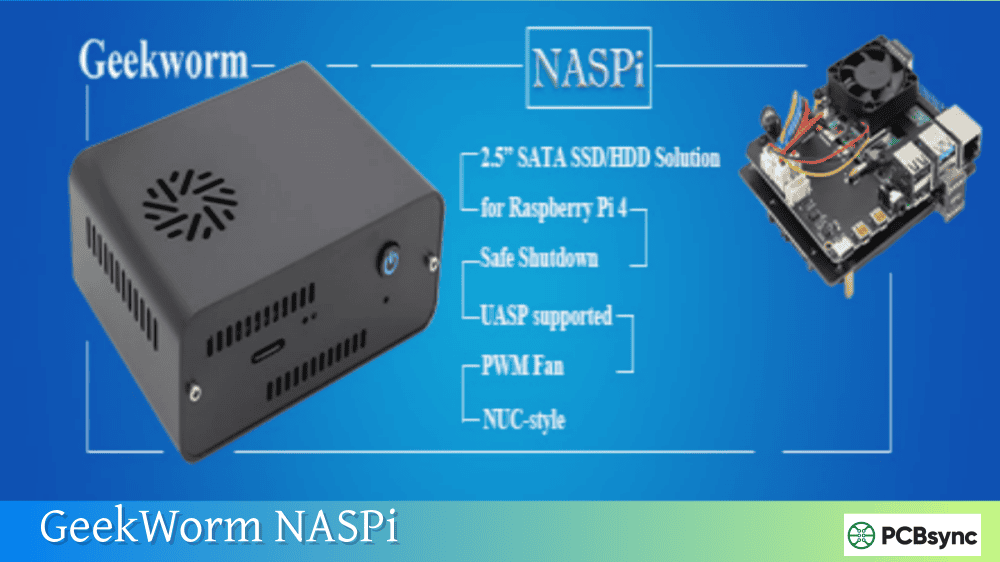
Demanding network applications: If you need actual Gigabit speeds for a NAS or media server, the USB 2.0 bottleneck on the Pi 3B+ will frustrate you. The Pi 4 removed this limitation.
Multiple concurrent workloads: Running OctoPrint, Pi-hole, and Home Assistant on a single Pi 3B+ isn’t advisable. The limited RAM and single-core performance under load mean one of those services will eventually suffer.
Power Consumption Optimization Tips for Raspberry Pi 3 B+
If you’re running the Pi 3B+ on battery or prioritizing efficiency, consider these tweaks:
Disable HDMI output when running headless. This saves approximately 30mA. The command is straightforward:
/opt/vc/bin/tvservice -o
Turn off the onboard LEDs by editing /boot/config.txt:
dtparam=act_led_trigger=none
dtparam=act_led_activelow=on
Disable Bluetooth and Wi-Fi if you’re using Ethernet:
dtoverlay=disable-wifi
dtoverlay=disable-bt
These optimizations can reduce idle power consumption from roughly 2W down to under 1.5W, which significantly extends battery runtime in portable projects.
Useful Resources for Raspberry Pi 3 B+ Users
Here are the essential links you’ll need when working with your Pi 3B+:
Resource
URL
Purpose
Raspberry Pi OS Downloads
raspberrypi.com/software
Official operating system images
Pi-hole
pi-hole.net
Network-wide ad blocking
OctoPrint/OctoPi
octoprint.org/download
3D printer control
RetroPie
retropie.org.uk
Retro gaming distribution
Home Assistant
home-assistant.io
Home automation platform
Kodi/LibreELEC
libreelec.tv
Media center OS
RaspberryTips
raspberrytips.com
Tutorials and guides
Official Documentation
raspberrypi.com/documentation
Technical reference
Setting Up Your Raspberry Pi 3 B+ in 2026
Getting started with a Pi 3B+ today is straightforward. Download the Raspberry Pi Imager from the official site, select your desired operating system (Raspberry Pi OS Lite for servers, full desktop for general use), and flash it to a microSD card. I recommend at least a 16GB Class 10 card for reliability.
For server workloads like Pi-hole or OctoPrint, use the Lite version without the desktop environment. The graphical interface consumes precious RAM that lightweight services don’t need.
Connect your power supply last. The Pi 3B+ is less finnicky about power than the Pi 4, but a quality 2.5A supply prevents random crashes under load. Many older phone chargers work fine, but check that they actually deliver 5V under load.
Frequently Asked Questions About Raspberry Pi 3 B+
Is the Raspberry Pi 3 B+ discontinued?
No. The Raspberry Pi 3 B+ remains in production with availability guaranteed through at least 2030. You can still purchase new units from authorized resellers at the original $35 price point, though retail availability sometimes varies by region.
Can I run the latest Raspberry Pi OS on a Pi 3B+?
Yes. Raspberry Pi OS Bookworm (the current release in 2026) fully supports the Raspberry Pi 3 B+ with both 32-bit and 64-bit versions. The 64-bit version provides modest performance improvements in certain workloads but requires slightly more RAM.
What’s the maximum SD card size for the Raspberry Pi 3 B+?
The Pi 3B+ supports microSDXC cards up to 2TB theoretically, though practical limits are around 512GB with current testing. For most applications, a 32GB or 64GB card provides ample storage without the cost premium of larger capacities.
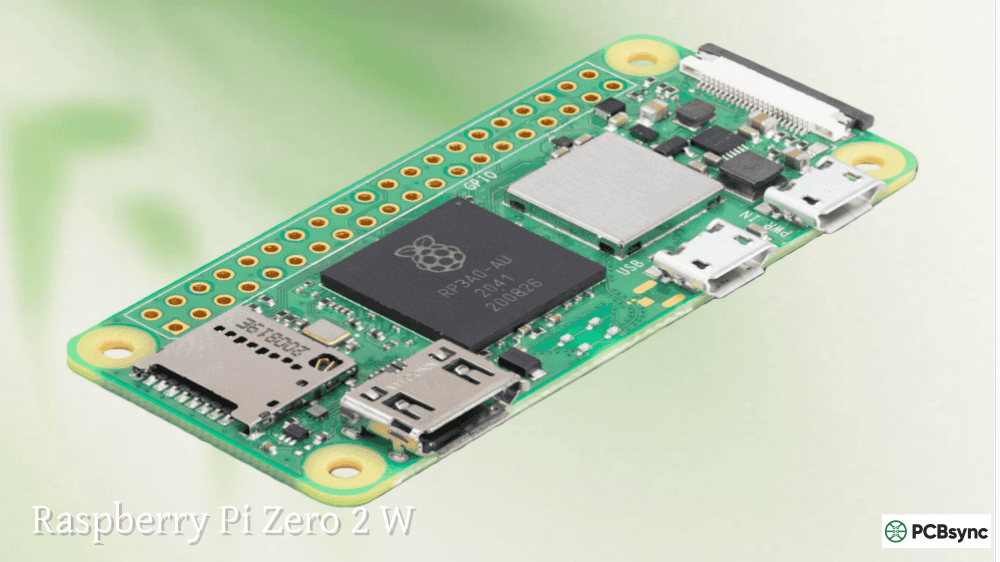
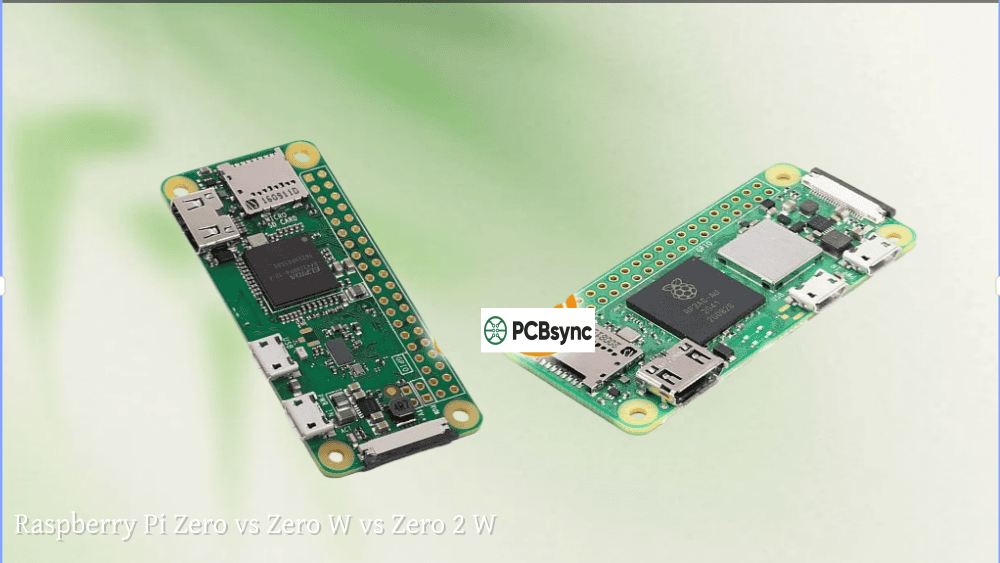
Should I buy a Raspberry Pi 3 B+ or Pi Zero 2 W?
For equivalent server workloads, the Pi 3B+ offers better value. The Pi Zero 2 W has a similar CPU but half the RAM (512MB), no Ethernet port, and limited USB connectivity. Choose the Zero 2 W only when physical size constraints are paramount.
Can I use a Raspberry Pi 3 B+ for 24/7 operation?
Absolutely. The Pi 3B+ is well-suited for continuous operation. Use a quality power supply, ensure adequate ventilation (though active cooling isn’t required for most workloads), and preferably mount the SD card image to minimize write wear. I have Pi 3B+ boards that have run continuously for over five years without hardware failure.
Final Verdict: Raspberry Pi 3 B+ Value Proposition in 2026
The Raspberry Pi 3 B+ occupies a specific niche in 2026 that newer boards don’t address as well. For dedicated, single-purpose applications that don’t demand high performance, the combination of proven reliability, low power consumption, standard connectors, and long-term availability makes it a genuinely practical choice.
If you’re building a Pi-hole server, OctoPrint installation, retro gaming station, or basic media center, the Pi 3B+ delivers exactly what you need without excess capability you’ll never use. The money saved over a Pi 5 can go toward better peripherals, additional storage, or simply stay in your pocket.
However, approach the Raspberry Pi 3 family with realistic expectations. It’s not a general-purpose computer replacement, won’t handle cutting-edge software efficiently, and shouldn’t be your choice for expandable or future-proof projects. Know the limitations, match them against your requirements, and the Pi 3B+ might be exactly the right tool for your next project.
As an engineer who has deployed hundreds of these boards across various projects, I still recommend the Pi 3B+ to hobbyists and professionals alike, provided the application fits the hardware’s strengths. In a market obsessed with upgrading to the latest specifications, there’s something refreshing about a proven platform that simply works.
Inquire: Call 0086-755-23203480, or reach out via the form below/your sales contact to discuss our design, manufacturing, and assembly capabilities.
Quote: Email your PCB files to Sales@pcbsync.com (Preferred for large files) or submit online. We will contact you promptly. Please ensure your email is correct.
Notes: For PCB fabrication, we require PCB design file in Gerber RS-274X format (most preferred), *.PCB/DDB (Protel, inform your program version) format or *.BRD (Eagle) format. For PCB assembly, we require PCB design file in above mentioned format, drilling file and BOM. Click to download BOM template To avoid file missing, please include all files into one folder and compress it into .zip or .rar format.