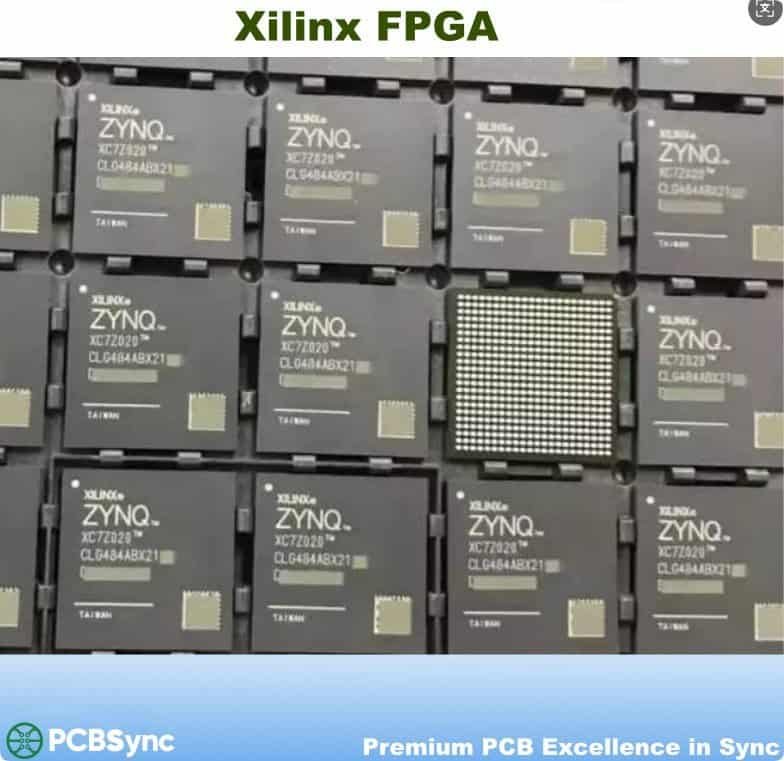
Overview of XCV300E-6BG352C Field Programmable Gate Array
The XCV300E-6BG352C is a powerful Field Programmable Gate Array (FPGA) from AMD Xilinx’s Virtex-E family, designed to deliver exceptional performance for complex digital applications. This advanced programmable logic device combines high-speed processing capabilities with flexible configuration options, making it an ideal choice for engineers developing sophisticated embedded systems, telecommunications equipment, and high-performance computing solutions.
Originally manufactured by Xilinx (now part of AMD), this FPGA represents a significant advancement in programmable logic technology, offering enhanced capabilities over standard gate array solutions while maintaining the flexibility that makes FPGAs invaluable in modern electronic design.
Key Technical Specifications
Core Performance Features
| Specification |
Value |
| Part Number |
XCV300E-6BG352C |
| Manufacturer |
AMD (formerly Xilinx) |
| Product Family |
Virtex-E |
| System Gates |
82,944K Gates |
| Logic Cells |
6,912 Cells |
| Maximum Frequency |
357 MHz |
| RAM Bits |
131,072 bits |
| I/O Pins |
260 I/O |
Package and Physical Characteristics
| Feature |
Specification |
| Package Type |
352-LBGA (Low-Profile Ball Grid Array) |
| Package Configuration |
Metal BGA with Exposed Pad |
| Pin Count |
352 Terminals |
| Mounting Type |
Surface Mount |
| Manufacturing Technology |
0.18μm CMOS Process |
| Metal Layers |
6-layer metal construction |
Electrical Specifications
| Parameter |
Rating |
| Supply Voltage |
1.8V nominal |
| Voltage Range |
1.71V ~ 1.89V |
| Speed Grade |
-6 (6ns) |
| Operating Temperature |
-40°C to +100°C (Junction Temperature) |
Why Choose XCV300E-6BG352C for Your FPGA Applications?
Advanced Architecture Benefits
The XCV300E-6BG352C leverages Xilinx’s optimized Virtex-E architecture, which delivers dramatic increases in silicon efficiency. The aggressive 6-layer metal 0.18μm CMOS process technology enables this FPGA to serve as a powerful and flexible alternative to traditional mask-programmed gate arrays.
Superior Design Flexibility
With 6,912 configurable logic cells and 131,072 RAM bits, the XCV300E-6BG352C provides extensive resources for implementing complex digital designs. The 260 I/O pins offer ample connectivity options for interfacing with various peripheral devices and systems.
High-Speed Performance
Operating at frequencies up to 357 MHz with a -6 speed grade, this Virtex-E FPGA delivers the performance needed for demanding real-time applications, digital signal processing, and high-throughput data processing tasks.
Common Applications and Use Cases
Telecommunications Systems
The XCV300E-6BG352C excels in telecommunications infrastructure, where its high-speed capabilities and programmable nature make it ideal for:
- Digital signal processing in communication systems
- Protocol conversion and data routing
- Software-defined radio implementations
- Network processing equipment
Industrial Automation
Engineers utilize this FPGA in industrial control systems for:
- Motion control applications
- Machine vision processing
- Real-time data acquisition systems
- Industrial networking interfaces
High-Performance Computing
The device’s architecture supports:
- Custom compute accelerators
- Parallel processing implementations
- Algorithm acceleration
- High-speed data processing pipelines
Embedded Systems Development
Perfect for embedded applications requiring:
- Custom peripheral interfaces
- System-on-chip (SoC) prototyping
- Legacy system modernization
- Complex state machine implementations
Technical Advantages of Virtex-E FPGA Technology
Enhanced Silicon Efficiency
The Virtex-E family architecture optimizes place-and-route efficiency, allowing designers to achieve higher utilization rates and better performance compared to earlier FPGA generations.
Rich Interconnect Resources
The XCV300E-6BG352C features a hierarchical interconnect structure that provides:
- Fast signal routing between logic blocks
- Flexible connectivity options
- Reduced routing congestion
- Predictable timing characteristics
Advanced Process Technology
Built on a 0.18-micron CMOS process with 6 metal layers, this FPGA achieves:
- Lower power consumption
- Higher integration density
- Improved signal integrity
- Better thermal performance
Design Considerations and Implementation Guidelines
Power Supply Requirements
When designing with the XCV300E-6BG352C, ensure proper power supply implementation:
- Maintain 1.8V core voltage within ±5% tolerance
- Implement appropriate decoupling capacitors
- Consider power sequencing requirements
- Plan for adequate thermal management
PCB Design Recommendations
For optimal performance:
- Use controlled impedance routing for high-speed signals
- Implement proper ground plane strategies
- Maintain adequate clearance around the BGA package
- Follow manufacturer’s footprint guidelines
- Consider signal integrity for critical paths
Development Tool Support
The XCV300E-6BG352C is supported by industry-standard FPGA development tools, enabling efficient design, simulation, and implementation workflows.
Comparison with Related Virtex-E Family Devices
XCV300E Package Variants
| Part Number |
Package |
I/O Count |
Key Difference |
| XCV300E-6BG352C |
352-BGA |
260 |
Standard commercial grade |
| XCV300E-6BG432C |
432-BGA |
Higher I/O |
Larger package option |
| XCV300E-6FG256C |
256-FBGA |
176 |
Compact footprint |
| XCV300E-6FG456C |
456-FBGA |
Higher I/O |
Maximum I/O configuration |
Speed Grade Options
The Virtex-E family offers different speed grades to match performance requirements and budget constraints. The -6 speed grade provides an excellent balance of performance and cost-effectiveness for most applications.
Procurement and Availability Information
Product Status
Important Note: The XCV300E-6BG352C is currently classified as an obsolete/discontinued product by the original manufacturer. However, it remains available through authorized distributors and electronic component suppliers who maintain inventory for legacy system support and existing design continuity.
Quality Assurance
When sourcing the XCV300E-6BG352C:
- Verify authenticity through authorized distributors
- Request proper documentation and certificates
- Ensure parts meet original datasheet specifications
- Check for proper ESD protection packaging
- Confirm date codes and manufacturing lots
Alternative Solutions
For new designs, consider exploring current-generation Xilinx FPGA options that offer enhanced features, improved performance, and long-term availability. Modern Xilinx and AMD FPGA families provide backward-compatible development tools and migration paths from Virtex-E designs.
Integration and Support Resources
Design Resources
Successful implementation of the XCV300E-6BG352C requires:
- Access to complete datasheet documentation
- Reference design examples
- Application notes specific to the Virtex-E family
- Timing and power analysis tools
- Simulation models for system verification
Technical Support Considerations
When working with this legacy FPGA:
- Maintain documentation from original designs
- Archive development tool versions
- Preserve configuration bitstreams
- Document any custom IP cores
- Plan for potential future migrations
Environmental and Compliance Information
RoHS Status
The XCV300E-6BG352C is classified as RoHS non-compliant, which is important to consider for:
- New product development in regulated markets
- Export requirements
- Environmental compliance obligations
- End-of-life disposal planning
Handling and Storage
To maintain device reliability:
- Store in ESD-protective packaging
- Control humidity and temperature exposure
- Follow moisture sensitivity level (MSL) guidelines
- Implement proper ESD control procedures during handling
- Use appropriate reflow soldering profiles
Frequently Asked Questions About XCV300E-6BG352C
What makes the Virtex-E family suitable for high-performance applications?
The Virtex-E architecture combines optimized logic cell design, abundant routing resources, and advanced process technology to deliver superior performance. The 0.18μm process enables higher operating frequencies while the hierarchical interconnect structure ensures efficient signal routing.
Can the XCV300E-6BG352C be used in new designs?
While technically possible, using discontinued components in new designs presents long-term support challenges. For new projects, consider current-generation FPGAs that offer better performance, improved tools, and guaranteed long-term availability.
What is the difference between speed grades?
Speed grades indicate the maximum performance capabilities of the FPGA. The -6 designation represents a specific timing grade, with lower numbers indicating faster performance. Speed grade selection should balance performance requirements with system cost.
How does BGA package impact board design?
The 352-pin BGA package requires specific PCB design considerations including controlled impedance traces, adequate via design, and proper thermal management. Professional PCB layout tools and expertise are recommended for successful implementation.
What development tools support this device?
The XCV300E-6BG352C is supported by Xilinx ISE (Integrated Software Environment) design tools. Ensure compatibility with your specific tool version, as newer tool releases may have limited support for legacy devices.
Conclusion: XCV300E-6BG352C for Legacy System Support
The XCV300E-6BG352C represents proven FPGA technology that has powered countless applications across telecommunications, industrial automation, and embedded systems. While classified as obsolete for new designs, this Virtex-E family device remains crucial for maintaining and supporting existing systems.
For engineers supporting legacy equipment or completing designs already utilizing this component, the XCV300E-6BG352C delivers reliable performance with well-understood characteristics. The extensive documentation and design resources available make it possible to maintain and modify existing implementations effectively.
Organizations planning long-term product lifecycles should explore migration paths to current-generation Xilinx FPGA solutions while maintaining support for existing XCV300E-6BG352C deployments. This balanced approach ensures both immediate operational continuity and future system sustainability.