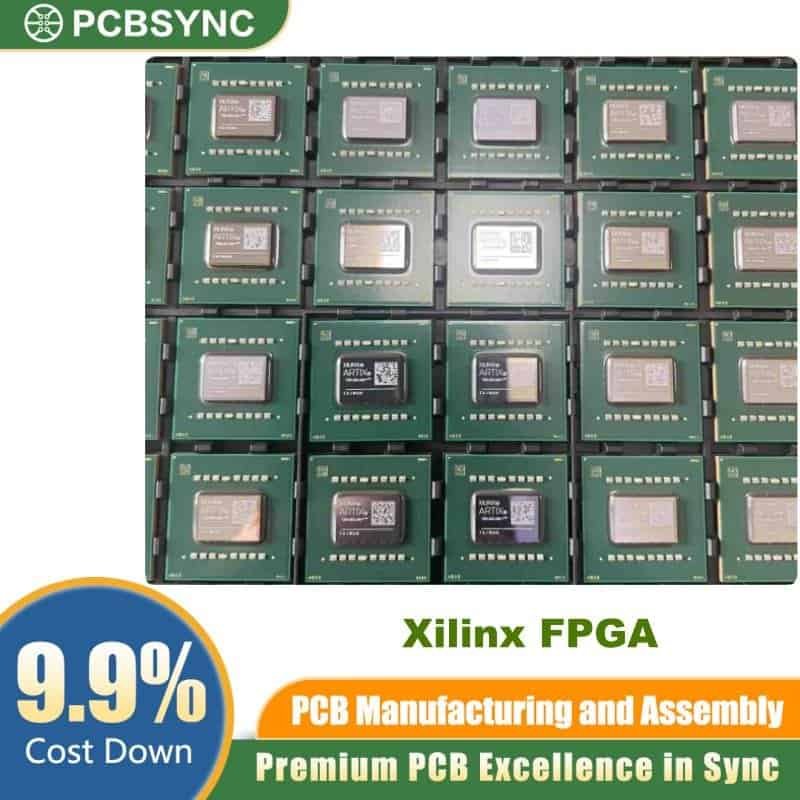
Product Overview: XC3195-3PG223C FPGA
The XC3195-3PG223C is a sophisticated Field Programmable Gate Array manufactured by Rochester Electronics LLC, originally designed by Xilinx. This versatile FPGA belongs to the acclaimed XC3000 Series and delivers exceptional performance for complex digital circuit applications. Engineers and designers seeking reliable programmable logic solutions will find this component ideal for telecommunications, industrial control systems, and embedded computing applications.
Technical Specifications and Features
Core Architecture Specifications
The XC3195-3PG223C represents a pinnacle of Logic Cell Array technology, offering designers a comprehensive platform for implementing custom digital logic. This CMOS-based FPGA integrates configurable logic blocks with programmable interconnects, enabling flexible circuit design and rapid prototyping.
| Specification |
Details |
| Part Number |
XC3195-3PG223C |
| Manufacturer |
Rochester Electronics LLC (Original: Xilinx) |
| Product Family |
XC3000 Series FPGAs |
| Package Type |
PG223 (223-pin Plastic Grid Array) |
| Speed Grade |
-3 (Standard Performance) |
| Technology |
CMOS Logic Cell Array (LCA) |
| Operating Temperature |
Commercial Grade (0°C to +70°C) |
| Mounting Type |
Surface Mount Technology (SMT) |
Key Features and Capabilities
The XC3195-3PG223C FPGA incorporates several advanced features that make it suitable for demanding applications:
- High-Density Logic Integration: Thousands of configurable logic blocks provide extensive design flexibility
- Programmable Interconnect Architecture: Flexible routing resources enable efficient signal distribution
- Input/Output Block Configuration: Multiple I/O standards support for versatile interface requirements
- User-Programmable Design: Reconfigurable architecture allows for design iterations and updates
- Commercial Temperature Range: Reliable operation across standard industrial environments
Package Information and Physical Characteristics
| Parameter |
Value |
| Package Style |
PG (Plastic Grid Array) |
| Total Pin Count |
223 pins |
| Mounting Technology |
Surface Mount |
| Moisture Sensitivity Level |
MSL 3 |
| Lead-Free Status |
RoHS Compliant Options Available |
Applications and Use Cases
Industrial Applications
The XC3195-3PG223C excels in industrial automation environments where programmable logic provides critical control functions. Manufacturing equipment, process control systems, and robotics platforms benefit from the FPGA’s adaptable architecture.
Telecommunications Systems
Digital signal processing applications in telecommunications infrastructure leverage the high-speed logic capabilities of this FPGA. Protocol converters, network switches, and communication interfaces utilize its flexible design architecture.
Embedded Computing Solutions
Embedded systems requiring custom logic implementation find this Xilinx FPGA particularly valuable for hardware acceleration, peripheral interfacing, and real-time data processing tasks.
Testing and Measurement Equipment
Laboratory instrumentation and automated test equipment benefit from the reconfigurable nature of this FPGA, allowing for adaptive measurement algorithms and flexible signal processing.
Performance Characteristics
Speed Grade Analysis
| Performance Metric |
Specification |
| Speed Grade |
-3 (Standard Commercial) |
| Maximum Operating Frequency |
Device-dependent, see datasheet |
| Propagation Delay |
Varies by configuration |
| Setup and Hold Times |
Configuration-specific |
Power Consumption
The XC3195-3PG223C demonstrates efficient power characteristics suitable for battery-operated and power-conscious applications. Actual consumption depends on utilization, switching frequency, and implemented logic complexity.
Design and Development Resources
Development Tools Compatibility
Engineers working with the XC3195-3PG223C can utilize comprehensive development environments including:
- Xilinx XACT Development System: Original design suite for schematic capture and place-and-route
- Modern EDA Tools: Compatible with contemporary FPGA design software
- Simulation Environments: Support for logic and timing verification
- Programming Solutions: In-circuit configuration and debugging capabilities
Integration Guidelines
Successful implementation of the XC3195-3PG223C requires attention to several design considerations:
- Power Supply Design: Proper decoupling and voltage regulation for core and I/O supplies
- Configuration Storage: External memory for bitstream storage and initialization
- Clock Distribution: Clean clock signals with appropriate buffering
- Signal Integrity: Controlled impedance routing for high-speed signals
- Thermal Management: Adequate cooling for high-utilization applications
Comparison Table: XC3195 Variants
| Part Number |
Speed Grade |
Package |
Temperature Range |
Application Focus |
| XC3195-3PG223C |
-3 (Standard) |
PG223 |
Commercial (0°C to 70°C) |
General Purpose |
| XC3195-4PG223C |
-4 (Enhanced) |
PG223 |
Commercial |
High-Performance |
| XC3195-5PG223C |
-5 (Premium) |
PG223 |
Commercial |
Maximum Speed |
Quality and Reliability
Manufacturing Standards
Rochester Electronics LLC maintains stringent quality control processes ensuring each XC3195-3PG223C meets original equipment manufacturer specifications. Components undergo comprehensive testing including:
- Electrical parameter verification
- Functional logic testing
- Temperature cycling validation
- Visual inspection and quality assurance
Long-Term Availability
As part of Rochester Electronics’ semiconductor continuance program, the XC3195-3PG223C remains available for legacy system maintenance and long-lifecycle applications where original Xilinx production has ceased.
Ordering Information and Availability
Package Marking and Identification
Each XC3195-3PG223C device features clear part number marking for traceability and inventory management. Date codes and lot identification ensure proper revision tracking.
Storage and Handling Recommendations
To maintain component reliability:
- Store in moisture-barrier packaging until ready for use
- Follow ESD precautions during handling and assembly
- Observe baking requirements for moisture-sensitive devices
- Use proper soldering profiles for surface mount assembly
Frequently Asked Questions
What makes the XC3195-3PG223C suitable for legacy system support?
This FPGA provides critical replacement capability for systems originally designed with Xilinx XC3000 Series devices, ensuring continued operation of equipment where redesign would be impractical or cost-prohibitive.
Can the XC3195-3PG223C replace earlier XC3195 variants?
While pin-compatible within the same package type, designers should verify speed grade requirements and timing specifications to ensure the -3 speed grade meets application performance needs.
What development tools support XC3195-3PG223C programming?
Original Xilinx XACT tools provide comprehensive support, while modern FPGA development environments may offer compatibility through legacy device libraries.
Is the XC3195-3PG223C suitable for new designs?
While available for new applications, engineers should consider current-generation FPGAs for designs requiring extended lifecycle support and access to contemporary development tools.
Conclusion
The XC3195-3PG223C Field Programmable Gate Array represents a proven solution for programmable logic applications across industrial, telecommunications, and embedded systems domains. Its robust architecture, comprehensive I/O capabilities, and reliable performance characteristics make it valuable for both legacy system maintenance and specialized new applications. Engineers seeking a dependable FPGA with established design methodologies will find the XC3195-3PG223C an excellent choice for their programmable logic requirements.
For comprehensive information about implementing Xilinx FPGA solutions in your next project, explore advanced design techniques and application examples from industry experts.