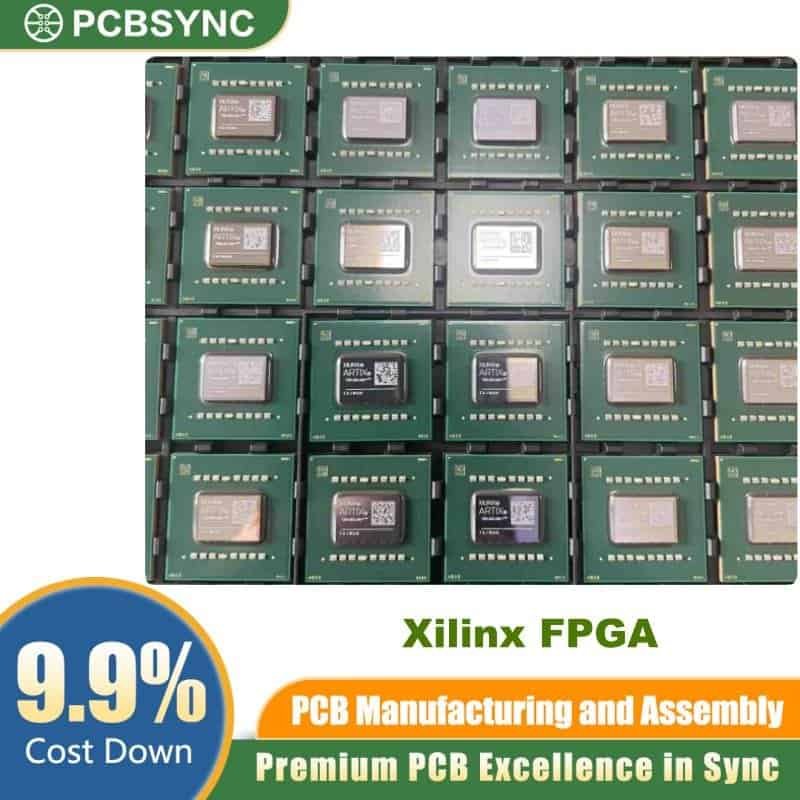
The XC2S200-6FGG1392C is a member of the renowned Xilinx Spartan-II Field Programmable Gate Array (FPGA) family. Designed to deliver a cost-effective solution for high-volume consumer electronics and industrial applications, this device bridges the gap between high-end performance and budget-conscious design. By leveraging a 0.18-nanometer process, the XC2S200 series provides a robust architecture that supports a wide range of logic integration and high-speed digital signal processing.
Key Technical Features of the XC2S200-6FGG1392C
The Spartan-II architecture is built to handle complex logic requirements while maintaining low power consumption. The XC2S200-6FGG1392C stands out due to its balance of system gates and user-defined I/Os.
Advanced Architecture and Logic Capacity
The XC2S200-6FGG1392C offers approximately 200,000 system gates, making it suitable for mid-range logic replacement and control functions. It features a rich set of Configurable Logic Blocks (CLBs) that allow for efficient implementation of synchronous and asynchronous designs.
Optimized Memory and I/O Performance
With dedicated block RAM and distributed RAM capabilities, this FPGA supports memory-intensive applications such as buffering and data queuing. The device also supports multiple I/O standards, including LVTTL, LVCMOS, and PCI, ensuring seamless integration with various peripheral components.
XC2S200-6FGG1392C Technical Specifications
To better understand the capabilities of the XC2S200-6FGG1392C, the following table summarizes its core electrical and physical parameters:
| Feature |
Specification |
| Series |
Spartan-II |
| System Gates |
200,000 |
| Logic Cells |
5,292 |
| Internal Block RAM |
57,344 bits |
| Maximum User I/O |
284 (Package Dependent) |
| Operating Voltage |
2.5V (Internal), 3.3V (I/O) |
| Speed Grade |
-6 |
| Package Type |
FGG1392 (Fine-pitch BGA) |
| Temperature Range |
0°C ~ 85°C (Commercial) |
Benefits of Using the Spartan-II XC2S200 Series
Choosing the XC2S200-6FGG1392C for your hardware design provides several competitive advantages, particularly for legacy support and cost-sensitive projects.
1. Cost-Efficiency for High Volume
The Spartan-II family was specifically engineered to minimize the cost per gate. This makes the XC2S200-6FGG1392C an ideal choice for products where the bill of materials (BOM) must be kept low without sacrificing FPGA flexibility.
2. Flexible Power Management
The dual-voltage supply (2.5V core and 3.3V I/O) allows the XC2S200-6FGG1392C to interface easily with legacy 5V systems as well as modern low-voltage components, providing high versatility in mixed-signal environments.
3. Rapid Development Cycle
With comprehensive support from Xilinx ISE design tools, engineers can quickly simulate, synthesize, and implement designs on the XC2S200-6FGG1392C, significantly reducing time-to-market.
Target Applications for XC2S200-6FGG1392C
Given its versatile logic density and I/O flexibility, this FPGA is widely used across various industries:
-
Industrial Automation: Used in PLC controllers and motor control units for real-time processing.
-
Consumer Electronics: Ideal for set-top boxes, digital displays, and home networking equipment.
-
Telecommunications: Supports protocol conversion and data framing in networking hardware.
-
Legacy System Maintenance: Often used as a drop-in replacement or logic upgrade for aging hardware systems.
Comparison Table: Spartan-II vs. Spartan-IIE Logic Density
| Device Model |
System Gates |
Typical CLB Array |
| XC2S15 |
15,000 |
8 x 12 |
| XC2S100 |
100,000 |
20 x 30 |
| XC2S200 |
200,000 |
28 x 42 |
| XC2S300E |
300,000 |
32 x 48 |
Conclusion
The XC2S200-6FGG1392C remains a reliable and efficient choice for designers looking for a proven FPGA architecture. Its 200k gate capacity, combined with the power of the Spartan-II family, ensures that it can handle modern digital logic challenges while remaining cost-effective. For those seeking high-quality components and detailed technical support for their silicon designs, finding a trusted supplier is essential.
For more information on sourcing and technical alternatives, visit the Xilinx FPGA LINK.