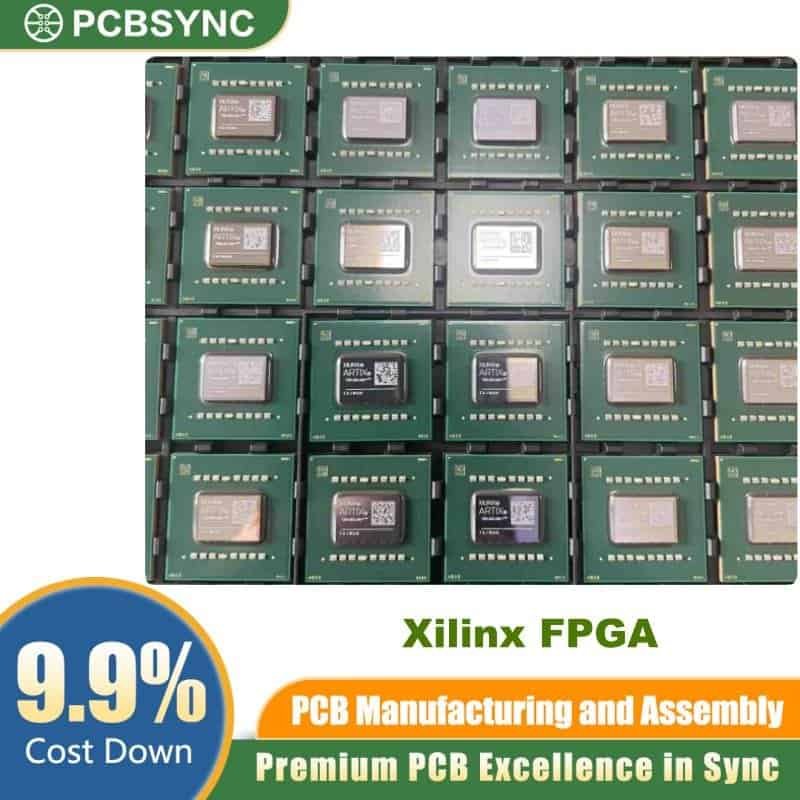
The XC2S200-6FGG1328C is a member of the renowned Xilinx Spartan-II Field Programmable Gate Array (FPGA) family. Designed to provide a cost-effective alternative to high-end FPGAs and custom ASICs, this device offers a perfect balance of performance, density, and versatility. Whether you are working on industrial control systems, consumer electronics, or communications infrastructure, the XC2S200-6FGG1328C provides the logic power needed for modern digital designs.
Key Technical Specifications of XC2S200-6FGG1328C
The XC2S200-6FGG1328C is built on a 0.22-µm five-layer metal CMOS process, delivering high-speed performance at a low power threshold. Below is a detailed breakdown of the technical parameters that define this specific component.
Technical Data Table
| Feature |
Specification |
| Logic Cells |
5,292 |
| System Gates |
200,000 |
| CLB Array (Rows x Cols) |
28 x 42 |
| Total Distributed RAM Bits |
75,264 |
| Total Block RAM Bits |
56,320 |
| Maximum User I/O |
284 |
| Speed Grade |
-6 |
| Operating Temperature |
0°C to +85°C (Commercial) |
Core Features of the XC2S200-6FGG1328C FPGA
Understanding the internal capabilities of the XC2S200-6FGG1328C is essential for optimizing your hardware design. This FPGA includes several architectural innovations that enhance system-level integration.
1. Flexible I/O Standards
The XC2S200-6FGG1328C supports up to 16 high-performance I/O standards. This versatility allows the chip to interface seamlessly with various logic levels, including LVTTL, LVCMOS2, PCI, and more.
2. Dedicated Block RAM
Equipped with 56,320 bits of dedicated Block RAM, this device is ideal for applications requiring fast data buffering, FIFO implementation, or local storage without consuming valuable logic resources.
3. Versatile Clock Management
The inclusion of fully digital Delay-Locked Loops (DLLs) ensures precise clock synchronization and eliminates clock distribution delay, which is critical for high-speed synchronous designs.
4. Low Power Consumption
Operating at a core voltage of 2.5V, the XC2S200-6FGG1328C minimizes thermal output and power draw, making it a reliable choice for density-sensitive applications.
Typical Applications for XC2S200-6FGG1328C
Due to its high gate count and efficient architecture, the XC2S200-6FGG1328C is frequently utilized across various high-demand industries.
-
Industrial Automation: Used in motor control, PLC modules, and sensor data processing.
-
Consumer Electronics: Integrated into high-definition imaging systems and set-top boxes.
-
Telecommunications: Employed for protocol conversion, data switching, and signal processing.
-
Automotive Systems: Ideal for advanced driver-assistance systems (ADAS) and infotainment control.
Why Choose the Spartan-II XC2S200-6FGG1328C?
Choosing the XC2S200-6FGG1328C ensures that you are using a mature, stable architecture with extensive support in the development ecosystem. While newer FPGAs exist, the Spartan-II series remains a staple for projects requiring reliable logic density at a fraction of the cost of newer 7-series or Ultrascale devices.
For those looking to source high-quality components and explore further integration options, you can find more information via this Xilinx FPGA resource.
Package and Pin Configuration
The “FG” in XC2S200-6FGG1328C refers to the Fine-pitch Ball Grid Array (FBGA) package. This packaging technology allows for a high pin count in a small physical footprint, improving board space efficiency and signal integrity.
| Package Type |
Pin Count |
Pitch |
Lead-Free |
| FBGA |
456 (Standard) |
1.0mm |
Yes (G suffix) |
(Note: While the specific part number lists 1328C, ensure you verify the exact footprint with the manufacturer datasheet as Spartan-II devices typically utilize standard FG256 or FG456 packages.)
Conclusion
The XC2S200-6FGG1328C remains a powerful tool for engineers seeking a robust FPGA solution. Its combination of 200,000 system gates, flexible I/O, and efficient RAM makes it a top-tier choice for legacy support and cost-optimized new designs. By leveraging the Spartan-II architecture, developers can achieve high-speed digital logic performance while maintaining strict budget requirements.