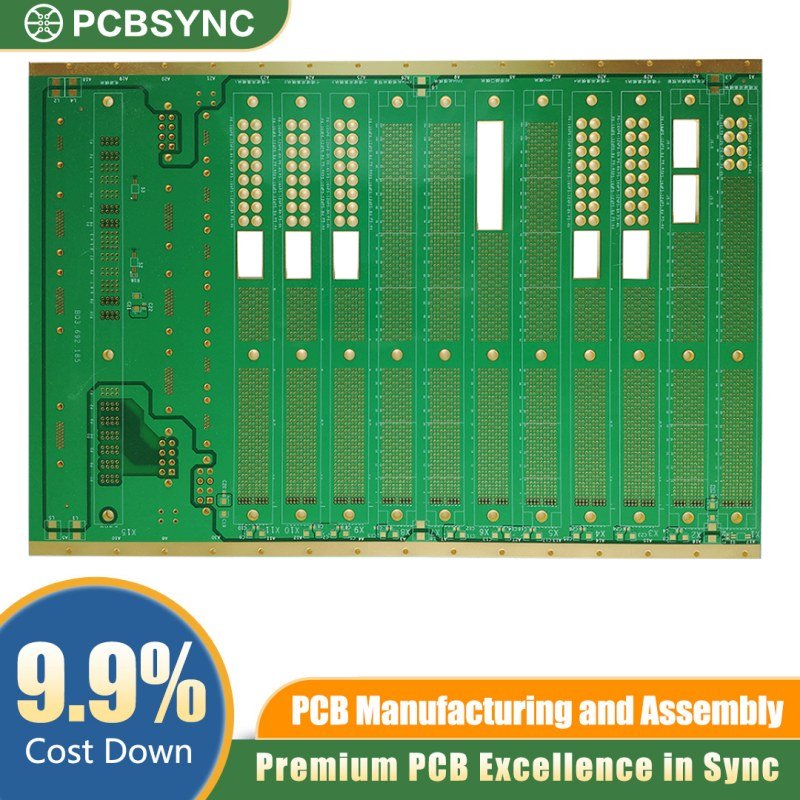
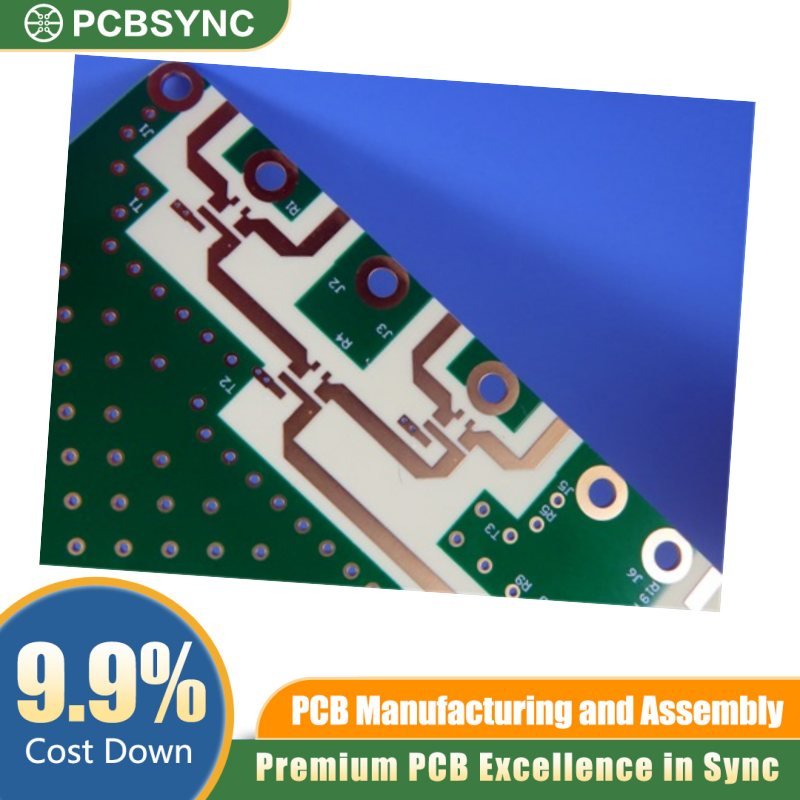
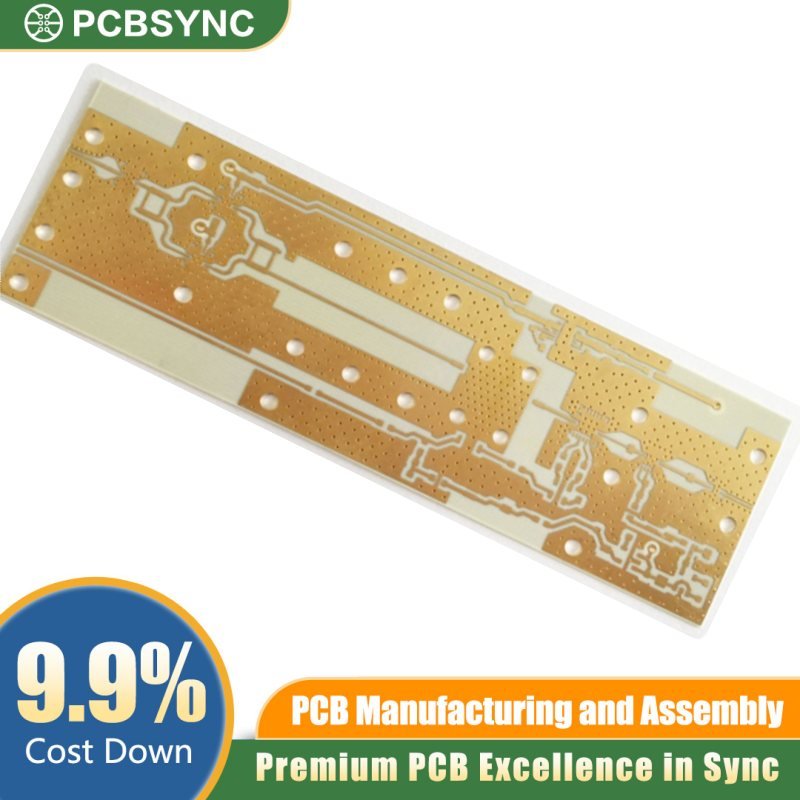
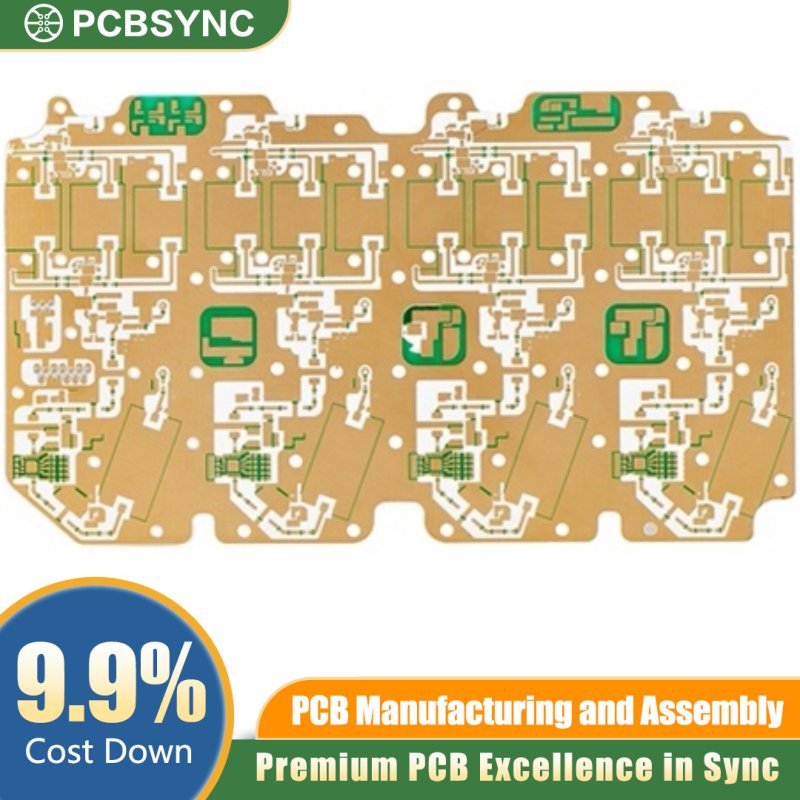
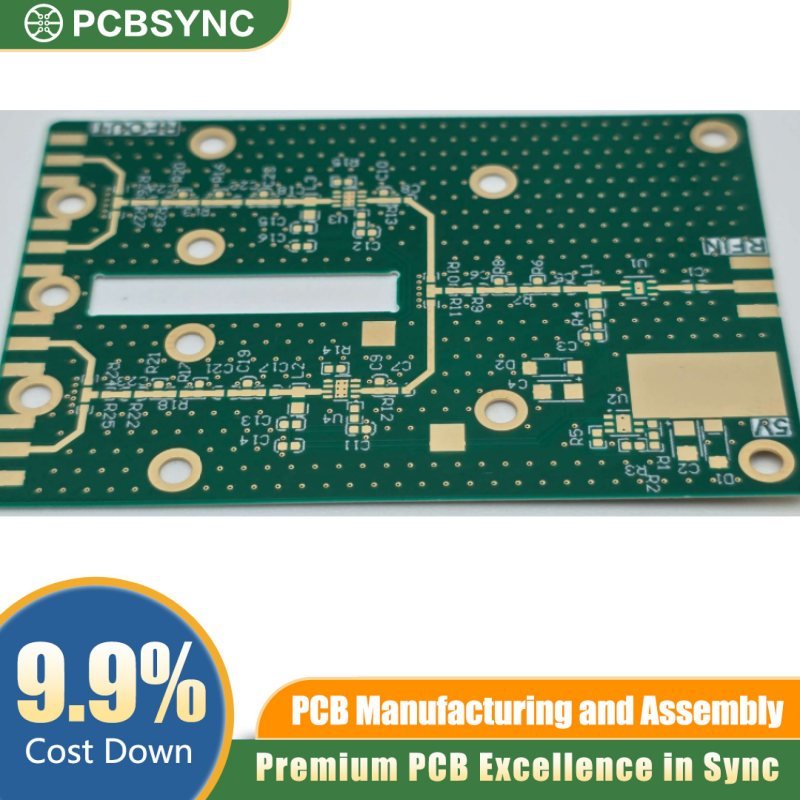
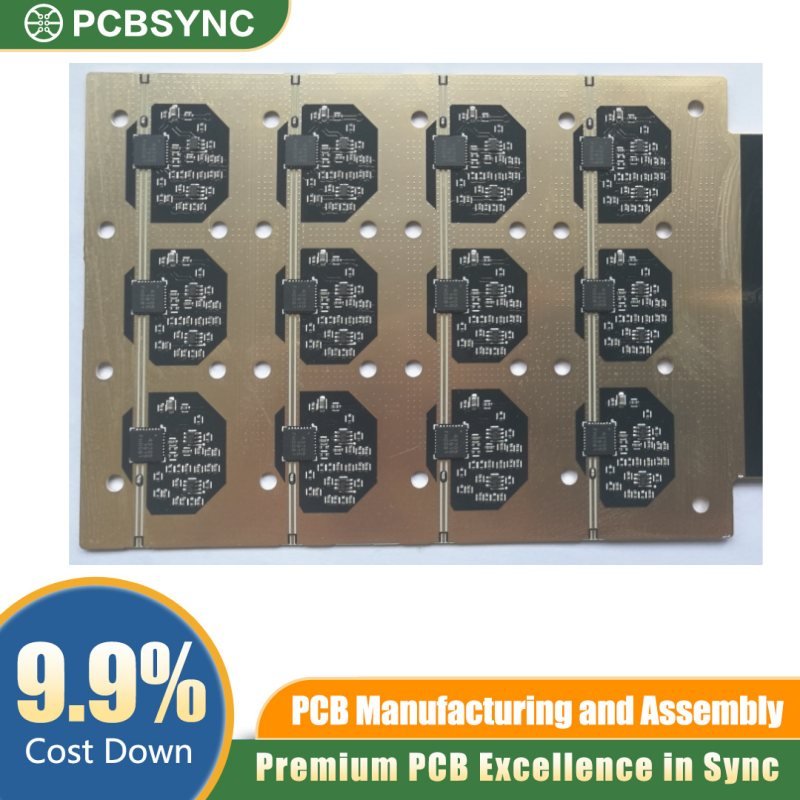
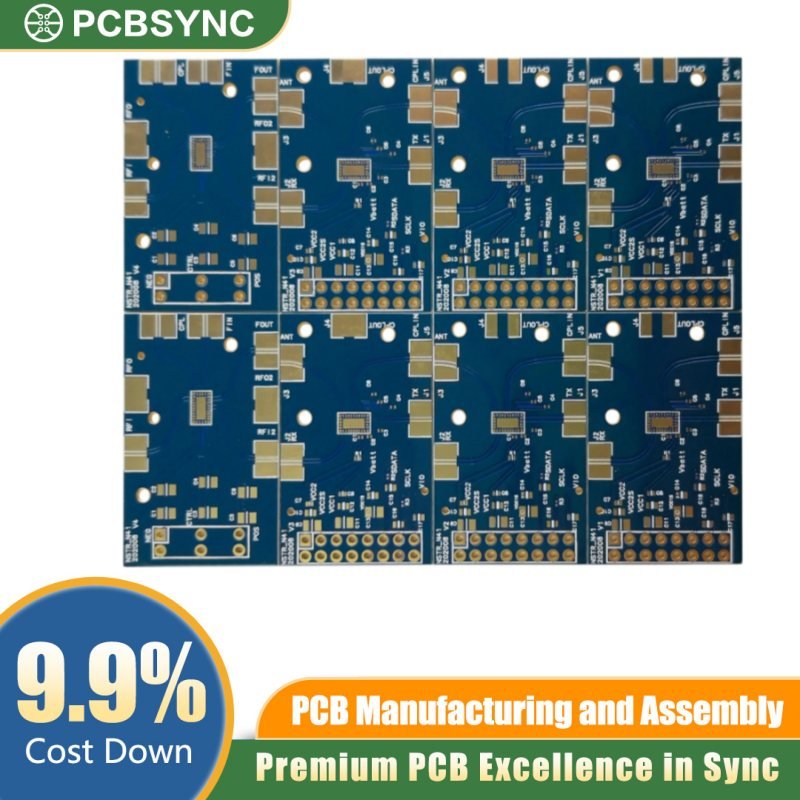
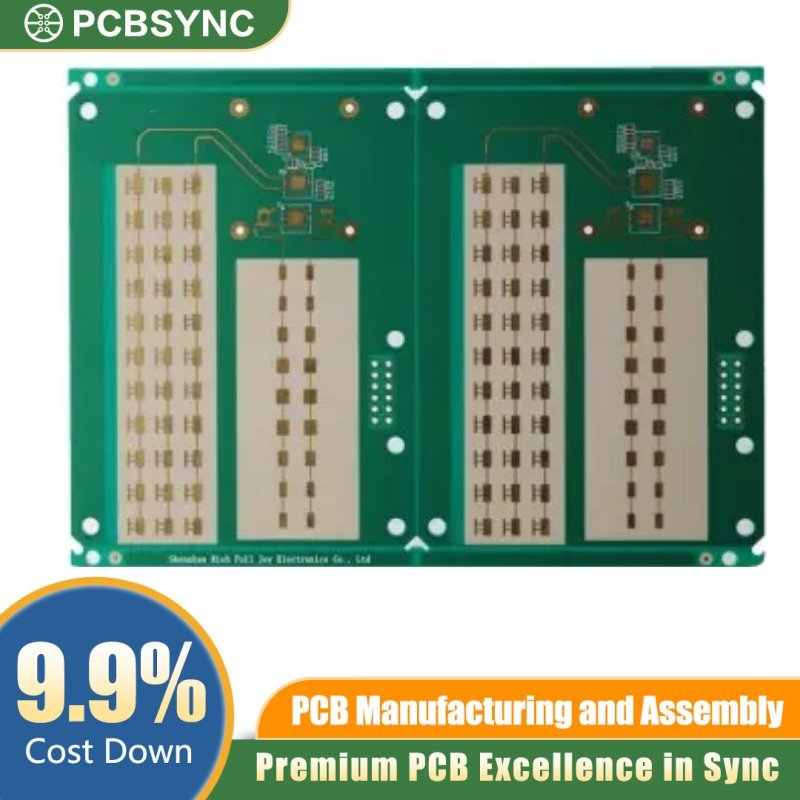
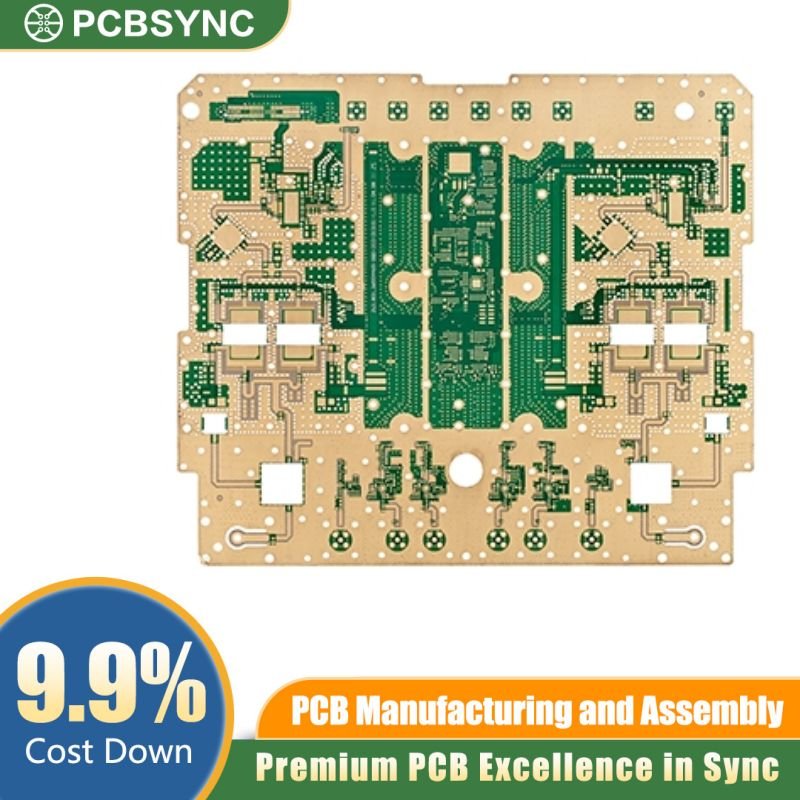
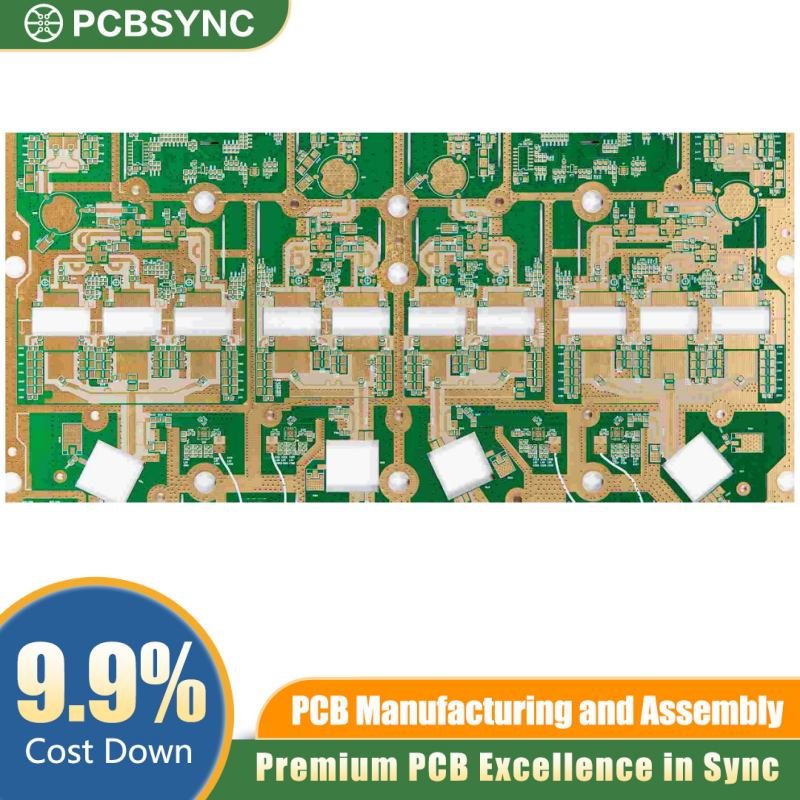
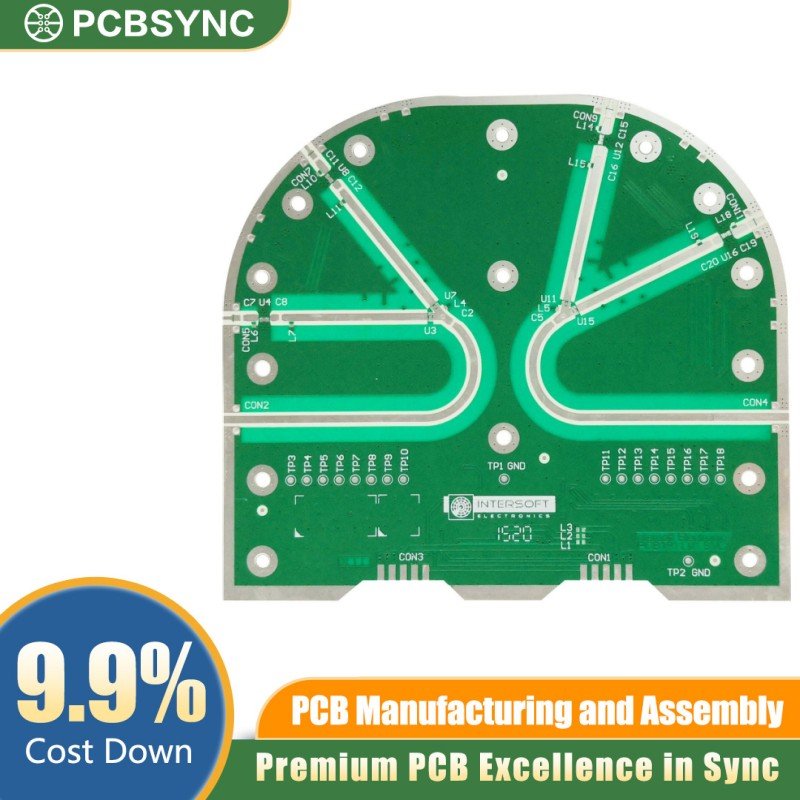
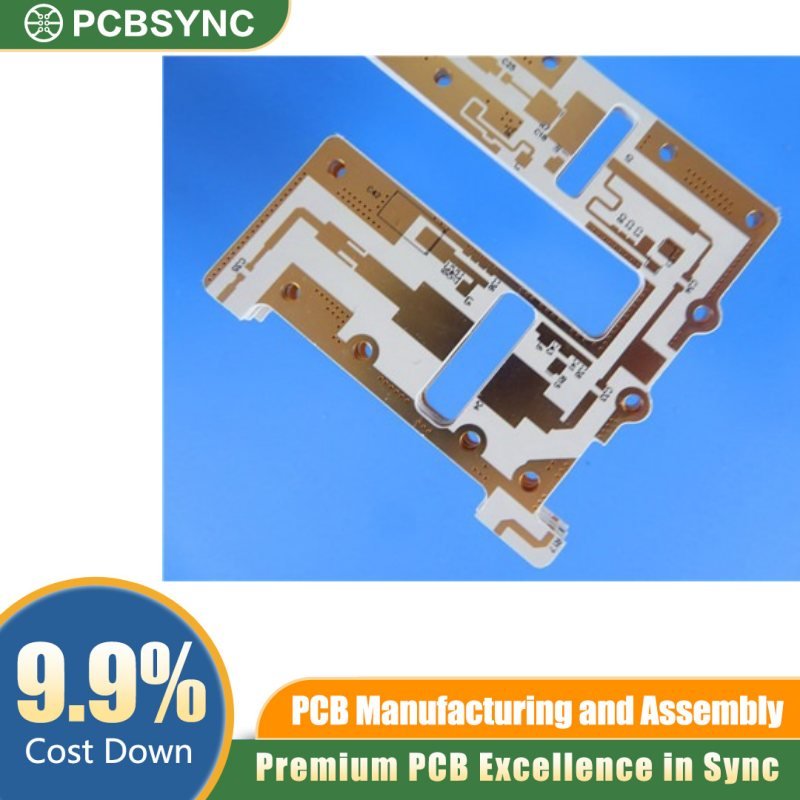
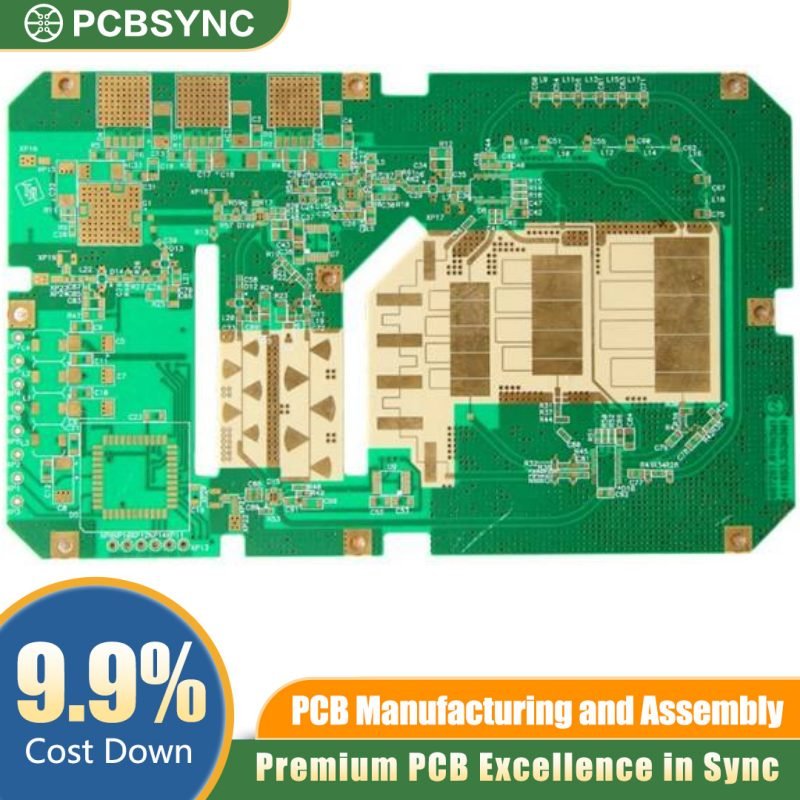
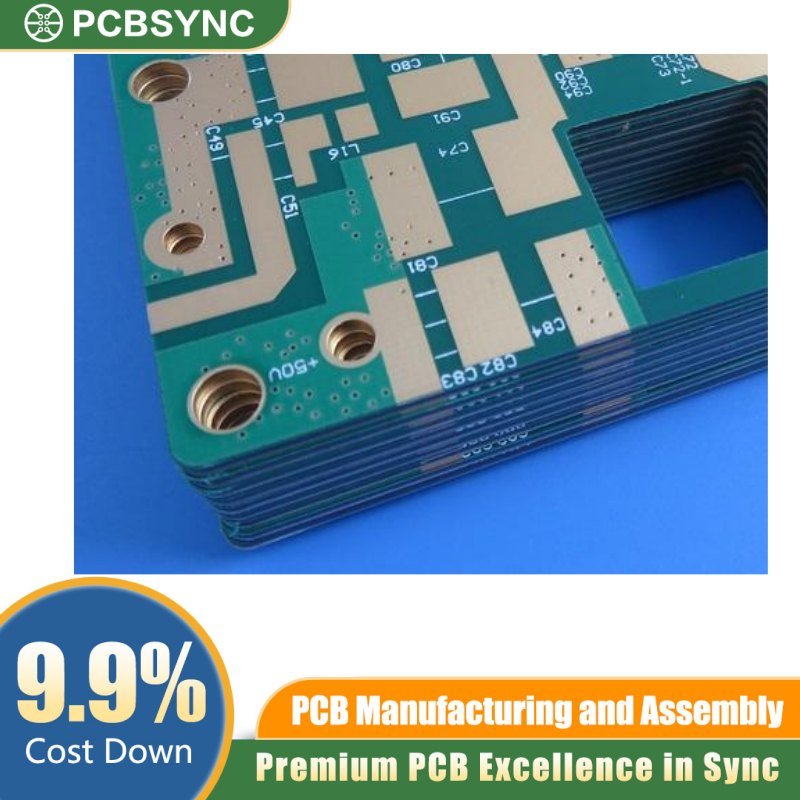
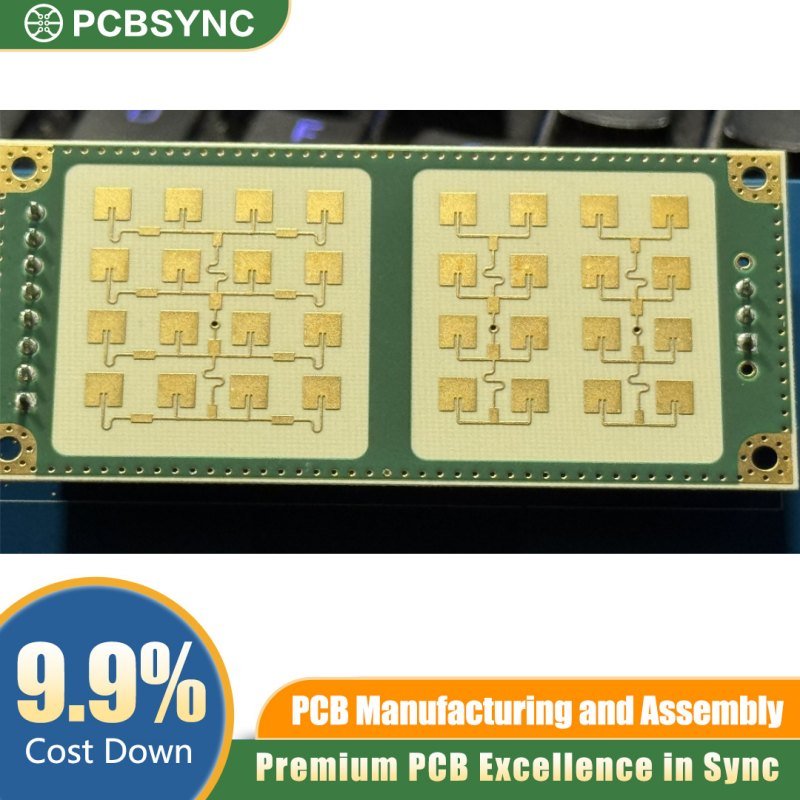
Looking for a high-performance, cost-effective RF laminate with exceptional thermal stability? The Rogers CLTE-AT PCB delivers premium high-frequency performance engineered for demanding commercial and industrial applications — at a price point that makes advanced RF design accessible.
What Is Rogers CLTE-AT?
Rogers CLTE-AT laminates are composed of a micro-dispersed ceramic in a PTFE-based, woven glass reinforced composite. Developed to optimize the cost-to-performance ratio, CLTE-AT laminates provide a consistent dielectric constant regardless of thickness. With a dielectric constant (Dk) of 3.00 and an ultra-low TCDk of -10 ppm/°C , this material maintains stable electrical performance across wide temperature swings — making it ideal for phase-sensitive RF circuits.
Key Features & Benefits
- Low CTE values of 9/12/34 ppm/°C (X/Y/Z) provide excellent plated through-hole reliability and support complex multilayer constructions
- Tight dielectric constant and thickness tolerance, low loss tangent, low out-gassing, and low insertion loss
- Significantly lower Z-axis CTE than standard FR-4 (which reaches 60–70 ppm/°C below Tg), improving long-term reliability
- Best-in-class phase stability for temperature-critical filter and antenna designs
- Performs reliably from RF through millimeter-wave frequencies, commonly used from 1 GHz to 77 GHz
Applications
Rogers CLTE-AT PCBs are widely used in automotive radar (77 GHz), phased array antennas, avionics, satellite communications, 5G infrastructure, and temperature-stable bandpass filters.
Why Choose PCBSync for Your Rogers CLTE-AT PCB?
As one of the best Rogers PCB manufacturers in China, PCBSync combines certified material sourcing, advanced fabrication capabilities, and rigorous quality control to deliver CLTE-AT boards that meet the tightest RF specifications. Whether you need prototypes or production volumes, PCBSync offers fast turnaround, competitive pricing, and expert engineering support for every Rogers laminate project.
Get a quote today and experience the PCBSync difference.