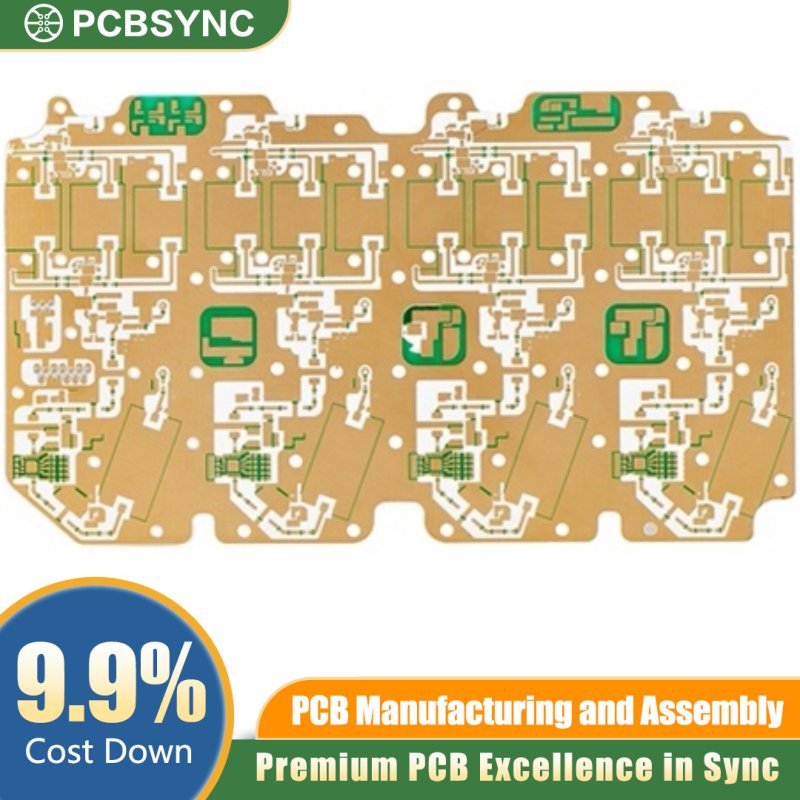
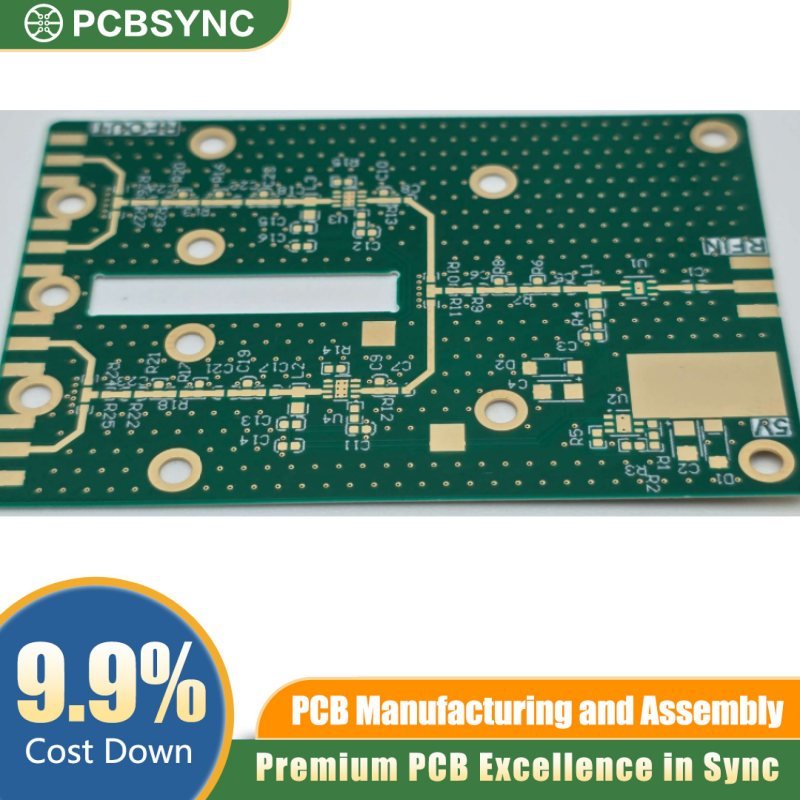
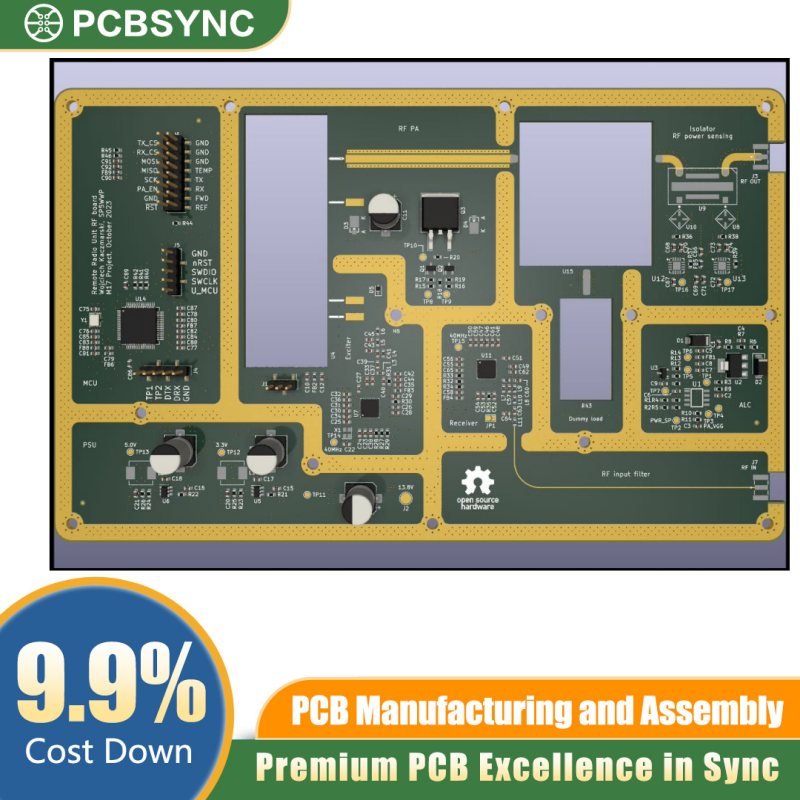
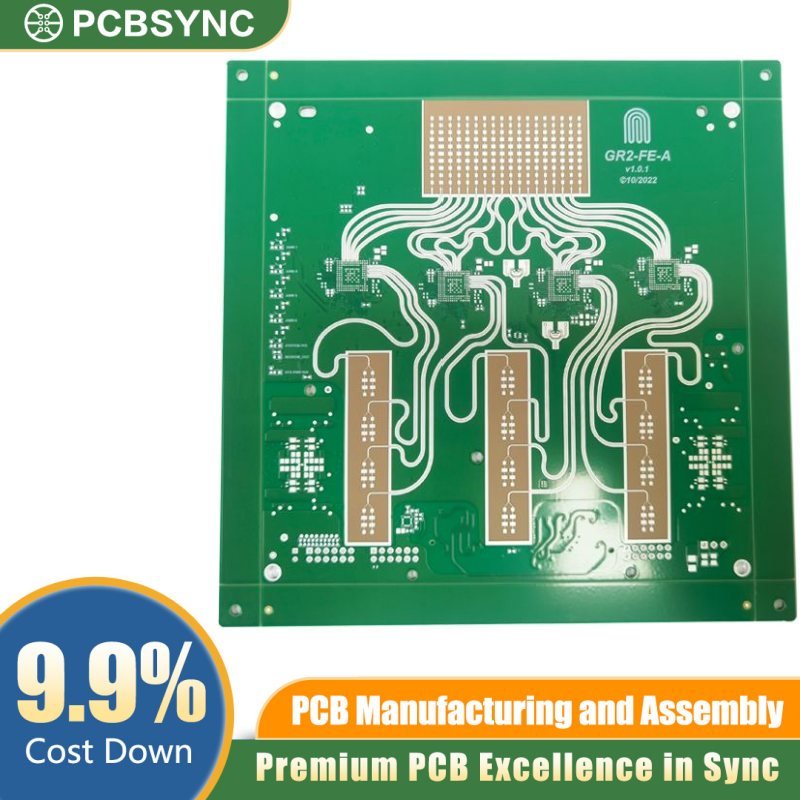
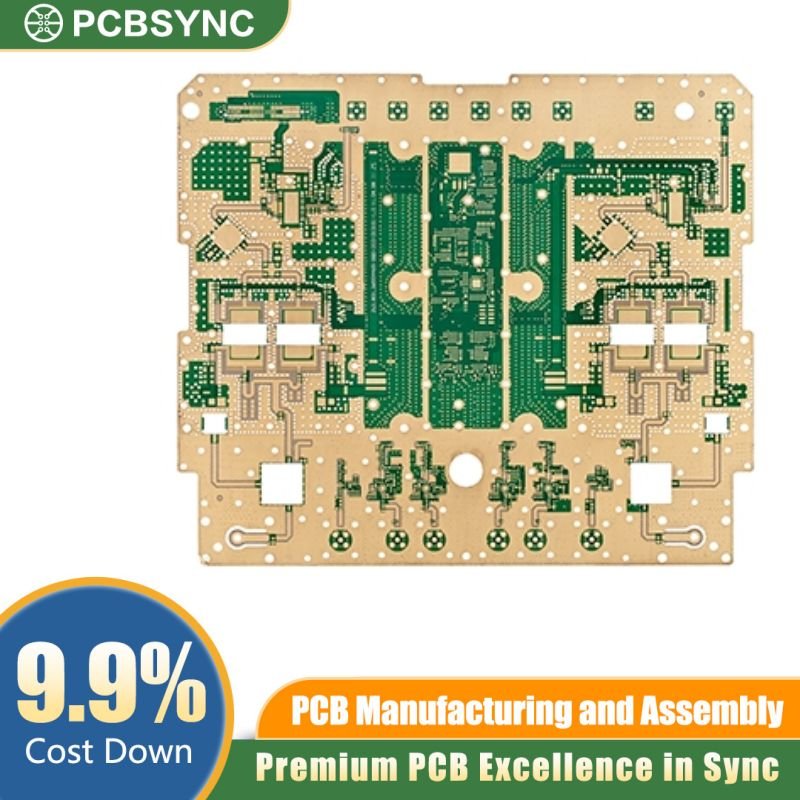
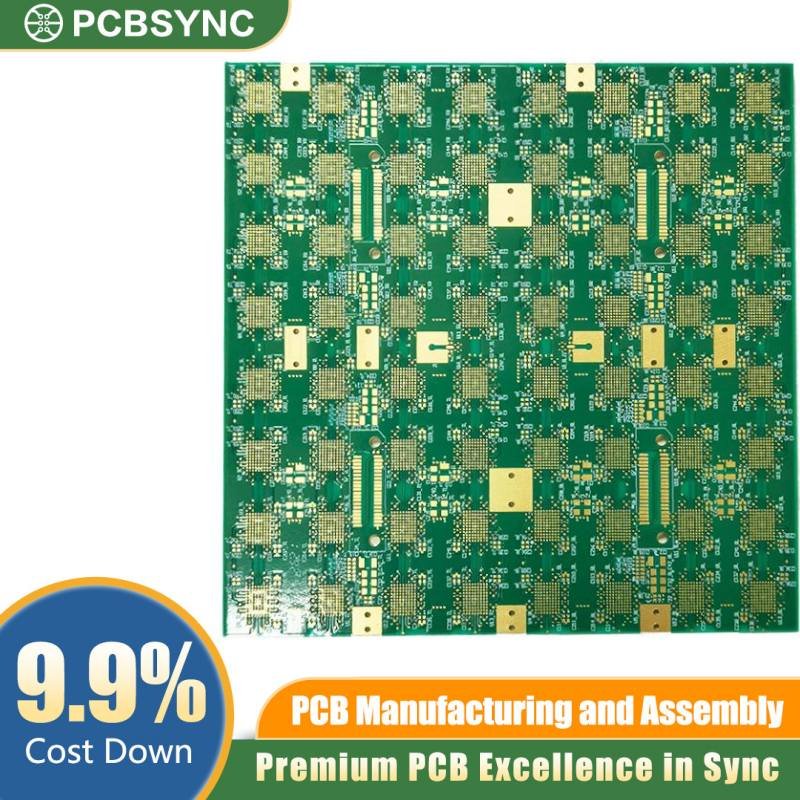
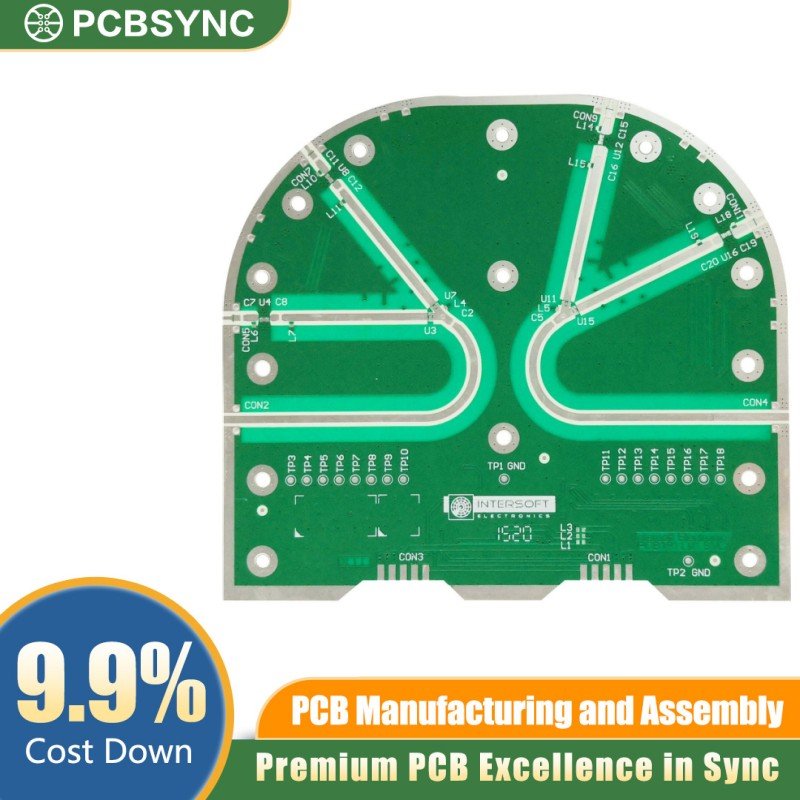
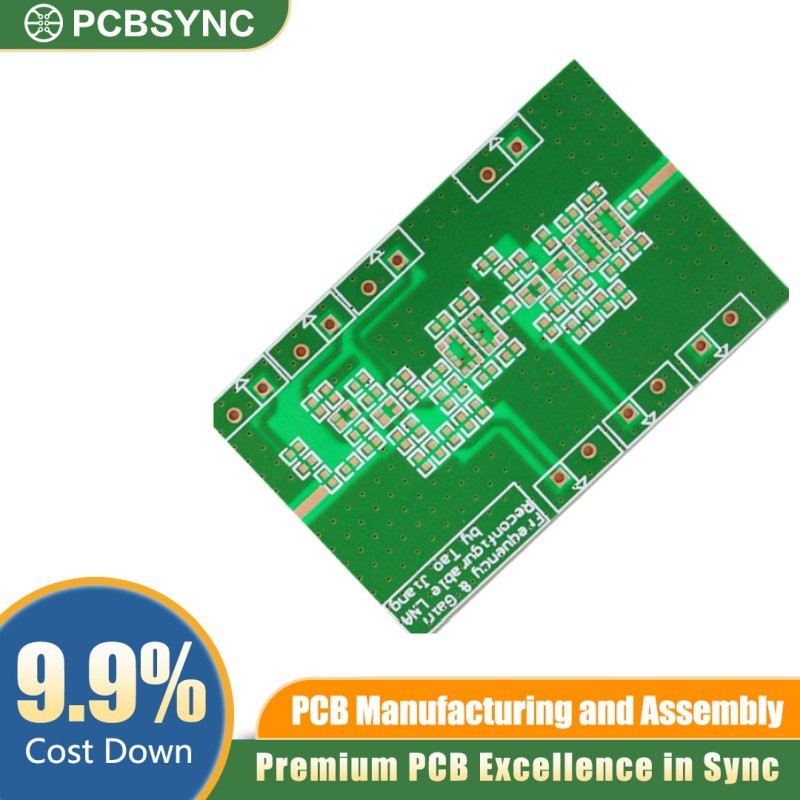
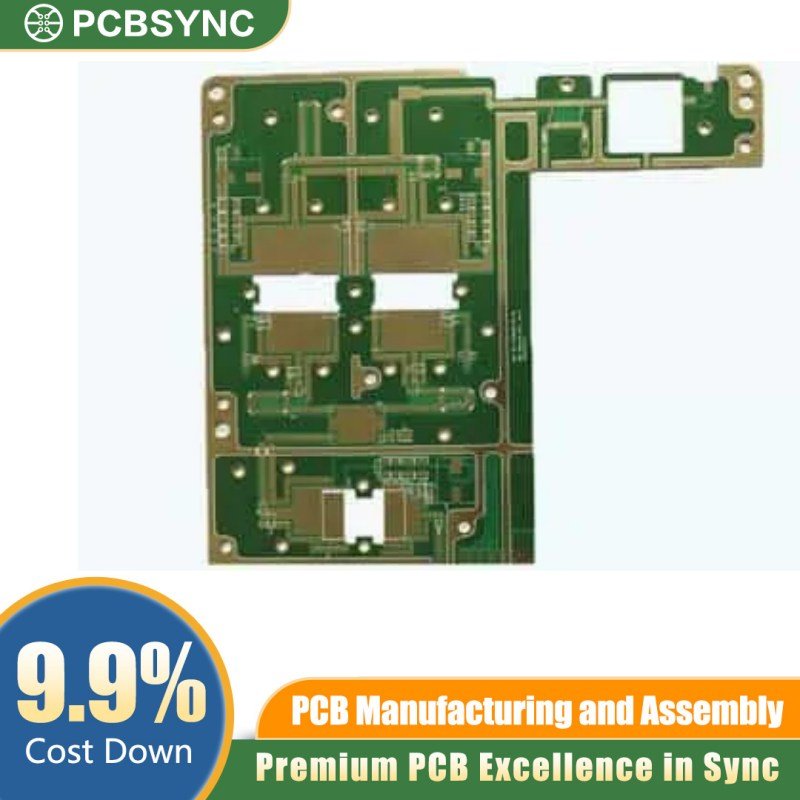
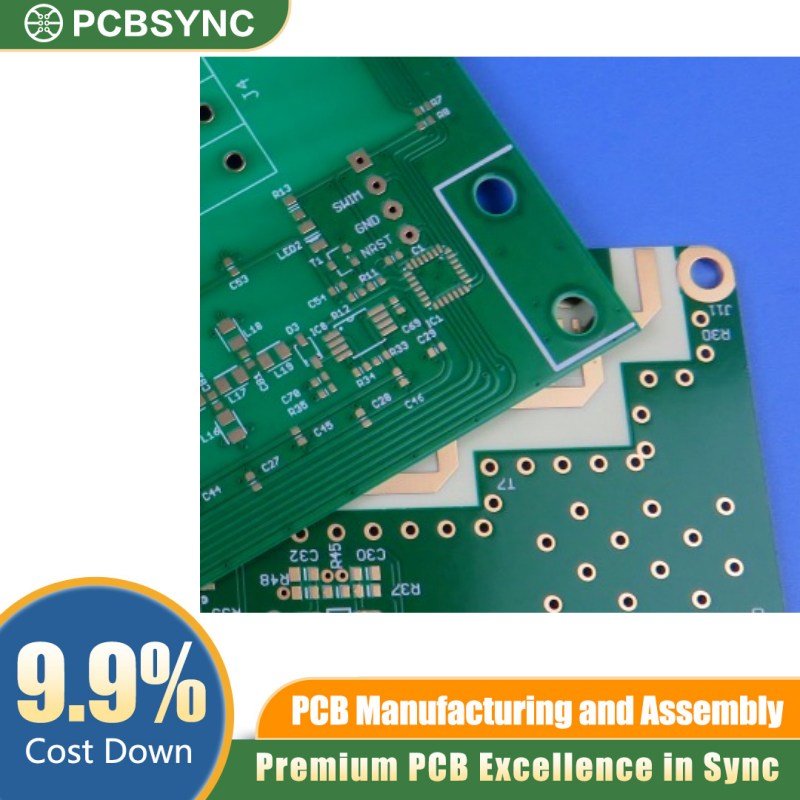
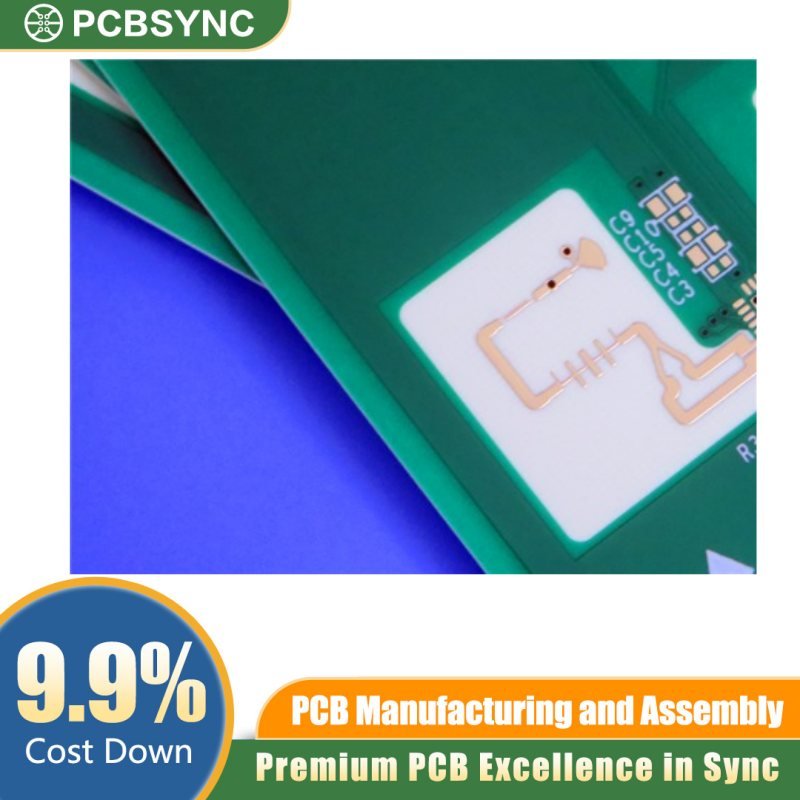
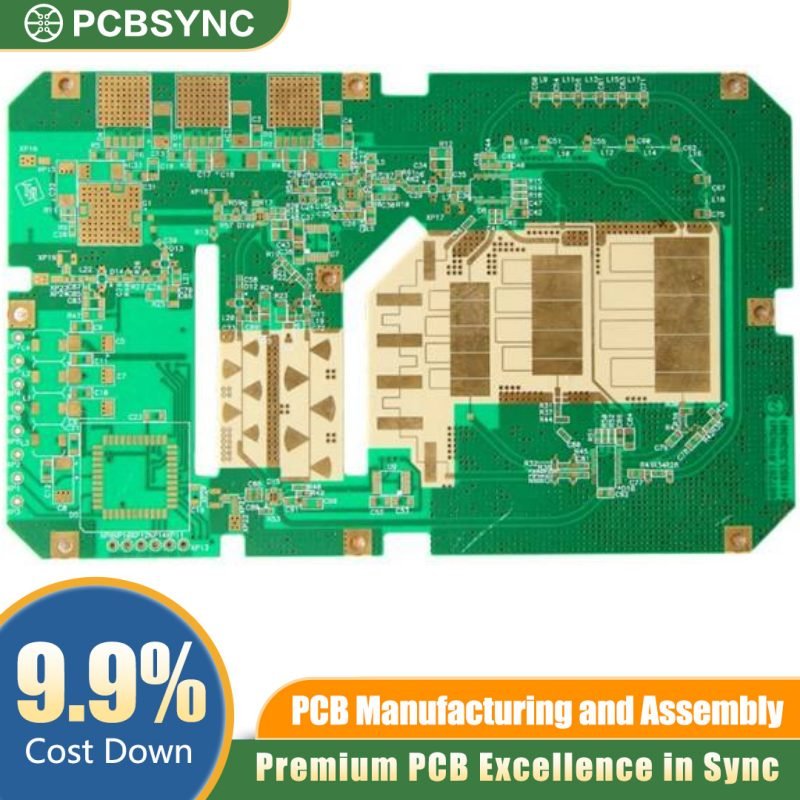
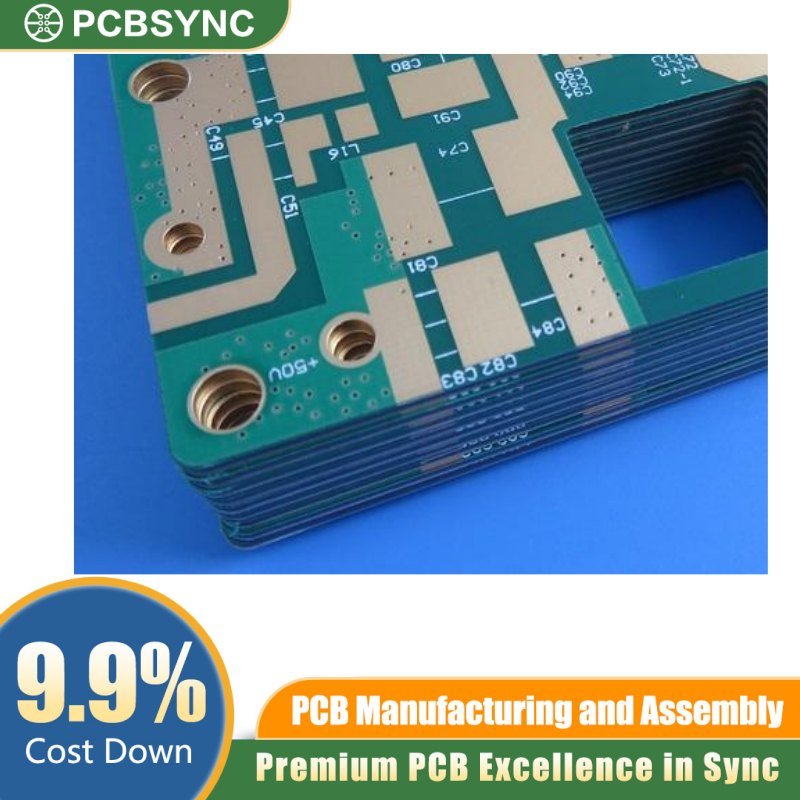
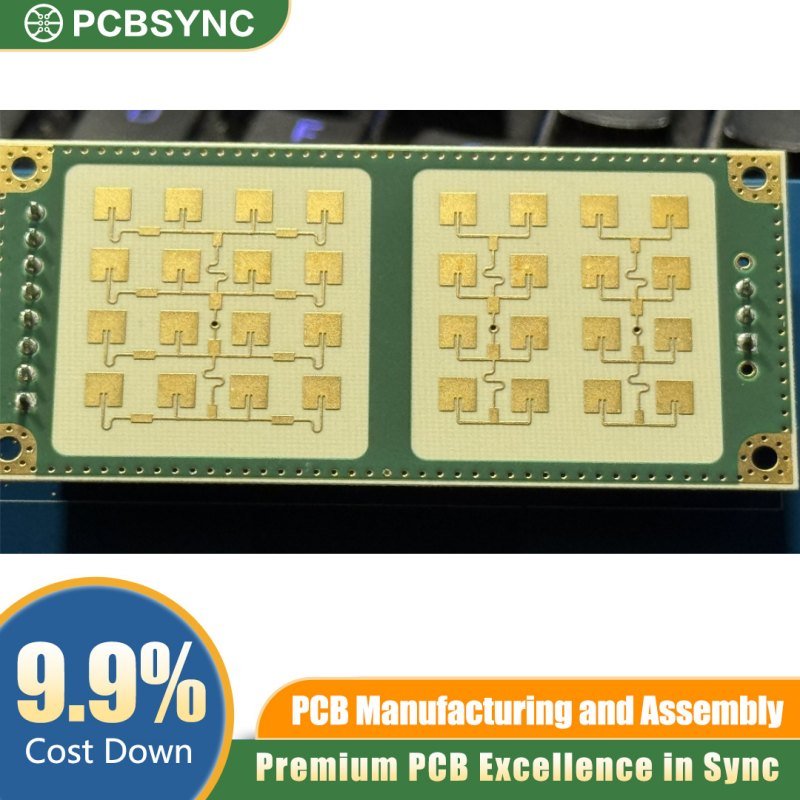
When demanding radar systems require unwavering signal integrity and thermal stability, the PCBSync Rogers RT/duroid 6002 4-layer PCB delivers exceptional performance. This specialized circuit board combines advanced materials with precision manufacturing to meet the stringent requirements of aerospace, defense, and high-frequency communication systems.
Material Excellence: RT/duroid 6002 Substrate
The Rogers RT/duroid 6002 laminate forms the foundation of this PCB’s superior performance. This PTFE-based composite material exhibits a dielectric constant of 2.94 at 10GHz, providing consistent electrical properties across wide frequency ranges. The low dissipation factor ensures minimal signal loss, making it ideal for radar applications operating in X-band and Ku-band frequencies.
Unlike standard FR-4 materials, RT/duroid 6002 maintains stable performance across temperature extremes from -55°C to +200°C. This thermal reliability proves critical for radar systems deployed in harsh environments, from arctic conditions to desert heat. The material’s low coefficient of thermal expansion matches copper closely, preventing delamination and ensuring long-term reliability.
Optimized Stack-up Configuration
The 1.0mm total thickness provides an optimal balance between mechanical strength and electrical performance. This four-layer construction allows complex impedance-controlled routing while maintaining compact dimensions. Engineers can implement ground planes for effective EMI shielding while routing high-speed differential pairs on signal layers.
The 1oz copper weight offers sufficient current-carrying capacity for power distribution networks while maintaining fine-line capability for dense component placement. This specification suits most radar front-end designs, balancing thermal management with signal integrity requirements.
Premium Gold Plating Surface Finish
The 10 microinch gold plating represents a premium surface finish choice for mission-critical applications. Gold’s excellent conductivity and corrosion resistance ensure reliable wire bonding and component attachment over extended service life. This finish proves particularly valuable for radar systems requiring hermetic packaging or operating in corrosive maritime environments.
Unlike ENIG or immersion silver finishes, hard gold plating withstands repeated connector mating cycles without degradation. This durability matters for test equipment and systems requiring frequent maintenance access.
Manufacturing Precision Standards
PCBSync’s manufacturing process maintains tight tolerances essential for RF performance. Impedance control within ±5% ensures predictable signal propagation, while layer-to-layer registration accuracy minimizes parasitic effects. Controlled drilling processes achieve precise via placement, critical for maintaining ground return paths in high-frequency designs.
The fabrication process accounts for RT/duroid 6002’s unique handling requirements. Specialized tooling prevents material deformation, while controlled lamination cycles ensure void-free bonding between layers.
Application Domains
This PCB configuration excels in phased array radar systems, where consistent phase relationships between elements determine beam-forming accuracy. Weather radar installations benefit from the material’s low moisture absorption, maintaining calibration stability in humid conditions. Military radar systems leverage the substrate’s low loss tangent for maximum detection range.
Satellite communication ground stations utilize these boards in upconverter and downconverter assemblies, where frequency stability directly impacts link budget performance. Automotive radar modules for ADAS systems increasingly adopt Rogers materials as operating frequencies push into millimeter-wave bands.
Technical Advantages Summary
The combination of RT/duroid 6002 substrate, four-layer construction, and gold plating creates a PCB platform capable of supporting next-generation radar designs. Low insertion loss preserves transmitter power and receiver sensitivity. Stable dielectric properties ensure consistent performance across production lots and environmental conditions. The robust construction withstands mechanical stress during assembly and field deployment.
For engineers developing radar systems where performance cannot be compromised, this PCB specification represents a proven foundation for success.