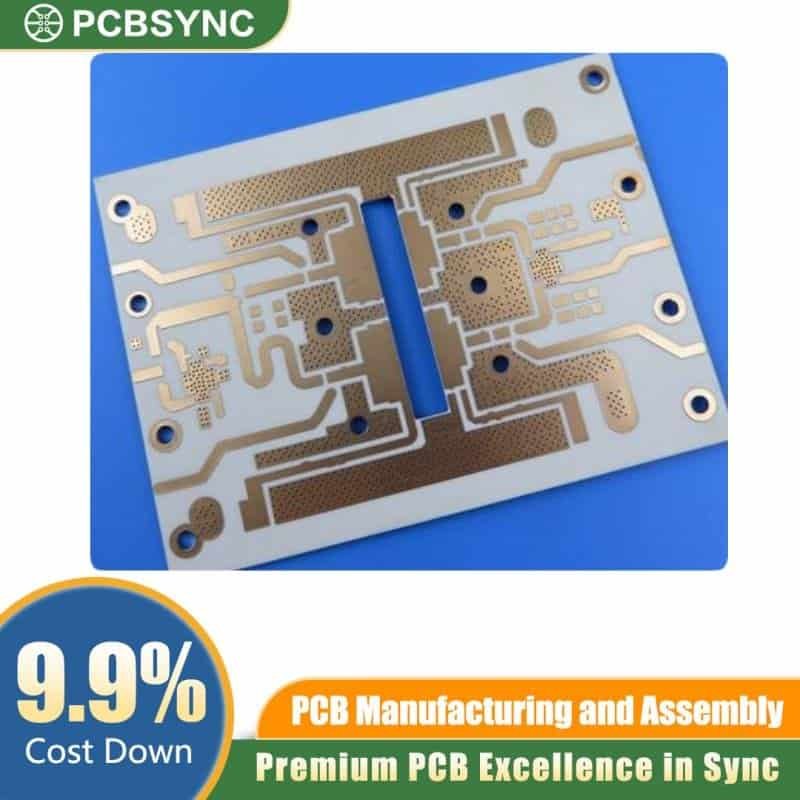
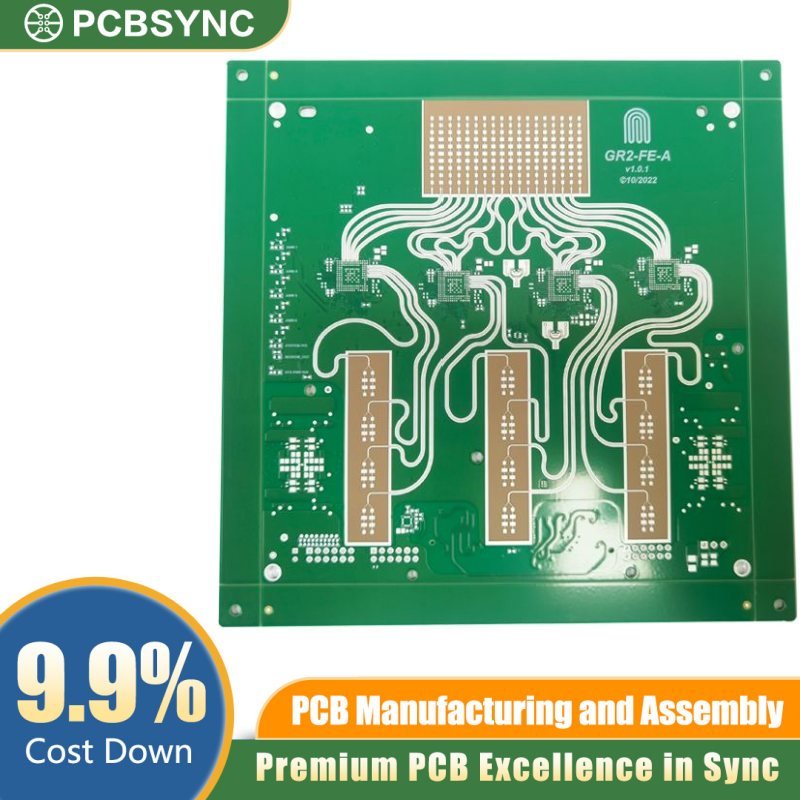
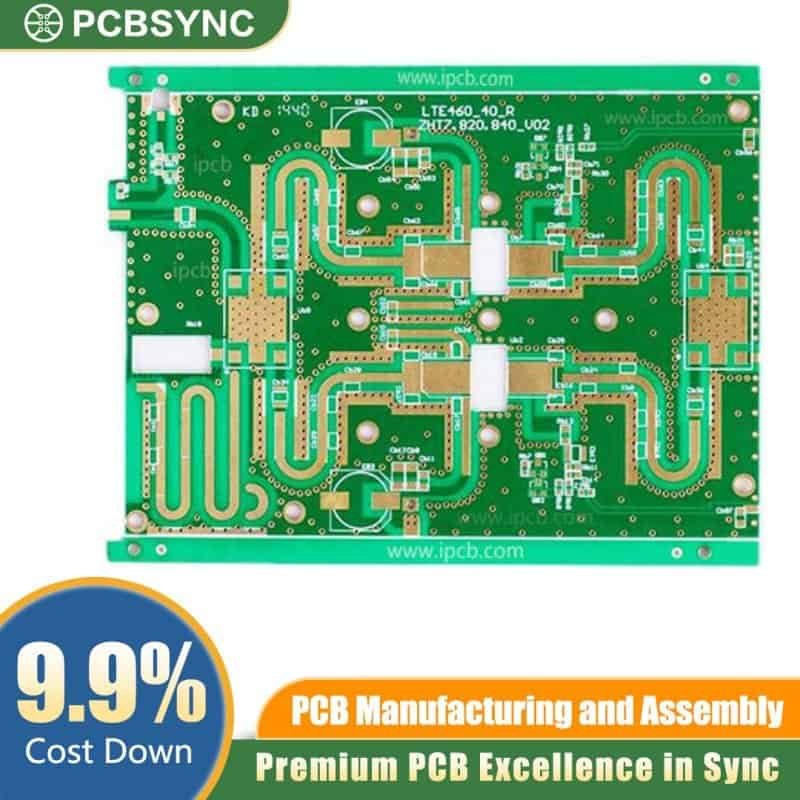
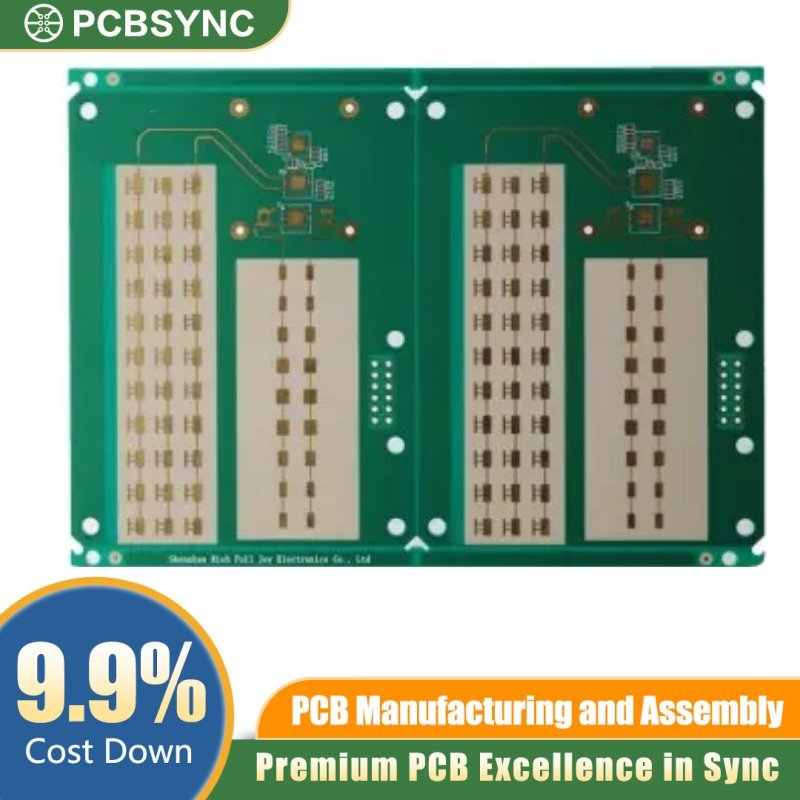
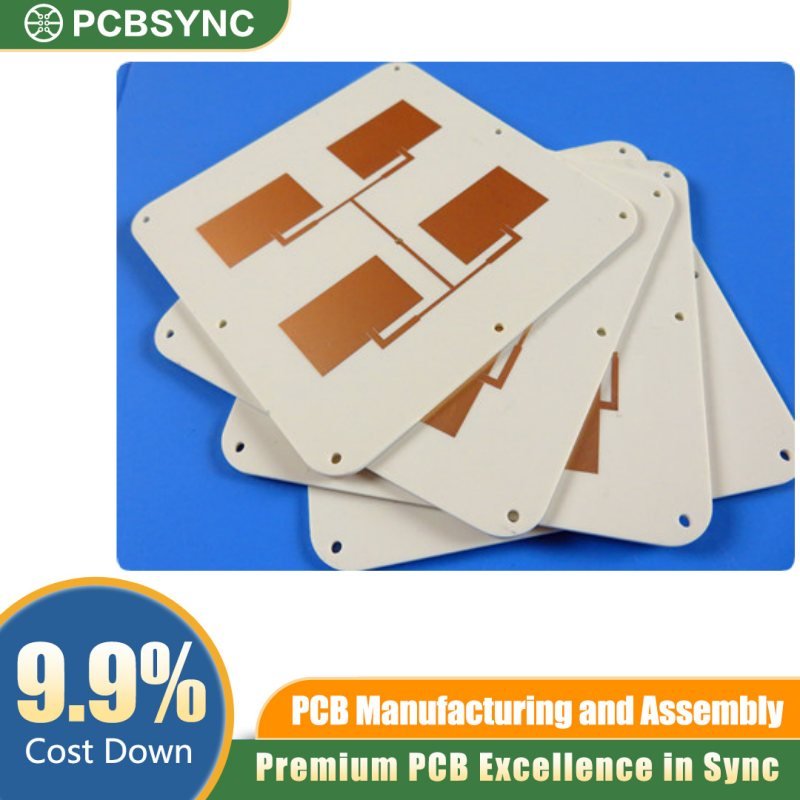
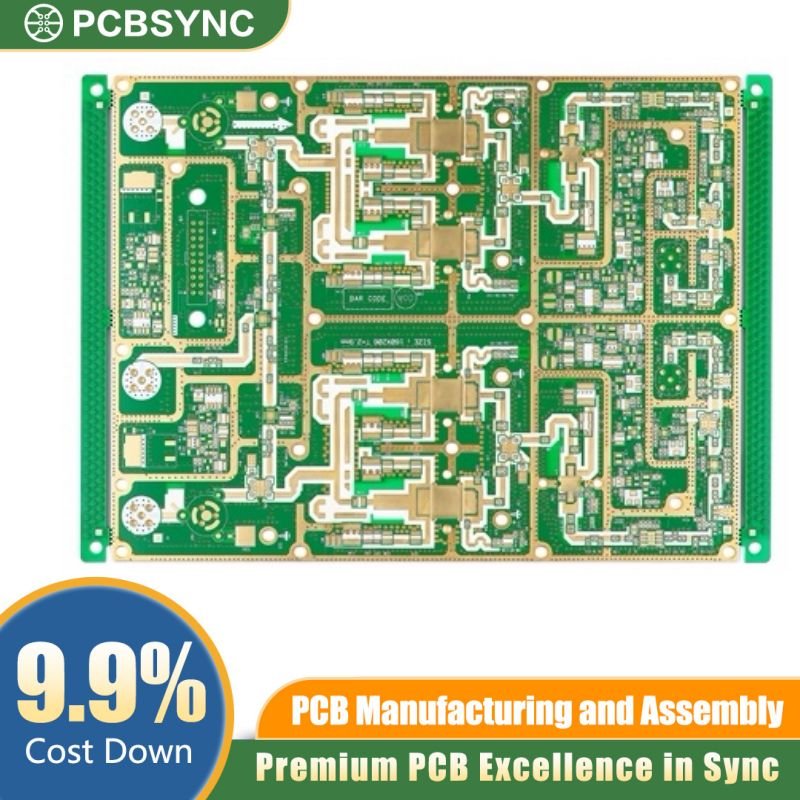
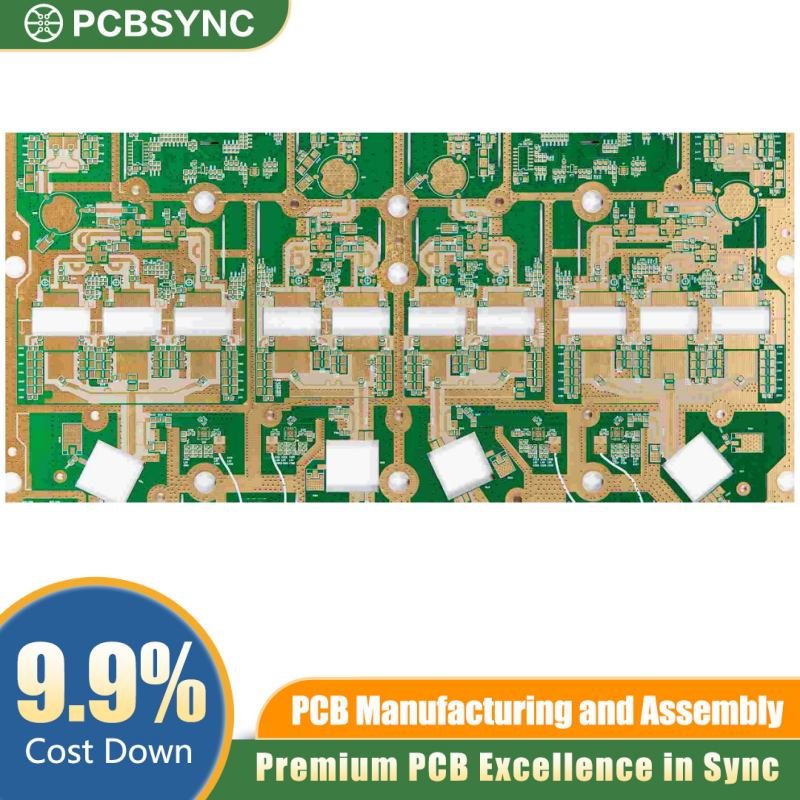
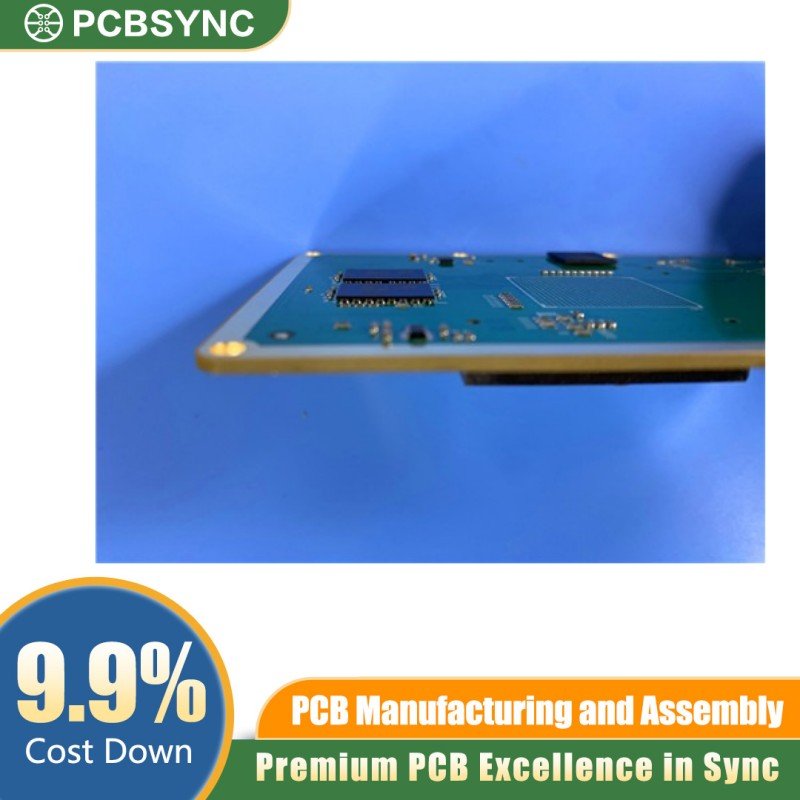
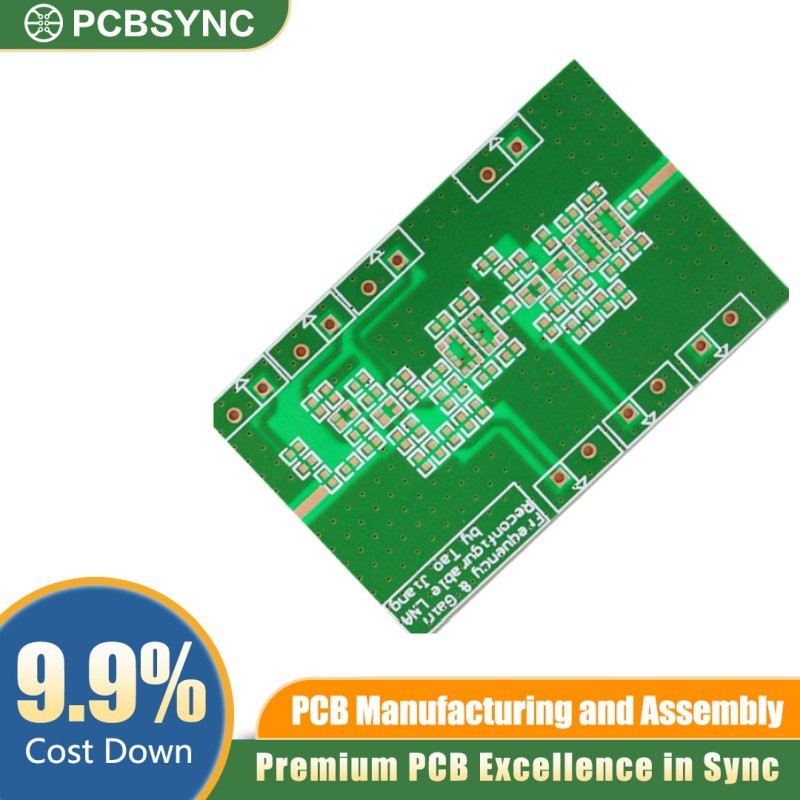
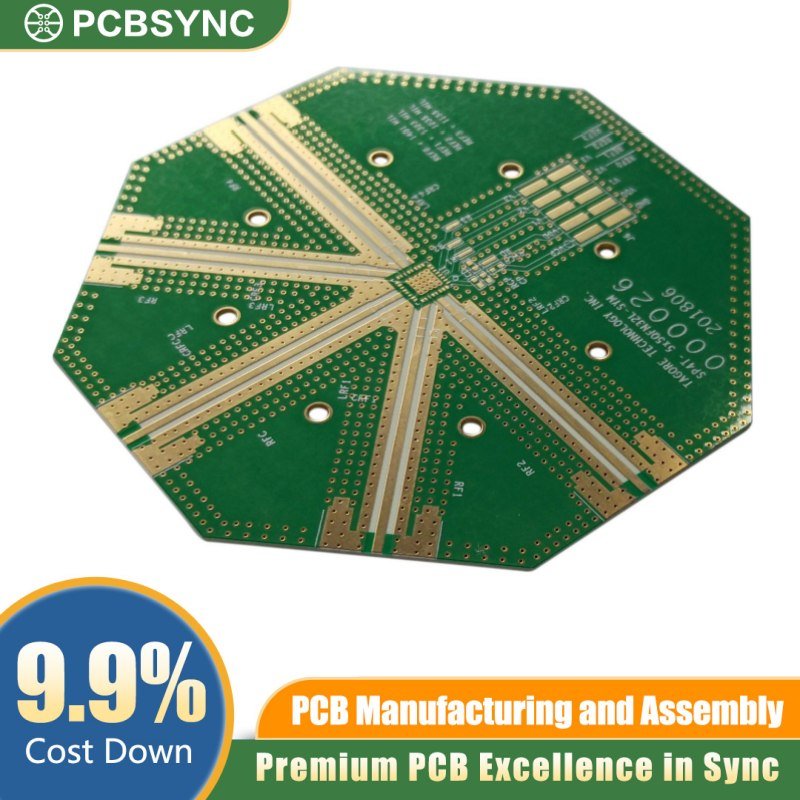
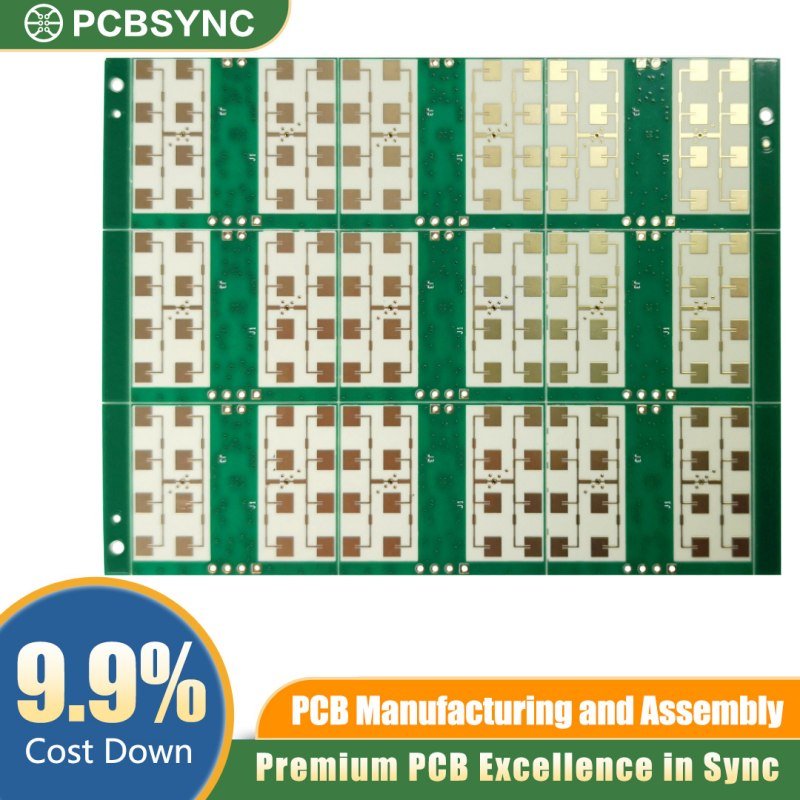
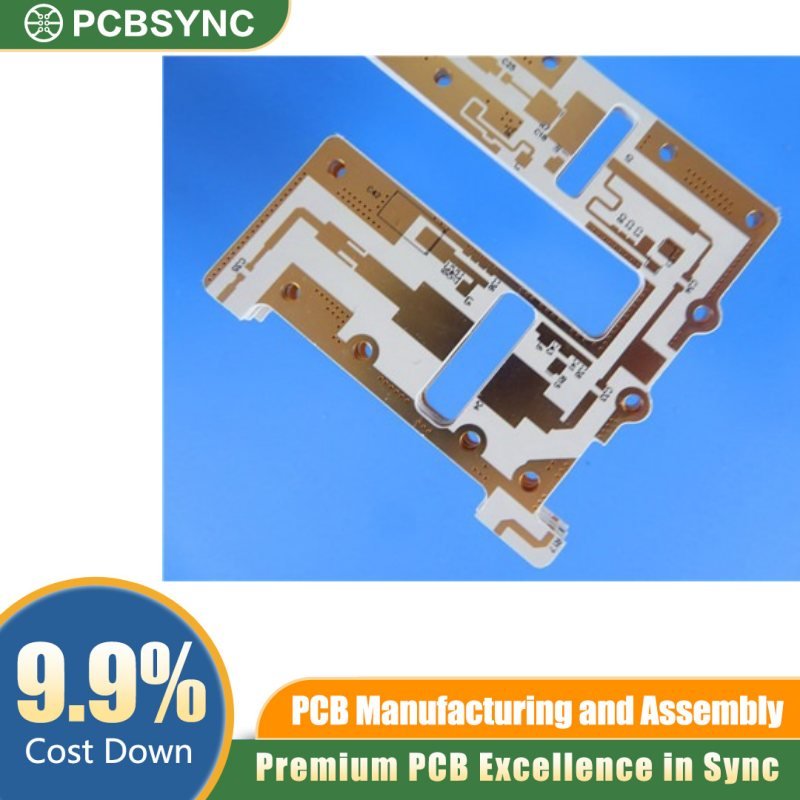
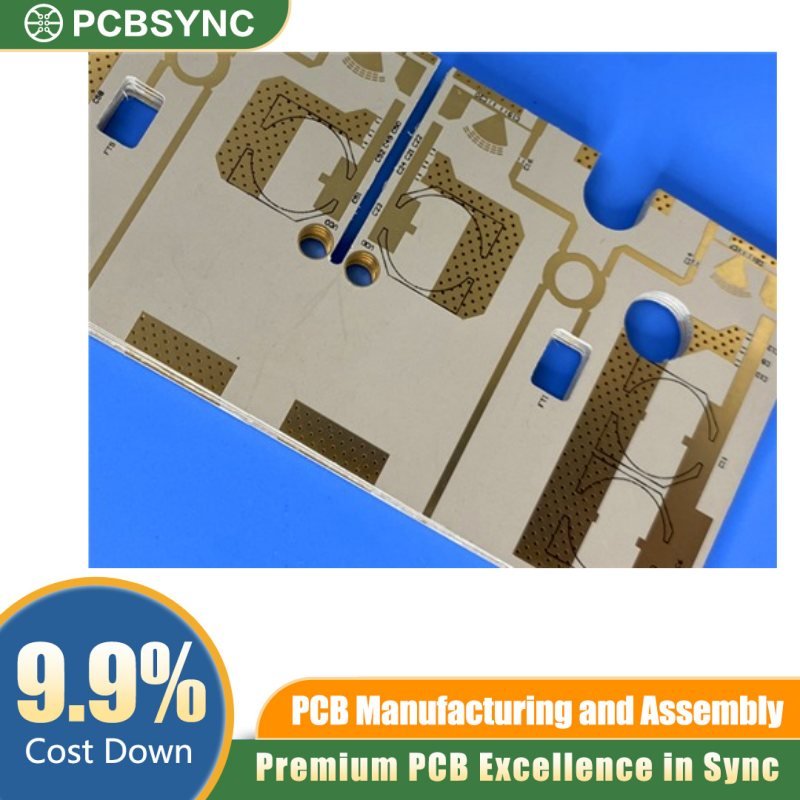
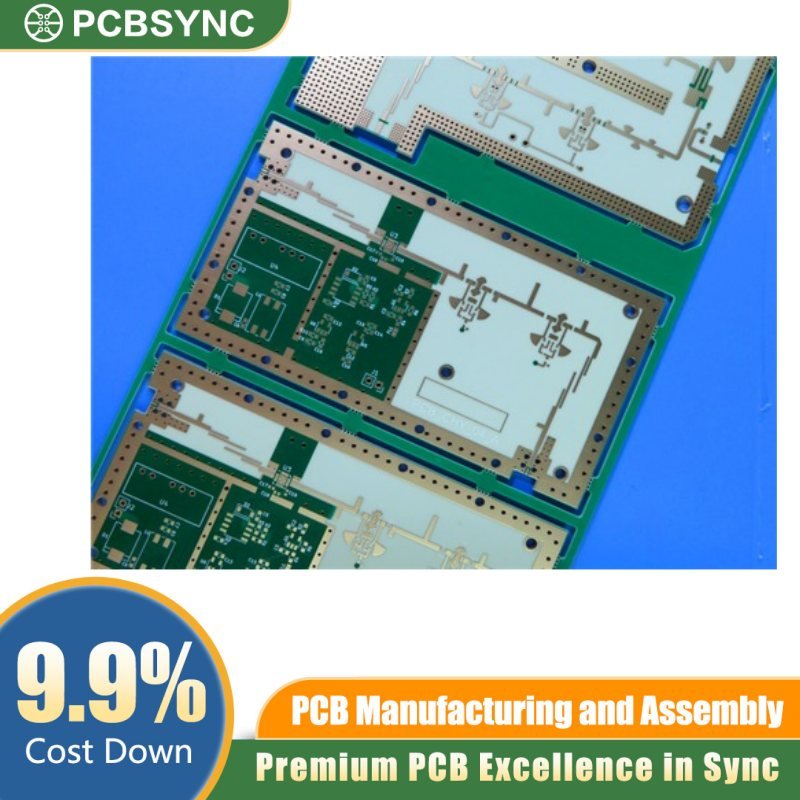
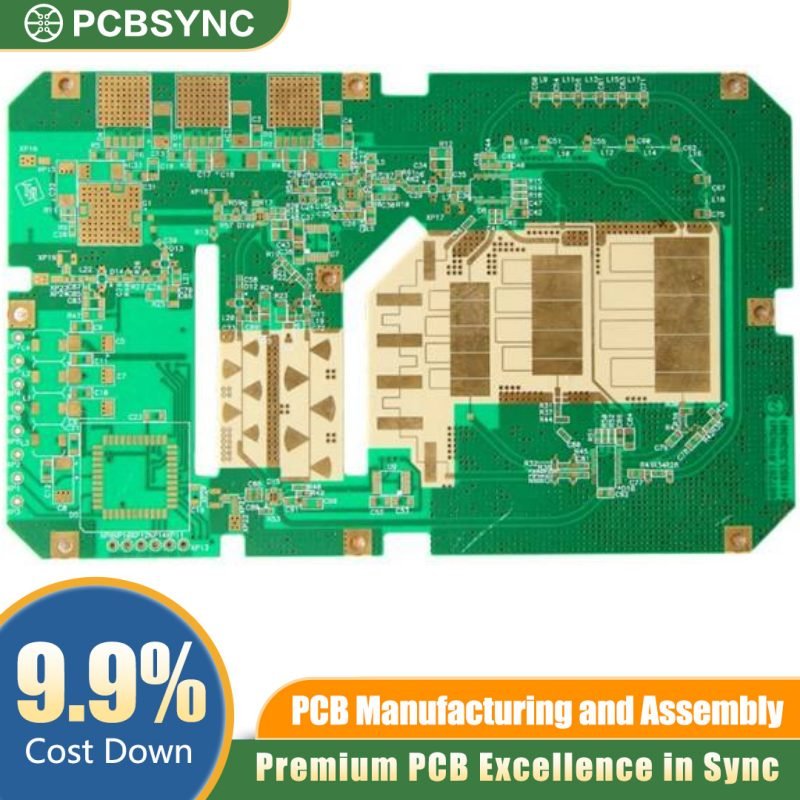
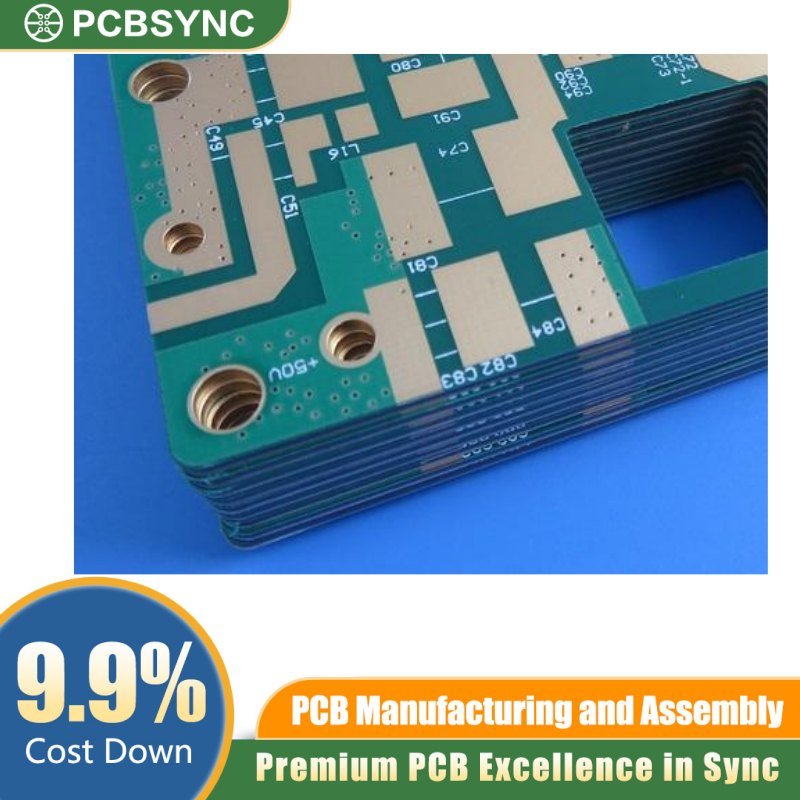
The PCBSync Rogers RO4835 0.6mm 2oz ENIG 2-layer circuit board represents a specialized solution for millimeter wave and high-frequency RF applications. This advanced PCB configuration combines Rogers Corporation’s proven RO4835 laminate material with professional manufacturing specifications to deliver reliable performance in demanding wireless communication systems.
Material Properties and Performance Characteristics
Rogers RO4835 belongs to the RO4000 series of hydrocarbon ceramic laminates, specifically engineered for high-frequency circuit applications. The material exhibits a dielectric constant (Dk) of 3.48 at 10GHz with exceptional stability across temperature variations. This consistency proves critical for millimeter wave circuits operating between 24GHz and 77GHz, where even minor dielectric fluctuations can compromise signal integrity.
The 0.6mm substrate thickness provides an optimal balance between mechanical stability and electrical performance. This dimension supports controlled impedance designs while maintaining adequate structural rigidity for assembly processes. Thinner substrates reduce signal loss and enable tighter coupling in microstrip and stripline configurations, making this thickness particularly suitable for compact millimeter wave antenna arrays and transceiver modules.
Copper Weight and Surface Finish Specifications
The 2oz copper weight (approximately 70μm thickness) offers several advantages for high-frequency designs. Heavier copper reduces conductor losses at millimeter wave frequencies and improves current-carrying capacity for power distribution networks. This specification also enhances thermal management, allowing efficient heat dissipation from active components in dense circuit layouts.
ENIG (Electroless Nickel Immersion Gold) surface finish provides superior performance for high-frequency applications. The nickel layer thickness typically ranges from 3-6μm, with a thin gold layer (0.05-0.1μm) protecting the nickel from oxidation. This finish maintains excellent solderability while offering flat, uniform surfaces essential for fine-pitch component assembly and wire bonding operations.
Applications in Millimeter Wave Technology
This PCB configuration finds extensive use in automotive radar systems operating at 77GHz for adaptive cruise control and collision avoidance. The material’s low loss tangent (0.0037 at 10GHz) minimizes signal attenuation, enabling longer detection ranges and improved target resolution.
5G infrastructure equipment benefits significantly from RO4835’s thermal stability and consistent electrical properties. Base station antenna modules, beamforming networks, and millimeter wave frontends require substrates that maintain performance across wide temperature ranges (-40°C to +85°C), which this material readily provides.
Satellite communication terminals, point-to-point wireless backhaul systems, and military radar applications also leverage this PCB specification. The material’s low moisture absorption (0.06%) ensures stable performance in harsh environmental conditions.
Manufacturing Considerations
The 2-layer construction simplifies manufacturing while reducing costs compared to multilayer alternatives. This stackup suits applications where component density and routing complexity permit single-sided or double-sided layouts. Standard PCB fabrication processes apply, though specialized drilling and routing techniques may be necessary to maintain tight tolerances required for millimeter wave circuits.
Conclusion
The PCBSync Rogers RO4835 0.6mm 2oz ENIG 2-layer configuration delivers professional-grade performance for millimeter wave applications. Its combination of stable dielectric properties, appropriate copper weight, and reliable surface finish makes it a practical choice for engineers developing next-generation wireless systems.