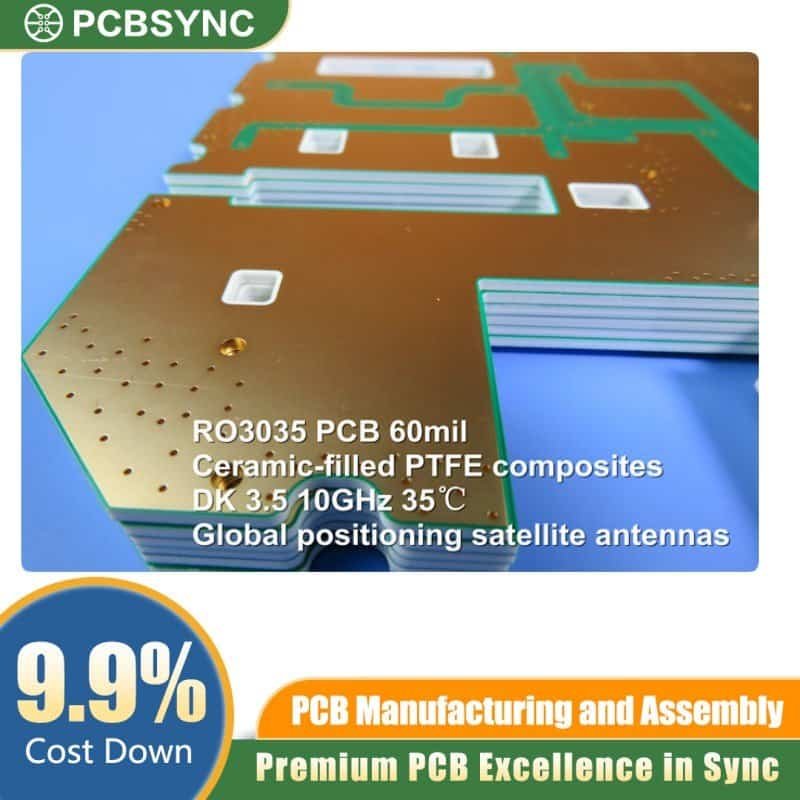
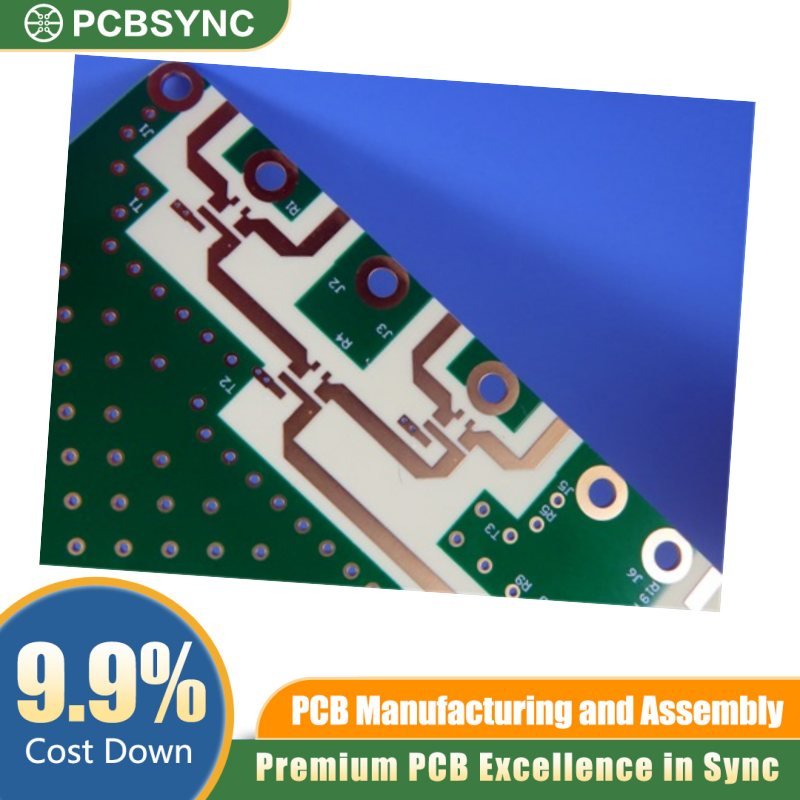
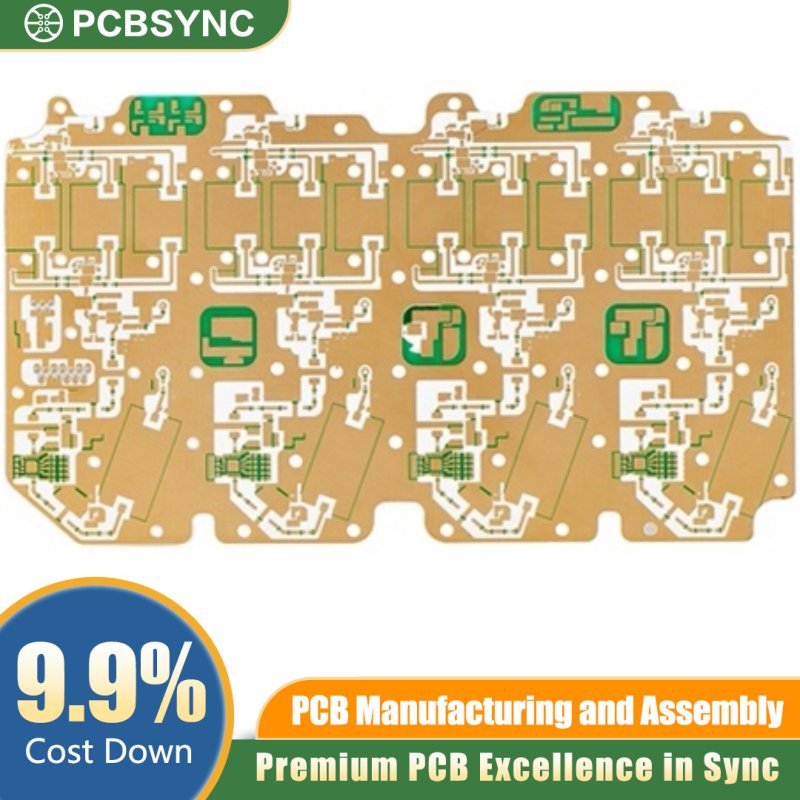
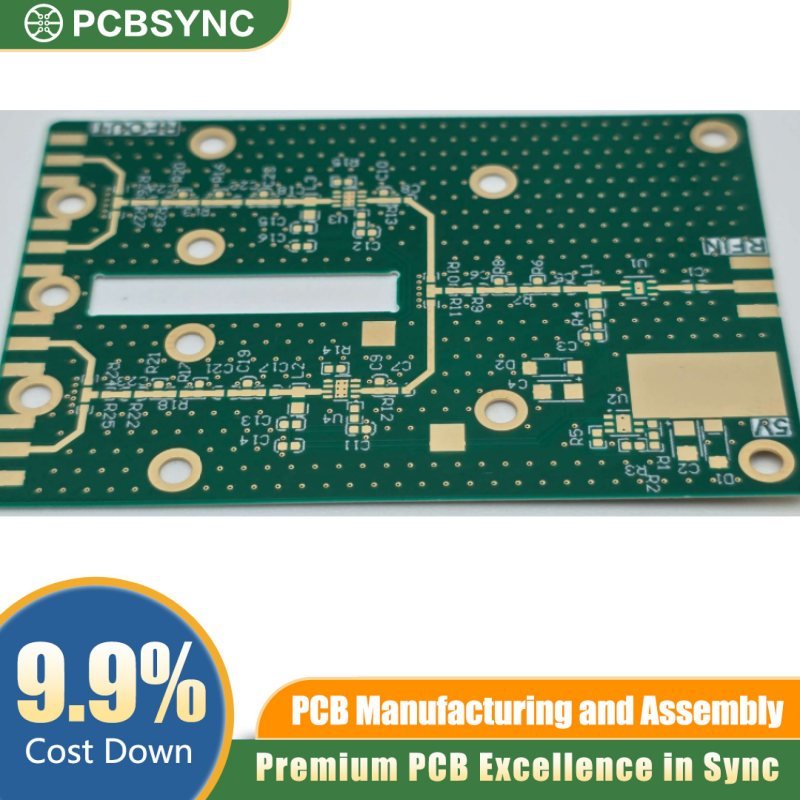
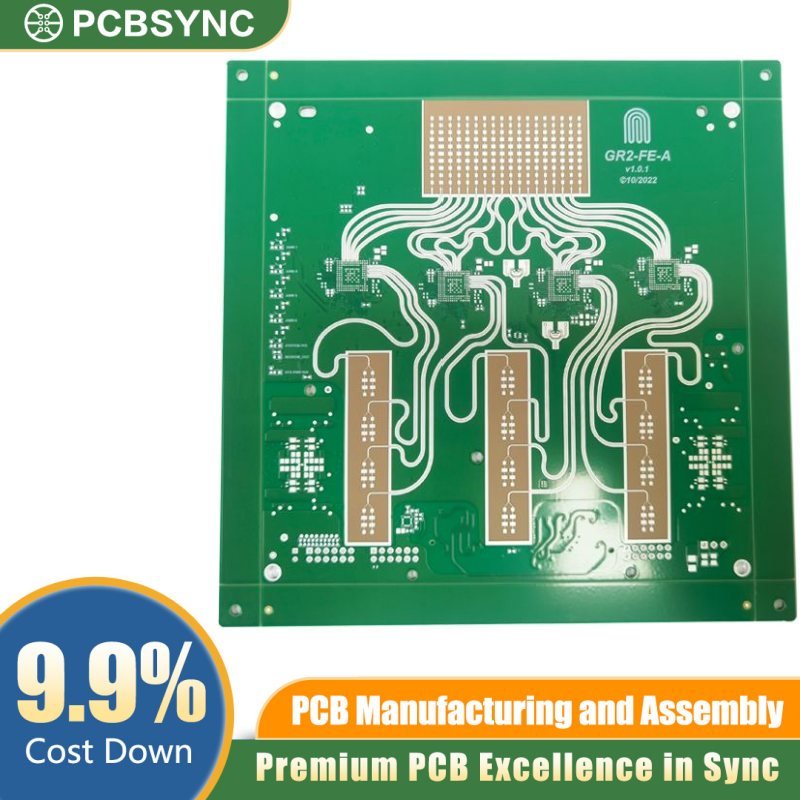
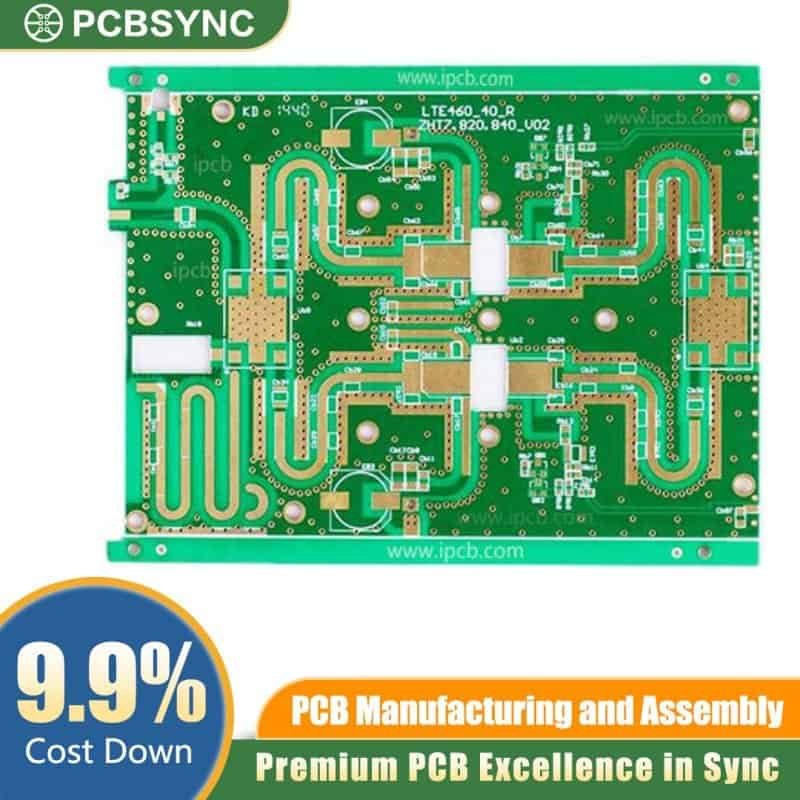
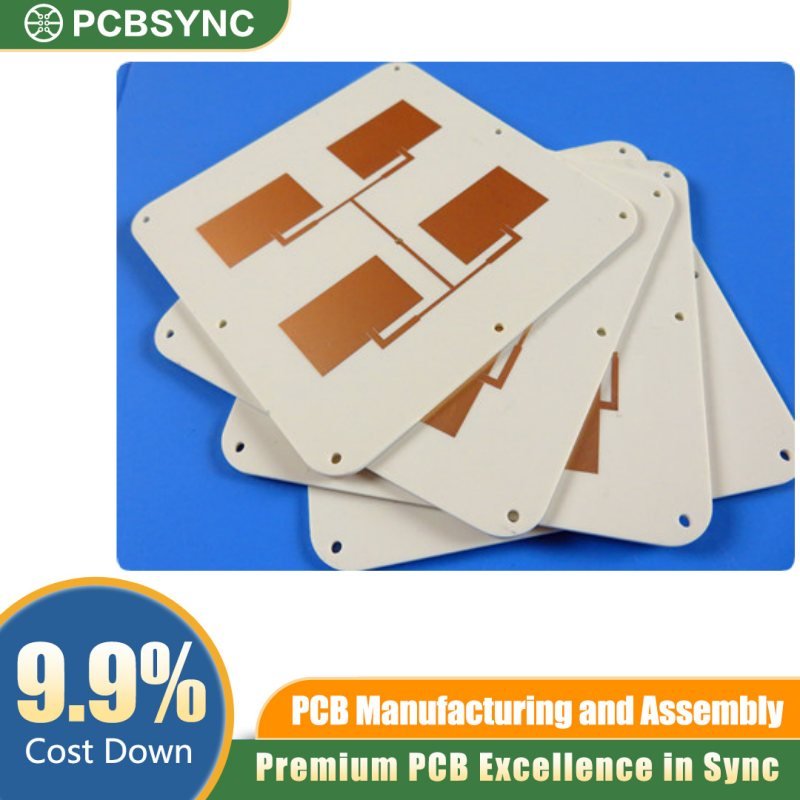
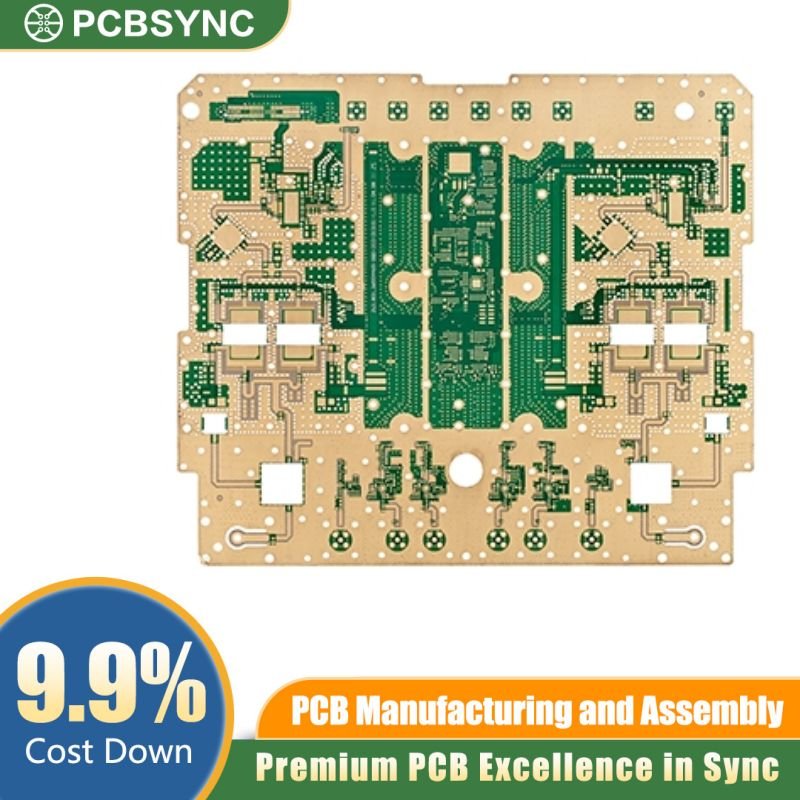
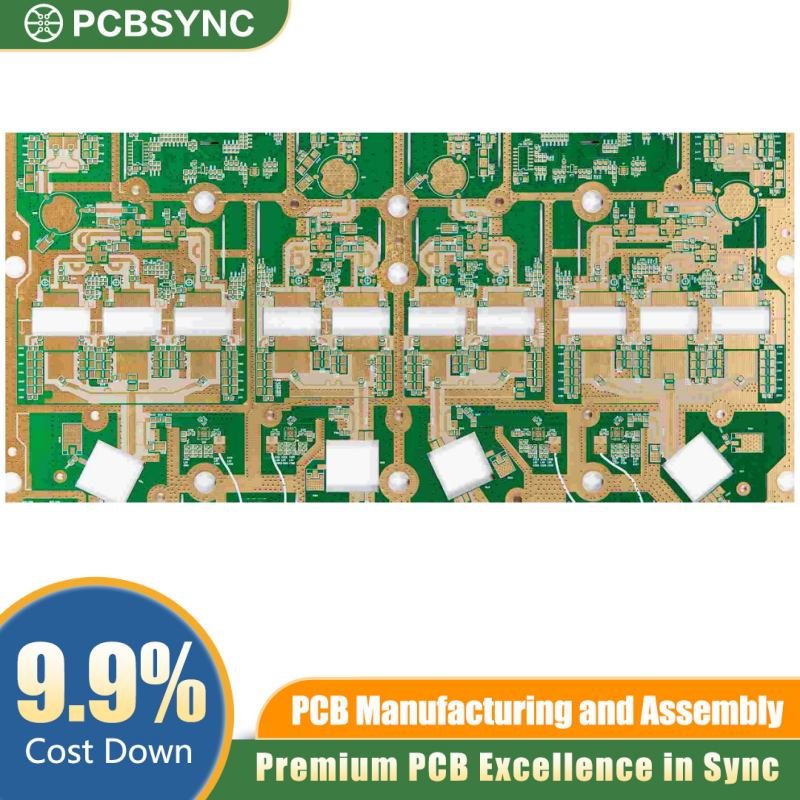
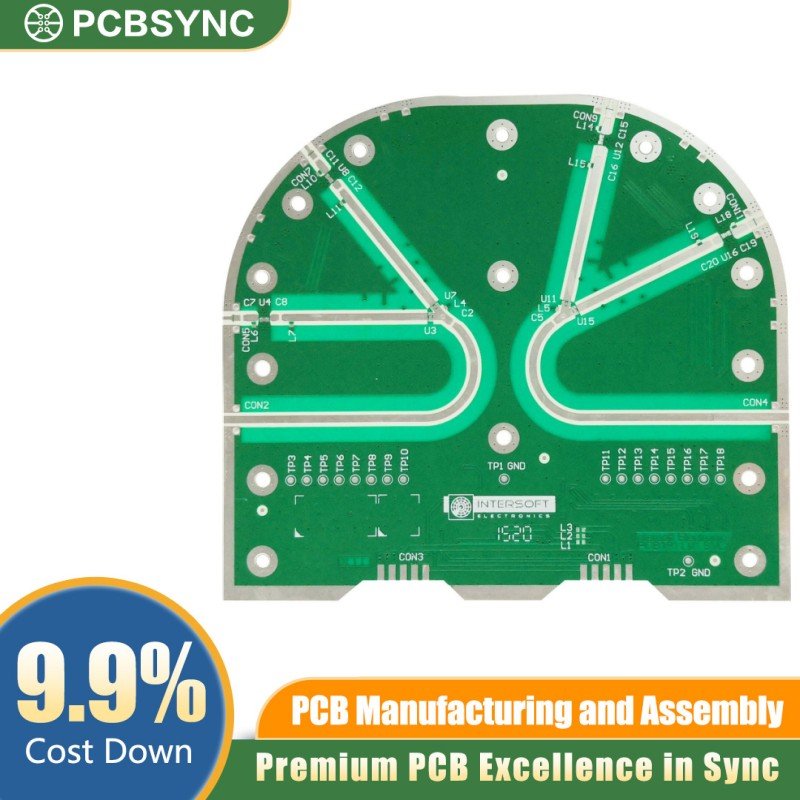
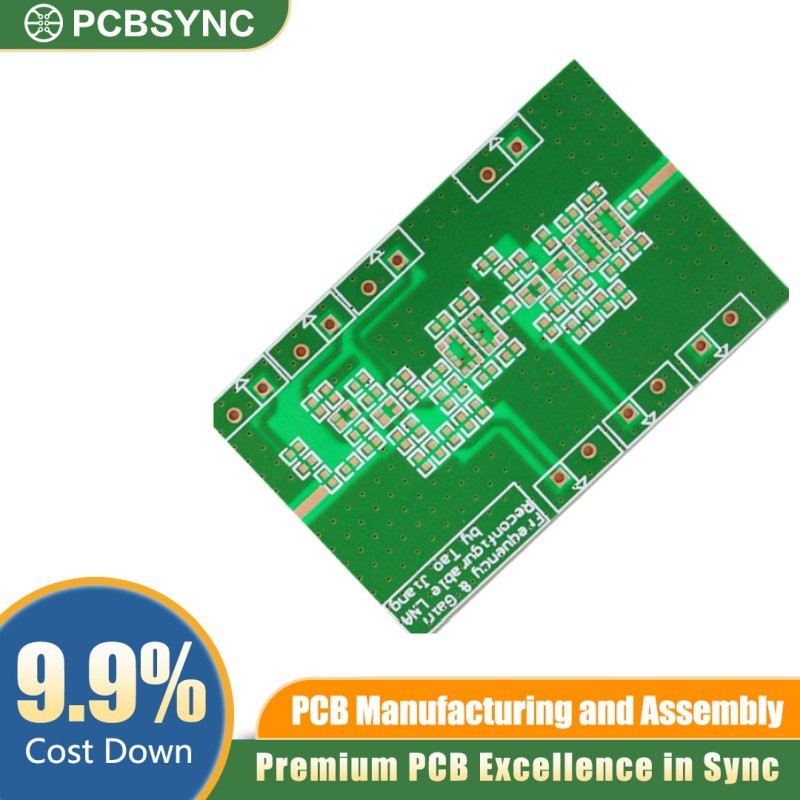
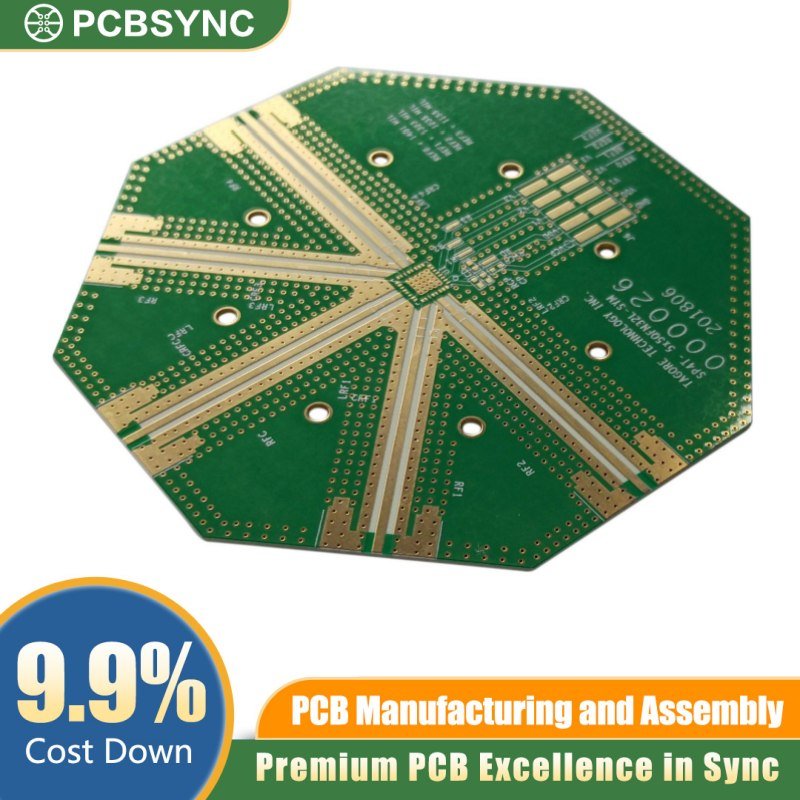
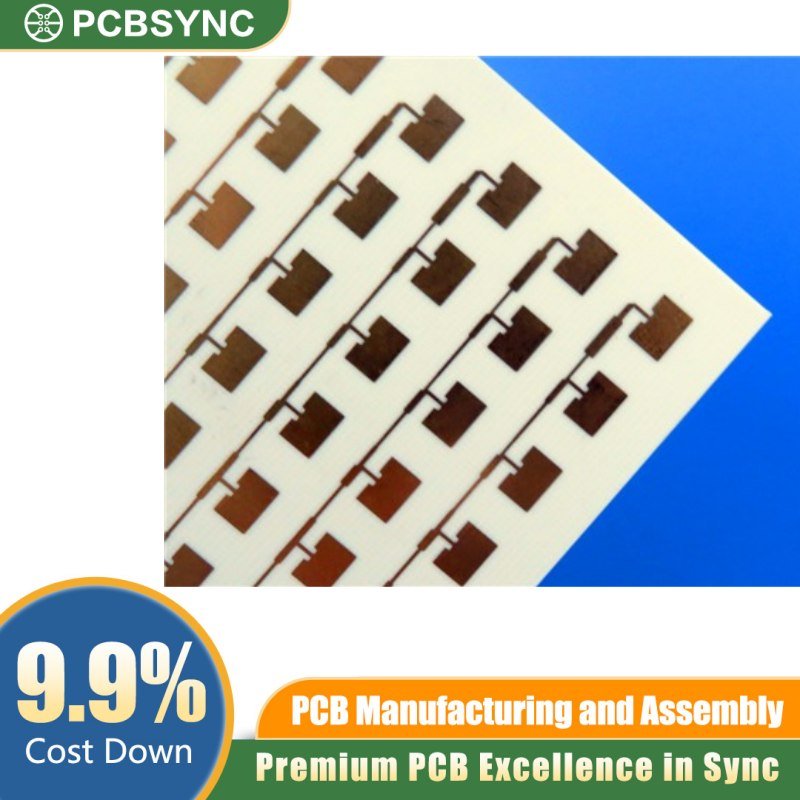
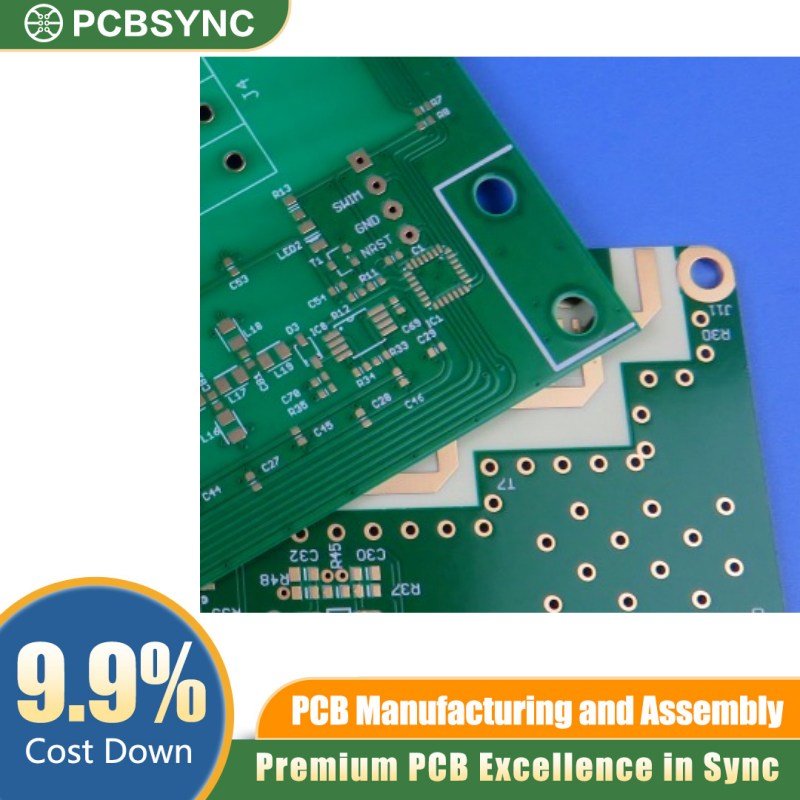
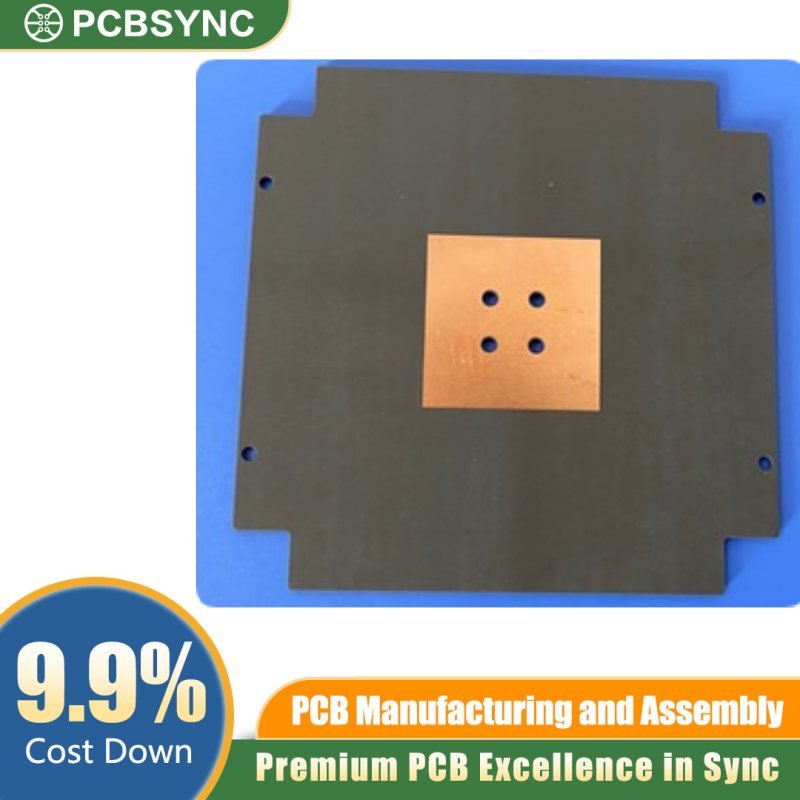
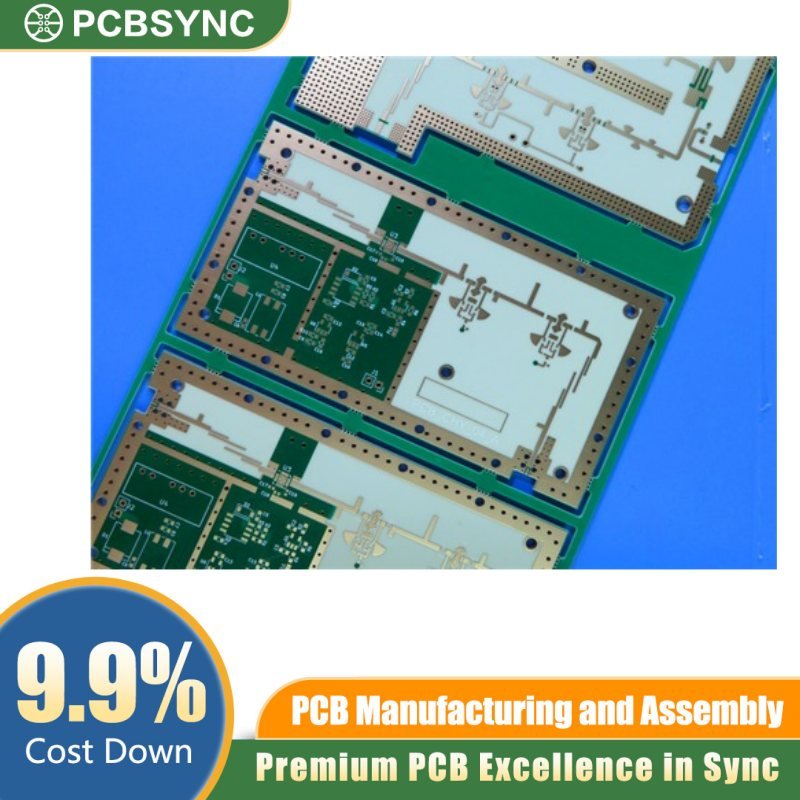
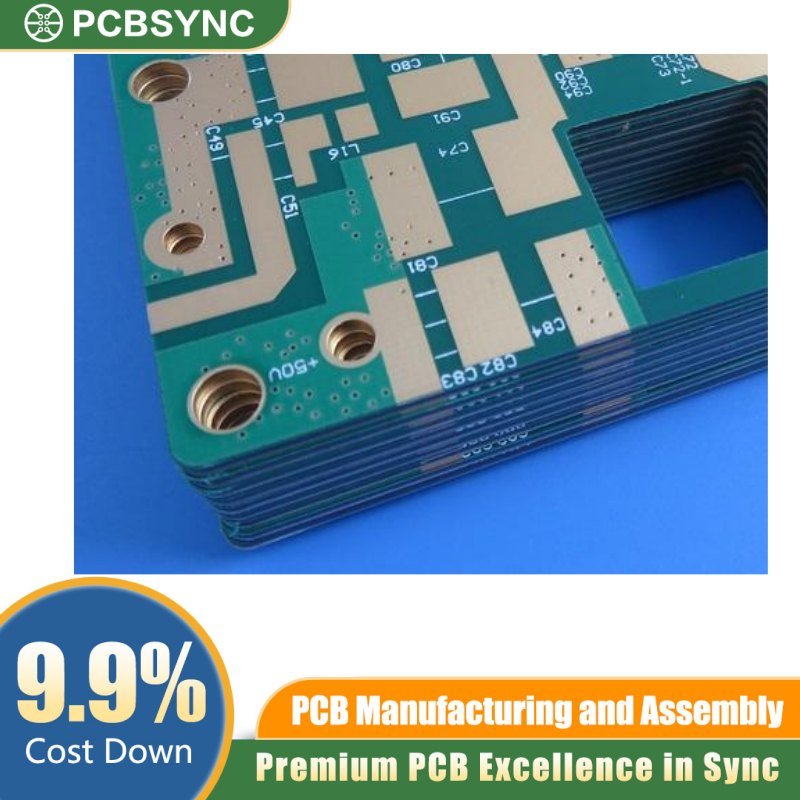
When satellite communication demands precision, reliability becomes non-negotiable. The PCBSync Rogers RO3035 1.5mm 10-layer PCB with immersion gold finish represents a specialized solution engineered for high-frequency applications where signal integrity directly impacts mission success.
Material Selection: Why Rogers RO3035 Matters
Rogers RO3035 isn’t just another laminate material—it’s a ceramic-filled PTFE composite specifically designed for demanding RF applications. With a dielectric constant of 3.50 ±0.05, this material maintains exceptional stability across temperature variations and frequency ranges. For satellite communication systems operating in harsh environments, this consistency translates to predictable performance whether the equipment faces desert heat or orbital cold.
The material’s low dissipation factor (0.0015 at 10GHz) minimizes signal loss, a critical factor when every decibel counts in long-distance satellite links. Unlike standard FR-4 materials that degrade at higher frequencies, RO3035 maintains its electrical properties well into the millimeter-wave spectrum, making it suitable for modern Ka-band and Ku-band satellite systems.
10-Layer Architecture: Complexity Meets Functionality
A 10-layer stackup isn’t chosen arbitrarily. This configuration provides multiple signal layers with dedicated ground and power planes, essential for isolating sensitive RF circuits from digital noise. The 1.5mm total thickness offers mechanical stability while maintaining controlled impedance throughout the board.
Each layer serves a purpose: outer layers typically handle high-frequency RF signals, inner layers manage power distribution and provide shielding, while dedicated ground planes create return paths that minimize electromagnetic interference. This architecture supports complex routing requirements without compromising signal quality.
1oz Copper Weight: Balancing Performance and Manufacturability
The 1oz (35μm) copper weight strikes an optimal balance for satellite communication applications. Thicker copper would increase insertion loss at high frequencies, while thinner copper might not handle the required current loads. This specification ensures adequate current-carrying capacity for power distribution while maintaining the skin effect characteristics necessary for RF signal transmission.
Immersion Gold Finish: Protection That Performs
The immersion gold (ENIG) surface finish provides more than aesthetic appeal. This finish offers excellent solderability, crucial for reliable component attachment in applications where rework isn’t an option. The gold layer protects against oxidation during storage and assembly, while the underlying nickel barrier prevents copper migration.
For RF connectors and edge-launch applications common in satellite systems, immersion gold provides consistent impedance at contact points. The flat, uniform surface supports fine-pitch components and wire bonding when required for hybrid assemblies.
Application-Specific Advantages
Satellite ground stations, phased array antennas, and transponder systems benefit from this PCB specification. The material’s low moisture absorption (0.04%) ensures stable performance in humid environments, while its thermal coefficient of expansion closely matches copper, reducing stress during thermal cycling.
The combination of Rogers RO3035 with a 10-layer design enables integration of RF front-ends, filtering networks, and digital control circuits on a single board. This consolidation reduces interconnect losses and simplifies system assembly—critical factors in space-constrained satellite equipment.
Manufacturing Considerations
PCBSync’s execution of this specification requires precision drilling, controlled impedance routing, and careful layer registration. The Rogers material demands specialized processing compared to standard laminates, but the result is a board that meets the stringent requirements of satellite communication systems where failure isn’t acceptable.
This PCB represents proven technology for applications where performance, reliability, and signal integrity define success.