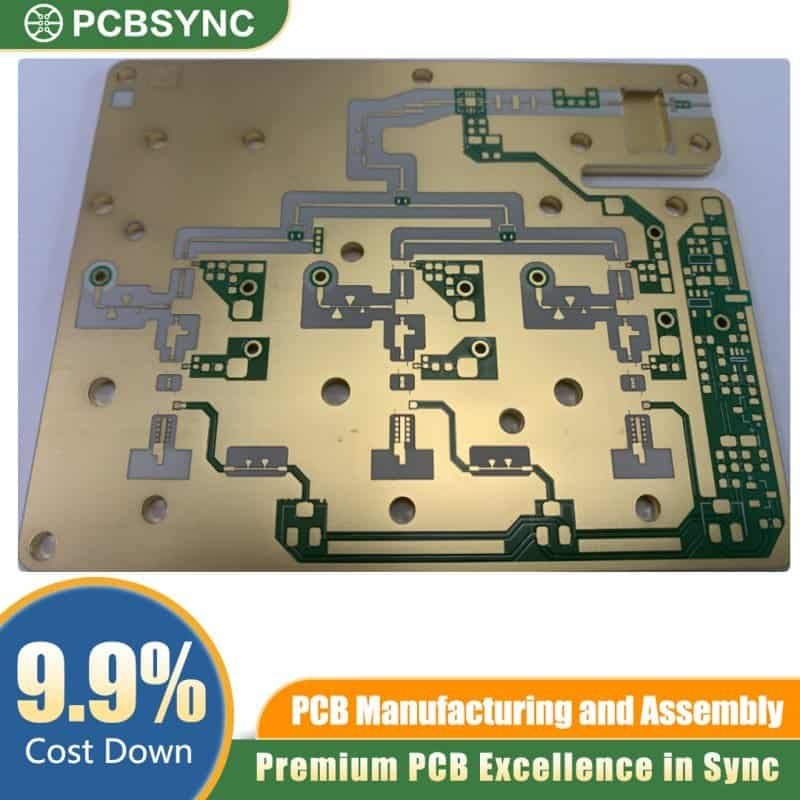
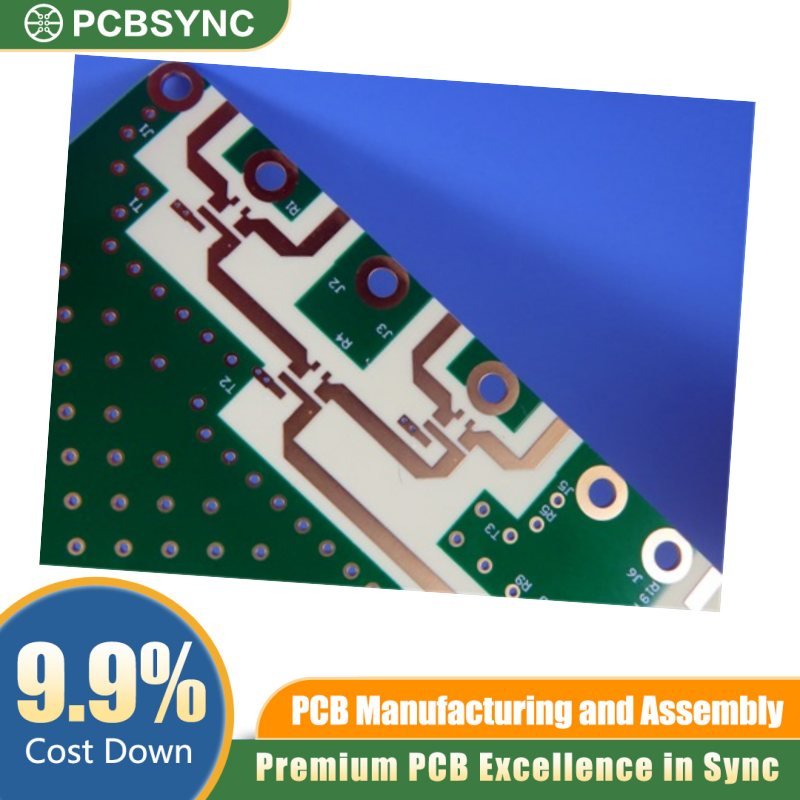
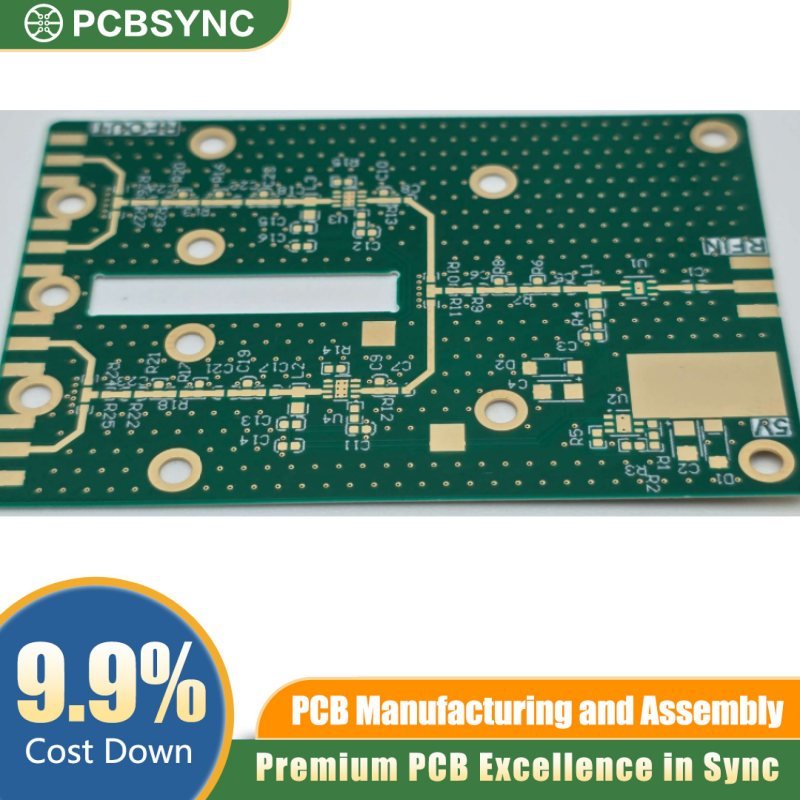
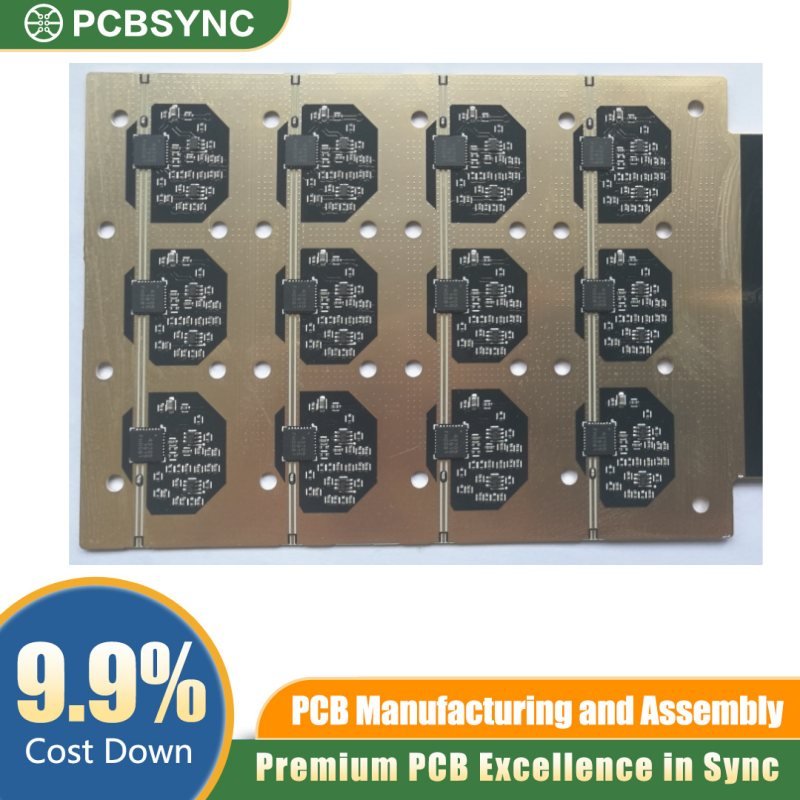
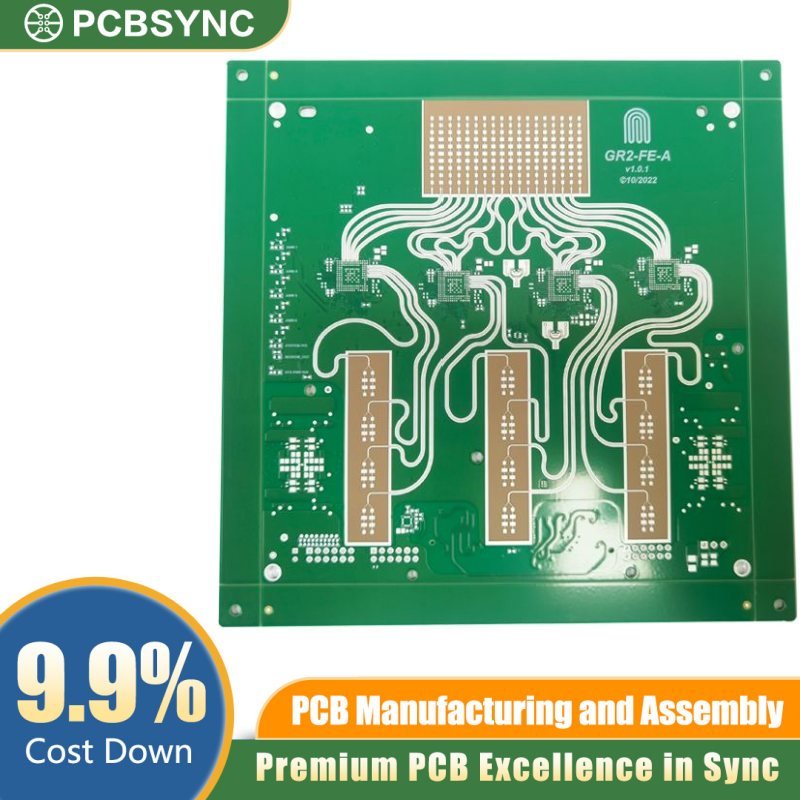
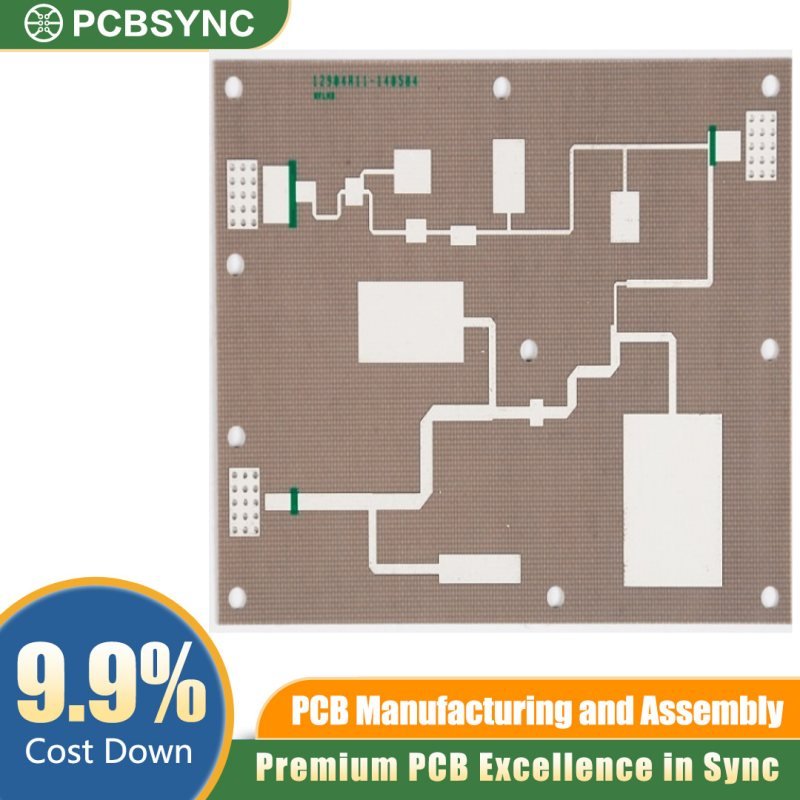
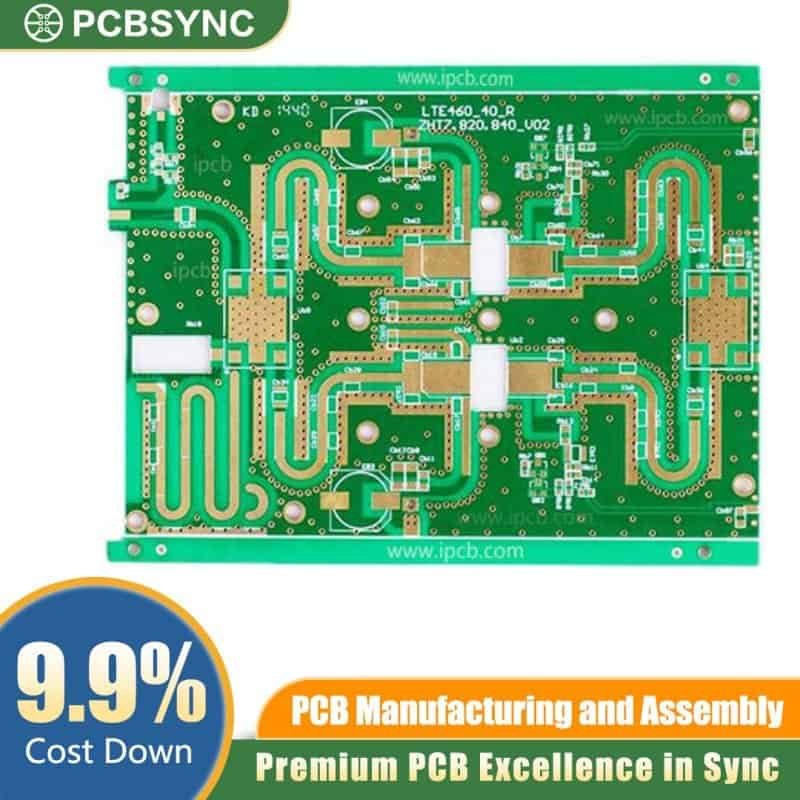
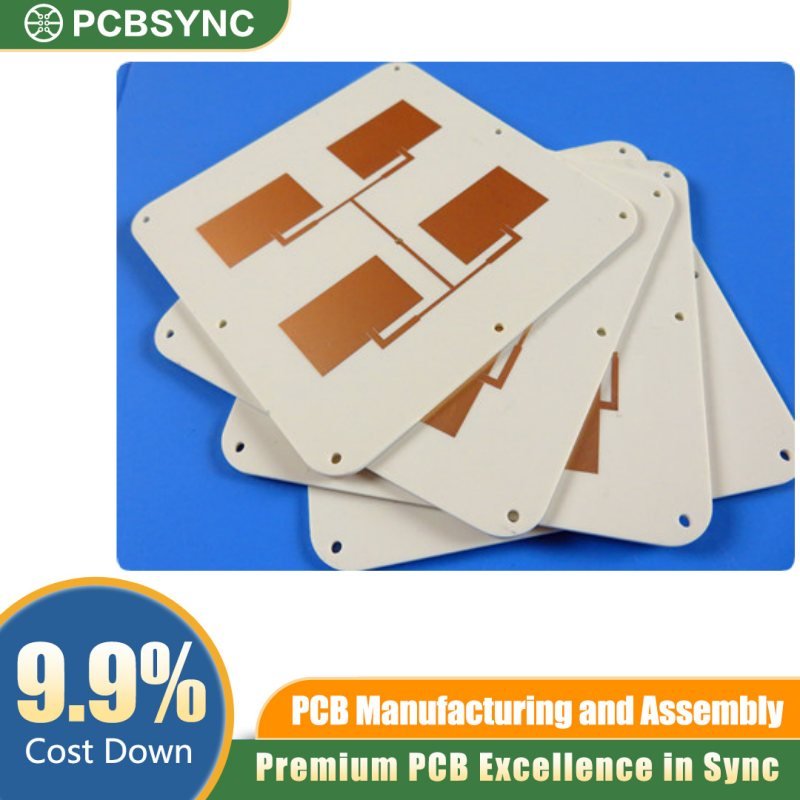
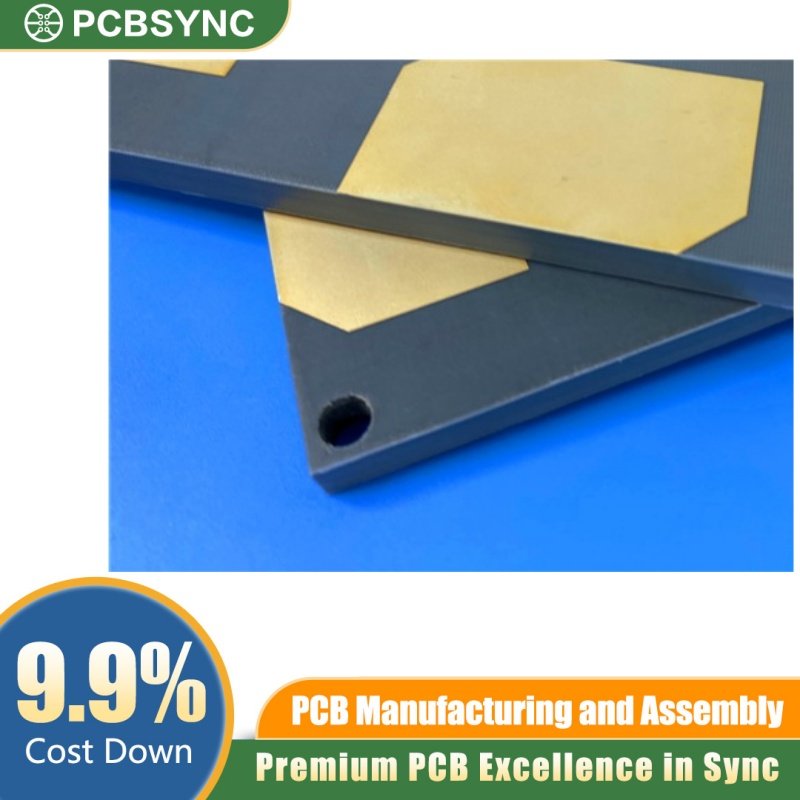
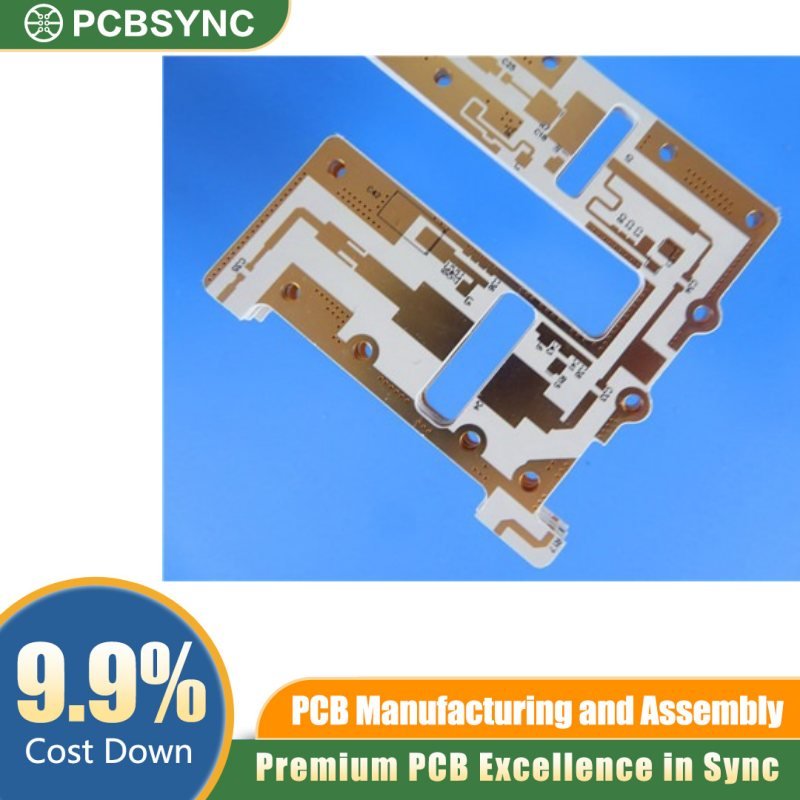
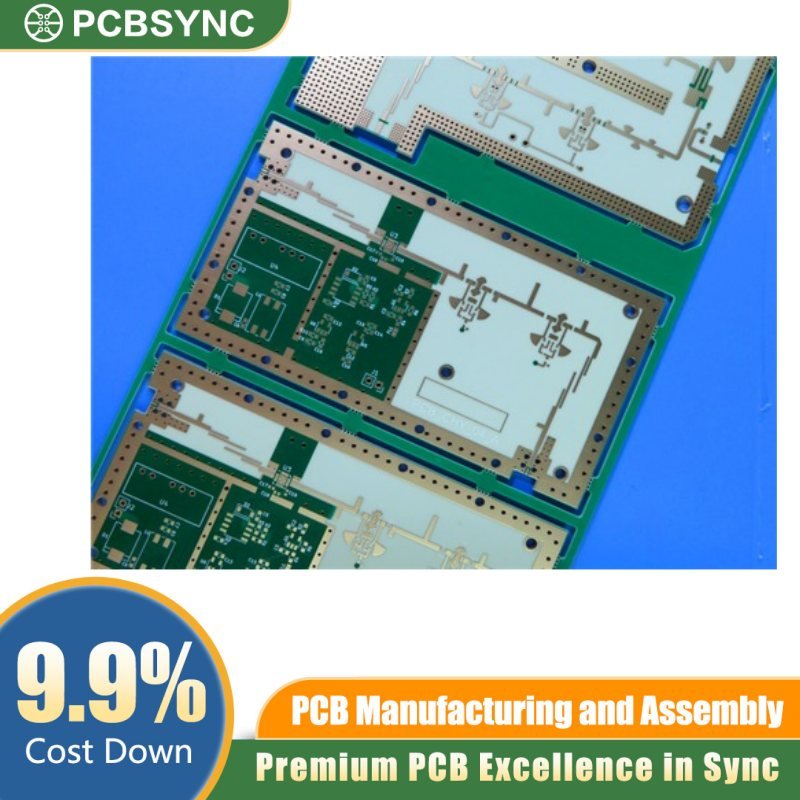
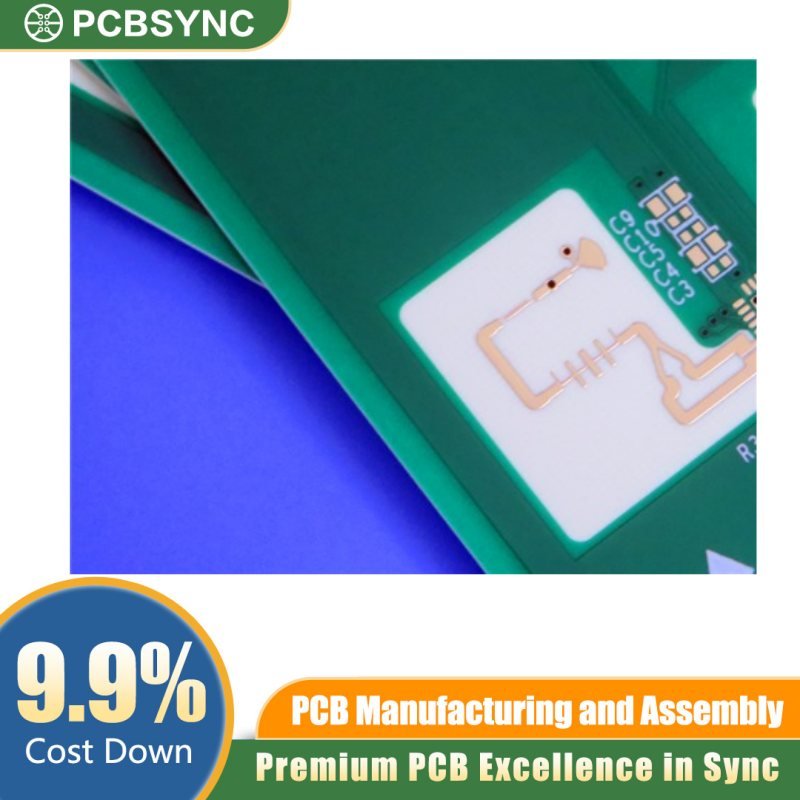
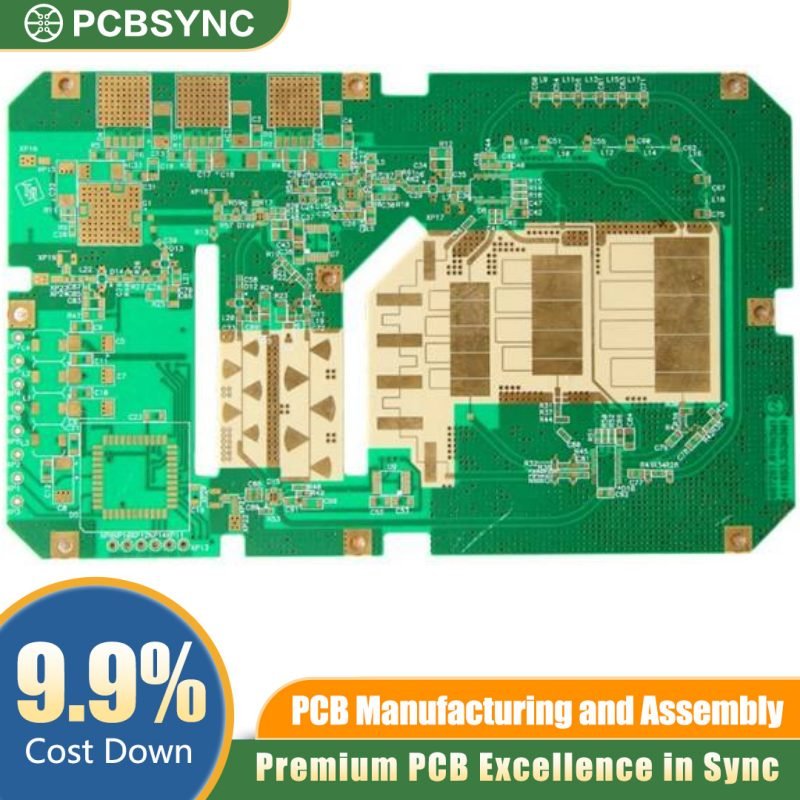
When designing high-frequency phased array antenna systems, material selection and fabrication precision determine overall performance. The PCBSync Rogers RO3006 1.0mm 1oz Hard Gold 8-Layer board represents a specialized solution for demanding RF applications requiring stable dielectric properties and exceptional signal integrity.
Material Characteristics and Performance
Rogers RO3006 belongs to the RO3000 series of ceramic-filled PTFE composites, offering a dielectric constant of 6.5 ±0.15 across the frequency spectrum. This stability proves critical for phased array applications where phase consistency directly impacts beam steering accuracy. The material maintains low dissipation factor (0.0020 at 10GHz), minimizing signal loss in multi-layer configurations.
The 1.0mm board thickness provides mechanical rigidity while accommodating eight copper layers for complex routing requirements. This stackup enables designers to implement power distribution networks, ground planes, and signal layers without compromising electromagnetic performance. The 1oz copper weight balances current-carrying capacity with trace impedance control, suitable for both power delivery and controlled impedance transmission lines.
Hard Gold Plating Advantages
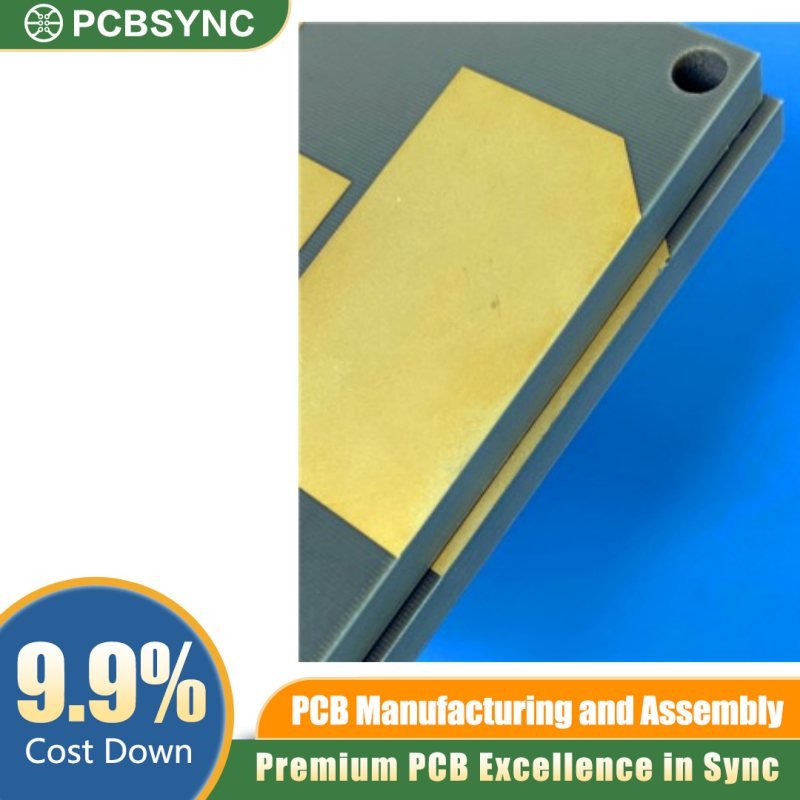
Hard gold plating on contact areas delivers superior durability compared to standard ENIG finishes. For phased array systems requiring repeated connector mating cycles, hard gold withstands mechanical wear while maintaining low contact resistance. The typical thickness ranges from 0.76 to 1.27 microns over a nickel barrier layer, providing corrosion resistance in harsh operating environments.
This finish proves particularly valuable for military, aerospace, and telecommunications applications where equipment reliability cannot be compromised. The gold surface also facilitates wire bonding when integrating MMIC components or other semiconductor devices directly onto the PCB.
8-Layer Stackup Configuration
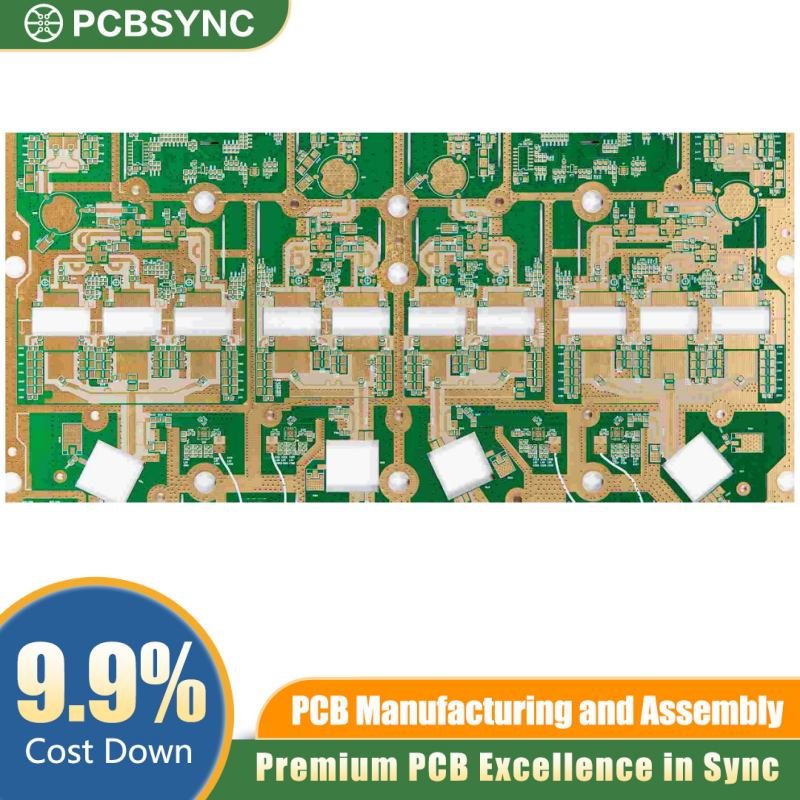
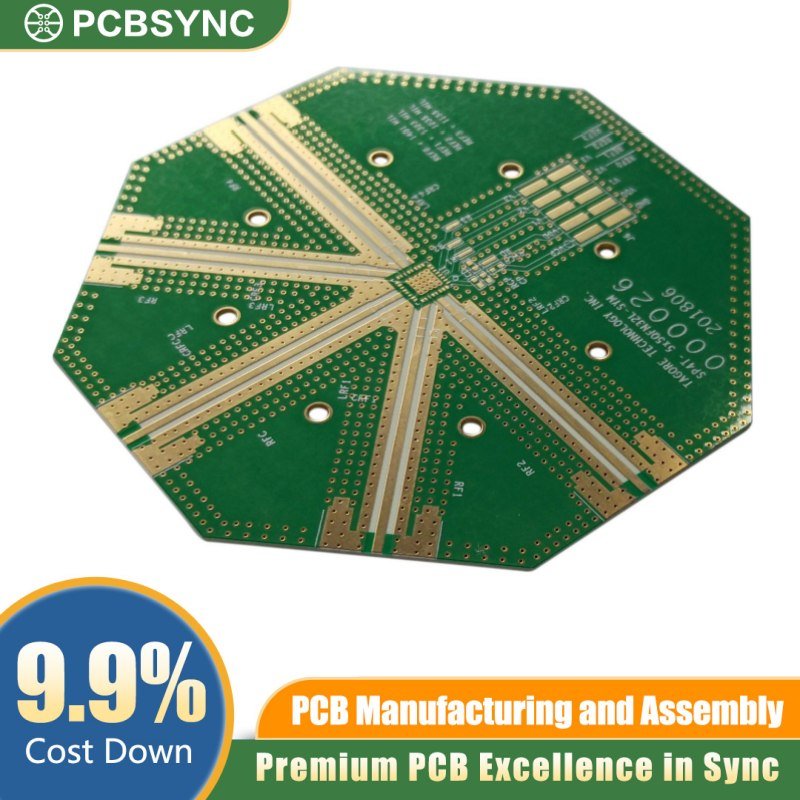
The eight-layer construction allows sophisticated signal routing strategies essential for phased array architectures. Typical stackups dedicate outer layers to RF signal traces, with internal layers serving as ground planes and power distribution. This arrangement minimizes crosstalk between adjacent antenna elements while providing low-inductance return paths for high-frequency signals.
Buried and blind vias enable dense interconnections without compromising surface real estate needed for antenna elements. The Rogers RO3006 material processes well with standard PCB fabrication techniques, though specialized drilling parameters prevent delamination and ensure via reliability.
Application Scenarios
Phased array antenna boards using this specification commonly appear in radar systems, satellite communications, 5G base stations, and electronic warfare equipment. The material’s thermal stability (CTE of 17 ppm/°C in the Z-axis) ensures dimensional consistency across temperature extremes, critical for maintaining phase relationships in outdoor installations.
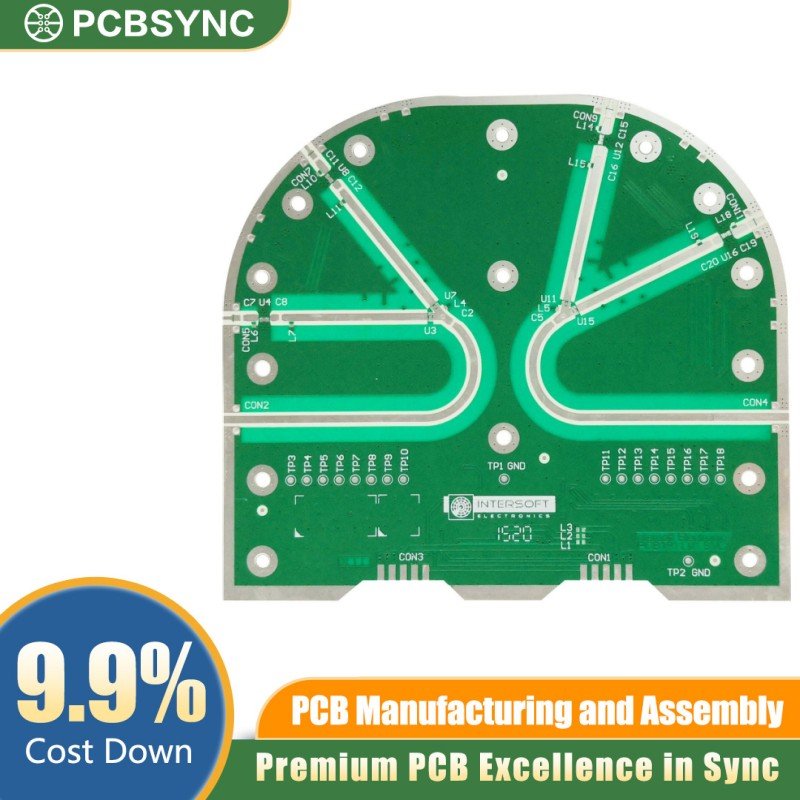
Beamforming networks benefit from the low-loss characteristics, preserving signal strength through multiple power dividers and phase shifters. The controlled dielectric constant simplifies impedance matching networks, reducing design iterations and improving first-pass success rates.
Manufacturing Considerations
PCBSync’s fabrication process for this board type requires precise layer registration to maintain phase coherence across antenna elements. Impedance control tolerances typically held to ±5% ensure predictable RF performance. The combination of Rogers laminate with hard gold plating demands careful process control to prevent contamination and ensure proper adhesion.
For engineers specifying this board type, providing detailed stackup documentation, impedance requirements, and gold thickness specifications ensures manufacturing alignment with design intent. The investment in premium materials and processes delivers measurable performance advantages in applications where RF characteristics directly impact system capability.