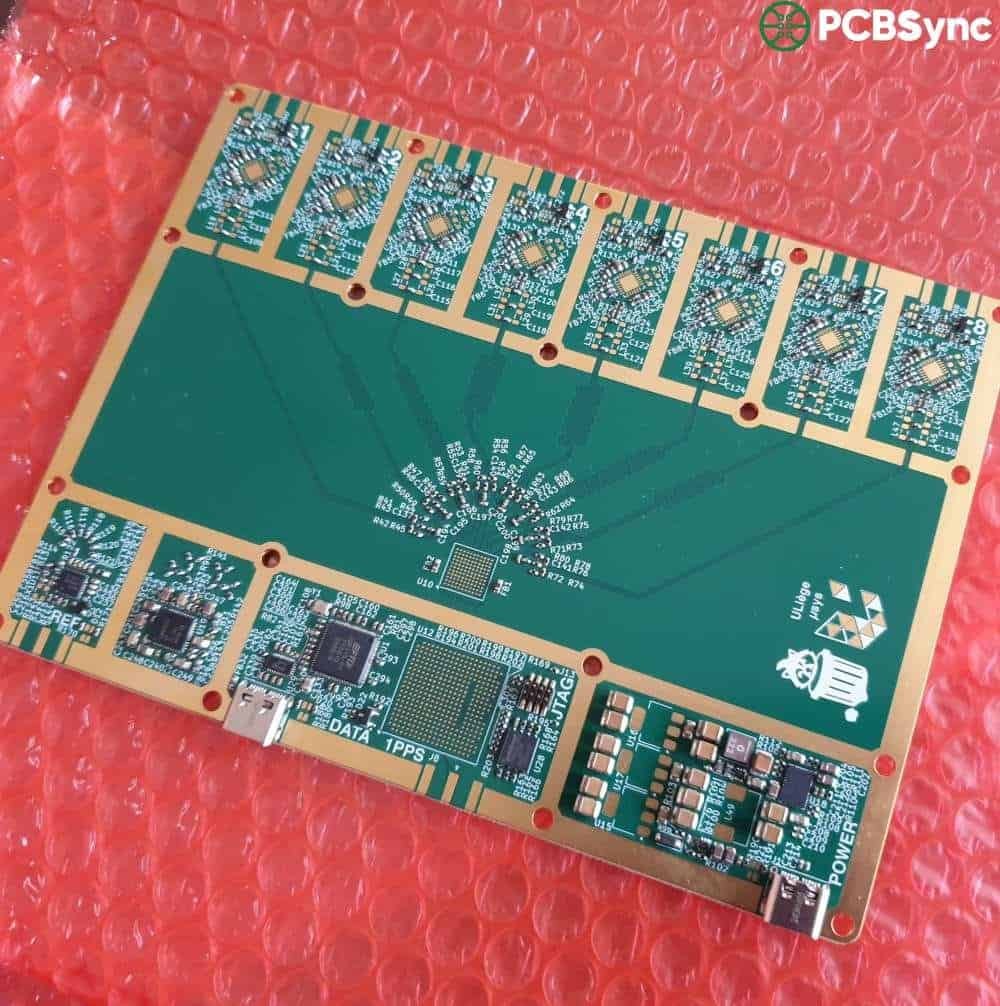
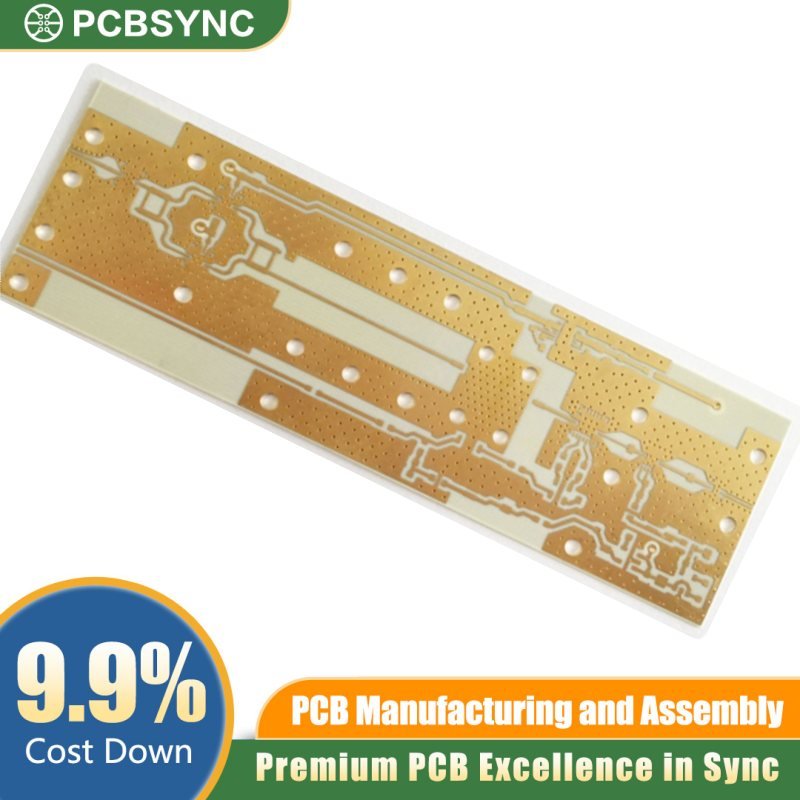
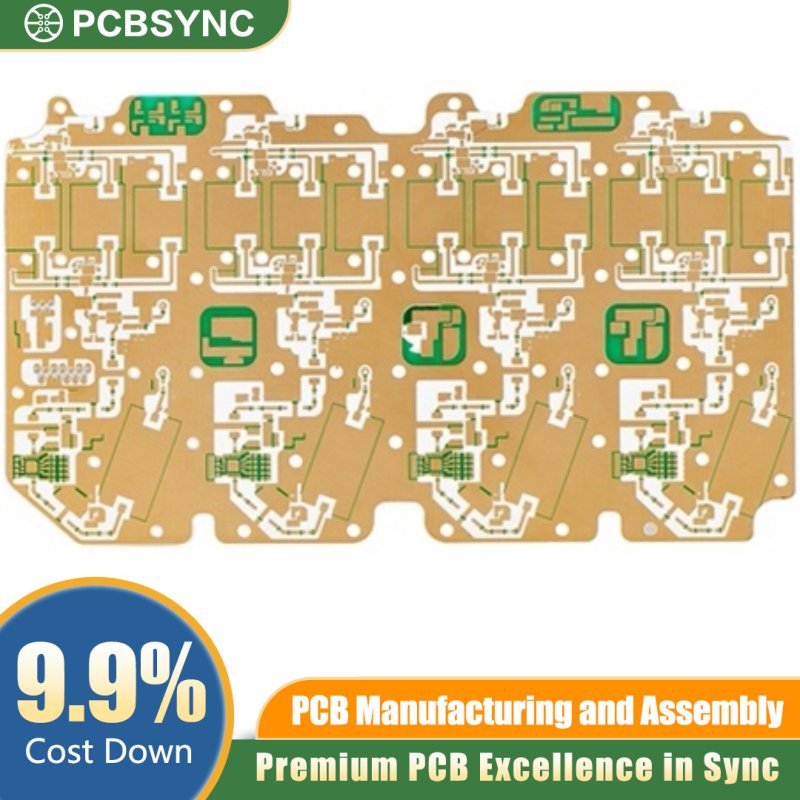
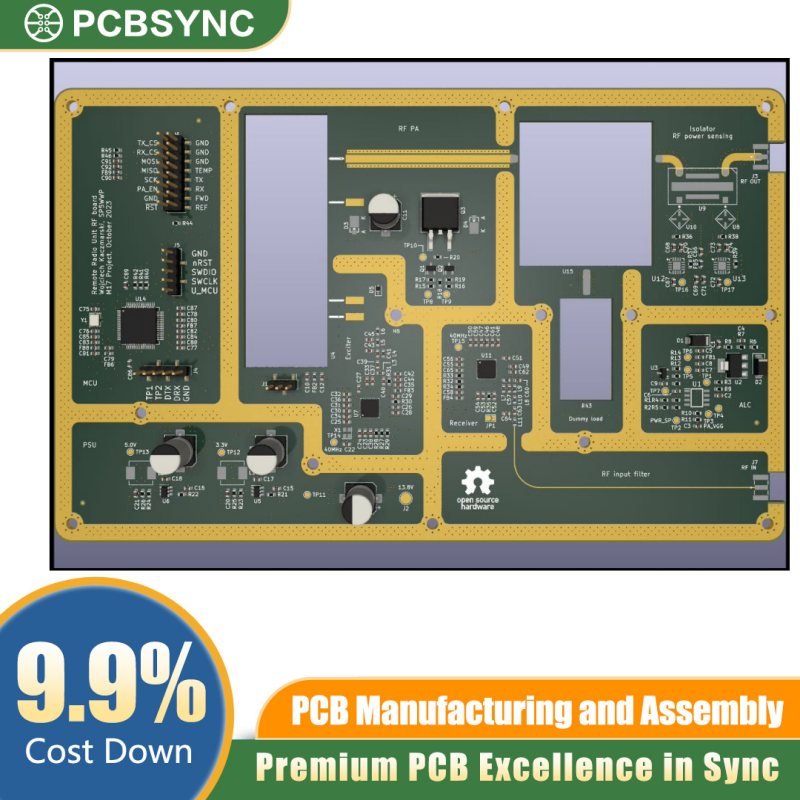
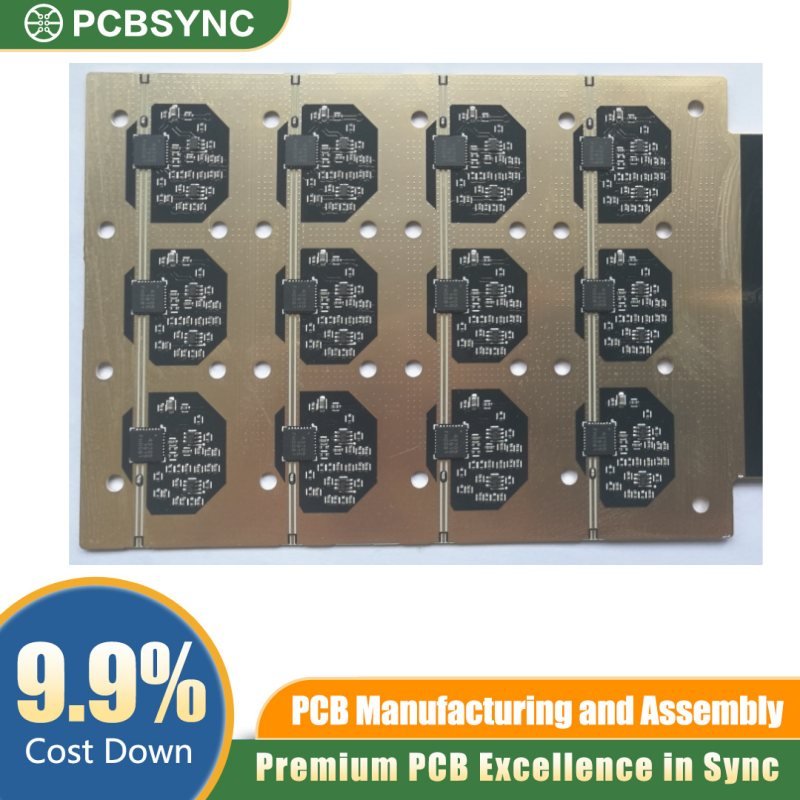
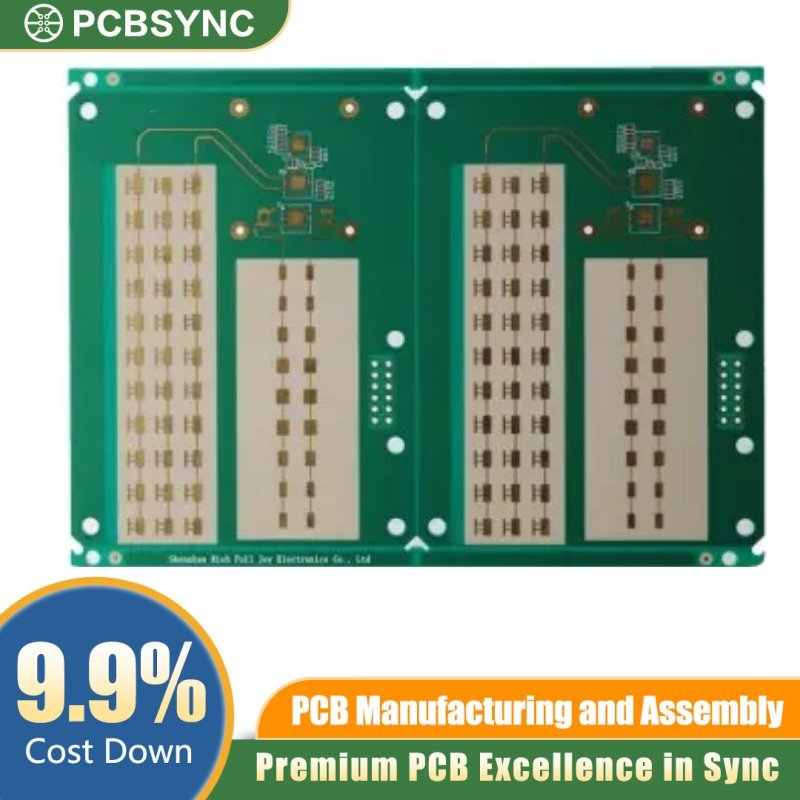
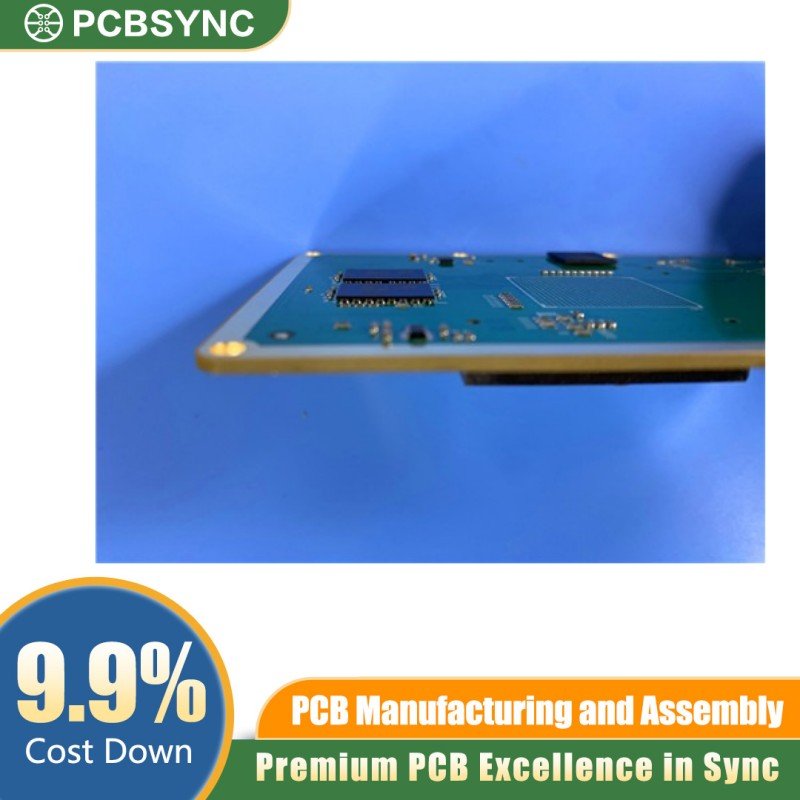
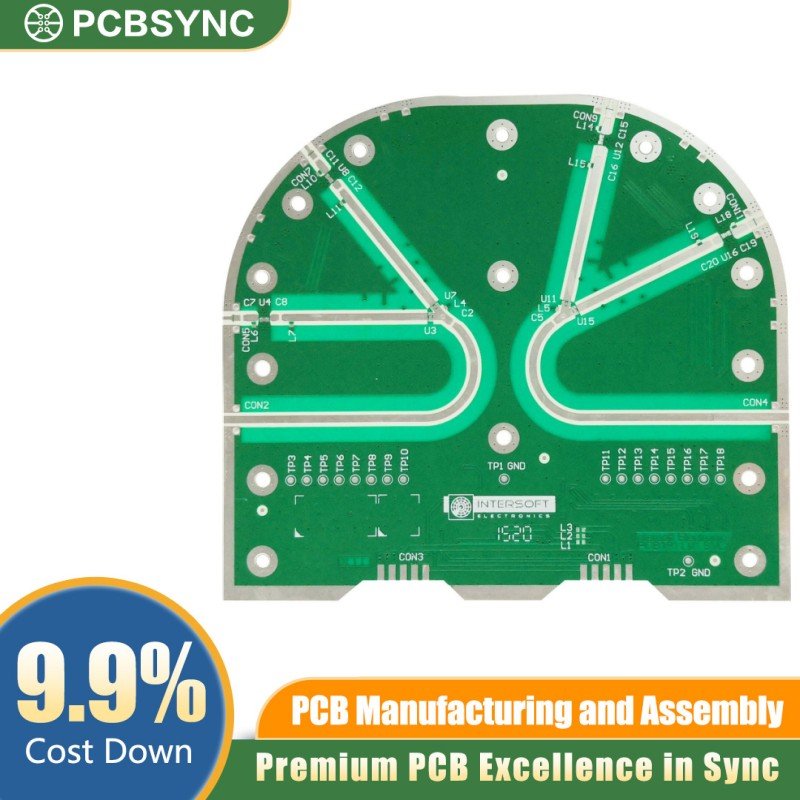
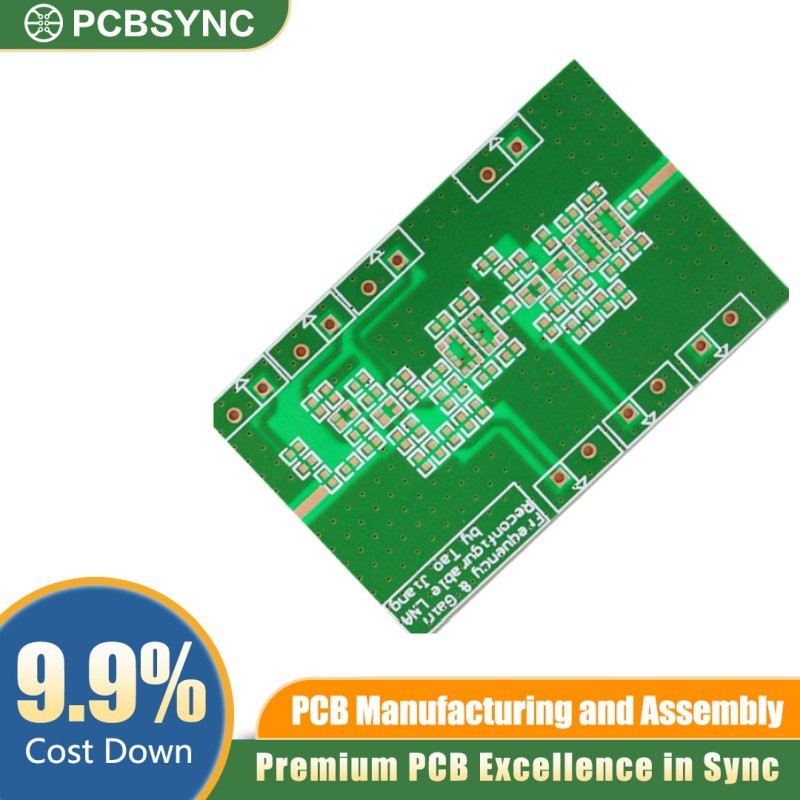
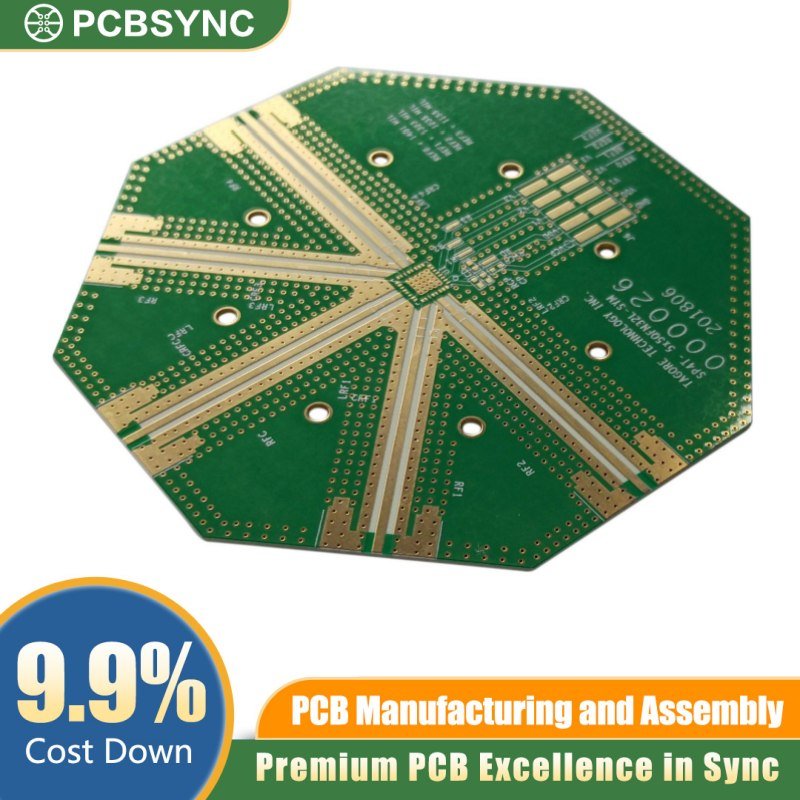
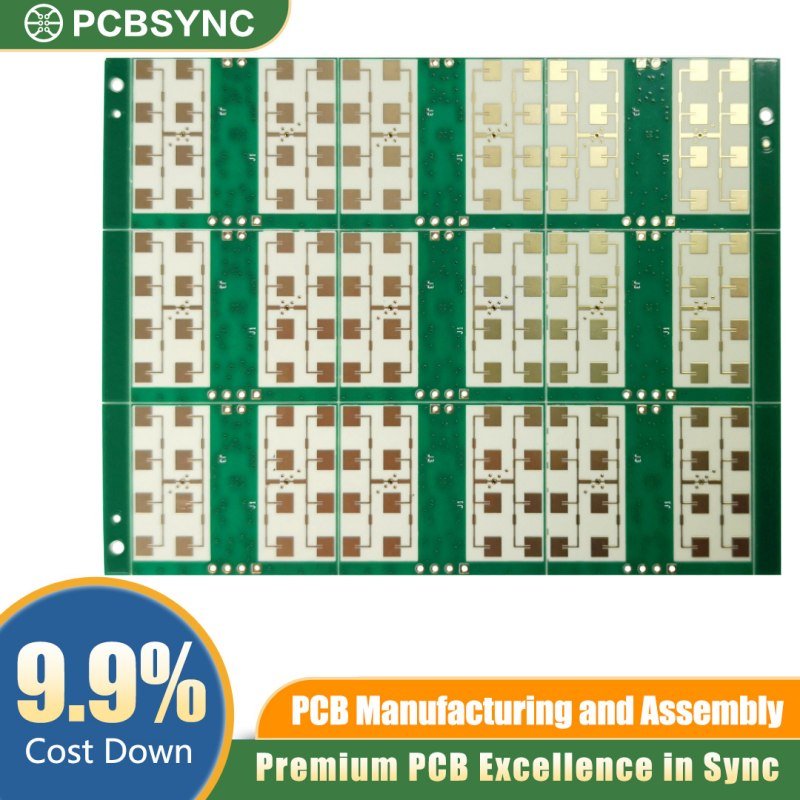
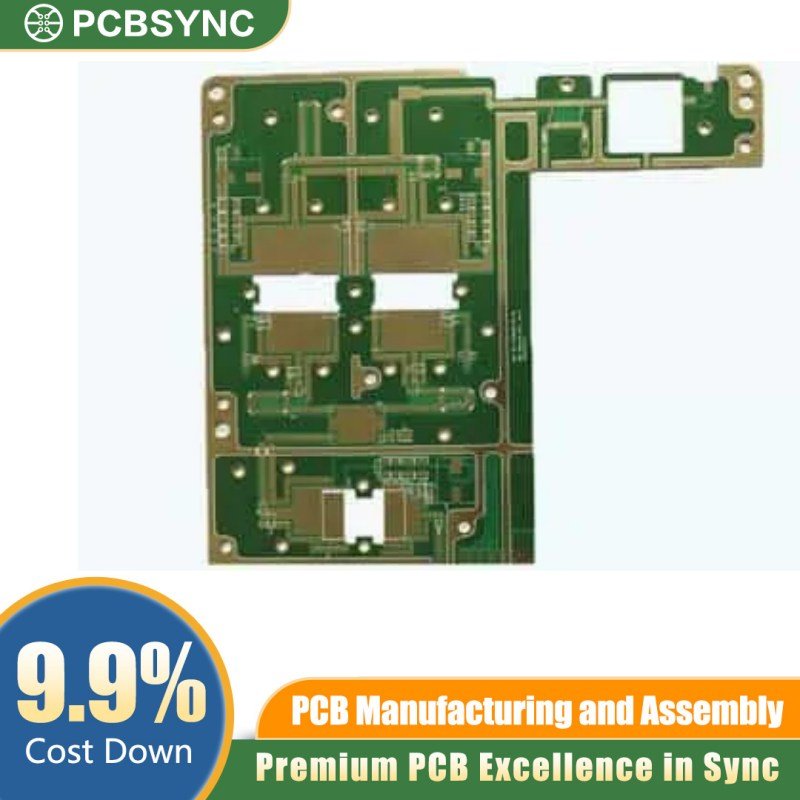
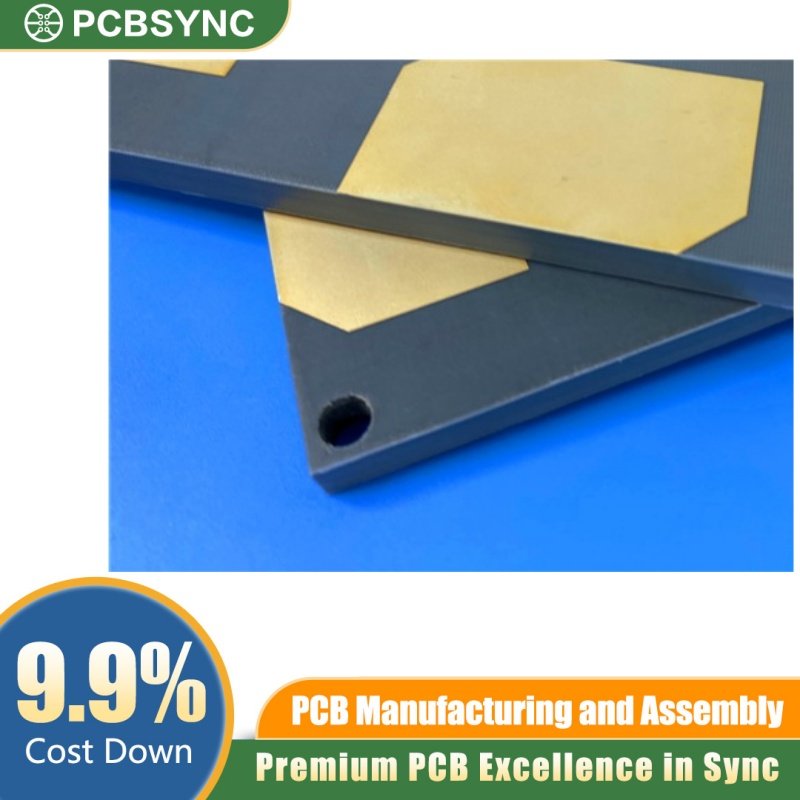
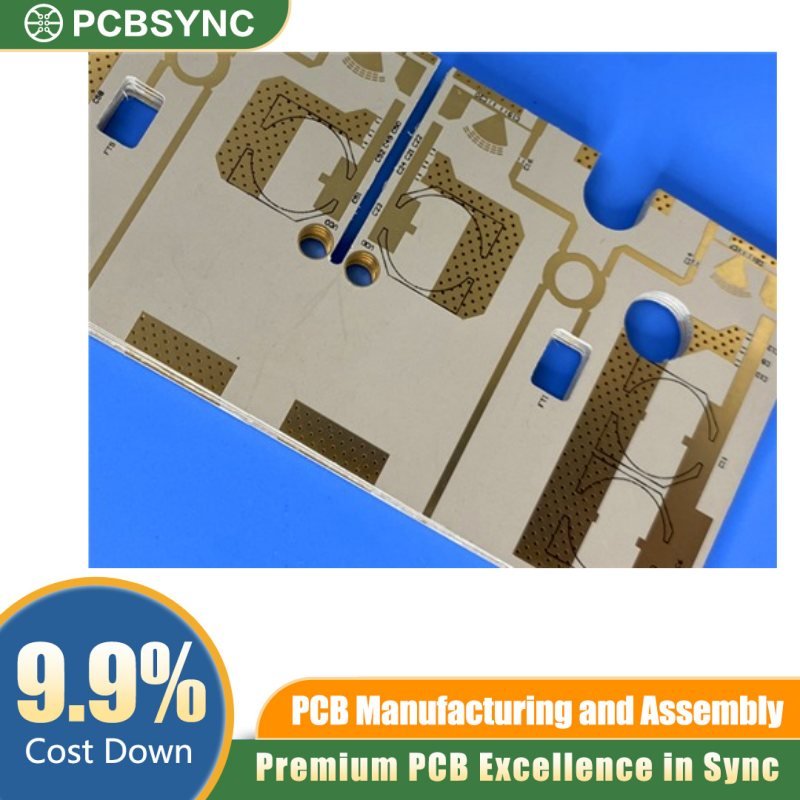
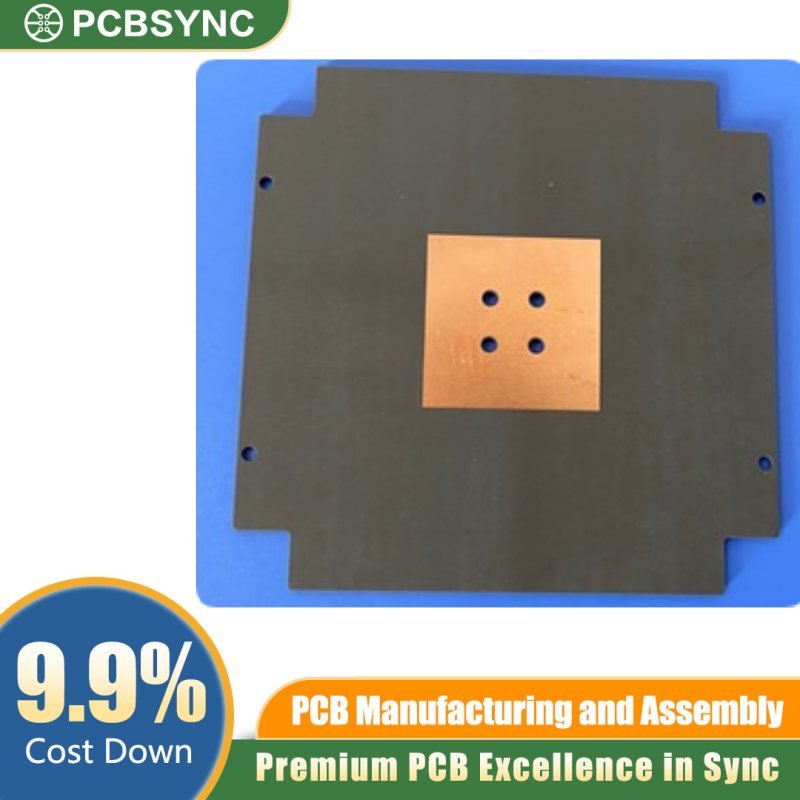
The telecommunications infrastructure demands precision-engineered solutions that deliver consistent performance under the most challenging RF conditions. This 6-layer PCB built on Rogers RO3003 laminate represents a purpose-built platform for next-generation 5G base station equipment, where signal integrity and thermal stability are non-negotiable requirements.
Material Selection and Stack-up Architecture
Rogers RO3003 serves as the foundation material for this design, offering a dielectric constant of 3.00 ±0.04 across the frequency spectrum. This ceramic-filled PTFE composite maintains exceptional dimensional stability across temperature ranges from -40°C to +85°C, critical for outdoor base station deployments. The material’s low dissipation factor of 0.0013 at 10GHz minimizes insertion loss in high-frequency signal paths, directly translating to improved system efficiency and reduced power consumption.
The 1.2mm total thickness provides mechanical rigidity while accommodating the 6-layer stack-up necessary for complex RF routing, power distribution, and ground plane management. This configuration allows designers to implement proper impedance control for differential pairs and single-ended traces while maintaining adequate isolation between signal layers.
Copper Weight and Surface Finish
The 0.5oz copper weight strikes an optimal balance for 5G applications. Thinner copper reduces skin effect losses at millimeter-wave frequencies while providing sufficient current-carrying capacity for power distribution networks. This specification supports fine-pitch component assembly and enables tighter trace spacing for high-density interconnects common in modern base station designs.
ENIG (Electroless Nickel Immersion Gold) surface finish delivers multiple advantages for production and long-term reliability. The nickel barrier layer prevents copper migration and provides excellent solderability over extended storage periods. The thin gold layer protects against oxidation and ensures consistent contact resistance for RF connectors and test points. ENIG’s flat surface profile supports fine-pitch BGAs and QFNs used in contemporary RF front-end modules.
Application-Specific Performance
For 5G base station implementations, this PCB configuration addresses several critical requirements. The low-loss RO3003 substrate minimizes signal attenuation in antenna feed networks and power amplifier output stages. Stable dielectric properties ensure consistent impedance matching across temperature variations, maintaining VSWR specifications throughout daily thermal cycles.
The 6-layer construction provides dedicated planes for RF ground, DC power distribution, and signal routing. This separation reduces crosstalk between adjacent channels and improves isolation between transmit and receive paths. Proper layer stack-up also facilitates via transitions between layers while maintaining controlled impedance throughout the signal path.
Manufacturing Considerations
Rogers RO3003 processes using standard PCB fabrication equipment, though it requires specific drilling parameters and handling procedures. The material’s dimensional stability simplifies registration between layers during lamination, contributing to tighter tolerance control on critical features like via placement and trace width.
This PCB specification suits volume production while meeting the stringent electrical requirements of 5G infrastructure. The combination of proven materials, appropriate copper weight, and reliable surface finish creates a foundation for base station designs that must operate continuously in demanding environmental conditions while maintaining signal quality across wide frequency ranges.