Inquire: Call 0086-755-23203480, or reach out via the form below/your sales contact to discuss our design, manufacturing, and assembly capabilities.
Quote: Email your PCB files to Sales@pcbsync.com (Preferred for large files) or submit online. We will contact you promptly. Please ensure your email is correct.
Notes: For PCB fabrication, we require PCB design file in Gerber RS-274X format (most preferred), *.PCB/DDB (Protel, inform your program version) format or *.BRD (Eagle) format. For PCB assembly, we require PCB design file in above mentioned format, drilling file and BOM. Click to download BOM template To avoid file missing, please include all files into one folder and compress it into .zip or .rar format.
Plex on Raspberry Pi: Can It Handle Your Media Library?
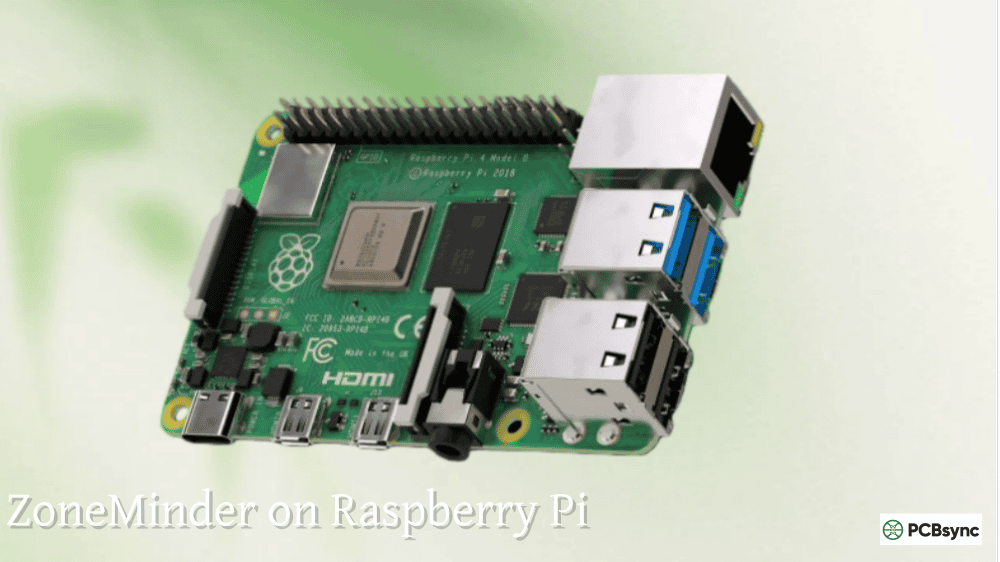
When I finally decided to build a home media server, the question wasn’t whether to use Plex, but what hardware could run it efficiently without becoming another noisy, power-hungry box in my office. The Raspberry Pi seemed perfect on paper: compact, silent, and running at just a few watts. But could a plex raspberry pi setup actually handle streaming movies to my family’s devices?
After months of real-world testing, I can give you a nuanced answer. A plex server raspberry pi configuration works remarkably well under specific conditions, but falls short in others. This guide covers everything you need to know before investing time and money into this project.
Plex is a media server application that organizes your personal media library and streams it to various devices throughout your home or remotely. It automatically downloads metadata like movie posters, plot summaries, and ratings, creating a Netflix-like experience for your own content.
Why Consider a Raspberry Pi Plex Server?
Benefit
Description
Low Power Consumption
3-7W vs 50-150W for traditional servers
Annual Power Cost
$5-10/year running 24/7
Silent Operation
No fans in most configurations
Compact Size
Fits anywhere, even behind a TV
Low Initial Cost
Complete setup under $150
Always-On Capability
Dedicated device for media serving
For users tired of high electricity bills from running a full PC as a media server, the Pi offers an attractive alternative that costs pennies to operate year-round.
The Critical Question: Transcoding vs Direct Play
Before diving into setup, you need to understand the fundamental limitation that determines whether a plex raspberry pi setup will work for you.
Understanding Plex Playback Modes
Playback Mode
Description
Pi Performance
Direct Play
Client plays file as-is
Excellent
Direct Stream
Repackages container, no transcoding
Very Good
Transcode
Converts video format in real-time
Poor to Unusable
Why Transcoding Matters
Transcoding happens when your client device cannot play the original media format. Plex then converts the video on-the-fly, which requires significant CPU power. The Raspberry Pi, even the Pi 5, lacks the hardware encoding capabilities that make transcoding practical.
Scenario
Transcoding Required?
Pi Suitability
Smart TV playing H.264 MP4
No (Direct Play)
Excellent
Phone streaming over cellular
Yes (lower bitrate)
Poor
Browser playback
Usually Yes
Poor
Plex client app on Fire TV
Usually No
Good
Subtitles burned into video
Yes
Poor
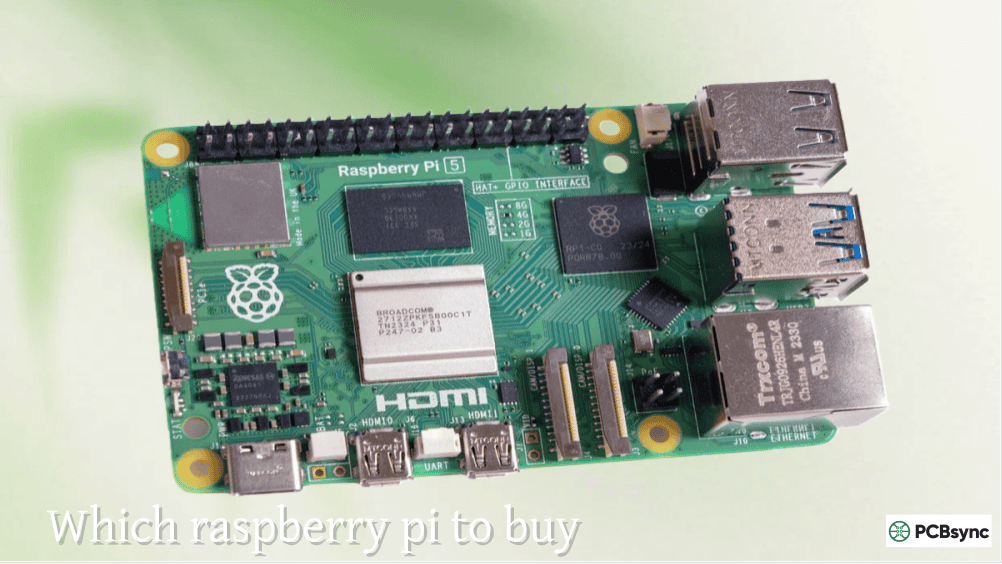
The Pi 5’s VideoCore VII GPU supports hardware HEVC decoding up to 4K, but there is no hardware encoder. This means the Pi can decode video efficiently but struggles when it needs to re-encode for incompatible clients.
Hardware Requirements for Raspberry Pi Plex Server
Building a reliable plex server raspberry pi requires more than just the board itself.
Recommended Pi Models for Plex
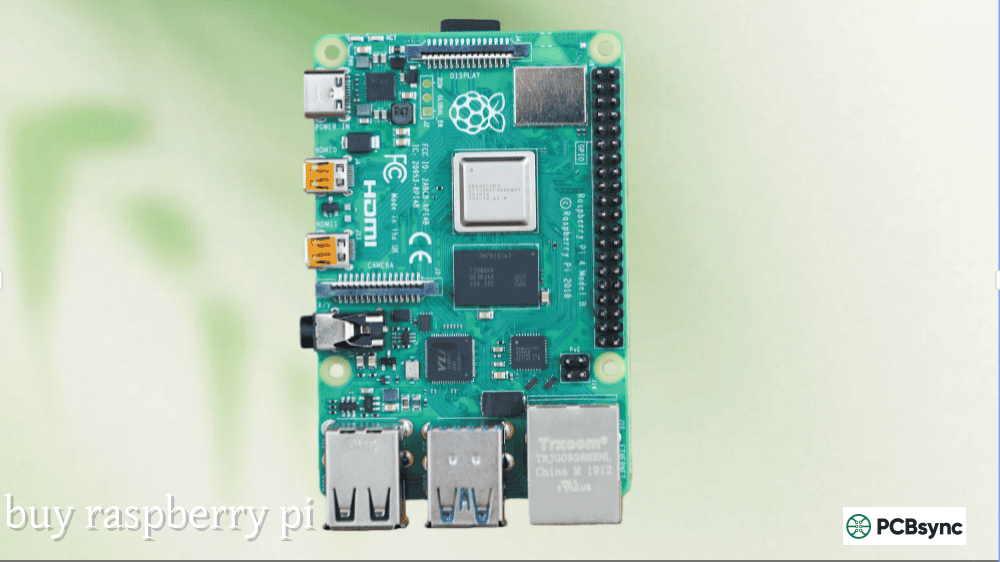
Model
RAM
Performance
Recommendation
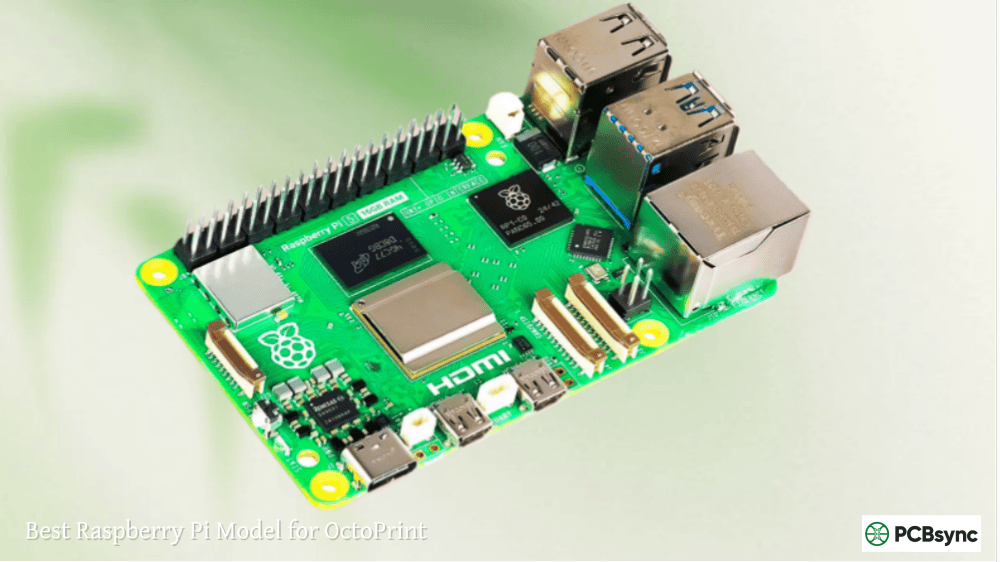
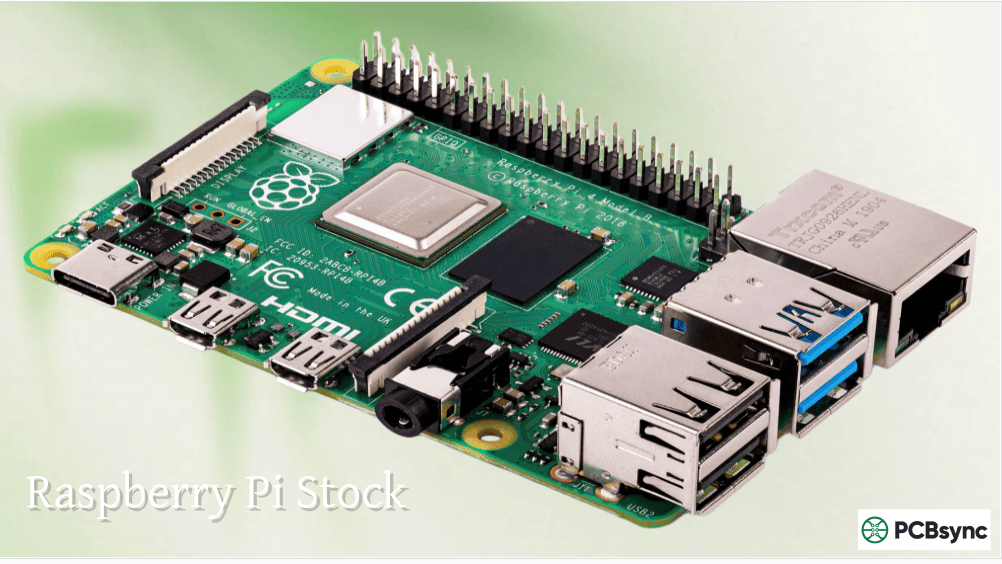
Raspberry Pi 5
4-8GB
Best
Recommended for serious use
Raspberry Pi 4
4-8GB
Very Good
Solid budget choice
Raspberry Pi 4
2GB
Adequate
Minimum for comfortable operation
Raspberry Pi 3B+
1GB
Limited
Works but not recommended
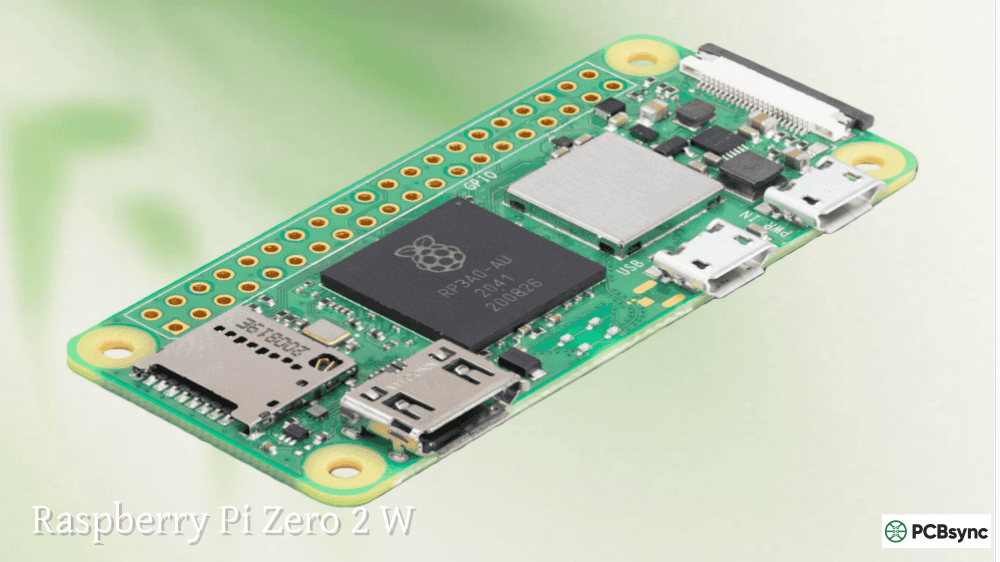
Raspberry Pi 2/Zero
Various
Poor
Not suitable
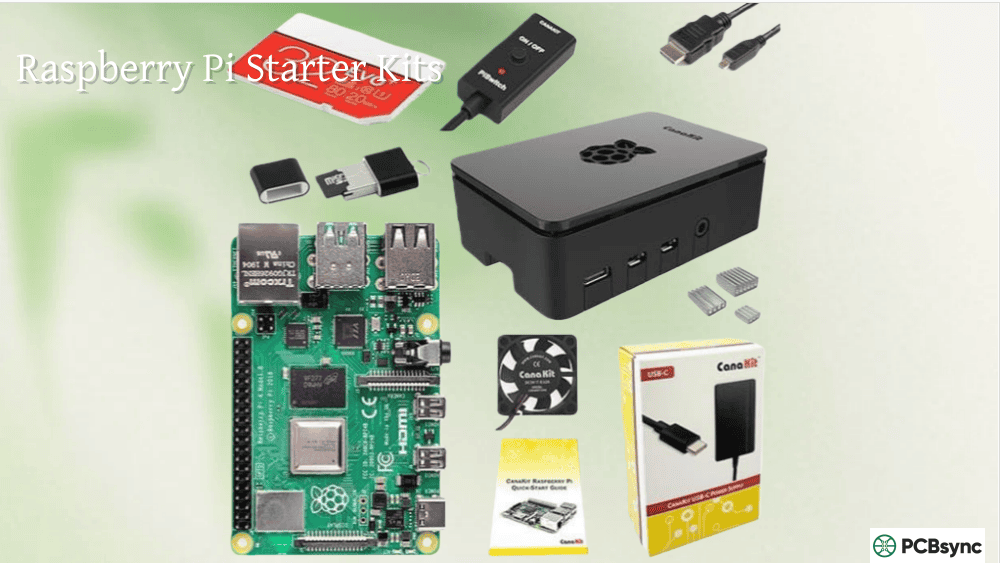
Essential Components Shopping List
Component
Purpose
Recommendation
Raspberry Pi 4/5
Server platform
4GB minimum, 8GB preferred
Power Supply
Stable operation
Official 27W (Pi 5) / 15W (Pi 4)
Storage Boot Drive
OS and Plex metadata
32GB+ quality microSD or SSD
Media Storage
Movies/TV shows
External USB HDD or SSD
Cooling Solution
Thermal management
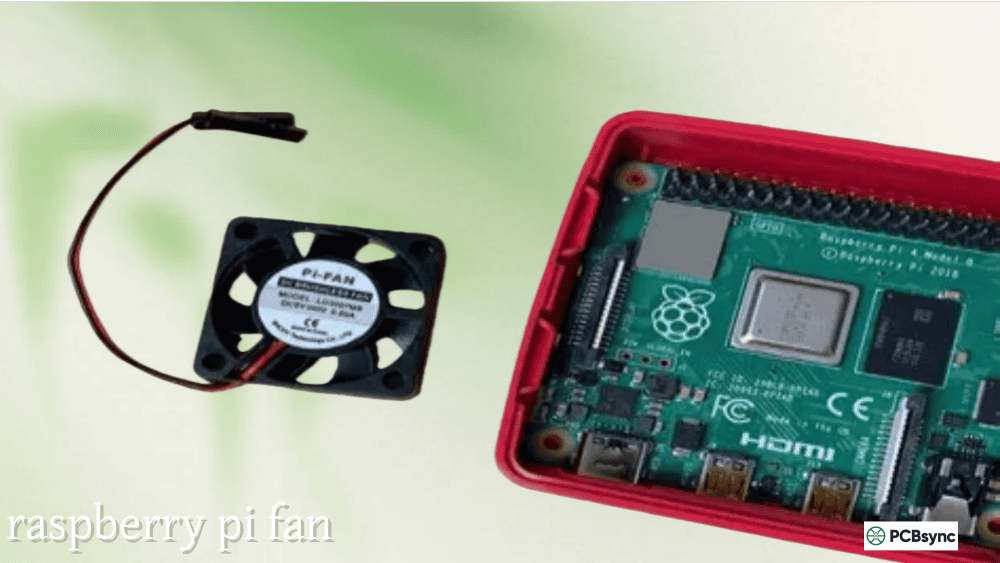
Active cooling for 24/7 operation
Case
Protection
Ventilated case with fan
Ethernet Cable
Network connection
Cat6 for reliable streaming
Storage Considerations
Plex generates significant I/O activity from metadata, thumbnails, and temporary transcoding files. SD cards can overheat and fail under this load.
Storage Type
Read Speed
Reliability
Recommendation
microSD Class 10
90 MB/s
Low for heavy use
OS only, not recommended
USB 3.0 SSD
400+ MB/s
High
Best for Plex metadata
USB 3.0 HDD
150 MB/s
High
Good for media storage
NVMe (Pi 5)
800+ MB/s
High
Premium option
For best results, boot from an SSD and store Plex metadata on the same SSD, while media files can reside on a larger HDD.
Installing Plex Media Server on Raspberry Pi
Setting up your plex raspberry pi server involves adding the official repository and installing the package.
Step 1: Update Your System
sudo apt update
sudo apt upgrade -y
Step 2: Install Required Packages
sudo apt install apt-transport-https curl -y
Step 3: Add the Plex Repository
curl https://downloads.plex.tv/plex-keys/PlexSign.key | gpg –dearmor | sudo tee /usr/share/keyrings/plex-archive-keyring.gpg >/dev/null
echo “deb [signed-by=/usr/share/keyrings/plex-archive-keyring.gpg] https://downloads.plex.tv/repo/deb public main” | sudo tee /etc/apt/sources.list.d/plexmediaserver.list
Step 4: Install Plex Media Server
sudo apt update
sudo apt install plexmediaserver -y
Step 5: Access the Web Interface
Open a browser and navigate to:
http://your-pi-ip:32400/web
Sign in with your Plex account or create one, then follow the setup wizard to name your server and add media libraries.
Step 6: Configure Media Library
Library Type
Supported Content
Movies
Feature films
TV Shows
Series with episodes
Music
Audio files
Photos
Image collections
Other Videos
Home videos, clips
Point each library to the folder containing your media files on the external drive.
Optimizing Plex Performance on Raspberry Pi
Getting the best experience from your plex server raspberry pi requires specific optimizations.
Transcoder Settings
Navigate to Settings → Transcoder and apply these settings:
Setting
Recommended Value
Purpose
Transcoder Quality
Prefer Higher Speed Encoding
Reduces CPU load
Background Transcoding
Faster encoding
Minimize resource usage
Disable Video Stream Transcoding
Enable
Forces direct play when possible
Client Configuration
On each Plex client (TV, phone, tablet), adjust quality settings:
Setting
Recommendation
Video Quality
Maximum/Original
Allow Direct Play
Enabled
Allow Direct Stream
Enabled
Automatically Adjust Quality
Disabled
Media File Optimization
Format your media files for maximum compatibility to avoid transcoding:
Format Aspect
Recommended
Avoid
Video Codec
H.264 (AVC)
HEVC/H.265 for older clients
Container
MP4 or MKV
Uncommon containers
Audio
AAC, AC3
DTS (often requires transcode)
Resolution
1080p
4K (unless all clients support)
Subtitles
SRT (external)
Burned-in subtitles
Network Configuration
Optimization
Implementation
Use Ethernet
Connect Pi via cable, not WiFi
Static IP
Assign fixed IP to Pi
Gigabit Network
Ensure switch supports 1000 Mbps
Quality of Service
Prioritize Plex traffic
Performance Boosting Tips
Tip
Benefit
Move transcode directory to RAM
Faster temporary file handling
Use SSD for Plex metadata
Quicker library scans
Disable automatic library scans
Reduce background CPU usage
Limit concurrent streams
Prevent overload
Real-World Performance Expectations
Understanding what a plex raspberry pi setup can and cannot do prevents frustration.
What Works Well
Use Case
Performance
Single 1080p direct play stream
Excellent
Multiple direct play streams (2-3)
Good
Music streaming
Excellent
Photo browsing
Very Good
Local network streaming
Excellent
What Struggles
Use Case
Performance
Any video transcoding
Poor to unusable
4K content to non-4K clients
Poor (requires transcode)
Remote streaming (usually needs transcode)
Poor
Multiple simultaneous transcodes
Not possible
Browser-based playback
Often requires transcode
Concurrent Stream Capacity
Stream Type
Pi 4 Capacity
Pi 5 Capacity
Direct Play (1080p)
3-4 streams
4-5 streams
Direct Play (4K)
1-2 streams
2-3 streams
Transcoding
0-1 (barely)
1 (struggling)
Alternative: Jellyfin on Raspberry Pi
If Plex’s limitations concern you, Jellyfin offers better ARM support and can leverage the Pi’s hardware more effectively.
Plex vs Jellyfin Comparison
Feature
Plex
Jellyfin
Cost
Free (Premium features paid)
Completely free
ARM Optimization
Limited
Better V4L2 support
Hardware Decoding on Pi
Partial
Better implementation
Remote Access
Built-in (easy)
Requires configuration
Mobile Apps
Polished
Functional but basic
Community
Large, commercial
Open source focused
Setup Complexity
Easy
Moderate
For users committed to Raspberry Pi, Jellyfin’s better ARM integration may deliver superior performance, though setup requires more technical knowledge.
Change ownership with sudo chown -R plex:plex /path/to/media
Drive not mounted
Add mount to /etc/fstab for auto-mount
Playback Stuttering or Buffering
Cause
Solution
Transcoding active
Enable direct play on client
WiFi connection
Switch to Ethernet
Slow storage
Upgrade to SSD
Network congestion
Check bandwidth usage
High CPU Usage
Cause
Solution
Transcoding
Disable transcoding in settings
Library scanning
Disable automatic scans
Multiple streams
Limit concurrent users
Frequently Asked Questions
Can a Raspberry Pi really run Plex Media Server?
Yes, but with important limitations. A Raspberry Pi 4 or 5 runs Plex Media Server effectively for direct play scenarios where clients can play media in its original format without conversion. The Pi handles multiple 1080p direct play streams simultaneously without issue. However, if your setup requires transcoding (converting video formats on-the-fly), the Pi struggles significantly due to lacking hardware encoding capabilities. The key to success is ensuring all your client devices support direct play.
Is Raspberry Pi 4 or Pi 5 better for Plex?
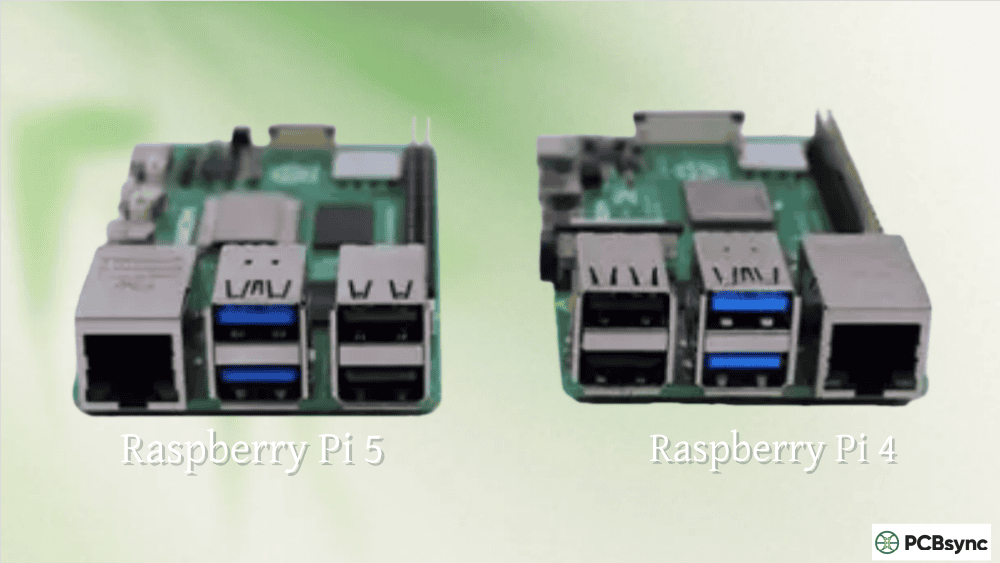
The Raspberry Pi 5 offers approximately 2-3x better CPU performance and improved HEVC hardware decoding compared to the Pi 4. For a plex server raspberry pi configuration, the Pi 5 handles more concurrent streams and responds faster during library scans. However, both lack hardware encoding, so neither excels at transcoding. If budget permits, choose the Pi 5 with 8GB RAM. If cost matters more, a Pi 4 with 4GB performs adequately for most home use with direct play.
Why does Plex keep transcoding when I have direct play enabled?
Several factors force transcoding despite direct play settings. Subtitles (especially image-based formats like PGS) often trigger transcoding because they must be burned into the video. Audio codecs like DTS may require transcoding if your client doesn’t support them. The Plex web player typically transcodes rather than direct playing. To avoid transcoding, use dedicated Plex apps (not browsers), external SRT subtitle files, and compatible audio formats like AAC or AC3.
Can I stream Plex remotely using a Raspberry Pi server?
Remote streaming from a plex raspberry pi server is problematic. Remote connections typically require transcoding to reduce bandwidth and ensure compatibility across varying network conditions. Since the Pi cannot transcode effectively, remote streams often buffer or fail completely. If remote access matters to you, consider a mini-PC with Intel Quick Sync or NVIDIA hardware encoding, or accept that remote streaming will only work with direct-play-compatible clients on fast connections.
How much power does a Raspberry Pi Plex server consume?
A Raspberry Pi 4 consumes approximately 3-7 watts during typical Plex server operation, translating to roughly $5-10 annually in electricity costs running 24/7. Compare this to a traditional desktop PC (50-150W) or NAS (15-40W). The Pi’s minimal power draw makes it ideal for always-on media serving, and the silent fanless operation (or quiet small fan) means it can live anywhere in your home without becoming an annoyance.
Making Your Decision
A plex raspberry pi setup makes excellent sense for specific use cases: local network streaming to compatible devices like smart TVs, Fire TV Sticks, or Roku with Plex apps that support direct play. The low power consumption, silent operation, and minimal cost create a compelling package for home media serving.
However, if your needs include remote streaming, browser-based playback, transcoding for incompatible devices, or serving multiple users with varied devices, the Raspberry Pi will frustrate you. In those scenarios, investing in a mini-PC with Intel Quick Sync or a proper NAS with transcoding support proves worthwhile despite higher upfront and running costs.
For most home users with a few TVs and dedicated Plex clients on the local network, a properly configured plex server raspberry pi delivers a smooth, satisfying experience at a fraction of the cost and power consumption of traditional server hardware. Format your media correctly, configure clients for direct play, and enjoy your personal streaming service without the monthly subscription fees.
Suggested Meta Descriptions:
Option 1 (155 characters): Can a plex raspberry pi server handle your media library? Complete guide covering setup, performance limits, transcoding issues, and optimization tips for 2025.
Option 2 (152 characters): Build a plex server raspberry pi setup that actually works. Learn about direct play vs transcoding, hardware requirements, and real-world performance limits.
Option 3 (148 characters): Discover if Raspberry Pi can run your Plex media server. Honest performance analysis, installation guide, and optimization tips for smooth streaming.
Inquire: Call 0086-755-23203480, or reach out via the form below/your sales contact to discuss our design, manufacturing, and assembly capabilities.
Quote: Email your PCB files to Sales@pcbsync.com (Preferred for large files) or submit online. We will contact you promptly. Please ensure your email is correct.
Notes: For PCB fabrication, we require PCB design file in Gerber RS-274X format (most preferred), *.PCB/DDB (Protel, inform your program version) format or *.BRD (Eagle) format. For PCB assembly, we require PCB design file in above mentioned format, drilling file and BOM. Click to download BOM template To avoid file missing, please include all files into one folder and compress it into .zip or .rar format.