Inquire: Call 0086-755-23203480, or reach out via the form below/your sales contact to discuss our design, manufacturing, and assembly capabilities.
Quote: Email your PCB files to Sales@pcbsync.com (Preferred for large files) or submit online. We will contact you promptly. Please ensure your email is correct.
Notes: For PCB fabrication, we require PCB design file in Gerber RS-274X format (most preferred), *.PCB/DDB (Protel, inform your program version) format or *.BRD (Eagle) format. For PCB assembly, we require PCB design file in above mentioned format, drilling file and BOM. Click to download BOM template To avoid file missing, please include all files into one folder and compress it into .zip or .rar format.
PiKVM Setup Guide: Control Any Computer Remotely with Raspberry Pi
Last month, a server in my home lab crashed at 2 AM while I was traveling. The machine wouldn’t boot past POST, and TeamViewer was useless since there was no operating system running. That’s exactly when my pikvm investment paid off. I accessed the BIOS remotely, identified a failed boot drive, and got the system back online from a hotel room 500 miles away.
PiKVM transforms a Raspberry Pi into a powerful KVM-over-IP device, giving you complete hardware-level control over any computer. Unlike software-based remote access tools, raspberry pi kvm solutions work independently of the target system’s operating system, enabling BIOS access, OS installations, and recovery operations that would otherwise require physical presence.
KVM stands for Keyboard, Video, Mouse. A KVM-over-IP device captures the video output from a computer while emulating keyboard and mouse input, then transmits everything over the network. This provides complete remote control as if you were sitting directly in front of the machine.
PiKVM vs Traditional Remote Access
Feature
PiKVM
TeamViewer/AnyDesk
VNC
OS Required
No
Yes
Yes
BIOS/UEFI Access
Yes
No
No
Boot Device Selection
Yes
No
No
OS Installation
Yes
No
No
Works When System Crashes
Yes
No
No
Virtual Media Support
Yes
No
No
Hardware Power Control
Yes (ATX)
No
No
Monthly Cost
None
$0-50/month
Free
The pikvm advantage becomes clear in scenarios where software solutions fail: system crashes, BIOS configuration, OS reinstallation, or any situation requiring pre-boot access. Commercial IP-KVM devices from companies like Raritan or ATEN cost $500-2000+. A complete raspberry pi kvm setup runs $30-250 depending on your chosen configuration.
PiKVM Hardware Options Compared
PiKVM offers multiple hardware configurations from fully assembled devices to complete DIY builds.
PiKVM V4 Series: Plug and Play
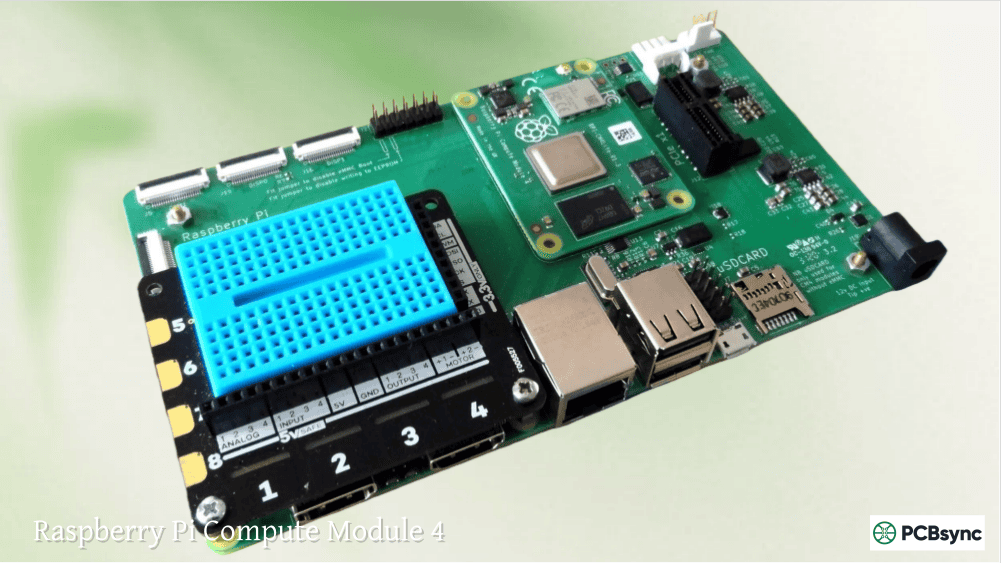
The pikvm v4 represents the current generation of official devices, built around the Raspberry Pi Compute Module 4.
Model
Price
Key Features
Best For
PiKVM V4 Mini
~$200
1920×1200@60Hz, ATX control, OLED display
Budget-conscious users
PiKVM V4 Plus
~$350
Mini features + HDMI passthrough, USB 3.0, LTE slot
Power users, datacenters
PiKVM V4 Mini Specifications:
Specification
Detail
Video Capture
Up to 1920×1200@60Hz with H.264 encoding
Audio
HDMI audio capture, microphone emulation
USB Emulation
Keyboard, mouse, mass storage
ATX Control
Power on/off, reset, LED status
Network
Gigabit Ethernet, optional WiFi
Display
Built-in OLED status display
Power
5V/3A USB-C, 2.67W idle consumption
Form Factor
Fanless passive cooling, compact metal case
PiKVM V4 Plus Additional Features:
Feature
Capability
HDMI Passthrough
Connect local monitor while using PiKVM
USB 3.0
Internal port for fast storage
Mini-PCIe
LTE/5G modem support (not NVMe)
Power Delivery
USB-C PD negotiation
PiKVM V3 HAT: The Middle Ground
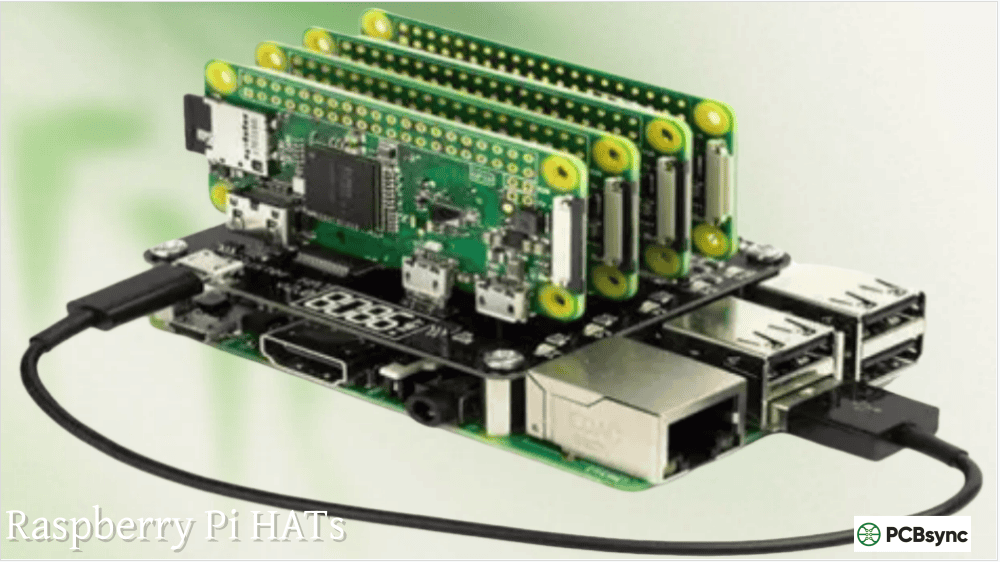
The V3 HAT attaches to a standard Raspberry Pi 4, offering a balance between DIY flexibility and pre-engineered reliability.
Specification
Detail
Compatible Pi
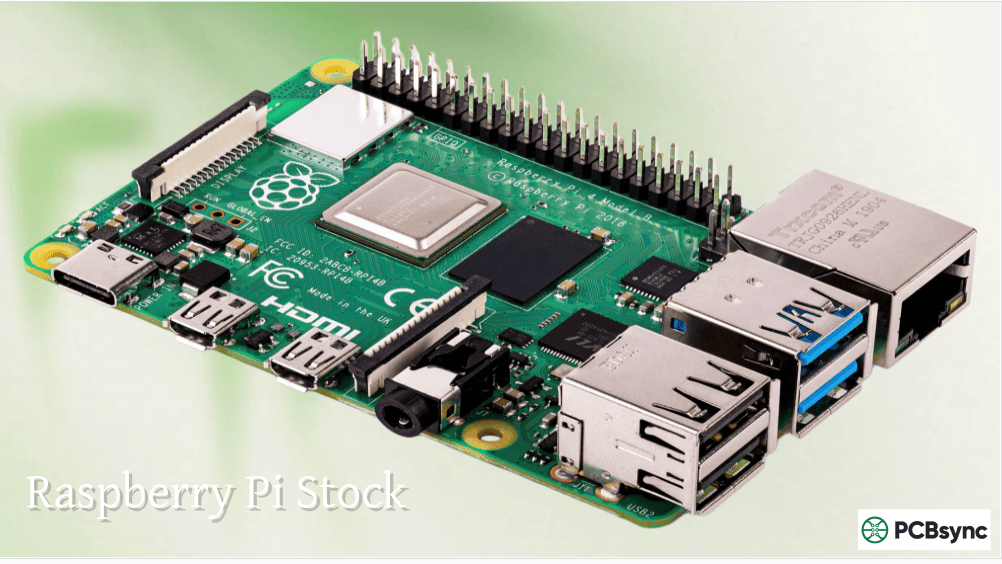
Raspberry Pi 4 (2GB+ recommended)
Video Capture
1920×1080@50Hz maximum
Form Factor
HAT board + metal case kit available
Price
~$150 (HAT only) or ~$250 (full assembly)
V3 includes hardware watchdog, serial console, and ATX control that pure DIY builds lack.
DIY PiKVM V2: Maximum Flexibility
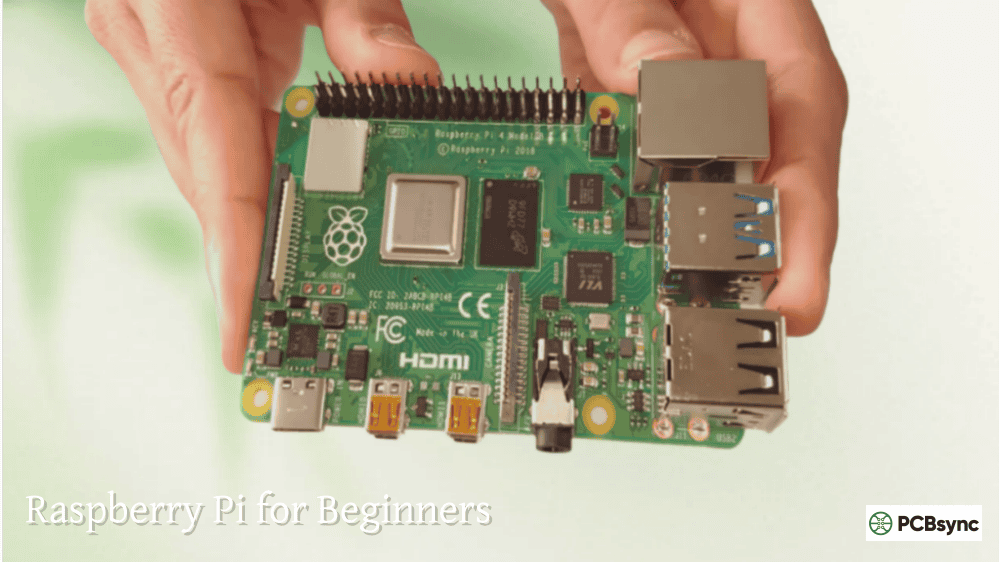
Building your own raspberry pi kvm provides the lowest cost entry point.
Component
Purpose
Approximate Cost
Raspberry Pi 4 (2GB)
Main board
$35-45
HDMI-to-CSI Bridge (TC358743)
Video capture
$25-40
USB Splitter Cable
OTG + Power
$10-15
Power Supply
Stable 5V/3A
$10-15
microSD Card (16GB+)
OS storage
$8-12
Case with Cooling
Protection
$15-25
Total
$100-150
Alternatively, USB capture dongles work with any Pi model:
Component
Cost
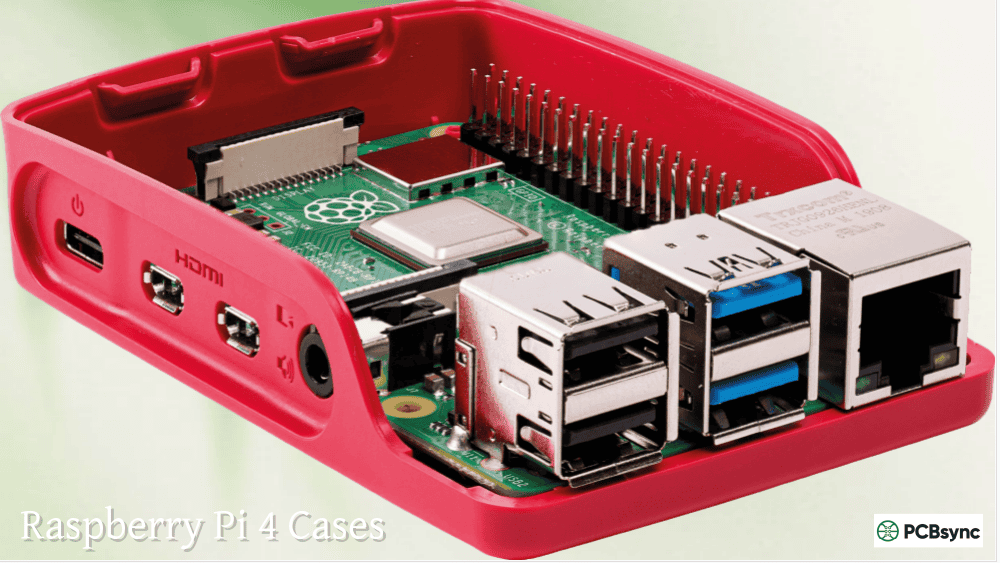
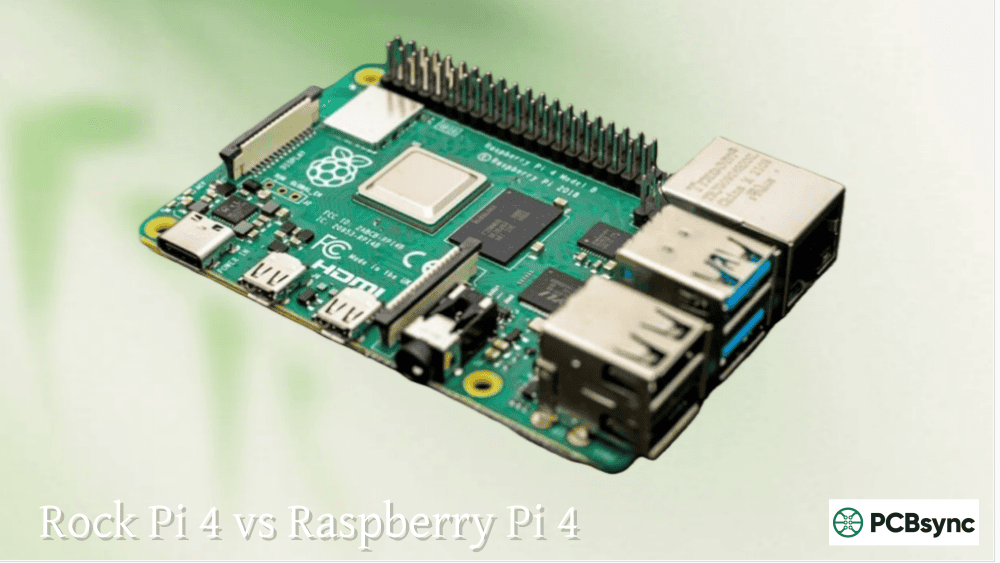
Raspberry Pi 4
$35-45
USB HDMI Capture Dongle
$10-20
USB OTG Cable
$5-10
Power Supply
$10-15
Total
$60-90
USB dongles have higher latency and lower maximum resolution than CSI bridges but cost less and simplify assembly.
Step-by-Step PiKVM V4 Setup Guide
The pikvm v4 series provides the easiest setup experience. This walkthrough covers the V4 Mini and Plus.
Step 1: Unbox and Connect Hardware
The kit includes:
PiKVM V4 device with CM4 pre-installed
Power supply (12V for Plus, 5V for Mini)
Two Ethernet cables (network and ATX)
ATX adapter cable
Quick start guide
Connection sequence:
Port
Connect To
Notes
Ethernet (front)
Network switch/router
Use included cable
HDMI Input (rear)
Target computer HDMI output
Standard HDMI cable
USB OTG (rear)
Target computer USB port
Included cable
ATX (front, optional)
Motherboard headers
Power/reset control
Power (front)
Wall outlet
Use included supply only
Important: Connect USB directly to the target computer. USB hubs may cause BIOS detection issues.
Step 2: First Boot and Network Discovery
Power on the pikvm v4 after connecting all cables. The initial boot takes several minutes as the system generates unique security certificates and SSH keys. The OLED display shows progress and eventually displays the assigned IP address.
Find PiKVM on your network using:
OLED display readout
Router’s DHCP client list
Network scanner like Advanced IP Scanner
Hostname pikvm if your network supports mDNS
Step 3: Access the Web Interface
Open a browser and navigate to https://[pikvm-ip-address]/ or https://pikvm/.
You’ll see a security warning because PiKVM uses a self-signed SSL certificate. This is normal and expected. Accept the warning to proceed.
Default credentials:
Account
Username
Password
Web Interface
admin
admin
SSH/Terminal
root
root
Step 4: Change Default Passwords (Critical!)
Immediately change both passwords after first login.
From the dashboard, click “Terminal” and enter:
# Enable write mode
rw
# Change web interface password
kvmd-htpasswd set admin
# Change root password
passwd
# Return to read-only mode
ro
The read-only filesystem protects against SD card corruption from power loss, but you must enable write mode (rw) before making any changes.
Step 5: Configure Display Settings
If you see a blank desktop instead of the target computer’s main display, the target OS is treating PiKVM as an extended monitor.
Solution: On the target computer, go to display settings and set the PiKVM-detected display to “Mirror” or “Duplicate” mode.
Step 6: Set Up ATX Power Control
For full power management, connect the ATX cable between PiKVM and your motherboard’s front panel headers.
PiKVM ATX Pin
Motherboard Header
PWR BTN
Power Switch
RST BTN
Reset Switch
PWR LED
Power LED
HDD LED
HDD Activity LED
Once connected, the web interface shows power status and provides buttons for power on, power off, and reset.
DIY PiKVM V2 Setup Guide
Building a raspberry pi kvm from scratch requires more effort but offers cost savings and customization.
Hardware Assembly
For CSI Bridge (Recommended):
Connect the TC358743 HDMI-CSI bridge to the Pi’s camera port using the ribbon cable
Ensure ribbon cable orientation matches both connectors
Connect USB splitter: one end to Pi’s USB-C power port, other ends to power supply and target computer
Install heatsink or cooling solution
For USB Capture Dongle:
Connect HDMI capture dongle to Pi’s USB 3.0 port
Connect separate USB cable from Pi’s USB-C port to target computer
Use USB-C Y-splitter if powering Pi from target’s USB
Software Installation
Download the appropriate PiKVM image from the official GitHub releases page. Match your hardware:
Hardware
Image Name
Pi 4 + CSI Bridge
pikvm-v2-hdmi-rpi4-latest.img
Pi 4 + USB Dongle
pikvm-v2-hdmiusb-rpi4-latest.img
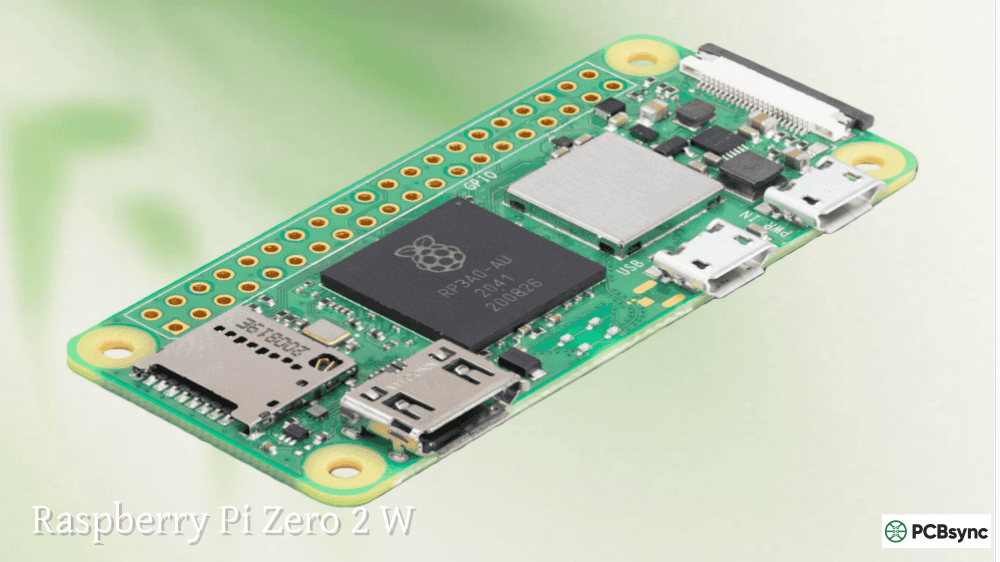
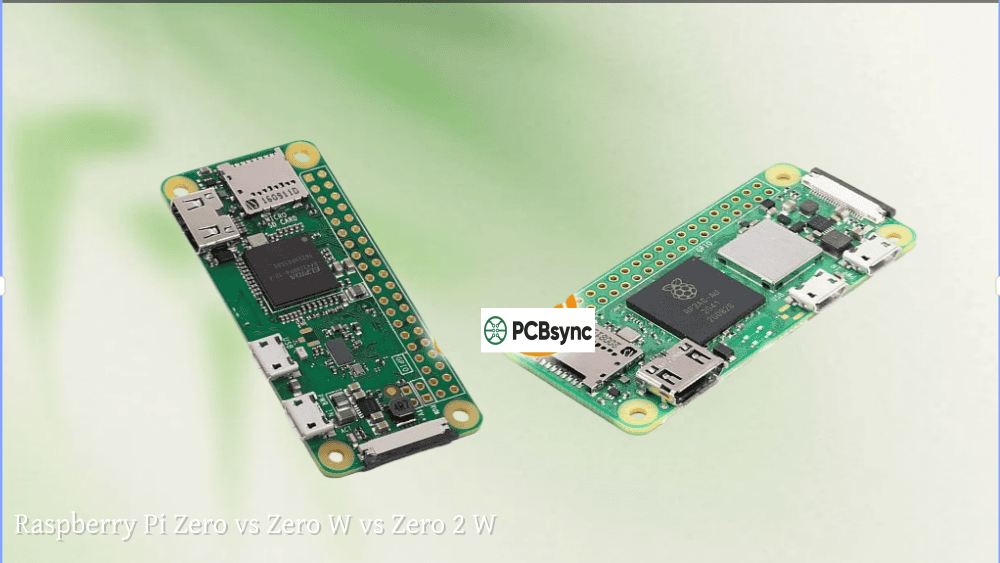
Pi Zero 2 W + USB
pikvm-v2-hdmiusb-zero2w-latest.img
Flash the image using Raspberry Pi Imager or balenaEtcher:
Download and open Raspberry Pi Imager
Select “Use custom” and choose the PiKVM image
Select your microSD card
Click “Write” and wait for completion
For WiFi configuration (Pi Zero 2 W or wireless setup), mount the PIBOOT partition after flashing and edit pikvm.txt:
FIRST_BOOT=1
WIFI_ESSID=”YourNetworkName”
WIFI_PASSWD=”YourPassword”
Insert the SD card, power on, and follow the same first-boot and password procedures as V4.
Enabling Remote Access Over the Internet
Local network access is useful, but remote access from anywhere provides the real value of pikvm.
Option 1: Tailscale VPN (Recommended)
Tailscale creates a secure mesh VPN without port forwarding or complex firewall rules.
# SSH into PiKVM
ssh root@pikvm
# Enable write mode
rw
# Install Tailscale
pacman -Syu tailscale-pikvm
systemctl enable –now tailscaled
# Authenticate
tailscale up
# Return to read-only
ro
Copy the authentication URL displayed and open it in your browser to authorize the device. Install Tailscale on your phone/laptop to access PiKVM from anywhere using its Tailscale IP.
Forward port 443 (HTTPS) from your router to the PiKVM’s local IP. This exposes PiKVM directly to the internet, so ensure you’ve changed default passwords and consider enabling two-factor authentication.
Enabling Two-Factor Authentication
Add an extra security layer:
rw
kvmd-totp init
Scan the QR code with an authenticator app (Google Authenticator, Authy, etc.). Future logins require both password and TOTP code.
Advanced PiKVM Features
Virtual Media: Boot from ISO Files
PiKVM emulates USB mass storage devices, letting you boot remote computers from ISO files uploaded to the device.
Uploading an ISO:
Click “Drive” in the web interface
Select “Upload” and choose your ISO file
Select emulation type: CD-ROM (for ISOs under 2GB) or Flash (for larger ISOs)
Click “Connect”
The target computer now sees a bootable USB drive or CD-ROM. Enter BIOS and select it as the boot device for OS installations or rescue operations.
Multi-Computer Management with PiKVM Switch
The pikvm Switch module connects up to 4 computers to a single PiKVM device, expandable to 20 computers by chaining switches.
Configuration
Computers Supported
1 Switch
4
2 Switches (chained)
8
5 Switches (maximum)
20
Each computer has independent ATX power control, and switching happens through the web interface.
Wake-on-LAN and GPIO Control
Configure GPIO pins to trigger external relays for additional power management:
For motherboard compatibility issues (HP, Dell often problematic), configure explicit HDMI settings in /etc/kvmd/override.yaml.
Mouse/Keyboard Not Working
Issue
Fix
No input response
Check USB OTG connection, try different USB port
BIOS doesn’t see keyboard
Remove USB hubs, connect directly
Mouse lag
Switch between relative and absolute mouse modes
USB Mass Storage Not Detected
Some BIOS implementations don’t support USB mass storage from composite devices. Enable USB dynamic configuration:
rw
nano /etc/kvmd/override.yaml
Add:
otg:
devices:
drives:
enabled: true
removable: true
Useful Resources
Resource
URL
Description
PiKVM Official Site
pikvm.org
Product information and purchasing
PiKVM Documentation
docs.pikvm.org
Complete setup and configuration guides
PiKVM GitHub
github.com/pikvm/pikvm
Source code and image downloads
Discord Community
discord.gg/bpmXfz5
Active community support
PiKVM Forum
forum.pikvm.org
Community discussions
Tailscale
tailscale.com
VPN for remote access
Frequently Asked Questions
Can I use Raspberry Pi 5 for PiKVM?
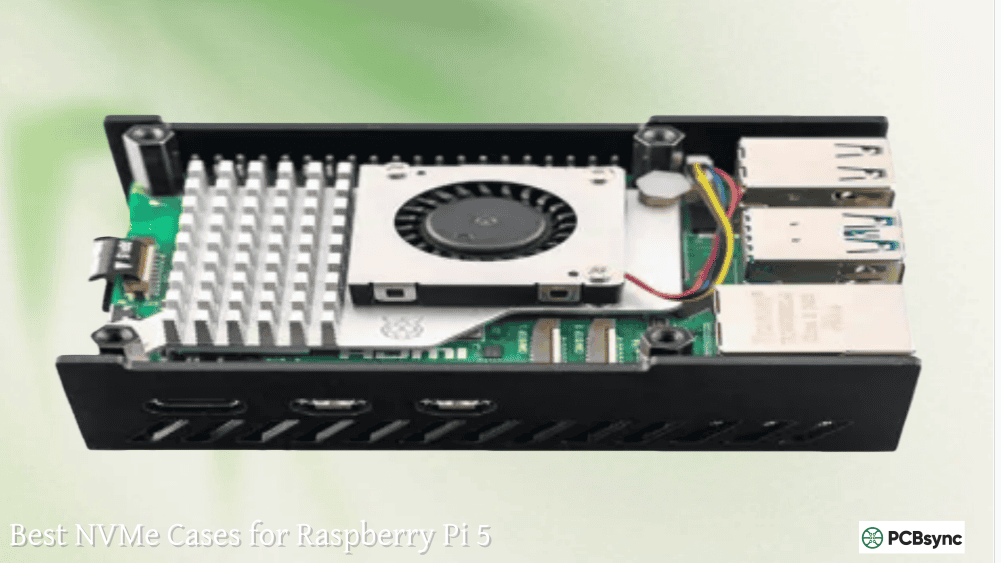
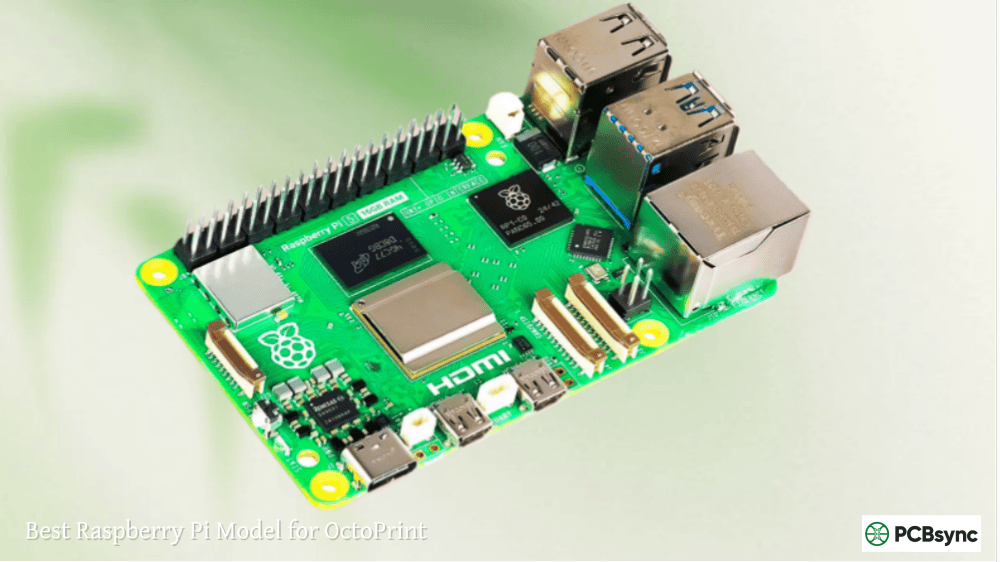
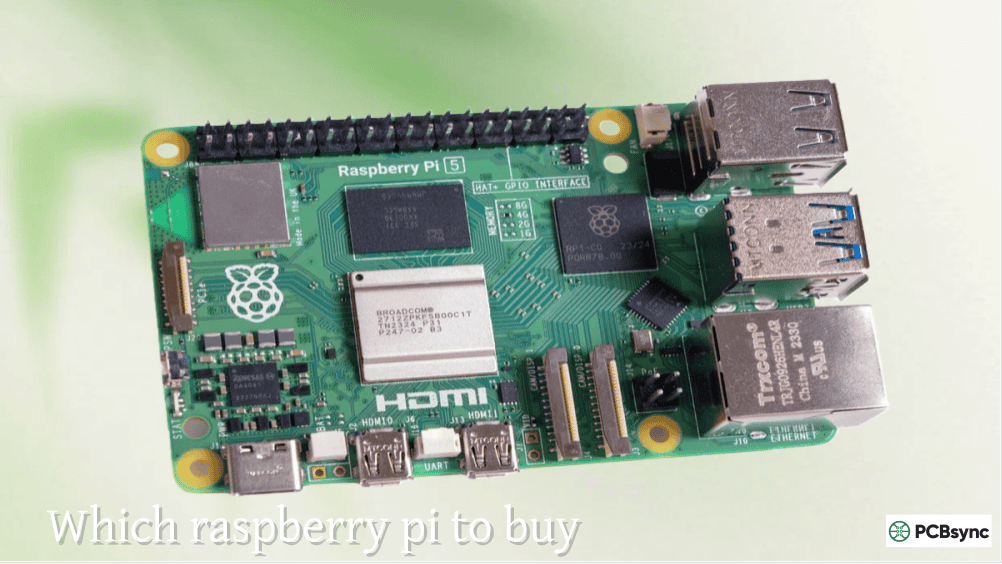
No, Raspberry Pi 5 is not supported and offers no advantages for PiKVM. The Pi 5 lacks the hardware GPU video encoders that PiKVM relies on for efficient video streaming. The Pi 4 remains the recommended platform for DIY builds, while V4 devices use the Compute Module 4. The Pi 5 is excellent for many projects, just not this one.
What’s the difference between PiKVM V4 Mini and V4 Plus?
Both share the core functionality: 1920×1200@60Hz video capture, ATX control, and USB emulation. The V4 Plus adds HDMI passthrough (connect a local monitor while using PiKVM), an internal USB 3.0 port, Mini-PCIe slot for LTE modems, and USB Power Delivery support. Choose Mini for standard remote management, Plus for situations requiring local display access or cellular connectivity.
How much video latency does PiKVM have?
PiKVM achieves approximately 100ms video latency, which is among the lowest of any IP-KVM solution. This latency is imperceptible for most tasks including BIOS configuration, OS installation, and general administration. For comparison, many commercial IP-KVM devices have 200-500ms latency. The CSI bridge interface provides lower latency than USB capture dongles.
Can PiKVM control multiple computers?
Yes, through the PiKVM Switch accessory. A single Switch module connects 4 computers with independent ATX power control, switchable through the web interface. Up to 5 Switches can be chained together for 20-computer support. This modular approach lets you expand as your server fleet grows without replacing the entire KVM system. The Switch is compatible with V4 Plus, V3, and DIY Pi2-Pi4 builds (not V4 Mini or Zero).
Is PiKVM secure enough to expose to the internet?
PiKVM includes enterprise-grade security features: SSL/TLS encryption for all traffic, strong password authentication, and optional two-factor authentication via TOTP. However, exposing any device directly to the internet carries inherent risks. The recommended approach uses Tailscale VPN, which provides secure access without opening firewall ports. If port forwarding is necessary, always enable 2FA and use strong, unique passwords.
Making the Investment Decision
A pikvm device pays for itself the first time it saves a trip to a datacenter or enables remote OS installation. For home labs, it provides peace of mind knowing that any system issue can be addressed remotely. For professional environments, it’s essential infrastructure that commercial alternatives charge significantly more to provide.
The DIY raspberry pi kvm route makes sense for experimenters and those with spare Pi hardware. The pikvm v4 series is worth the premium for production environments where reliability and ease of setup matter more than saving $50-100.
Whether you choose the fully assembled V4 devices, the V3 HAT, or a complete DIY build, PiKVM provides capabilities that traditional remote access software simply cannot match. When your server refuses to boot at 2 AM, you’ll be grateful for hardware-level access that doesn’t depend on a working operating system.
Suggested Meta Descriptions:
Option 1 (154 characters): Complete PiKVM setup guide for remote computer control. Compare V4 Mini, V4 Plus, and DIY options. Step-by-step installation with Raspberry Pi KVM hardware.
Option 2 (152 characters): Build your own pikvm for BIOS-level remote access to any computer. Hardware comparison, setup walkthrough, and troubleshooting for raspberry pi kvm builds.
Option 3 (149 characters): PiKVM v4 setup guide with DIY options. Control computers remotely through BIOS using Raspberry Pi KVM. Installation, configuration, and security tips.
Inquire: Call 0086-755-23203480, or reach out via the form below/your sales contact to discuss our design, manufacturing, and assembly capabilities.
Quote: Email your PCB files to Sales@pcbsync.com (Preferred for large files) or submit online. We will contact you promptly. Please ensure your email is correct.
Notes: For PCB fabrication, we require PCB design file in Gerber RS-274X format (most preferred), *.PCB/DDB (Protel, inform your program version) format or *.BRD (Eagle) format. For PCB assembly, we require PCB design file in above mentioned format, drilling file and BOM. Click to download BOM template To avoid file missing, please include all files into one folder and compress it into .zip or .rar format.