Inquire: Call 0086-755-23203480, or reach out via the form below/your sales contact to discuss our design, manufacturing, and assembly capabilities.
Quote: Email your PCB files to Sales@pcbsync.com (Preferred for large files) or submit online. We will contact you promptly. Please ensure your email is correct.
Notes: For PCB fabrication, we require PCB design file in Gerber RS-274X format (most preferred), *.PCB/DDB (Protel, inform your program version) format or *.BRD (Eagle) format. For PCB assembly, we require PCB design file in above mentioned format, drilling file and BOM. Click to download BOM template To avoid file missing, please include all files into one folder and compress it into .zip or .rar format.
Pi-hole Setup Guide: Block Ads on Your Entire Network
The moment I saw my smart TV phoning home to Samsung’s ad servers 47 times in a single day, I knew something had to change. Traditional ad blockers work great in browsers, but they’re useless against the tracking baked into every smart device on your network. That’s when I discovered Pi-hole, and it completely changed how I think about network security.
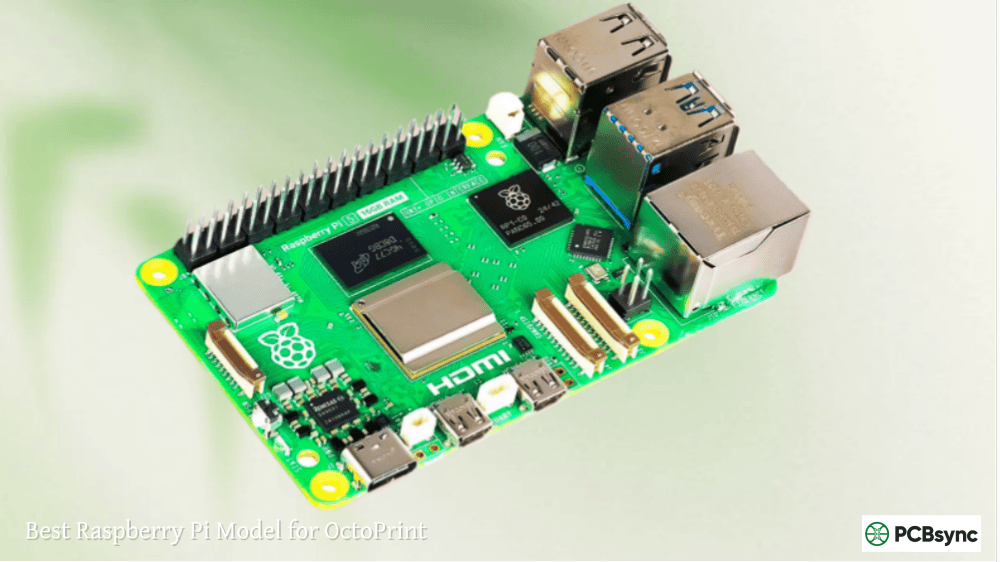
Running a Raspberry Pi ad blocker using Pi-hole has eliminated roughly 25-30% of all DNS queries on my home network. Those blocked requests were ads, trackers, telemetry data, and other digital noise I never asked for. Setting this up took about 30 minutes, costs under $50 in hardware, and protects every device automatically without installing software on each one.
Pi-hole is a DNS sinkhole that acts as your network’s gatekeeper. Instead of letting your devices connect directly to advertising and tracking domains, Pi-hole intercepts those requests and returns nothing. The ads never download, the trackers never load, and your browsing gets noticeably faster.
Here’s the technical breakdown: when you type a URL into your browser, your device asks a DNS server to translate that domain name into an IP address. Normally, your ISP handles this. With Pi-hole, your Raspberry Pi becomes the DNS server. Before forwarding legitimate requests to upstream DNS providers like Cloudflare or Google, Pi-hole checks each domain against blocklists containing hundreds of thousands of known advertising and tracking domains.
If the domain is on a blocklist, Pi-hole returns a non-routable address (0.0.0.0), and the connection dies before it starts. Your device can’t load what it can’t reach.
Why Pi-hole Beats Browser-Based Ad Blockers
Feature
Browser Ad Blockers
Pi-hole
Devices Protected
Single browser
Entire network
Smart TV Ads
No protection
Blocked
Mobile App Ads
Limited
Blocked
IoT Device Tracking
No protection
Blocked
Installation Required
Per browser/device
Once, on Pi
Resource Usage
Browser memory
Minimal (runs on Pi)
Blocks Before Download
No (hides after load)
Yes (never downloads)
Hardware Requirements for Your Raspberry Pi Ad Blocker
The beauty of Pi-hole is its minimal resource requirements. You don’t need the latest hardware to run an effective Raspberry Pi ad blocker.
Recommended Hardware Specifications
Component
Minimum
Recommended
Raspberry Pi Model
Any model with network
Pi Zero 2 W or Pi 3B+
RAM
512MB
1GB or more
Storage
2GB free space
8GB+ microSD card
Network
WiFi (not ideal)
Ethernet connection
Power
Standard Pi power supply
Official Pi power adapter
My Recommended Shopping List
Item
Purpose
Approximate Cost
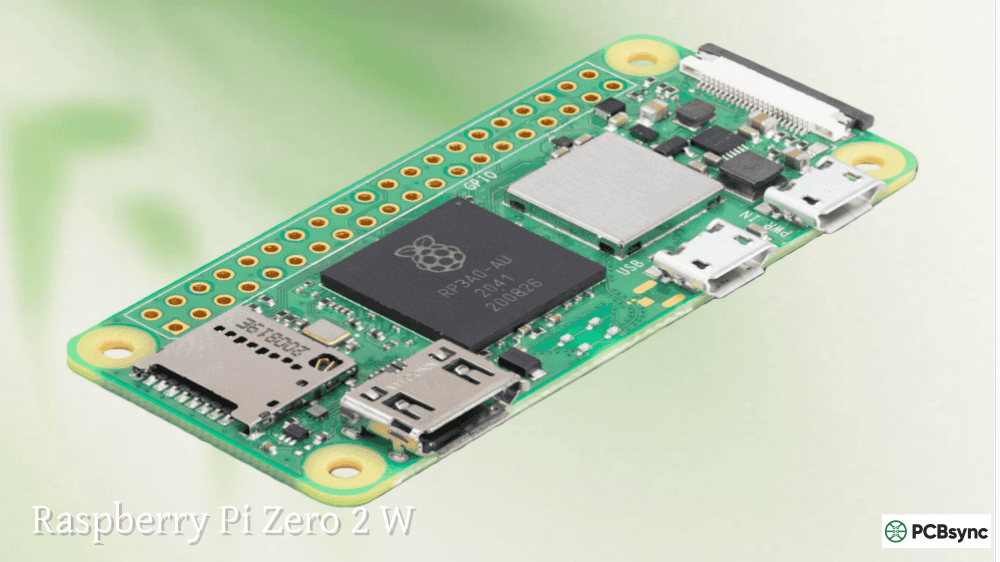
Raspberry Pi Zero 2 W
Pi-hole server
$15
32GB microSD Card
OS and storage
$8
Micro USB Power Supply
Power
$8
microSD Card Reader
Initial setup
$5
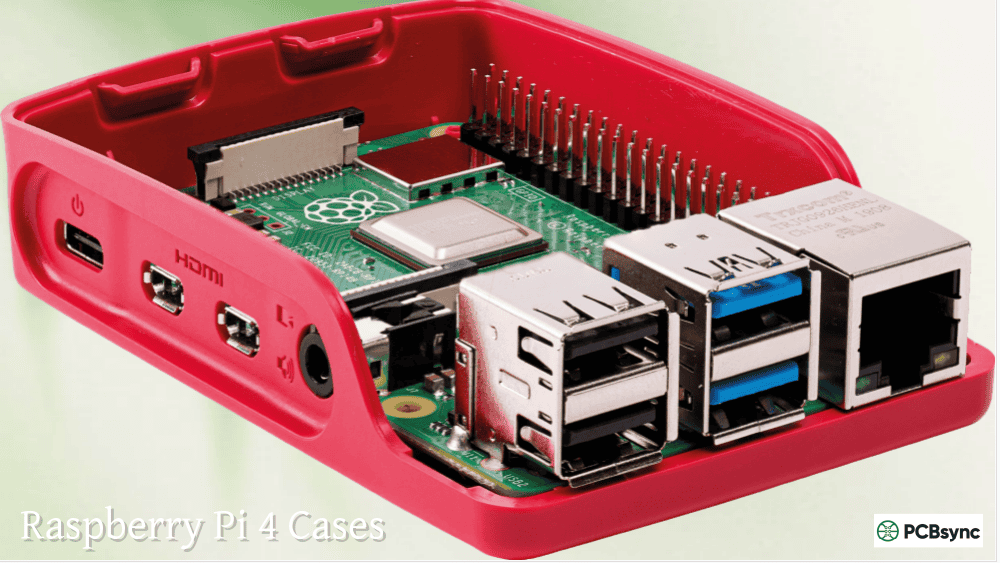
Case (optional)
Protection
$5-10
Total
~$40-45
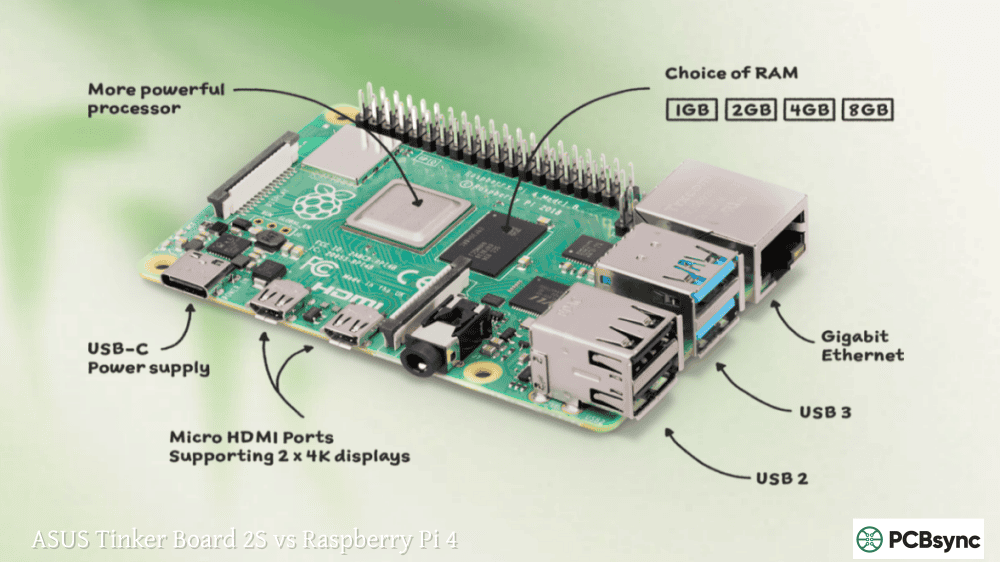
For dedicated Pi-hole use, the Pi Zero 2 W offers the best value. If you want to run additional services or prefer a hardwired Ethernet connection without adapters, the Raspberry Pi 3B+ or Pi 4 makes more sense.
Step-by-Step Pi-hole Installation Guide
Let’s walk through the complete setup process for your Raspberry Pi ad blocker.
Step 1: Install Raspberry Pi OS Lite
Download the official Raspberry Pi Imager from raspberrypi.com. Choose Raspberry Pi OS Lite (32-bit) for a headless installation. This version runs without a desktop environment, maximizing resources for Pi-hole.
Before writing the image, click the gear icon to configure:
Set hostname (e.g., “pihole”)
Enable SSH with password authentication
Configure WiFi credentials (if not using Ethernet)
Set username and password
Write the image to your microSD card and insert it into your Pi.
Step 2: Find Your Pi’s IP Address and Connect
Power on your Raspberry Pi. After about 60 seconds, find its IP address through your router’s DHCP client list or by scanning your network with tools like Angry IP Scanner or the Fing app.
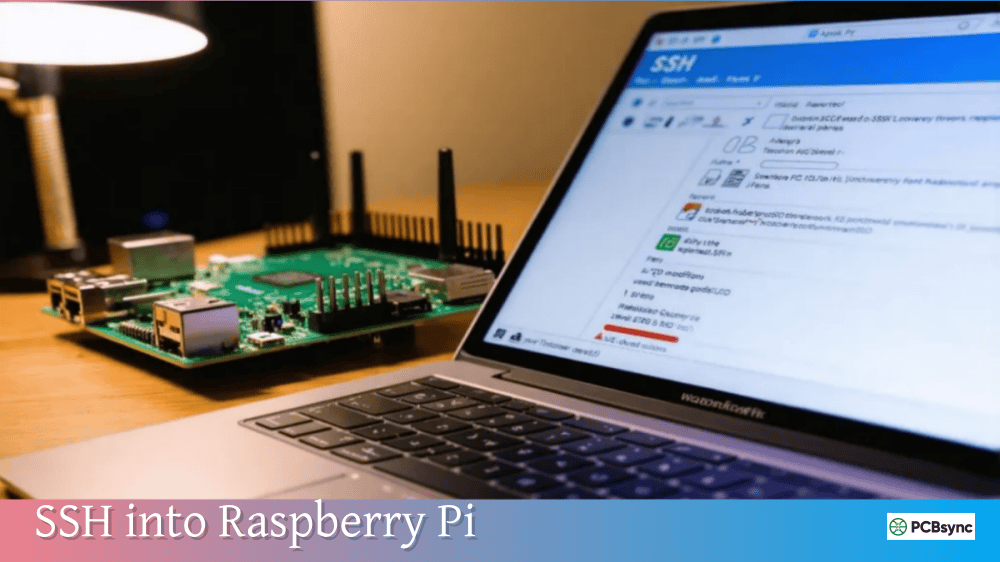
Connect via SSH from another computer:
ssh username@192.168.1.xxx
Replace “username” with what you configured and the IP address with your Pi’s actual address.
Step 3: Update the System
Before installing Pi-hole, ensure your system packages are current:
sudo apt update && sudo apt upgrade -y
This process may take several minutes on first boot.
Step 4: Run the Pi-hole Installation Script
Install Pi-hole with a single command:
curl -sSL https://install.pi-hole.net | bash
The installer walks you through configuration with a graphical interface in the terminal.
Step 5: Configure Installation Options
The installer presents several choices. Here are recommended settings:
Setting
Recommended Choice
Why
Upstream DNS
Cloudflare (1.1.1.1)
Fast, privacy-focused
Blocklist
StevenBlack’s Unified
Comprehensive, well-maintained
Admin Interface
Yes
Essential for management
Web Server
Yes (Lighttpd)
Powers admin interface
Query Logging
Yes
Enables statistics
Privacy Mode
Show everything
Full visibility
After installation completes, the script displays your admin password. Write this down immediately. You can change it later with:
pihole -a -p
Step 6: Assign a Static IP Address
Your Pi-hole needs a consistent IP address so devices can always find it. Configure this either on your Pi or through DHCP reservation on your router.
For static configuration on the Pi, edit the network configuration:
sudo nano /etc/dhcpcd.conf
Add at the bottom:
interface eth0
static ip_address=192.168.1.52/24
static routers=192.168.1.1
static domain_name_servers=1.1.1.1
Adjust the IP addresses to match your network. Reboot with sudo reboot.
Configuring Your Network to Use Pi-hole
Installing Pi-hole is only half the battle. You need to direct your network’s DNS traffic through your Raspberry Pi ad blocker.
The best approach configures your router to distribute Pi-hole’s IP as the DNS server to all devices via DHCP.
Access your router’s admin interface (typically 192.168.1.1 or 192.168.0.1). Navigate to DHCP or DNS settings and enter your Pi-hole’s IP address as the primary DNS server.
Router Brand
Typical Location
Netgear
Advanced → Setup → Internet
Linksys
Connectivity → Local Network
ASUS
LAN → DHCP Server
TP-Link
DHCP → DHCP Settings
Important: Leave the secondary DNS blank or set it to your Pi-hole as well. If you set a different secondary DNS, devices may bypass Pi-hole when it blocks a domain.
Method 2: Pi-hole as DHCP Server
Some routers don’t allow DNS customization. In this case, disable DHCP on your router and enable it in Pi-hole.
In the Pi-hole admin interface:
Navigate to Settings → DHCP
Enable DHCP server
Configure IP range (e.g., 192.168.1.100 – 192.168.1.254)
Set your router as the gateway
Save changes
Then disable DHCP on your router to prevent conflicts.
Method 3: Per-Device Configuration
As a fallback, configure individual devices to use Pi-hole’s IP as their DNS server. This works but requires manual setup on each device and doesn’t protect devices you forget to configure.
The default Pi-hole installation includes StevenBlack’s Unified Hosts list with approximately 130,000 domains. Adding additional blocklists dramatically improves coverage.
Top Recommended Blocklists
Blocklist
Focus Area
Domains
StevenBlack Unified
Ads + Tracking
~130,000
OISD Full
Comprehensive
~400,000
Hagezi Multi Pro
Balanced protection
~300,000
Firebog Ticked Lists
Curated, low false positives
Varies
EasyList
Browser ads
~70,000
How to Add Blocklists
Log into Pi-hole admin (http://your-pi-ip/admin)
Navigate to Group Management → Adlists
Paste the blocklist URL
Click “Add”
Update gravity: run pihole -g or use Tools → Update Gravity
Recommended Blocklist URLs
For a solid, low-maintenance setup, add these URLs:
Avoid adding too many overlapping lists. More isn’t always better. Excessive lists slow gravity updates and increase false positives without meaningful improvement in blocking.
Understanding the Pi-hole Dashboard
Your Pi-hole admin interface provides valuable insights into network activity.
Key Dashboard Statistics
Metric
What It Shows
Total Queries
DNS requests processed today
Queries Blocked
Requests matching blocklists
Percent Blocked
Blocking efficiency (typically 15-35%)
Domains on Blocklist
Total unique blocked domains
What to Expect
A typical home network with several devices sees these patterns:
Device Type
Queries Per Day
Typically Blocked
Smart TV
500-800
150-300 (30-40%)
Smartphone
100-200
30-60 (25-35%)
Windows PC
200-400
50-100 (20-30%)
Smart Speaker
200-300
40-80 (20-30%)
Gaming Console
300-500
60-120 (20-25%)
If you’re seeing 0% blocked, your devices aren’t using Pi-hole as their DNS server. Verify your router configuration.
Troubleshooting Common Pi-hole Issues
Even well-configured Raspberry Pi ad blocker setups encounter occasional problems.
Website or App Not Working
Some services break when their tracking domains are blocked. Check the Query Log to identify recently blocked domains and whitelist the necessary ones:
pihole -w domain-to-whitelist.com
Common domains that may need whitelisting:
s.youtube.com (YouTube history)
redirector.googlevideo.com (YouTube)
Various CDN domains for specific services
Pi-hole Not Blocking Ads
Symptom
Likely Cause
Solution
Ads still appearing
DNS not pointed to Pi-hole
Verify router DNS settings
Some devices unprotected
DHCP lease not renewed
Reconnect device to network
YouTube ads showing
YouTube serves ads from same domain as content
Consider browser extension supplement
Sponsored content visible
Not traditional ads
Cannot be DNS-blocked
Slow DNS Resolution
If browsing feels sluggish:
Check Pi-hole’s upstream DNS provider
Verify network connection stability
Consider using faster upstream DNS (Cloudflare 1.1.1.1)
Enable conditional forwarding if using local domain names
Advanced Pi-hole Configuration
Once your basic Pi-hole setup is working, consider these enhancements.
Enable DNSSEC
DNSSEC validates DNS responses haven’t been tampered with. Enable it in Settings → DNS → Use DNSSEC. Only works if your upstream DNS provider supports it (Cloudflare and Google do).
Set Up Unbound for Recursive DNS
For maximum privacy, run your own recursive DNS resolver with Unbound. This eliminates reliance on third-party DNS providers entirely. Your Pi-hole queries root DNS servers directly.
Install Unbound:
sudo apt install unbound
Configure it to work with Pi-hole by creating a custom configuration file and pointing Pi-hole to 127.0.0.1#5335 as the upstream DNS.
Configure Local DNS Entries
Use Pi-hole to resolve local hostnames. Navigate to Local DNS → DNS Records and add entries for your internal servers and services. This lets you access devices by name instead of IP address.
Useful Resources for Pi-hole Users
Resource
URL
Description
Pi-hole Official
pi-hole.net
Downloads, documentation
Pi-hole Discourse
discourse.pi-hole.net
Community forum
Firebog Blocklists
firebog.net
Curated blocklist collection
StevenBlack Hosts
github.com/StevenBlack/hosts
Popular unified blocklist
OISD Blocklists
oisd.nl
Comprehensive blocklists
Hagezi DNS Blocklists
github.com/hagezi/dns-blocklists
Well-maintained lists
AvoidTheHack Guide
avoidthehack.com/best-pihole-blocklists
Blocklist recommendations
Frequently Asked Questions
Will Pi-hole block YouTube ads?
Unfortunately, Pi-hole has limited effectiveness against YouTube ads because Google serves advertisements from the same domains as legitimate video content. Blocking these domains would break YouTube entirely. For YouTube specifically, browser extensions like uBlock Origin or YouTube Premium remain the best solutions. Pi-hole still blocks trackers and third-party ads across YouTube.
Can I run Pi-hole on something other than a Raspberry Pi?
Yes. Despite the name, Pi-hole runs on any Linux system. You can install it in a Docker container on a NAS (Synology, QNAP), a virtual machine, an old laptop, or any Debian-based system. The Raspberry Pi simply offers an affordable, low-power option that can run 24/7 indefinitely.
Does Pi-hole slow down my internet connection?
No. In most cases, Pi-hole actually speeds up browsing because blocked content never downloads. DNS queries add minimal latency (typically under 10ms locally), and caching frequently requested domains makes subsequent lookups nearly instantaneous. The slight DNS overhead is more than offset by not loading megabytes of advertising content.
What happens if my Raspberry Pi loses power or fails?
Without your Pi-hole responding to DNS queries, devices on your network will experience DNS failures until the secondary DNS kicks in or you fix the issue. To minimize this risk: use a quality power supply, consider a small UPS, set your router as secondary DNS (accepting some ads will slip through), or run a second Pi-hole for redundancy.
How much maintenance does Pi-hole require?
Very little. Pi-hole updates blocklists automatically via gravity (weekly by default). Occasionally check for software updates with pihole -up. Review your Query Log periodically to catch any false positives affecting your network. Most users spend perhaps 30 minutes per month on maintenance after initial setup.
Start Protecting Your Network Today
Setting up a Raspberry Pi ad blocker with Pi-hole is one of the highest-impact projects you can do for your home network. In under an hour and for less than $50, you gain network-wide protection that works automatically for every device, eliminating the need to install and maintain ad blockers on each individual phone, tablet, computer, and smart device.
The real eye-opener comes after a few days of running Pi-hole. Watching the dashboard statistics reveal just how much your devices communicate with tracking servers without your knowledge is sobering. My smart TV sends hundreds of requests to advertising domains daily. My children’s tablets constantly phone home to analytics services. All of that noise now disappears before it reaches those devices.
Your Pi is waiting. Your network deserves better than constant surveillance. Make it happen.
Suggested Meta Descriptions:
Option 1 (155 characters): Complete Pi-hole setup guide to create a Raspberry Pi ad blocker. Block ads on every device including smart TVs, phones, and IoT with network-wide protection.
Option 2 (153 characters): Build a Raspberry Pi ad blocker with Pi-hole in 30 minutes. Step-by-step installation, blocklist recommendations, and troubleshooting for network-wide ad blocking.
Option 3 (148 characters): Pi-hole transforms your Raspberry Pi into a network-wide ad blocker. Learn setup, configuration, best blocklists, and how to protect all your devices.
Inquire: Call 0086-755-23203480, or reach out via the form below/your sales contact to discuss our design, manufacturing, and assembly capabilities.
Quote: Email your PCB files to Sales@pcbsync.com (Preferred for large files) or submit online. We will contact you promptly. Please ensure your email is correct.
Notes: For PCB fabrication, we require PCB design file in Gerber RS-274X format (most preferred), *.PCB/DDB (Protel, inform your program version) format or *.BRD (Eagle) format. For PCB assembly, we require PCB design file in above mentioned format, drilling file and BOM. Click to download BOM template To avoid file missing, please include all files into one folder and compress it into .zip or .rar format.