Inquire: Call 0086-755-23203480, or reach out via the form below/your sales contact to discuss our design, manufacturing, and assembly capabilities.
Quote: Email your PCB files to Sales@pcbsync.com (Preferred for large files) or submit online. We will contact you promptly. Please ensure your email is correct.
Notes: For PCB fabrication, we require PCB design file in Gerber RS-274X format (most preferred), *.PCB/DDB (Protel, inform your program version) format or *.BRD (Eagle) format. For PCB assembly, we require PCB design file in above mentioned format, drilling file and BOM. Click to download BOM template To avoid file missing, please include all files into one folder and compress it into .zip or .rar format.
PCB Date Code Explained: Format, Meaning & How to Read It
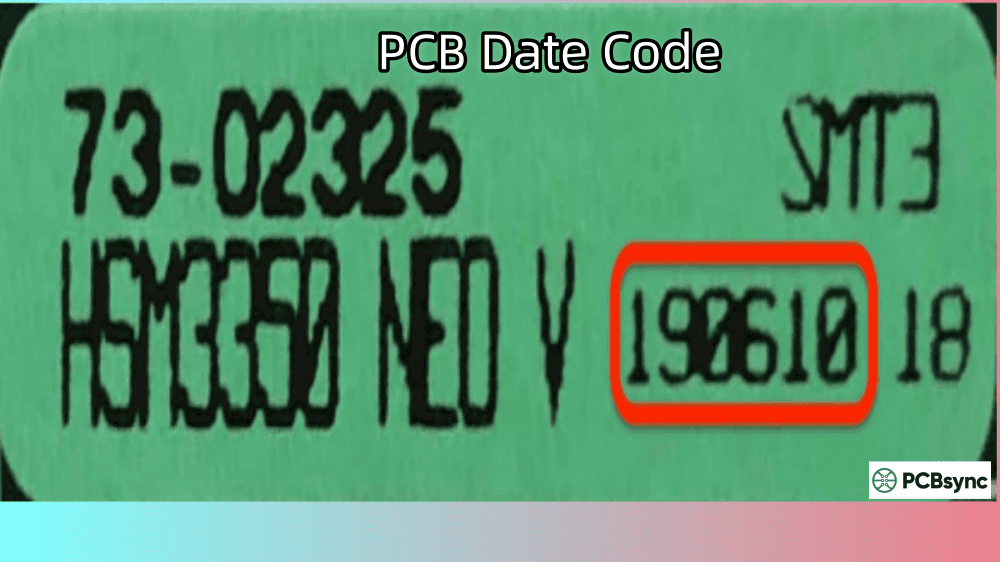
If you’ve ever looked closely at a bare printed circuit board, you’ve probably noticed a small four-digit code stamped somewhere on the surface. That’s the PCB date code—and if you’re in manufacturing, quality control, or procurement, understanding it is more important than you might think.
I’ve spent years working with PCBs across different industries, and I can tell you that date codes are one of those details that separate experienced engineers from beginners. When a batch of boards starts showing solderability issues on the assembly line, the first thing I check is the date code. When we’re tracking down a quality problem that only affects certain units, the date code tells us exactly which production run to investigate.
This guide covers everything you need to know about PCB date codes: what they mean, how to read them, why they matter for shelf life, and how to use them for proper traceability.
A PCB date code is a standardized marking applied to a printed circuit board during fabrication. It indicates the approximate week and year when the board was manufactured. This code is typically added to the copper layer or silkscreen (legend) of the PCB and provides essential traceability information.
The primary purpose of the date code is to help manufacturers, assemblers, and quality control teams:
Track the shelf life of unassembled PCBs
Identify production batches for quality control
Trace boards back to specific PCB manufacturing lots if defects occur
Verify compliance with industry standards (IPC-6012, MIL-PRF-55110)
Determine whether boards need to be baked before assembly
PCB Date Code Format: How to Read It
The standard PCB date code consists of four digits. However, the order of these digits varies depending on whether you’re working with commercial or military specifications.
Commercial Format (WWYY)
Commercial PCB fabricators use a Week/Year format. The first two digits represent the week number (01–52), and the last two digits represent the year.
Example: A date code of 0124 means Week 01 of 2024 (first week of January 2024).
Military Format (YYWW)
Military PCB fabricators use a Year/Week format. The first two digits represent the year, and the last two digits represent the week number.
Example: A date code of 2452 means Week 52 of 2024 (last week of December 2024).
PCB Date Code Format Comparison Table
Format Type
Structure
Example Code
Meaning
Commercial (WWYY)
Week + Year
0124
Week 01, 2024
Commercial (WWYY)
Week + Year
2523
Week 25, 2023
Military (YYWW)
Year + Week
2401
2024, Week 01
Military (YYWW)
Year + Week
2352
2023, Week 52
Pro Tip: Always verify with your PCB fabricator which format they use. This is especially critical when working with international suppliers who may follow different conventions.
Where Is the PCB Date Code Located?
By convention, the PCB date code is placed on the circuit side of the board (also called the solder side or bottom layer). This tradition dates back to the early days of single-sided PCBs when all conductors were on one side.
The date code can be applied in several ways:
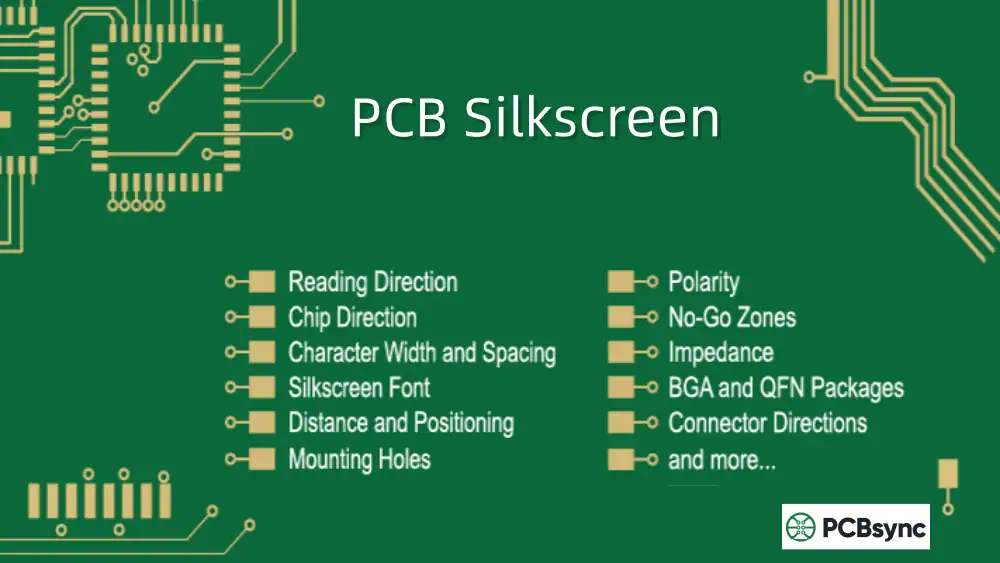
Silkscreen (Legend Layer): Most common method. White ink on the soldermask provides good contrast and readability.
Copper Layer: Etched into the copper. More permanent but less visible after soldermask application.
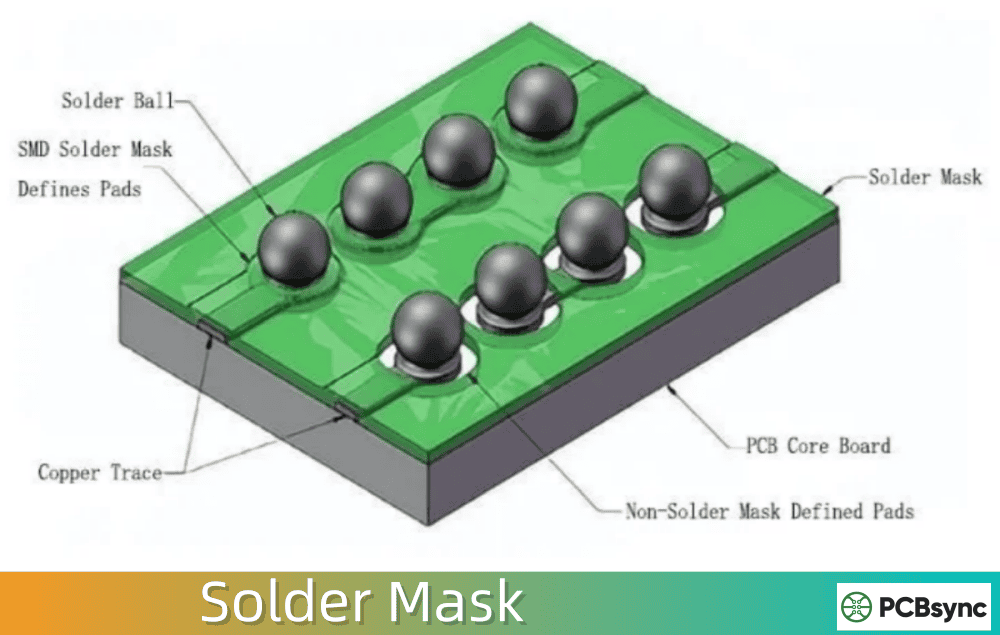
Soldermask: Created by selectively removing soldermask to expose copper underneath.
Along with the date code, you’ll typically find other manufacturer markings including the fabricator’s logo, UL certification mark (if applicable), and sometimes a lot or serial number.
Here’s something that surprises many engineers: the date code doesn’t have a universal definition. Neither IPC-6012 nor MIL-PRF-55110 specify exactly which fabrication step the date code should represent.
Different fabricators may define the date code as the week when:
The outer layers were imaged
The plated-through holes were formed
The final surface finish was applied (most relevant for shelf life)
The boards were scheduled to ship
This ambiguity matters because shelf life is really about solderability—and the solderability timer starts when the final finish is applied, not when the board was imaged. If you’re serious about quality control, always confirm with your fabricator what their date code represents.
PCB Date Code and Shelf Life: The Critical Connection
The primary reason we care about PCB date codes is shelf life management. Bare PCBs don’t last forever—their solderability degrades over time due to oxidation and contamination of the surface finish.
Shelf Life by Surface Finish Type
Different surface finishes have different shelf lives. Here’s a practical reference based on IPC-1601 guidelines:
Surface Finish
Typical Shelf Life
Notes
HASL (Tin-Lead)
12 months
Most forgiving; excellent solderability
Lead-Free HASL
12 months
RoHS compliant; similar to leaded HASL
ENIG (Electroless Nickel Immersion Gold)
12 months
Flat surface; watch for black pad issues
Immersion Silver
6–12 months
Excellent conductivity; sensitive to handling
Immersion Tin
6 months
Good for press-fit; watch for tin whiskers
OSP (Organic Solderability Preservative)
3–6 months
Shortest shelf life; limited reflow cycles
Hard Gold
12+ months
For edge connectors; expensive
Important: These shelf life figures assume proper storage conditions: temperature below 30°C, relative humidity below 60%, and original vacuum-sealed packaging with desiccant.
When to Bake PCBs Before Assembly
PCBs absorb moisture from the atmosphere. If you try to solder a moisture-laden board, the water inside will turn to steam during reflow, causing delamination, blistering, or “popcorning.” The date code helps you determine whether baking is necessary.
IPC-1601 Baking Guidelines
PCB Age/Condition
Baking Requirement
Within 2 months of manufacture, sealed packaging
No baking required
2–6 months, controlled environment (≤30°C/60% RH)
Bake 2–4 hours at 105–125°C
6–12 months, controlled environment
Bake 4–8 hours at 105–125°C
Unsealed or unknown storage conditions
Bake 4–8 hours minimum at 105–125°C
Over 12 months old
Not recommended for use; solderability testing required
Note: Baking temperature should always be below the glass transition temperature (Tg) of the laminate material. For standard FR-4, this is typically around 130–140°C.
PCB Traceability: Beyond the Date Code
While the date code is the most basic traceability element, professional PCB programs often require additional markings for complete traceability:
Marking Type
Purpose
Format Example
Date Code
Identifies manufacturing week/year
0124 (Week 01, 2024)
Lot Number
Identifies specific production batch
LOT-2024-0123
Panel Number
Identifies specific manufacturing panel
P001, P002, etc.
Board Number
Identifies individual board position on panel
B01–B24 (for 24-up panel)
Serial Number
Unique identifier for each individual board
SN-2024-00001
UL Marking
Indicates safety certification compliance
UL logo + file number
For aerospace, military, and medical applications, the combination of date code + panel number + board number provides unique identification for every single board, enabling full traceability in case of field failures.
Industry Standards for PCB Date Codes
Several industry standards govern PCB date code requirements:
IPC-6012 (Qualification and Performance Specification for Rigid Printed Boards)
The most widely used commercial standard for PCB qualification. It requires a four-digit date code and divides PCBs into three classes based on reliability requirements (Class 1 for general electronics, Class 2 for dedicated service, Class 3 for high reliability).
MIL-PRF-55110 / MIL-PRF-31032
Military specifications for printed wiring boards. MIL-PRF-55110 is the legacy specification (now superseded by MIL-PRF-31032 for new designs). Both require strict traceability including date codes.
IPC-1601 (Printed Board Handling and Storage Guidelines)
Provides guidance on how to use date codes for shelf life management, including baking requirements and storage conditions.
Common PCB Date Code Issues and How to Avoid Them
Based on my experience troubleshooting PCB assembly problems, here are the most common date code-related issues:
Problem 1: Solderability Failures on “New” Boards
Cause: Boards sat in a warehouse for months before delivery. The “ship date” was recent, but the date code shows they’re actually 9 months old.
Solution: Always check the date code at incoming inspection, not just the packing slip date.
Problem 2: Mixed Date Codes in a Single Lot
Cause: Supplier combined leftover boards from different production runs to fill an order.
Solution: Specify single date code per shipment in your purchase order if consistency is critical.
Problem 3: Can’t Read the Date Code
Cause: Poor silkscreen quality, wrong color combination, or date code placed under components.
Solution: Specify date code location and minimum character height in your fabrication drawing. Use white silkscreen on green soldermask for best contrast.
Useful Resources and Reference Documents
Here are some valuable resources for PCB date code and traceability information:
IPC Standards (Available from IPC)
IPC-6012F – Qualification and Performance Specification for Rigid Printed Boards
IPC-1601A – Printed Board Handling and Storage Guidelines
IPC-A-600 – Acceptability of Printed Boards
Website: www.ipc.org
Military Specifications (Available from EverySpec)
MIL-PRF-31032 – Performance Specification for Printed Circuit Board/Printed Wiring Board
MIL-PRF-55110 – Legacy specification for rigid printed wiring boards
Website: www.everyspec.com
UL Certification Lookup
UL Product iQ Database: https://iq.ul.com – Look up UL file numbers found on PCBs to verify manufacturer certifications
Frequently Asked Questions About PCB Date Codes
1. How long is a PCB good for after the date code?
It depends on the surface finish and storage conditions. HASL and ENIG finishes typically last 12 months from the date code if stored properly (vacuum-sealed, below 30°C, under 60% relative humidity). OSP finishes have the shortest shelf life at 3–6 months. Boards stored beyond their shelf life can often still be used if they pass solderability testing, but may require baking before assembly.
2. Why do some PCBs have a 4-digit date code while others have more characters?
The standard date code is 4 digits (WWYY or YYWW). However, some manufacturers add additional characters for enhanced traceability—such as a shift code, line number, or lot identifier. For example, “0124A” might indicate Week 01, 2024, Shift A. Always check with your fabricator to understand their specific marking system.
3. Can I use a PCB that’s past its shelf life?
You can, but proceed with caution. First, perform a solderability test per J-STD-003. If the board passes, you may be able to use it—but consider baking it first to remove any absorbed moisture. For Class 3 or safety-critical applications, I’d recommend against using boards past their shelf life unless absolutely necessary and thoroughly tested.
4. Is the PCB date code the same as the assembly date?
No. The PCB date code indicates when the bare board was manufactured at the PCB fabrication facility. The assembly date (when components were soldered onto the board) is typically tracked separately, often via a lot code or serial number applied during the PCBA process. The two dates can be weeks or even months apart.
5. Do I need to specify date code requirements in my PCB fabrication drawing?
For basic commercial work, most fabricators will add a date code by default. However, if traceability is important to your application, you should explicitly specify: (1) Date code format required (WWYY or YYWW), (2) Location on the board, (3) Minimum character height, (4) Whether a lot number or panel number is also required. For military, aerospace, or medical applications, detailed marking requirements are typically mandatory.
Conclusion
The PCB date code might seem like a minor detail, but it’s actually a critical piece of traceability information that impacts quality control, shelf life management, and regulatory compliance. Understanding how to read date codes—and more importantly, how to use them effectively—separates experienced PCB professionals from those who are just getting started.
Key takeaways:
Commercial date codes use WWYY format (week/year); military uses YYWW (year/week)
Always verify with your fabricator what their date code represents
Surface finish determines shelf life—OSP is shortest, HASL and ENIG are longest
Check date codes at incoming inspection, not just shipping dates
Bake boards that have been stored beyond recommended timeframes
Whether you’re a design engineer specifying board requirements, a quality manager tracking production issues, or a procurement specialist evaluating suppliers, the humble date code is your first line of defense for ensuring PCB reliability.
Inquire: Call 0086-755-23203480, or reach out via the form below/your sales contact to discuss our design, manufacturing, and assembly capabilities.
Quote: Email your PCB files to Sales@pcbsync.com (Preferred for large files) or submit online. We will contact you promptly. Please ensure your email is correct.
Notes: For PCB fabrication, we require PCB design file in Gerber RS-274X format (most preferred), *.PCB/DDB (Protel, inform your program version) format or *.BRD (Eagle) format. For PCB assembly, we require PCB design file in above mentioned format, drilling file and BOM. Click to download BOM template To avoid file missing, please include all files into one folder and compress it into .zip or .rar format.