Inquire: Call 0086-755-23203480, or reach out via the form below/your sales contact to discuss our design, manufacturing, and assembly capabilities.
Quote: Email your PCB files to Sales@pcbsync.com (Preferred for large files) or submit online. We will contact you promptly. Please ensure your email is correct.
Notes: For PCB fabrication, we require PCB design file in Gerber RS-274X format (most preferred), *.PCB/DDB (Protel, inform your program version) format or *.BRD (Eagle) format. For PCB assembly, we require PCB design file in above mentioned format, drilling file and BOM. Click to download BOM template To avoid file missing, please include all files into one folder and compress it into .zip or .rar format.
After 15 years working in PCB manufacturing, I’ve seen countless boards fail during reflow soldering—not because of design flaws, but because someone skipped a simple step: PCB baking. That frustrating “pop” sound during assembly? It’s moisture trapped inside your board turning into steam and literally exploding the layers apart.
PCB baking is the process of heating printed circuit boards at controlled temperatures (typically 105°C to 125°C) to remove absorbed moisture before assembly. This pre-treatment prevents catastrophic defects like delamination, popcorning, and solder joint failures that can destroy expensive components and ruin entire production runs.
In this guide, I’ll share everything I’ve learned about PCB baking—when you actually need it, the correct temperatures and times based on IPC-1601 standards, and the mistakes that trip up even experienced engineers.
PCB baking (also called bake-out or pre-baking) is a thermal process that drives moisture out of circuit board materials before they enter the soldering process. The concept is straightforward: heat the board enough to evaporate trapped water, but not so much that you damage the components or degrade the surface finish.
Here’s why this matters more than many engineers realize: FR4 laminate—the most common PCB substrate—is hygroscopic. It absorbs moisture from the surrounding air like a sponge. Even boards stored in climate-controlled warehouses can absorb enough moisture to cause problems during reflow.
When a moisture-laden board hits reflow temperatures (240°C+ for lead-free solder), that trapped water instantly vaporizes. Steam expands roughly 1,700 times its liquid volume. If this happens inside your PCB’s layer stack, the pressure can:
Separate internal layers (delamination)
Create visible bubbles on the surface (blistering)
Crack IC packages (popcorning)
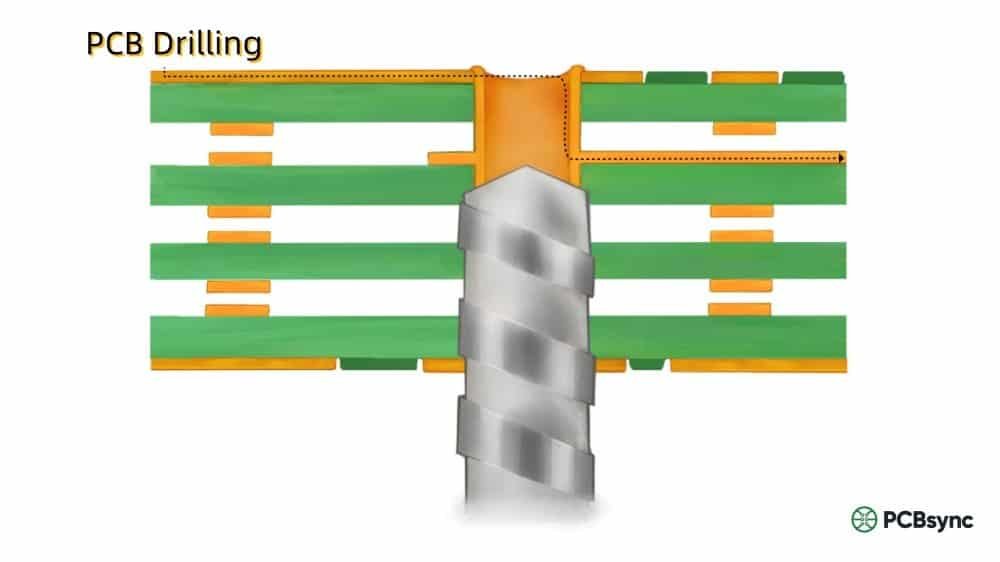
Pull apart plated through-holes
Cause white spots in the laminate (measling)
I’ve seen entire batches of medical device boards scrapped because nobody checked the humidity indicator cards in the packaging. That’s thousands of dollars gone because of water molecules you can’t even see.
The Real Cost of Skipping PCB Baking
Before diving into the technical details, let’s talk numbers. In my experience consulting with electronics manufacturers, moisture-related defects account for approximately 15-20% of all assembly line failures. Here’s what that means in practical terms:
A medium-sized contract manufacturer producing 10,000 boards monthly might experience 200-400 moisture-related defects without proper baking protocols. At an average rework cost of $15-50 per board (depending on complexity), that’s $3,000-$20,000 in monthly losses—not counting scrapped boards, delayed shipments, or warranty returns.
One automotive electronics supplier I worked with tracked their defect data over six months. After implementing strict IPC-1601 baking procedures, their delamination rate dropped from 2.3% to 0.08%. Their popcorning defects on BGAs went from 1.1% to essentially zero. The ROI on their baking oven and procedure updates paid back within three months.
The bottom line: PCB baking isn’t an optional nice-to-have—it’s a fundamental quality control step that directly impacts your bottom line and customer satisfaction.
How PCB Baking Works: The Science Behind Moisture Removal
Understanding the physics helps you make better decisions about when and how to bake your boards.
The Moisture Absorption Problem
PCB materials absorb moisture through diffusion. Water molecules penetrate the epoxy resin matrix and accumulate at interfaces between layers—especially around resin-rich areas and glass fiber boundaries. According to IPC-1601, most PCB designs should maintain maximum moisture content between 0.1% and 0.5% of total resin weight.
Several factors influence how much moisture your boards absorb:
Factor
Impact on Moisture Absorption
Storage humidity
Higher RH = faster absorption
Storage duration
Longer storage = more moisture
Laminate type
Polyimide absorbs more than FR4
Board thickness
Thicker boards trap more moisture
Surface finish
Some finishes are more porous
Packaging condition
Breached vacuum seals = rapid absorption
What Happens During PCB Baking
When you place a board in a baking oven at 105-125°C, several things occur:
Surface moisture evaporates within the first 30 minutes
Internal moisture migrates toward the surface through diffusion
Deep-layer moisture slowly works its way out (this is why thicker boards need longer bake times)
Equilibrium is reached when internal moisture content drops to acceptable levels
The key insight: baking isn’t just about reaching temperature—it’s about maintaining that temperature long enough for moisture to diffuse from the board’s core to its surface and evaporate.
Knowing what moisture damage looks like helps you understand why PCB baking matters and when it might be too late.
Delamination
Delamination is the physical separation of PCB layers. It appears as bubbling, blistering, or visible gaps in the board cross-section. In severe cases, you’ll see discolored regions on the solder mask where internal separation has occurred.
Root cause: Moisture trapped between laminate layers vaporizes during soldering, creating pressure that exceeds the adhesive bond strength.
Detection: Visual inspection for surface bubbling; X-ray or cross-sectioning for internal delamination; acoustic microscopy for non-destructive analysis.
Popcorning (IC Package Cracking)
The “popcorn effect” gets its name from the audible popping sound when moisture-laden IC packages crack during reflow. The mechanism is identical to board delamination—trapped moisture vaporizes and explodes the package.
Symptoms: Visible cracks in plastic packages, separated die attach, broken bond wires, intermittent electrical failures.
Most affected components: BGAs, QFNs, large plastic packages with MSL ratings of 3 or higher.
Measling
Measling appears as white spots or crosses within the laminate, following the glass fiber weave pattern. It indicates localized separation at the resin-to-fiber interface.
Severity: Minor measling (few spots, not bridging conductors) is often cosmetically acceptable. Extensive measling indicates serious moisture contamination and compromised structural integrity.
Blown or Voided Solder Joints
When moisture outgasses through via holes during wave soldering or reflow, it creates blowholes, pinholes, or voids in solder joints. These defects reduce joint strength and can cause intermittent connections.
Detection: Visual inspection, X-ray for internal voids, cross-sectional analysis.
Conductive Anodic Filamentation (CAF)
This is a long-term reliability failure caused by moisture enabling electrochemical migration. Copper ions migrate along glass fiber pathways, eventually creating short circuits between traces.
Timeline: CAF failures may not appear until months or years after assembly, making them particularly dangerous for high-reliability applications.
IPC-1601 PCB Baking Standards: Temperature and Time Guidelines
IPC-1601 is the industry standard that governs PCB handling, packaging, and storage. It provides specific guidance on when boards need baking and what parameters to use.
PCB Baking Temperature and Time Chart
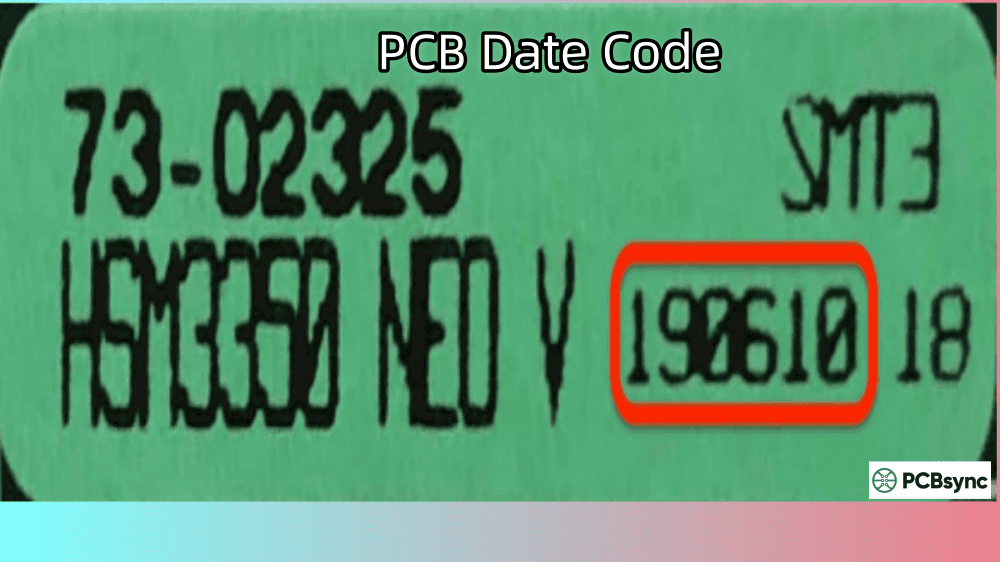
Based on IPC-1601 guidelines, here are the recommended baking conditions for boards stored in controlled environments (≤30°C / 60% RH):
Storage Duration
Baking Temperature
Baking Time
Notes
Within 5 days of manufacture
No baking required
—
Assemble immediately
Well-sealed, within 2 months
No baking required
—
If properly vacuum-packed with desiccant
Unsealed, 5-60 days
120±5°C
1 hour
Standard pre-bake
2-6 months from manufacture
120±5°C
2 hours
Extended bake
6-12 months from manufacture
120±5°C
4 hours
Long-term storage recovery
Over 12 months
120±5°C
6+ hours
Not recommended for use
Critical note: Boards stored longer than 12 months may have degraded beyond recovery. Moisture causes pad corrosion, solder mask aging, and reduced circuit conductivity. Baking cannot reverse these chemical changes—it only removes water.
Temperature Considerations by Surface Finish
Different surface finishes have different tolerances for baking. Getting this wrong can destroy solderability:
Return to manufacturer for re-plating if >3 months old
Warning: Never bake silver-plated or bare copper-finished boards. If these have been stored more than three months, the surface is likely oxidized beyond recovery. You’ll need to either scrap the boards or have them re-plated.
Step-by-Step PCB Baking Process
Here’s the procedure I follow for reliable results:
Pre-Baking Preparation
Check the humidity indicator card (HIC) inside the moisture barrier bag. If it shows moisture levels above the acceptable threshold, baking is mandatory.
Verify board age and storage conditions. Check the manufacture date and calculate storage duration.
Identify the surface finish. This determines your maximum temperature.
Inspect boards visually for any existing damage, contamination, or delamination signs.
Oven Setup and Requirements
Use an industrial forced-air convection oven—never a regular kitchen oven. Key requirements:
Temperature accuracy: ±5°C across the entire chamber
Forced air circulation: Essential for even heating and moisture removal
Ventilation/exhaust: To remove evaporated moisture from the oven
Humidity control: Oven interior should be <5% RH
Clean environment: Free from oils, flux residues, or contaminants
PCB Stacking Guidelines
How you load boards affects baking effectiveness:
Board Size
Stacking Method
Maximum Stack Height
Small/Medium (<200mm)
Flat horizontal stacking
30-40 boards max
Large (>200mm)
Flat horizontal with weight
30 boards max
Any size
Vertical with spacing
No limit (preferred for moisture escape)
Pro tip: Vertical positioning with adequate spacing between boards allows better air circulation and faster moisture escape. I use custom racks that keep boards separated by at least 10mm.
The Baking Procedure
Preheat the oven to target temperature (typically 120°C)
Load boards according to stacking guidelines
Begin timing once the oven returns to target temperature
Monitor temperature throughout the cycle
Complete full bake duration per the table above
Remove boards within 10 minutes of cycle completion
Place flat immediately on a clean, level surface
Apply anti-warp fixtures for large or thin boards
Allow cooling to room temperature (15-20 minutes)
Package or assemble within 5 days
Post-Baking Handling: The 5-Day Rule
This is where many production lines fail. After baking, you have a maximum of 5 days to complete assembly. If boards sit longer than 5 days after baking, they’ll reabsorb moisture and require re-baking.
If you can’t assemble within 5 days:
Immediately vacuum-seal with desiccant
Store at <10% RH in a nitrogen cabinet
Re-bake if exposed to workshop environment again
Understanding Board Warpage During Baking
One challenge I frequently encounter is board warpage after baking. Large, thin boards are particularly susceptible. Here’s what happens:
During baking, the PCB materials experience thermal expansion. Different materials (copper, FR4, solder mask) expand at different rates. When the board cools rapidly or unevenly, residual stresses cause warping.
Prevention strategies:
Board Characteristic
Anti-Warp Measure
Large size (>300mm)
Stack no more than 30 boards; use weighted fixtures during cooling
Thin boards (<1.0mm)
Always use rigid fixtures; cool slowly
Asymmetric copper distribution
Position heaviest copper side down during cooling
Flexible/rigid-flex boards
Use dedicated support fixtures; never stack without separators
Acceptable warpage: IPC standards allow 0.75% warpage for surface mount boards. That’s 2.25mm maximum bow for a 300mm board. Anything beyond this will cause stencil printing issues and component placement problems.
Documenting Your PCB Baking Process
For quality traceability—especially in regulated industries like medical devices, automotive, or aerospace—you need to document every bake cycle:
Board lot number and manufacturer
Storage duration and conditions before baking
Bake start time, temperature, and duration
Oven identification and calibration status
Post-bake inspection results
Assembly date and time after baking
This documentation becomes critical during failure analysis or customer audits. I’ve seen companies lose certifications because they couldn’t prove their moisture control procedures were followed.
When NOT to Bake PCBs
PCB baking isn’t always necessary—and sometimes it’s counterproductive. Here’s when to skip it:
Scenarios Where Baking is Unnecessary
Fresh boards within 5 days of manufacture that haven’t been exposed to humidity
Properly vacuum-sealed boards within 2 months of manufacture with acceptable HIC readings
Boards stored in nitrogen cabinets at <5% RH continuously
Quick-turn assembly where boards go directly from fabrication to assembly
When Baking Can Cause Harm
OSP-finished boards baked above 105°C will have degraded solderability
Multiple bake cycles can oxidize finishes and reduce solderability
Over-baking (too long or too hot) damages solder mask and laminate
Silver-plated boards will tarnish and become unsolderable
Thin boards without proper fixturing will warp
I once had a customer who baked every single board regardless of age or condition. Their yield actually decreased because the OSP finish degraded from repeated heat exposure. More isn’t always better.
PCB Baking for Moisture-Sensitive Components (MSDs)
Beyond bare boards, moisture-sensitive devices (MSDs) like ICs, BGAs, and QFNs also require baking under certain conditions. The governing standard here is IPC/JEDEC J-STD-033.
Understanding MSL Ratings
Components are classified by Moisture Sensitivity Level (MSL):
MSL Level
Floor Life at 30°C/60% RH
Typical Components
MSL 1
Unlimited
Most passive components
MSL 2
1 year
Standard ICs
MSL 2a
4 weeks
—
MSL 3
168 hours (7 days)
BGAs, QFNs
MSL 4
72 hours
Fine-pitch BGAs
MSL 5
48 hours
Large plastic packages
MSL 5a
24 hours
Very moisture-sensitive
MSL 6
Mandatory bake before use
Extreme sensitivity
Component Baking Parameters
For components that have exceeded their floor life:
MSL Level
Baking Temperature
Baking Time
MSL 2-5a
125°C
8-48 hours (based on package thickness)
MSL 6
125°C
Varies (check component datasheet)
Important: Component baking is separate from PCB baking. If both your boards and components need baking, do them separately to ensure proper parameters for each.
Common PCB Baking Mistakes and How to Avoid Them
After years of troubleshooting assembly line issues, these are the errors I see repeatedly:
Mistake 1: Baking at the Wrong Temperature
Problem: Using 125°C for OSP boards Result: Degraded solderability, poor wetting, solder defects Solution: Always verify surface finish and adjust temperature accordingly
Mistake 2: Not Allowing Proper Ventilation
Problem: Using an oven without exhaust or circulation Result: Moisture stays trapped in the oven chamber, boards don’t dry properly Solution: Use forced-air convection ovens with ventilation
Mistake 3: Exceeding the 5-Day Post-Bake Window
Problem: Baking boards then letting them sit for weeks before assembly Result: Moisture reabsorption, wasted effort, false confidence Solution: Schedule baking to coincide with assembly timing
Mistake 4: Stacking Too Many Boards
Problem: Overloading the oven to save time Result: Uneven heating, boards in the center don’t dry properly Solution: Follow stacking limits, prioritize vertical spacing
Mistake 5: Skipping the Humidity Indicator Check
Problem: Assuming boards need baking without verification Result: Unnecessary baking that degrades surface finishes Solution: Always check HIC cards before deciding to bake
Mistake 6: Ignoring Board Warpage
Problem: Not using anti-warp fixtures during cooling Result: Warped boards that cause stencil printing defects Solution: Use weighted fixtures immediately after removal from oven
PCB Baking Equipment and Best Practices
Recommended Oven Specifications
For production environments, invest in proper equipment:
Specification
Requirement
Temperature range
Ambient to 150°C minimum
Temperature uniformity
±5°C throughout chamber
Heating type
Forced-air convection
Interior humidity
<5% RH capability
Shelving
Perforated stainless steel
Controls
Digital with programmable profiles
Data logging
Temperature/time recording for traceability
Oven Calibration and Maintenance
Your baking oven is a critical piece of equipment that requires regular attention:
Monthly checks:
Verify temperature accuracy with calibrated thermocouples at multiple locations
Inspect door seals for wear
Clean interior surfaces to remove residues
Test ventilation system function
Annual requirements:
Full calibration by qualified technician
Certification for regulated industries
Review and update programmed profiles
Quality Control Verification
How do you know baking worked? Here are verification methods:
Weight measurement: Weigh boards before and after baking. A measurable weight loss indicates moisture removal.
Visual inspection: Check for any signs of damage, discoloration, or warping.
Solderability testing: Perform dip-and-look or wetting balance tests on sacrificial boards.
HIC verification: If storing after baking, new HIC cards should remain blue.
Troubleshooting PCB Baking Issues
Even with proper procedures, problems can arise. Here’s my troubleshooting guide:
Problem: Boards still show moisture defects after baking
Check oven temperature calibration
Verify bake duration was adequate for storage time
Ensure oven ventilation is working
Consider longer bake time for thick boards
Problem: Surface finish appears degraded after baking
Reduce temperature (especially for OSP)
Shorten bake cycles
Limit repeated baking
Switch to more robust finish (ENIG) for boards requiring storage
Problem: Boards warping during baking
Reduce stack height
Add weight/fixtures during cooling
Slow down cooling rate
Check for uneven heating in oven
Problem: Solderability issues after baking
Test surface finish with wetting balance test
Check if boards exceeded maximum bake cycles
Verify temperature didn’t exceed finish limits
Consider nitrogen atmosphere for sensitive finishes
Useful Resources and Standards
Industry Standards (Available from IPC)
IPC-1601A: Printed Board Handling and Storage Guidelines
IPC/JEDEC J-STD-033D: Handling, Packaging, Shipping of Moisture-Sensitive Devices
IPC-TM-650 2.4.28: Test Method for Moisture Content of PCBs
Recommended Tools and Equipment
Tool
Purpose
Typical Suppliers
Industrial convection oven
PCB baking
Despatch, Blue M, Grieve
Moisture barrier bags (MBB)
Storage after baking
Desco, Shield Pack
Humidity indicator cards (HIC)
Moisture verification
Süd-Chemie, Impak
Desiccant packs
Moisture absorption in storage
Clariant, Multisorb
Nitrogen dry cabinets
Long-term low-humidity storage
Totech, Seika
Free Online Resources
IPC Association website (ipc.org) for standard summaries
Component manufacturer datasheets for MSL ratings
Your PCB fabricator’s handling guidelines (request these—most provide detailed recommendations)
Frequently Asked Questions About PCB Baking
Can I use a regular kitchen oven for PCB baking?
No, and I strongly advise against trying. Kitchen ovens lack precise temperature control, have no forced-air circulation, and may introduce contaminants (food residues, oils) onto your boards. They also can’t maintain the low humidity required for effective moisture removal. Industrial convection ovens designed for electronics are essential for reliable results.
How do I know if my PCBs actually need baking?
Check three things: (1) the humidity indicator card inside the moisture barrier bag—if it shows moisture exposure, bake; (2) how long the boards have been stored and under what conditions—refer to the IPC-1601 table; (3) whether the vacuum seal is intact. If you’re uncertain and the boards are more than a few weeks old, baking as a precaution is reasonable—just use appropriate temperature for your surface finish.
What happens if I skip PCB baking on moisture-exposed boards?
During reflow soldering, trapped moisture rapidly vaporizes, creating internal pressure. This causes delamination (layer separation), popcorning (explosive cracking of IC packages), blowholes in solder joints, and measling (white spots in the laminate). These defects may appear immediately or manifest later as reliability failures in the field. The damage is irreversible.
Can I rebake PCBs multiple times if they get exposed again?
Yes, but with diminishing returns. Each bake cycle can degrade surface finish solderability, especially for OSP and immersion tin. I recommend limiting boards to 2-3 bake cycles maximum. If a board has been baked multiple times, perform a solderability test before committing to full production. Prevention (proper storage) is always better than repeated baking.
How long can I store boards after baking?
In a controlled workshop environment, you have 5 days maximum before reabsorption becomes significant. For longer storage, immediately vacuum-seal baked boards with desiccant, or store in nitrogen dry cabinets at <10% RH. With proper dry storage, boards can remain usable for weeks to months without re-baking.
Conclusion: Making PCB Baking Work for Your Production
PCB baking isn’t glamorous, but it’s one of those fundamental processes that separates reliable production from quality nightmares. The key points to remember:
Know your storage conditions: Track board age and humidity exposure
Follow IPC-1601 guidelines: Use the correct temperature and time for your situation
Respect surface finish limitations: OSP maxes out at 105°C
Mind the 5-day rule: Assemble promptly after baking or properly re-store
Verify with HICs: Don’t guess—check the indicators
When done correctly, PCB baking eliminates an entire category of defects that can otherwise plague your assembly process. The investment in proper equipment and procedures pays for itself many times over in reduced scrap, higher yields, and better field reliability.
If you’re still experiencing moisture-related defects after implementing these guidelines, look upstream to your PCB supplier’s handling practices or downstream to your reflow profile. Sometimes the issue isn’t the baking—it’s what happens before or after.
Inquire: Call 0086-755-23203480, or reach out via the form below/your sales contact to discuss our design, manufacturing, and assembly capabilities.
Quote: Email your PCB files to Sales@pcbsync.com (Preferred for large files) or submit online. We will contact you promptly. Please ensure your email is correct.
Notes: For PCB fabrication, we require PCB design file in Gerber RS-274X format (most preferred), *.PCB/DDB (Protel, inform your program version) format or *.BRD (Eagle) format. For PCB assembly, we require PCB design file in above mentioned format, drilling file and BOM. Click to download BOM template To avoid file missing, please include all files into one folder and compress it into .zip or .rar format.