Inquire: Call 0086-755-23203480, or reach out via the form below/your sales contact to discuss our design, manufacturing, and assembly capabilities.
Quote: Email your PCB files to Sales@pcbsync.com (Preferred for large files) or submit online. We will contact you promptly. Please ensure your email is correct.
Notes: For PCB fabrication, we require PCB design file in Gerber RS-274X format (most preferred), *.PCB/DDB (Protel, inform your program version) format or *.BRD (Eagle) format. For PCB assembly, we require PCB design file in above mentioned format, drilling file and BOM. Click to download BOM template To avoid file missing, please include all files into one folder and compress it into .zip or .rar format.
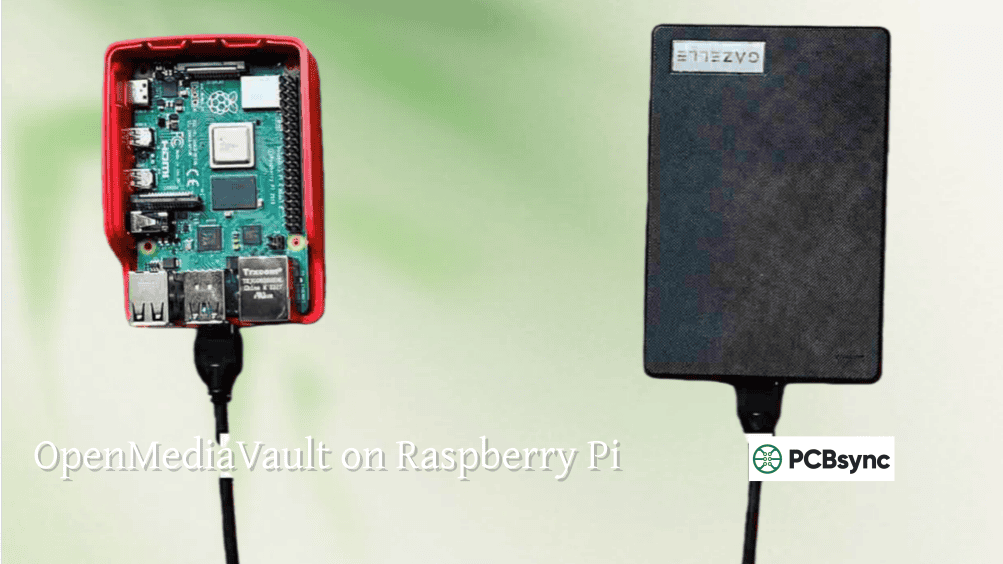
OpenMediaVault on Raspberry Pi: Build Your Own NAS Server
When commercial NAS units started hitting the $400+ range for anything decent, I decided to take matters into my own hands. Armed with a Raspberry Pi and some spare hard drives, I built a network-attached storage system that rivals boxes costing four times as much. The secret weapon? OpenMediaVault Raspberry Pi installation.
After running my OMV Raspberry Pi NAS for over two years now, I can confidently say it’s one of the most practical projects you can build with a Pi. Whether you need centralized family photo storage, automated backups, or a personal cloud to replace Dropbox, this guide covers everything from initial setup to advanced Docker configurations.
OpenMediaVault (OMV) is an open-source network-attached storage solution built on Debian Linux. Unlike trying to configure Samba, FTP, and other services manually, OMV provides a clean web interface that handles everything from disk management to user permissions.
What makes OpenMediaVault Raspberry Pi setups particularly attractive is the combination of low power consumption (under 10 watts), silent operation, and genuine functionality. Your Pi can run 24/7 for years without complaint, serving files to every device on your network.
Key Features of OpenMediaVault
Feature
Description
Web Interface
Browser-based management for all settings
SMB/CIFS
Windows-compatible file sharing
NFS
Linux/Unix native file sharing
FTP/SFTP
Secure file transfer protocols
SSH
Command-line remote access
RSync
Automated backup and synchronization
Docker Support
Run containerized applications
Plugin System
Extend functionality with add-ons
User Management
Granular access control
Disk Management
RAID, S.M.A.R.T monitoring, quotas
Hardware Requirements for OMV Raspberry Pi
Before diving into installation, let’s ensure you have the right equipment. Your hardware choices significantly impact performance.
Minimum vs Recommended Hardware
Component
Minimum
Recommended
Raspberry Pi Model
Pi 2B
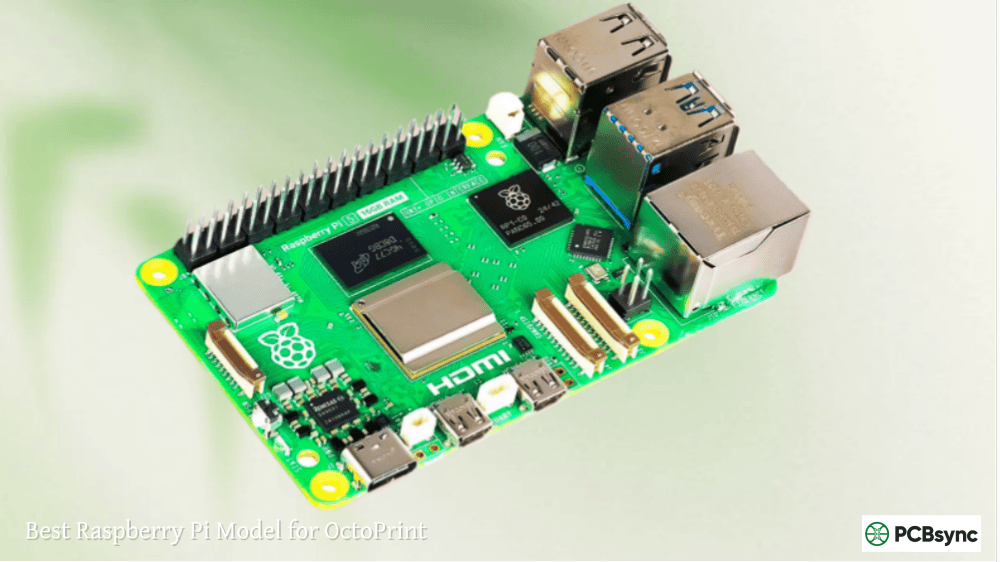
Pi 4 (4GB) or Pi 5
RAM
1GB
4GB or 8GB
System Storage
8GB microSD
32GB Class 10 microSD
Data Storage
USB 2.0 HDD
USB 3.0 SSD or HDD
Network
Ethernet (required for setup)
Gigabit Ethernet
Power Supply
2.5A
Official 3A (Pi 4) or 5A (Pi 5)
Why Raspberry Pi 4 or 5 Makes the Best OMV Server
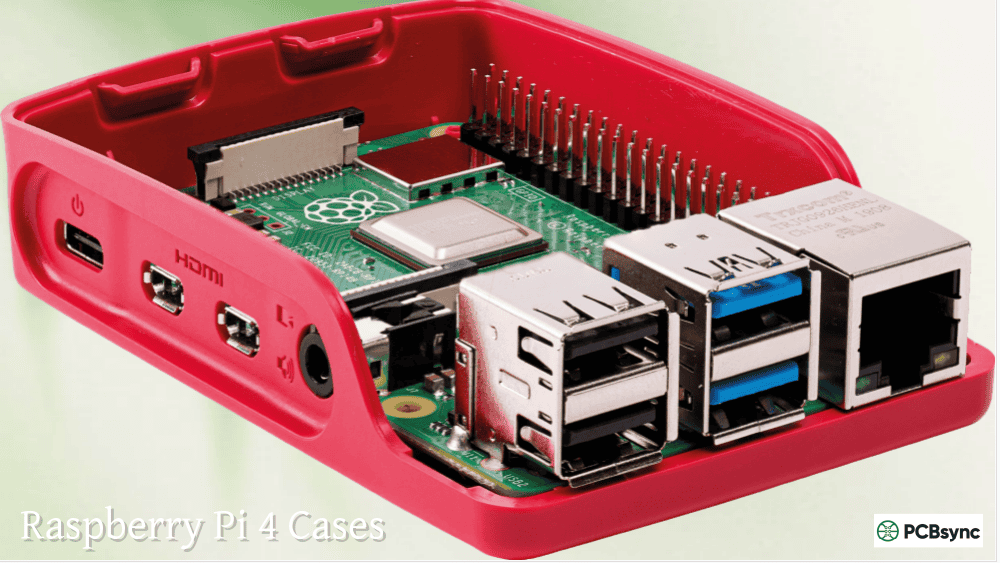
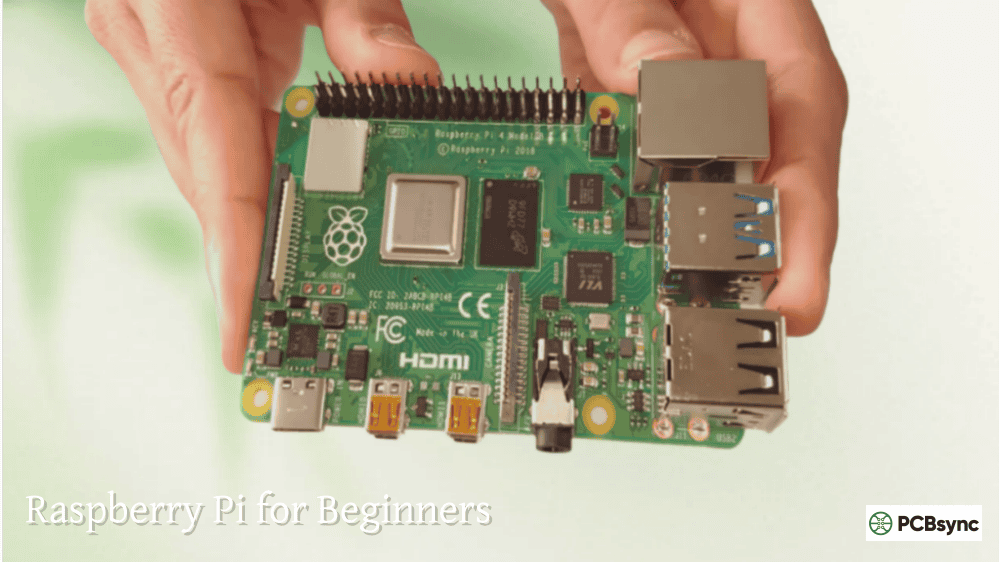
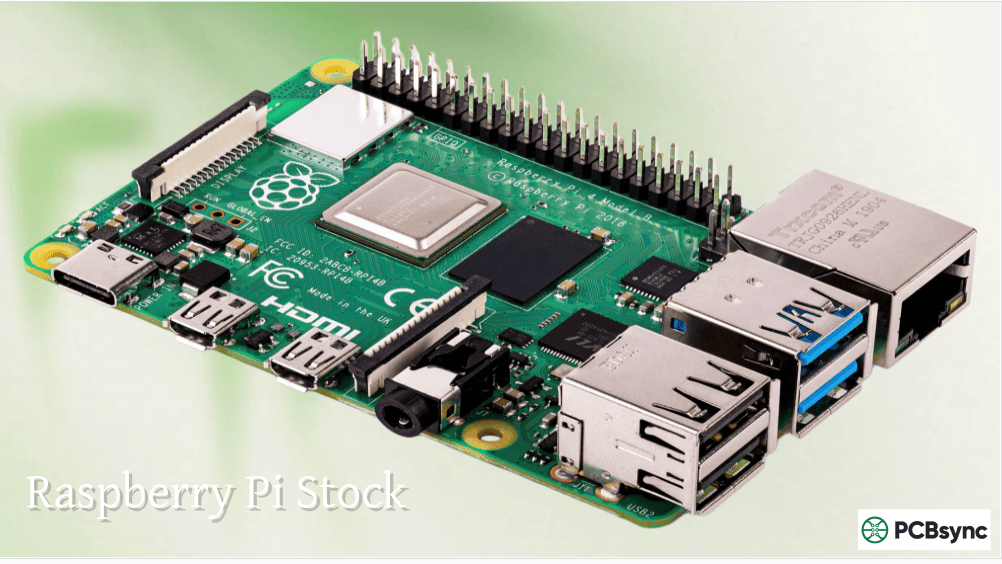
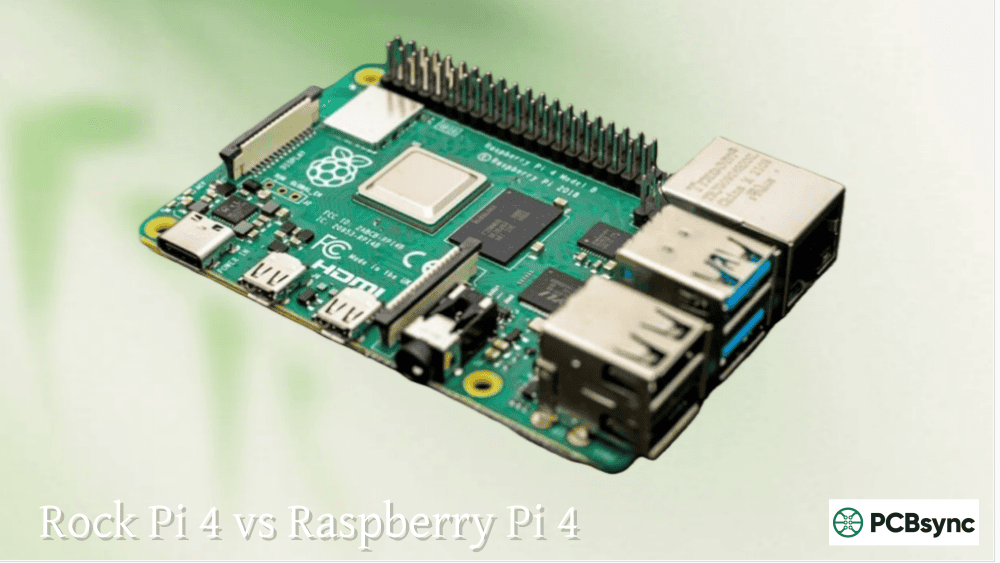
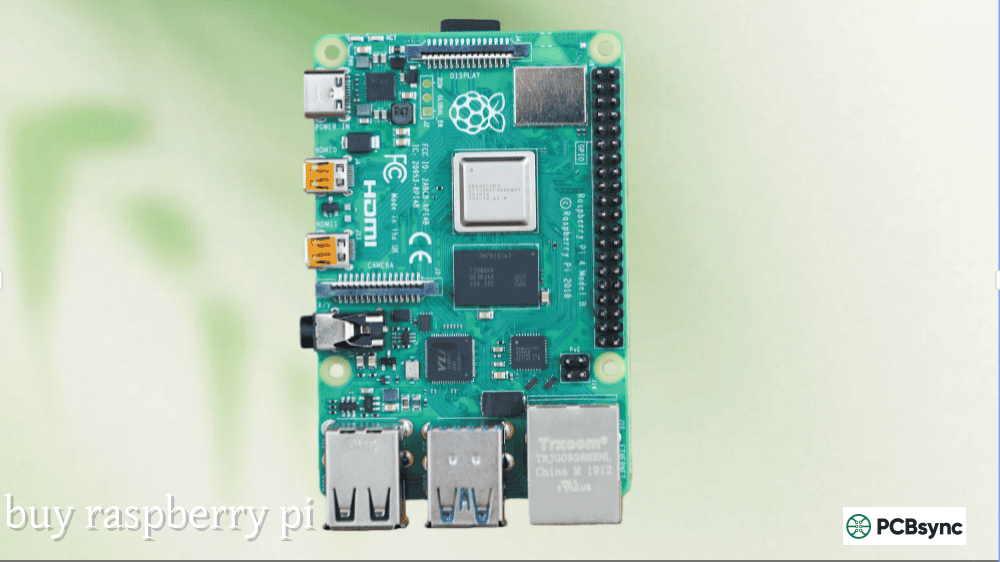
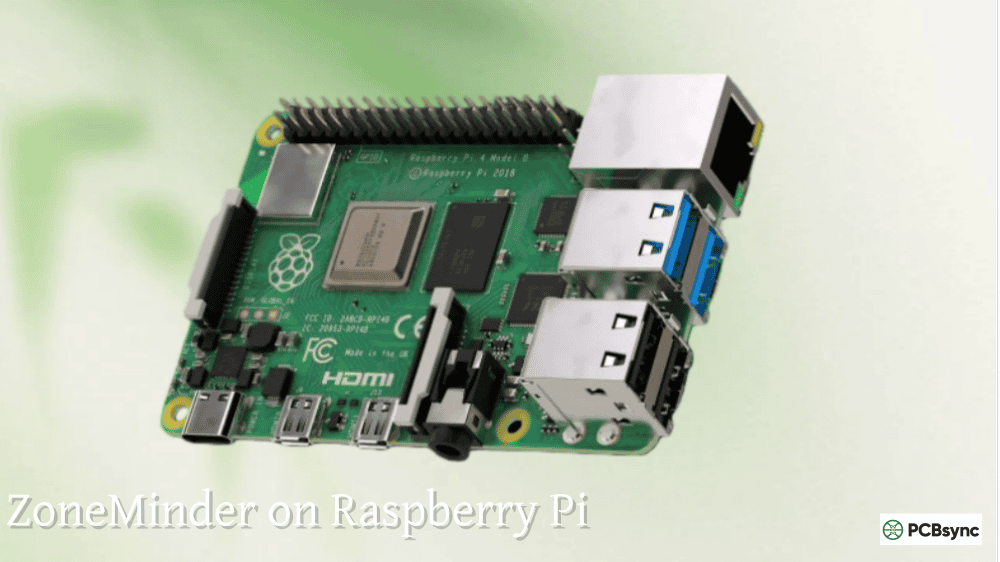
The Raspberry Pi 4 and 5 excel for OpenMediaVault installations because of their USB 3.0 ports and Gigabit Ethernet. These two features are non-negotiable for any serious NAS build.
USB 3.0 theoretical throughput hits 5 Gbps, but real-world Samba transfers on a Pi 4 typically achieve 80-115 MB/s with a quality SSD. That’s more than adequate for streaming 4K video or backing up multiple computers simultaneously.
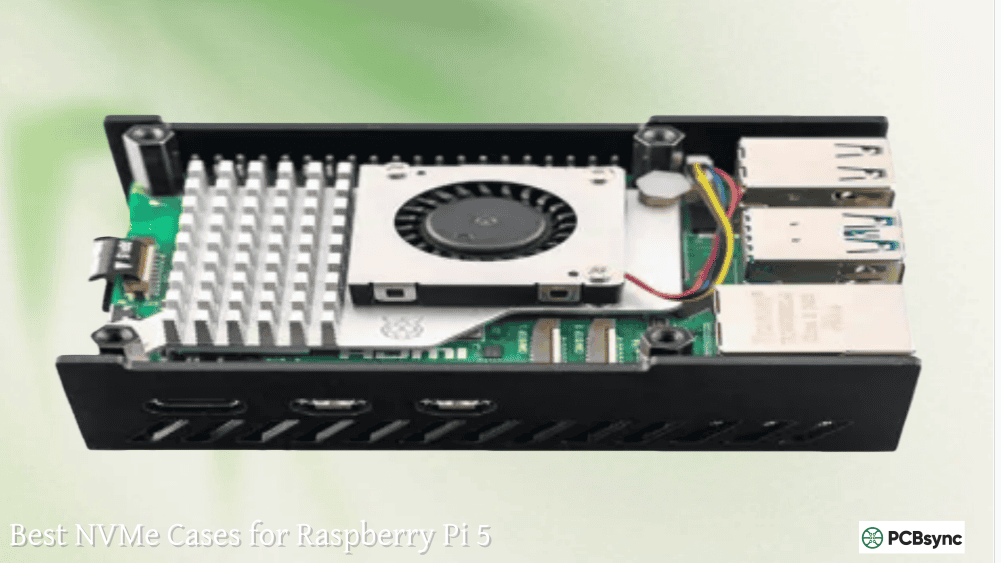
The Pi 5 adds PCIe support, enabling NVMe drives through HAT boards. Benchmarks show NVMe read speeds around 800 MB/s directly on the Pi, though Gigabit Ethernet limits network transfers to approximately 115 MB/s regardless.
Essential Accessories for Your NAS Build
Item
Purpose
Approximate Cost
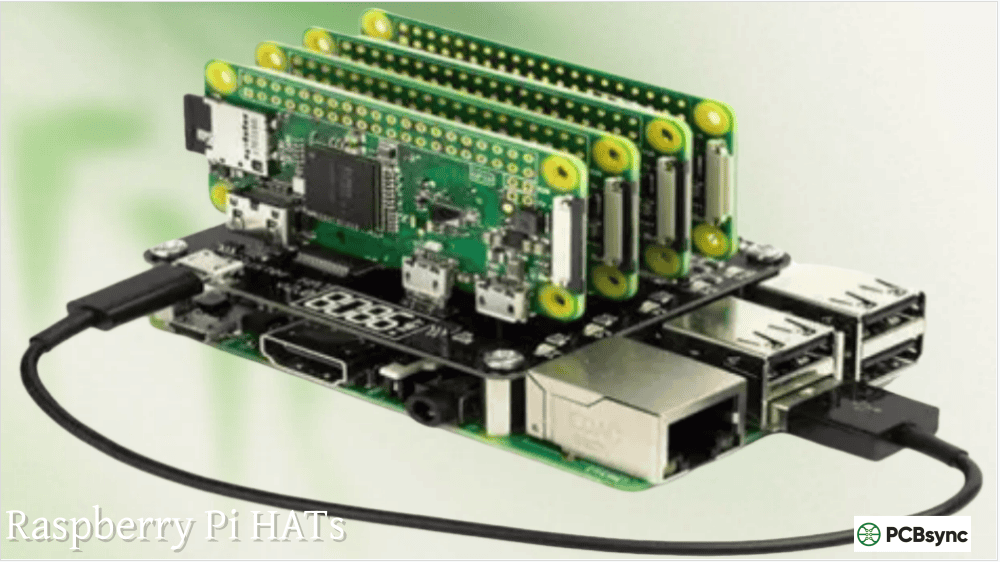
USB 3.0 Hub (powered)
Connect multiple drives
$25-40
SATA to USB 3.0 Adapter
Connect HDD/SSD
$10-15
External USB Enclosure
Housing for drives
$20-35
Ethernet Cable (Cat6)
Reliable network connection
$5-10
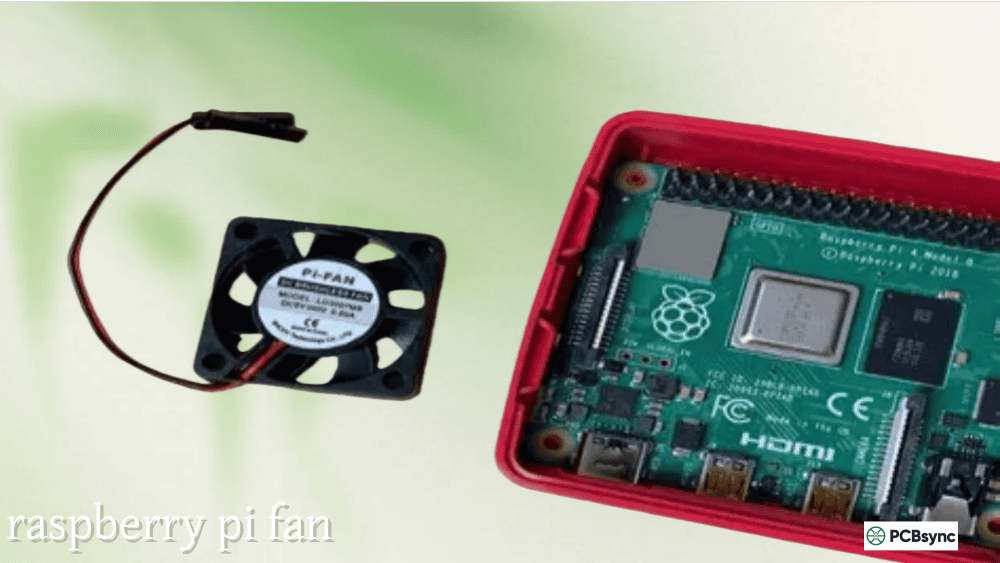
Case with Fan
Thermal management
$10-25
UPS (optional)
Power protection
$50-100
Installing OpenMediaVault on Raspberry Pi
The installation process is remarkably straightforward thanks to the official installation script. Here’s the complete walkthrough.
Step 1: Prepare Raspberry Pi OS Lite
OpenMediaVault requires Raspberry Pi OS Lite (no desktop environment). The desktop version will cause installation failures. Download the latest Lite image from the official Raspberry Pi website.
Flash the image using Raspberry Pi Imager:
Select “Raspberry Pi OS (other)” then “Raspberry Pi OS Lite (64-bit)”
Configure hostname, SSH access, and network settings in the gear icon menu
Write to your microSD card
Insert the card and boot your Pi. Connect via Ethernet for initial setup since OMV can reconfigure network settings during installation.
Step 2: Update the System
SSH into your Pi and run:
sudo apt update
sudo apt upgrade -y
This ensures all packages are current before OMV installation.
Step 3: Run the OpenMediaVault Installation Script
The OMV team provides a single-command installer that handles everything:
This script installs all dependencies, configures services, and sets up the web interface. The process takes 15-30 minutes depending on your internet connection and Pi model.
Your Pi will automatically reboot when installation completes.
Step 4: Access the Web Interface
After reboot, find your Pi’s IP address (check your router’s DHCP client list if needed) and enter it in a web browser.
Default credentials:
Username: admin
Password: openmediavault
Change this password immediately through User Settings in the top-right corner.
Configuring Your OMV Raspberry Pi NAS
With installation complete, let’s configure your OMV Raspberry Pi server for actual use.
Initial Security Settings
Navigate to System → General Settings:
Setting
Recommendation
Web Administrator Password
Change immediately
Auto Logout
Set to 30 minutes minimum
Session Timeout
Enable for security
Port
Consider changing from 80
SSL Certificate
Enable HTTPS for secure access
Setting Up Storage Drives
Connect your USB drive(s) and navigate to Storage → Disks. Your drives should appear automatically.
To prepare a drive for use:
Go to Storage → File Systems
Click “Create” and select your drive
Choose EXT4 (recommended for Linux) or BTRFS (if you want snapshots)
Click “Save” and wait for formatting to complete
Select the new filesystem and click “Mount”
Creating Shared Folders
Shared folders define what directories will be accessible over the network.
Navigate to Storage → Shared Folders:
Click “Add”
Name your share (e.g., “Documents”, “Media”, “Backups”)
Select the filesystem you created
Define the relative path
Set permissions according to your needs
Enabling SMB/CIFS for Windows Access
SMB is the protocol Windows uses for network shares. Navigate to Services → SMB/CIFS → Settings:
Enable the service
Set your Workgroup name (default is usually fine)
Save and apply changes
Then go to Services → SMB/CIFS → Shares:
Click “Add”
Enable the share
Select your shared folder
Set “Public” to “No” for authenticated access only
Configure “Read only” based on your needs
Creating User Accounts
Navigate to Users → Users to create accounts for family members or colleagues:
Field
Notes
Name
Login username
Password
Strong, unique password
Shell
/usr/sbin/nologin (for NAS-only access)
Groups
Add to “users” group minimum
Set folder permissions in Storage → Shared Folders by selecting a folder and clicking “Privileges.”
Performance Optimization Tips
Getting maximum performance from your OpenMediaVault Raspberry Pi setup requires some tweaking.
Network Performance Expectations
Real-world transfer speeds on properly configured OMV Raspberry Pi systems:
Configuration
Read Speed
Write Speed
Pi 4 + USB 3.0 HDD + Gigabit
80-100 MB/s
70-90 MB/s
Pi 4 + USB 3.0 SSD + Gigabit
100-115 MB/s
90-110 MB/s
Pi 5 + NVMe + Gigabit
110-115 MB/s
100-115 MB/s
Pi 4 + WiFi (802.11ac)
20-35 MB/s
15-25 MB/s
Note: Gigabit Ethernet theoretical maximum is approximately 125 MB/s, so faster storage won’t improve network transfers beyond this ceiling.
Recommended Performance Tweaks
Several adjustments improve OMV Raspberry Pi performance:
Reduce GPU Memory: Since this is a headless server, allocate minimum GPU memory. Add to /boot/config.txt:
gpu_mem=16
Increase Swap Size: For Pi models with 1-2GB RAM, increase swap to 1000MB using the raspi-config tool or manually editing /etc/dphys-swapfile.
Use EXT4 Filesystem: EXT4 offers the best performance-to-reliability ratio on ARM devices. NTFS works but incurs significant CPU overhead.
Wired Ethernet Only: WiFi introduces latency and dramatically reduces throughput. Always use Ethernet for your NAS.
Expanding Functionality with Docker
One of the most powerful aspects of OpenMediaVault Raspberry Pi setups is Docker integration. You can run containers for media servers, cloud storage, and automation tools.
A NAS without proper backups is just a single point of failure waiting to happen. Here’s how to protect your data.
Local Backup Methods
RSync Scheduled Tasks: OMV includes built-in RSync support. Navigate to Services → RSync → Tasks to create automated backup jobs between drives or to external storage.
SnapRAID for Parity Protection: For multi-drive setups, the SnapRAID plugin provides parity-based protection. Unlike traditional RAID, SnapRAID allows mixed drive sizes and doesn’t stripe data, meaning a single drive failure doesn’t affect other drives.
Backup Method
Protection Level
Recovery Speed
RSync to external drive
Complete copy
Fast
SnapRAID parity
Single/dual drive failure
Moderate
BTRFS snapshots
Point-in-time recovery
Very fast
Off-site cloud sync
Disaster recovery
Slow
Cloud Backup Integration
For true disaster protection, replicate critical data off-site. Docker containers like Duplicati or Rclone integrate with cloud providers including Backblaze B2, Wasabi, or Google Drive. Configure encrypted uploads to protect sensitive data.
Navigate to Storage → S.M.A.R.T → Devices and enable monitoring for all drives. Configure email notifications under System → Notification to receive alerts when drives show warning signs.
Key S.M.A.R.T attributes to watch:
Reallocated Sector Count (above 0 is concerning)
Current Pending Sector Count
Temperature (keep below 50°C)
Power-On Hours
Troubleshooting Common Issues
Even well-configured OMV Raspberry Pi systems encounter occasional problems.
Cannot Access Web Interface
Symptom
Solution
Connection refused
Verify IP address with hostname -I via SSH
Page loads slowly
Check SD card health with sudo dmesg
SSL certificate error
Try http:// instead of https:// initially
Login fails
Reset password via SSH with omv-firstaid
Slow Transfer Speeds
Cause
Fix
USB 2.0 connection
Verify drive is in blue USB 3.0 port
WiFi instead of Ethernet
Always use wired connection
Fragmented filesystem
Run e4defrag on EXT4 volumes
NTFS filesystem
Convert to EXT4 for better performance
Underpowered USB hub
Use powered hub rated 3A or higher
Drive Not Detected
Run lsusb and lsblk via SSH to verify the system sees the drive. If missing from lsusb, try a different USB cable or port. Check power supply adequacy with vcgencmd get_throttled (returns 0x0 if healthy).
Useful Resources for OpenMediaVault Raspberry Pi Projects
Resource
URL
Description
OpenMediaVault Official
openmediavault.org
Downloads and documentation
OMV Forum
forum.openmediavault.org
Community support
OMV-Extras Wiki
wiki.omv-extras.org
Plugin documentation
Raspberry Pi OS Downloads
raspberrypi.com/software
Operating system images
Pi Benchmarks
pibenchmarks.com
Storage performance database
Jeff Geerling’s Blog
jeffgeerling.com
Advanced Pi NAS builds
WunderTech Tutorials
wundertech.net
Step-by-step OMV guides
Frequently Asked Questions
Can I use WiFi for my OpenMediaVault Raspberry Pi NAS?
Technically yes, but it’s strongly discouraged. WiFi introduces latency (often 1ms vs 0.1ms for Ethernet) and dramatically reduces transfer speeds to 20-35 MB/s maximum on 802.11ac. For reliable NAS operation, always use Ethernet. OMV actually expects Ethernet during installation and may require additional configuration for WiFi-only setups.
How much storage can I connect to an OMV Raspberry Pi server?
There’s no software limit, but practical constraints exist. A powered USB 3.0 hub can connect 4-7 drives reliably. USB bandwidth is shared, so multiple simultaneous transfers slow each other down. Most home users find 2-4 drives optimal. For more drives, consider a Pi 5 with NVMe expansion or a dedicated NAS chassis.
Is OpenMediaVault secure enough for internet-facing access?
OMV itself is secure with proper configuration, but exposing any NAS directly to the internet carries risk. Better approaches include VPN access (WireGuard or OpenVPN), using Tailscale for secure tunneling, or accessing through a reverse proxy with strong authentication. Never forward SMB ports (445) directly to the internet.
Will my Raspberry Pi handle multiple users accessing the NAS simultaneously?
A Pi 4 or 5 handles 5-10 concurrent users comfortably for typical file access patterns. Heavy simultaneous writes or video transcoding stress the system more. For larger households or small offices, the 8GB Pi models provide more headroom. Monitor CPU usage through the OMV dashboard to identify bottlenecks.
Can I run other services alongside OpenMediaVault on the same Pi?
Yes, Docker makes this easy. Popular combinations include OMV with Pi-hole for ad blocking, Home Assistant for smart home control, or Plex/Jellyfin for media streaming. Each additional service consumes RAM and CPU, so the 4GB or 8GB Pi models are recommended for multi-service deployments.
Final Thoughts on Building Your OMV Raspberry Pi NAS
Building a NAS with OpenMediaVault Raspberry Pi represents one of the best value propositions in home technology. For roughly $100-170 including storage, you get a silent, power-efficient file server that outperforms its cost bracket significantly.
The learning curve is modest but rewarding. After initial setup, your OMV Raspberry Pi system runs essentially maintenance-free, backing up your devices, serving media, and keeping your digital life organized.
Start simple with basic file sharing, then expand into Docker containers as you grow more comfortable. That’s the beauty of this platform. Your humble Pi can evolve from basic NAS to sophisticated home server without replacing hardware.
The Pi sitting in your drawer isn’t doing anyone any good. Put it to work.
Suggested Meta Descriptions:
Option 1 (155 characters): Build a powerful NAS server with OpenMediaVault Raspberry Pi. Complete setup guide covering installation, configuration, Docker, and performance optimization.
Option 2 (153 characters): Turn your Raspberry Pi into a NAS with OpenMediaVault. Step-by-step OMV Raspberry Pi tutorial with hardware recommendations, troubleshooting, and Docker setup.
Option 3 (150 characters): OpenMediaVault Raspberry Pi guide: create your own NAS server for under $150. Installation walkthrough, performance tips, and comparison with commercial NAS.
Inquire: Call 0086-755-23203480, or reach out via the form below/your sales contact to discuss our design, manufacturing, and assembly capabilities.
Quote: Email your PCB files to Sales@pcbsync.com (Preferred for large files) or submit online. We will contact you promptly. Please ensure your email is correct.
Notes: For PCB fabrication, we require PCB design file in Gerber RS-274X format (most preferred), *.PCB/DDB (Protel, inform your program version) format or *.BRD (Eagle) format. For PCB assembly, we require PCB design file in above mentioned format, drilling file and BOM. Click to download BOM template To avoid file missing, please include all files into one folder and compress it into .zip or .rar format.