Inquire: Call 0086-755-23203480, or reach out via the form below/your sales contact to discuss our design, manufacturing, and assembly capabilities.
Quote: Email your PCB files to Sales@pcbsync.com (Preferred for large files) or submit online. We will contact you promptly. Please ensure your email is correct.
Notes: For PCB fabrication, we require PCB design file in Gerber RS-274X format (most preferred), *.PCB/DDB (Protel, inform your program version) format or *.BRD (Eagle) format. For PCB assembly, we require PCB design file in above mentioned format, drilling file and BOM. Click to download BOM template To avoid file missing, please include all files into one folder and compress it into .zip or .rar format.
What to Do with an Old Raspberry Pi: 15 Project Ideas That Actually Work
I’ve been pulling old dev boards out of storage for over a decade now. When I recently dug out a Raspberry Pi 2 from 2015 that had been collecting dust in my parts bin, my first instinct was to chuck it in the e-waste pile. That would have been a mistake. After some experimentation, that ancient Pi now handles DNS filtering for my entire home network and hasn’t skipped a beat in months.
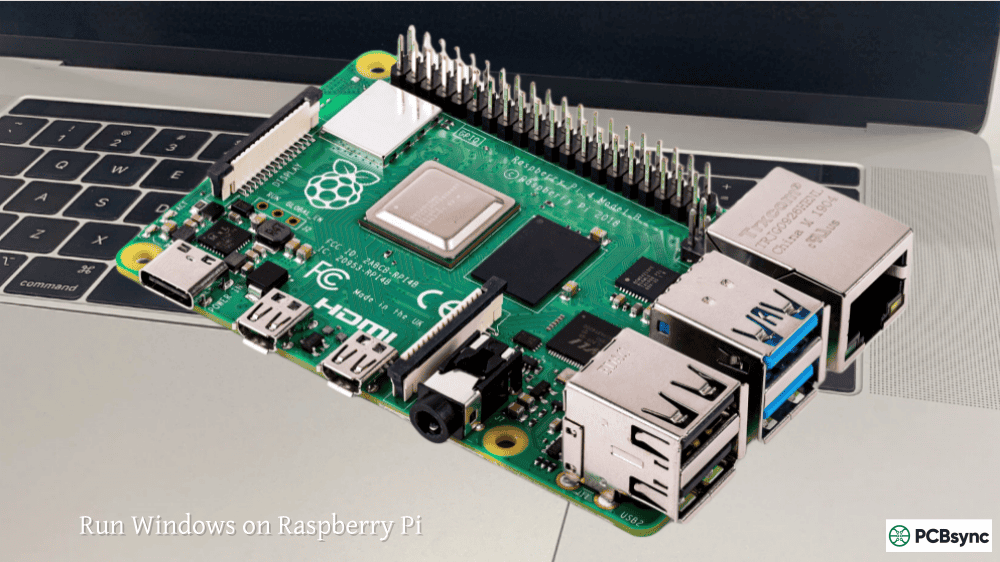
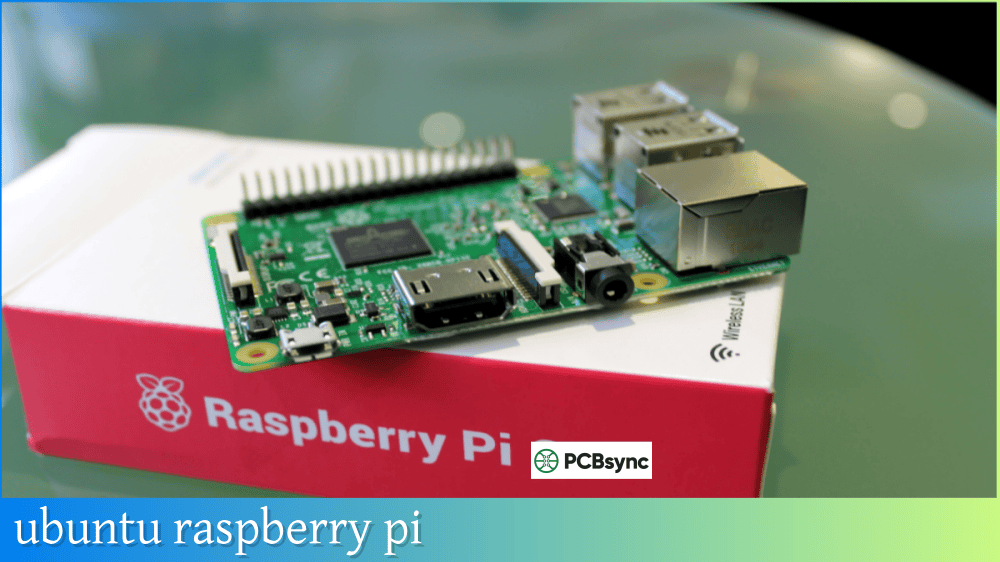
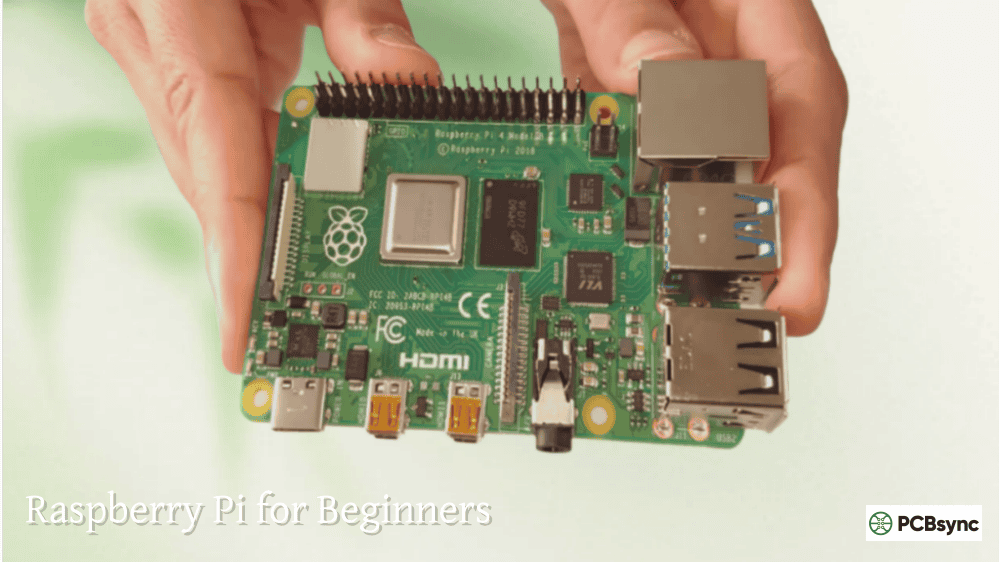
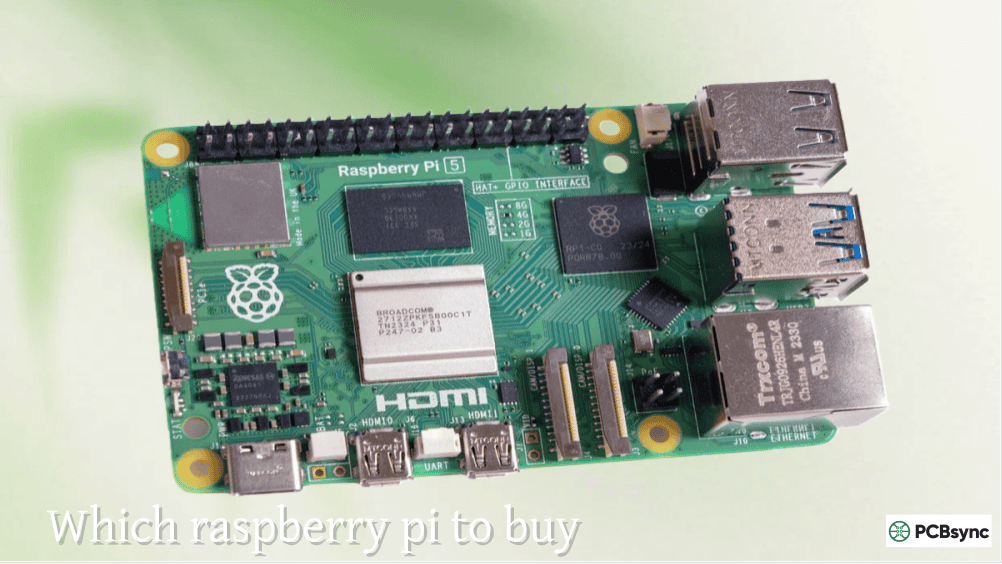
If you’ve got an old Raspberry Pi 1, Raspberry Pi 2, or any legacy Pi model sitting forgotten in a drawer, you’re sitting on genuinely useful hardware. These boards might not compete with the Pi 5 on raw performance, but they excel at dedicated, single-purpose tasks that don’t require modern processing power. Let me walk you through 15 practical old Raspberry Pi projects that I’ve either deployed personally or seen work reliably in real-world scenarios.
Understanding What Your Old Raspberry Pi Can Handle
Before diving into specific projects, let’s establish what we’re working with. The capabilities of older Pi models determine which projects are actually viable.
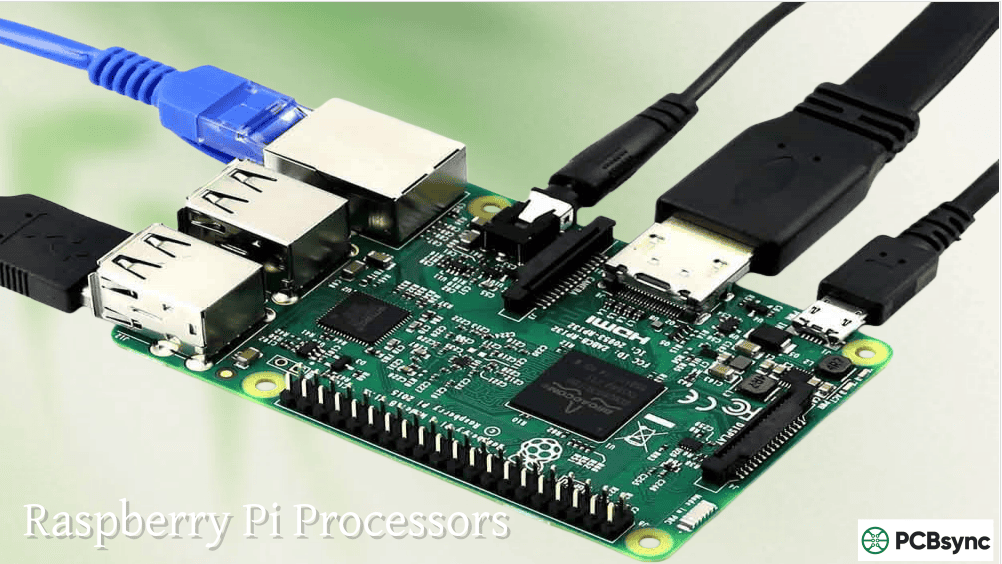
Old Raspberry Pi Model Specifications Comparison
Model
CPU
RAM
Networking
Release Year
Best Suited For
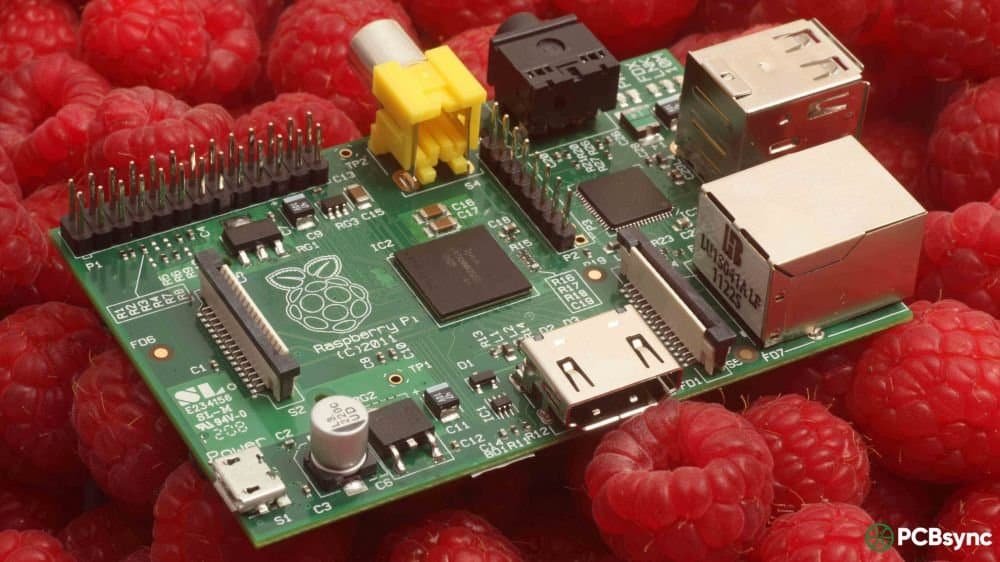
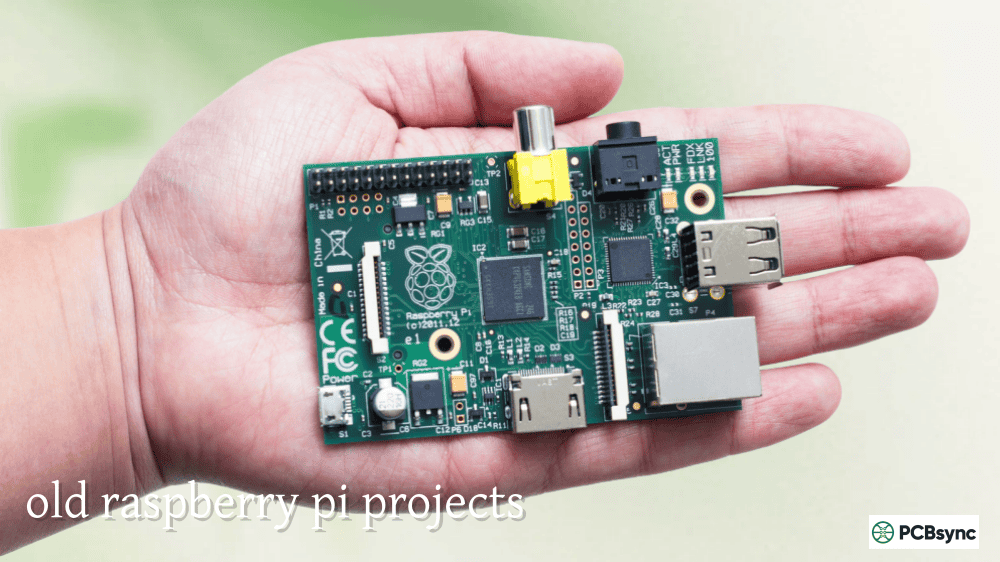
Raspberry Pi 1 Model B
ARM1176JZF-S @ 700MHz
512MB
10/100 Ethernet
2012
Ultra-lightweight services
Raspberry Pi 1 Model B+
ARM1176JZF-S @ 700MHz
512MB
10/100 Ethernet
2014
GPIO projects, basic servers
Raspberry Pi 2 Model B
Cortex-A7 @ 900MHz (4 cores)
1GB
10/100 Ethernet
2015
Network services, emulation
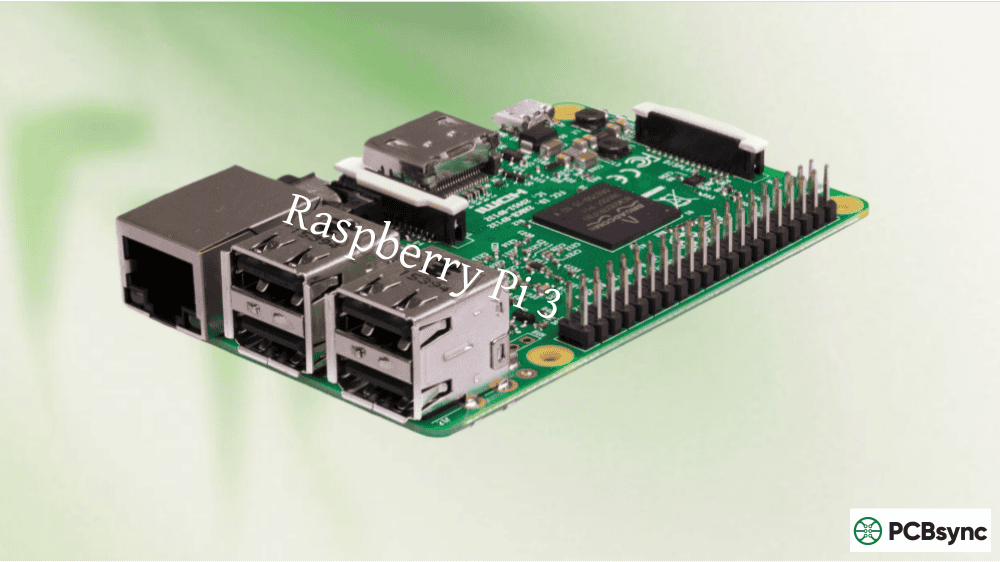
Raspberry Pi 3 Model B
Cortex-A53 @ 1.2GHz (4 cores)
1GB
WiFi + 10/100 Ethernet
2016
Media centers, OctoPrint
Raspberry Pi 3 Model B+
Cortex-A53 @ 1.4GHz (4 cores)
1GB
WiFi + Gigabit (limited)
2018
Most general-purpose tasks
The jump from the Raspberry Pi 1 to the Raspberry Pi 2 brought quad-core processing, which opened up significantly more possibilities. However, even the original single-core Pi handles DNS queries and basic scripting without complaints.
15 Practical Old Raspberry Pi Projects
1. Network-Wide Ad Blocker with Pi-hole
This is the undisputed champion of old Raspberry Pi projects. Pi-hole transforms your legacy Pi into a DNS sinkhole that blocks advertisements and trackers across every device on your network. The beauty of this project lies in its minimal resource requirements.
My Raspberry Pi 2 running Pi-hole averages 8% memory utilization while handling DNS queries for over 30 devices. The original Raspberry Pi 1 can manage this task as well, though I’d recommend using Ethernet rather than a USB WiFi dongle to reduce latency.
Pi-hole provides a web dashboard showing blocked queries, top advertisers, and network statistics. Once configured, your phones, tablets, smart TVs, and computers automatically benefit without installing any software on individual devices.
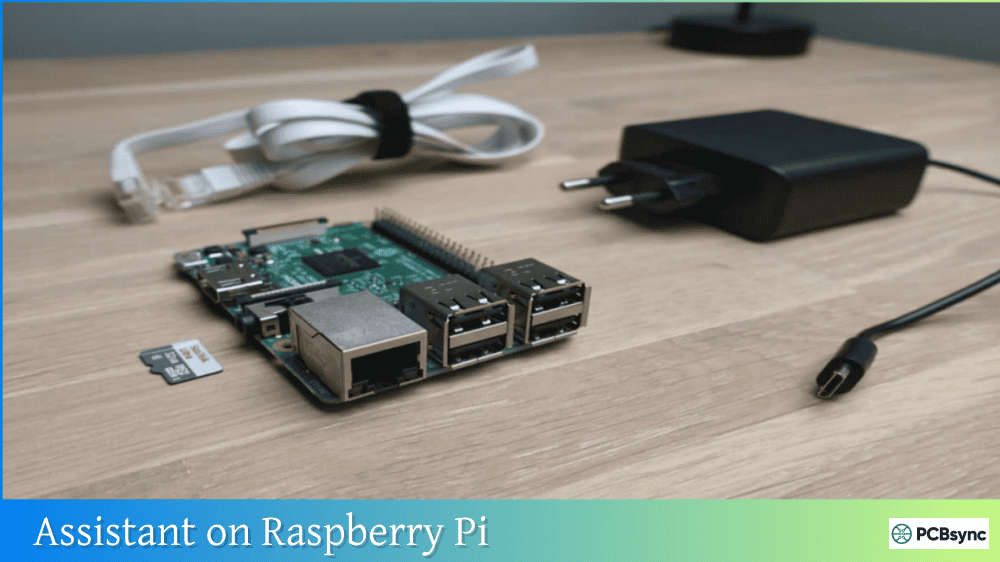
Required hardware: Any Raspberry Pi with Ethernet capability, microSD card (8GB minimum), power supply
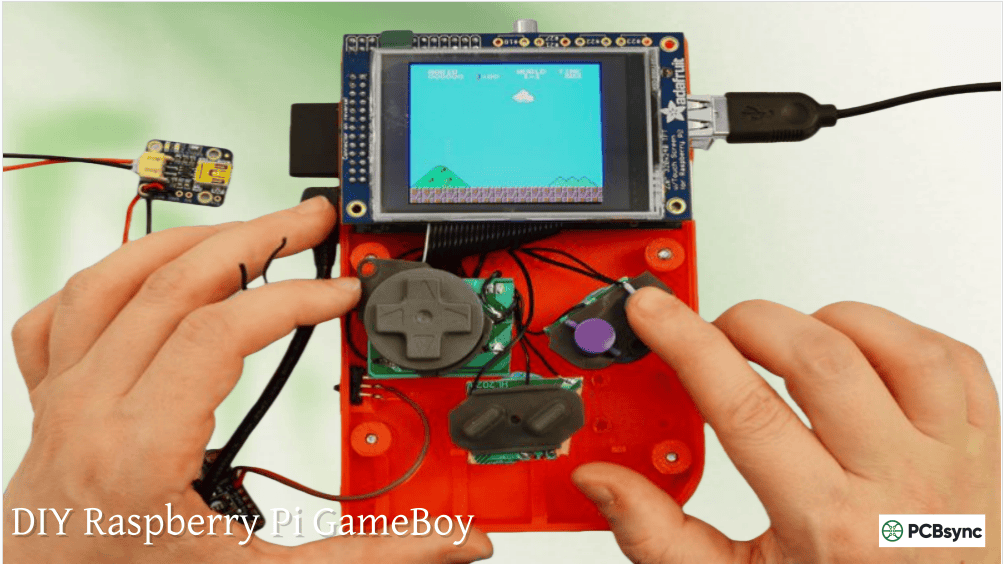
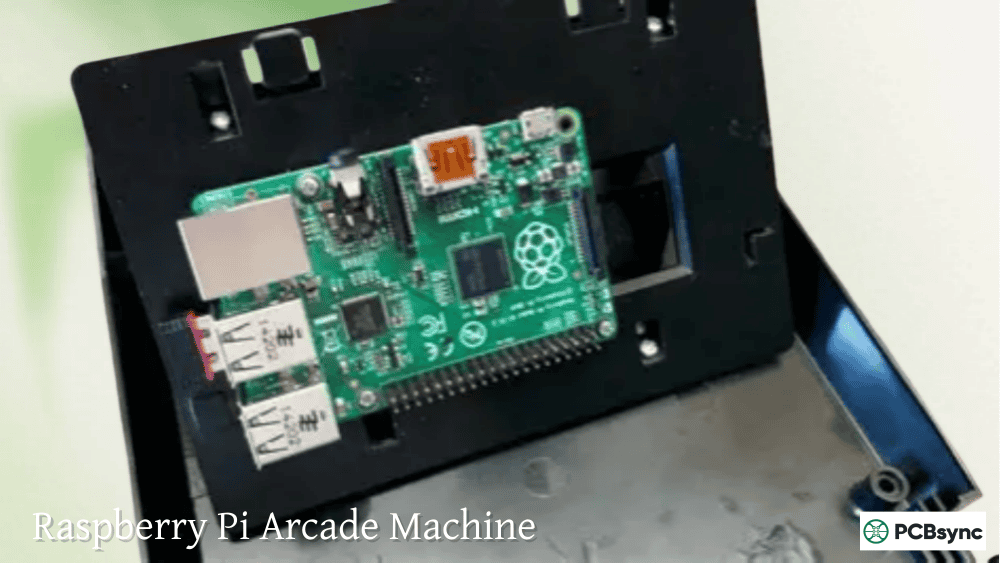
2. Retro Gaming Console with RetroPie
Converting an older Raspberry Pi into a retro gaming machine remains one of the most popular uses for legacy hardware. RetroPie and Batocera are both well-optimized for older Pi models.
The Raspberry Pi 2 handles NES, SNES, Genesis, Game Boy, and similar 8-bit and 16-bit systems flawlessly. PlayStation 1 emulation becomes practical on the Raspberry Pi 3 and newer. My recommendation is to pair older Pi models with systems from the same era. There’s something appropriate about playing NES games on hardware that matches the original console’s relative power.
Required hardware: Raspberry Pi 2 or newer recommended, USB controllers, microSD card (32GB+ for ROM storage), HDMI cable
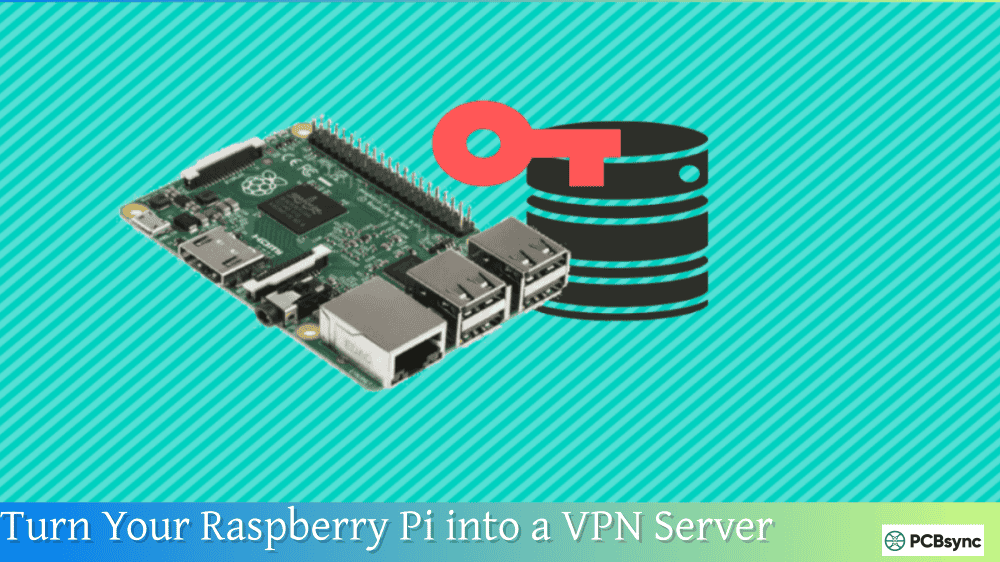
3. Dedicated VPN Server with PiVPN
Running your own VPN server provides secure access to your home network from anywhere and encrypts your traffic on public WiFi. PiVPN simplifies the setup process for both OpenVPN and WireGuard protocols.
A Raspberry Pi 2 handles VPN connections comfortably for personal use. The quad-core processor manages the encryption overhead without breaking a sweat. I’ve maintained a PiVPN server on a Pi 3 for years, and it’s become essential when traveling.
Required hardware: Raspberry Pi 2 or newer, microSD card, static IP or dynamic DNS service
4. Print Server for Legacy USB Printers
That old USB-only printer in your closet can become a networked printer accessible from any device in your home. CUPS (Common Unix Printing System) runs efficiently on even the oldest Pi models.
This project breathes new life into printers that manufacturers have abandoned. Connect the printer via USB to your Pi, configure CUPS through its web interface, and suddenly your decade-old laser printer accepts jobs from laptops, phones, and tablets wirelessly.
Required hardware: Any Raspberry Pi model, USB printer, microSD card
5. Home Media Server with Kodi
Before streaming sticks became ubiquitous, Raspberry Pi media centers were the go-to solution for cord cutters. While dedicated devices like Chromecast have simplified streaming, a Pi-based media server offers far more flexibility for local content.
OSMC and LibreELEC transform your Raspberry Pi 2 or 3 into a capable media player. If you maintain a library of local video files, this setup handles 1080p playback smoothly. The Raspberry Pi 1 struggles with HD content but can manage standard definition video and music streaming.
Required hardware: Raspberry Pi 2 or newer for HD video, microSD card, HDMI cable, optional external storage
6. Security Camera System with MotionEye
Building a DIY security camera system from old Pi hardware costs a fraction of commercial alternatives. MotionEyeOS provides motion detection, recording, and a web interface for monitoring multiple cameras.
A single Raspberry Pi 2 or 3 with a Pi Camera Module creates an effective single-camera setup. For multi-camera systems, dedicate one Pi per camera and use MotionEye on a central server to aggregate feeds. The original Raspberry Pi 1 works as a camera node but may struggle with high-resolution video processing.
Required hardware: Raspberry Pi (any model), Pi Camera Module or USB webcam, microSD card, optional case
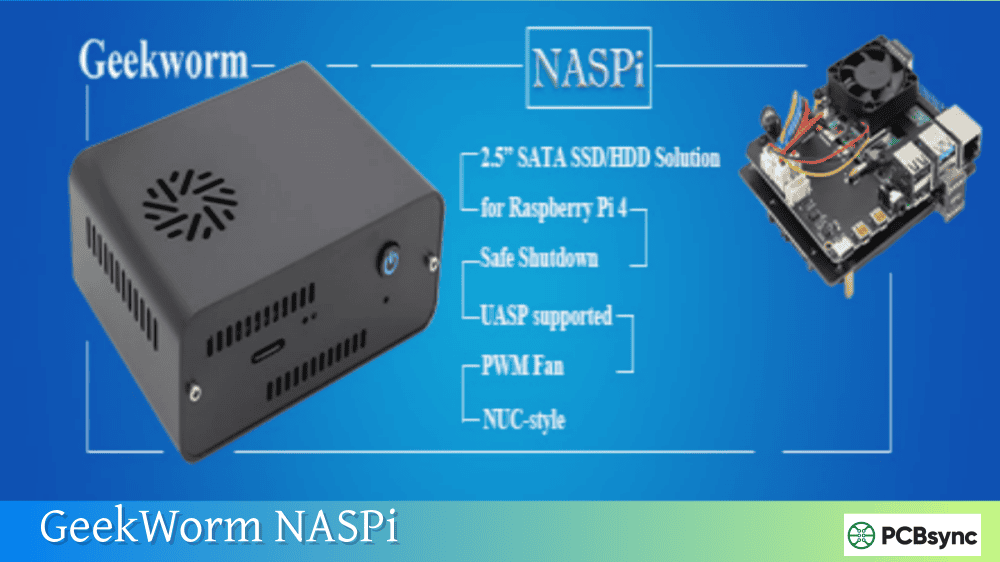
7. Network Attached Storage (NAS)
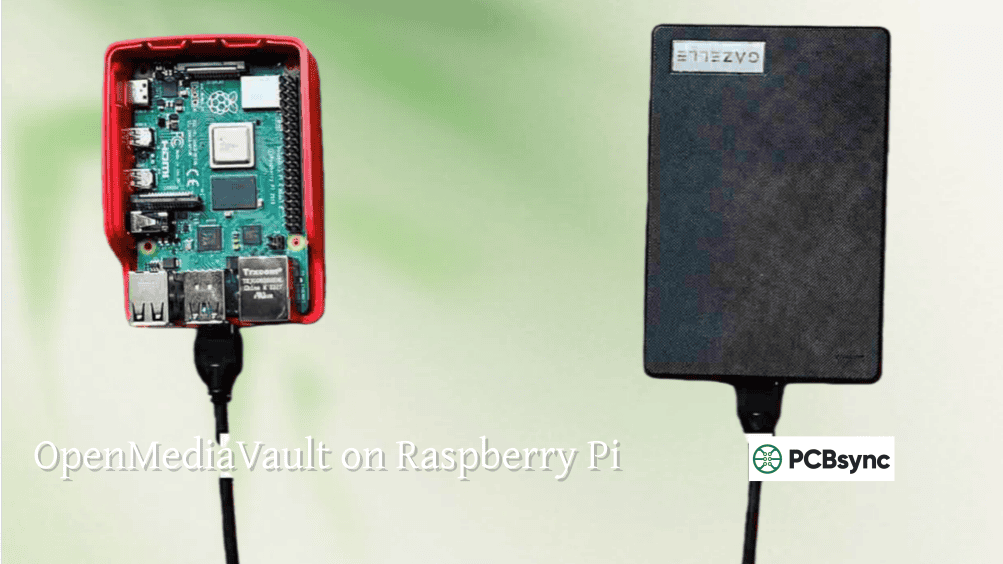
While an old Pi won’t match the performance of a Synology or QNAP NAS, it creates a perfectly functional file server for home use. OpenMediaVault runs on Raspberry Pi 2 and newer, providing a professional web interface for managing storage.
Connect USB hard drives to your Pi and share folders across your network using SMB or NFS protocols. The Raspberry Pi 2 handles file transfers for home media libraries adequately. For faster throughput, use a Raspberry Pi 3 or newer with Gigabit Ethernet support.
Required hardware: Raspberry Pi 2 or newer, external USB hard drive(s), powered USB hub (recommended), microSD card
8. Home Automation Hub
Older Pi models make excellent dedicated controllers for smart home systems. Home Assistant runs on the Raspberry Pi 3 and newer, though lighter alternatives like DietPi with MQTT work well on the Raspberry Pi 2.
The advantage of using an old Pi for home automation is isolation. Your smart home controller runs independently from other systems, reducing complexity and potential points of failure. A Raspberry Pi 2 handles dozens of Zigbee or Z-Wave devices through appropriate USB dongles.
Required hardware: Raspberry Pi 2 or newer, Zigbee/Z-Wave USB dongle, microSD card
9. Personal Web Server
Hosting a small website, personal wiki, or development environment on a Raspberry Pi 2 is surprisingly practical. Nginx runs efficiently on minimal hardware and serves static sites without issues.
I maintain a local documentation wiki on an old Pi 3 that’s accessible only on my home network. For public-facing sites, consider pairing your Pi with Cloudflare Tunnels to avoid opening ports directly to the internet.
Required hardware: Any Raspberry Pi model, microSD card, optional domain name
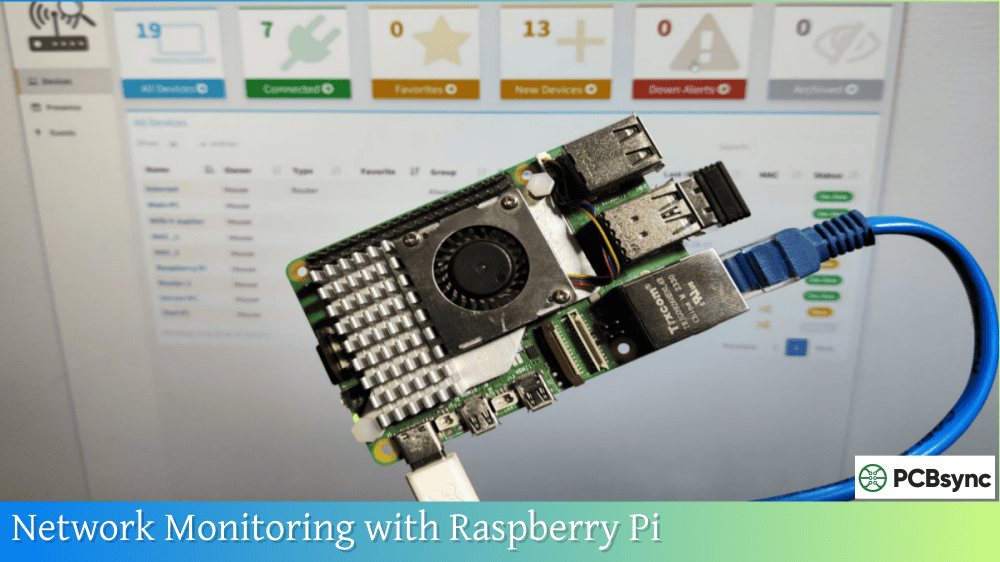
10. Network Monitoring Dashboard
Monitoring network traffic, bandwidth usage, and connected devices becomes straightforward with tools like NTOP or Darkstat running on an old Pi. These lightweight applications provide insights into your network behavior without requiring powerful hardware.
A Raspberry Pi 1 handles basic network monitoring, though the Raspberry Pi 2 provides a smoother web interface experience. Connect a small display to create a dedicated monitoring station showing real-time network statistics.
Required hardware: Any Raspberry Pi model, microSD card, optional display
11. Digital Photo Frame
Converting an old Raspberry Pi into a digital photo frame combines hardware recycling with practical functionality. Boot directly into a slideshow application and connect to an old monitor or purpose-built display.
The Raspberry Pi 1 handles this task adequately since displaying static images requires minimal processing power. Add WiFi capability (via dongle or built-in on Pi 3+) to sync photos from cloud storage or a network share automatically.
Required hardware: Any Raspberry Pi model, display/monitor, optional WiFi dongle for older models
12. Time Capsule / Backup Server
Creating a dedicated backup destination for your computers keeps your data safe and your primary machines uncluttered. Time Machine support works through Netatalk on Linux, allowing Macs to back up to your Pi automatically.
This project suits the Raspberry Pi 2 and newer, as file transfers require consistent throughput. Attach large USB drives and configure the Pi to accept backup connections from multiple computers on your network.
Required hardware: Raspberry Pi 2 or newer, large external USB drive(s), microSD card
13. Audio Streaming Receiver
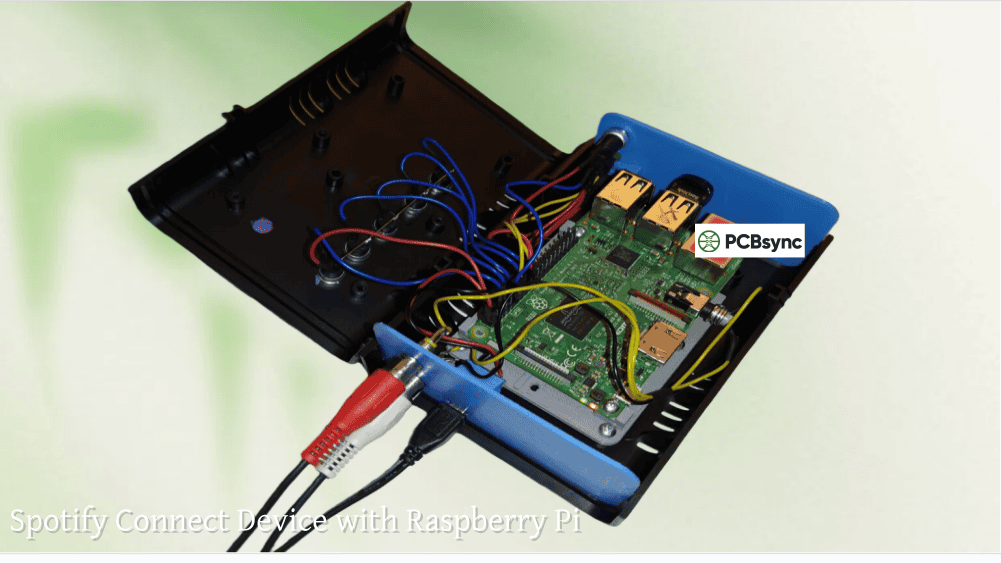
Turn your old Pi into a dedicated audio endpoint using Volumio, moOde Audio, or similar distributions. Connect the Pi to your stereo system and stream music from Spotify, local files, or internet radio stations.
The Raspberry Pi 1 works fine for audio streaming since the workload is lightweight. Adding a DAC HAT significantly improves audio quality compared to the onboard analog output. This project pairs especially well with older stereo equipment that lacks modern connectivity.
Required hardware: Any Raspberry Pi model, audio connection (3.5mm, HDMI, or DAC HAT), speakers or amplifier
14. Git Server for Personal Projects
Self-hosting Git repositories on an old Pi provides complete control over your code without relying on GitHub or GitLab. Gitea runs smoothly on Raspberry Pi 2 and newer hardware, offering a full-featured web interface.
For simpler setups, bare Git repositories work on even the Raspberry Pi 1. This approach suits hobbyist developers who want local backups of their projects without the overhead of a full hosting platform.
Required hardware: Raspberry Pi 2 or newer recommended, microSD card (32GB+ depending on repository size)
15. Learning Platform for Electronics and Programming
Perhaps the most valuable use for an old Pi is education. These boards are forgiving of mistakes, inexpensive to replace if damaged, and support the same GPIO experimentation as newer models.
The Raspberry Pi 1 and Raspberry Pi 2 are perfect for learning Python, understanding Linux, and experimenting with basic electronics. Students and hobbyists can develop skills on legacy hardware before investing in current-generation boards.
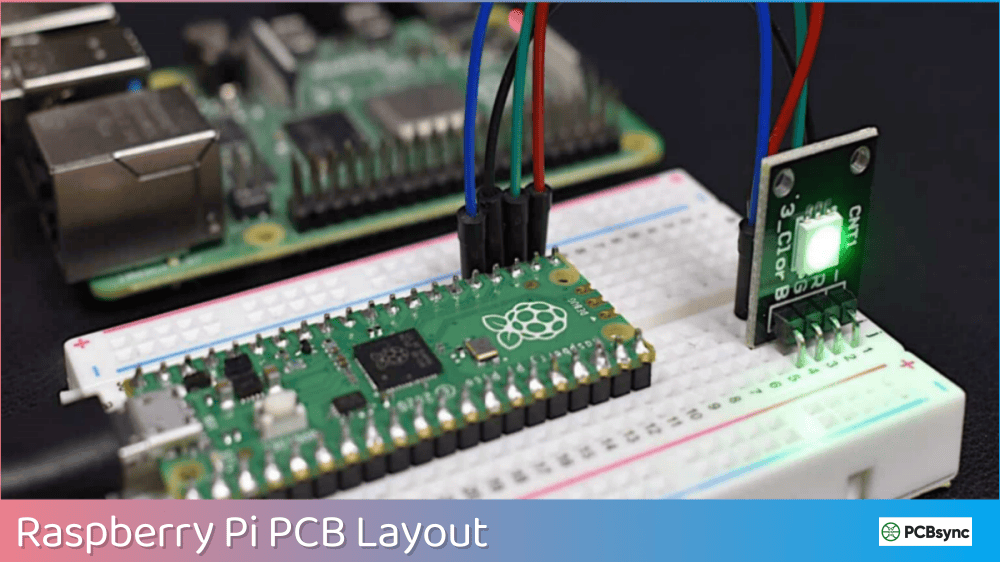
Required hardware: Any Raspberry Pi model, breadboard, basic electronic components (LEDs, resistors, buttons)
Before starting any project, ensure your legacy Pi is ready for deployment.
Software Recommendations for Older Pi Models
Operating System
Best For
Minimum Pi Model
DietPi
Minimal footprint servers
Raspberry Pi 1
Raspberry Pi OS Lite (32-bit)
General lightweight use
Raspberry Pi 1
Raspberry Pi OS Lite (64-bit)
Better performance
Raspberry Pi 3
LibreELEC
Media centers
Raspberry Pi 2
RetroPie
Retro gaming
Raspberry Pi 2
MotionEyeOS
Security cameras
Raspberry Pi 1
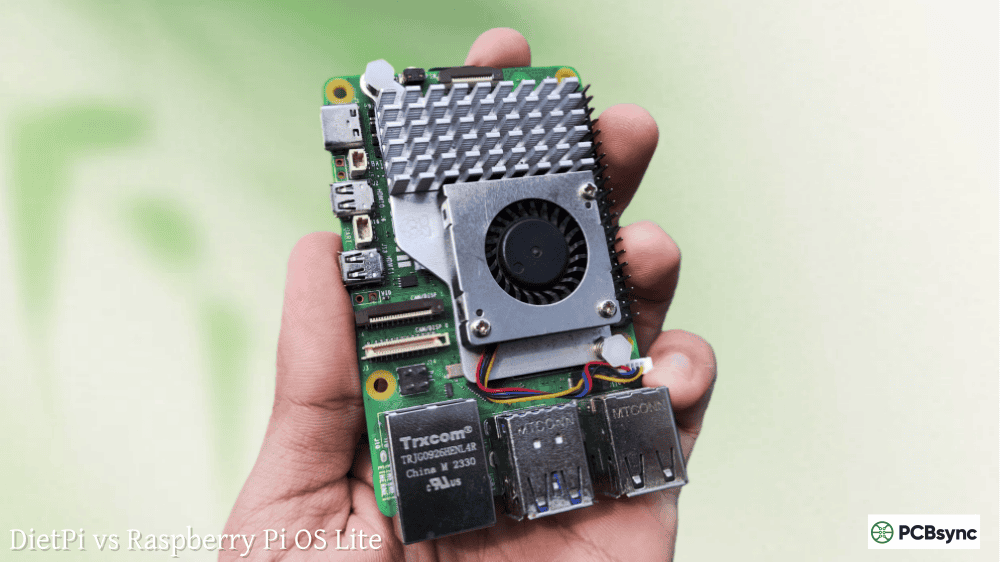
DietPi deserves special mention for old Pi hardware. This minimal distribution squeezes maximum performance from limited resources and includes simple installation scripts for popular server software.
Hardware Preparation Checklist
Your old Pi may need some attention before beginning a project. Power supplies degrade over time, and older micro-USB cables often can’t deliver consistent current. Replace the microSD card if you experience random crashes. Modern cards are faster and more reliable than whatever came with your Pi years ago.
Test the board before committing to a project. Boot a fresh Raspberry Pi OS image and verify that networking, USB ports, and HDMI output all function correctly.
Useful Resources for Old Raspberry Pi Projects
Resource
URL
Purpose
Pi-hole
pi-hole.net
DNS-based ad blocking
RetroPie
retropie.org.uk
Retro gaming distribution
DietPi
dietpi.com
Lightweight OS for all Pi models
MotionEyeOS
github.com/motioneye-project
Security camera system
OpenMediaVault
openmediavault.org
NAS operating system
PiVPN
pivpn.io
VPN server setup
Volumio
volumio.com
Audio streaming platform
Pi My Life Up
pimylifeup.com
Project tutorials
Raspberry Pi Foundation
raspberrypi.org
Official documentation
Frequently Asked Questions About Old Raspberry Pi Projects
Can I still use a Raspberry Pi 1 in 2026?
Absolutely. The Raspberry Pi 1 handles lightweight tasks like Pi-hole DNS filtering, basic print servers, and network monitoring without issues. Avoid projects requiring significant processing power or memory, but don’t dismiss these original boards as obsolete.
What’s the best project for a Raspberry Pi 2?
Pi-hole represents the ideal use case for a Raspberry Pi 2. The quad-core processor handles DNS queries efficiently, the 1GB RAM provides comfortable headroom, and the board’s power consumption remains minimal for 24/7 operation. Retro gaming with RetroPie is an excellent secondary choice.
Do I need to buy a new power supply for my old Raspberry Pi?
Probably. Micro-USB power supplies degrade over time, and inadequate power causes random crashes, SD card corruption, and unreliable operation. A quality 2.5A supply for Raspberry Pi 1/2/3 models costs under $10 and eliminates power-related issues.
Which lightweight operating system works best on older Raspberry Pi models?
DietPi consistently outperforms alternatives on legacy hardware. It boots faster, consumes less memory, and includes optimized installation scripts for common server applications. Raspberry Pi OS Lite is the official alternative if you prefer mainstream support.
Should I upgrade my old Raspberry Pi to a newer model instead?
Not necessarily. If your project fits the older hardware’s capabilities, there’s no practical reason to upgrade. Running Pi-hole on a Raspberry Pi 5 wastes hardware potential. Match the project complexity to the available hardware. Save newer boards for demanding tasks that actually benefit from increased performance.
Making the Most of Legacy Hardware
Old technology isn’t automatically obsolete technology. A Raspberry Pi 1 or Raspberry Pi 2 that’s been sitting unused represents capable hardware waiting for the right application. These boards consume minimal power, generate almost no heat, and handle dedicated tasks reliably for years.
I’ve deployed old Raspberry Pi projects ranging from DNS filtering to retro gaming consoles across my home network. Each legacy board found a purpose that matches its capabilities. The key is selecting projects that benefit from dedicated hardware without requiring modern processing power.
Before recycling or discarding an old Pi, consider what single-purpose task it could handle. Network services like Pi-hole and PiVPN are perfect candidates. Media playback, home automation control, and file serving all work reliably on legacy hardware. Even the original Raspberry Pi 1 from 2012 remains useful for the right application.
That dusty Pi in your drawer isn’t junk. It’s a project waiting to happen.
Inquire: Call 0086-755-23203480, or reach out via the form below/your sales contact to discuss our design, manufacturing, and assembly capabilities.
Quote: Email your PCB files to Sales@pcbsync.com (Preferred for large files) or submit online. We will contact you promptly. Please ensure your email is correct.
Notes: For PCB fabrication, we require PCB design file in Gerber RS-274X format (most preferred), *.PCB/DDB (Protel, inform your program version) format or *.BRD (Eagle) format. For PCB assembly, we require PCB design file in above mentioned format, drilling file and BOM. Click to download BOM template To avoid file missing, please include all files into one folder and compress it into .zip or .rar format.