Inquire: Call 0086-755-23203480, or reach out via the form below/your sales contact to discuss our design, manufacturing, and assembly capabilities.
Quote: Email your PCB files to Sales@pcbsync.com (Preferred for large files) or submit online. We will contact you promptly. Please ensure your email is correct.
Notes: For PCB fabrication, we require PCB design file in Gerber RS-274X format (most preferred), *.PCB/DDB (Protel, inform your program version) format or *.BRD (Eagle) format. For PCB assembly, we require PCB design file in above mentioned format, drilling file and BOM. Click to download BOM template To avoid file missing, please include all files into one folder and compress it into .zip or .rar format.
NESPi Case vs Retroflag GPI Case: Which Retro Case Is Best?
Choosing between the NESPi case and the Retroflag GPi comes down to one fundamental question: do you want your Raspberry Pi retro gaming experience tethered to a TV or portable in your pocket? After building projects with both cases over the past few years, I’ve learned that each excels in completely different scenarios.
Both cases come from Retroflag, a company that’s earned serious respect in the retro gaming community for attention to detail and build quality. But the GPI case and NESPi case serve entirely different purposes, and picking the wrong one means frustration instead of nostalgia.
This comparison covers everything: hardware compatibility, performance capabilities, build quality, and which systems each case can actually emulate well. By the end, you’ll know exactly which Retroflag case fits your gaming setup.
Before diving into specifications, let’s establish what each case actually is.
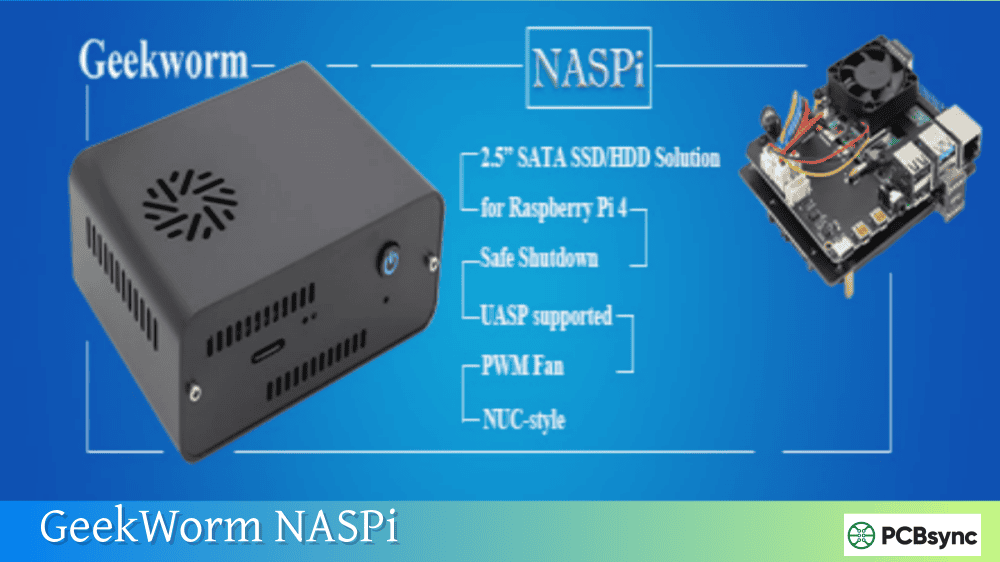
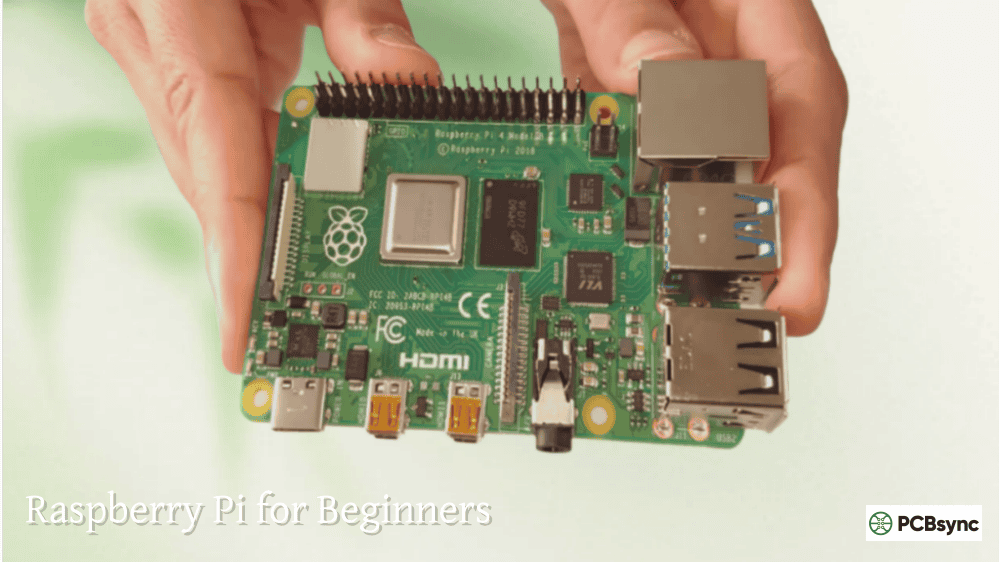
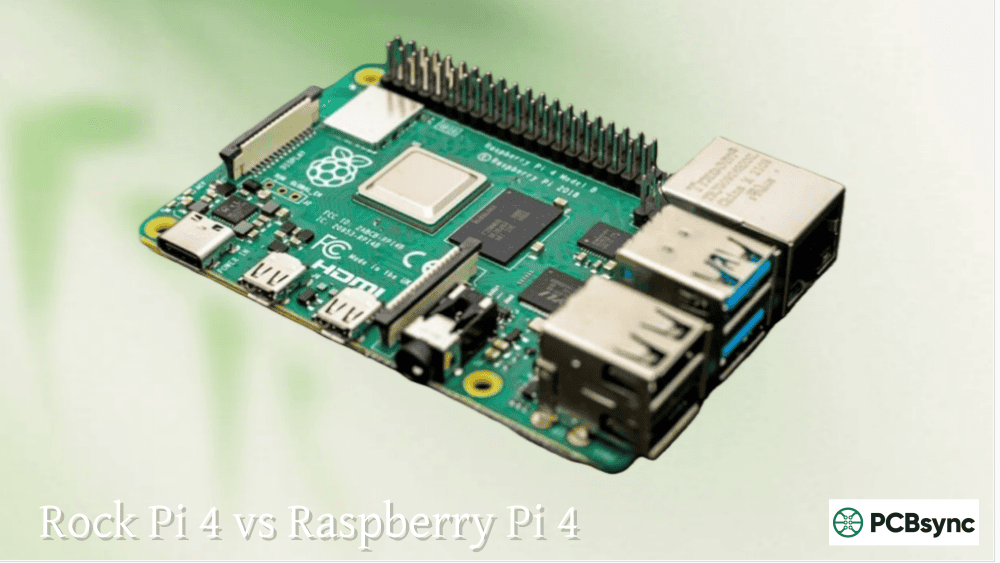
The NESPi case transforms a Raspberry Pi 4 into a miniature NES-style console that connects to your TV. It’s a stationary device designed for living room gaming with controllers, family multiplayer sessions, and serious emulation of systems up through PlayStation 1.
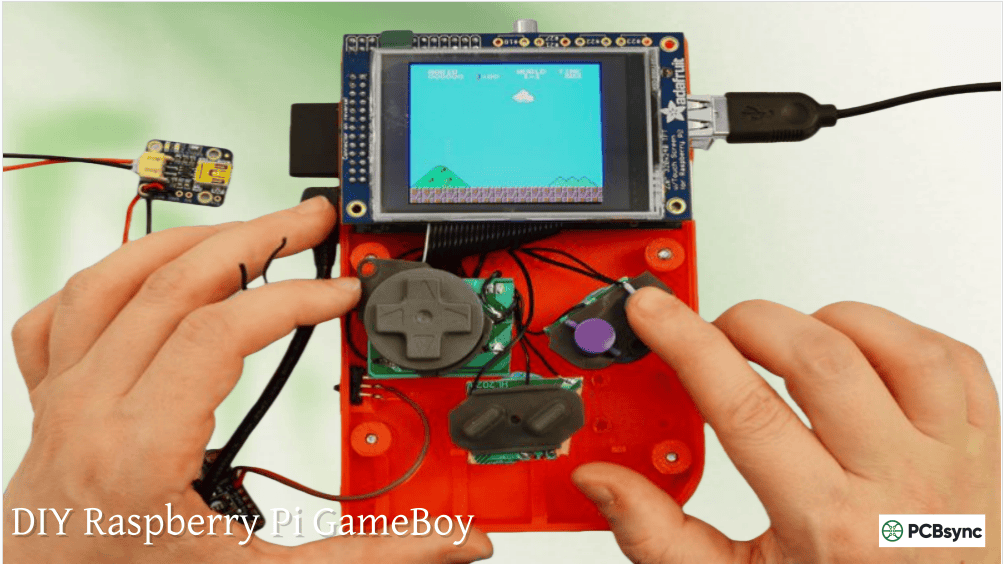
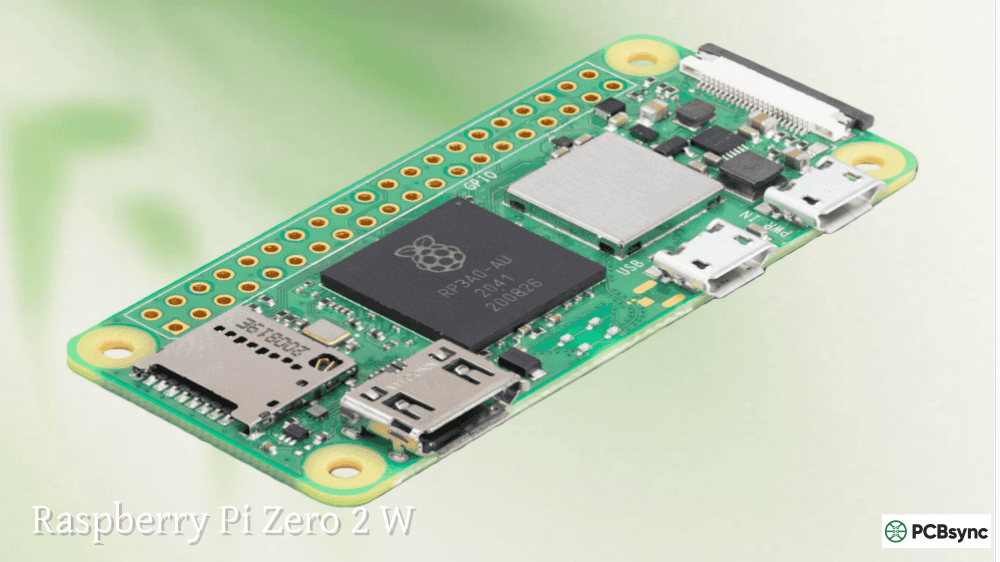
The Retroflag GPi takes a Raspberry Pi Zero and turns it into a portable Game Boy clone. It’s a handheld device with built-in screen, controls, and speaker. You play it anywhere, but the limited Pi Zero hardware restricts which systems run smoothly.
Same manufacturer, completely different products for completely different use cases.
Hardware Specifications Comparison
Feature
NESPi 4 Case
GPi Case (Original)
GPi Case 2
Compatible Pi
Raspberry Pi 4
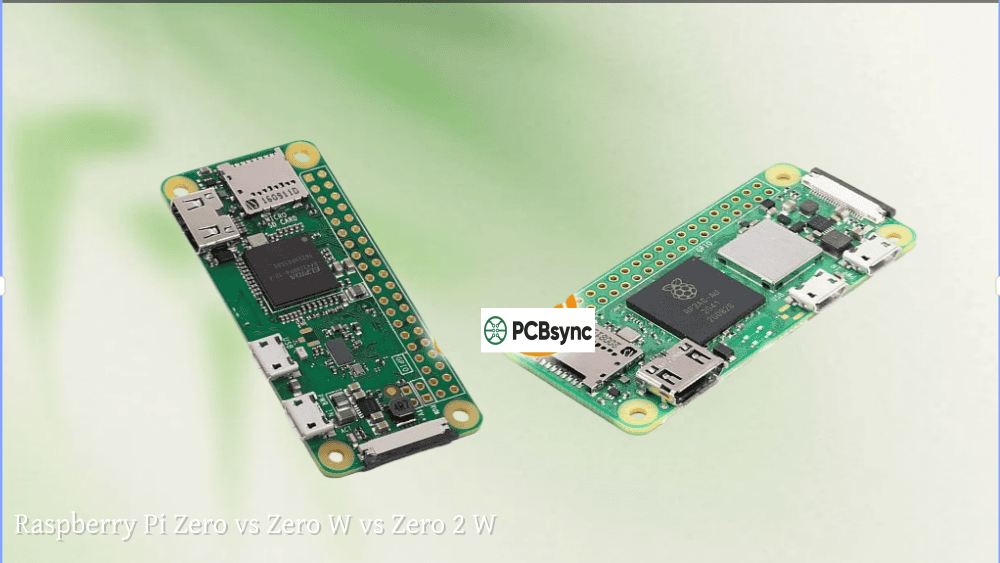
Pi Zero / Zero W / Zero 2W
Pi Compute Module 4
Form Factor
TV Console
Portable Handheld
Portable Handheld
Display
External (HDMI)
2.8″ IPS 320×240
3.0″ IPS 640×480
Power Source
USB-C Wall Adapter
3x AA Batteries
4000mAh Lithium Battery
Storage
2.5″ SSD Cartridge
MicroSD
MicroSD
USB Ports
2 (1x USB 3.0)
None
2 (via dock)
Audio
HDMI / 3.5mm
Built-in Speaker / 3.5mm
Built-in Speaker / 3.5mm
Safe Shutdown
Yes
Yes
Yes
Price
$35-45
$65-75
$70-80 (case only)
The specs tell a clear story. The NESPi case brings serious processing power through the Pi 4’s quad-core ARM Cortex-A72 processor. The original GPI case uses the modest Pi Zero’s single-core ARM11, while the GPi Case 2 jumps to CM4’s quad-core Cortex-A72.
NESPi Case: The Living Room Champion
Design and Build Quality
Retroflag absolutely nailed the NES aesthetic with the NESPi case. The matte grey plastic, the cartridge slot (which now houses an SSD), the front-loading door flap—everything screams 1985 Nintendo. It’s roughly 45% the size of an original NES, compact enough to fit on any entertainment center.
The construction feels premium. No cheap, thin plastic here. The case withstands regular handling without creaking or flexing. All ports route cleanly to the rear panel: HDMI outputs, USB ports, Ethernet, and USB-C power. Cable management stays tidy.
What sets this Argon case competitor apart is the functional cartridge system. Pop open the cartridge door, and you’ll find a removable NES-cartridge-shaped enclosure that holds a 2.5-inch SATA SSD. This storage solution lets you boot directly from SSD, dramatically improving load times and system responsiveness compared to microSD.
Emulation Performance
With a Raspberry Pi 4 inside, the NESPi 4 handles emulation beautifully. Here’s what runs well:
System
Performance
NES / Famicom
Perfect
SNES / Super Famicom
Perfect
Sega Genesis / Mega Drive
Perfect
Game Boy / GBC / GBA
Perfect
PlayStation 1
Excellent (most games)
Nintendo 64
Good (many games playable)
Dreamcast
Playable (select titles)
PSP
Variable (lighter games)
The Pi 4’s horsepower means you’re not limited to 8-bit and 16-bit systems. PlayStation 1 games run at full speed with proper settings. Many Nintendo 64 titles play smoothly, though demanding games like GoldenEye still struggle. Dreamcast emulation has improved dramatically on Pi 4, making many titles playable.
Thermal Management
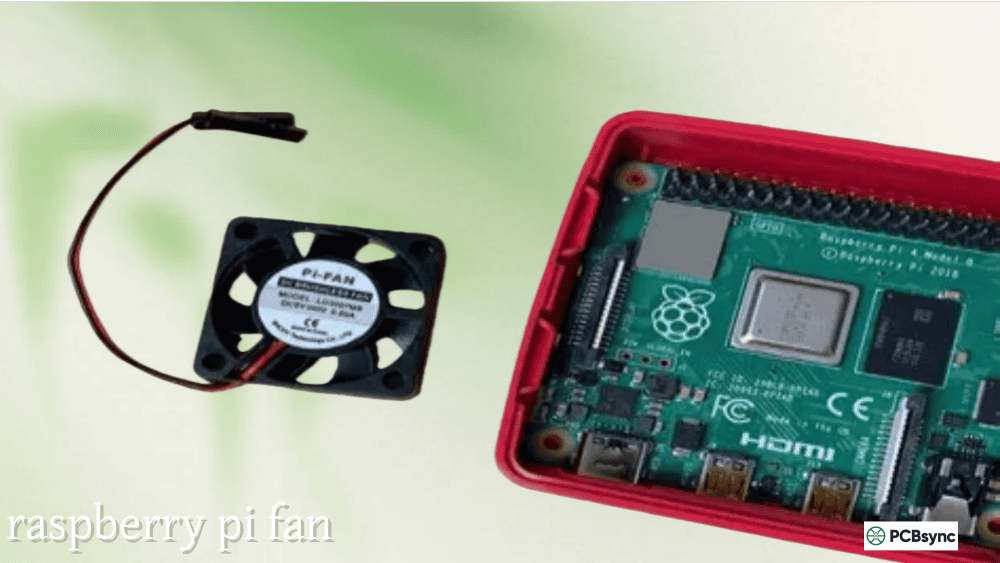
The NESPi case includes a mounting point for a 30mm cooling fan (sold separately in some versions). With proper cooling, the Pi 4 maintains stable temperatures even during extended gaming sessions. The SSD cartridge sits in a separate compartment, staying reasonably cool during operation.
For overclocking enthusiasts, the case design allows enough airflow to push the Pi 4 to 2.0GHz safely with adequate cooling installed.
Retroflag GPi Case: Portable Nostalgia
Original GPi Case Design
The original Retroflag GPi recreates the classic Game Boy DMG-01 with stunning accuracy. Hold one next to an original Game Boy, and casual observers won’t spot the difference immediately. The grey plastic, red buttons, speaker grille placement—Retroflag studied Nintendo’s homework and aced the exam.
At 135x81x32mm, it’s actually slightly smaller than the original Game Boy, making it genuinely pocketable. The weight (183g without batteries) feels right in your hands. Those of us who logged hundreds of hours on original Game Boys will experience immediate muscle memory.
The clever design hides the Raspberry Pi Zero inside a cartridge-shaped module that slides into the cartridge slot. This means swapping Pi boards or accessing the microSD requires ejecting the “cartridge,” maintaining the authentic experience.
GPi Case 2 Improvements
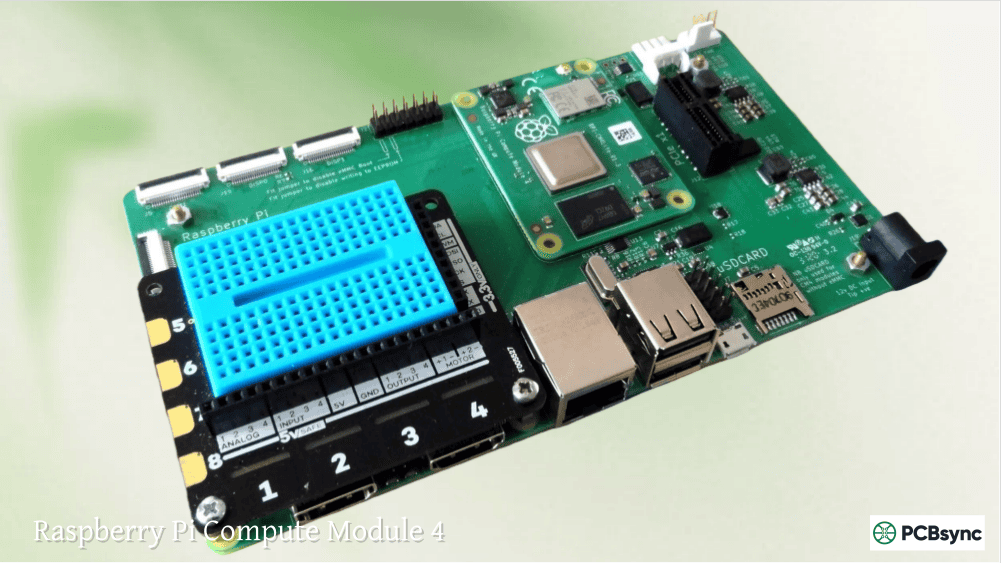
The GPI case 2 addresses nearly every complaint about the original. The biggest upgrade: a Raspberry Pi Compute Module 4 replaces the anemic Pi Zero, bringing quad-core processing power to the portable form factor.
Key improvements include a larger 3.0-inch 640×480 display (double the resolution), a built-in 4000mAh rechargeable lithium battery (goodbye AA batteries), USB-C charging, and a dock that outputs to TV via HDMI. The dock transforms the GPi Case 2 from portable handheld to living room console, offering flexibility neither the original GPi nor NESPi can match alone.
Portable Emulation Capabilities
The original GPi Case running a Pi Zero W handles:
System
Performance
NES / Famicom
Excellent
Game Boy / GBC
Perfect
Sega Master System
Perfect
Game Gear
Excellent
Atari 2600/7800
Perfect
SNES
Variable (some slowdown)
Genesis
Variable (most playable)
PlayStation 1
Poor (limited titles)
The Pi Zero struggles with 16-bit systems at full speed. SNES games might run with frame skipping, and Genesis titles can have audio issues. For 8-bit gaming, it’s perfect. For anything more demanding, expect compromises.
The GPi Case 2 with CM4 dramatically expands capabilities, approaching NESPi 4 performance levels while remaining portable. PlayStation 1 runs smoothly, and even some N64 titles become playable.
Build Quality and Durability Comparison
Aspect
NESPi 4
GPi Case
Shell Material
High-quality ABS plastic
High-quality ABS plastic
Button Feel
N/A (external controllers)
Excellent, faithful recreation
D-Pad Quality
N/A
Very good
Screen Protection
N/A
Plastic (scratches easily)
Hinge/Moving Parts
Cartridge door
Cartridge slot, battery door
Long-term Durability
Excellent
Good (buttons may wear)
Both cases demonstrate Retroflag’s commitment to quality. The NESPi case benefits from simpler construction—fewer moving parts means fewer failure points. The GPI case includes buttons, a screen, and battery contacts that can wear over time with heavy use. Some users report button sticking after extended play, though this isn’t universal.
The GPi Case’s plastic screen scratches easily compared to modern glass smartphone displays. If carrying it in a bag or pocket, the included carrying case is essential for protection.
Software Setup and Compatibility
Both cases work with popular retro gaming distributions:
Software
NESPi 4
GPi Case
RetroPie
Full support with script
Requires display patch
Recalbox
Full support
Recommended (no patches needed)
Batocera
Full support
Supported
Lakka
Full support
Supported
The NESPi case requires installing a safe shutdown script to enable the power and reset buttons. This is straightforward—a single terminal command downloads and installs everything automatically.
The Retroflag GPi needs additional configuration because its display connects via GPIO rather than HDMI. RetroPie requires a display patch; Recalbox handles this automatically and is Retroflag’s recommended distribution for the GPi.
Both cases support safe shutdown functionality that protects your SD card from corruption when pressing the power button.
The original GPI case offers the most affordable complete handheld experience. The NESPi 4 provides the best performance-per-dollar for TV-connected retro gaming. The GPi Case 2 commands premium pricing but delivers unprecedented portable power.
Which Retroflag Case Should You Choose?
Choose the NESPi Case If You Want:
The NESPi case is your answer if gaming happens primarily in your living room. Its advantages include superior emulation performance covering systems through PS1 and N64, SSD storage for massive ROM libraries and fast loading, multiplayer gaming with USB controllers, and a display on your existing TV or monitor.
This case works best for family game nights, dedicated emulation stations, or anyone who wants the most capable retro gaming setup without portability requirements. The SSD cartridge system adds genuine utility beyond nostalgia.
Choose the GPi Case If You Want:
The Retroflag GPi suits gamers who value portability above all else. The original GPi excels at 8-bit gaming on the go, offering authentic Game Boy handling and genuine pocket-sized convenience. Battery life with quality rechargeable AAs provides several hours of gameplay.
The GPi Case 2 is for enthusiasts willing to invest in the ultimate portable solution. With CM4 power and the optional dock, it bridges portable and TV gaming. The built-in rechargeable battery eliminates AA hassles.
Choose the original GPi for NES, Game Boy, and similar era games. Choose GPi Case 2 for portable PlayStation 1 and beyond.
Useful Resources for Retroflag Cases
Resource
URL
Description
Retroflag Official
retroflag.com
Official product pages and downloads
Retroflag GitHub
github.com/RetroFlag
Safe shutdown scripts
RetroPie
retropie.org.uk
Popular emulation distribution
Recalbox
recalbox.com
GPi-recommended distribution
Arcade Punks
arcadepunks.com
Pre-built images and guides
GBAtemp Forums
gbatemp.net
Community discussions and reviews
Reddit r/RetroPie
reddit.com/r/RetroPie
Active community support
Frequently Asked Questions
Can the NESPi case work with a Raspberry Pi 3?
No. The NESPi 4 case is designed exclusively for the Raspberry Pi 4. The port layout, mounting holes, and internal spacing don’t accommodate Pi 3 boards. However, Retroflag’s older NESPi+ case supports Raspberry Pi 3, 3B+, and 2B. If you have a Pi 3 and want the NES aesthetic, look for the NESPi+ specifically, not the NESPi 4.
Does the GPi Case support WiFi for transferring ROMs?
It depends on which Raspberry Pi you install. The original GPI case works with Pi Zero W (with WiFi) or Pi Zero (without WiFi). Using a Pi Zero W enables wireless ROM transfers via SFTP or Samba shares. The GPi Case 2 accepts CM4 modules, and choosing a WiFi-enabled CM4 variant provides wireless connectivity. ROM transfer over WiFi is significantly more convenient than constantly removing the microSD card.
Can I play PlayStation 1 games on the GPi Case?
On the original GPi Case with Pi Zero, PlayStation 1 emulation is extremely limited. A few 2D titles might run acceptably, but most games are unplayable due to the Pi Zero’s processing constraints. The GPi Case 2 with Raspberry Pi Compute Module 4 handles PS1 emulation well, running most titles at full speed. If PS1 gaming is important, either choose the GPi Case 2 or opt for the NESPi case setup.
Why does my NESPi case power button not work properly?
The safe shutdown functionality requires installing Retroflag’s script. Without this software component, pressing the power button won’t safely shut down your Pi—it will just cut power abruptly. Install the script using: curl -O https://raw.githubusercontent.com/RetroFlag/retroflag-picase/master/install.sh && sudo bash install.sh. After installation and reboot, the power and reset buttons will function as intended, safely shutting down or restarting your system.
Is the GPi Case 2 worth the extra cost over the original?
For most users, yes. The GPi Case 2’s advantages—CM4 processing power, rechargeable battery, higher resolution screen, and TV dock capability—justify the price premium. The original GPi restricts you to 8-bit gaming essentially, while the GPi Case 2 opens up SNES, Genesis, PS1, and more at playable speeds. The dock feature alone adds tremendous value, turning one purchase into both portable and TV gaming. Only choose the original GPi if budget is extremely tight or 8-bit gaming is genuinely all you want.
Final Verdict: NESPi vs GPi
Both the NESPi case and Retroflag GPi represent the pinnacle of Raspberry Pi retro gaming enclosures. Retroflag’s attention to detail, functional features like safe shutdown, and premium build quality make either choice solid.
The decision comes down to your gaming habits. Couch gaming with friends on a big screen? The NESPi case delivers unmatched performance and that nostalgic NES aesthetic. Gaming during commutes, travel, or anywhere away from a TV? The GPI case puts retro gaming literally in your pocket.
For maximum flexibility, the GPi Case 2 with its dock offers both worlds in one package—though at a premium price. For pure value, the original GPi Case paired with a Pi Zero W delivers exceptional 8-bit portable gaming under $100 total.
Whatever you choose, you’re getting a quality product from a manufacturer that genuinely understands what retro gaming enthusiasts want. That’s more than most case manufacturers can claim.
Inquire: Call 0086-755-23203480, or reach out via the form below/your sales contact to discuss our design, manufacturing, and assembly capabilities.
Quote: Email your PCB files to Sales@pcbsync.com (Preferred for large files) or submit online. We will contact you promptly. Please ensure your email is correct.
Notes: For PCB fabrication, we require PCB design file in Gerber RS-274X format (most preferred), *.PCB/DDB (Protel, inform your program version) format or *.BRD (Eagle) format. For PCB assembly, we require PCB design file in above mentioned format, drilling file and BOM. Click to download BOM template To avoid file missing, please include all files into one folder and compress it into .zip or .rar format.